-Mar-27-2026-02-08-12-9646-PM.png?width=800&height=418&name=Blog%20Post%20Image%20Size%20(1)-Mar-27-2026-02-08-12-9646-PM.png)
Key Takeaways
- Yes, old exterior paint on siding can often be matched very closely, but an exact match is not always possible.
- Sunlight, weather, age, and fading all change how exterior paint looks over time.
- A professional painter uses several methods to identify the closest possible color, not just a paint chip.
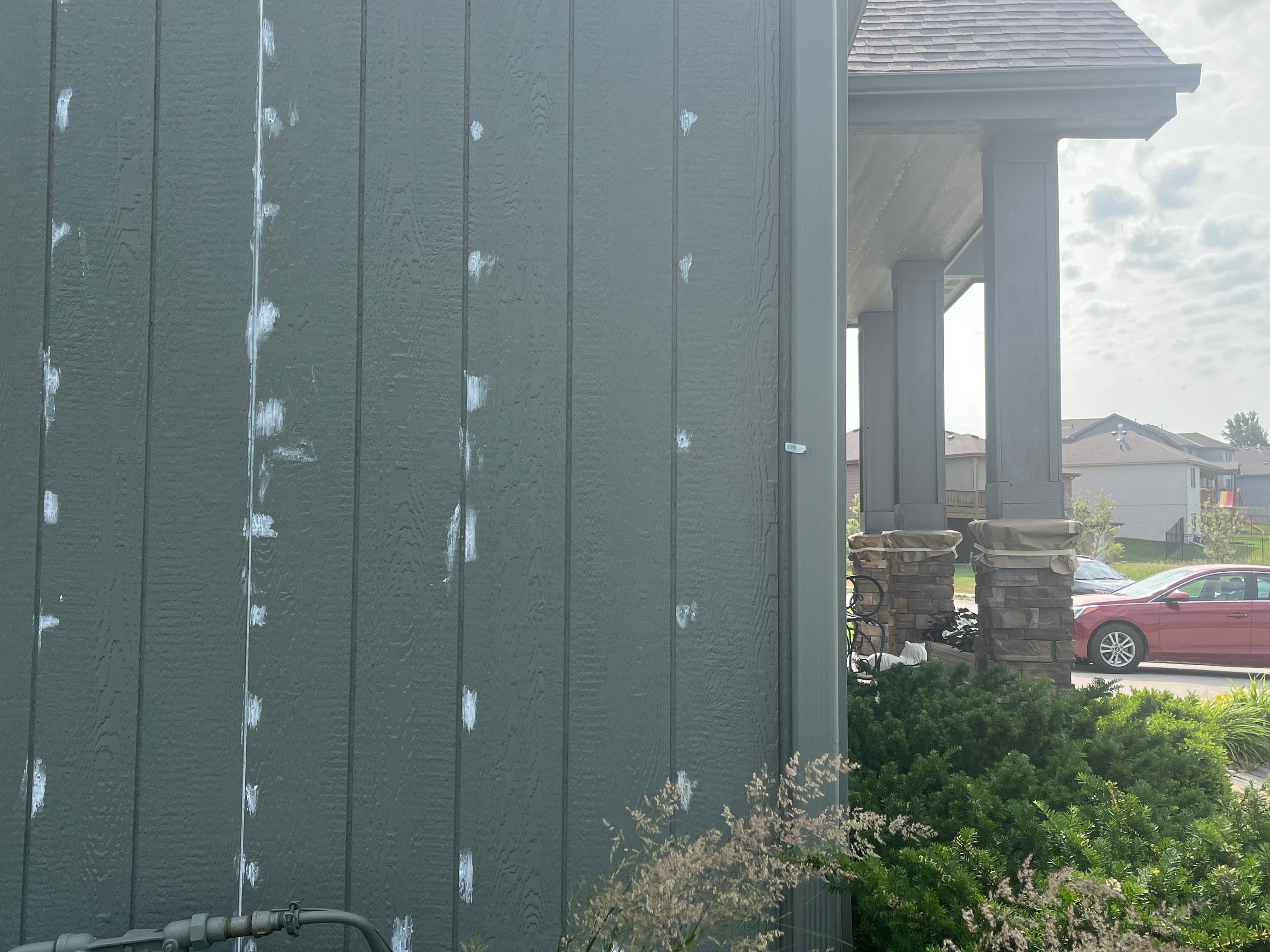
- Painting only one section of siding can sometimes make color differences more noticeable than repainting an entire wall.
- Knowing how exterior paint color matching works helps you ask better questions before hiring a painting contractor.
- This guide will help you understand what to expect, how colors are matched, and how to get the best possible results for your Omaha home.
If you're planning to repaint your home and you want the same color paint that is on the home now, one question probably keeps coming up.
"What if the new paint doesn't match the old color?"
Maybe you're repairing damaged siding. Maybe you're replacing one section after a storm. Or maybe you love the current color of your home and simply want it refreshed. Whatever the reason, nobody wants to spend thousands of dollars only to discover the new paint looks different.
That concern is completely understandable. Exterior paint changes over time. Years of Omaha sunshine, freezing winters, heavy rain, humidity, and changing temperatures slowly affect every painted surface. Even if you know the original color name, your house may not look like it did when it was first painted.
At Brush & Roll Painting, we've been helping Omaha homeowners with exterior painting since 1996. Over the years, we've matched hundreds of existing exterior colors on siding, trim, doors, and other painted surfaces. We've also seen situations where matching is much more difficult than homeowners expect. Our goal is simply to help homeowners understand the process so they can make informed decisions before starting their project.
By the end of this article, you'll understand how professional exterior paint color matching works, why perfect matches are sometimes impossible, what affects color accuracy, and what you can do to give yourself the best chance of getting a beautiful result.
Can you match old paint on siding?
Yes, most old exterior paint colors can be matched very closely. The closer the existing paint is to its original condition, the easier it usually is to create a good match. Age, fading, dirt, and weather all affect how accurate the match can be.
Many homeowners imagine there is a giant paint database where every color ever used can instantly be identified. It doesn't quite work that way.
Professional paint stores can use color matching technology, but the process also depends on experience, testing, and sometimes making multiple small adjustments.
A successful match often combines:
- Color scanning technology
- Physical paint samples
- Knowledge of how exterior paint ages
- Test samples on the home
- Viewing colors in natural daylight
The goal is usually to make the repair or repaint blend naturally with the surrounding surfaces.
Why doesn't my siding look the same color anymore?
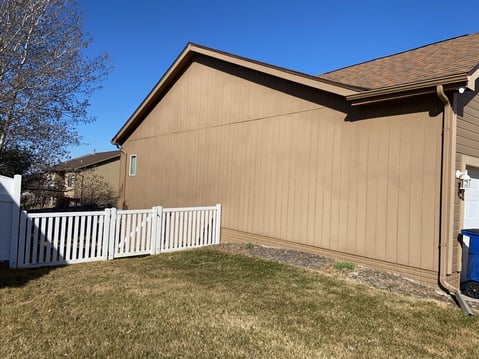
Exterior paint changes over time. Even high-quality paint slowly fades and weathers after years of exposure to the elements.
Omaha weather is especially tough on exterior paint.
Throughout the year, your home experiences:
- Strong summer sunlight
- Freezing winters
- Snow and ice
- Heavy rain
- High humidity
- Wind
- Temperature swings
Every one of those conditions slowly changes paint.
Dark colors often fade more noticeably than lighter colors. South-facing walls usually fade faster because they receive more direct sunlight throughout the day.
Two pieces of siding painted at exactly the same time may look slightly different years later if one side receives much more sun than the other.

How do painters match existing exterior paint?
Professional painters use several methods together. Color scanners are helpful, but they are only one part of the process.
Here is how exterior paint color matching usually works.
Try to find the original paint information. This is always the easiest starting point.
If you still have:
- Paint cans
- Product labels
- Color names
- Paint formulas
- Builder records
the matching process becomes much simpler.
Even if the paint has faded, knowing the original formula gives professionals an excellent starting point.
Remove a clean paint sample
If no paint records exist, a small sample is usually removed.
Common locations include:
- Behind a downspout
- Under light fixtures
- Behind shutters
- Under trim pieces
- Protected areas with less sun exposure
These areas often retain more of the original color.
Use a color scanner
Paint stores use specialized scanners that analyze the sample.
The scanner estimates:
- Hue
- Brightness
- Color family
- Tint strength
While scanners are impressive, they are not perfect.
Different paint brands also use different colorants and formulas.
Compare test samples outside
Paint always looks different indoors.
Professional painters usually compare sample colors outside during daylight.
This step matters because:
- Morning light changes color.
- Afternoon sun changes color.
- Cloud cover changes color.
- Shade changes color.
A color that looks perfect inside a paint store may look completely different once it is applied to your home.
Can faded siding be matched exactly?
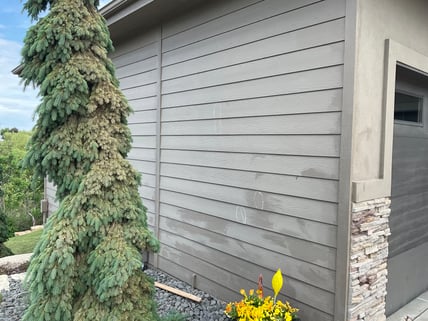
Sometimes yes, but not always. The more faded the paint is, the harder it becomes to create a perfect match.
Imagine buying a white T-shirt. Now imagine leaving it outside for a few summers. Even if you buy the exact same shirt today, the old one will probably look different.
Paint behaves the same way. The original formula may still exist, but your home's siding has changed over time.
That means professionals often match the color you currently see, not necessarily the color that was originally applied.
Will new paint stand out next to old paint?
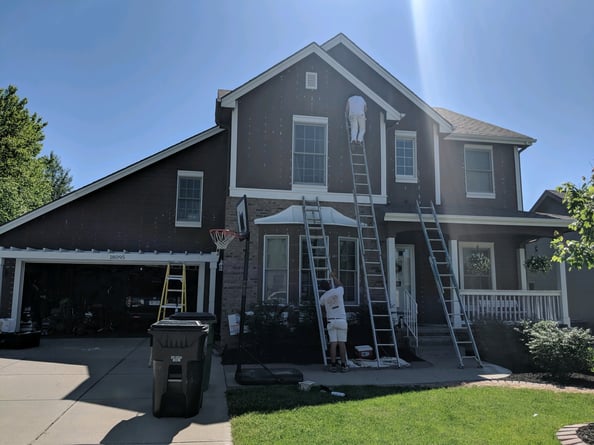
It can. Fresh paint often looks cleaner, richer, and slightly brighter than paint that has been outside for many years.
This is especially noticeable when painting:
- One repaired board
- One section of siding
- One wall
- One addition
- One dormer
Even if the color formula is extremely close, fresh paint reflects light differently.
Many homeowners mistake this for a bad color match when it is actually the difference between new paint and aged paint.
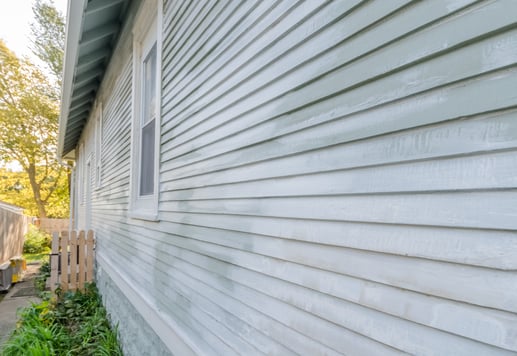
Is it better to paint one section or the entire wall?
Painting the entire wall usually creates the most consistent appearance because there are no stopping points where old and new paint meet.
For example:
If only three siding boards are repaired in the middle of a wall, matching becomes much more difficult.
If the entire wall is painted, your eye no longer compares fresh paint directly against older paint.
That often produces a much better-looking finished product.
Can different paint brands match the same exterior color?
Yes. Most major paint manufacturers can create colors that are very close to one another, although small differences can still exist.
Every manufacturer uses its own:
- Paint base
- Colorants
- Tint system
- Finish
Because of that, two paints with the same color name may not look identical.
Professional painters understand these differences and know how to adjust expectations when switching brands.
Does paint sheen affect color matching?
Absolutely. The sheen can change how the color appears even when the color formula stays exactly the same.
For example:
- Flat siding paint scatters light.
- Satin paint reflects more light.
Because of that, satin often appears slightly richer or darker even though the color itself has not changed.
This is one reason professionals try to match both the color and the sheen whenever possible.
Why does exterior paint look different at different times of day?
Natural sunlight constantly changes throughout the day, and your paint changes with it.
You may notice your house looks:
- Brighter in the morning
- Warmer during sunset
- Cooler on cloudy days
- Darker after rain
This is completely normal.
It also explains why professional painters evaluate color outdoors instead of relying only on indoor lighting.
What if I only know the color name?
Knowing the color name is very helpful, but it may not guarantee an exact match.
For example, suppose your siding was painted fifteen years ago. You know the exact paint color.
But after fifteen years of weather, your siding probably no longer matches the original formula perfectly.
The color name gives professionals an excellent starting point, but adjustments may still be necessary.
Should I test exterior paint colors before painting my entire home?
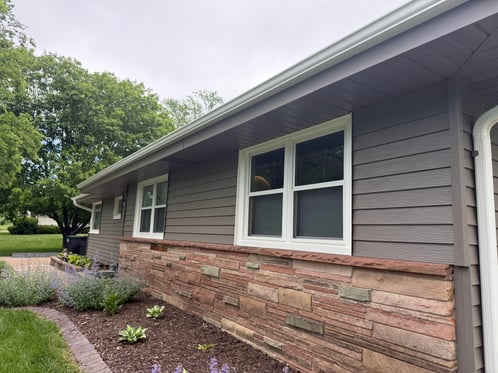
Yes. Testing large samples outside is one of the smartest steps you can take before committing to a color.
Small paint chips are useful. Large painted samples are much better.
Try viewing them:
- Early morning
- Midday
- Late afternoon
- Cloudy weather
- Sunny weather
You may be surprised how much the color changes throughout the day.
What questions should I ask my painter about color matching?
A few simple questions can help you understand what to expect before the project begins.
Ask questions like:
- Have you matched existing exterior colors before?
- Will you take paint samples from protected areas?
- Will you create test samples first?
- Can you explain whether an exact match is realistic?
- Should we paint the whole wall instead of only one repair?
- Will the sheen match the existing paint?
These conversations help set realistic expectations before any paint is applied.
What is the biggest mistake homeowners make with exterior paint matching?
Expecting a perfect match without considering years of weathering is probably the most common misunderstanding.
Professional painters can often produce remarkably close matches.
Still, no painter can reverse years of sunlight, rain, and fading.
Understanding that difference makes the entire process much less stressful.
The goal is usually a repair or repaint that looks natural, clean, and consistent when viewed as part of the whole house.
Frequently Asked Questions About Matching Old Paint on Siding
Can paint stores match old siding paint?
Yes. Most paint stores can scan an existing paint sample and create a very close match.
Can faded paint be restored by matching it?
No. Color matching creates new paint that closely resembles the existing appearance. It does not restore faded paint back to its original condition.
Should I save leftover exterior paint?
Yes. Keeping labeled paint cans makes future touch ups and repairs much easier.
Does dirty siding affect color matching?
Yes. Dirt, mildew, chalking, and oxidation can change how the color appears. Cleaning the surface first often improves color accuracy.
Can color matching work for older homes?
Yes. Older homes are matched successfully every year. The process may simply require a little more testing and patience.
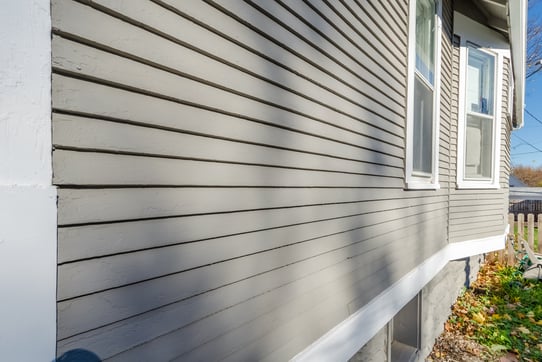
Does replacing one piece of siding make matching harder?
Yes. A single new repair surrounded by older paint often makes small color differences easier to notice.
Exterior Painting in Omaha, NE
If you've been wondering whether old siding paint can really be matched, you now know the answer is usually yes, but with realistic expectations. Exterior paint changes over time because of sunlight, weather, age, and normal wear. Professional color matching combines technology, experience, and testing to produce results that blend naturally with your home.
At Brush & Roll Painting, we've helped homeowners throughout the Omaha area understand exterior paint color matching since 1996. We believe homeowners make better decisions when they understand how the process works, what influences the final color, and what results are realistic to expect.
If you're ready to repaint your home's exterior, click the Get a Quote button below to start the conversation.

If you're still comparing options and planning your budget, try our Exterior Painting Pricing Calculator to get a better idea of what your project may cost before requesting an estimate.

-1.png?width=800&height=418&name=Blog%20Post%20Image%20Size%20(7)-1.png)
-Sep-20-2024-01-43-26-0356-PM.png?width=800&height=418&name=Blog%20Post%20Image%20Size%20(2)-Sep-20-2024-01-43-26-0356-PM.png)