If you’ve ever looked at a painting quote and thought, “Why is this so expensive when paint only costs a few hundred dollars?” you’re not alone. Many homeowners in Omaha feel confused when the numbers don’t seem to match what they see at the store. It can feel like you’re paying a lot for something that looks simple.
At Brush & Roll Painting, we’ve been working in Omaha homes since 1996. Over the years, we’ve handled interior painting, exterior painting, cabinet refinishing, and deck staining projects in all kinds of conditions. One thing has stayed consistent across every job: prep work takes the majority of the time and effort.
By the end of this article, you’ll clearly understand what actually costs more in a painting project, why prep work usually takes up 60 to 70 percent of the job, and how to evaluate a quote with confidence. You’ll also learn what to look for so you don’t end up paying twice for the same project.
Does Prep Work or Paint Cost More in a Painting Project?
It can depend on who you hire, but prep work costs more than paint in most professional painting projects.
Paint can be expensive depending on the product, but labor is the highest cost. Prep work takes time, skill, and attention to detail. That is where most of the hours go, which is why it makes up the majority of the price.
When you hire a painter in Omaha, you are not just paying for paint. You are paying for the work that makes that paint last.
Why Does Prep Work Cost More Than Paint?
Prep work is labor-heavy and time-consuming, while paint is a fixed material cost.
Think about it like cooking. The ingredients might cost a certain amount, but the time it takes to prepare, cook, and plate the meal is where most of the effort happens.
Prep work includes:
- Cleaning surfaces
- Sanding rough areas
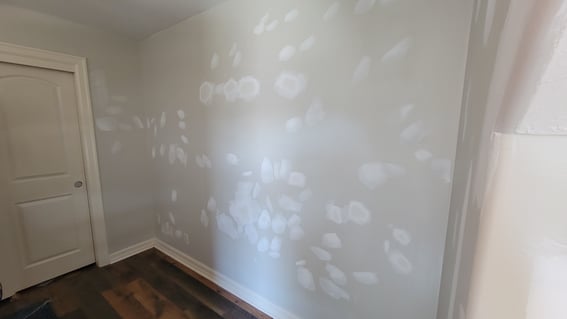
- Filling holes and cracks
- Caulking gaps
- Priming surfaces
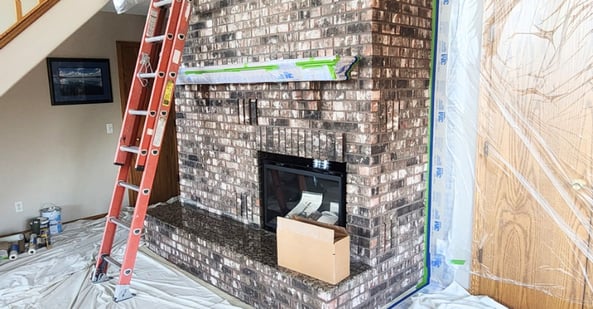
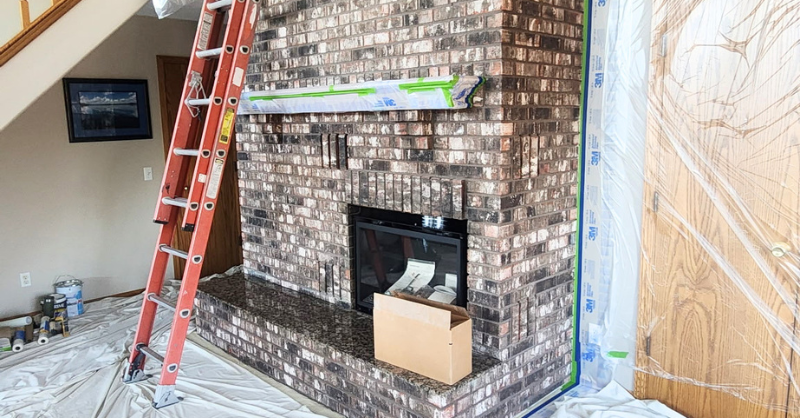
- Protecting floors, furniture, and landscaping
Each of these steps takes time. Skipping even one can lead to problems like peeling, cracking, or uneven finishes.
How Much of a Painting Project Is Prep Work?
For us at Brush & Roll Painting, prep work usually accounts for 60 to 70 percent of the total job.
This surprises many homeowners. Most people assume painting is about applying color, but the real work happens before the first coat goes on.
For example:
- A two-day job might only include a few hours of actual painting
- The rest of the time is spent preparing the surface properly
At Brush & Roll Painting, prep work is often the largest part of every project, whether it’s inside, outside, or on cabinets.

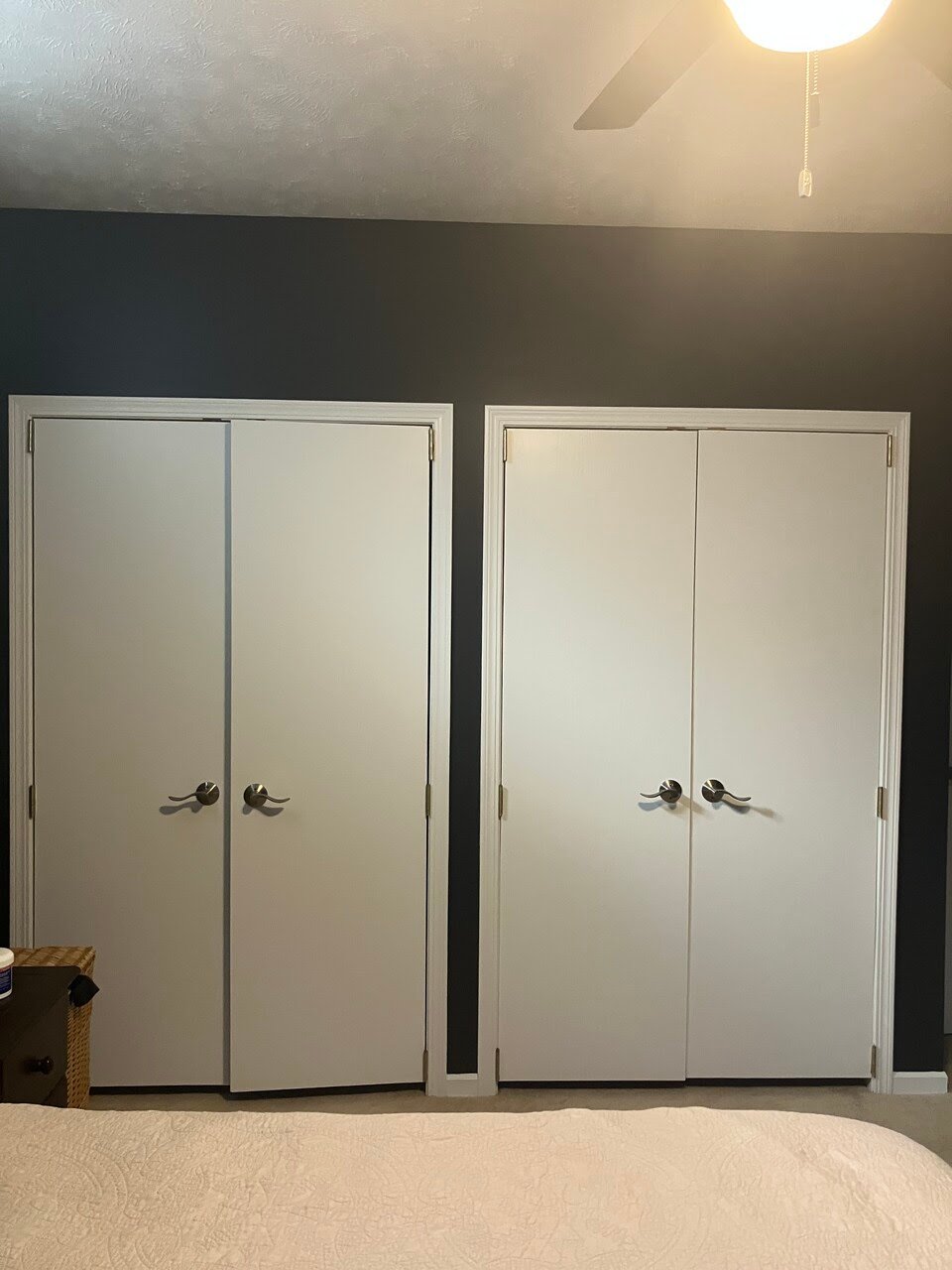
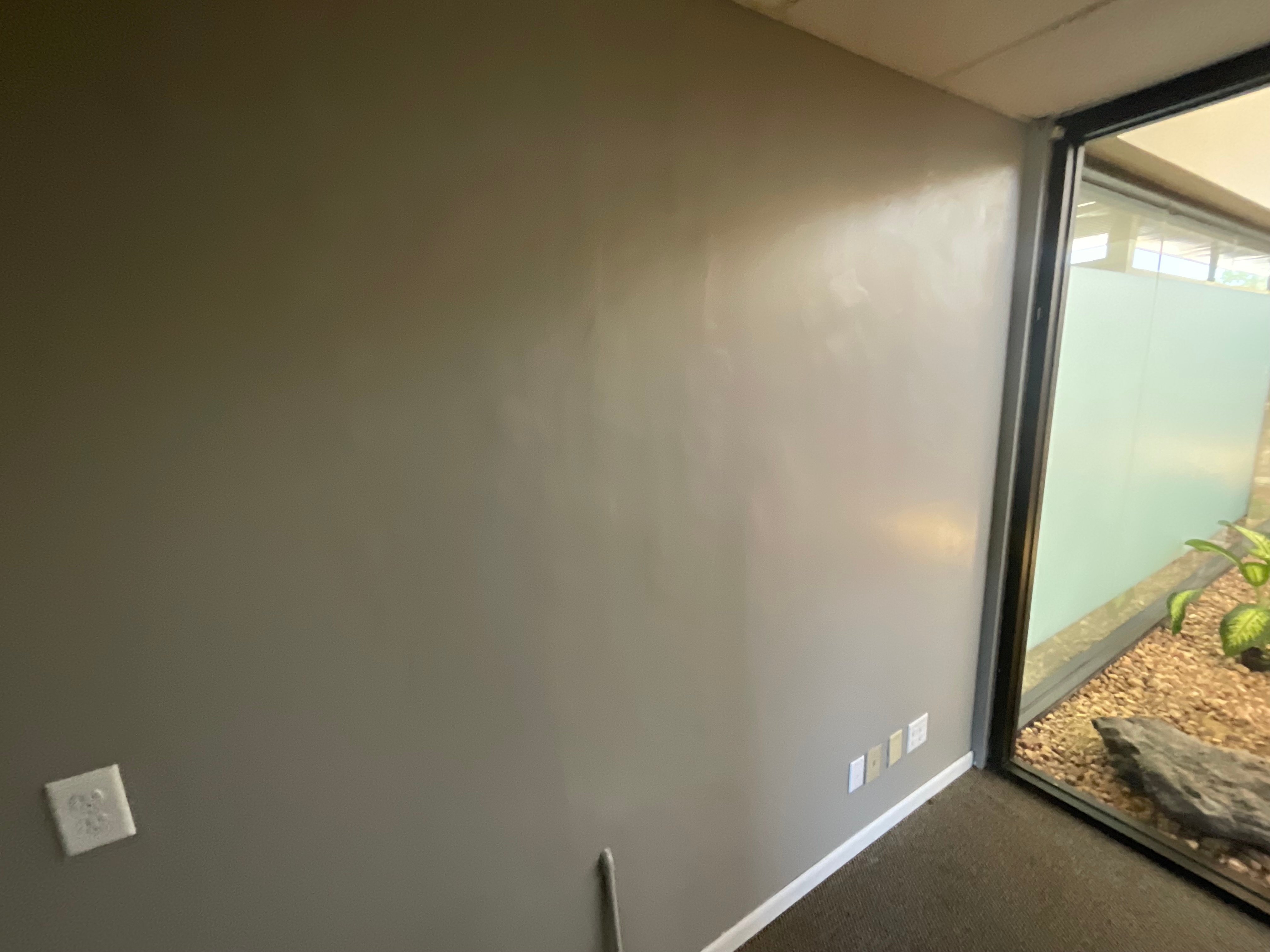
What Prep Work Is Required for Interior Painting?
Interior prep focuses on creating smooth, clean surfaces for a consistent finish.
Inside your home, prep work might not seem as intense or even visible, but it still takes time to do it right.
Common interior prep steps include:
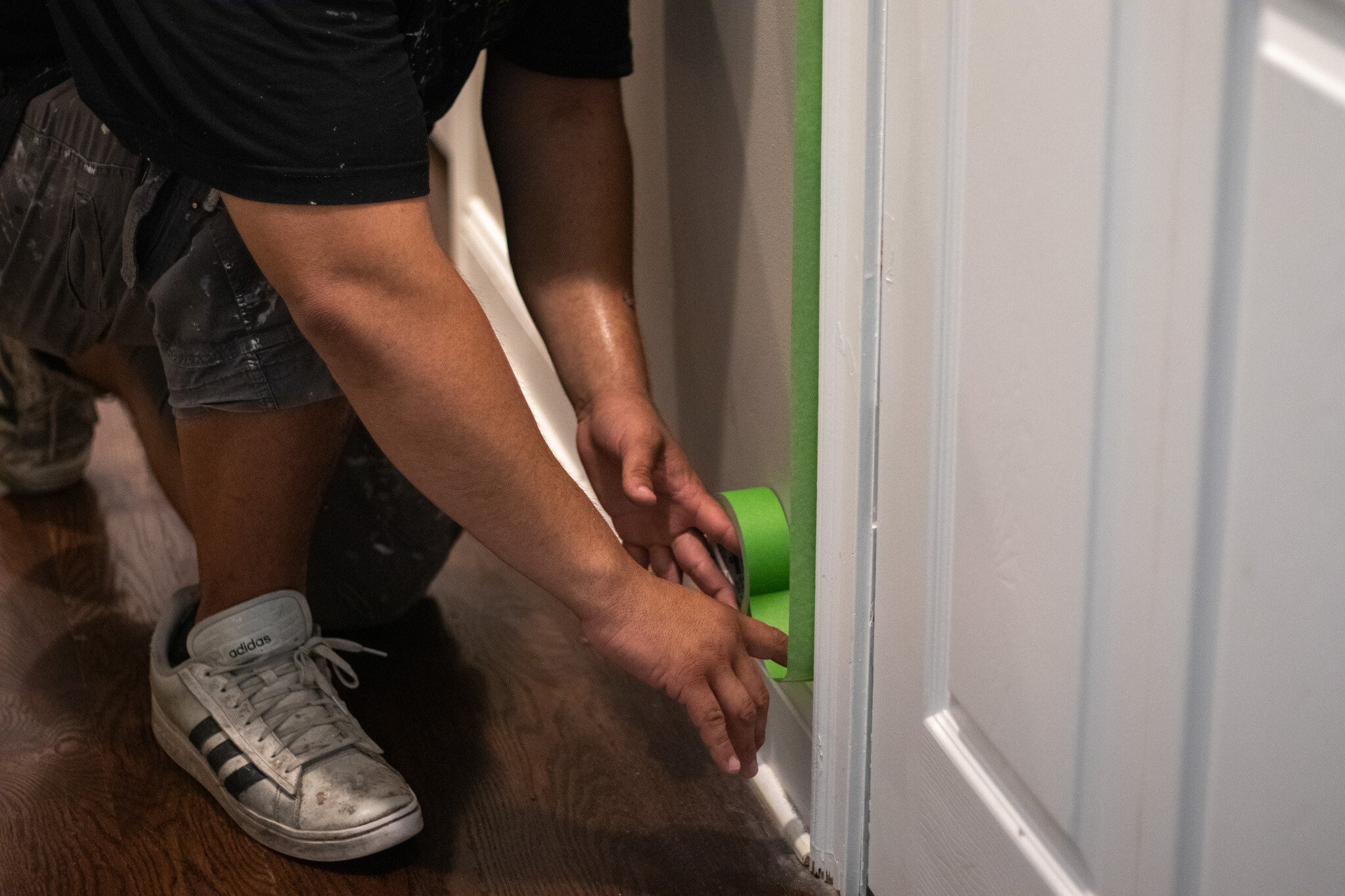
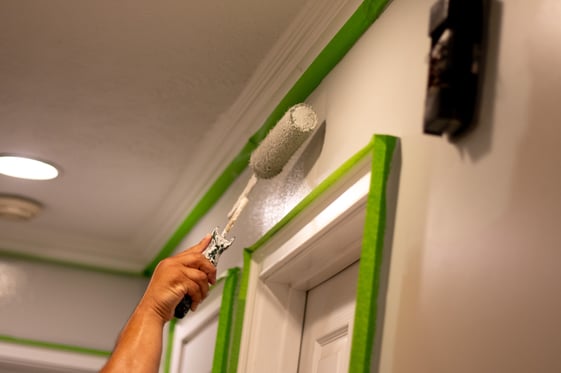
- Taping off trim or walls
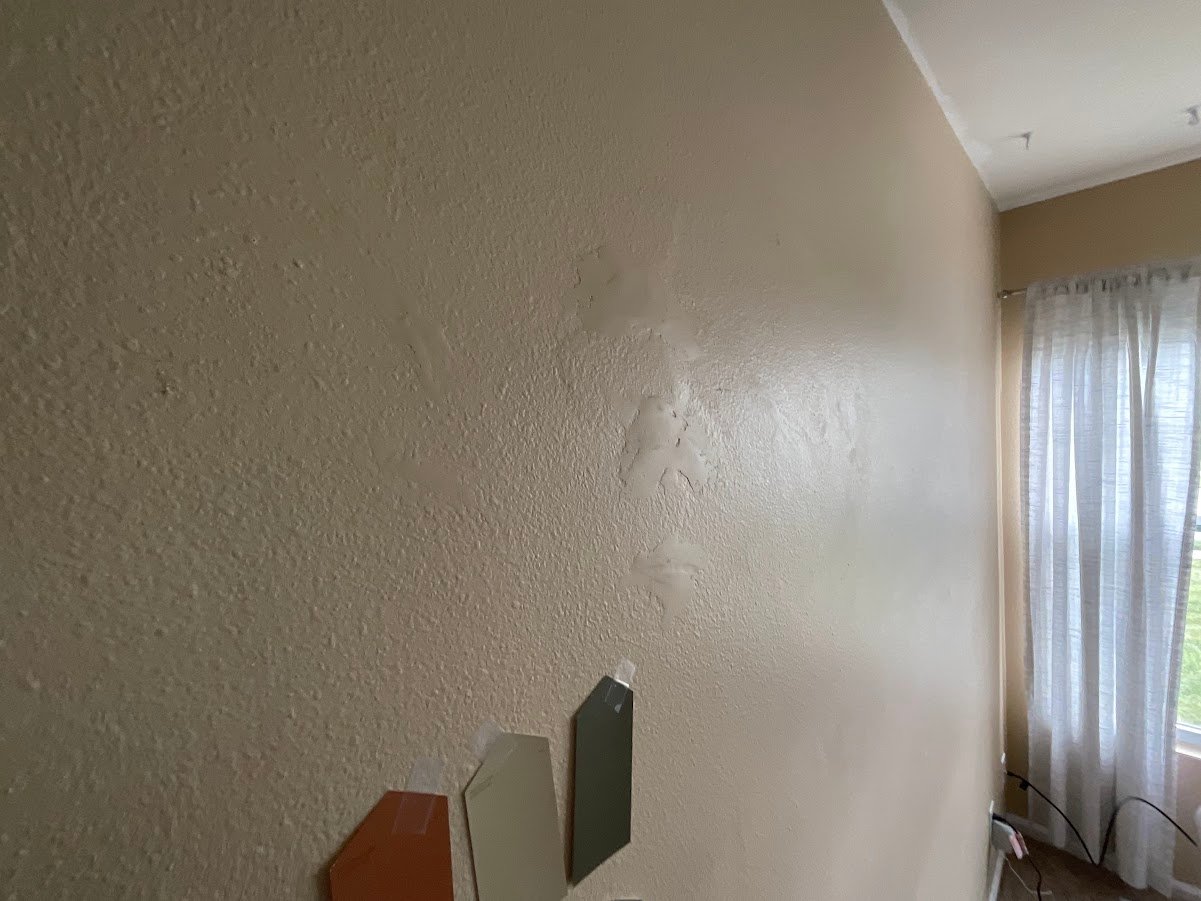
- Filling nail holes and dents in drywall
- Sanding patches smooth
- Pole sanding
- Spot priming repairs
- Caulking trim and baseboards
- Covering floors and furniture
If this work is rushed, you will notice:
- Visible patches after painting
- Uneven sheen or flashing
- Rough or bumpy walls
A clean, smooth wall does not happen by accident. It is built step by step.
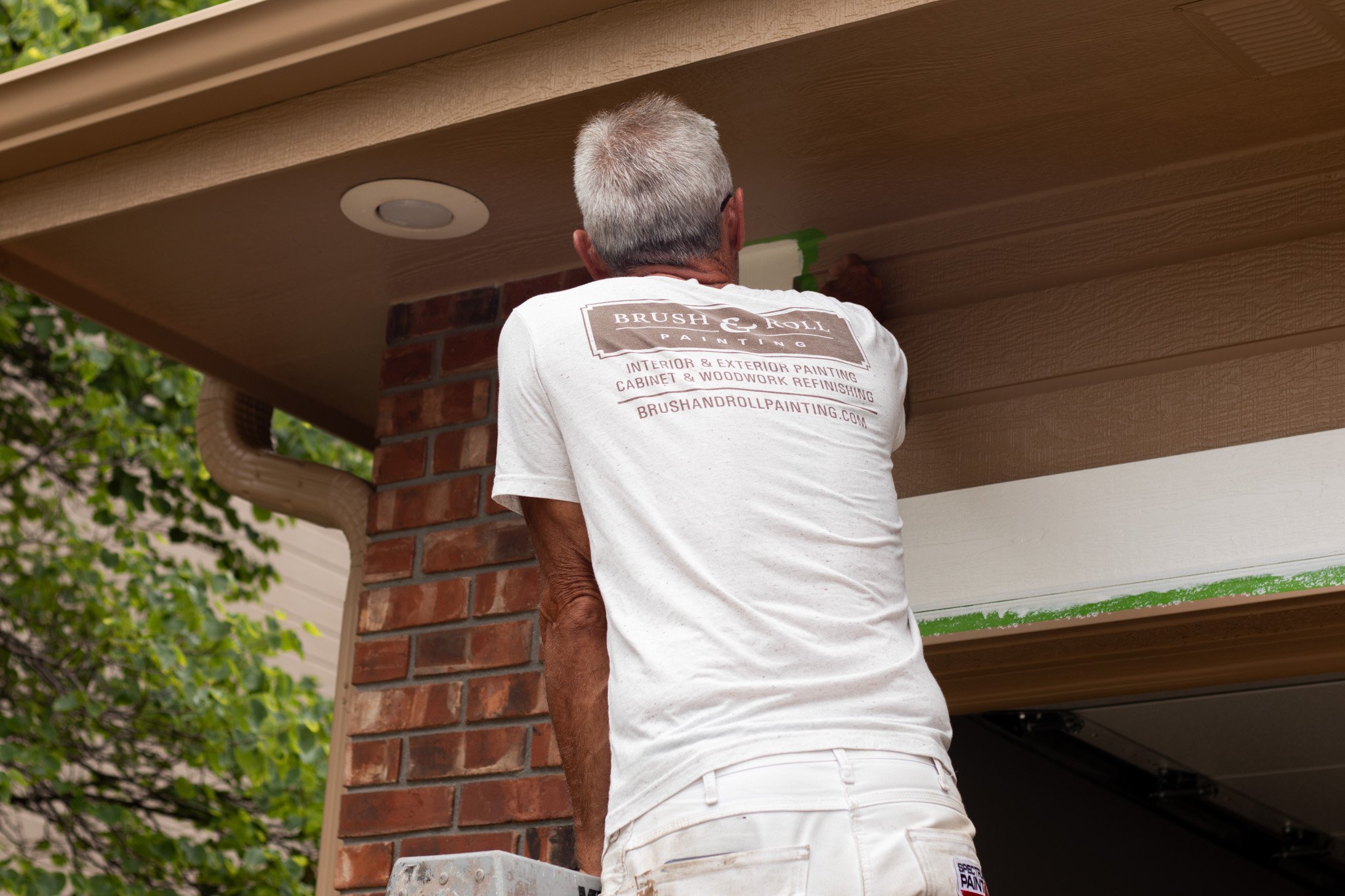
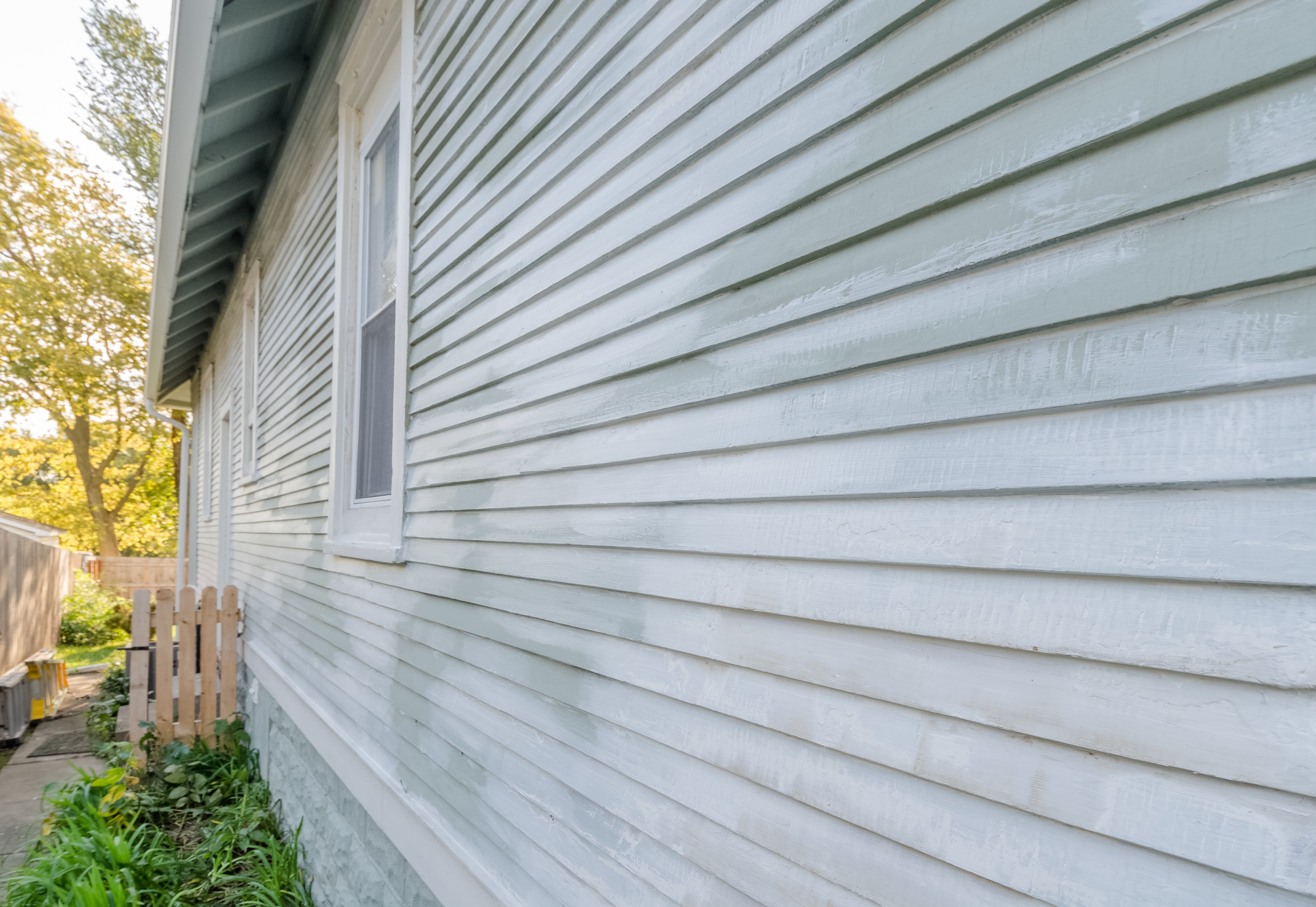
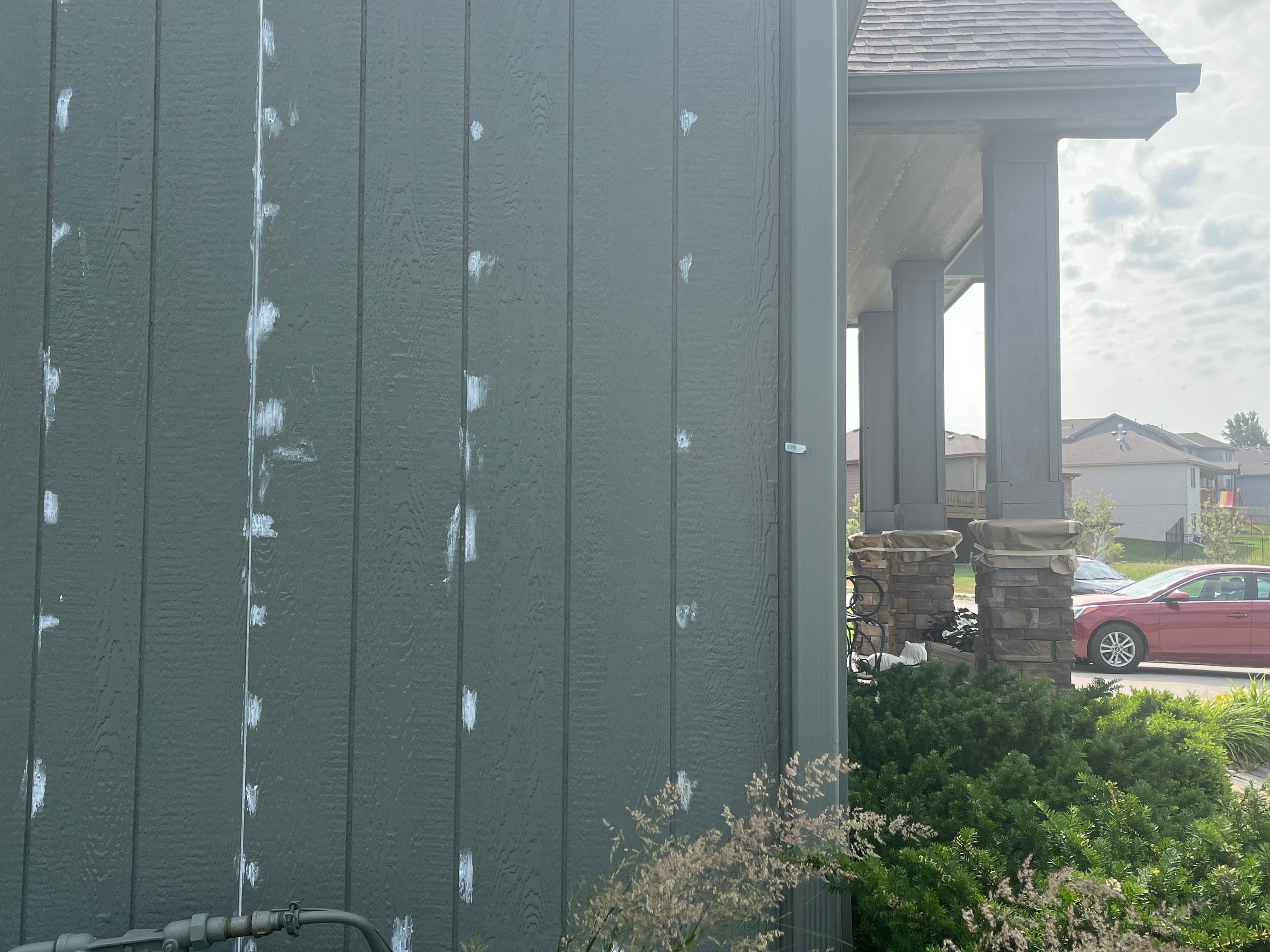
What Prep Work Is Required for Exterior Painting in Omaha?
Exterior prep protects your home from weather and ensures paint adhesion.
Homes in Omaha deal with hot summers, cold winters, and moisture. That makes exterior prep even more important.
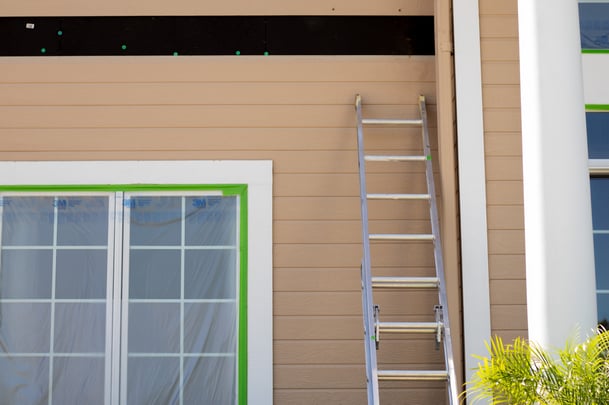
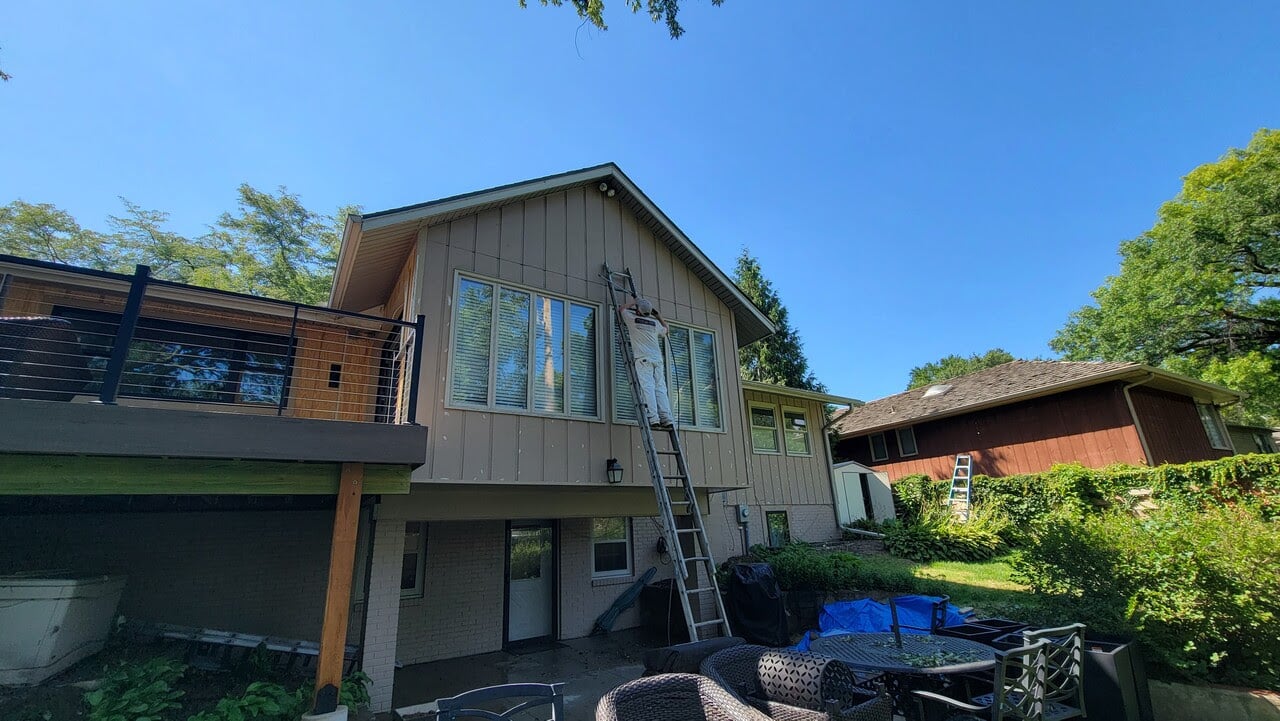
Exterior prep often includes:
- Power washing with a detergent to remove dirt and mildew
- Scraping peeling paint
- Sanding edges smooth
- Replacing or repairing damaged wood
- Caulking joints and seams
- Priming bare surfaces
This work is critical. Without it, paint will fail quickly, especially with the freeze and thaw cycles we see in Omaha.
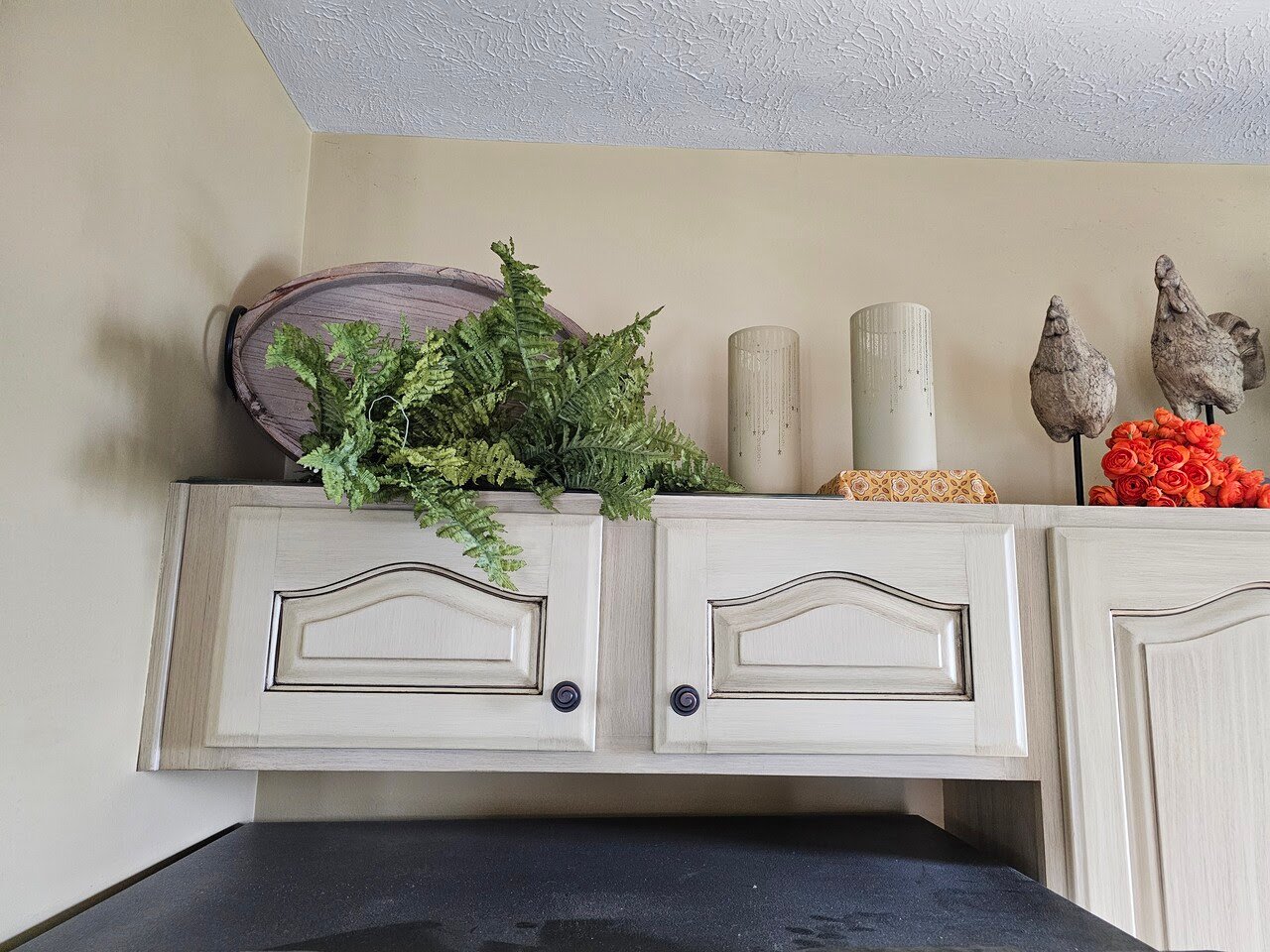
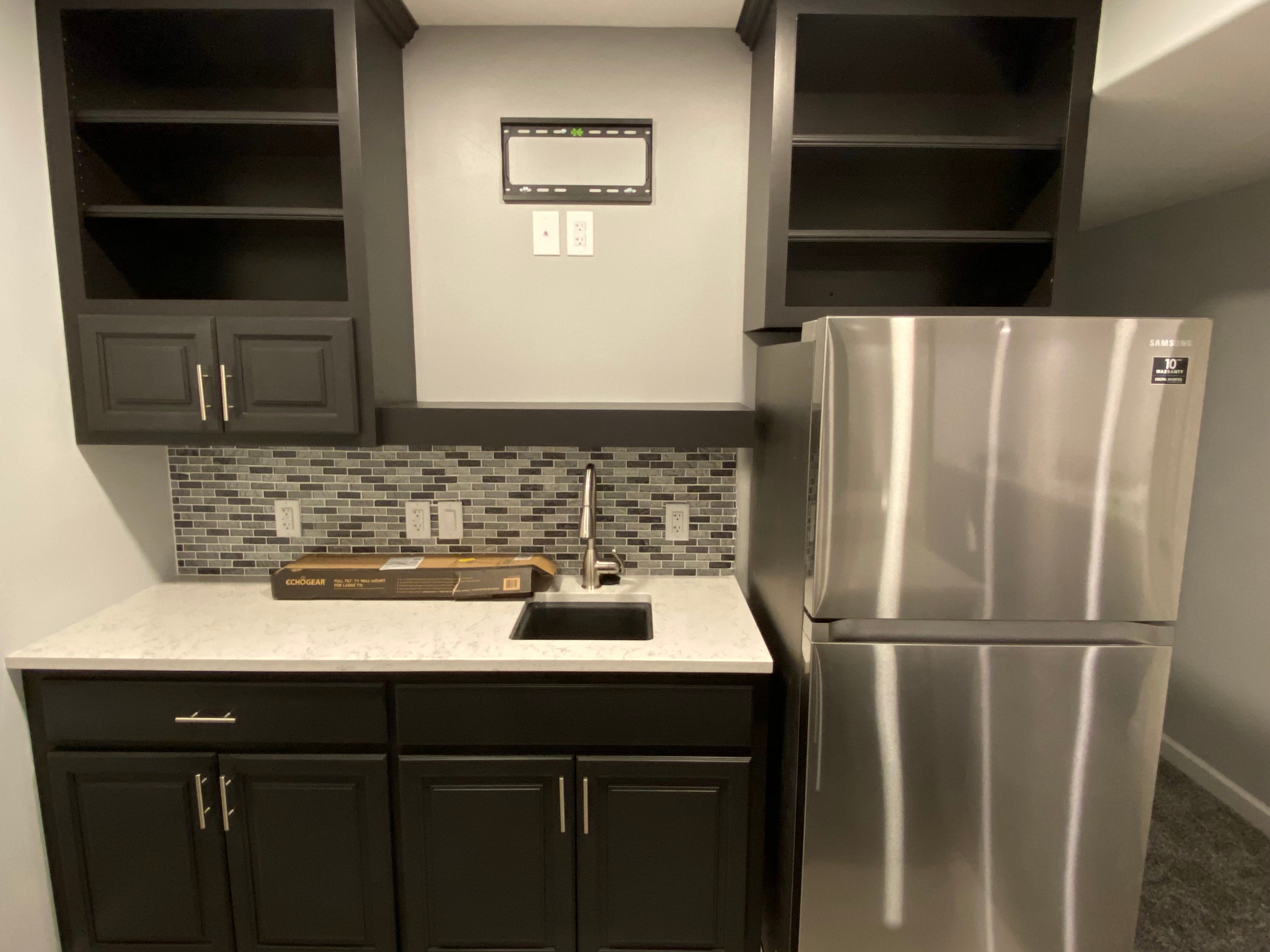
Why Does Cabinet Painting Require So Much Prep Work?
Cabinets need detailed prep to handle daily wear and tear.
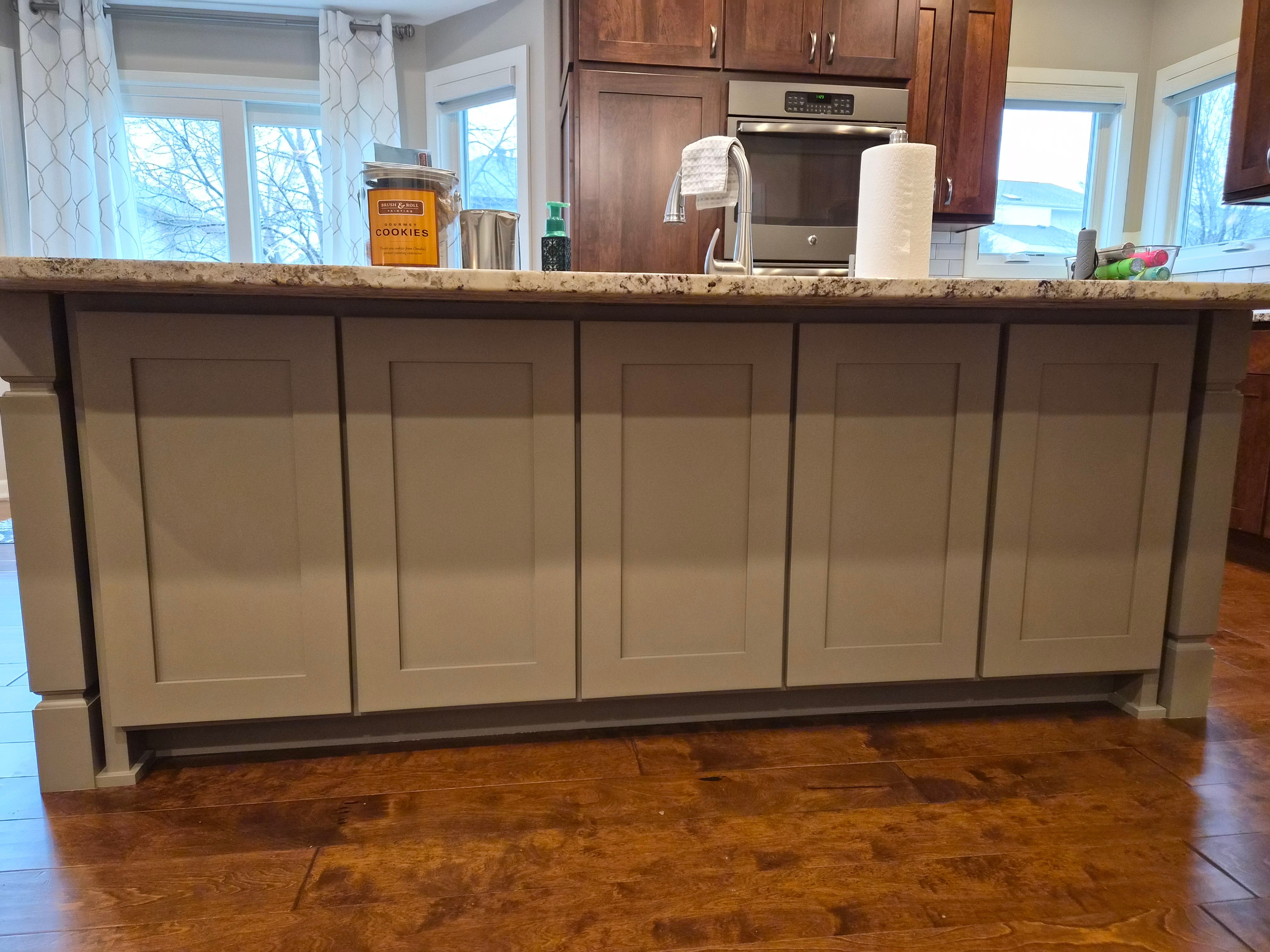
Cabinets are one of the most prep-heavy projects in painting.
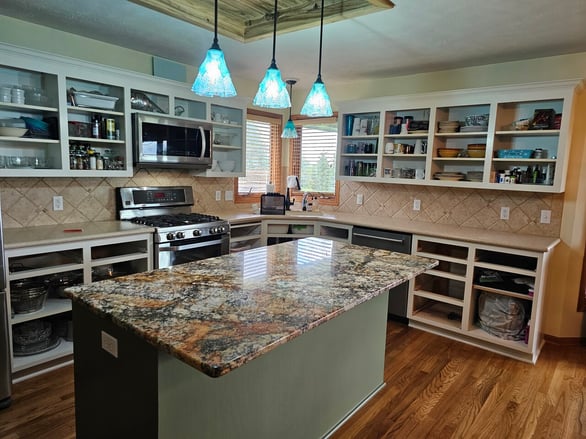
Prep for cabinets includes:
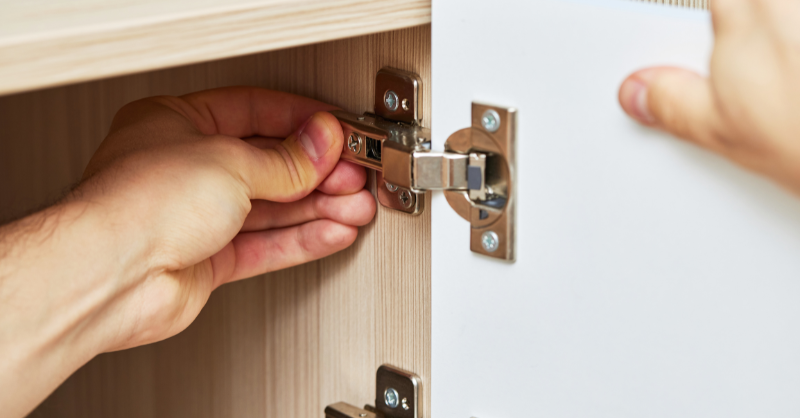
- Removing doors and drawer fronts
- Deep cleaning to remove grease and oils
- Sanding or deglossing surfaces
- Applying bonding primers
- Masking off other kitchen areas
- Applying a resurfacer product
- Using wood filler or putty where necessary
- Filling in old handle or drawer holes
Cabinets get touched every day. If prep is skipped, the finish can chip or peel much sooner.
This is one area where prep work clearly outweighs the cost of materials.
How Much Prep Work Does Deck Staining Need?
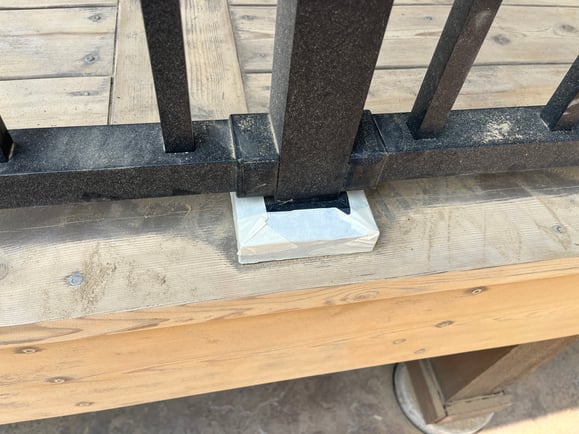
Deck staining needs more prep work than you might think. Prep work is often the hardest and most time-consuming part of deck staining.
To be honest, most painters just put the stain on and call it a day, but at Brush & Roll Painting, we take the time to sand the wood so it can get a good adhesion to a layer of stain.
Decks require careful preparation because wood absorbs stain differently depending on its condition.
Prep steps often include:
- Power washing the deck with a wood deck detergent
- Sanding the surface for even absorption
- Replacing damaged boards
- Repairing sunken holes or gaps
- Allowing proper drying time
Sanding alone can take hours, especially on larger decks or ones that have not been maintained.
The actual staining process is usually much faster than getting the deck ready.
Why Is Paint Itself Not the Most Expensive Part?
Paint has a set cost, while labor varies based on time and effort.
Even high-quality paint usually makes up a smaller portion of the total cost compared to labor.
For example:
- A gallon of premium paint might cost around $60 to $100
- A project may require several gallons
- But labor hours can add up quickly, especially with detailed prep
Better paint can sometimes reduce labor because it covers better, but it does not replace proper preparation.
How Much Does Painting Labor Cost?
Painting labor in Omaha often ranges from about $50 to $80 per hour, depending on the company, the type of project, and the level of detail involved. At Brush & Roll Painting, labor is typically around $75 per hour, which reflects the time spent on proper prep work and a consistent process from start to finish.
Labor cost is not just about someone applying paint to a wall. It includes everything that happens before and after that step. That means protecting your home, preparing surfaces, completing repairs, applying paint correctly, and cleaning up once the job is done. When you look at it that way, you are paying for time, experience, and attention to detail.
You may find painters in Omaha who charge less per hour. In some cases, that can be a good fit depending on the scope of the project and what you are looking for.
In other cases, a lower hourly rate may mean fewer prep steps, faster timelines, or less detailed work. That does not always show up right away, but it can affect how the finish looks and how long it lasts.
The key is not just the hourly rate, but how that time is used. A painter who spends more time preparing surfaces properly may cost more upfront, but the result often holds up better over time. When comparing options, it helps to ask how many hours are expected, what is included in that time, and how the prep work is handled.
Can Skipping Prep Work Save Money?
Skipping prep work might save money upfront, but it usually costs more later.
This is one of the biggest mistakes homeowners make.
If prep is rushed or skipped:
- Paint may peel within a year
- Cracks and gaps may reopen
- Surfaces may look uneven
That often leads to repainting sooner than expected.
Paying for proper prep once is usually less expensive than fixing problems later.
How Can You Tell If a Painting Quote Includes Proper Prep Work?
Short answer:, a good quote clearly outlines prep steps and explains what is included.
When reviewing quotes, look for details like:
- Surface cleaning or washing
- Repairs to drywall or wood
- Sanding surfaces
- Caulking and sealing
- Priming areas as needed
- Protection of your home
If a quote is much lower than others, it may mean prep work is being reduced.
Ask questions so you can compare quotes fairly.
Why Do Some Painting Companies Charge Less?
Lower prices often mean less prep work or faster processes. Not all painting jobs are equal.
Lower-cost projects may:
- Skip sanding or repairs
- Use minimal caulking
- Apply fewer coats
- Spend less time on surface preparation and say they trust their “skills”
This can make the project look good at first, but problems may show up sooner.
How Does Prep Work Affect How Long Paint Lasts?
Better prep leads to longer-lasting results. Prep work directly impacts durability.
Good prep helps paint:
- Stick properly to surfaces
- Resist moisture and temperature changes
- Maintain a consistent finish
In Omaha’s climate, this is especially important for exterior projects. Without solid prep, even the best paint will not perform as expected.
Plus, a painter with a detailed prep work process is more likely to offer a warranty and stand behind their work.
FAQ: What Costs More, Prep Work or Paint?
Is prep work always included in painting quotes?
Most professional quotes include prep work, but the level of detail can vary. Always ask what is included so you know exactly what you are paying for.
How much of the cost is labor vs materials?
In many cases, labor makes up the majority of the cost, often more than half of the total price.
Can I do prep work myself to save money?
You can, but it needs to be done correctly. Improper prep can affect the final result and may not actually save money.
Does better paint reduce the need for prep work?
No. High-quality paint performs better, but it still requires proper surface preparation to work as intended.
Why does prep take so long?
Each step builds on the last. Rushing leads to visible flaws or early failure.
Hiring a Painter in Omaha, Nebraska
When you look at a painting project, it is easy to focus on the paint itself. That is the part you see and the part you can easily price out at a store. But as you have learned, prep work is what truly drives the cost.
Prep work takes time, effort, and experience. It is the reason a paint job looks smooth, holds up over time, and protects your home. Without it, even the best materials will fall short.
At Brush & Roll Painting, we have seen firsthand that taking the time to do 60 to 70% of a project is prep work. That applies to interiors, exteriors, cabinets, and decks. The goal is not to do more work than necessary, but to do the right work so the results last.
If you are comparing quotes or planning a project in Omaha, this understanding gives you an advantage. You can ask better questions, spot differences between estimates, and make a decision that fits your home.
If you are ready to take the next step, click the button below to get a quote.

If you are still gathering information, try our home painting pricing calculator. It is a helpful way to get a general idea of the cost of your specific project before reaching out.
Topics:
-May-22-2026-01-56-32-9736-PM.png?width=800&height=418&name=Blog%20Post%20Image%20Size%20(1)-May-22-2026-01-56-32-9736-PM.png)
-May-15-2026-04-54-24-9954-PM.png?width=800&height=418&name=Blog%20Post%20Image%20Size%20(1)-May-15-2026-04-54-24-9954-PM.png)
-Sep-20-2024-01-43-26-0356-PM.png?width=800&height=418&name=Blog%20Post%20Image%20Size%20(2)-Sep-20-2024-01-43-26-0356-PM.png)