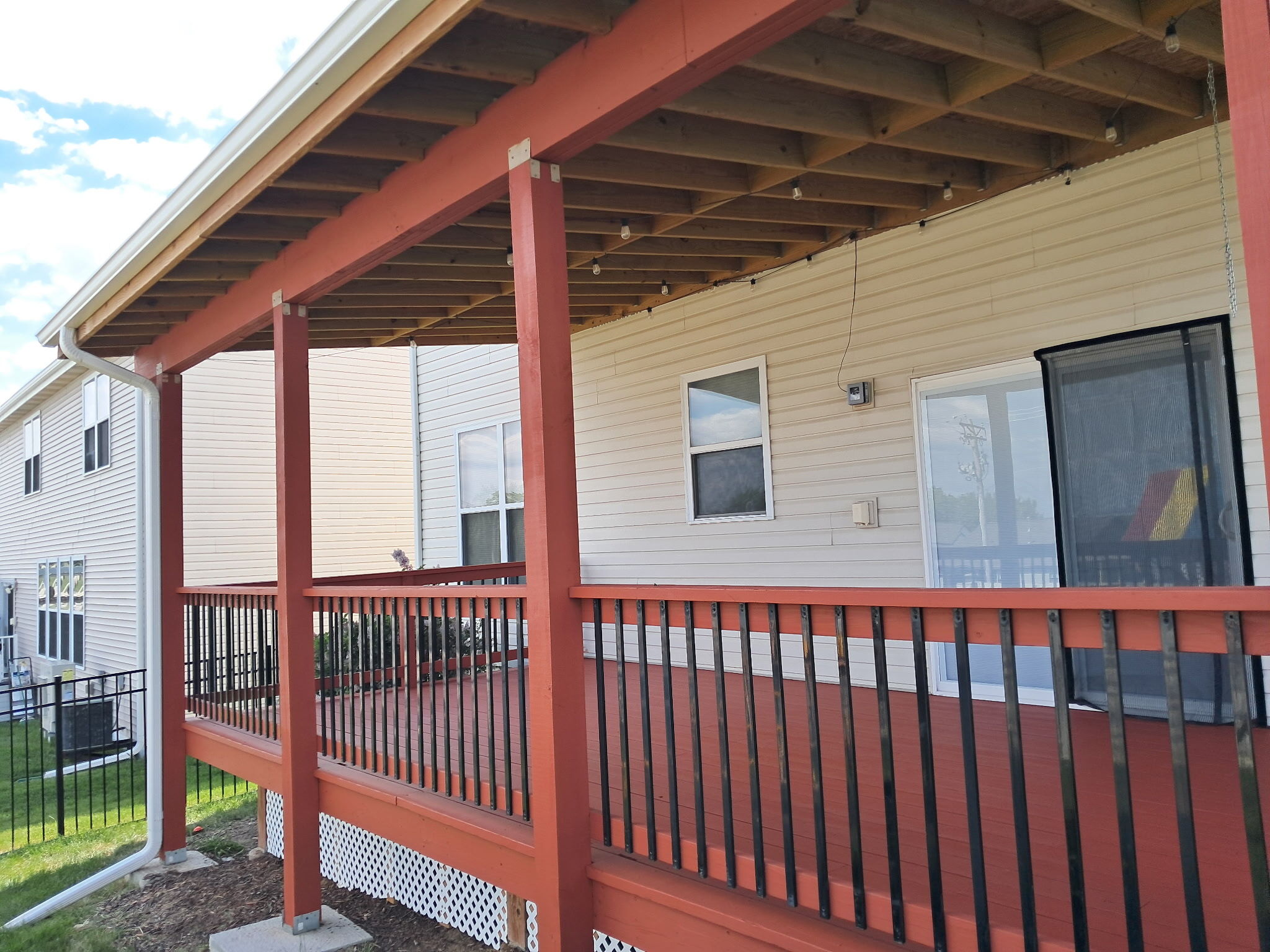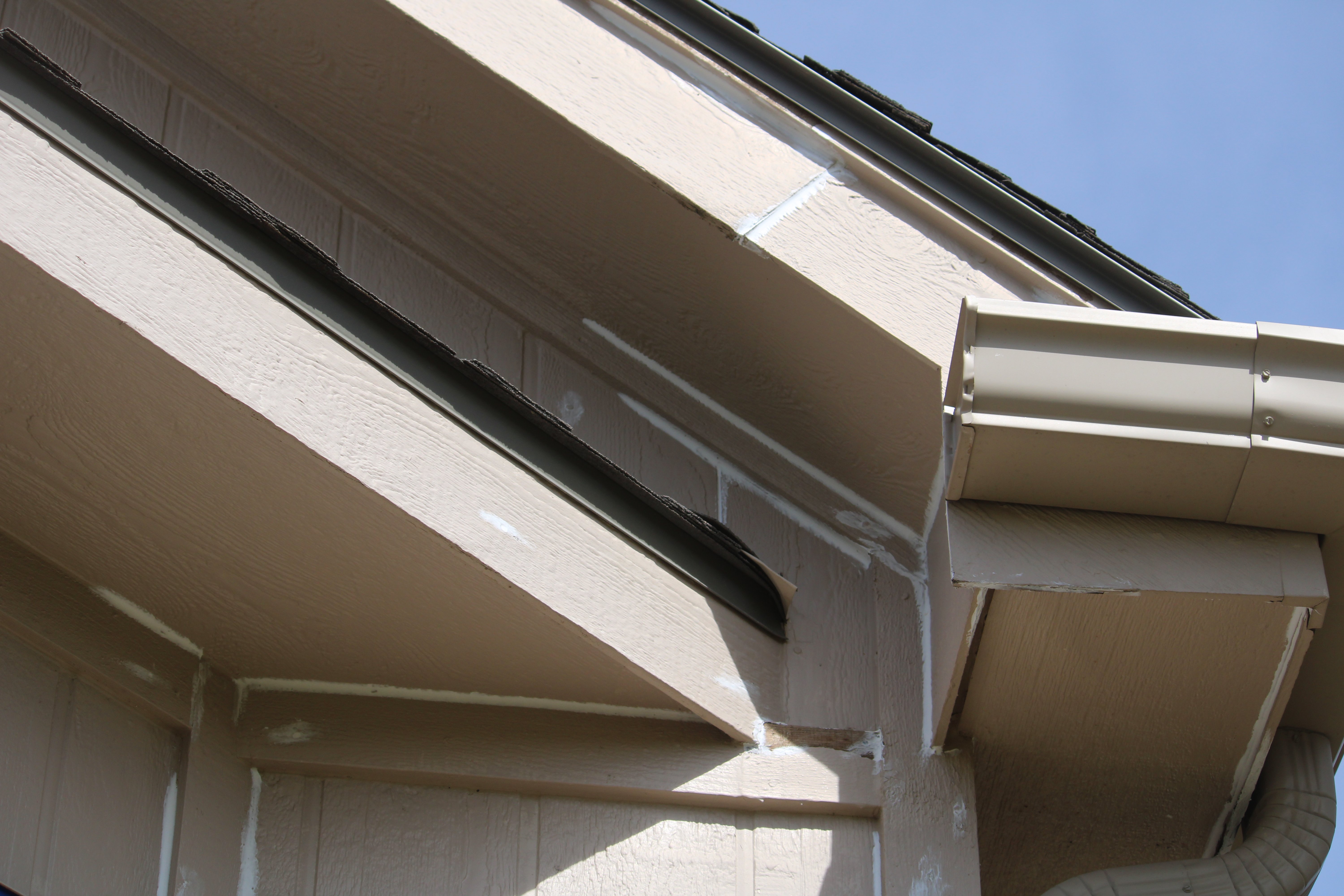
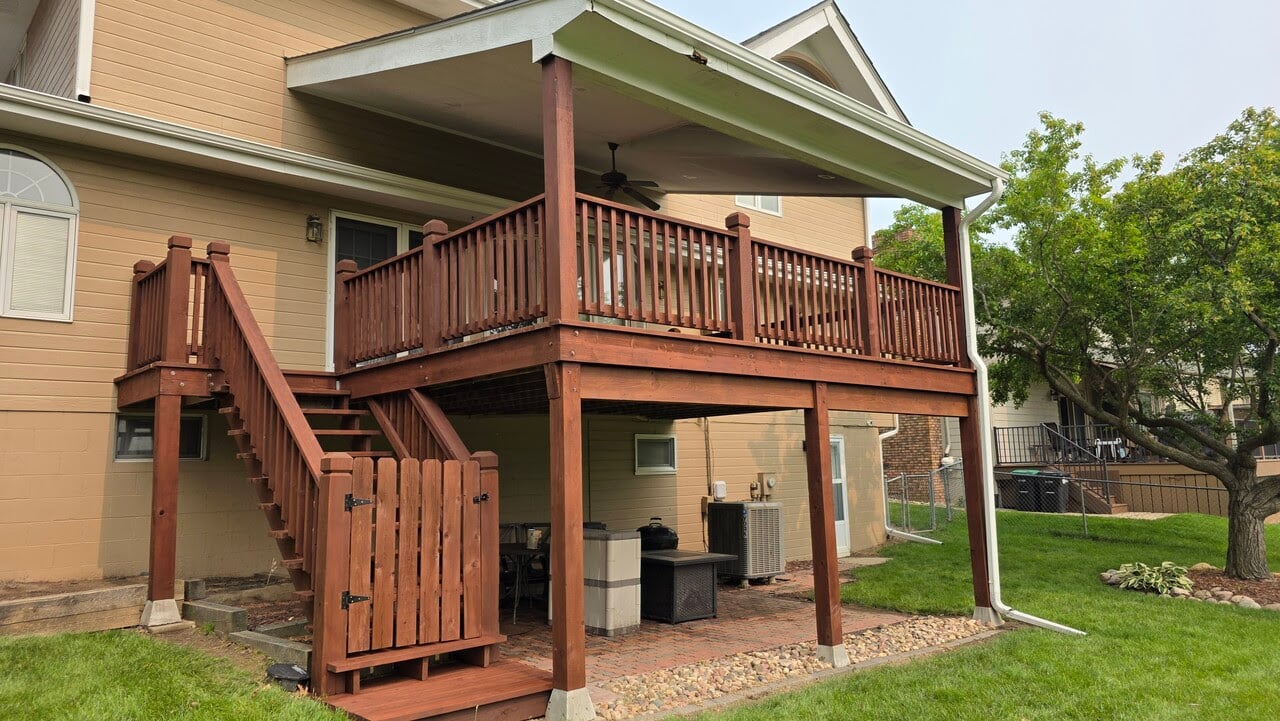
Key Takeaways
- A deck staining quote should include an inspection of the wood, measurements, preparation steps, stain options, repair needs, and a clear price.
- Most professional deck staining projects take about three to four working days, but rain, humidity, temperature, drying time, and wood condition can change the schedule.
- Proper preparation usually includes washing, allowing the deck to dry, securing loose boards or fasteners, and sanding the wood before stain is applied.
- Transparent, semi-transparent, semi-solid, and solid stains offer different levels of color, wood grain visibility, and protection.
- Homeowners should remove furniture, grills, planters, decorations, and other belongings before the crew arrives.
- Regular cleaning, snow removal, and careful furniture placement can help the finish last longer and protect the wood beneath it.
Having your deck stained may sound simple until you begin thinking about the details. How much will it cost? Does the deck need to be sanded? What happens if it rains? How long before you can put the furniture back? Not knowing what to expect can make an otherwise exciting home project feel stressful.
A deck is also different from many other painted surfaces around your home. It receives direct sunlight, rain, snow, foot traffic, dirt, fallen leaves, and moisture. Omaha weather can be especially hard on exposed wood. Hot summer afternoons, cold winters, spring storms, and sudden temperature changes all affect how a deck ages.
Brush & Roll Painting has served homeowners in Omaha and the surrounding area since 1996. During that time, we have worked on decks in many different conditions, from newer cedar decks needing their first finish to older decks requiring washing, sanding, repairs, and a more protective stain.
By the end of this article, you will know what to expect from the first quote appointment through the final walkthrough. You will understand how scheduling works, what homeowners should do before the project, why washing and sanding matter, how stain choices affect appearance, and how to care for the deck afterward.
You will also have a clearer idea of what should be included in a deck staining quote. That information can help you spot missing details before signing an agreement and reduce the chance of confusion once work begins.
Watch: The 4 steps of deck staining.
What Happens During a Professional Deck Staining Quote?
A professional deck staining quote normally includes a conversation about your goals, a close inspection of the deck, measurements, photographs, stain selection questions, and a written description of the work. Plan to allow up to one hour so there is enough time to examine the deck and discuss your options without feeling rushed.
The appointment often begins with a conversation. The project consultant may ask what you like and dislike about the deck’s current appearance and what you are looking for.
Helpful questions they may ask include:
- Are you trying to keep the natural look of the wood?
- Would you prefer a darker or more even color?
- Are there peeling, cracking, or soft areas that concern you?
- How old is the deck?
- When was it last stained?
- Do you want the floor, stairs, handrails, posts, and spindles stained?
All decision makers should attend the appointment when possible. One person may care most about the color, while another may be focused on durability, price, or timing. Having everyone involved can reduce delays and misunderstandings later.
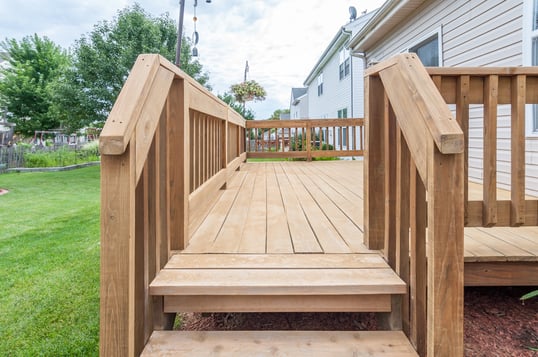
How Is a Deck Inspected Before Staining?
The estimator should examine the condition of the boards, railings, stairs, posts, fasteners, and existing coating. The goal is to determine what preparation the deck needs and whether damaged wood may require repair before staining begins.
During the inspection, the estimator may look for:
- Loose, raised, or cracked boards
- Rotting or soft wood
- Popped nails and raised screws
- Peeling or flaking stain
- Areas where water collects
- Mold, mildew, algae, and dirt
- Heavy sun damage
- Uneven color
- Worn areas near doors, stairs, and walking paths
- Tight spaces that may require extra caution
Measurements are also taken to calculate the amount of labor and material needed. The estimator may measure the deck floor, stairs, handrails, posts, spindles, skirting, benches, pergolas, or other attached wood surfaces.
Make sure the quote clearly states which surfaces are included. Do not assume the railings are included because the deck floor is included. Detailed wording protects both the homeowner and the contractor.
What Should Be Included in a Deck Staining Quote?
A deck staining quote should explain the preparation, repairs, stain application, included surfaces, product type, payment terms, and price. It should also state how additional work will be handled if hidden damage is found after washing or sanding.
Look for details concerning:
- Washing and cleaning
- Drying time after washing
- Sanding
- Loose fasteners
- Minor cracks or repairs
- Protection of the house and nearby property
- Stain brand or product category
- Number of coats or application method
- Deck surfaces included in the work
- Areas excluded from the work
- Estimated project timing
- Cleanup
- Final walkthrough
- Payment schedule
The written quote should also explain what happens if the scope changes. For example, washing may expose a board that is more damaged than it first appeared. You may also decide to add a set of stairs or a nearby railing after the original agreement is signed.
In those situations, the contractor should prepare a written change order. The additional work and cost should be approved before it is added to the project. Surprise charges should not simply appear on the final invoice.
How Much Does Professional Deck Staining Cost in Omaha?
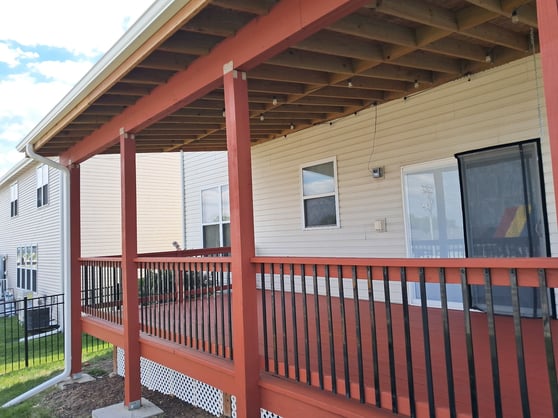
Deck staining prices depend on the deck’s size, condition, design, preparation needs, and stain choice. A small, open deck with limited wear will usually cost less than a large deck with stairs, railings, spindles, peeling stain, and damaged boards.
Several details can affect the quote:
- Total square footage
- Number of stairs
- Number of railings and spindles
- Height above the ground
- Access around the deck
- Amount of washing and sanding needed
- Existing coating
- Wood repairs
- Stain type and color
- Number of colors
- Nearby surfaces that require protection
The lowest quote may not include the same process as a higher quote. One contractor may plan to wash and apply stain, while another may include washing, drying time, detailed sanding, minor fastener work, careful protection, and a final inspection.
Compare what is included before comparing the final prices.
What Happens After You Accept the Deck Staining Quote?
After accepting the quote, you will usually sign the agreement, pay the required deposit, make your stain selections, and enter the production schedule. At Brush & Roll Painting, a 10% deposit and signed agreement are required to reserve a place on the schedule.
An average starting window may be about four to six weeks after acceptance, but this is only a general estimate. The actual timing may change because of:
- Previously scheduled projects
- The size of your project
- Color selection
- Product availability
- Wood repairs
- Rain and humidity
- Temperature
- Drying conditions
Deck staining in Omaha is commonly performed between May and November. Weather plays a major role because stain must be applied under suitable conditions. A clear day on the calendar does not always mean the wood is dry enough to stain.
Your project consultant or scheduling team should keep you informed as the expected start date approaches.
How Should You Prepare Before the Deck Staining Painter Arrives?
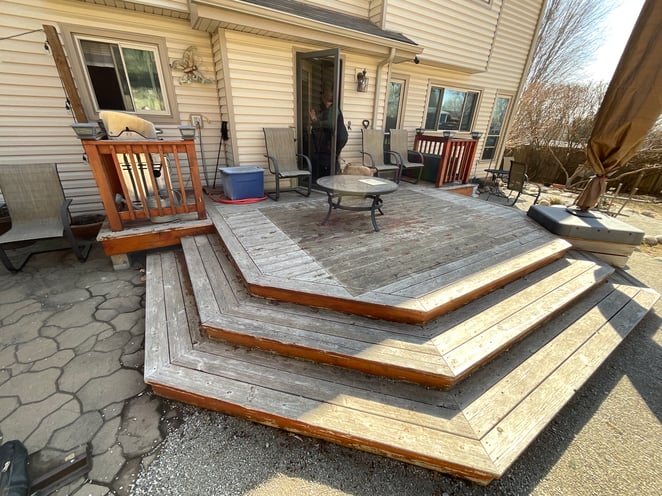
Homeowners should remove furniture, grills, rugs, planters, toys, decorations, umbrellas, and other belongings before work begins. The crew needs open access to the deck so it can be washed, sanded, repaired, and stained safely.
Remove items such as:
- Patio tables and chairs
- Grills and smokers
- Outdoor rugs
- Flowerpots
- Storage containers
- Pet dishes
- Children’s toys
- String lights attached to stained areas
- Decorations hanging from railings
- Items stored beneath the deck when they could be affected by water or debris
Move these belongings far enough away that washing water and sanding dust will not reach them.
Trim plants that press against the deck or railings. Let the contractor know if there are delicate flowers, sprinkler controls, electrical outlets, or other areas needing special care.
Keep pets and children away from the work area. Gates should remain closed when required, but the crew will still need reliable access to the deck.

What Happens on the First Day of Deck Staining?
The first working day commonly focuses on washing the deck with a detergent. Washing removes surface dirt, algae, mildew staining, loose material, and other buildup that can interfere with the stain. It also gives the crew a clearer view of the wood beneath the dirt.
The crew should protect nearby surfaces and use a cleaning method suited to the deck’s condition. Too much pressure can damage wood by raising the grain or cutting lines into the boards. Professional cleaning is about getting the surface clean without harming it.
The deck must dry after washing. Staining damp wood can trap moisture and keep the stain from soaking in or bonding correctly. Depending on the weather and the deck’s location, drying may take a full day or longer.
A shaded deck may dry more slowly than a deck that receives direct sunlight. Humidity, overnight dew, recent rain, and airflow also affect drying time.
Why Does a Deck Need to Be Sanded Before Staining?
Sanding helps remove loose coating, smooth rough wood fibers, improve the deck’s appearance, and prepare the surface to accept stain more evenly. It is one of the most valuable steps in a lasting deck staining project, especially when the wood is weathered or the previous finish is failing.
After washing, wood fibers may feel rough or raised. Sanding helps smooth those areas. It can also soften sharp edges, blend worn patches, and remove splinters that could make the deck uncomfortable to walk on.
The amount of sanding depends on the deck. Some decks need a lighter surface sanding. Others have peeling solid stain or badly weathered boards that require much more work.
Sanding does not make old boards new again. Deep cracks, stains, warping, and age-related differences may remain visible. The goal is to prepare the existing wood properly and create a sound surface for the selected finish.
What Repairs May Be Completed Before Deck Stain Is Applied?
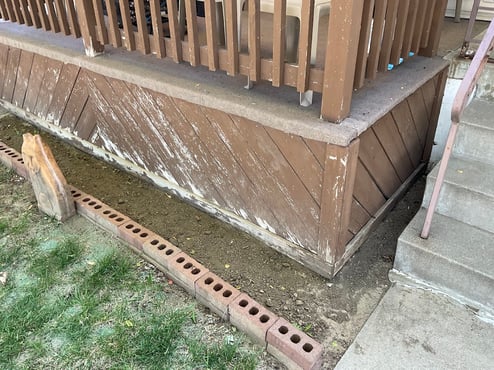
Minor preparation may include securing popped nails, tightening screws, addressing small cracks, and identifying damaged boards. More serious rot or structural damage may require separate carpentry work and an approved change to the original scope.
The crew may find problems that were hidden by dirt or an old coating. Common examples include:
- A board that feels soft after cleaning
- A stair tread with a deep split
- A loose handrail
- A screw that no longer holds
- A nail head sticking above the board
- Wood damage near a post or connection point
Ask whether repairs are included in the quote or billed separately. Cosmetic preparation and structural repair are not the same thing. If there is concern about the deck’s safety, a qualified deck builder or carpenter may need to inspect it before staining continues.
Which Type of Deck Stain Should You Choose?
The right stain depends on the deck’s age, current coating, wood condition, desired appearance, and maintenance expectations. Homeowners can usually choose from transparent, semi-transparent, semi-solid, and solid finishes.
What Is Transparent Deck Stain?
Transparent stain shows the greatest amount of natural wood grain. It works best when the wood is in good condition, and the homeowner wants a natural appearance.
Because it contains less pigment, it generally offers less protection from sunlight than a more heavily pigmented finish. It may require maintenance sooner, especially on horizontal boards receiving strong afternoon sun.
What Is Semi-Transparent Deck Stain?
Semi-transparent stain adds color while allowing much of the wood grain to remain visible. It is a popular choice for homeowners who want the deck to look like wood while gaining more color and protection.
The final appearance can vary from board to board because wood absorbs stain differently. Older boards and replacement boards may not match perfectly.
What Is Semi Solid Deck Stain?
Semi-solid stain has more pigment and hides more color variation while still allowing some wood texture to show. It can be helpful for an older deck that no longer has an even appearance but still has wood grain worth showing.
What Is Solid Deck Stain?
Solid stain is pretty similar to regular paint. It creates the most uniform color and hides much of the wood grain. It usually offers stronger protection from sunlight, but it may peel when moisture gets beneath the finish or when preparation is incomplete.
Once a deck has solid stain, returning to a transparent appearance can require extensive stripping and sanding. Homeowners should understand that choice before making the switch.
%20Medium.jpeg?width=640&height=424&name=Swanson%20Before%205%20(1)%20Medium.jpeg)
How Is Deck Stain Applied?
Once the deck is clean, dry, repaired, and sanded, the crew applies the selected stain according to the product requirements. Application may involve brushes, rollers, pads, or spraying followed by careful brushing, depending on the surface and product.
The crew should watch for:
- Uneven absorption
- Lap marks
- Runs and drips
- Heavy buildup
- Missed edges
- Stain collecting between boards
- Different drying rates in sunny and shaded areas
More stain is not always better. Some products are designed to soak into the wood and can become sticky or shiny if too much is applied. Other products form a more solid coating and have different application needs.
The product instructions, condition of the wood, and professional judgment should guide the application.
How Long Does It Take to Have a Deck Stained in Omaha?
Many deck staining projects take about 3-4 working days. That time may include washing, drying, repairs, sanding, staining, cleanup, and inspection. Larger decks or decks needing extensive preparation may take longer.
The days may not be consecutive. For example, the deck might be washed on Monday but require extra drying time before sanding or staining. Rain may also interrupt the schedule.
Temperature matters too. Work may be delayed when temperatures fall below approximately 35 degrees or rise above 100 degrees. The exact acceptable range depends on the stain manufacturer, surface temperature, moisture, sunlight, and forecast.
A weather delay is frustrating, but applying stain under poor conditions can shorten the life of the finish. A responsible contractor should wait until the deck and weather are suitable.

Will You Receive Updates During the Deck Staining Project?
A crew lead should serve as your main contact and provide updates about progress, weather delays, repairs, and the next steps. You may also hear from office staff concerning scheduling, invoices, or other project details.
Good communication should answer simple questions such as:
- What was completed today?
- What will happen next?
- Does the deck need more drying time?
- Was any unexpected damage found?
- Has the schedule changed because of rain?
- When can the deck be used again?
You should know whom to call, text, or email if you have a concern. If something looks different from what you expected, ask about it while the work is still underway.
How Do Payments Usually Work for a Deck Staining Project?
Payment schedules should be stated in the agreement before work begins. At Brush & Roll Painting, the schedule includes a 10% deposit, followed by three 30% payments at the beginning, middle, and completion of the project.
Invoices may be delivered by email unless a paper copy is requested. Payment options can vary by company, so homeowners should confirm accepted payment methods before signing.
Never rely only on a verbal description of the payment schedule. The deposit, progress payments, final balance, and approved change orders should all be documented.
What Happens on the Final Day of Deck Staining?
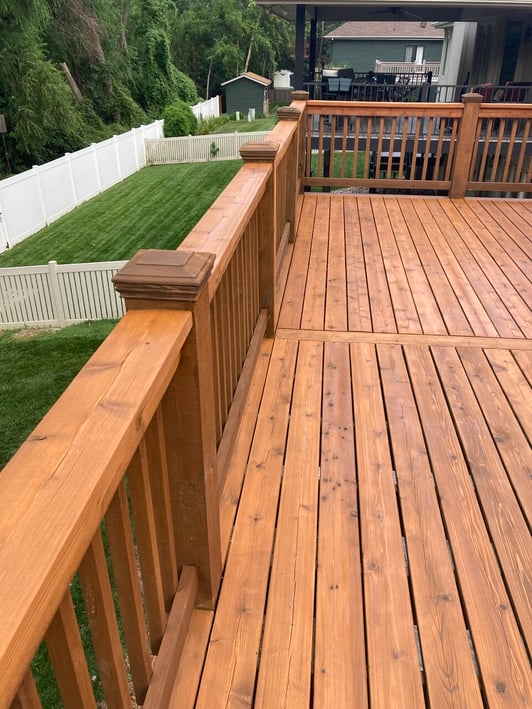
The final day should include cleanup, a careful inspection, and a walkthrough with the homeowner. This is your opportunity to look at the completed work, ask questions, and learn how long the finish needs to dry before normal use.
During the walkthrough, look at:
- Deck boards
- Stairs
- Handrails
- Posts
- Spindles
- Edges and corners
- Areas near the house
- Any repairs included in the scope
- Surrounding property and cleanup
Ask when you can walk on the deck and when furniture can be returned. Drying time is not the same as full curing time. A surface may feel dry but still be vulnerable to scratches, pressure, or trapped moisture.
Follow the instructions for the specific product used. Weather conditions can lengthen the waiting period.
How Long Should Professional Deck Stain Last?
A high-quality deck stain may provide three or more years of protection, but no contractor can promise the same lifespan on every board or every deck. Exposure, preparation, product type, moisture, traffic, and maintenance all affect durability.
Horizontal deck boards usually wear faster than vertical railings because they collect water, snow, dirt, and foot traffic. Stairs and the area near an exterior door may fade first because they receive more use.
A covered deck may keep its color longer than an uncovered deck in full sun. A deck surrounded by trees may experience more shade, moisture, mildew, leaves, and sap.
Rather than waiting for major peeling or exposed gray wood, inspect the deck every spring and fall. Early maintenance can be easier and less costly than allowing the finish to fail across the entire surface.
How Should You Maintain a Newly Stained Deck?
Keep the deck clean, remove snow and standing debris, move furniture carefully, and inspect the finish regularly. Simple maintenance can reduce moisture problems and help prevent small areas of wear from becoming larger repairs.
1. Clean Dirt and Leaves Regularly
Sweep the deck throughout the year. Leaves, dirt, seeds, and grass clippings can trap moisture against the boards. Pay close attention to corners, stairs, spaces near planters, and areas beneath furniture.
For deeper cleaning, use warm water, a small amount of mild detergent, and a soft brush. A light vinegar mixture may help with some residue, but confirm that any cleaner is safe for your stain before applying it across the deck.
Test cleaning products in a small area first. Strong chemicals can discolor the stain or damage nearby plants.
2. Be Careful When Using a Power Washer
A power washer can clean a deck, but too much pressure can damage the wood and finish. The nozzle should not be held too close to the boards.
For routine homeowner maintenance, a garden hose, mild cleaner, and soft brush may be enough. If algae, mildew, or heavy buildup has returned, professional cleaning may be safer.
3. Remove Snow During Omaha Winters
Do not allow deep snow to remain on the deck for long periods when it can be removed safely. Moisture sitting against the boards can contribute to wear.
Use a broom instead of a shovel. Push in the direction of the boards when possible. Do not chop at ice or scrape the stain aggressively.
Avoid piling snow against doors, posts, or railings. Make sure melting snow can drain away.
4. Do Not Drag Patio Furniture
Lift furniture instead of dragging it. Chair legs, tables, grills, and planters can scratch through the finish. Once the stain is damaged, water can reach the exposed wood and make the area wear faster.
Furniture pads designed for outdoor use may help. Check beneath rugs and planters from time to time because these items can trap moisture.
Frequently Asked Questions About Having a Deck Stained
Can I Stay Home While My Deck Is Being Stained?
Yes. Most homeowners can remain home during the project. You will need to avoid the deck and keep children and pets away from the work area.
Do I Need to Be Home Every Day?
You do not need to be present all day. The crew should have access to the agreed work area, water, and any other items discussed before the start date. It is helpful to be available by phone in case a repair, color, weather, or access question comes up.
Can a Deck Be Stained Right After It Is Washed?
Usually not. The wood needs time to dry before stain is applied. Applying stain to damp wood can interfere with absorption and adhesion. Drying time depends on shade, airflow, humidity, temperature, recent rain, and the moisture level inside the boards.
What Happens If It Rains During the Project?
Work may pause until the weather improves and the deck dries. Rain can delay washing, sanding, staining, or curing. Your crew lead should explain how the forecast affects the schedule. Waiting for better conditions protects the finish and the homeowner’s investment.
Will All of My Deck Boards Match After Staining?
Not always. Wood species, age, sun exposure, previous coatings, replacement boards, and natural grain can create color differences. Transparent and semi-transparent stains show more variation. Semi-solid and solid stains create a more uniform appearance.
Can Rotten Deck Boards Be Stained?
Stain does not repair rot. Soft, badly split, or structurally damaged wood may need to be replaced. Ask whether carpentry is included in the quote. Any additional repair and cost should be documented and approved before work continues.
When Can I Put My Furniture Back on the Deck?
Wait for the time recommended by the contractor and stain manufacturer. Temperature, humidity, shade, and product type affect drying. Putting heavy furniture back too soon can leave marks, stick to the finish, or trap moisture.
Deck Staining in Omaha
Hiring someone to stain your deck feels easier when you know what should happen at each stage. A clear quote, realistic schedule, proper washing, enough drying time, careful sanding, suitable stain, steady communication, and a final walkthrough all play a part in the finished result.
The uncertainty you may have felt at the beginning can be replaced with practical questions. You now know what should be included in the quote, how weather may affect the project, what preparation looks like, how stain options differ, and what you can do to maintain the deck afterward.
Brush & Roll Painting has served the Omaha area since 1996. We use high-quality paint and stain products and complete the preparation steps needed for each project. Our goal in sharing this information is to help Omaha homeowners make informed choices, whether they hire our team or another qualified contractor.
If you are ready to discuss your deck, click the button below to get a quote.

If you are still planning and are not ready for an appointment, visit our deck staining pricing calculator. It can help you form a reasonable starting budget and understand which deck features may affect the cost.

Topics: