Key Takeaways
- Delaminating siding is more than peeling paint. It is a sign that the wood itself is beginning to fail.
- Catching delamination early can often save large sections of siding and reduce repair costs.
- Proper preparation, including scraping, sanding, repairs, priming, and moisture control, is just as important as the paint itself.
- Omaha's weather can speed up siding damage, especially when water gets behind old paint or failed caulking.
- Knowing the difference between paint failure and wood failure helps homeowners make better decisions when hiring a painting contractor.
You walk around your home one afternoon and notice something that looks like peeling paint. At first glance, it does not seem like a big deal. Maybe it is just one board. Maybe it is only a small section near a window or on the sunny side of the house.
Then you look a little closer.
The paint is not just peeling away. The wood underneath looks thick, fuzzy, or like layers are lifting apart. Suddenly, you are left wondering whether your home needs paint, siding replacement, or something in between.
Many Omaha homeowners experience this exact situation. Delaminating siding often starts quietly. From a distance, it can look like ordinary paint failure. By the time it becomes obvious, moisture may have already been working its way into the wood for years.
At Brush & Roll Painting, we have worked on homes throughout the Omaha area since 1996. During that time, we have seen hundreds of homes with siding damage caused by moisture, age, weather, and old paint systems. Some homes only needed a careful repair before painting. Others required sections of siding to be replaced before any paint could be applied.
Those experiences have taught us that homeowners make better decisions when they understand what they are actually looking at.
This guide will explain what delaminating siding is, why it happens, how to recognize it early, and how professional painters address it during an exterior painting project. By the end, you will know what questions to ask, what repairs may be needed, and whether your siding can be repaired or should be replaced.
What Is Delaminating Siding on Exterior Houses?
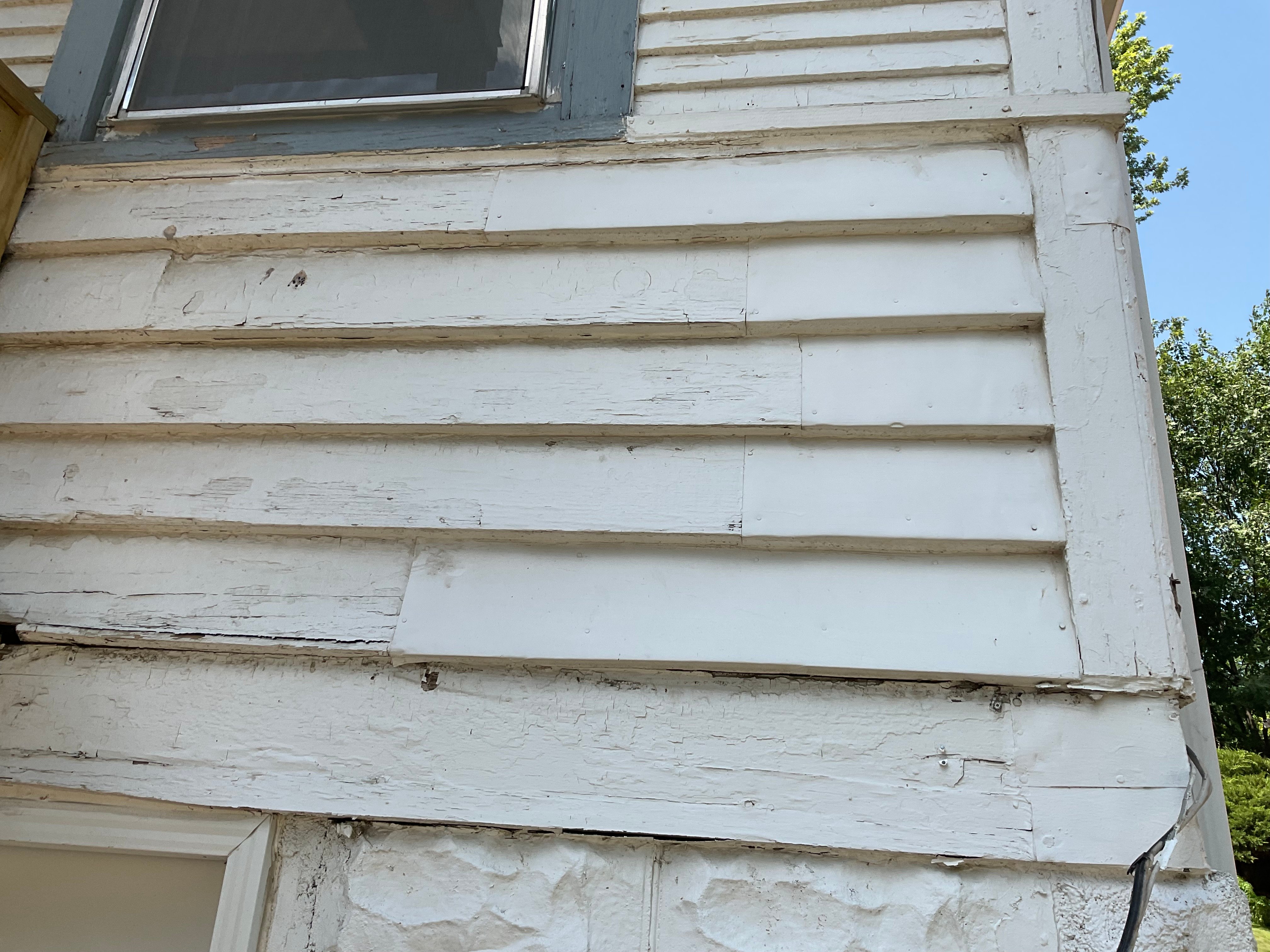
Delaminating siding is wood siding that is separating into layers because moisture has broken down the wood fibers. Unlike peeling paint, the wood itself is coming apart.
Wood siding is made up of thousands of tiny fibers compressed together. When water repeatedly enters those fibers, they begin to swell. As they dry, they shrink again.
This cycle happens over and over.
Eventually, the wood starts separating into thin layers, almost like pages coming apart in an old book.
That is delamination.
Once the wood reaches this point, simply painting over it will not solve the problem.
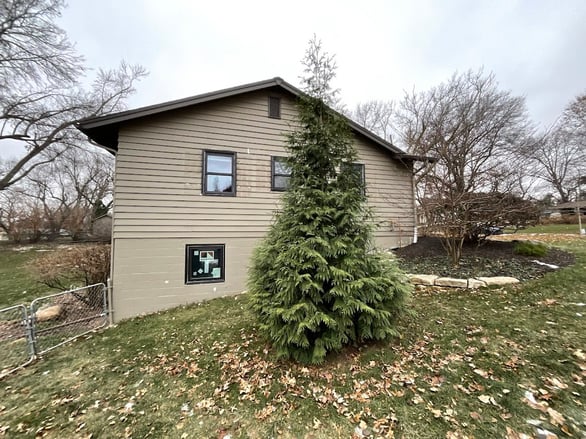
What Does Delaminating Siding Look Like?
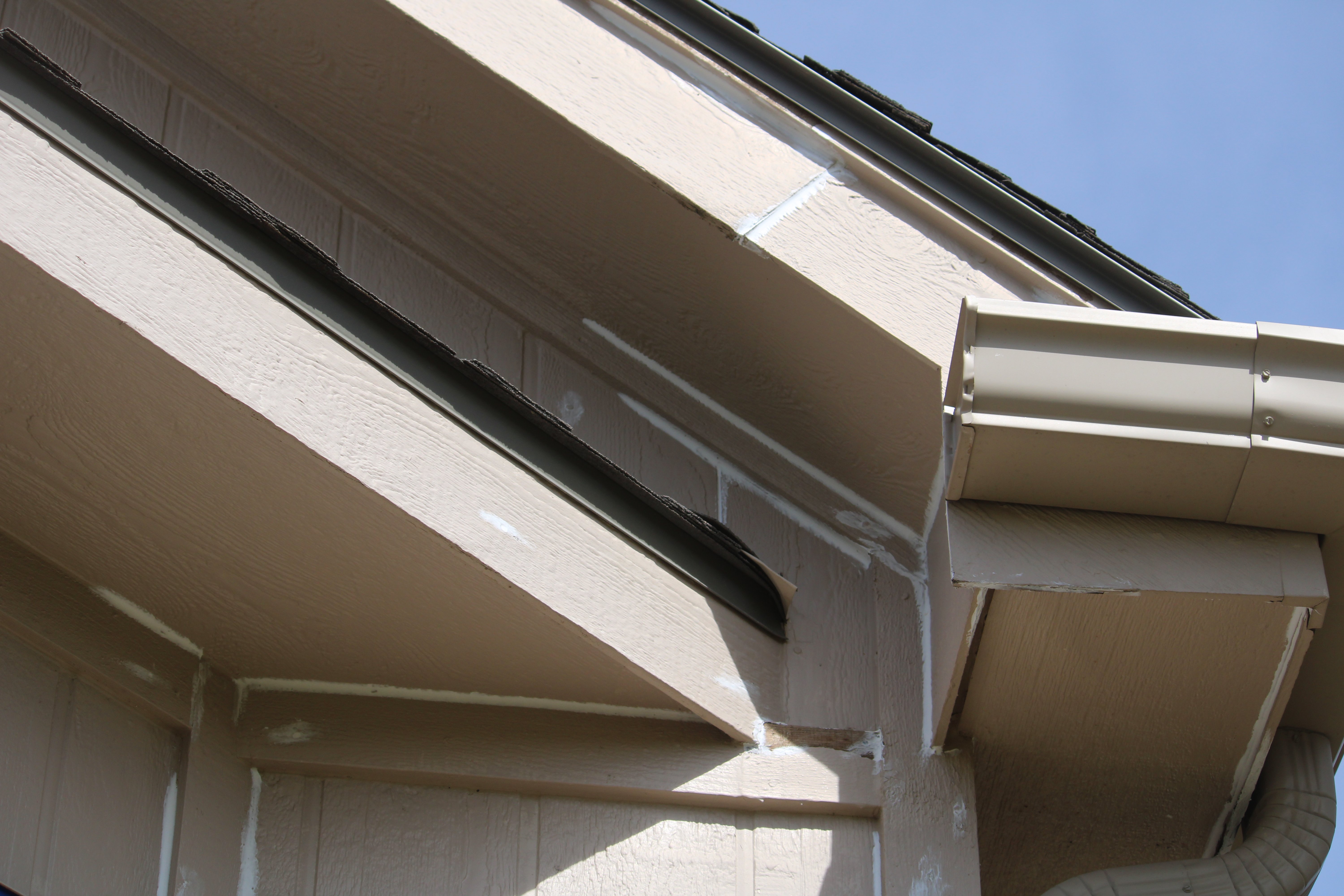
Most homeowners mistake delaminating siding for peeling paint because the early signs look very similar.
Here are some common clues:
- Paint is peeling in thick sheets.
- The wood underneath feels soft or rough.
- Thin layers of wood lift away when touched.
- The siding surface appears swollen.
- Corners of boards begin curling outward.
- Sections near windows or trim are affected first.
- The damaged area feels thicker than surrounding boards.
A good real life example is a homeowner washing their house before painting.
While spraying water onto the siding, they notice a section suddenly feels soft. They scrape away what they thought was loose paint, only to realize the wood itself is peeling apart underneath.
That is usually the first sign that moisture has been trapped inside the siding.
Why Does Wood Siding Delaminate?
Water is almost always the main cause. Paint usually fails after moisture has already damaged the wood.
There are many ways water enters siding.
Some of the most common include:
- Failed caulking around windows
- Cracked paint
- Missing flashing
- Leaking gutters
- Sprinklers constantly soaking one wall
- Ice and snow sitting against siding
- Poor ventilation
- Long periods without repainting
Omaha homes deal with freezing winters, humid summers, thunderstorms, hail, and rapid temperature swings.
Those changing conditions cause siding to expand and contract year after year.
If water gets into the wood during those cycles, the damage slowly builds until the layers begin separating.
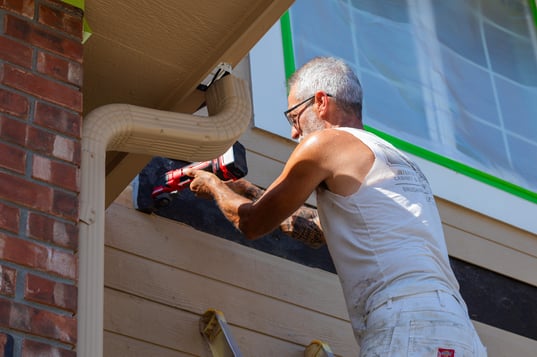
Can Delaminating Siding Be Painted?
Sometimes yes, sometimes no. The answer depends on how much of the wood has been damaged.
Many homeowners hope new paint will hide the problem.
Unfortunately, paint cannot glue damaged wood back together.
Professional painters first determine whether the wood is still structurally sound. If only the surface layers have begun lifting, repairs may include:
- Scraping loose fibers
- Sanding smooth
- Applying wood hardener if appropriate
- Filling damaged areas with an exterior repair product
- Spot priming
- Applying finish coats
If the board has become soft throughout its thickness, replacement is usually the better long term solution.

How Do Professional Painters Repair Delaminating Siding?
The repair process depends on how severe the damage is, but preparation always comes before paint.
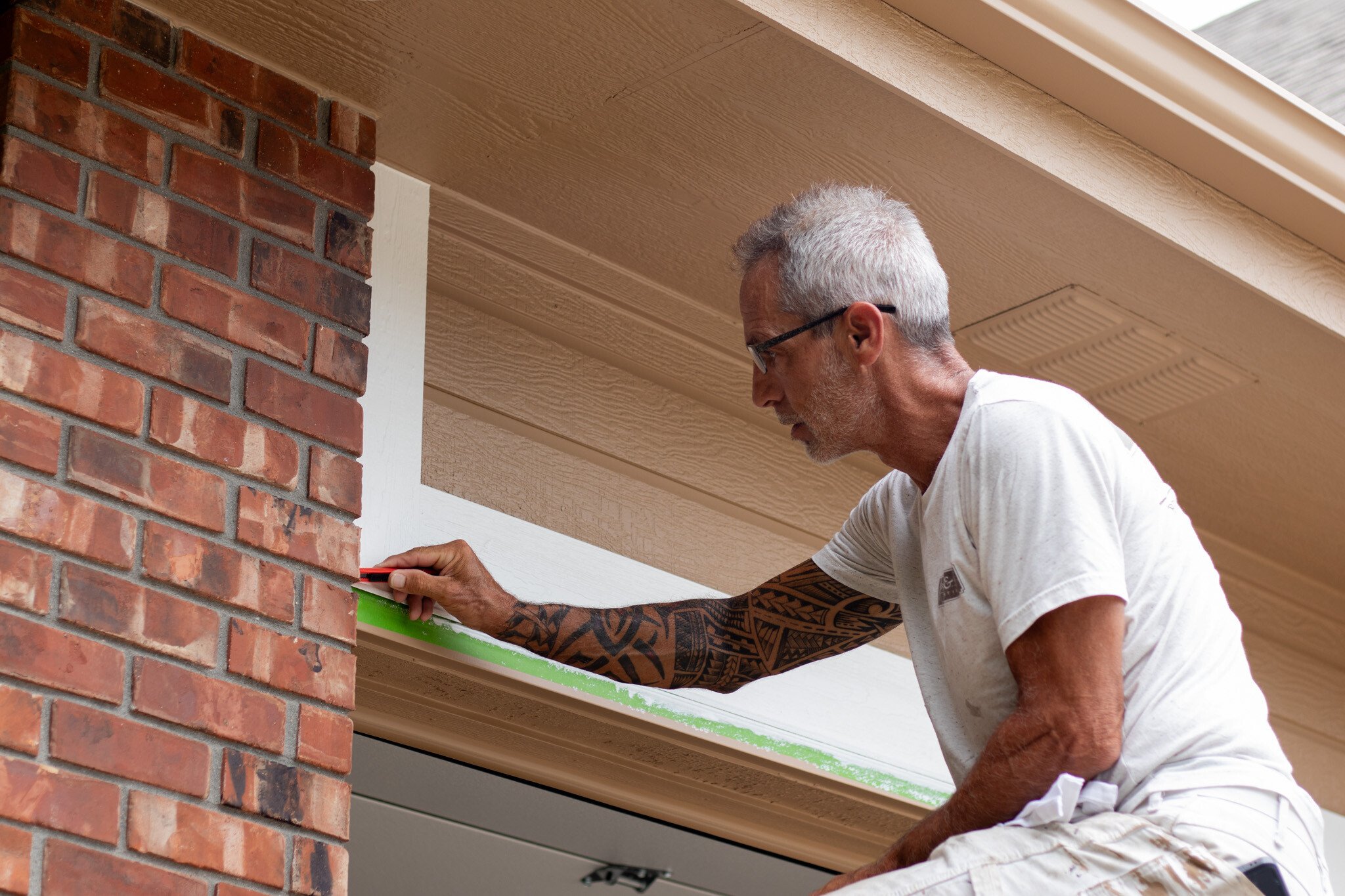
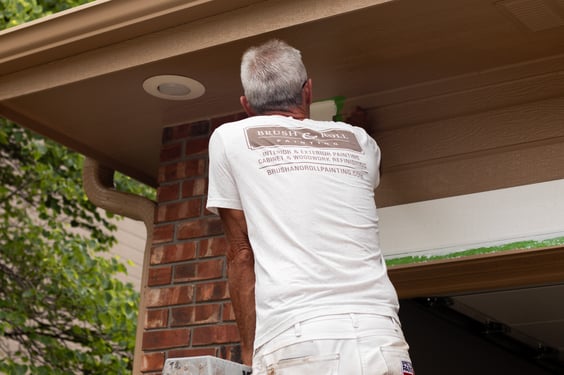
A quality exterior painting project involves much more than simply applying new paint. The process often looks like this:
Inspect the entire home
One damaged board often means other areas should also be checked.
Painters inspect:
- Window trim
- Corner boards
- Fascia
- Soffits
- Horizontal joints
- Areas below gutters
Remove loose material
Loose paint and loose wood fibers must be scraped away until solid material remains.
Sand damaged edges
Sanding feathers the repair into surrounding wood. This helps create a smoother appearance after painting.
Repair minor damage
If the remaining wood is solid, repairs may include:
- Exterior fillers
- Epoxy repairs
- Wood consolidants
- Spot replacement of small sections
Replace severely damaged boards
When moisture has destroyed the board, replacement is usually the smartest investment. Painting over rotten wood only delays the inevitable.
Prime exposed wood
Bare wood should always receive primer before finish paint. Primer helps improve adhesion while sealing repaired surfaces.
Paint the entire surface
After repairs are complete, finish coats provide color and long term protection.
Can Delaminating Siding Spread?
Yes, if moisture continues entering the wood, the damaged area usually grows larger over time.
Water rarely stays in one place.
Once moisture gets behind siding, it often follows the grain of the wood.
That means today's six inch repair could become tomorrow's six foot replacement.
The sooner repairs begin, the greater the chance the surrounding boards can still be saved.
Does Omaha Weather Make Delaminating Siding Worse?
Yes, Omaha's weather creates repeated wet and dry cycles that are especially hard on wood siding.
Think about what a home experiences every year.
- Heavy spring rain
- Hot summer sun
- High humidity
- Strong thunderstorms
- Hail
- Snow
- Ice
- Freezing temperatures
- Rapid temperature changes
Each season causes wood to expand and contract.
If moisture has already entered the siding, those seasonal changes speed up deterioration.
Homes with little shade often experience faster paint breakdown on the south and west sides because sunlight heats the siding for much of the day.
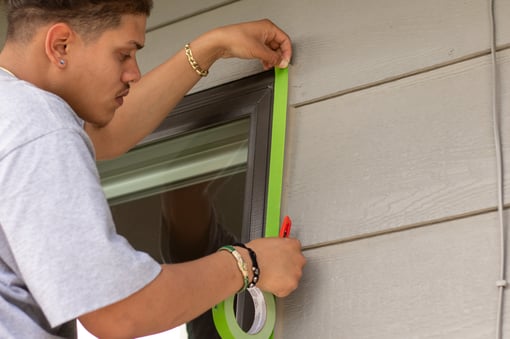
How Can You Tell the Difference Between Peeling Paint and Delaminating Wood?
Peeling paint affects the coating. Delaminating siding affects the wood underneath.
Here are a few ways to tell the difference.
Peeling paint
- Wood feels solid.
- Only paint comes off.
- Surface underneath is firm.
- Repair usually involves sanding, priming, and repainting.
Delaminating siding
- Wood fibers peel apart.
- Surface feels soft or fuzzy.
- Boards may swell.
- Repairs may require wood restoration or replacement.
If you gently scrape the area and the wood itself comes away in thin layers, you are likely dealing with delamination rather than simple paint failure.
Can Delaminating Siding Be Prevented?
Many cases can be prevented with routine maintenance and timely repainting.
Small maintenance projects are much less expensive than replacing damaged siding.
A few good habits include:
- Inspect caulking every year.
- Keep gutters flowing properly.
- Trim bushes that trap moisture.
- Wash dirt and mildew from siding.
- Repair cracked paint early.
- Repaint before coatings completely fail.
- Address leaks immediately.
Many homeowners only notice problems once paint begins peeling.
By then, water may have already been entering the wood for several seasons.
What Should You Ask a Painting Contractor About Delaminating Siding?
Ask how they determine whether siding should be repaired or replaced before painting begins.
Good questions include:
- Will you inspect every side of the home?
- How do you identify hidden moisture damage?
- Which repairs are included?
- When do you recommend replacing boards?
- How will repaired areas be blended?
- What primer will be used on bare wood?
- How much scraping and sanding is included?
- Will failed caulking be replaced?
A contractor who spends time discussing preparation usually places a high value on the long term performance of the paint job.
How Does Delaminating Siding Affect an Exterior Painting Project?
It changes the preparation work, which often determines how long the finished paint job will last.
Professional painting contractors frequently say that preparation is the most time consuming part of an exterior project.
Instead of simply washing and painting, the crew may spend days:
- Removing damaged wood fibers
- Sanding repairs
- Priming bare wood
- Replacing boards
- Recaulking joints
When preparation is done carefully, the finish coats have a much better surface to bond to.
That creates a smoother appearance and helps the paint perform as intended.
Frequently Asked Questions About Delaminating Siding
Can I paint over delaminating siding?
Only after damaged wood has been properly repaired or replaced. Paint alone will not stop the wood from continuing to separate.
Does every damaged board need replacement?
No. Minor surface damage can often be repaired. Boards that have lost structural strength usually need replacement.
Is delaminating siding the same as wood rot?
Not always. Delamination often happens before full rot develops, although the two conditions can exist together.
Can moisture come from inside the house?
Yes. Poor ventilation, leaks, and trapped indoor humidity can sometimes contribute to moisture problems within exterior walls.
Should I wait until my whole house needs paint before painting?
Usually not. Catching small areas early often prevents much larger repairs later.
Exterior Painting & Repairs in Omaha, NE
If you have noticed peeling paint that seems thicker than normal, wood fibers lifting apart, or siding that feels soft when touched, there is a good chance you are dealing with more than ordinary paint failure. Knowing the difference between peeling paint and delaminating siding allows you to address the real problem before moisture causes even greater damage.
A well planned exterior painting project is about much more than applying fresh paint. Careful inspection, proper repairs, thorough preparation, quality primers, and high quality paint all work together to protect your home's exterior from Omaha's changing weather.
Since 1996, Brush & Roll Painting has worked with homeowners throughout the Omaha area on exterior painting projects that often include siding repairs, careful preparation, and durable paint systems. Our goal is simply to help homeowners understand their options so they can make informed decisions about protecting their homes.
If you are ready to discuss your project, click the button below to Get a Quote.

If you are still planning and comparing options, try our Exterior Painting Pricing Calculator to get a better idea of what your project may cost before requesting an estimate.

Topics: