%202.jpeg?width=564&height=564&name=Scheppers%20After%2070%20(1)%202.jpeg)
Key Takeaways
- Limewash gives brick a soft, aged appearance while allowing some of the original color and texture to show through.
- Limewash works best on porous, unsealed brick, but it may not bond correctly to painted, sealed, or heavily stained surfaces.
- Painting creates a more solid and uniform color, while limewashing produces natural variations in tone.
- Proper cleaning and surface testing are necessary before limewash is applied to a fireplace.
- Limewash can be touched up or adjusted more easily than many homeowners expect.
- The right choice depends on the condition of your brick, the look you want, and how much future maintenance you are comfortable handling.
A brick fireplace can be one of the first things you notice when you walk into a room. If the brick feels dark, dated, stained, or out of place, it can make the entire room feel older. At the same time, permanently changing brick can feel like a big decision. Once you paint it, returning it to natural brick is difficult.
Brush & Roll Painting has served homeowners in Omaha since 1996. During that time, we have worked with many fireplace surfaces and seen how different finishes behave in real homes. Good results depend on choosing the right finish, preparing the brick correctly, and understanding how the fireplace is used.
By reading this guide, you will learn what limewash is, how it differs from paint, which fireplaces are good candidates, how the application process works, and what maintenance to expect. You will also have a clearer idea of whether limewashing your fireplace is a project you can handle yourself or one that may be better left to a professional painter.
What Is Limewash for a Brick Fireplace?
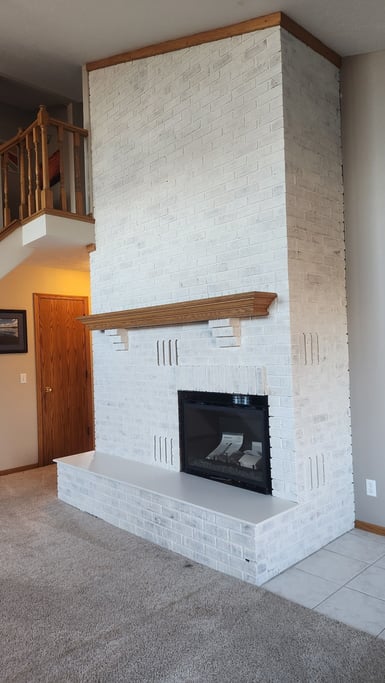
Limewash is a mineral finish made mainly from lime, water, and natural pigments. Instead of creating a thick film over brick, it soaks into a porous masonry surface. The finished appearance is soft and slightly uneven, allowing parts of the original brick color and texture to remain visible.
Traditional limewash has been used on masonry for hundreds of years. It creates a chalky, aged appearance rather than a perfectly solid coat.
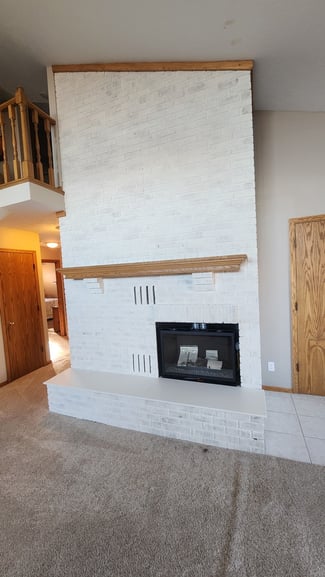
On a fireplace, limewash can lighten red, brown, orange, or multicolored brick without completely hiding its character. Some homeowners choose a light application so plenty of brick shows through. Others apply more material to create stronger coverage.
The final look depends on several factors:
- The color and porosity of the original brick
- How much the limewash is diluted
- The number of coats applied
- The application method
- How much material is removed before it dries
- Whether the fireplace has stains, repairs, or sealed areas
Two fireplaces treated with the same limewash product may look different. That natural variation is part of the appeal, but it can disappoint homeowners who expect a perfectly even white finish.
Should You Limewash Your Brick Fireplace?
Limewashing may be a good choice if you want to lighten your fireplace while keeping some of the brick’s natural texture and color differences. It works especially well in rooms where a solid painted finish might look too heavy or too new. The brick must also be able to absorb the limewash.
You may be a good candidate for fireplace limewashing if:
- You like a soft, weathered, or aged appearance.
- You want the fireplace to feel lighter without hiding every brick.
- Your brick is natural, porous, and unsealed.
- You are comfortable with slight color variation.
- You want a finish that can be adjusted during application.
Limewash may not be the best choice if:
- You want every brick and mortar joint to be exactly the same color.
- The brick has already been painted.
- The surface has a clear sealer.
- The fireplace has heavy grease, soot, or smoke damage that cannot be cleaned.
- You want a smooth finish that hides the brick texture.
- You do not like the idea of occasional touchups.
A small test area can answer many of these questions. Apply the proposed limewash to an inconspicuous section and allow it to dry fully. Wet limewash can look very different from the final dry color.
What Is the Difference Between Limewashing and Painting a Fireplace?
Limewash soaks into porous brick and creates a soft finish with natural color movement. Paint forms a coating over the surface and gives the fireplace a more consistent color. Paint usually offers stronger coverage, while limewash keeps more of the brick’s original character visible.
Here is how the two options compare.
1. Appearance
Limewash has a chalky, natural appearance. The color may be stronger in some areas and lighter in others. Brick edges, mortar joints, and texture remain easy to see.
Paint creates a more uniform surface. Depending on the product and number of coats, it can cover most variations in the original brick color.
If you want the fireplace to look gently aged, limewash may fit the room better. If you want a clean, solid white, cream, gray, or dark finish, paint may be the better choice.
2. Coverage
Limewash coverage can be controlled. It may be applied heavily or thinned so more brick remains visible. Material can also be removed from selected bricks before it fully sets.
Paint is made to cover. Once the correct primer and finish coats are applied, the original brick color should not show through unless that is part of the planned design.
3. Bonding
Limewash needs an absorbent mineral surface. Natural brick and mortar usually provide that surface, as long as they have not been sealed or contaminated.
Paint relies on surface cleaning, proper primer selection, and adhesion. It can often be used on surfaces that are not suitable for limewash, including some previously painted fireplaces.
4. Maintenance
Limewash may wear gradually and can develop a softer appearance over time. Some homeowners enjoy that change. Areas can usually be touched up without repainting the entire fireplace, although the repair may look lighter until it ages.
Paint is easier to wipe clean when the correct product and sheen are used. It can still chip, peel, or discolor if the brick was not prepared correctly or if moisture moves through the masonry.
5. Reversibility
Neither finish should be treated as completely reversible. Limewash is usually easier to soften, adjust, or allow to wear naturally. Paint removal from brick can be slow, expensive, and damaging to the masonry.
This is one reason homeowners should be cautious before painting natural brick. If you are uncertain about hiding the brick completely, limewash may feel like a gentler first step.
Can You Limewash a Fireplace That Has Already Been Painted?
Traditional limewash should not normally be applied directly over standard paint. Paint blocks the limewash from soaking into the masonry. The limewash may sit on top, dry unevenly, rub off, or fail to bond in certain areas.
If your fireplace is already painted, you have a few possible options:
- Repaint it with a compatible masonry coating.
- Remove the existing paint, if removal can be done without harming the brick.
- Use a decorative coating designed to imitate the appearance of limewash.
- Ask a painting or masonry professional to test the surface.
Removing paint from fireplace brick is often harder than homeowners expect. Brick is porous, so paint settles into small openings and low areas. Chemical stripping, scraping, and blasting can damage the brick face or leave a patchy appearance.
Before trying to remove paint, test a small area. It may be more practical to repaint the fireplace with a finish that gives it a softer appearance.
Can You Limewash Sealed Brick?
Limewash usually cannot bond properly to sealed brick because the sealer stops water and lime from entering the surface. A simple water test can provide an early clue. Place a small amount of water on the brick and watch what happens.
If the water darkens the brick and absorbs within a short time, the surface may be porous enough for limewash.
If the water beads up or sits on the surface, the brick may be sealed, painted, or coated with a water repellent product.
This test is helpful, but it does not replace an actual limewash sample. Some fireplaces absorb water unevenly because certain bricks or mortar repairs have been treated differently.
Is Limewash Safe to Use Around a Working Fireplace?
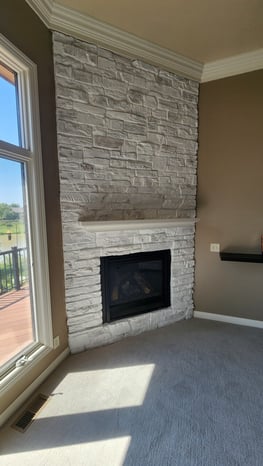
Limewash can often be used on the exterior brick surrounding a working fireplace, but the product must be suitable for masonry near heat. It should not be applied inside the firebox unless the manufacturer specifically allows that use.
The firebox experiences direct flame, smoke, and much higher temperatures than the surrounding brick. Standard wall paint, common masonry coatings, and decorative limewash products may not be rated for those conditions.
Before applying any finish:
- Read the product label and technical information.
- Keep decorative coatings out of the firebox unless approved for direct heat.
- Repair loose mortar or damaged brick first.
- Check for smoke stains that may bleed through the new finish.
- Make sure the fireplace and chimney are operating correctly.
A painting contractor can improve the appearance of the exterior masonry, but chimney repairs and firebox problems may require a qualified fireplace or masonry professional.

How Do You Prepare a Brick Fireplace for Limewash?
Preparing a fireplace for limewash starts with removing dust, soot, grease, cobwebs, and loose material. Limewash needs direct contact with porous brick and mortar. If dirt or residue remains, the finished surface can look blotchy or fail to bond.
Protect the Room
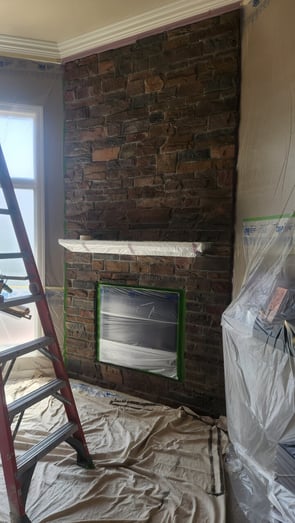
Move furniture away from the fireplace. Cover the floor, hearth, mantel, nearby walls, and any metal fireplace parts that should not receive limewash.
Lime products can splash and dry quickly on surrounding surfaces. Careful covering saves time and prevents permanent marks.
Remove Loose Dirt
Vacuum the brick and mortar joints with a brush attachment. A stiff, nonmetal brush can help remove dirt from deep texture and recessed mortar lines.
Metal brushes should be used with care because they can scratch softer brick or leave small particles behind.
Clean Soot and Grease
Ordinary dust is different from fireplace soot. Soot can smear when it gets wet, so scrubbing without the right cleaner may spread the stain.
Use a cleaner approved for masonry and follow its directions. Rinse as required and allow the fireplace to dry. Heavy smoke staining may need more than one cleaning.
Avoid leaving soap, degreaser, or cleaning residue on the brick. Any film between the limewash and masonry can affect absorption.
Repair Damaged Areas
Loose mortar, cracked joints, and damaged brick should be repaired before limewashing. New mortar may absorb the product differently, so repaired areas should be allowed to cure for the recommended amount of time.
Test the Surface
Perform a water absorption test and then apply a small limewash sample. Check the sample in daylight and under the room’s evening lighting. A color that looks warm during the day may look cooler under certain light bulbs.
How Do You Limewash a Brick Fireplace?
The basic process includes cleaning the masonry, dampening the brick, mixing the limewash, brushing it onto the surface, and adjusting the coverage before it fully dries. Product directions should always guide the exact mixing ratio, drying time, and number of coats.
1. Choose the Color and Coverage Level
Most fireplace limewash projects use white, cream, warm gray, or soft beige. The original brick color will affect the final result.
Red brick showing through white limewash may create a warm pink or peach cast. Dark brown brick can make the finish look cooler or grayer. A sample is the safest way to judge the color.
Decide whether you want:
- Light coverage with plenty of brick showing
- Medium coverage with softened brick color
- Heavy coverage with only small areas showing through
Take a photo of your approved sample so you have a visual reference while working across the fireplace.
2. Dampen the Brick
Many limewash products are applied to damp masonry. Lightly mist the brick with clean water, working in manageable sections.
The brick should be damp, not dripping. If it is too dry, it may pull moisture from the limewash too quickly. If it is soaked, the product may run or become overly thin.
3. Mix the Limewash
Mix the product according to the manufacturer’s directions. Continue stirring during application because mineral material can settle toward the bottom of the container.
If you mix several batches, measure the water carefully. Small changes in dilution can create noticeable color differences.
4. Apply With a Masonry Brush
A large masonry brush helps push limewash into textured brick and mortar joints. Work from the top downward so you can control drips.
Apply the product to both the brick faces and mortar joints unless your design calls for a different approach. Keep a natural edge and avoid stopping in the middle of a large section.
5. Adjust the Finish
While the product is still workable, use a damp cloth, sponge, or brush to remove limewash from selected areas. This creates the broken, aged appearance many homeowners want.
Step back often. A fireplace viewed from two feet away can look very different from one viewed across the room.
Avoid creating an obvious pattern. Removing material from every third brick, for example, may look forced. Natural brick has random color movement, and the limewash should follow that feeling.
6. Let It Dry Fully
Limewash often appears darker or more transparent while wet. Allow the sample or first coat to dry before deciding whether it needs more coverage.
Do not rush to add material just because the wet finish looks uneven. The color can change as moisture leaves the surface.
How Long Does It Take to Limewash a Fireplace?
Many average fireplace surrounds can be prepared and limewashed within one or two working days. The actual timeline depends on the amount of cleaning, soot removal, repair work, drying time, detail around the mantel, and number of coats.
A fireplace that looks small can still take time because brick has deep joints and rough texture. Cleaning and masking may take as long as applying the finish.
Additional time may be needed when:
- The fireplace has years of smoke staining.
- Mortar repairs must cure.
- Several samples are needed.
- The mantel must be removed or protected.
- The brick absorbs limewash unevenly.
- A second application is required.
The fireplace should remain unused for the curing period listed by the limewash manufacturer.
How Much Does It Cost to Limewash a Fireplace in Omaha?
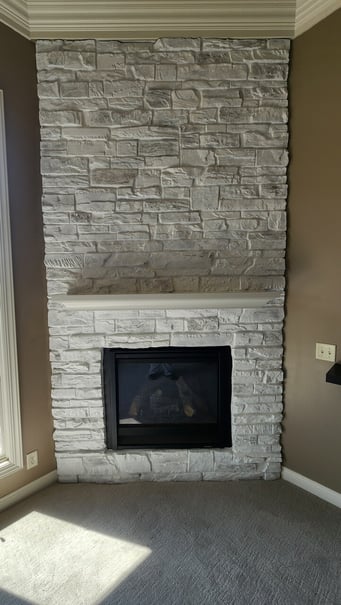
The cost of limewashing a fireplace in Omaha depends more on labor and surface condition than on square footage alone. A simple brick surround may cost less than a tall fireplace reaching a vaulted ceiling. Heavy soot, detailed masking, repairs, and difficult access can increase the price.
Factors that can change the quote include:
- Fireplace height and width
- Amount of brick and mortar texture
- Condition of the masonry
- Soot, grease, or smoke staining
- Need for mortar or brick repairs
- Presence of paint or sealer
- Number of samples and coats
- Mantels, shelves, screens, and nearby flooring that require protection
- Access above the fireplace
When comparing quotes, ask what cleaning, protection, repairs, materials, and touchups are included. A low number may leave out the work needed to help the finish bond and look consistent.
Can You Limewash a Fireplace Yourself?
A homeowner can limewash a small, clean, unsealed brick fireplace, especially when the desired finish is loose and natural. The project becomes harder when the brick has soot, old coatings, repairs, tall sections, or when the homeowner wants a very specific appearance.
A do it yourself project may be reasonable if:
- The fireplace is easy to reach.
- The brick passes the water absorption test.
- There is little or no smoke staining.
- No masonry repairs are needed.
- You are comfortable making color decisions as you work.
- You can follow the product’s safety and application directions.
Hiring a professional may make more sense if:
- The fireplace reaches a high ceiling.
- The brick has been painted or sealed.
- There are deep soot stains.
- You want the result to match an inspiration photo closely.
- Nearby woodwork, carpet, stone, or flooring requires careful protection.
- You are unsure whether limewash will bond.
The application itself is not always the hardest part. Surface testing, cleaning, controlling absorption, and knowing when to stop removing material often decide whether the fireplace looks natural or patchy.
What Colors Work Best for Limewashing a Fireplace?
Warm whites, soft creams, pale beige tones, and gentle grays are common choices because they lighten brick without making the fireplace feel harsh. The best color should connect with the room’s walls, flooring, countertops, furniture, and fixed stone or tile.
Omaha homes often have warm wood floors, beige stone, cream trim, or red and brown brick. A bright white limewash can sometimes feel too sharp next to those finishes. A warmer white may blend more naturally.
Before choosing a color, look at:
- The undertone of the wall paint
- The color of the mortar
- Wood tones in the room
- Natural and artificial lighting
- Nearby stone, tile, or countertops
- The amount of original brick you plan to leave visible
Sample more than one color if possible. View each sample in the morning, afternoon, and evening.
Does Limewash Need to Be Sealed?
Traditional limewash is often left unsealed so the masonry can continue to release moisture. Applying a sealer may change the color, shine, texture, and breathability of the finish.
Some modern products have their own instructions regarding protective topcoats. Follow the manufacturer’s system instead of adding a general masonry sealer without testing it.
Sealing may also make future touchups harder. New limewash might not absorb into a sealed area the same way it absorbs into the original brick.
If easy cleaning is your biggest concern, discuss that before choosing limewash. A painted masonry finish may provide a more washable surface, depending on the product used.
How Do You Maintain a Limewashed Fireplace?
Routine maintenance is usually simple. Remove dust with a vacuum brush or soft dry cloth. For small marks, use a lightly damp cloth and avoid aggressive scrubbing, which may polish or remove some of the finish.
For longer lasting results:
- Dust the brick regularly.
- Address smoke stains early.
- Avoid strong household cleaners unless approved by the manufacturer.
- Keep leftover limewash for future touchups.
- Record the product, color, and mixing ratio.
- Inspect the fireplace each year for loose mortar or moisture issues.
Touchups may look different at first because fresh limewash has not aged. Feathering the repair into the surrounding area can make the transition less obvious.
Frequently Asked Questions About Limewashing Fireplaces
Will limewash completely cover red brick?
It can provide strong coverage, but it usually does not look as solid as paint. The amount of red showing through depends on the product, dilution, application, and number of coats. If you want no red visible, painting may be a better option.
Can limewash hide soot stains?
Limewash may soften light discoloration, but it should not be used as a substitute for cleaning. Dark soot can show through or affect adhesion. Heavy stains may need specialized cleaning or a different coating system.
Can you remove limewash later?
Limewash may wear down or be reduced with water and scrubbing when it is fresh, but complete removal is not guaranteed. Once it settles into porous brick, some color may remain inside the surface.
Can you limewash only the brick and leave the mortar unchanged?
It is possible, but it requires careful brushwork and takes much longer. Most homeowners coat both brick and mortar because it creates a more natural and connected appearance.
Does limewash work on stone fireplaces?
It can work on some porous natural stone, but not every type of stone responds the same way. Dense, polished, sealed, or manufactured stone may not absorb it properly. Always test first.
Will fireplace heat make limewash peel?
Limewash does not form the same type of surface film as standard paint, so it behaves differently. It still needs a suitable masonry surface and must be kept away from areas where the product is not approved for direct heat.
How soon can you use the fireplace after limewashing?
Follow the curing time provided by the product manufacturer. Dry to the touch does not always mean fully cured. Waiting the recommended period helps protect the new finish.
Is limewash better than white paint for brick?
Neither option is always better. Limewash is a good fit when you want natural variation and visible brick character. Paint is better when you want an even, solid, and potentially more washable finish.
Limewashing Fireplaces in Omaha Homes
A dark or dated fireplace can make an otherwise comfortable room feel unfinished, but choosing a new finish does not have to be a guessing game. You now know how limewash behaves, what type of brick it needs, how it compares with paint, and what preparation is required before work begins.
Limewashing is often a good choice for homeowners who want a softer fireplace without completely covering the original masonry. Painting may be more suitable when the brick is already coated, when solid coverage is the goal, or when easier cleaning matters most.
Brush & Roll Painting has served the Omaha area since 1996. Our role is to help homeowners understand their surfaces, compare reasonable options, and know what proper preparation should include before making a decision.
If you would like professional help evaluating or refinishing your fireplace, click the button below to get a quote.

If you are still planning your project and are not ready for a quote, use our home painting pricing calculator to get a better idea of what your painting project may cost.