Key Takeaways
- Compare preparation, products, coats, protection, cleanup, and warranties before comparing prices.
- Choose a painter with experience in your specific type of residential project.
- Ask for a detailed written scope that clearly lists inclusions and exclusions.
- Confirm insurance, payment terms, scheduling, communication, and warranty coverage before signing.
- Long-lasting work depends heavily on cleaning, sanding, repairing, caulking, and priming.
- The lowest price is not always the best value, and the highest price does not guarantee the best workmanship.
Hiring a painter can become confusing quickly. You may receive three estimates with three different prices, products, and descriptions of the work. One painter may focus on speed. Another may spend more time discussing repairs, sanding, primer, protection, and maintenance. It can be difficult to tell which details matter.
Brush & Roll Painting has served homeowners throughout the Elkhorn, NE area since 1996. We have worked on interior painting, exterior painting, cabinet refinishing, deck staining, woodwork, and smaller residential projects. That experience has taught us that homeowners are more likely to be pleased when they understand exactly what they are purchasing.
This guide provides 10 practical tips for hiring a painter in Elkhorn. You will learn how to compare estimates, evaluate preparation, review products, check insurance, understand warranties, and spot warning signs. These tips apply to nearly every residential painting service and will help you choose based on workmanship, communication, durability, and value.
1. Compare Detailed Painting Estimates in Elkhorn
A residential painting estimate should explain far more than the total price. It should identify the surfaces, preparation, repairs, products, coats, protection, cleanup, payment schedule, and warranty. A clear scope gives you a fair way to compare painters and reduces misunderstandings after work begins.
Place your estimates side by side and compare:
- Rooms, sides of the house, and surfaces included
- Walls, ceilings, closets, trim, doors, and windows
- Washing, scraping, sanding, caulking, and priming
- Drywall, siding, trim, or wood repairs
- Paint manufacturer, product line, and sheen
- Number of primer and finish coats
- Furniture moving and surface protection
- Daily and final cleanup
- Project schedule and estimated completion time
- Deposit and progress payments
- Written warranty coverage
A proposal that says only “paint house” or “paint cabinets” leaves many unanswered questions.
Ask each painter, “What could make this price change?” Common answers include hidden wood rot, water damage, added repairs, extra color changes, or additional coats. Knowing this early can prevent an unexpected bill.
2. Evaluate Prep Work Process
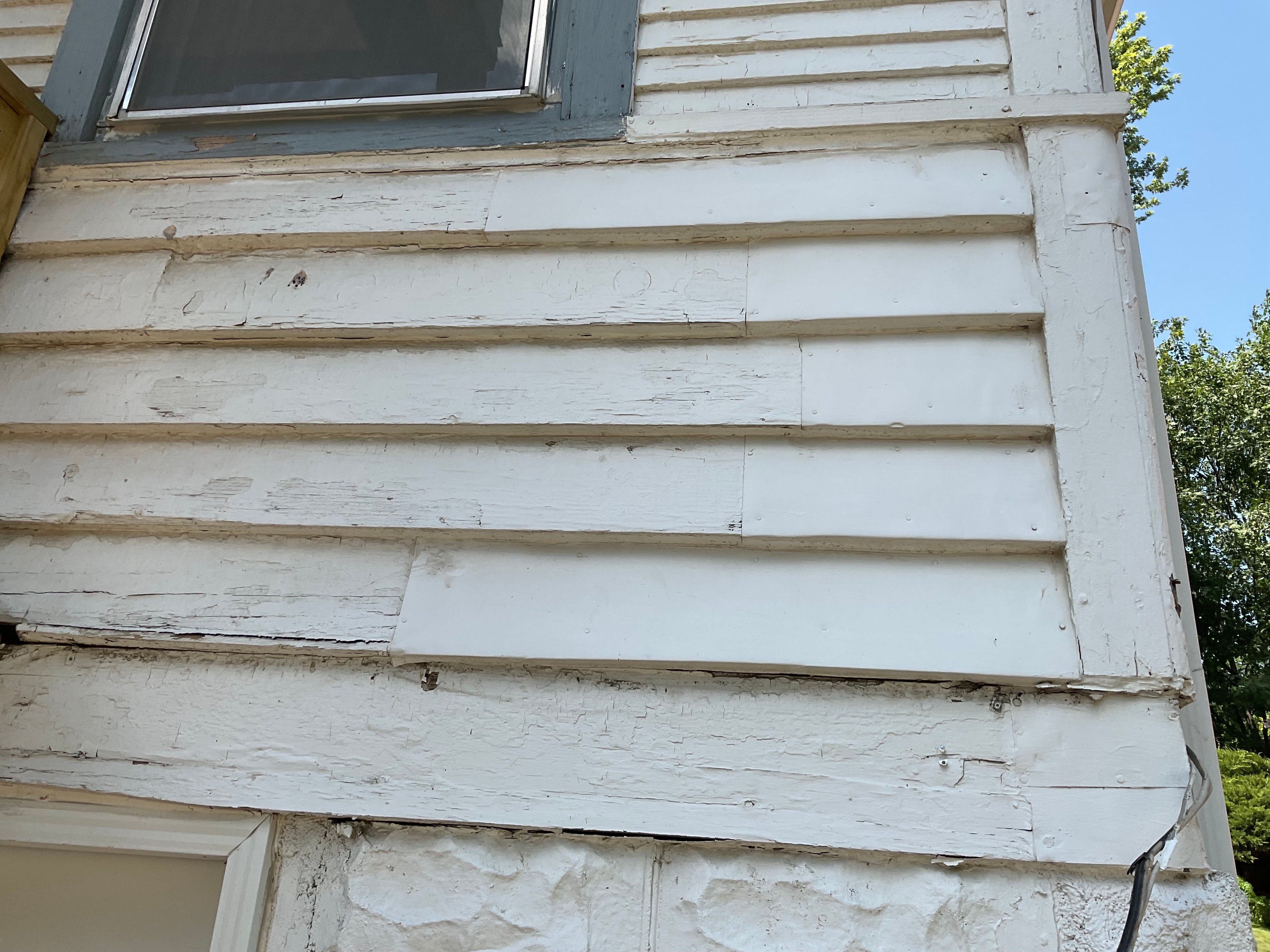
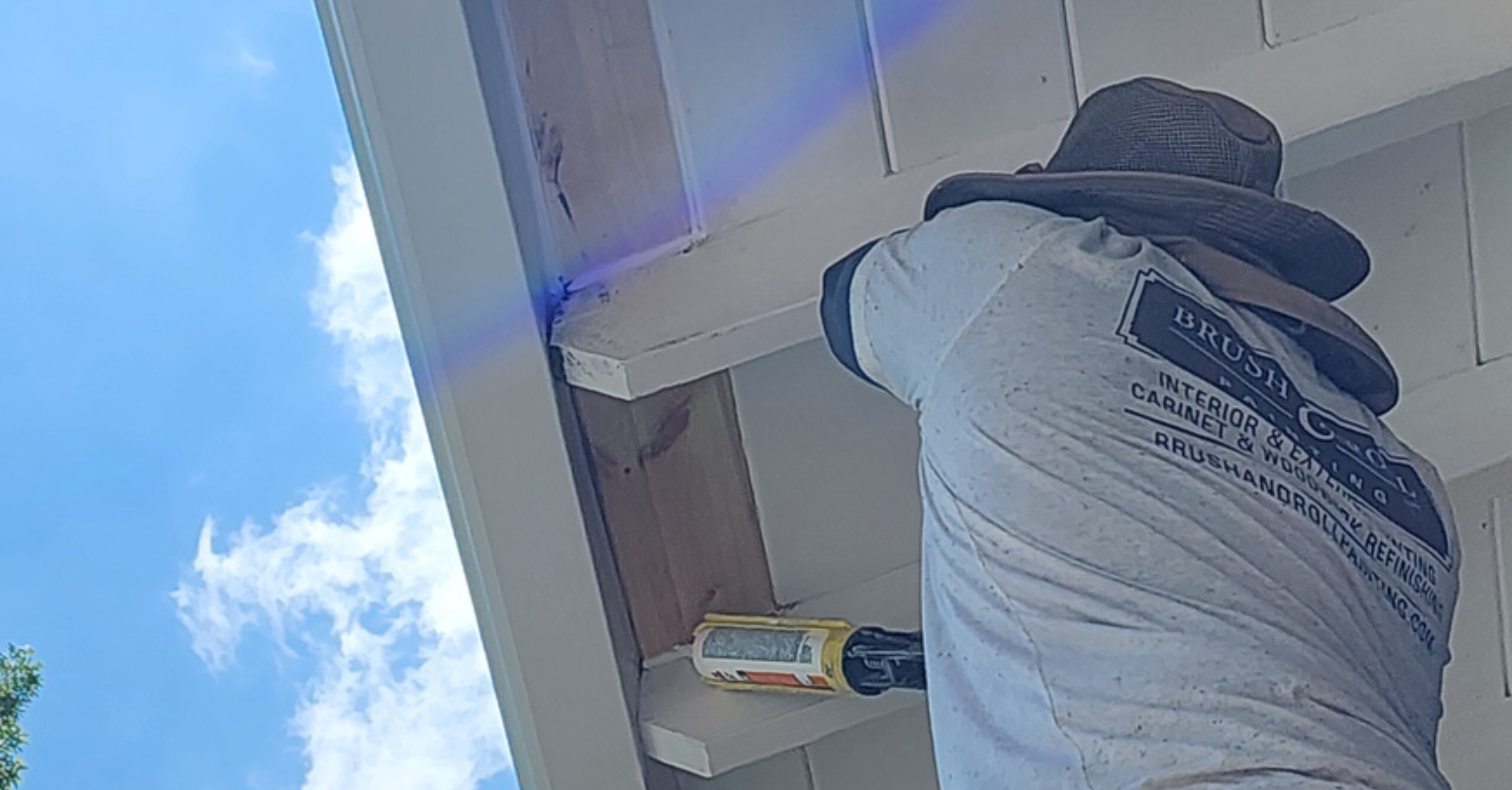
Preparation is one of the biggest differences between a quick paint job and a finish designed to last. Paint needs a clean, dry, stable surface. Even a premium coating may peel, chip, or look uneven over grease, dust, loose paint, glossy finishes, rotten wood, or failed caulk.
Interior preparation may include:
- Filling dents, nail holes, and small cracks
- Sanding repairs smooth
- Priming patches, stains, and bare areas
- Cleaning grease, dust, or residue
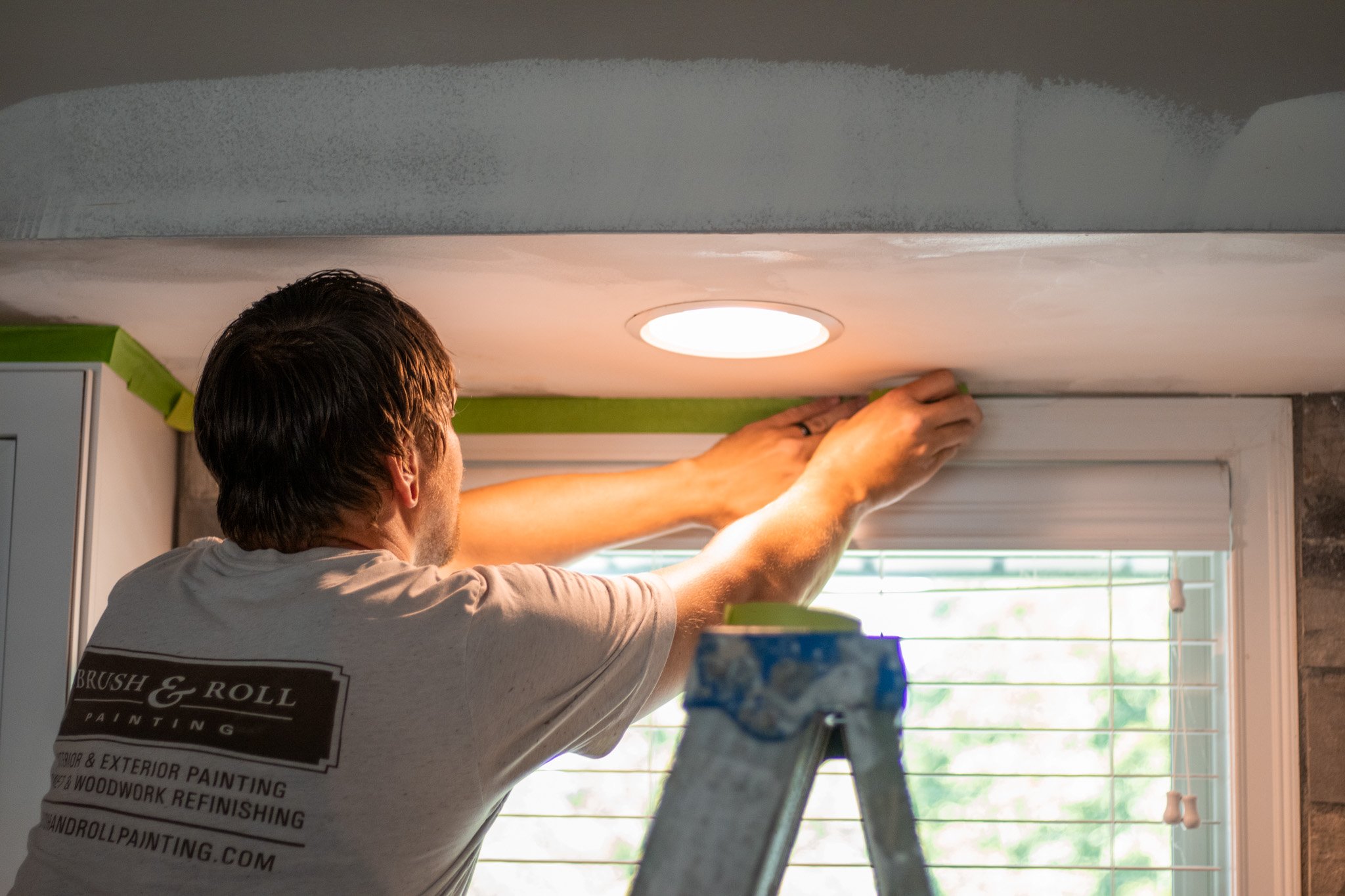
- Caulking suitable gaps around painted trim
- Protecting floors, cabinets, windows, and furniture
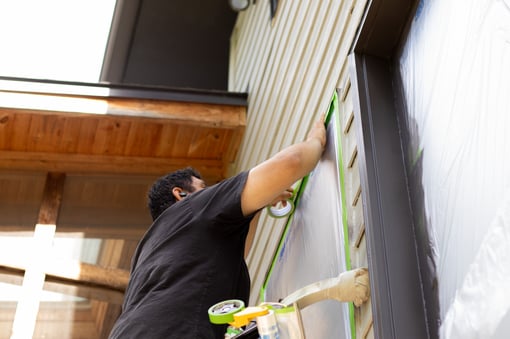
Exterior preparation may include:
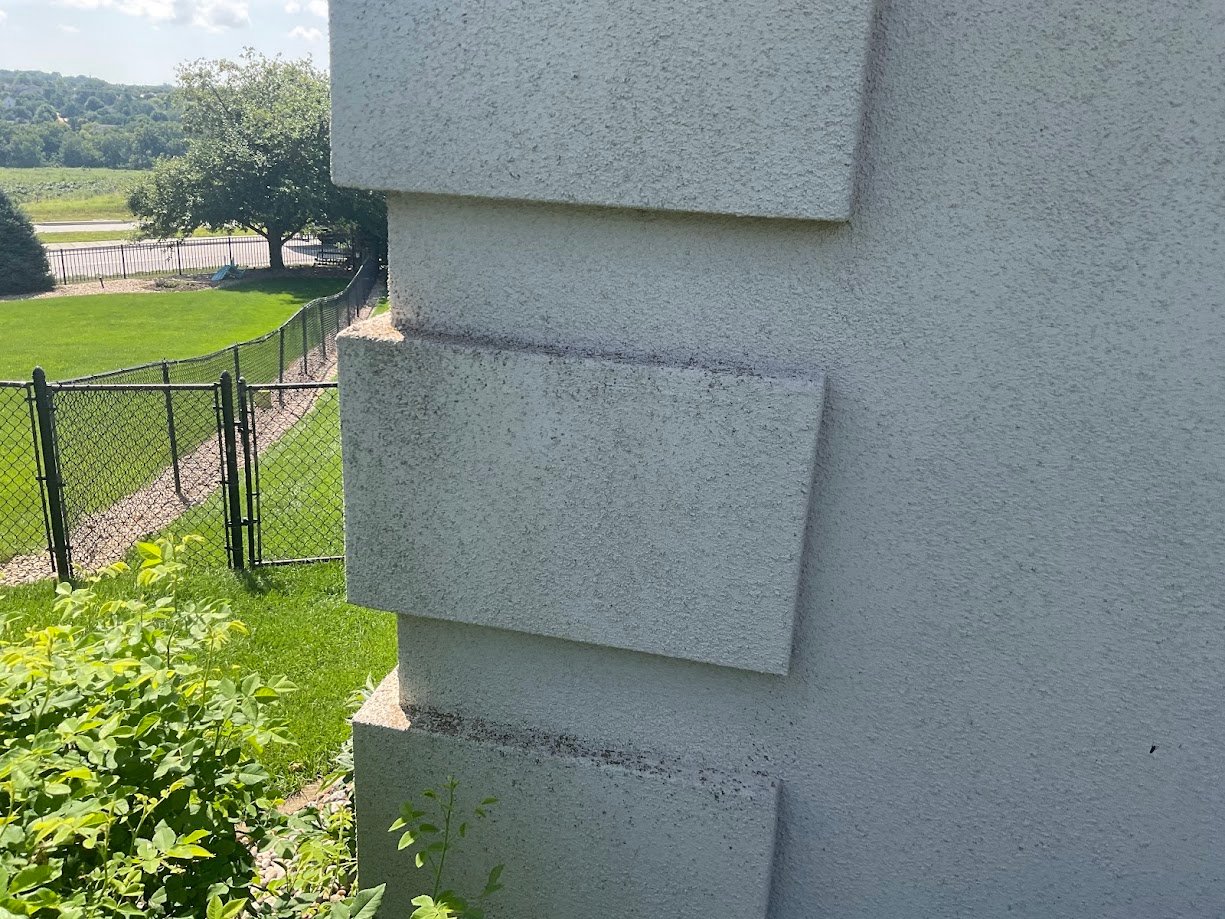
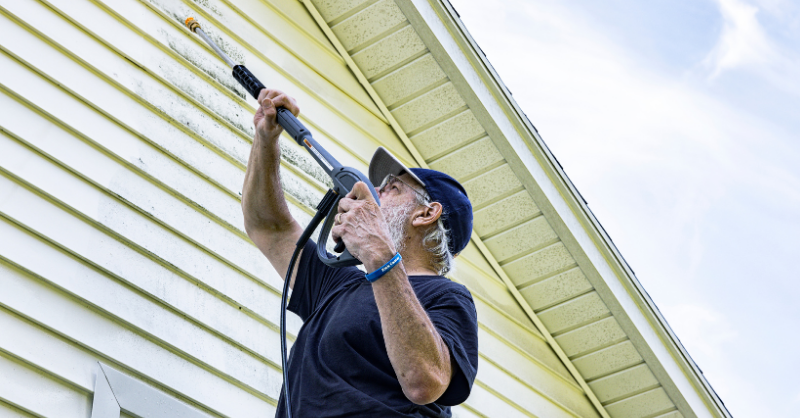
- Washing away dirt, mildew, chalk, and debris
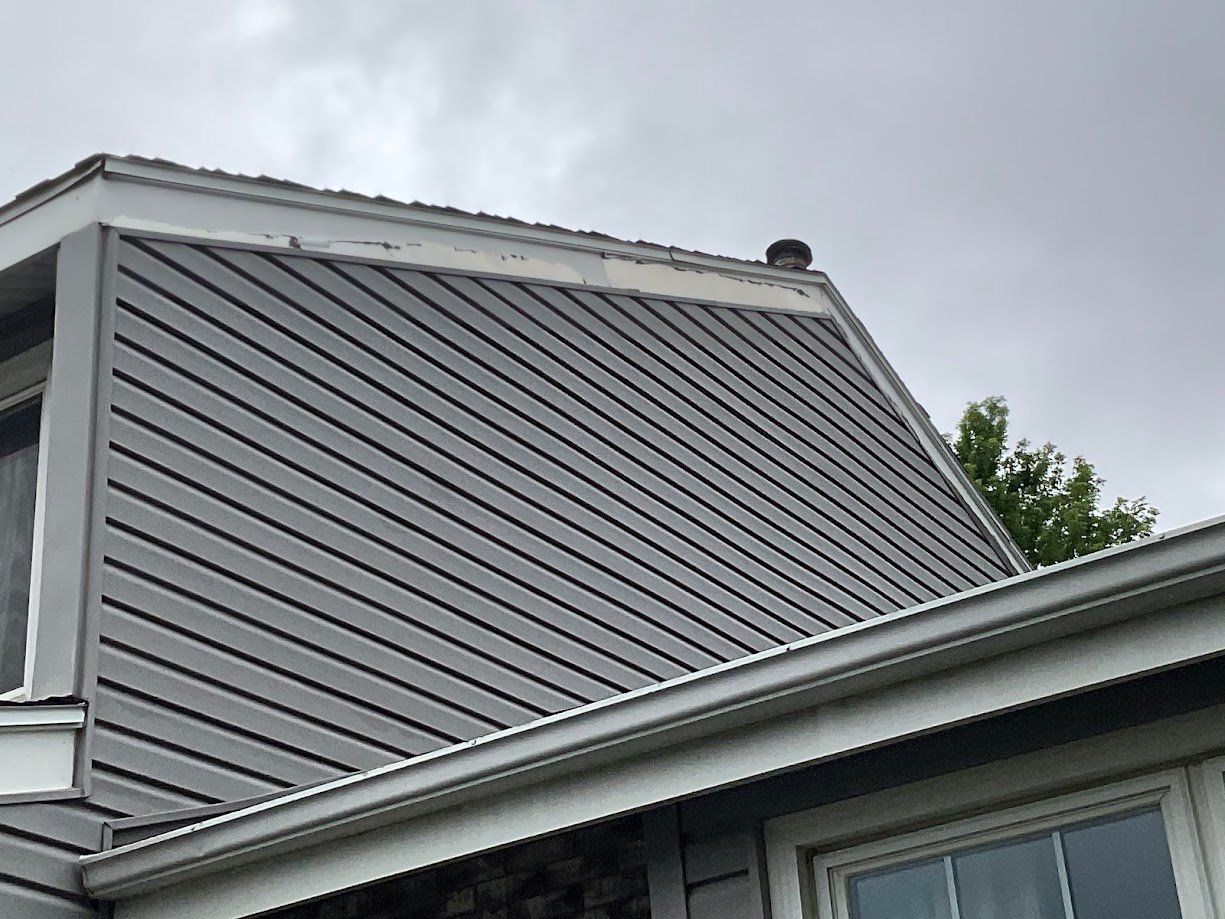
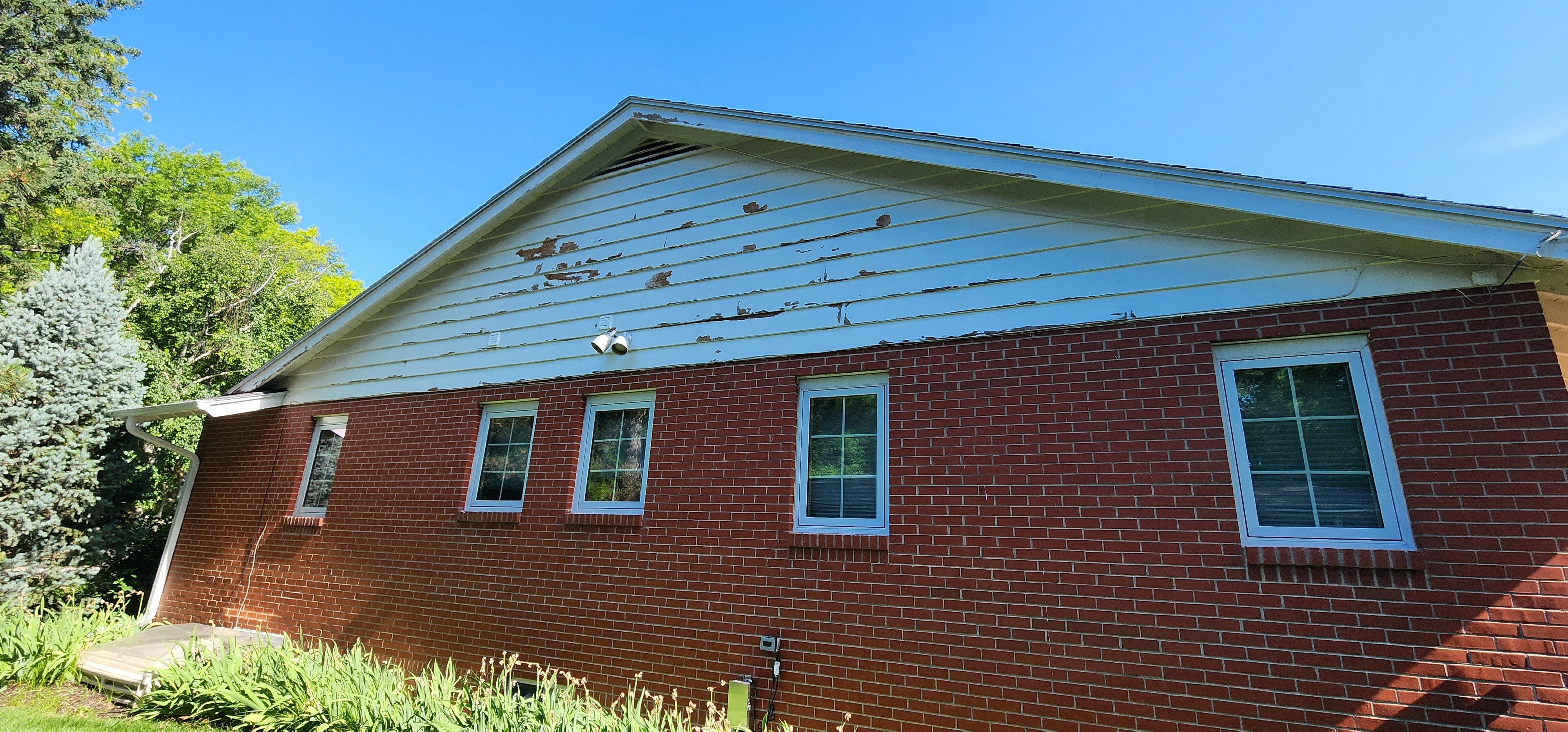
- Scraping loose or peeling paint
- Feather sanding rough paint edges
- Spot priming exposed wood and other bare surfaces
- Removing failed caulk and applying new caulk where appropriate
- Repairing damaged siding or trim
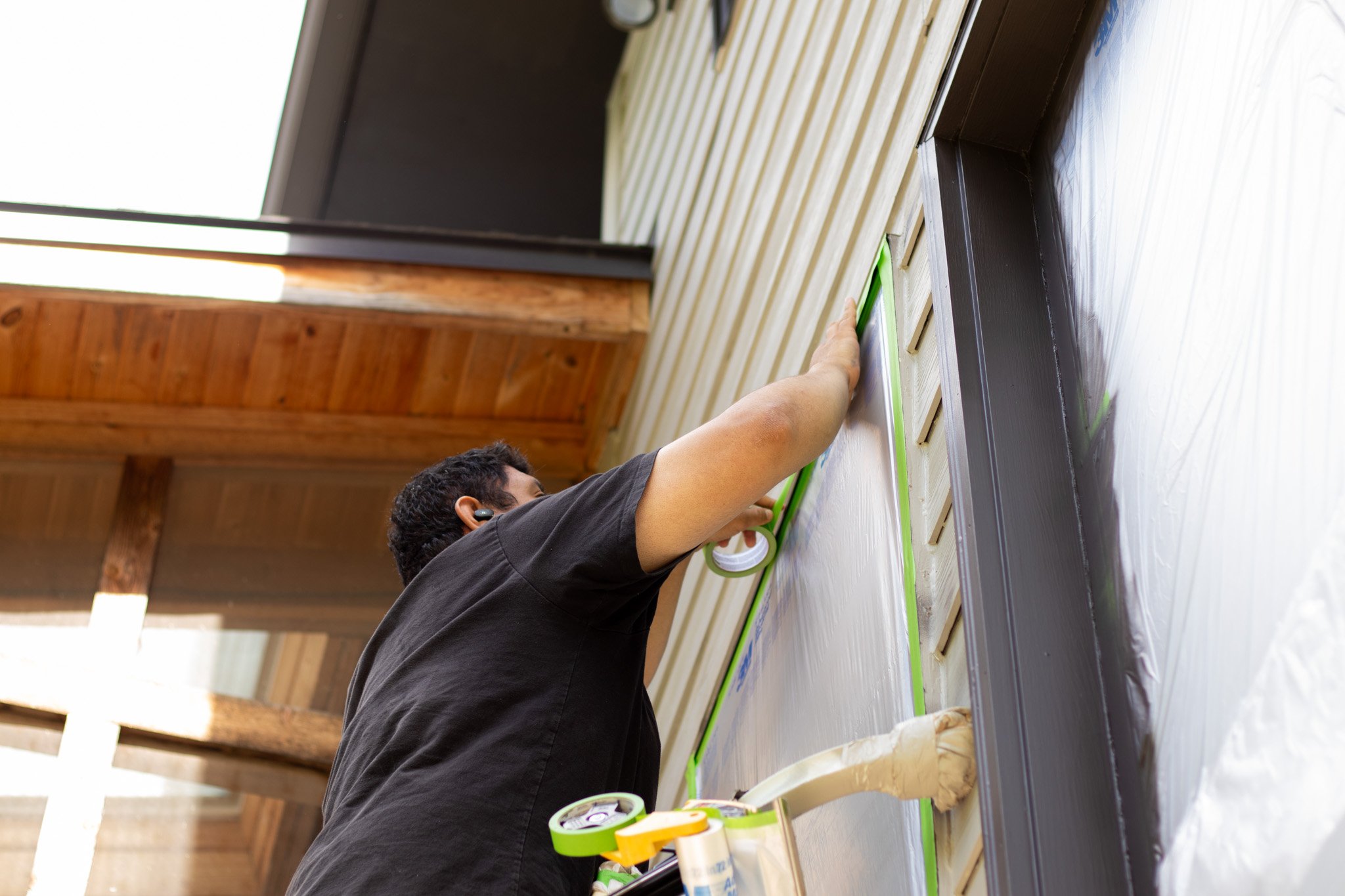
- Covering windows, brick, concrete, roofing, and landscaping
Elkhorn homes must handle hot summers, freezing winters, strong sun, wind, hail, and repeated temperature changes. Moisture can enter small openings around siding and trim. When that moisture freezes, it expands and stresses the surface. Careful preparation gives the coating system a better chance to handle Nebraska weather.
3. Choose a Painter With Residential Project Experience
Choose a company that regularly completes your type of project. Painting a bedroom, refinishing cabinets, coating exterior siding, and staining a deck require different preparation methods, products, tools, and application skills. General painting experience does not always mean strong experience with every surface.
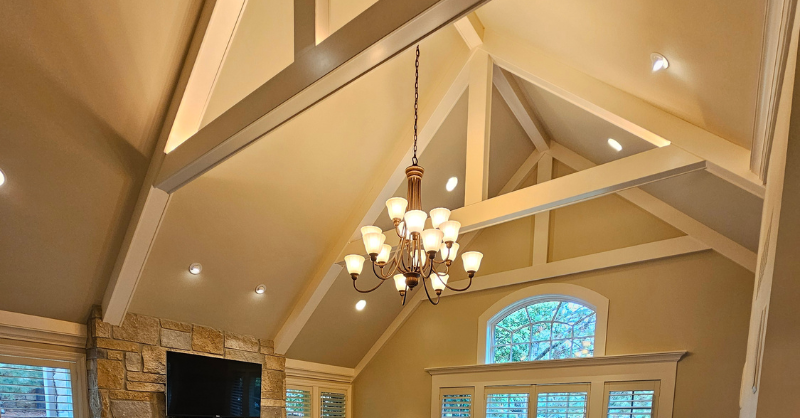
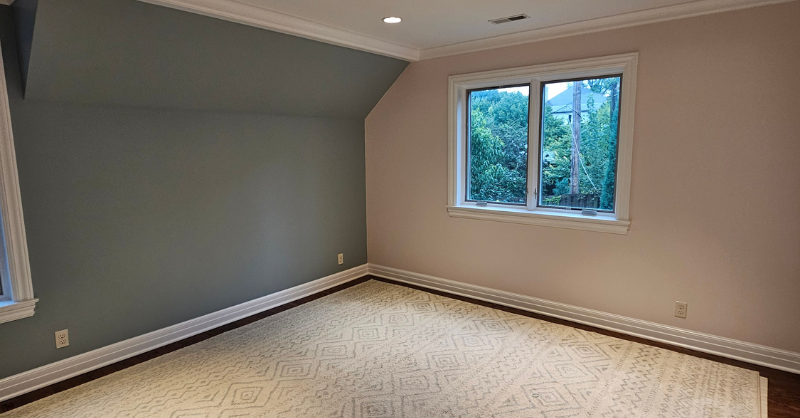
For interior painting, ask about drywall repairs, stain blocking, clean ceiling lines, floor protection, doors, trim, and sheen selection.
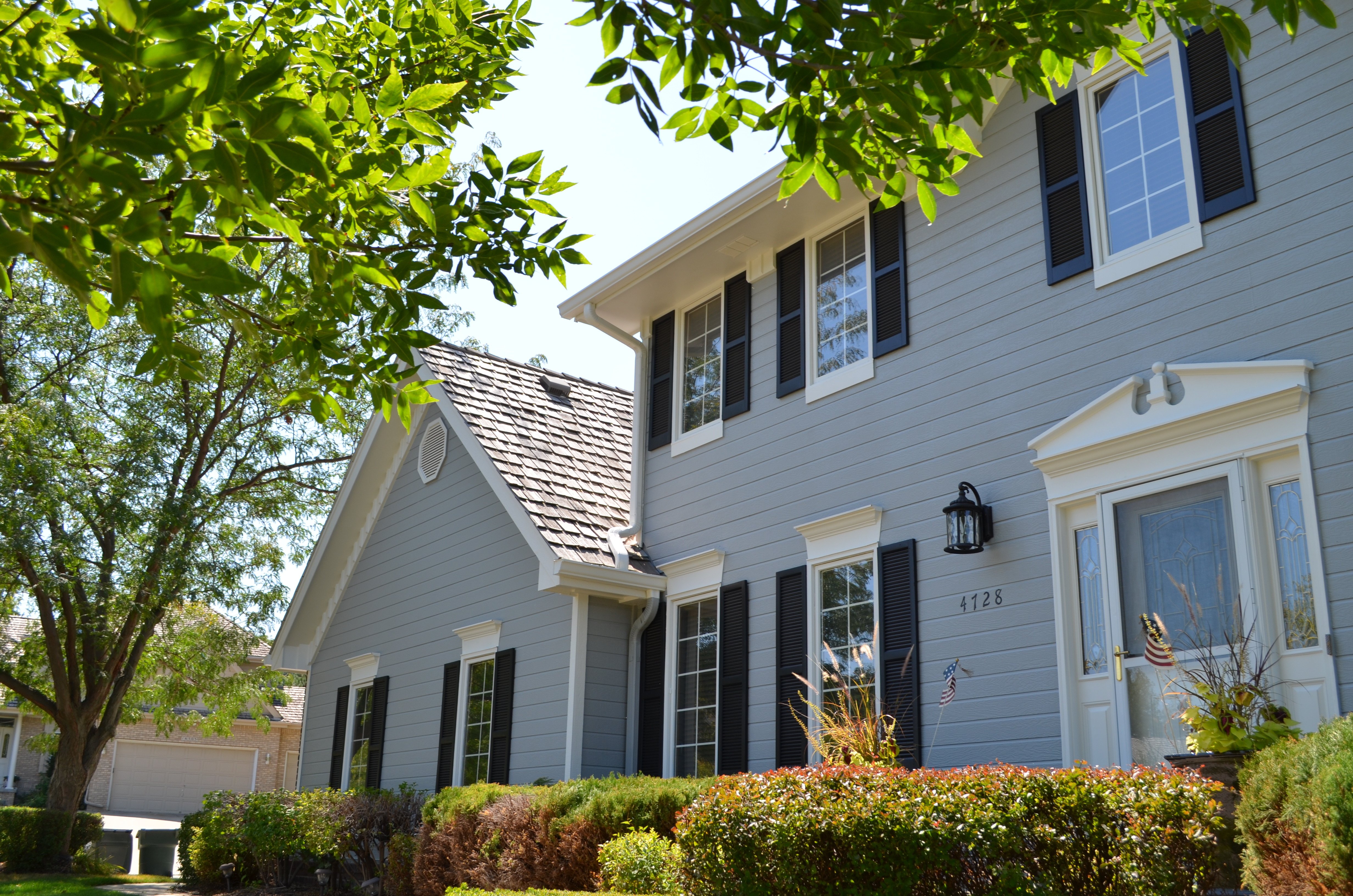
For exterior house painting, ask about power washing, peeling paint, caulking, siding repairs, weather limits, and overspray protection.
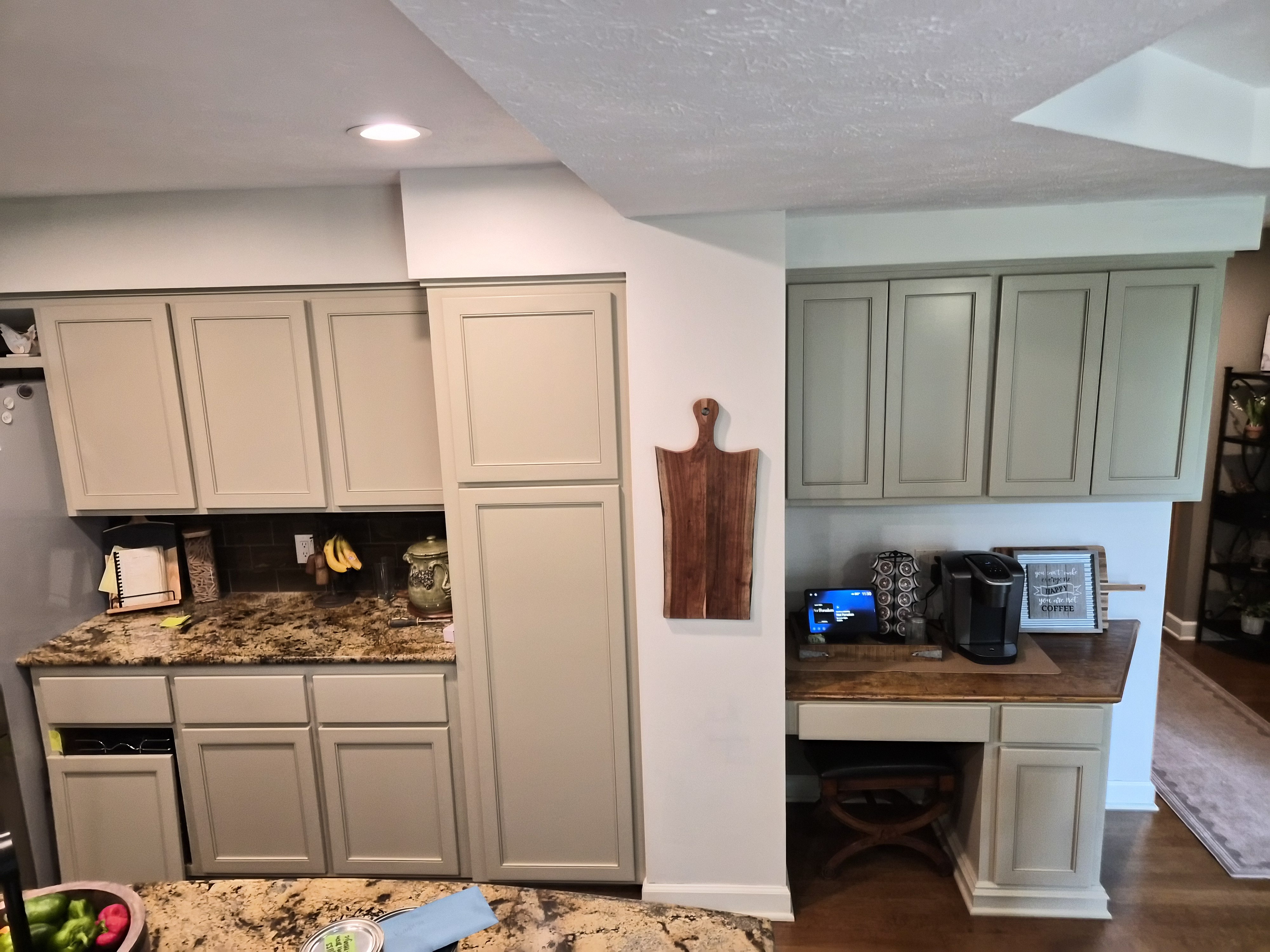
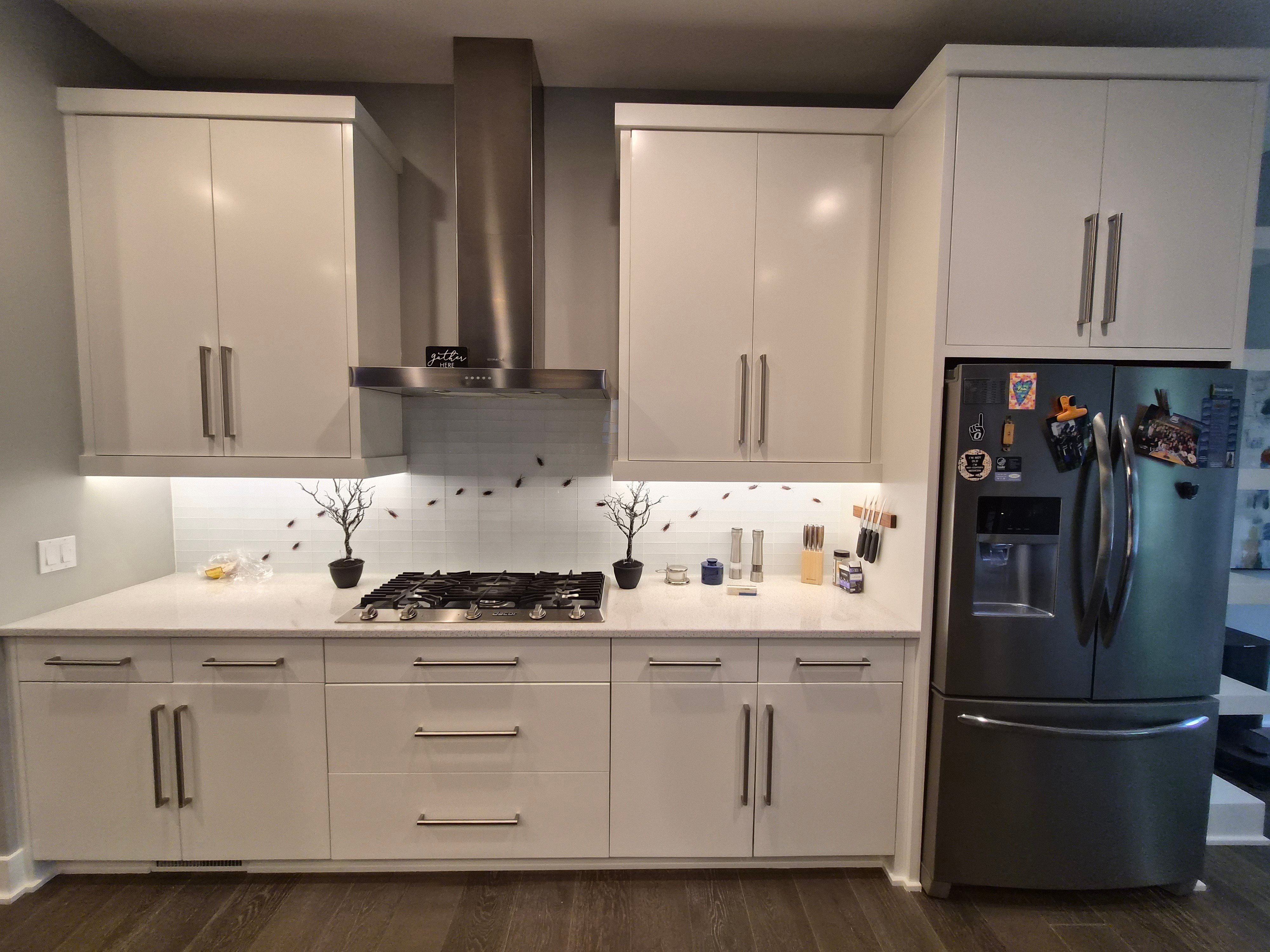
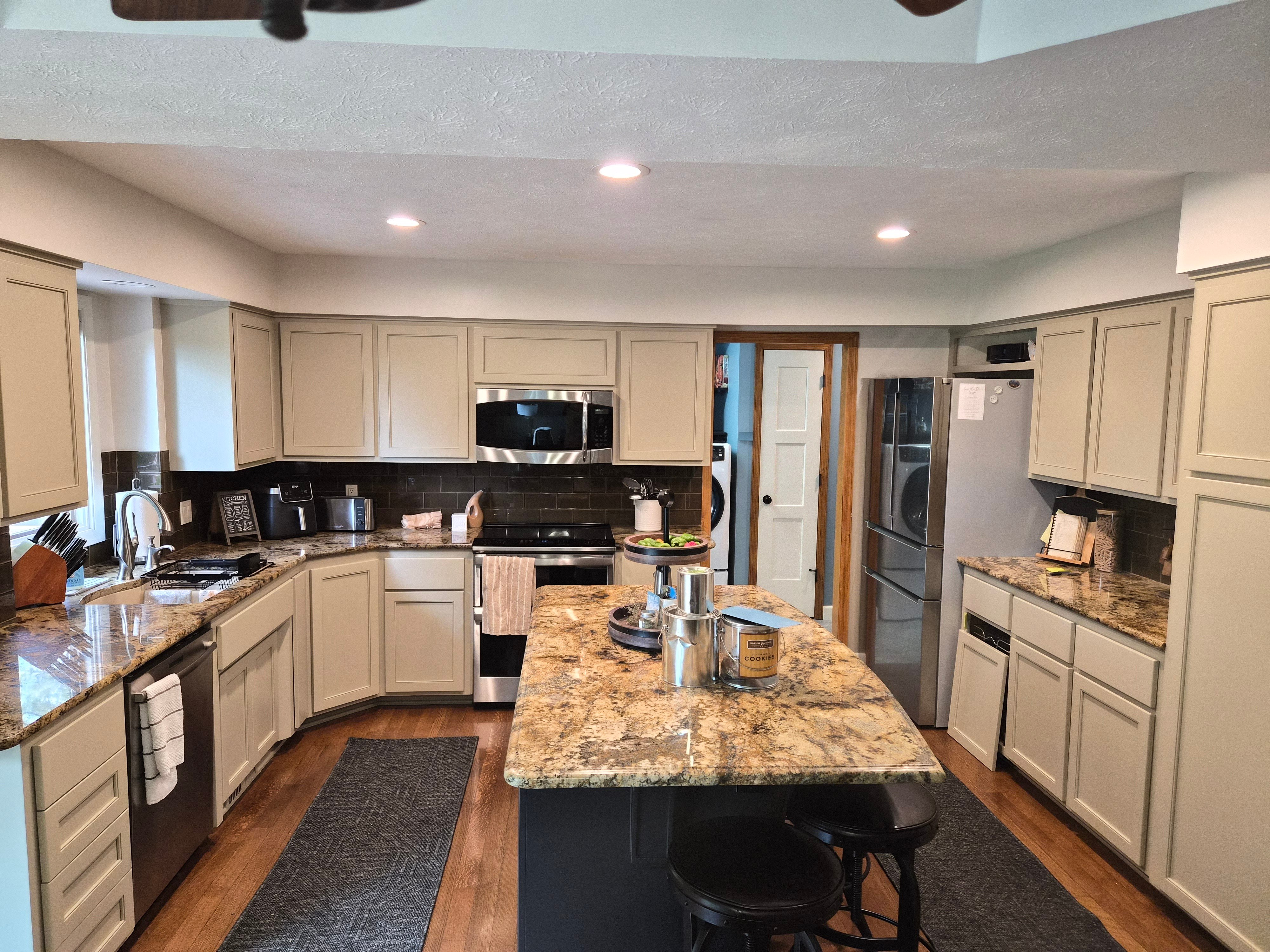
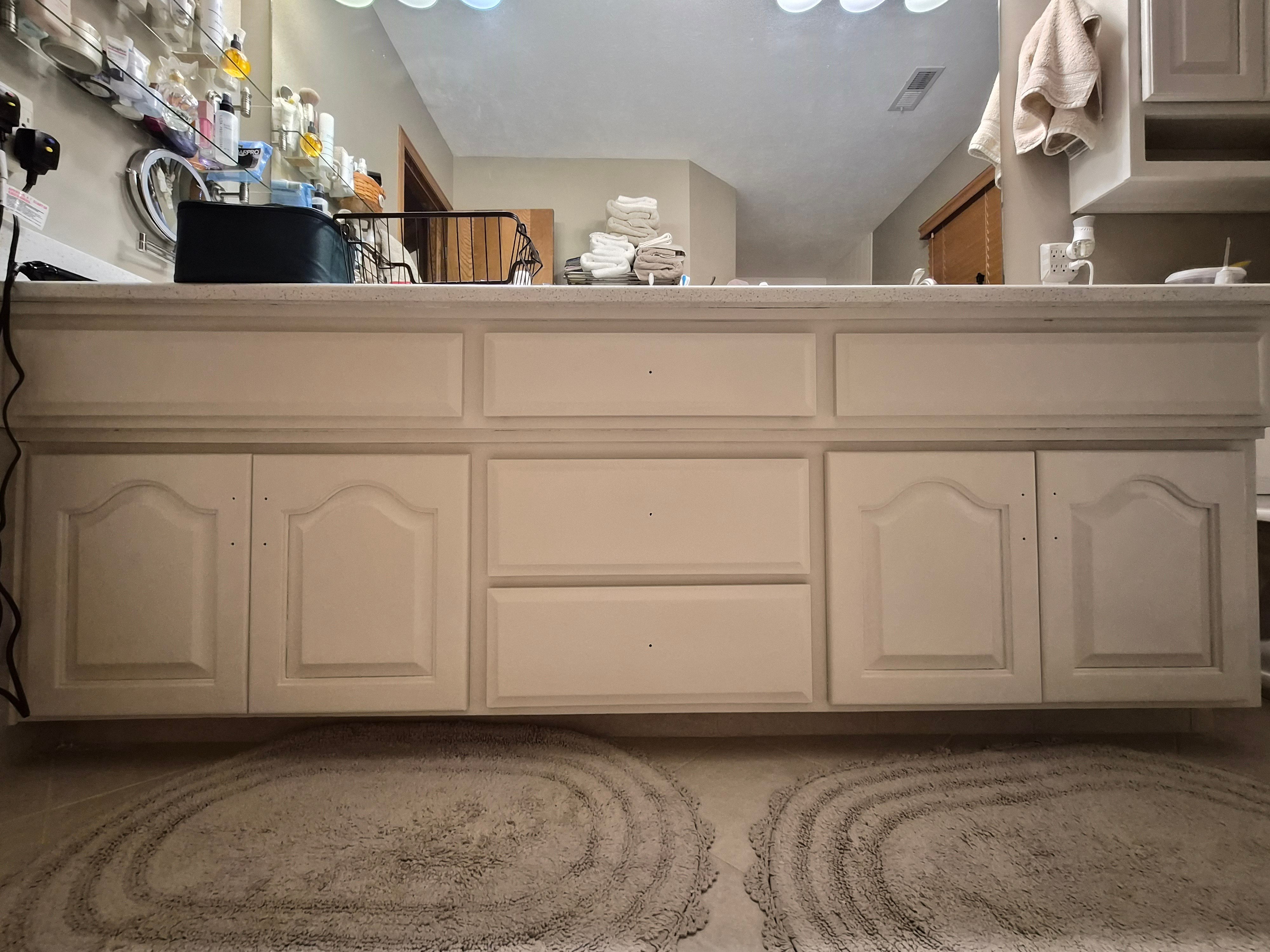
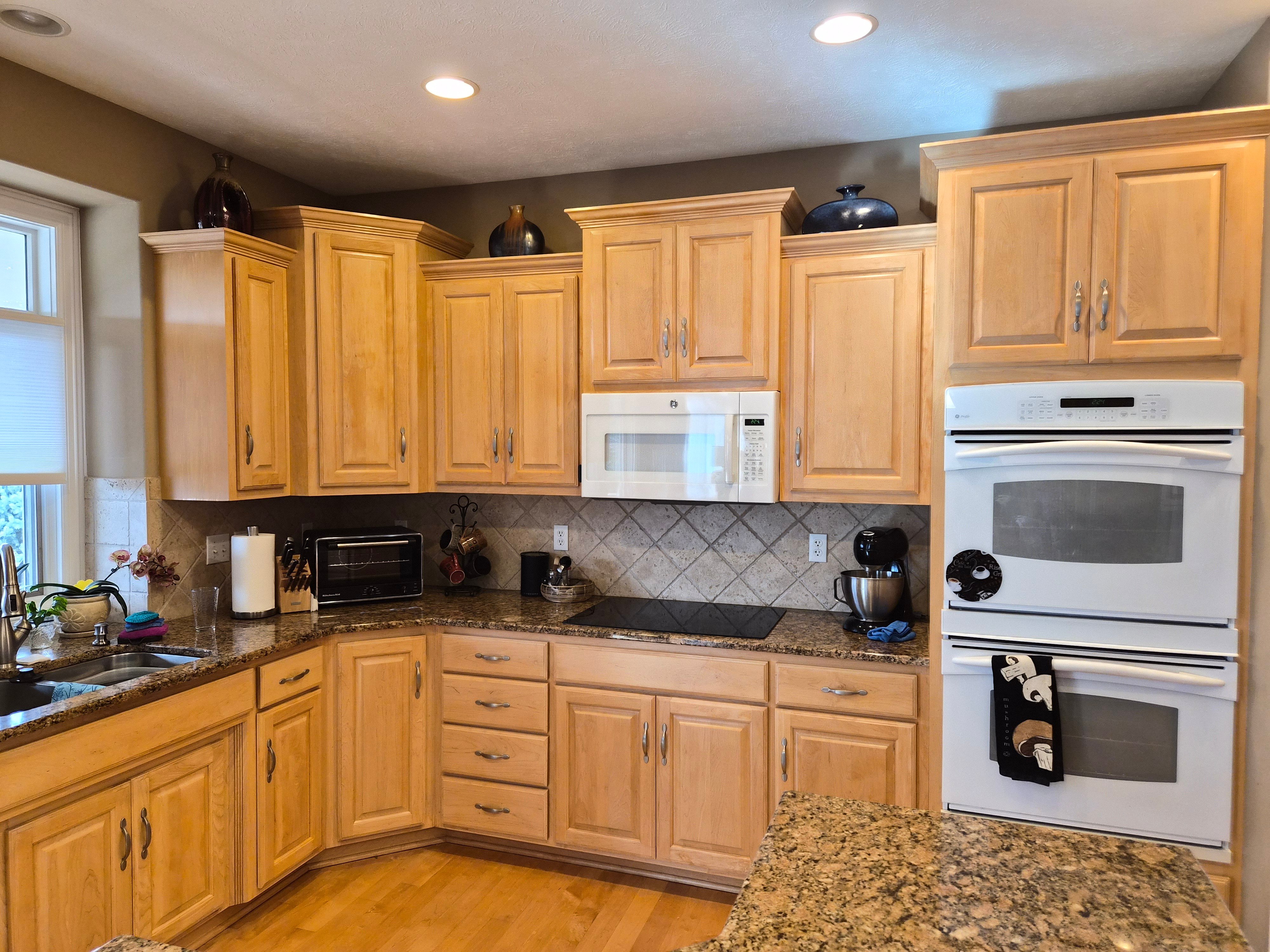
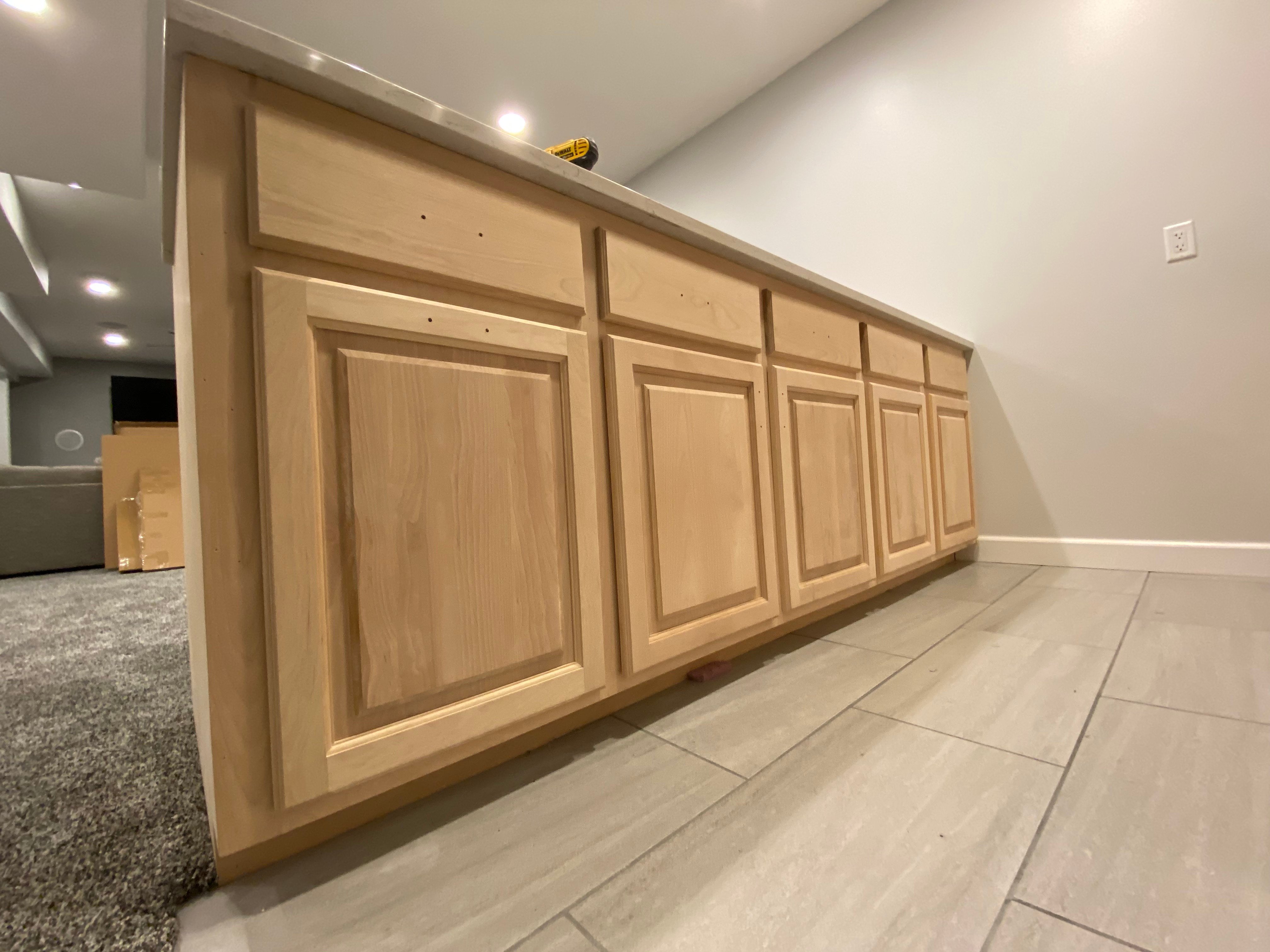
For cabinet painting or refinishing, ask about degreasing, sanding, door and drawer removal, bonding primers, spray application, curing time, hardware, and care instructions. Cabinets near a stove or sink often need extra cleaning because grease and repeated handling can affect adhesion.
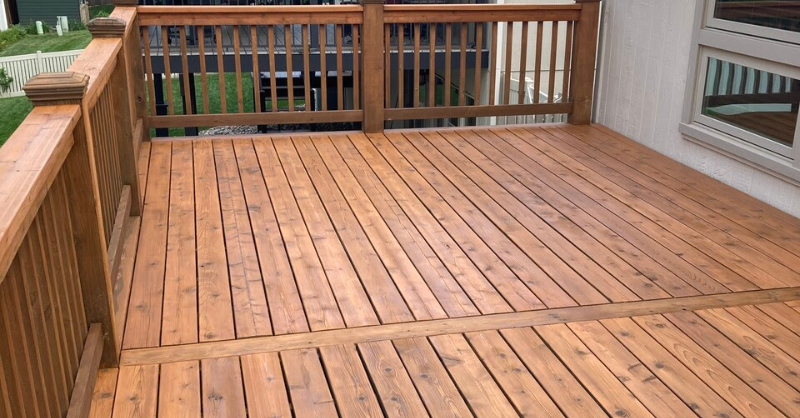
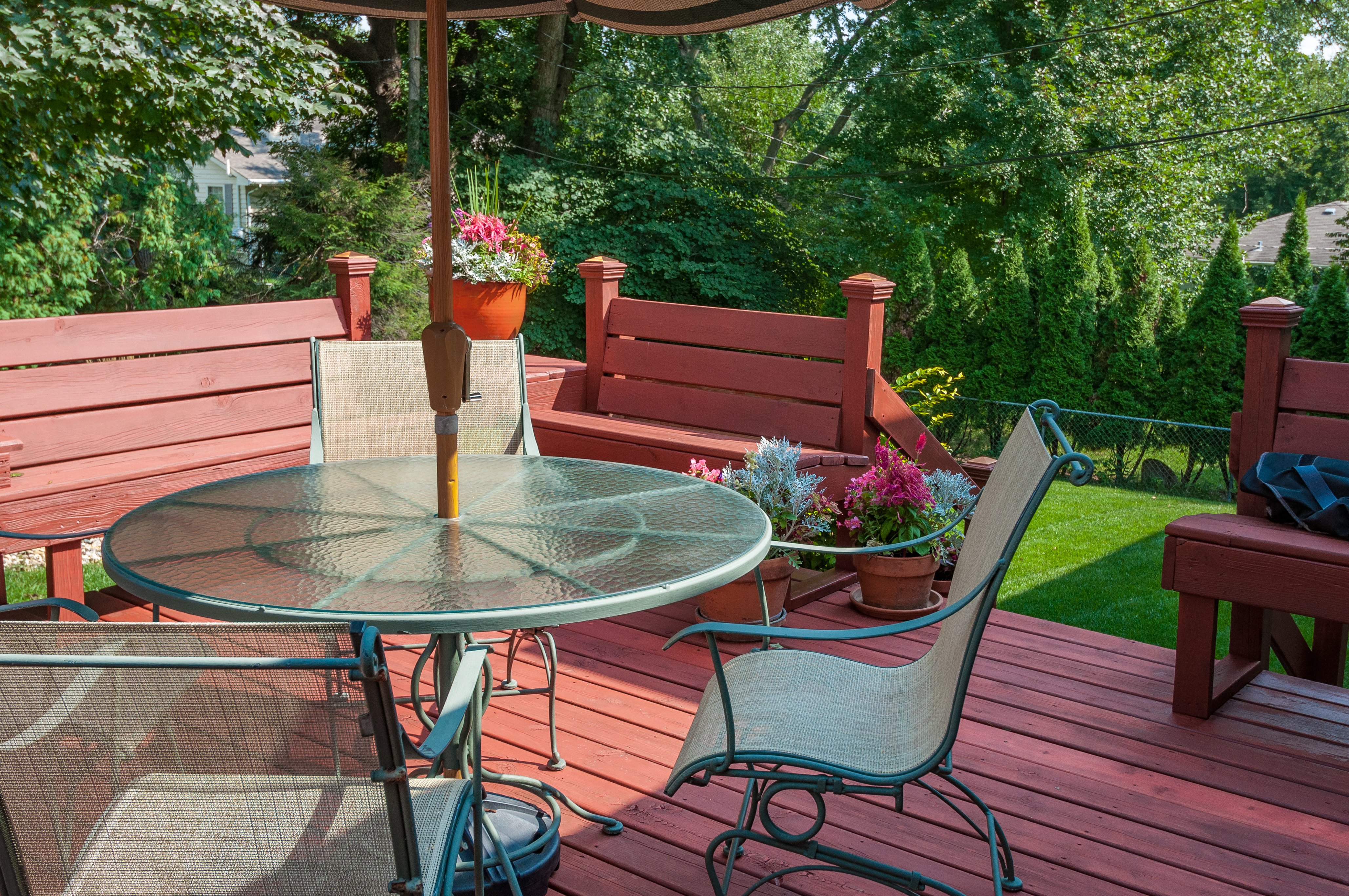
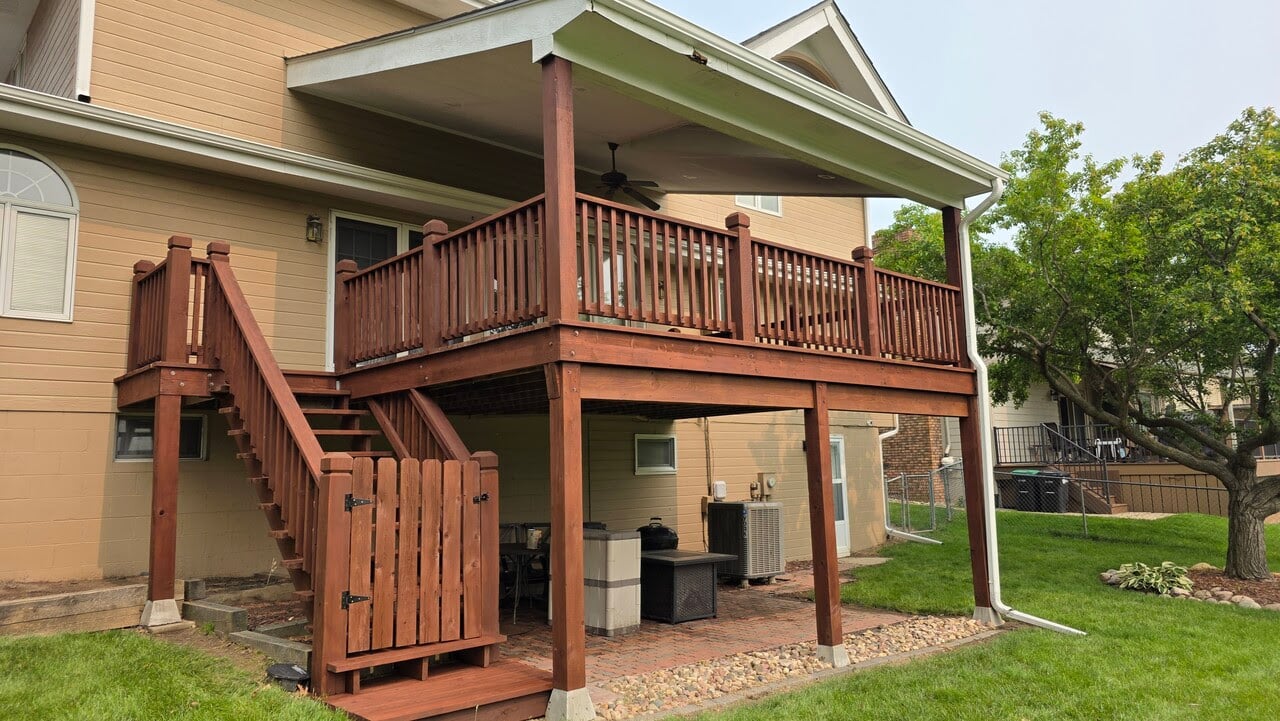
For deck staining, ask about washing, sanding, moisture levels, stain type, dry time, color limits, and future maintenance. Transparent, semitransparent, and solid stains age and maintain differently.
Ask to see examples that match your project. A wide room photo may show a pleasant color, but not smooth repairs, straight lines, clean trim, or an even cabinet finish. Closer photographs and relevant references are more helpful.

4. Verify Painter Insurance and Business Information
Ask for current proof of liability insurance before work begins. Insurance can help protect you if the crew damages your home or another serious problem occurs. Do not assume a painter is insured because the company has a professional website, branded vehicle, or online reviews.
Confirm these details:
- Company name and contact information
- Current certificate of liability insurance
- Workers compensation coverage when applicable
- Who will supervise the project
- Who you should contact with questions

5. Compare Paint Products
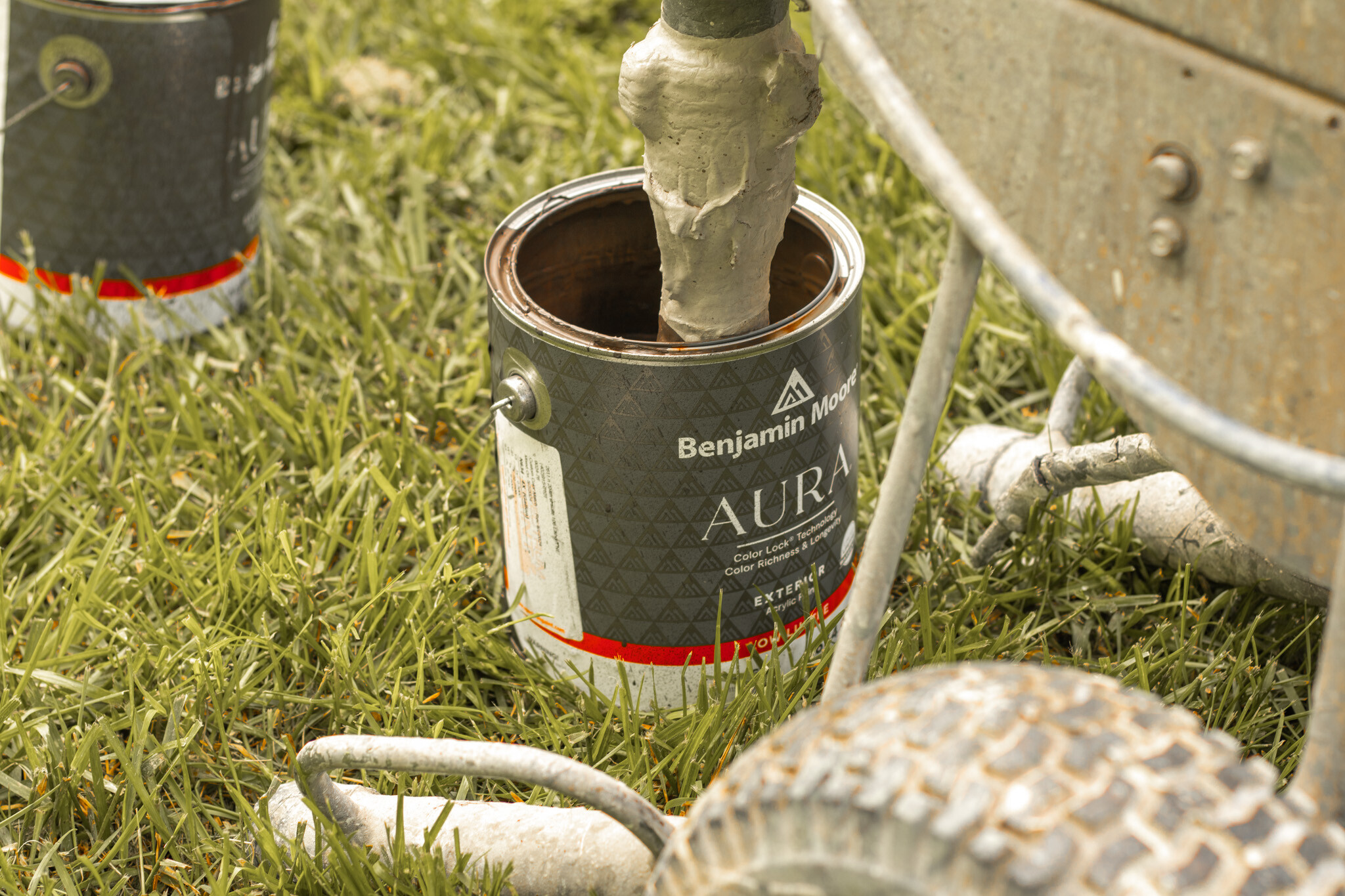
The paint brand matters, but the exact product line and intended use matter more. Major manufacturers offer several paint levels within the same brand. A basic wall paint, premium interior finish, exterior coating, trim enamel, and cabinet product may perform very differently.
Ask the painter to list the manufacturer and product line in the proposal. Talk to them about why they like to use that product.
- Interior walls have cleaning needs and desired appearance.
- Bathrooms may need stronger moisture resistance than bedrooms.
- Doors and trim often benefit from a harder coating made for woodwork.
- Kitchen cabinets need a very strong coating that handles touching, grease, cleaning, and repeated use.
- Exterior wood, engineered siding, metal, masonry, and stucco-style panels may require different primers and finishes.
- Deck stains should match the wood, existing coating, and appearance
Do not choose a painter based only on a familiar brand name. Premium paint cannot correct poor cleaning, loose coatings, moisture problems, or skipped sanding. Product quality and preparation must work together.

6. Review Painter Workmanship and Customer References
Judge quality by the company’s process, not only its promises. A dependable painter should inspect surfaces, identify likely problems, explain preparation, recommend suitable products, and document the work. Honest limits are a good sign. No painter can guarantee that every crack, moisture issue, or aging surface will stay perfect forever.
When reviewing past work, look for:
- Smooth and blended wall repairs
- Straight lines along ceilings and trim
- Even color and sheen
- Clean doors, baseboards, and window frames
- Smooth cabinet doors without heavy texture or runs
- Neat caulk joints on exterior trim
- Clean lines next to brick, roofing, windows, and concrete
- No visible overspray on nearby surfaces
Online reviews can help, but read the details instead of only checking the average rating. Comments about communication, cleanliness, scheduling, follow-up, and problem-solving may tell you more than a short review saying the color looks good.
Ask references whether the crew arrived as expected, kept the property orderly, communicated changes, completed the written scope, and responded if a concern appeared after payment.
7. Understand Residential Painting Warranties/Maintenance Plans
A painting warranty or maintenance plan should explain the coverage length, covered surfaces, failures, exclusions, and service process. A longer warranty is not automatically better if its written terms are unclear or exclude most common coating problems.
Ask whether the warranty or plan covers peeling, blistering, or loss of adhesion related to workmanship. Common exclusions may include:
- Roof or plumbing leaks
- Moisture moving through the surface
- Rotten wood
- Structural movement
- Customer damage
- Ice or standing water
- Failure of an older coating below the new paint
- Horizontal deck surfaces
Confirm whether labor and materials are both covered. Ask if your general maintenance is required, how to request an inspection, and whether the warranty transfers to a new homeowner. Read a contract instead of relying on a number mentioned during the estimate.
8. Confirm Home Protection and Painting Cleanup
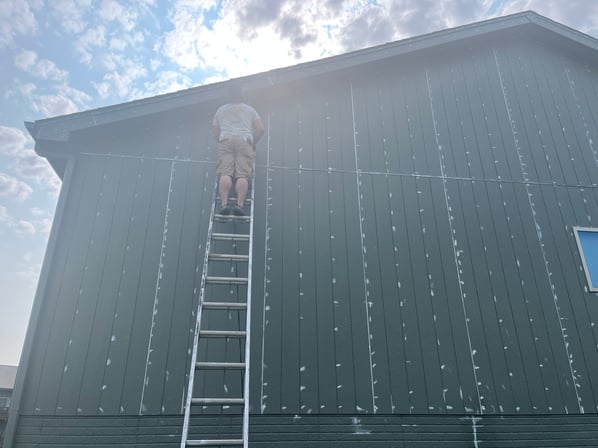
A professional painter should explain how your home will be protected before paint is opened. Interior protection may include drop cloths, floor paper, plastic, masking, dust control, furniture placement, and careful tool storage. Exterior protection may include covering windows, landscaping, roofing, brick, concrete, outdoor furniture, and nearby vehicles.
Ask what you need to do before the crew arrives. You may need to remove pictures, fragile items, curtains, vehicles, or objects stored against the house. These responsibilities should be explained early so the project is not delayed.
Protection should match the application method. Spraying can provide an attractive and efficient finish, but it requires careful masking and control. Rolling and brushing can also create drips and splatter when nearby areas are left exposed.
Discuss daily and final cleanup. Tools and materials should be stored safely, walkways should remain usable when possible, and job debris should be removed when work is complete.
9. Review Painting Schedules, Communication, and Payments
Confirm how the project will operate before signing. You should understand the likely start period, estimated length, working hours, payment schedule, and main contact. A clear plan is especially helpful when painters will be inside your home for several days.
Discuss:
- Estimated start date or scheduling window
- Expected number of working days
- Crew arrival and departure times
- Access to the home, garage, gates, and outlets
- Plans for pets, children, alarms, and locked rooms
- Daily progress updates
- Weather delays for exterior work
- Approval for additional repairs
- Deposit, progress payments, and final payment
- Final walkthrough and touch-ups
Payment schedules vary by project size and company policy. A deposit may reserve the schedule and materials, with later payments tied to the beginning, middle, and completion of work. Make sure amounts and due dates are written into the agreement.

10. Avoid Common Painter Hiring Warning Signs
Slow down when important promises are only verbal, the scope is unclear, or the painter pressures you to sign immediately. One concern may have a reasonable explanation. Several concerns together may signal a higher risk of poor communication, unexpected charges, or unfinished work.
Watch for:
- No proof of insurance
- No written scope of work
- No written contract
- No exact paint product listed
- No explanation of cleaning or preparation
- Surfaces are not clearly included or excluded
- A large cash payment before scheduling or materials
- No written approval process for added repairs
- A promised warranty/maintenance plan that is not in writing
- Poor communication before work begins
- Pressure to make an immediate decision
The lowest estimate may be a good choice when scope, products, preparation, protection, and warranty are equal. Often, they are not. A lower price may include fewer coats, less preparation, lower-cost materials, fewer repairs, or limited service.
The highest estimate is not proof of the best workmanship either. Ask every company to explain the work behind its price. Look for the best balance of preparation, communication, durability, service, and cost.
Frequently Asked Questions About Hiring a Painter in Elkhorn, NE
How many painting estimates should you get?
Two or three detailed estimates are usually enough to understand the normal range and compare approaches. Focus on equal scopes instead of collecting as many prices as possible. Ask every painter about the same surfaces, preparation, repairs, coats, products, and warranty terms.
When is the Best Time for Exterior Painting in Elkhorn?
Exterior painting requires suitable surface temperatures, dry conditions, and enough curing time before rain or freezing weather. The practical season often runs from spring through fall, but daily conditions matter more than the month. Your painter should follow the manufacturer’s temperature and moisture requirements.
How long does it take to paint a house?
Project length depends on size, repairs, preparation, crew size, drying times, access, and weather. A small room may take a day or two, while a full interior, exterior, cabinet, or deck project can take several days or longer. Ask for a realistic range and what could change it.
Do you have to say home while having painters over?
You may not need to stay home while painters work. Discuss entry, alarms, pets, children, locked rooms, updates, and end-of-day security before the start date. Many homeowners continue their normal routines after establishing a clear access and communication plan.
Painters in Elkhorn, NE
Hiring a painter becomes easier when you compare the work behind each price. A detailed estimate, clear preparation plan, suitable paint system, current insurance, dependable communication, careful protection, reasonable payment schedule, and written warranty provide a much better picture of what you are purchasing.
You began this search because you want your home to look good, the finish to last, and the project to proceed without avoidable surprises. These 10 tips can help you evaluate painters for interior walls, exterior siding, cabinets, decks, doors, trim, railings, and other residential projects.
Brush & Roll Painting has served the Omaha area since 1996. We use high-quality paint products and place strong attention on preparation because the early steps affect the finished work. If you would like to discuss your project, click the button below to get a quote.

If you are not ready to request an estimate, use our house painting pricing calculator for interior painting, exterior painting, cabinet painting, or deck staining. It can help you create a starting budget before meeting with a painter.