Key Takeaways
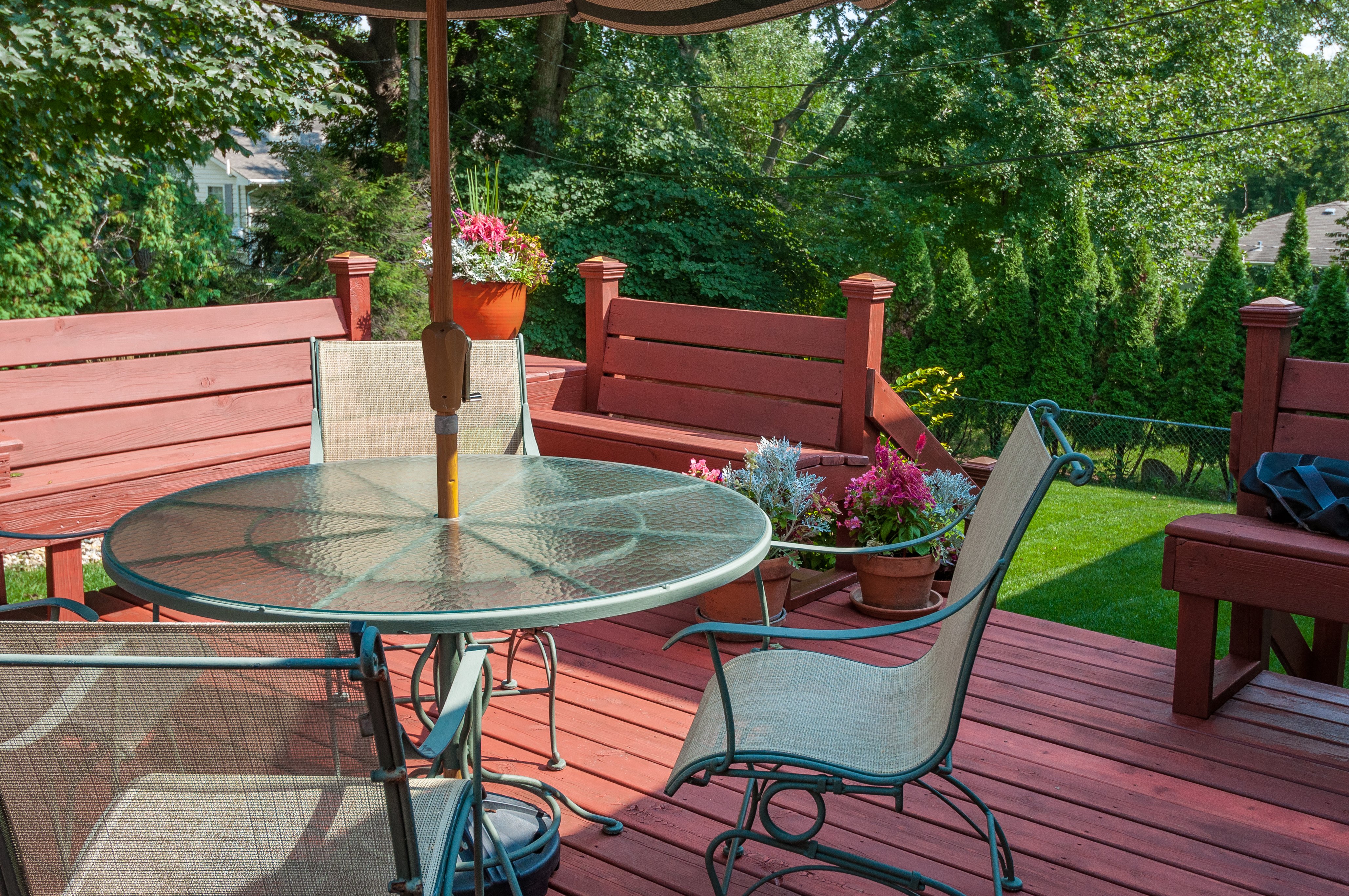
- Most homeowners should wait at least 24 to 48 hours before putting furniture back on a stained deck, but the exact time depends on the stain, weather, shade, and wood condition.
- A deck may feel dry on top before the stain has hardened enough to hold tables, chairs, grills, planters, and rugs without marks.
- Cool temperatures, high humidity, cloudy skies, shade, and poor airflow can make deck stain dry much more slowly.
- Always lift furniture and set it down gently. Dragging it can scratch the finish and create openings where water can enter the wood.
- Outdoor rugs can protect against scratches, but they may trap moisture or cause uneven fading and discoloration when left in place.
- Dogs should be watched closely because nails, sudden turns, and digging motions can scratch or mark a newly stained deck.
You have waited for the deck to be cleaned, prepared, and stained. Now the patio chairs are sitting in the yard, the grill is out of place, and everyone wants the deck back. The frustrating part is that the surface may look dry while the stain underneath is still soft.
Putting furniture back too early can leave dents, dark rings, shiny spots, or marks that do not blend into the rest of the finish. A heavy grill or planter can press into stain that has not finished hardening. Even a chair leg can stick slightly and pull at the coating when someone moves it.
Brush & Roll Painting has served homeowners in the Omaha area since 1996. Over the years, we have seen how Nebraska heat, cool nights, humidity, shade, wind, and sudden rain can change drying times. We use quality products and pay close attention to cleaning, sanding, and other preparation because stain performance depends on much more than the final coat.
By the end of this article, you will know how long to wait before returning furniture to your deck, how to check whether the stain is ready, which weather conditions slow the process, and how to move chairs, grills, planters, rugs, and pet items without damaging the finish.
How Long After Staining a Deck Can You Put Furniture Back?
For many deck stains, waiting 24 to 48 hours is a reasonable starting point before replacing light furniture. Heavier objects may need a longer wait. The safest answer always comes from the product instructions and the painter who applied it, since water-based, oil-based, penetrating, and solid color products can dry at different rates.
Drying time is not a single promise that fits every deck. A label may list a drying time under a certain temperature and humidity level. Your Omaha deck may be cooler, more humid, more shaded, or less breezy than the conditions used for that estimate.
A useful general schedule is:
- Wait for the painter’s approval before walking on the deck or replacing anything.
- Allow at least 24 hours before considering light furniture under good drying conditions.
- Waiting 48 hours is often the safer choice for chairs, tables, and other everyday pieces.
- Give heavy grills, large planters, storage boxes, and bulky furniture extra time.
- Delay outdoor rugs until the stain has had more time to cure and the weather is dry.
If the product label calls for a longer waiting period, use that longer period. If your painter gives instructions that account for the actual product and weather, follow those instructions.
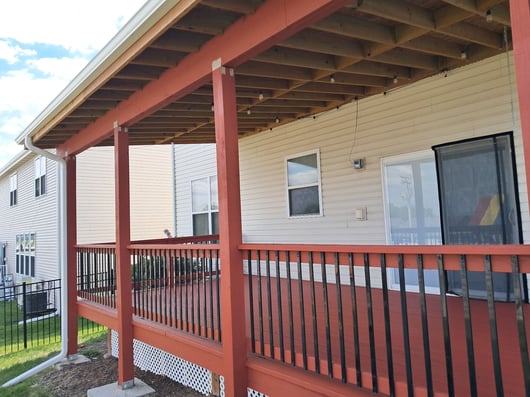
Is Deck Stain Dry After 1 Day?
Deck stain may be dry enough for careful foot traffic after 24 hours, but that does not automatically mean it is ready for furniture. Surface drying and full curing are different. A surface can feel dry to a fingertip while pressure from a narrow chair leg still leaves an imprint.
Think about bread cooling after it leaves the oven. The outside may feel ready while the center is still warm and soft. Deck stain can behave in a similar way. The upper surface loses moisture or solvents first, while the material in the wood and lower portion of the coating continues to harden.
Before replacing furniture, check for these signs:
- The deck does not feel tacky or sticky.
- A clean, dry cloth does not pick up stain when lightly pressed in a hidden area.
- Gentle pressure in an out-of-sight spot does not leave a mark.
- The color and sheen look even rather than wet or glossy in random areas.
- The painter or product instructions say the required drying period has passed.
Do not test the finish by scratching it with a fingernail. That can damage a nearly ready surface.
What Omaha Weather Makes Deck Stain Take Longer to Dry?
High humidity, cool air, shade, still air, and rain can all slow drying. Omaha weather can shift quickly, so a deck stained during a warm afternoon may face a cool, damp night. Conditions around the deck matter just as much as the temperature shown in a general weather report.
Drying may take longer when:
- The deck stays shaded for most of the day.
- Morning dew remains on the boards.
- Humidity is high after a storm.
- Overnight temperatures fall sharply.
- Trees, privacy walls, or the house block airflow.
- The boards were damp before staining.
- Rain arrives before the stain has had enough drying time.
- The stain was applied too heavily or did not soak in evenly.
Direct summer heat can create its own trouble. Very hot boards may cause stain to dry too quickly on the surface, which can affect how evenly it absorbs. Good deck staining weather is usually dry and steady, with enough time before and after application for the wood and stain to behave as the manufacturer expects.

Does the Type of Deck Stain Change the Waiting Time?
Yes. Water-based and oil-based stains do not always dry at the same rate, and penetrating stains behave differently from film-forming solid color products. Brand, formula, number of coats, application thickness, wood species, and board condition can all affect the time needed before furniture can be returned to use.
Here are the main differences homeowners may notice:
- Water-based stains may feel dry sooner, but they still need time before holding weight.
- Oil-based stains may remain tacky longer, especially during humid or cool weather.
- Penetrating stains soak into the wood and may leave oily areas when too much product remains on the surface.
- Solid color stains form more of a surface coating, so chair legs and heavy objects can press into a finish that has not cured enough.
- A second coat can extend the total drying time, especially if the first coat was not ready.
Do not choose a waiting time only because a neighbor used a different stain and moved furniture back the next morning. Their product, wood, sun exposure, and weather may have been completely different.
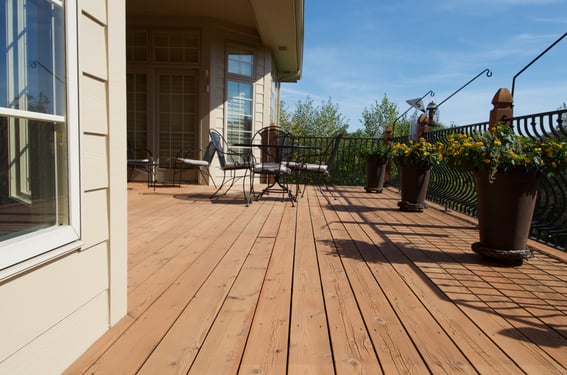
Can I Put Deck Furniture Back If the Stain Feels Dry?
Feeling dry is a good sign, but it is not the only test. Furniture places steady pressure on small areas for hours or days. A person walking carefully spreads weight briefly, while a chair leg, planter, or grill wheel can press against the same spot all afternoon.
If you are unsure, wait another day. One extra day without the furniture is usually easier than repairing marks across a new finish.
Start with light pieces and place them carefully. Avoid loading the entire deck at once. After a few hours, look beneath the feet of the first pieces for sticking, darkening, dents, or shine changes. If you see any sign of pressure, remove the item by lifting it and allow more drying time.
How Should You Move Furniture onto a Newly Stained Deck?
Lift every piece and set it down gently. Never drag chairs, tables, grills, planters, or storage boxes across the boards. Dragging can create scratches and nicks even after the stain seems dry, and damage to the stain gives water a path into the wood.
Once moisture gets through a damaged area, the wood may absorb water unevenly. Over time, that spot can become more likely to swell, crack, discolor, or lose stain. A small scrape from a metal chair leg can turn into a repair area sooner than expected.
Use these steps:
- Ask for help with long, awkward, or heavy pieces.
- Lift the item fully off the boards.
- Walk slowly and avoid turning the furniture while its feet touch the deck.
- Set all legs down gently instead of dropping one side.
- Check metal furniture feet for sharp edges, rust, or missing caps.
- Add soft outdoor furniture pads when they are suitable for exterior use.
- Move planters with a cart only after the deck is fully ready, and protect the boards from hard wheels.
Do not place cardboard, plastic sheets, or moving blankets under furniture on a finish that is still curing. These materials may stick, trap moisture, or change how the stain dries.
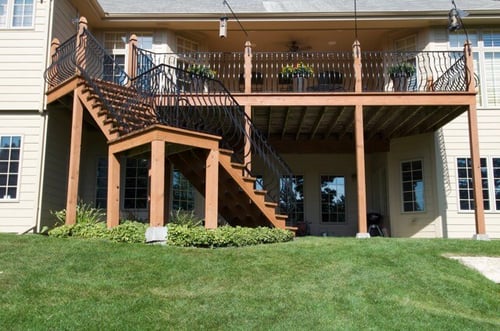
Can You Put an Outdoor Rug on a Newly Stained Deck?
Wait longer for a rug than you would for a lightweight chair. A rug covers a large area, limits airflow, and may hold moisture against the boards. It can also cause the covered wood to age and fade differently from the exposed wood, leaving a visible outline later.
Outdoor rugs can be useful because they give furniture a softer place to sit and may reduce scratches. They still require careful use.
For better results:
- Wait until the stain has cured according to the product instructions.
- Choose a breathable rug made for outdoor use.
- Avoid rubber or solid plastic backings that may hold water.
- Lift the rug after rain so the deck and rug can dry.
- Clean beneath it regularly to remove dirt and grit.
- Use the rug while the furniture is out, then remove it when the area will not be used for an extended period.
- Expect some color difference over time because covered boards receive less sun and weather exposure.
A rug should not be treated as permanent protection. Periodic removal helps the wood dry and lets you check for trapped debris, mildew, or uneven wear.
When Can a Grill Go Back on a Stained Deck?
A grill is heavier than most patio chairs and often rests on wheels or narrow feet. Wait until the stain is fully ready for heavy objects, which may be longer than the basic foot traffic time. Ask your painter about the product used and check its curing guidance before moving the grill.
When the deck is ready, lift the grill with help if possible. If it must roll, make sure the wheels are clean and move it slowly in a straight path. Turning small hard wheels in place can scrape the finish.
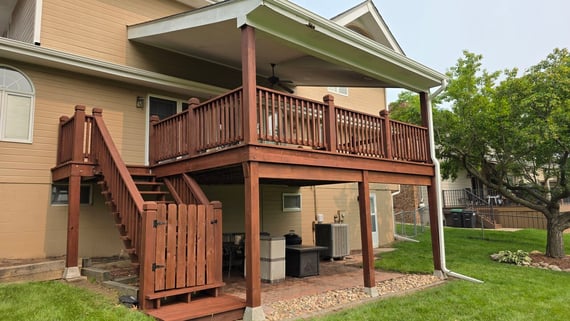
What Happens If Furniture Is Put Back Too Soon?
Furniture placed too early can stick to the stain, create dents, leave rings, change the sheen, or pull away part of the finish. Trapped moisture beneath planters and rugs can also interfere with curing. The damage may be limited to one spot, but repairs can be difficult to blend perfectly.
Possible warning signs include:
- Chair feet leave dark squares or round marks.
- A table leg feels stuck when lifted.
- Grill wheels create lines in the coating.
- The finish looks shinier beneath an object.
- A planter leaves a soft or damp ring.
- A rug creates a darker area or sticks to the surface.
If this happens, lift the object straight up and move it off the deck. Do not scrape or wipe the soft stain. Contact the painter and explain what happened. The right repair will depend on the type of stain, how long it has dried, and whether the damage reached bare wood.
How Can You Protect a Stained Deck from Furniture Damage?
Good protection begins with clean furniture feet, gentle movement, and regular checks. Dirt under a chair leg acts like sandpaper. Water beneath a planter creates constant moisture. Both problems can shorten the life of an otherwise sound finish.
Build these habits into normal deck care:
- Sweep dirt and leaves before arranging furniture.
- Clean grit from the bottoms of chairs and tables.
- Replace broken or missing furniture caps.
- Use outdoor pads that do not trap water.
- Lift furniture instead of dragging it when cleaning.
- Use planter stands that allow airflow and drainage.
- Empty standing water after storms.
- Move furniture occasionally and inspect the boards below it.
- Touch up scratches before water repeatedly enters the wood.
Omaha decks face strong sun, rain, snow, freezing temperatures, and repeated temperature changes. Small care choices can help the finish protect the wood through those conditions.
Frequently Asked Questions About Furniture and Fresh Deck Stain
Can I Walk on My Deck Before I Put the Furniture Back?
Possibly, because light foot traffic is often allowed before furniture placement. Follow the product instructions and your painter’s direction. Wear clean, soft shoes, walk gently, and avoid twisting your feet. Being able to walk on the deck does not prove it is ready for heavy or stationary objects.
When Can Dogs Walk on a Newly Stained Deck?
Dogs should stay off until the stain is dry enough for pets and any product-related safety period has passed. Even after that point, supervise them closely. Dog nails, fast turns, skidding, digging motions, and excited running can scratch a fresh finish.
Is 48 Hours Long Enough Before Replacing Deck Furniture?
48 hours is often enough under good conditions, but it is not guaranteed. Cool air, high humidity, shade, limited airflow, heavy application, or a slower-drying product can extend the wait. Check the product instructions and the actual condition of the deck before moving anything back.
Can I Put Planters on a Newly Stained Deck?
Wait until the stain can support heavy objects, then use stands or feet that promote airflow and drainage. Planters hold weight in one place and can leave moisture beneath them. Lift them for cleaning and inspection, and avoid dragging them when you move them.
Will Furniture Scratch Deck Stain After It Has Cured?
Yes. Cured stain is more durable, but metal edges, rough feet, trapped grit, and dragging can still cause scratches. Keep furniture feet clean, use suitable protective pads, and lift each piece when moving it.
Should I Cover My Deck If Rain Is Expected After Staining?
Do not place plastic or a tarp directly on fresh stain unless the product manufacturer or painter gives specific instructions. A cover can touch the surface, trap moisture, block airflow, and leave marks. Weather planning before staining is safer than covering a wet deck afterward.
Deck Staining in Omaha, NE
Most homeowners can begin thinking about replacing light deck furniture after 24 to 48 hours, but the final decision should come from the stain instructions, the weather, and the painter who saw the deck. When conditions are cool, humid, shaded, or rainy, waiting longer can prevent dents, scratches, sticking, and uneven spots.
Your deck was stained so you could enjoy it, not worry about every chair leg. Give the finish enough time, lift each item instead of dragging it, be careful with rugs and heavy planters, and watch pets for scratching. Those simple choices help protect the finish and keep water from entering damaged areas.
Brush & Roll Painting has served Omaha area homeowners since 1996. We share information like this to help homeowners understand the work, ask better questions, and make sound choices for their decks.
If you are ready to have your deck cleaned, prepared, and stained, click the button below to get a quote.

If you are still planning your project, use our deck staining pricing calculator to get a clearer idea of what your project may cost.

Topics: