Key Takeaways
- A dependable interior painting service should provide a written estimate that clearly explains the surfaces, preparation, paint products, coats, and cleanup included.
- Protecting floors, furniture, cabinets, countertops, and nearby rooms should be part of the painting plan, not an afterthought.
- Good preparation often makes a bigger difference than the paint brand. Repairs, sanding, cleaning, caulking, and priming help the finish look better and last longer.
- Straight cut lines, smooth walls, even coverage, and clean woodwork are signs that the painters took their time.
- Clear communication should continue from the estimate through the final walkthrough.
- Homeowners should compare painting estimates by scope and process, not by price alone.
Hiring an interior painter can feel harder than it should. Estimates from different painters may describe the same scope of work, but include very different amounts of preparation, protection, paint, and labor. One painter may be thousands of dollars less than another, yet the written proposals may not explain why.
That uncertainty can make homeowners nervous. You are inviting people into your home, moving furniture, changing your normal routine, and trusting someone to work around your belongings. You want the rooms to look better when the project is finished, but you also want the work handled carefully along the way.
Brush & Roll Painting has served homeowners in Omaha and the surrounding area since 1996. During that time, we have seen how preparation, communication, job site protection, and attention to small details affect the final result. We also understand that every home, family, and budget is different.
This article will explain what to look for in interior painting services, what questions to ask before hiring a painter, and how to compare estimates fairly. By the end, you should be able to recognize a clear painting proposal, understand what proper preparation includes, and know what signs point to a well-managed project.
What Should Be Included in an Interior Painting Estimate?
A good interior painting estimate should tell you exactly what will be painted and how the work will be completed. It should name the rooms, surfaces, paint products, preparation steps, and number of coats whenever possible. The estimate should also explain what is excluded so there are fewer surprises later.
Look for specific details about the surfaces included in the project. Interior painting can involve much more than walls. A complete estimate may list:
- Walls
- Ceilings
- Baseboards
- Crown molding
- Door casings
- Window frames
- Doors
- Closets
- Built-in shelves
- Railings
- Fireplace mantels
Do not assume that every surface in a room is included. For example, an estimate that says “paint the living room” may only refer to the walls. It may not include the ceiling, baseboards, windows, or doors.
The proposal should also explain whether the painter is applying one coat or two coats. One coat may be enough when the new color closely matches the existing color, and the walls are in good condition. Two coats are often needed for major color changes, deep colors, bright whites, repaired areas, and walls with uneven coverage.
Ask what happens if the planned number of coats does not produce a consistent finish. A professional estimate should make the expectations clear before work begins.
How Should an Interior Painting Company Protect Your Home?
A careful painting company should have a clear plan for protecting floors, furniture, fixtures, and surfaces that are not being painted. Drop cloths, plastic coverings, masking materials, and clean work habits should be used throughout the project.
Before painting begins, the crew should identify anything that may be damaged by paint splatter, dust, tools, or foot traffic. This may include:
- Hardwood floors
- Carpet
- Tile
- Countertops
- Cabinets
- Appliances
- Furniture
- Light fixtures
- Stair railings
- Electronics
- Window treatments
- Nearby rooms and hallways
Heavy canvas drop cloths are often used on floors because they stay in place better than thin plastic. Plastic or protective film may be used on furniture, cabinets, countertops, and fixtures. Paper or other durable floor protection may be helpful in entryways and areas with frequent foot traffic.
Protection should continue throughout the project. A room that was covered correctly on the first day can still become messy if coverings are moved and not replaced.
Ask the painter how the crew will contain sanding dust. Small repairs may only require limited sanding, while large drywall repairs can create dust that travels into nearby rooms. Plastic barriers, vacuum-assisted sanders, and regular cleanup can help control it.
A painter should also explain what the homeowner needs to move. Some companies ask clients to remove small items, pictures, lamps, electronics, and breakable decorations. The crew may help move larger furniture toward the center of the room if needed. These responsibilities should be discussed before the start date.
What Interior Paint Preparation Should Be Included?
Interior paint preparation should address dirt, holes, cracks, loose paint, rough repairs, failed caulk, and other defects that may show through the new finish. The correct level of preparation depends on the condition of the home and the results the homeowner expects.
Paint does not hide most surface problems. In many cases, a new coat makes dents, ridges, and rough patches easier to see because fresh paint reflects light differently.
Common preparation steps include:
- Filling nail holes
- Repairing small dents
- Sanding rough patches
- Removing loose or peeling paint
- Caulking small gaps along painted trim
- Cleaning dirty or greasy areas
- Spot priming repairs
- Priming stains
- Scuff sanding glossy surfaces
- Repairing minor drywall damage
Preparation should match the room. Kitchen walls may need cleaning to remove cooking residue. Bathroom walls may need soap film or mildew cleaned before painting. Stairways often have hand marks, dents, and wall damage caused by furniture.
Woodwork requires its own preparation. Previously painted trim may need cleaning and sanding so the new coating can grip the surface. Nail holes and gaps may need filling. Peeling areas should be sanded and primed before finish paint is applied.
Ask how much wall repair is included in the estimate. The phrase “minor wall repairs” can mean different things to different companies. One painter may include a few nail holes, while another may include dents, cracks, and damaged drywall tape.
Large holes, water-damaged drywall, loose corner bead, cracked tape, or matching an existing texture may require an additional charge. This does not automatically mean the estimate is unreasonable. It means the repair needs to be clearly described and priced.
How Can You Tell Whether a Painter Produces Clean Lines?
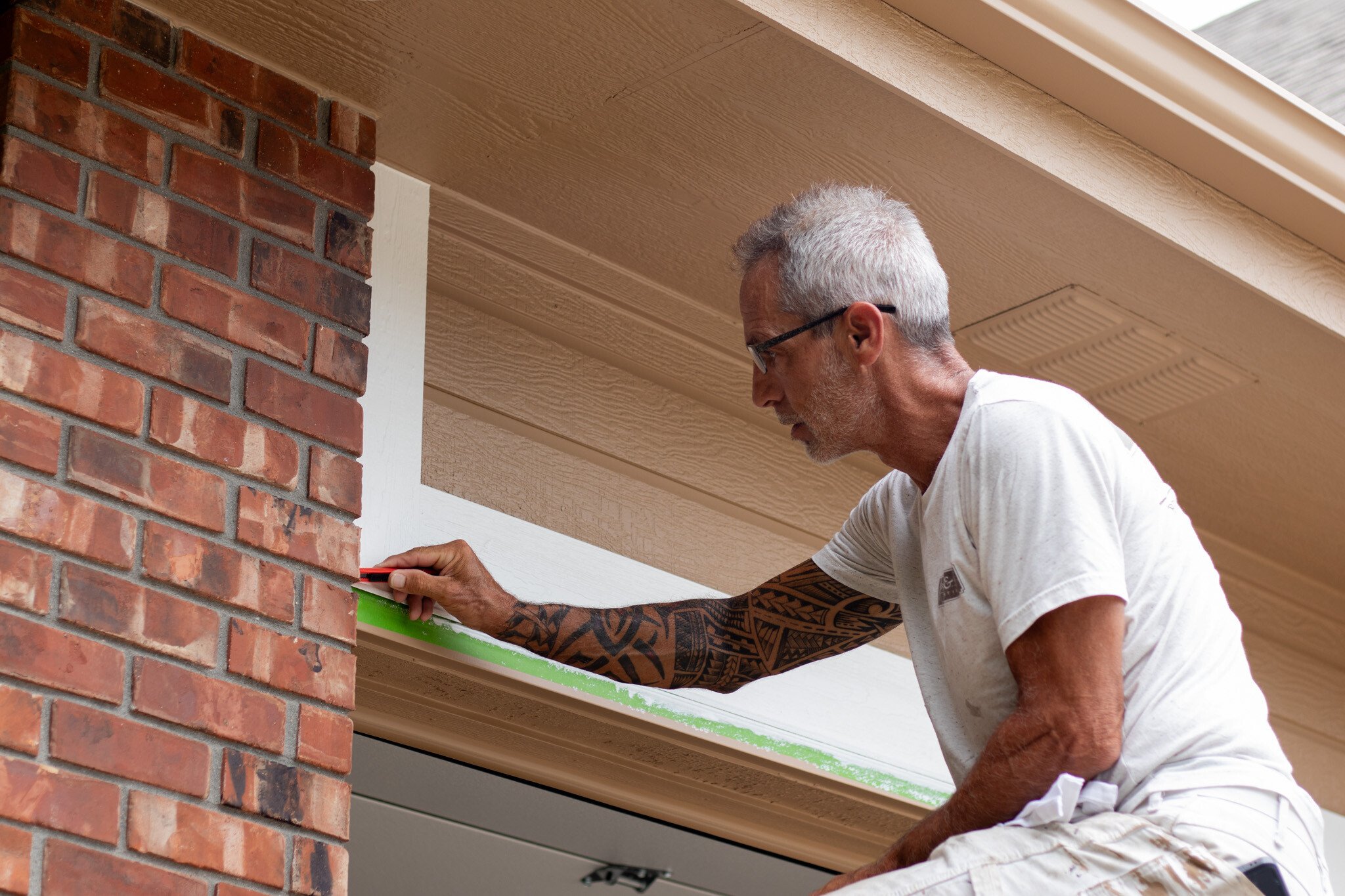
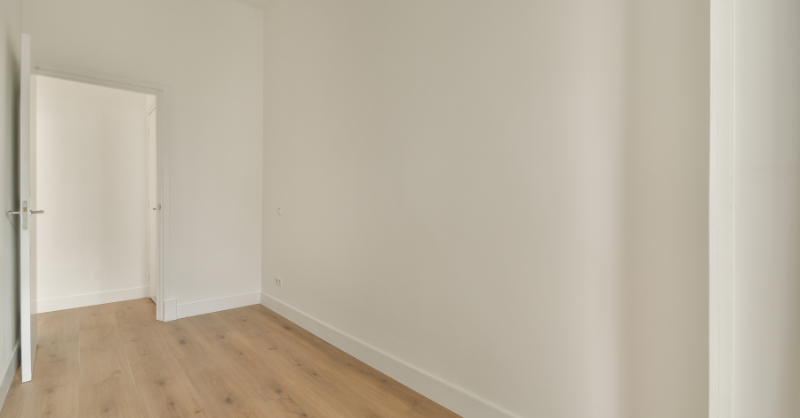
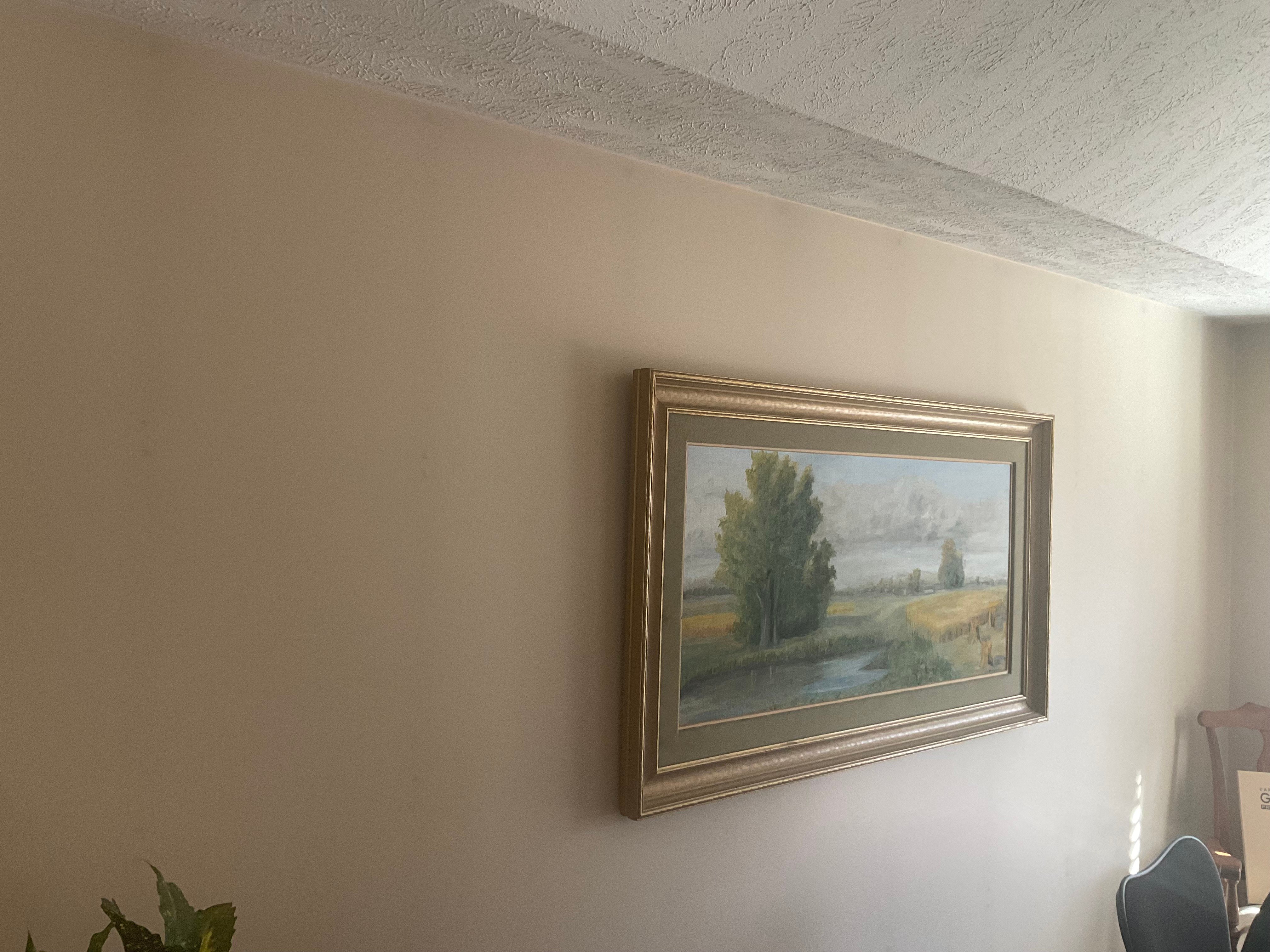
Clean paint lines should look straight and consistent where walls meet ceilings, trim, cabinets, and other colors. You should not see wall paint smeared across the baseboards or trim paint scattered onto the walls.
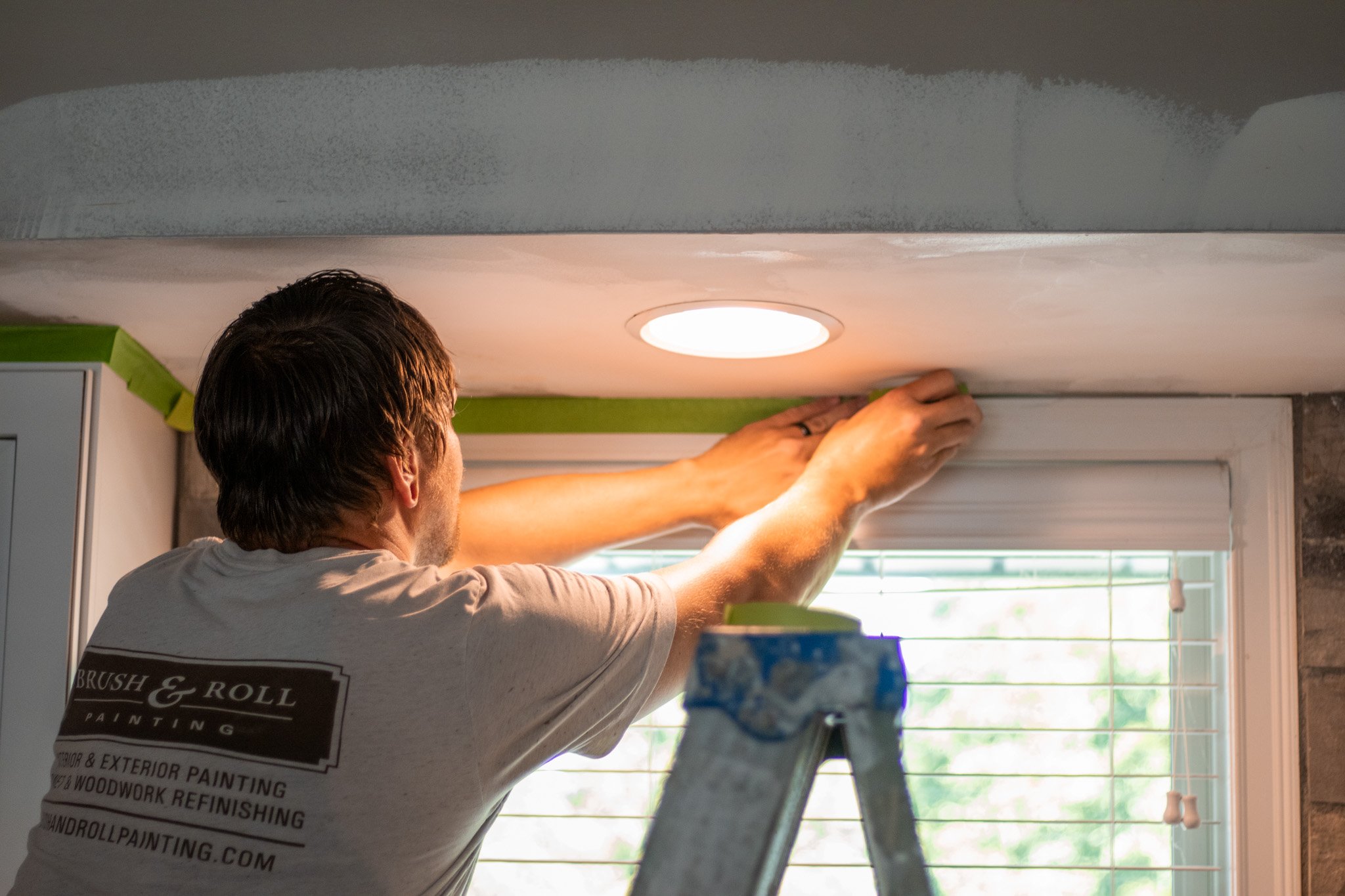
Sharp lines come from a combination of preparation, control, and patience. Painter’s tape can help in some areas, but tape alone does not guarantee a good result. The surface must be clean, the tape must be placed correctly, and it must be removed at the right time.
Experienced painters cut many areas by hand with a brush. This takes practice, especially along textured ceilings or uneven older trim.
Omaha homes can present different challenges. A newer home may have rounded drywall corners or light wall texture. An older home may have plaster walls, uneven ceilings, multiple layers of paint, or woodwork that has shifted over time. A clean line in an older home may not look perfectly machine-straight because the surfaces themselves are not straight. It should still look neat from a normal viewing distance.
Look at examples of completed work, but pay attention to ordinary areas, not only wide room photographs. Corners, windows, baseboards, doors, and ceiling lines often reveal the quality of the work more clearly.

What Does Even Paint Coverage Look Like on Walls?
Even coverage means the wall has a consistent color and sheen from one end to the other. There should not be thin areas, roller marks, heavy edges, missed spots, or patches that flash under natural or artificial light.
Lighting can reveal problems that are hard to see during painting. Large windows, hallway lights, lamps, and recessed ceiling lights can cast light across a wall. This side lighting may make lap marks, drywall repairs, and uneven texture more noticeable.
A consistent finish depends on several factors:
- Proper wall preparation
- The correct primer when needed
- Good quality paint
- The right roller cover
- Consistent application
- Enough paint on the roller
- Proper drying time
- A suitable number of coats
Deep colors can require extra care. Dark blue, green, red, and charcoal paints may need more than two coats, especially when applied over a light color. Bright white paint placed over a darker or warmer color may also need added coverage.
Paint sheen matters too. Flat and matte paints usually hide small wall flaws better than eggshell, satin, or gloss coatings. Higher sheens reflect more light, which may make dents, seams, and repairs easier to see.
The painter should help you choose a sheen that fits the room, cleaning needs, lighting, and condition of the surface.
Should a Painter Keep You Updated During an Interior Painting Project?
Short answer: yes, of course. Good communication keeps you informed about scheduling, room access, repairs, colors, drying times, and changes to the original plan. It also gives you a clear person to contact when questions come up.
Communication should begin before the project starts. You should know:
- The planned starting date
- The expected length of the project
- The usual arrival and departure times
- Who will be working in the home
- Which rooms will be worked on first
- What you need to move
- Where supplies will be stored
- Whether anyone needs access to water
- How pets should be handled
- Who to contact with questions
Painting projects can change once preparation begins. A crew may find loose drywall tape, hidden water stains, damaged trim, or peeling paint under furniture. When that happens, the painter should explain the issue, show it to the homeowner when possible, and discuss the cost before completing work outside the agreement.
Good communication does not mean that every project will run without a delay. Paint may dry more slowly during humid weather. Repairs may need additional drying time. A crew member may become sick. The difference is whether the company keeps the homeowner informed.
You should not have to wonder whether the crew is coming back, which room is next, or why the schedule changed.
How Clean Should a Painting Crew Keep the Job Site?
An interior painting crew should clean the work area regularly, organize materials safely, and remove trash when the project is finished. The home may not be fully returned to normal every evening, but walkways should remain usable and unnecessary mess should not pile up.
Daily cleanup may include:
- Gathering used tape and plastic
- Removing empty paint containers
- Organizing brushes, rollers, and tools
- Vacuuming or sweeping sanding dust
- Closing paint containers
- Moving ladders out of walkways
- Keeping exits and stairs clear
- Removing food and personal trash
Ask where paint, ladders, and tools will be stored overnight. Families with children or pets may need supplies kept in a closed room or another secure location.
At the end of the project, the crew should remove coverings carefully, reinstall agreed-upon items, collect trash, and inspect the floors and nearby surfaces. Any paint splatter or accidental marks should be handled before the final walkthrough.
Leftover paint should be labeled when possible. A useful label includes the room, color name, color number, brand, product line, and sheen. This makes future touch-ups much easier.
What Paint Products Should an Interior Painter Use?
The right paint depends on the surface, room, condition, and homeowner’s expectations. A professional painter should explain why a certain product and sheen are being recommended instead of giving the same answer for every room.
High-quality wall paint can offer better coverage, smoother application, easier cleaning, and more consistent color. That does not mean the most expensive paint is needed in every situation.
Bedrooms and low-traffic rooms may have different needs than kitchens, bathrooms, hallways, mudrooms, or children’s rooms. Trim, doors, cabinets, and walls should not automatically receive the same type of coating.
Ask the painter to include the following details in the estimate:
- Paint manufacturer
- Product line
- Sheen
- Planned number of coats
- Primer, if needed
- Coating used on trim and doors
Some homeowners assume that a washable wall paint is the best choice for every room. Washability is helpful, but higher sheen can make wall flaws more visible. A good recommendation balances appearance with cleaning needs.
The painter should also explain whether you will receive leftover paint. Keeping a small, properly labeled amount can help with future touch ups.
How Should You Compare Interior Painting Estimates?
Compare the work included in each estimate before comparing the final prices. A lower estimate may exclude repairs, trim, protection, primer, additional coats, or cleanup that another company includes.
Place the estimates next to one another and compare the same categories:
- Rooms and surfaces
- Wall repairs
- Preparation
- Floor and furniture protection
- Primer
- Paint brand and product
- Number of coats
- Trim and door painting
- Cleanup
- Project length
- Warranty
- Payment schedule
Suppose one estimate includes two coats on the walls, spot priming, nail hole repairs, full floor protection, and painting the baseboards. Another includes one coat on the walls and no baseboards. The second price may be lower, but the services are not equal.
Ask each painter what could cause the price to change. Color choices, hidden damage, major repairs, added surfaces, and major schedule changes can affect the total.
A clear explanation is more helpful than a vague promise that everything is included.
What Questions Should You Ask an Interior Painter Before Hiring?
Ask questions that help you understand the process, not just the price. The answers should show how the company plans, protects, prepares, paints, communicates, and resolves concerns.
Useful questions include:
- What preparation will be completed?
- How will my floors and furniture be protected?
- Are wall repairs included?
- What paint brand, product, and sheen will be used?
- How many coats are included?
- Who will supervise the project?
- What time will the crew arrive each day?
- How will schedule changes be communicated?
- Is cleanup included?
- What could change the quoted price?
- Is the company insured?
- How will touch-ups be handled during the final walkthrough?
You do not need to quiz the painter or know every technical term. The goal is to understand what you are purchasing and what the project will be like inside your home.
Pay attention to how the questions are answered. Clear, patient answers during the estimate may give you a good idea of how communication will feel during the project.
What Are Warning Signs When Hiring an Interior Painter?
Warning signs include vague estimates, unclear payment expectations, poor communication, missing insurance information, and reluctance to explain the work. One concern may have a reasonable explanation, but several concerns together deserve closer attention.
Watch for situations such as:
- The estimate only gives a total price
- The rooms or surfaces are not listed
- The paint product is not named
- Preparation is barely mentioned
- The painter cannot explain how floors will be protected
- You are pressured to decide immediately
- A large payment is requested before work begins
- Questions about insurance are avoided
- The painter will not provide the agreement in writing
- Schedule expectations are unclear
- Added work is completed without approval
A painter does not need a large office or a fleet of new vehicles to do good work. Small companies and independent painters can provide excellent service. Focus on clarity, reliability, skill, and whether the written scope matches your expectations.
Frequently Asked Questions About Interior Painting in Omaha
Should I move my furniture before the painters arrive?
Most painters will ask you to remove small, fragile, and personal items. Larger furniture may be moved toward the center of the room and covered, depending on the agreement. Ask before the project begins so you know what the crew will handle and what remains your responsibility.
Do interior painters repair walls before painting?
Many painters include small nail holes and minor dents, but larger drywall repairs may cost extra. Ask what the estimate means by “minor repairs.” Cracks, water damage, loose tape, large holes, and texture matching may need to be listed separately.
Is two coats of interior paint always necessary?
No. Two coats are common, but they are not required in every situation. The existing color, new color, wall condition, paint quality, and application method all matter. The estimate should explain the coating plan and what happens if coverage is uneven.
Should walls be cleaned before interior painting?
Dirty, greasy, or heavily handled areas should be cleaned before painting. Kitchens, bathrooms, stairways, children’s rooms, and areas near light switches often need extra cleaning. Paint may not bond well to grease, soap residue, dust, or other contaminants.
How long does an interior painting project take?
A single room may take one or two days, while a larger project may take several days or longer. Repairs, trim painting, color changes, drying time, furniture movement, and the number of painters can affect the schedule. Ask for an estimated starting date and project length in writing.
Can I stay home during interior painting?
Usually, yes. You may need to avoid the active work area while surfaces are being prepared or painted. Families working from home should discuss noise, room access, and the order of work before the project starts.
How far in advance should I hire an interior painter in Omaha?
Scheduling varies by company and season. Interior painting is popular during winter because the work is not dependent on outdoor temperatures. Spring and fall may also be busy as homeowners prepare for events, moves, or home sales. Requesting estimates early gives you more scheduling choices.
Interior Painting Services in Omaha
Choosing an interior painter becomes easier when you know what a good service should include. Instead of trying to judge a company by price or promises alone, you can look at the written scope, preparation plan, protection methods, paint products, communication, workmanship, and cleanup process.
The concern you started with was simple: How can you tell whether an interior painting service will treat your home carefully and deliver the result you expect? You now have a practical list of questions and details to use when comparing painters.
Brush & Roll Painting has served the Omaha area since 1996. Our experience has shown us that homeowners make better decisions when estimates are clear, and the painting process is explained in plain language.
If you are preparing for an interior painting project, click the button below to get a quote.

If you are not ready to request an estimate, use our interior painting pricing calculator to get a better idea of what your project may cost.

%202.jpeg?width=564&height=564&name=Scheppers%20After%2070%20(1)%202.jpeg)