You’ve spent hours scrolling through paint colors, holding up swatches to the wall, and maybe even bought a few samples. You think you’re ready to paint, but then your painter asks, “What sheen would you like?” Suddenly, you’re faced with options like flat, eggshell, and satin, and you’re not entirely sure what they mean or why they matter. It might feel like one of those details that’s too small to make a difference, but the truth is, it can completely change the way your paint looks, feels, and lasts.
At Brush & Roll Painting, we’ve helped Omaha homeowners since 1996 choose the right products, colors, and finishes for their homes. While paint companies like Sherwin-Williams and Benjamin Moore use slightly different terms, the principles are the same: each sheen offers a different level of reflection, durability, and cleanability. Understanding that difference helps you get a finish that not only looks right but also fits the way your home is used.
By the end of this article, you’ll understand what paint sheen really means, how to compare them between brands, and how to test them on your walls before deciding. You’ll also learn which sheens work best in different rooms, how lighting affects their appearance, and how a color consultation can make this process easier. You’ll walk away ready to confidently choose a paint sheen that makes your home look beautiful and lasts for years.
What Is Paint Sheen and How Is It Measured?
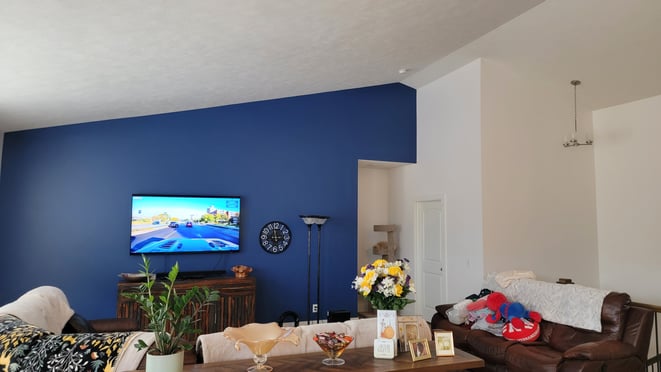
Paint sheen is the amount of light a surface reflects once the paint dries. The shinier the surface, the higher the sheen. That shine, or lack of it, affects how a color looks, how easy it is to clean, and how well it hides imperfections.
According to Sherwin-Williams, sheen is measured at an 85-degree angle, while gloss is measured at 60 degrees. In simple terms, a higher number means more reflection. A flat paint has little to no reflection, while a gloss finish reflects light almost like a mirror.
You can actually see the difference by looking at a wall from the side. Gloss finishes will show more shine and reflect more light. Low-sheen paints have a softer look that hides flaws but may show wear faster.
How to Read Paint Sheen Levels
If you’ve ever looked up a paint’s technical data sheet or seen the back of a paint can, you’ve probably seen a line that reads something like:
“Sheen/Gloss: 20–30 @ 60°.”
That small piece of information tells you a lot about how shiny the paint will look once it’s dry. Here’s what it means:
- The number (20–30) represents the gloss measurement on a scale of 0 to 100. A higher number means more reflection.
- The symbol “@ 60°” indicates the angle used to measure the gloss level. Gloss is usually measured at 60 degrees, while sheen is often measured at 85 degrees.
For example, Benjamin Moore’s Regal Select Satin (also called Pearl) has a gloss level between 20–30 at 60°, placing it in the mid-range category. That means it’s slightly reflective, durable, and easy to clean without looking too shiny.
Here’s a simple comparison:
- Flat or Matte Paints: Typically 0–5 gloss units
- Eggshell: Around 10–20 gloss units
- Satin or Pearl: About 20–35 gloss units
- Semi-Gloss: 35–70 gloss units
- High-Gloss: 70+ gloss units
So when you’re comparing paints, checking this number helps you understand what to expect visually. Two brands may both call their finish “satin,” but one could have a gloss rating of 18 and the other 30, which will look slightly different once applied.
Technical data sheets are especially useful when matching an existing paint finish or comparing products across brands like Sherwin-Williams and Benjamin Moore. Reading that sheen rating gives you a more precise idea of how reflective the final result will be.
Types of Interior Paint Sheens
Let’s look at the common interior paint sheens and where they work best in your home.
Flat or Matte Finish
- Look: No shine, smooth appearance
- Best for: Ceilings, low-traffic bedrooms, older walls
Flat paint absorbs light, making it great for hiding imperfections. It gives walls a soft, modern look but isn’t as easy to clean. It’s best for rooms that don’t get much touching or moisture.
Eggshell Finish
- Look: Soft, low sheen similar to the surface of an egg
- Best for: Living rooms, hallways, and family rooms
Eggshell is one of the most popular sheens because it balances beauty and practicality. It’s smoother and more washable than flat paint but still hides small flaws well. It’s a great choice for areas where you want a refined look that can handle everyday life.
Satin Finish
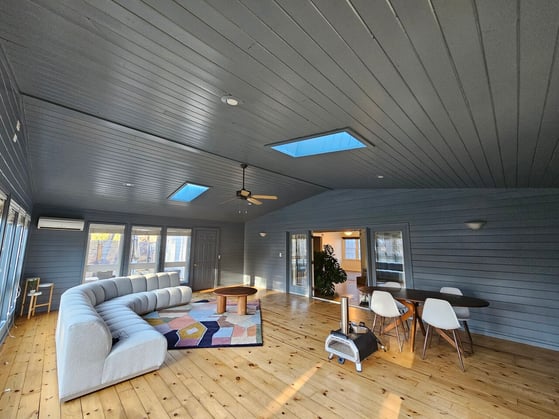
- Look: Gentle shine, noticeable when light hits the wall
- Best for: Kitchens, bathrooms, laundry rooms, trim
Satin is slightly shinier than eggshell and more durable. It’s often used in spaces that get more moisture or need regular cleaning. If you have kids or pets, satin can be a smart choice for hallways or bathrooms.
Semi-Gloss Finish
- Look: Shiny and smooth
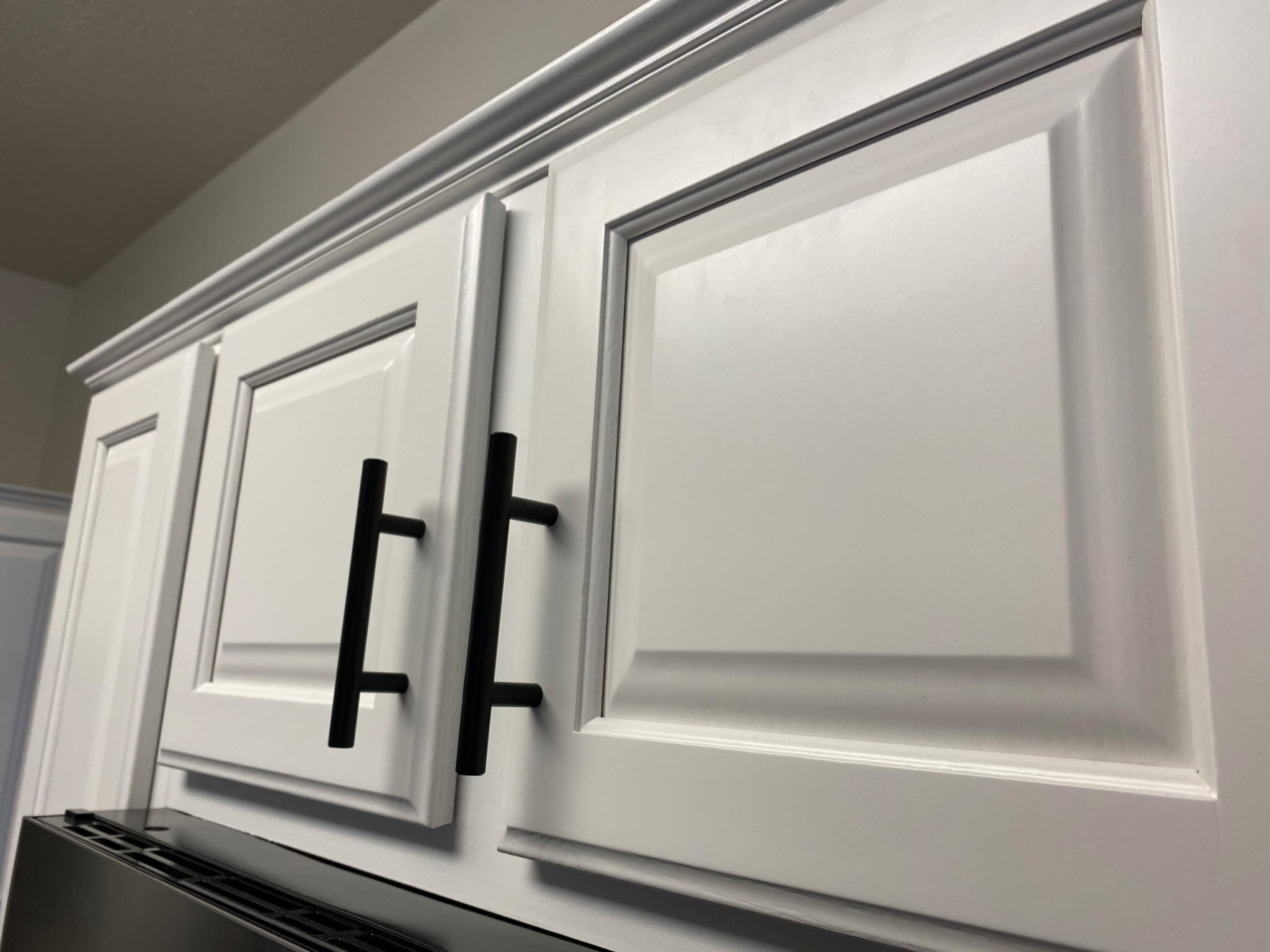
- Best for: Trim, doors, cabinets, and bathrooms
Semi-gloss stands up well to moisture and frequent cleaning. It’s perfect for trim and cabinetry because it highlights details and resists wear. Just remember, it can also highlight wall imperfections, so it’s not ideal for full walls unless you want a reflective look.
Gloss and High-Gloss Finishes
- Look: Very shiny and reflective
- Best for: Accent features, furniture, and decorative trim
Gloss finishes are durable and easy to clean, but show every imperfection. When used in moderation, like on furniture or front doors, they can add a striking touch.

Comparing Sherwin-Williams and Benjamin Moore Sheens
Both Sherwin-Williams and Benjamin Moore offer high-quality paints, but their sheen names don’t always match perfectly. Here’s a general comparison to help you translate between them:
|
Common Term |
Sherwin-Williams Term |
Benjamin Moore Term |
Typical Uses |
|
|
Flat |
Flat |
Ultra Flat, or Matte |
Ceilings, low-traffic rooms |
|
|
Matte |
Matte |
Matte |
Bedrooms, offices |
|
|
Eggshell |
Eg-Shel |
Eggshell |
Most interior walls |
|
|
Low Sheen, Low Lustre |
Low Sheen |
Hallways, living rooms |
|
|
Satin |
Satin, Velvet |
Pearl |
Kitchens, bathrooms, trim |
|
|
Semi-Gloss |
Semi-Gloss |
Semi-Gloss |
Trim, cabinets |
|
|
Gloss |
Gloss |
High Gloss |
Furniture, accents |
This helps if you’re comparing estimates between painters who use different brands or trying to match an existing finish.
How to See the Difference Between Sheens on a Wall
The Sherwin-Williams recommends looking at painted samples from a side angle to truly see how sheen changes appearance. What looks similar head-on can appear very different when light reflects across the surface.
To test at home:
- Paint small patches of each sheen side-by-side on your wall.
- Look at them in both natural daylight and at night with indoor lighting.
- Step back and view them from different angles—this shows how sheen interacts with light and texture.
The subtle differences are most noticeable in lower-gloss finishes. Under bright sunlight, even a small jump from eggshell to satin can look more reflective than expected.

How Lighting Affects Paint Sheen
Lighting has a big impact on how sheen appears:
- Natural sunlight can make shiny paints look glossier.
- Soft indoor lighting can tone down the sheen.
- Directional lighting, like recessed lights, can highlight imperfections on glossy surfaces.
For example, in a bright Omaha kitchen with large windows, satin might appear shinier than you expect. In a dim hallway, that same sheen could look just right.
How to Match Sheen to Each Room
Here’s a quick guide to choosing the best sheen for each part of your home:
|
Room |
Recommended Sheen |
Why It Works |
|
Living Room |
Eggshell or Satin |
Soft finish hides imperfections but is washable |
|
Bedrooms |
Matte or Eggshell |
Calming look, hides wall texture |
|
Kitchen |
Satin or Semi-Gloss |
Easier to wipe clean, moisture-resistant |
|
Bathroom |
Satin or Semi-Gloss |
Handles humidity and cleaning |
|
Hallways |
Eggshell or Satin |
Durable and touch-up friendly |
|
Trim & Doors |
Semi-Gloss |
Adds contrast, resists fingerprints |
|
Ceilings |
Flat |
Hides surface flaws and diffuses light |
How Product Quality Affects Sheen Performance
Not all paints perform equally at the same sheen level. High-end products like Benjamin Moore Aura, Sherwin-Williams Emerald, and Duration Home maintain durability even in flatter finishes. According to Sherwin-Williams, some premium coatings have “exceptional washability and stain resistance at all sheen levels”.
That means you can get a matte look without sacrificing cleanability, something especially helpful in busy households.
-Aug-29-2024-09-10-43-7538-PM.png?width=635&height=332&name=Blog%20Post%20Image%20Size%20(2)-Aug-29-2024-09-10-43-7538-PM.png)
How to Test Paint Colors and Confirm Your Final Choice
Choosing both the color and sheen can be overwhelming, especially when lighting and wall texture affect the result. That’s where a color consultant can help.
When you hire Brush & Roll Painting for your interior project, you’ll receive a one-hour session with our professional color consultant. They help homeowners in Omaha choose colors and finishes that look great together in their specific lighting conditions. They can even bring real painted samples so you can see the difference on your walls before making a decision.
This extra step helps avoid surprises and ensures your paint reflects the exact look and feel you want.
Before painting an entire room, it’s smart to also:
- Use real paint samples in the exact brand and sheen you plan to use.
- Apply at least two coats so you can see how it will truly look once dry.
- Look at it at different times of day, morning, afternoon, and evening.
- Check under artificial light if the room is often used at night.
Small sample cards can be misleading since you can’t see the sheen. Seeing the sheen on a wall in your actual lighting gives you the clearest picture of what the finished result will look like.
Interior Painting in Omaha, NE
Your color choice sets the tone for your home, but the sheen determines how that color looks and how long it lasts. By understanding the differences between flat, eggshell, satin, and gloss finishes, you can choose the right one for each room and feel confident about how it will hold up.
If you’re planning an interior painting project in Omaha, our team at Brush & Roll Painting can help guide you through the process. Our painters have decades of experience using premium products and pairing them with proper prep work to ensure a long-lasting, beautiful finish.
Click below to get a quote for your next interior painting project.

Not quite ready to start? Download our Color and Design Guide to explore color and sheen combinations that fit your home and style.

Topics:







-1.jpg?width=1280&height=721&name=Havens%20after%204%20(1)-1.jpg)