You are getting ready to paint a room. The walls look great, the color is fresh, and you still have half a gallon of wall paint left. It seems easy enough to use that same paint on the trim, doors, or baseboards. After all, paint is paint, right?
Many DIY homeowners around Omaha run into this exact question during interior painting projects. Using the same paint everywhere sounds simple and cost-effective. But months later, people start to notice trim that looks dull, scuffed, or chipped. Corners get worn down. Doors start showing marks from normal use.
That is when homeowners begin wondering if the type of paint actually mattered.
At Brush & Roll Painting, we have worked on interior painting projects across Omaha since 1996. Over the years, we have painted thousands of homes with all kinds of trim materials, including oak, poplar, MDF, and older painted woodwork found in classic Omaha houses.
One of the most common mistakes we see during DIY projects is using wall paint on trim. It seems harmless at first, but wood surfaces behave very differently than drywall.
By the time you finish reading this article, you will clearly understand:
• Whether you can use wall paint on trim
• Why trim requires different paint than drywall
• What problems can happen if wall paint is used on woodwork
• What type of paint works best for trim and doors
• How professional painters approach trim painting
This guide will help you make the right decision when planning an interior painting project in your Omaha home.
Can You Use Wall Paint on Trim?
Yes, you technically can use wall paint on trim. But it usually leads to durability problems, scuff marks, and a softer finish that does not hold up well on wood surfaces.
Trim takes much more abuse than walls. Because of that, trim paint is designed to be harder and more resistant to everyday wear.
Why do trim and walls need different paint
Walls are drywall surfaces that mostly sit untouched. Once painted, they simply need to look good.
Trim is different.
Trim surfaces include:
• Baseboards
• Door frames
• Window casings
• Doors
• Crown molding
• Stair railings
These surfaces get bumped, cleaned, and touched constantly.
Think about how often trim gets used.
- Baseboards get kicked by shoes and vacuum cleaners.
- Doors get grabbed by hands multiple times a day.
- Window trim collects dust.
Because of that, trim needs a paint that cures harder than wall paint.
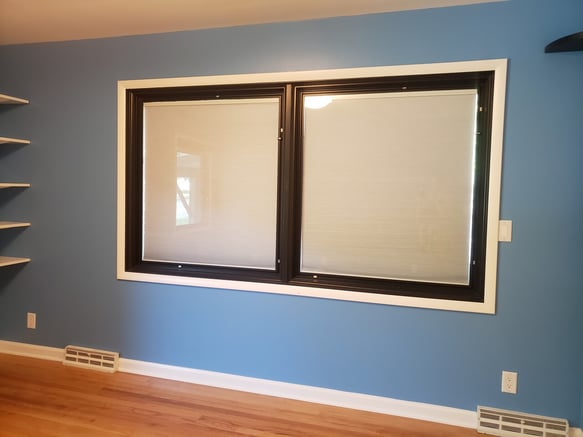
Why Is Wood Trim Different Than Drywall?
Wood is a dense surface that expands and contracts with humidity and dry air. Wood receives much more contact than drywall. Because of this, wood requires paint that bonds tightly and dries harder.
Drywall and wood behave very differently.
Drywall is soft and porous
Drywall absorbs paint easily. When interior wall paint is applied, it sinks slightly into the surface and creates a smooth finish.
Wall paints are designed for:
• Large surface coverage
• Easy rolling and brushing
• Low odor
• Washability
They are not built to resist heavy contact.

Wood trim behaves differently
Wood trim is much harder and smoother than drywall.
That means paint must:
• Bond strongly to the surface
• Resist scratches
• Handle repeated cleaning
• Maintain a smooth finish over time
This is why trim paint typically contains different resins and curing properties.
Without those properties, paint on trim can wear down quickly.
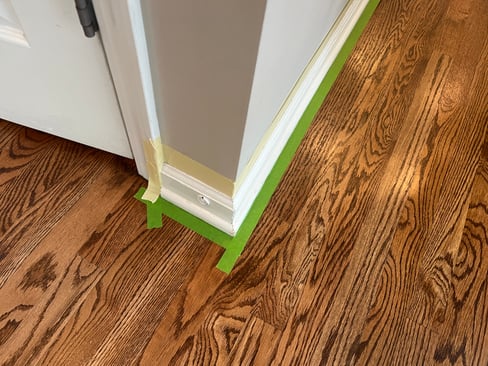
What Happens If You Use Wall Paint on Trim?
Using wall paint on trim often leads to scuffing, the paint feels soft and spongy, and you see visible brush marks. Overall, the finish wears out faster than proper trim paint.
Many homeowners do this during quick room updates. The trim looks fine at first.
Then the problems begin to show.
Common problems when wall paint is used on trim
1. Scuff marks appear quickly
Wall paint is softer. Baseboards and door frames begin showing marks from shoes, pets, and furniture.
Even light contact can leave marks.
2. Paint chips more easily
Trim gets bumped constantly, moving furniture past a door frame or vacuuming against a baseboard. Wall paint does not cure hard enough to resist chipping.
You may start noticing small areas where paint breaks away from corners or edges.
3. Cleaning removes paint
Trim needs to be wiped down occasionally.
Wall paint can soften when cleaned, especially with stronger cleaning products.
This leads to dull or uneven areas.
4. Brush marks become visible
Trim paints are often designed to level out while drying.
Wall paint does not level the same way on wood surfaces, which can leave visible brush strokes.
5. The finish may look flat or dull
Many wall paints are designed in matte or eggshell finishes.
Trim often looks best with satin, semi-gloss, or gloss finishes that reflect light and highlight the trim details.
What Type of Paint Should Be Used on Trim Instead?
Trim should be painted with paint specifically designed for woodwork and doors. These paints dry harder and resist wear much better than standard wall paint.
Professional painters typically use trim-specific products.
Common types of trim paint
 Acrylic trim urethane
Many painters today use high-quality waterborne acrylic urethane products designed for trim and doors. At Brush & Roll Painting, we like to use Command by Benjamin Moore to paint all woodwork.
These paints offer:
• Strong adhesion
• Hard curing finish
• Smooth appearance
• Easy cleaning
Specialty cabinet and trim coatings
Professional painters sometimes use advanced coatings designed for woodwork, cabinets, and trim that cure extremely hard.
These are often used when homeowners want a factory-smooth finish.
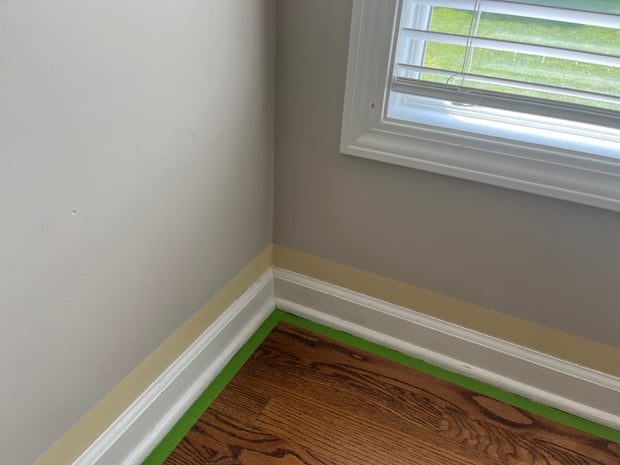
What Paint Finish Is Best for Trim?
Most trim is painted in satin, semi-gloss, or gloss finishes. These finishes are easier to clean and highlight trim details better than flat finishes.
Satin trim paint
Satin offers a soft sheen and is easier to clean than eggshell.
Some homeowners prefer satin when they want a subtle look.
Semi-gloss trim paint
Semi-gloss is the most common finish used for trim.
It provides:
• Good durability
• Easy cleaning
• Slight shine that highlights woodwork
Gloss trim paint
Gloss finishes are very shiny and extremely durable.
They are sometimes used on doors or decorative trim, but can show imperfections more easily.
Why Do Professional Painters Use Different Paint for Trim?
Professional painters choose products that are designed for wood surfaces because they last longer, resist damage, and maintain a cleaner finish.
Painting trim properly involves more than simply applying paint.
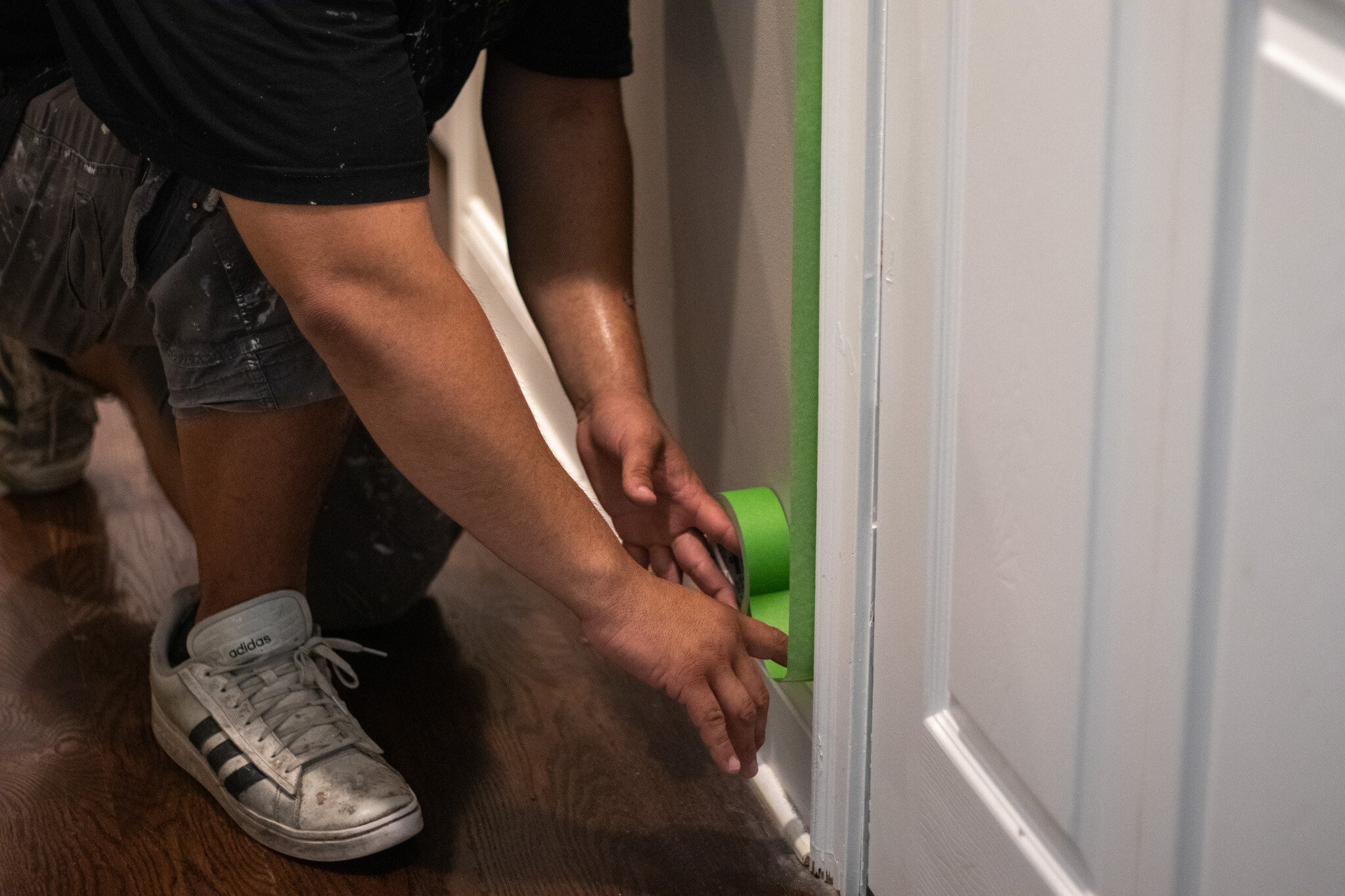
Surface preparation matters
Before painting trim, painters often:
• Clean oils and dust from the wood
• Sand the surface
• Repair dents or nail holes
• Apply primer if needed
Proper preparation helps paint bond correctly.
Trim requires careful application
Trim paint is often applied with:
• High-quality brushes
• Fine rollers
• Spray equipment
These methods create smoother finishes.
Many homeowners notice that trim painting takes longer than walls because of the detailed work involved.
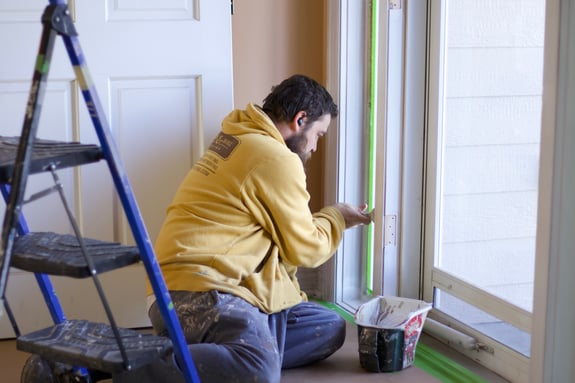
Should You Hire a Painter to Paint Trim?
Trim painting is more technical than wall painting. Hiring a professional often results in a smoother finish and longer-lasting paint.
Trim painting requires patience and precision.
Common challenges homeowners run into include:
• Brush strokes
• Drips on vertical trim
• Paint bleeding onto walls
• Uneven sheen
Professional painters spend years learning techniques that prevent these issues.
For many homeowners in Omaha, hiring a painter helps ensure the trim looks clean and lasts longer.
Frequently Asked Questions About Painting Wood Trim
Can I use leftover wall paint on baseboards?
It is possible, but it usually does not hold up well over time.
Baseboards get constant contact from shoes, pets, and cleaning. Wall paint often scuffs and wears down quickly.
Using trim paint provides better durability.
Can wall paint be used on doors?
Doors should be painted with trim or door enamel paint.
Doors are one of the most frequently touched surfaces in a home. Wall paint can become sticky or worn on door surfaces.
Door paints are designed to cure harder and resist fingerprints.
What happens if trim paint is used on walls?
Trim paint can be used on walls, but it may look too shiny and highlight imperfections.
Walls typically look better with finishes like eggshell or matte that soften the surface appearance.
Can you paint the trim the same color as the walls?
Yes. Many modern homes use the same color for walls and trim.
Even when the color is the same, the paint type and finish are often different, so the trim holds up better.
How long should trim paint last?
Quality trim paint can last many years if applied correctly.
Durability depends on:
• Surface preparation
• Product quality
• Amount of traffic in the home
• Cleaning habits
Homes with kids and pets may need touch-ups sooner.
Interior Painting in Omaha, NE
Using wall paint on trim may seem convenient during an interior painting project, but it often leads to scuffing, soft finishes, and trim that wears down faster than expected.
Wood trim behaves differently from drywall. It gets touched, cleaned, and bumped every day. Because of that, trim requires paint designed specifically for wood surfaces.
In this article, you learned:
• Why trim needs different paint than walls
• What problems can happen when wall paint is used on trim
• What type of paint works best for woodwork and doors
• Why trim painting requires careful preparation and application
Since 1996, Brush & Roll Painting has worked with homeowners throughout Omaha who want to understand how interior painting works before hiring a painter. Our goal is to help homeowners make informed decisions about their painting projects.
If you are planning an interior painting project and want professional guidance, you can click the button below to get a quote.

If you are still exploring your options and want to better understand potential costs, you can also visit our interior painting pricing calculator to learn more about what interior painting projects may cost in Omaha homes.

-May-22-2026-01-56-32-9736-PM.png?width=800&height=418&name=Blog%20Post%20Image%20Size%20(1)-May-22-2026-01-56-32-9736-PM.png)
-May-15-2026-04-54-24-9954-PM.png?width=800&height=418&name=Blog%20Post%20Image%20Size%20(1)-May-15-2026-04-54-24-9954-PM.png)
-Sep-20-2024-01-43-26-0356-PM.png?width=800&height=418&name=Blog%20Post%20Image%20Size%20(2)-Sep-20-2024-01-43-26-0356-PM.png)