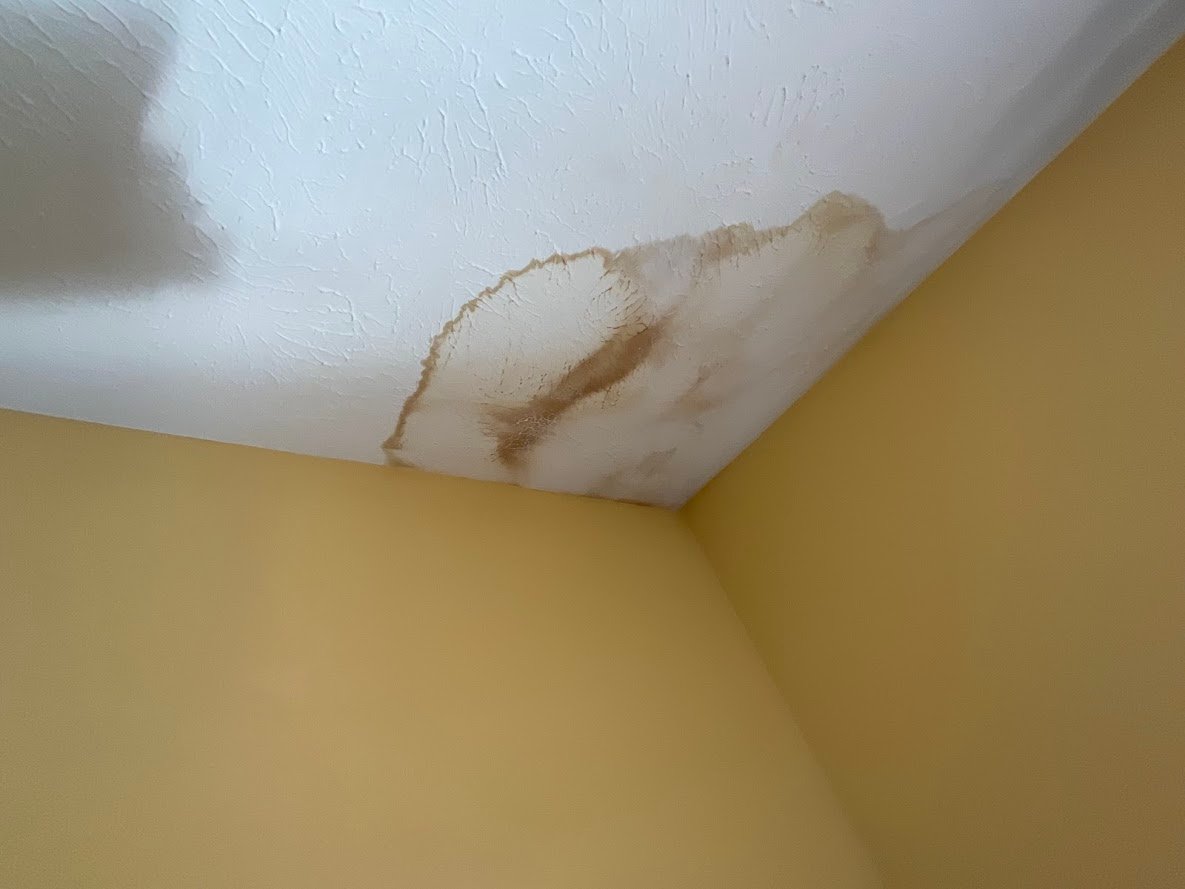
You look up at your ceiling and see a yellow stain near a light fixture. Or maybe there is a hairline crack running across the living room. You might notice peeling paint in a bathroom or a faint brown ring that keeps coming back even after you touch it up.
Ceilings are easy to ignore, until they are not. When something shows up overhead, it can feel stressful. Is it water damage, foundation movement, poor prep, or something worse?
Brush & Roll Painting has served homeowners in Omaha since 1996. Over the years, we have painted thousands of ceilings. We have seen roof leaks, drywall seams cracking from Nebraska freeze and thaw cycles, and stains caused by bathroom fans that vent into the attic.
We are not here to sell you anything. We are here to help you understand what is happening and what a professional painter should do before applying fresh paint.
By the end of this article, you will understand:
- Why ceiling stains and cracks happen in Omaha homes
- How to tell the difference between cosmetic issues and real damage
- What a professional painter does to properly fix ceiling paint problems
- When you may need a roofer or drywall repair before painting
- What to ask a painter before hiring them
If you are hiring a painter for a ceiling repair and repaint, this guide will help you make a confident decision.
Why Do Ceilings Get Water Stains in Omaha Homes?
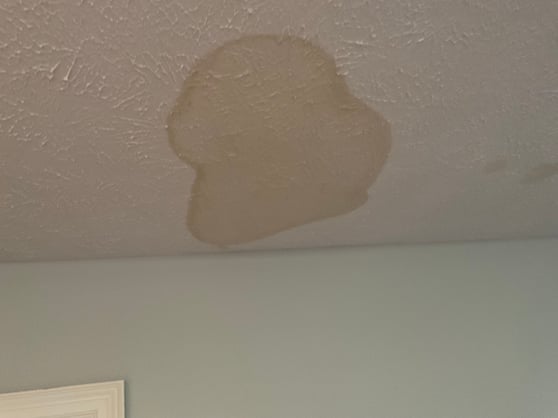
Most ceiling stains are caused by roof leaks, plumbing leaks, or attic condensation. Painting over them without fixing the source will not solve the problem.
Water stains usually show up as:
- Yellow or brown rings
- Soft drywall areas
- Bubbling or peeling paint
- Sagging sections of the ceiling
In Omaha, we see this often after:
- Heavy spring storms
- Ice dams in winter
- Old flashing around chimneys
- Bathroom fans venting into the attic
- Second-floor bathroom leaks
The first step is not paint. The first step is finding the source.
If the roof is leaking, that needs to be repaired first. If a plumbing line is dripping, a plumber must fix it. If attic ventilation is poor, that needs to be corrected.
Painting over active moisture is a temporary cover-up. The stain will return.
How Do You Fix Water-Stained Ceilings Before Painting?
A professional painter will dry the area, repair damaged drywall, seal the stain with a stain-blocking primer, and then repaint the entire ceiling for uniform color.
Here is what proper prep usually includes:
- Confirm the leak is fixed
- Let the drywall dry fully
- Cut out and replace soft drywall if needed
- Tape and mud new seams
- Sand smooth
- Spot prime with an oil-based or shellac primer
- Repaint the full ceiling
Why prime? Because regular ceiling paint does not block stains. Without a stain-blocking primer, yellow rings can bleed through fresh paint.
In older Omaha homes, especially plaster ceilings, repair may involve patching cracks with mesh tape and joint compound before priming.
Skipping these steps often leads to visible patches or stains reappearing months later.
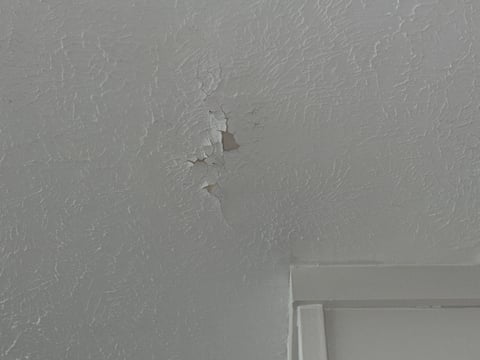
What Causes Ceiling Cracks in Omaha Houses?
Most ceiling cracks are caused by normal settling, seasonal expansion and contraction, or drywall seam failure.
Nebraska weather shifts from humid summers to dry winters. That movement affects framing and drywall.
Common ceiling crack types include:
- Hairline cracks along drywall seams
- Cracks near corners where walls meet ceilings
- Long, straight cracks across large spans
- Small spider cracks near light fixtures
Some cracks are cosmetic. Others may point to structural movement.
If cracks are wider than one-eighth inch, or doors and windows are sticking, it may be worth having a foundation expert take a look.
For most homes, ceiling cracks are related to:
- Drywall tape separating
- Poor original installation
- Home settling over time
A painter should not simply caulk over cracks and paint.

How Should a Professional Painter Repair Ceiling Cracks?
The crack should be opened slightly, taped, mudded in layers, sanded smooth, primed, and then the entire ceiling repainted.
A quality ceiling crack repair typically includes:
- Lightly widening the crack
- Applying mesh or paper tape
- Applying joint compound in thin coats
- Allowing full dry time between coats
- Sanding smooth
- Spot priming repaired area
- Repainting the whole ceiling
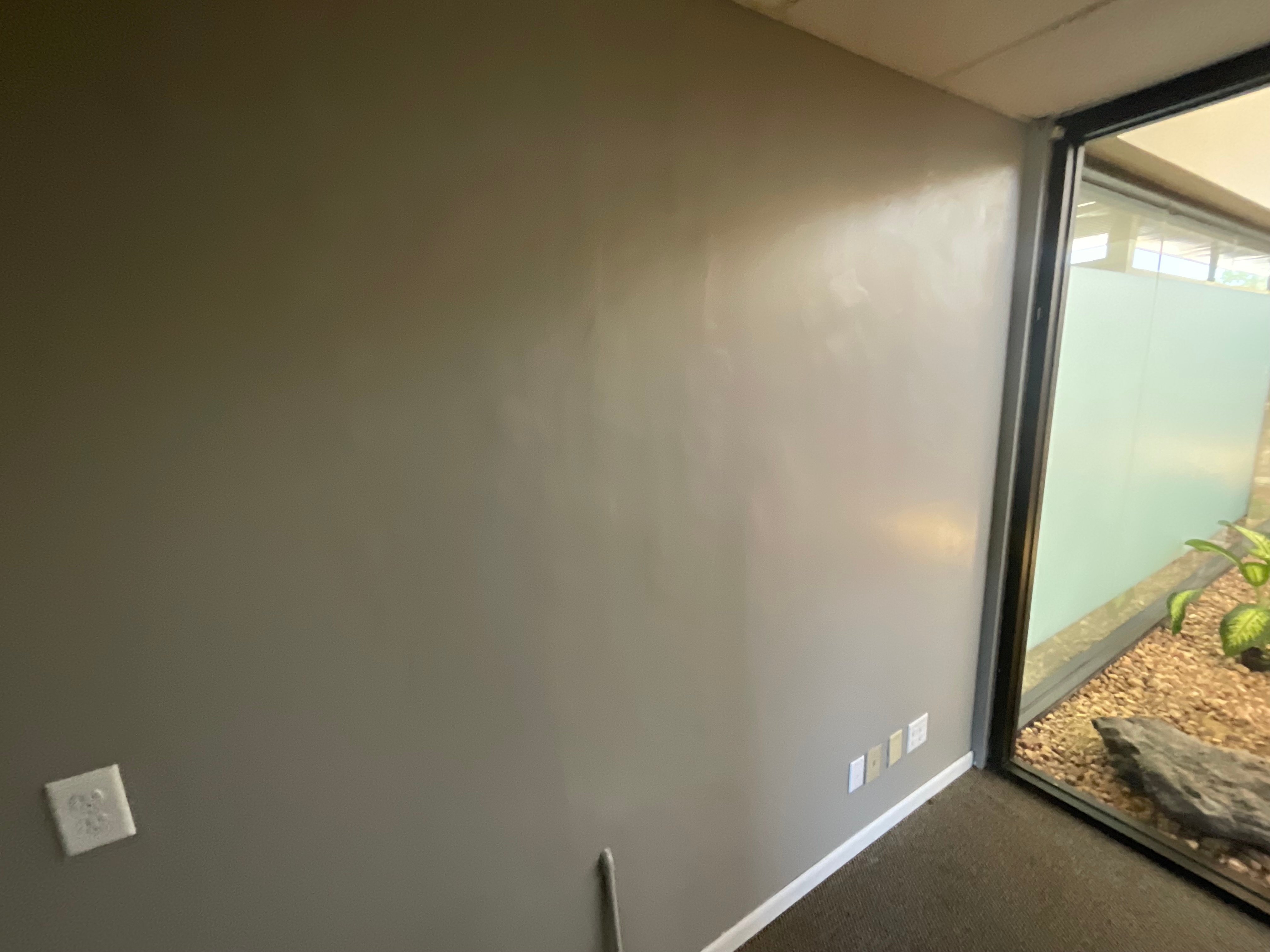
Painting only the repaired strip often leaves a visible flashing effect. Ceilings reflect light differently across patched areas.
Repainting the full ceiling ensures:
- Even color
- Consistent sheen
- No patch marks
If you are hiring a painter in Omaha for ceiling crack repair, ask them if they plan to repaint the entire ceiling or just spot paint.
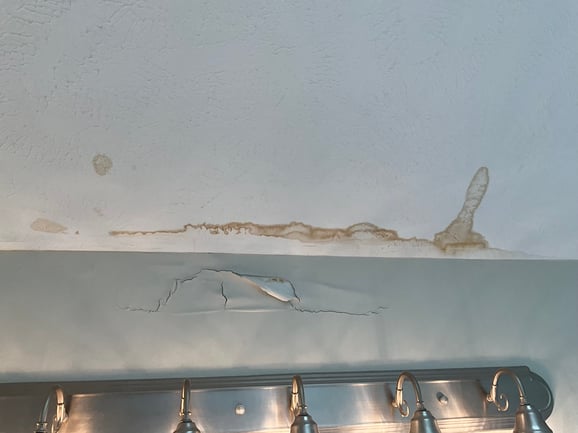
Why Does Ceiling Paint Peel or Bubble?
Peeling ceiling paint is usually caused by moisture, poor adhesion, or painting over dirty or glossy surfaces.
Bathrooms are common problem areas. If a bathroom fan does not vent outside, steam rises and sits on the ceiling.
Over time, this leads to:
- Peeling paint
- Bubbling
- Mold spots
- Soft drywall
Kitchens can have similar issues with grease buildup.
Proper repair includes:
- Scraping loose paint
- Cleaning the surface thoroughly
- Sanding
- Priming
- Repainting with appropriate ceiling paint
High-humidity areas may require mildew-resistant paint.
Simply adding another coat without prep will not fix peeling.
What About Brown Stains That Keep Coming Back After Painting?
Recurring brown stains almost always mean the surface was not sealed with a proper stain-blocking primer.
This is common when:
- Someone used standard latex primer
- A handyman spot-painted without sealing
- The moisture source was not fully resolved
A shellac-based or oil-based primer is typically required for heavy stains.
After sealing, the ceiling should be repainted fully.
If stains return again after proper priming, the leak is likely still active.
Can You Just Touch Up a Ceiling Instead of Repainting the Whole Thing?
Touch-ups rarely blend well on ceilings, especially flat white ceilings that have aged.
Ceilings may look white, but they:
- Collect dust
- Slightly yellow over time
- Fade unevenly
Even with the same paint color, touch-ups can flash or show patch marks.
In many cases, repainting the entire ceiling is more cost-effective in the long run than repeated touch-ups.
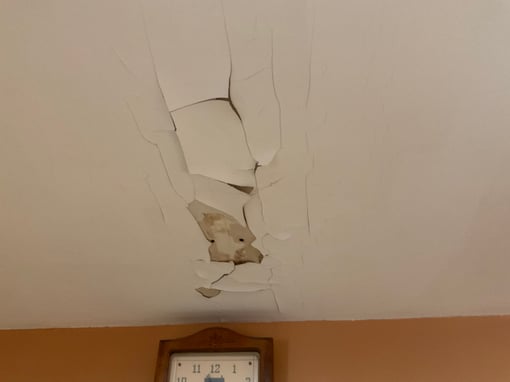
How Much Does Ceiling Repair and Painting Cost in Omaha?
Costs vary based on damage, height, and access, but most ceiling repairs involve drywall labor plus full ceiling repainting.
Factors that affect price include:
- Size of the repair
- Ceiling height
- Texture type
- Water damage severity
- Need for drywall replacement
In Omaha, labor for drywall repair is often priced hourly. Repainting ceilings may be priced per square foot or per room. Ceilings are roughly $2-2.50 per sq. ft to paint.
Ceilings are roughly $2-$2.50 per sq. ft.
The best way to compare bids is to ask:
- Does the price include drywall repair?
- Does it include stain-blocking primer?
- Is the entire ceiling being repainted?
- Are materials included?
Clear scopes prevent confusion later.

Should You Hire a Painter or a Drywall Contractor for Ceiling Damage?
Minor cracks and small patches can often be handled by an experienced painting company. Large structural damage may require a drywall contractor first.
For small to medium ceiling repairs, many professional painters handle:
- Crack repair
- Seam retaping
- Small water damage patches
- Texture matching
If damage involves:
- Large sagging areas
- Structural framing issues
- Major ceiling replacement
You may need a drywall contractor first, then a painter to finish.
What Should You Ask a Painter About Ceiling Repairs?
Here are smart questions Omaha homeowners can ask:
- How do you handle water-stained ceilings before painting?
- Do you use oil or shellac primer for stain blocking?
- Will you repaint the entire ceiling or spot paint?
- How do you protect floors and furniture?
- How do you match existing ceiling texture?
Clear answers show whether a painter has experience with ceiling issues.
FAQ About Ceiling Paint Problems in Omaha Homes
Why does my ceiling paint have yellow spots, but there is no visible leak?
Small roof leaks or condensation can travel before showing up. It may not drip straight down.
Are ceiling cracks normal in Nebraska homes?
Hairline cracks are common due to seasonal movement.
How long does ceiling repair take?
Small crack repairs may take one to two days due to drying time between coats.
Can mold grow on ceilings from water damage?
Yes, especially in bathrooms or poorly ventilated attics. The source must be fixed before repainting.
Do all ceiling stains require drywall replacement?
No. Only soft or crumbling drywall needs removal. Light stains can often be sealed and painted.
Ceiling Painting in Omaha, NE
If you started this article worried about a stain, crack, or peeling ceiling paint, you now understand why these issues happen and what proper repair looks like.
You have learned:
- How water damage affects ceiling paint
- Why stain-blocking primer matters
- How drywall cracks and how it should be repaired
- Why full ceiling repainting often gives better results
- What questions to ask before hiring a painter
Ceiling issues can feel overwhelming, but most are fixable when handled correctly.
Brush & Roll Painting has served Omaha homeowners since 1996. We know spots on ceiling paint is frustrating, so we want to make the process of repair and painting as seamless and straightforward as possible.
If you are ready to move forward, click the button below to get a quote.

If you are still comparing options or planning your budget, we encourage you to use our interior painting pricing calculator to better understand what ceiling repairs and repainting may cost in your home.


-May-22-2026-01-56-32-9736-PM.png?width=800&height=418&name=Blog%20Post%20Image%20Size%20(1)-May-22-2026-01-56-32-9736-PM.png)
-May-15-2026-04-54-24-9954-PM.png?width=800&height=418&name=Blog%20Post%20Image%20Size%20(1)-May-15-2026-04-54-24-9954-PM.png)
-Sep-20-2024-01-43-26-0356-PM.png?width=800&height=418&name=Blog%20Post%20Image%20Size%20(2)-Sep-20-2024-01-43-26-0356-PM.png)