You were told your interior painting project would take two coats. Simple, clean, done. Then halfway through, your painter says it might need a third coat. Now you’re wondering, Is this normal? Am I being upsold? Why doesn’t it look right yet? That uncertainty is frustrating, especially when you just want your home to look finished and consistent.
At Brush & Roll Painting, we’ve been painting homes in Omaha since 1996. We’ve worked in everything from older homes with patchwork drywall to newer builds with smooth finishes. Over the years, we’ve seen exactly when two coats work and when a third coat is the right call. This comes down to experience, prep work, and understanding how paint actually behaves on your walls.
By the end of this article, you’ll understand why some paint jobs need three coats instead of two, what factors cause it, and how to spot when it’s necessary versus when it’s not. You’ll walk away confident knowing what to expect during your interior painting project, especially with popular colors like whites, off-whites, and greys.
Why do some paint jobs need 3 coats instead of 2?
Some walls need a third coat because of color changes, surface conditions, or how the paint covers. Two coats are standard, but not every wall behaves the same. Lighter colors, patchwork areas, and certain products can require more build to look even.
In real homes around Omaha, we see this often with:
- Bright whites going over darker colors
- Grey tones that look patchy after two coats
- Walls with repairs or drywall patches
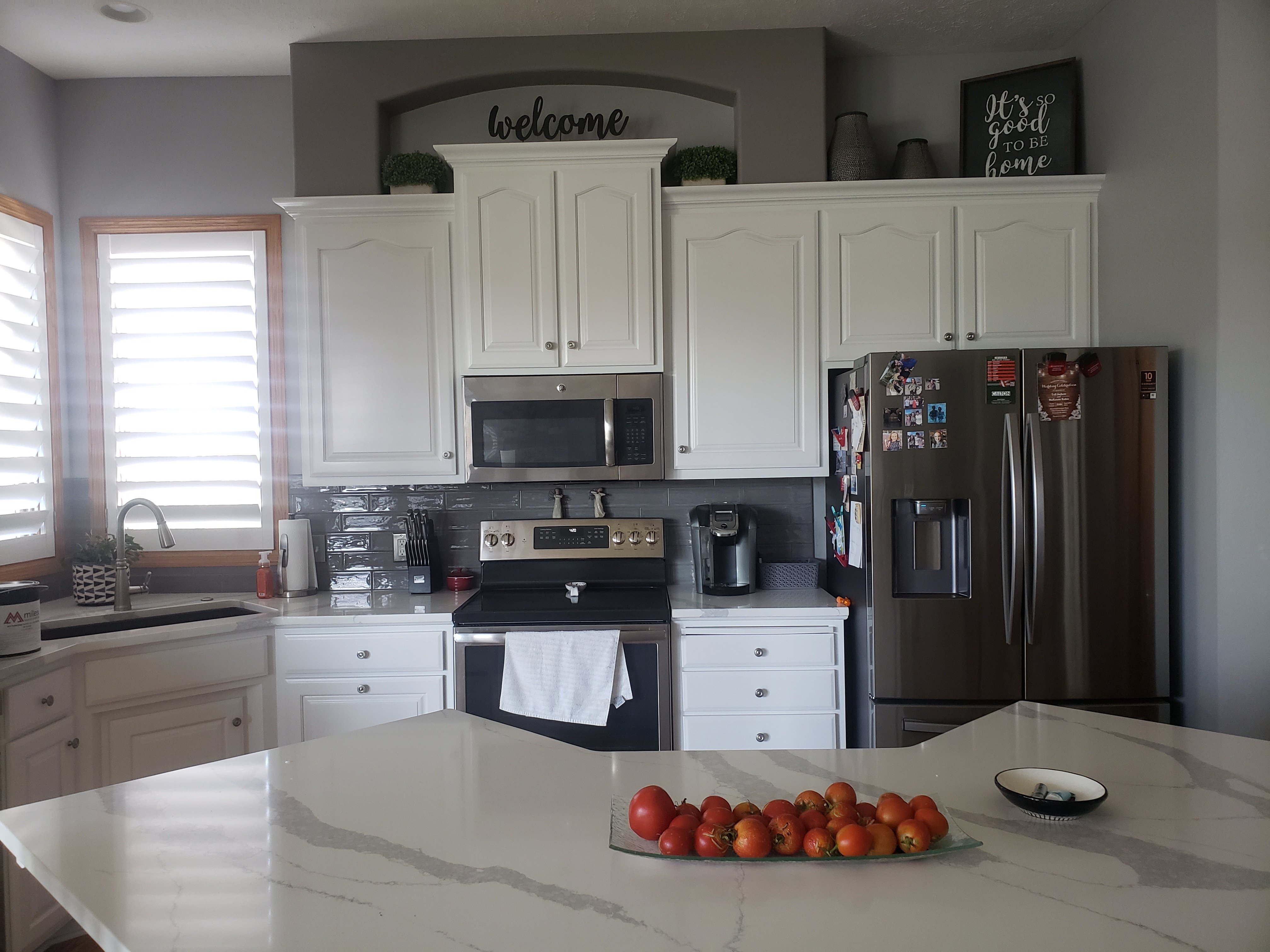
- Cabinet painting projects
A third coat is not about adding cost for no reason. It’s about making the finish look consistent from every angle and in every type of lighting.
Do white and off-white paint colors need more coats?
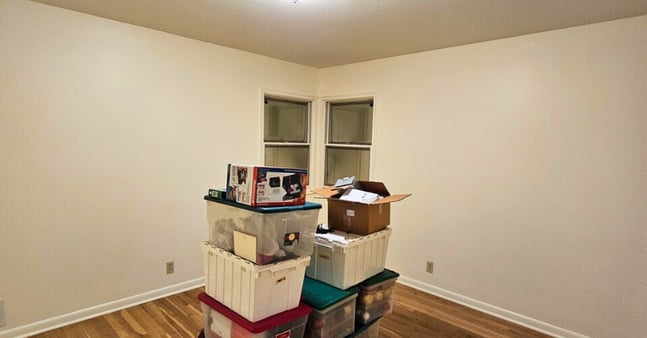
Yes, white and off-white paint colors often need three coats, especially when covering darker colors or uneven surfaces.
White paint does not always cover as easily as people expect. Even high-quality products can struggle to block what is underneath in just two coats fully.
Here’s why:
- White pigments are less dense than darker colors
- Light reflects more off white surfaces, which makes imperfections easier to see
- Any variation in the wall shows through more clearly
For example, if you are painting a beige or tan wall to a bright white, the first coat usually looks streaky. The second coat improves it, but you may still see shadowing or uneven tone. That third coat is what evens everything out.
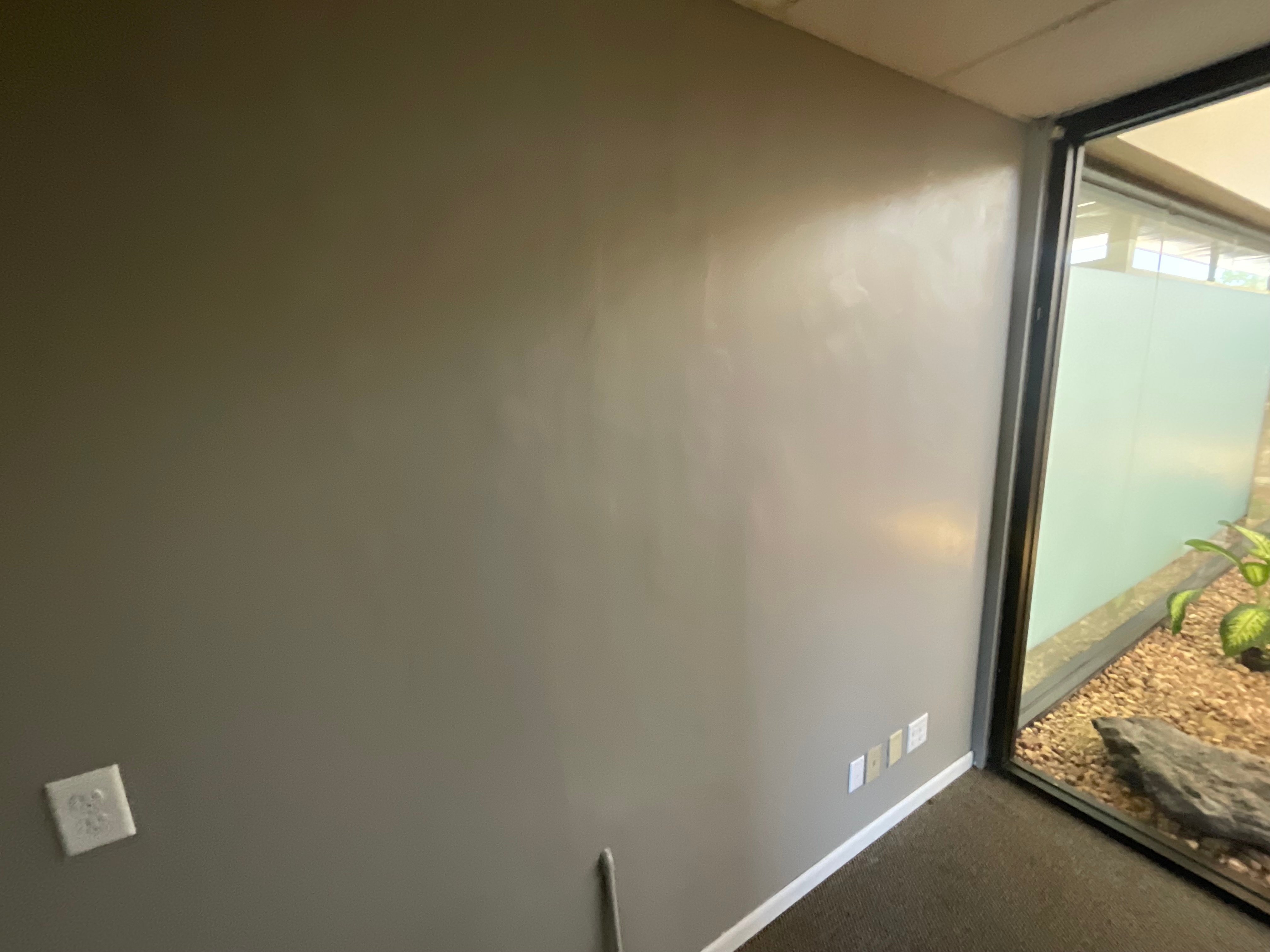
Why do grey walls sometimes look patchy after two coats?
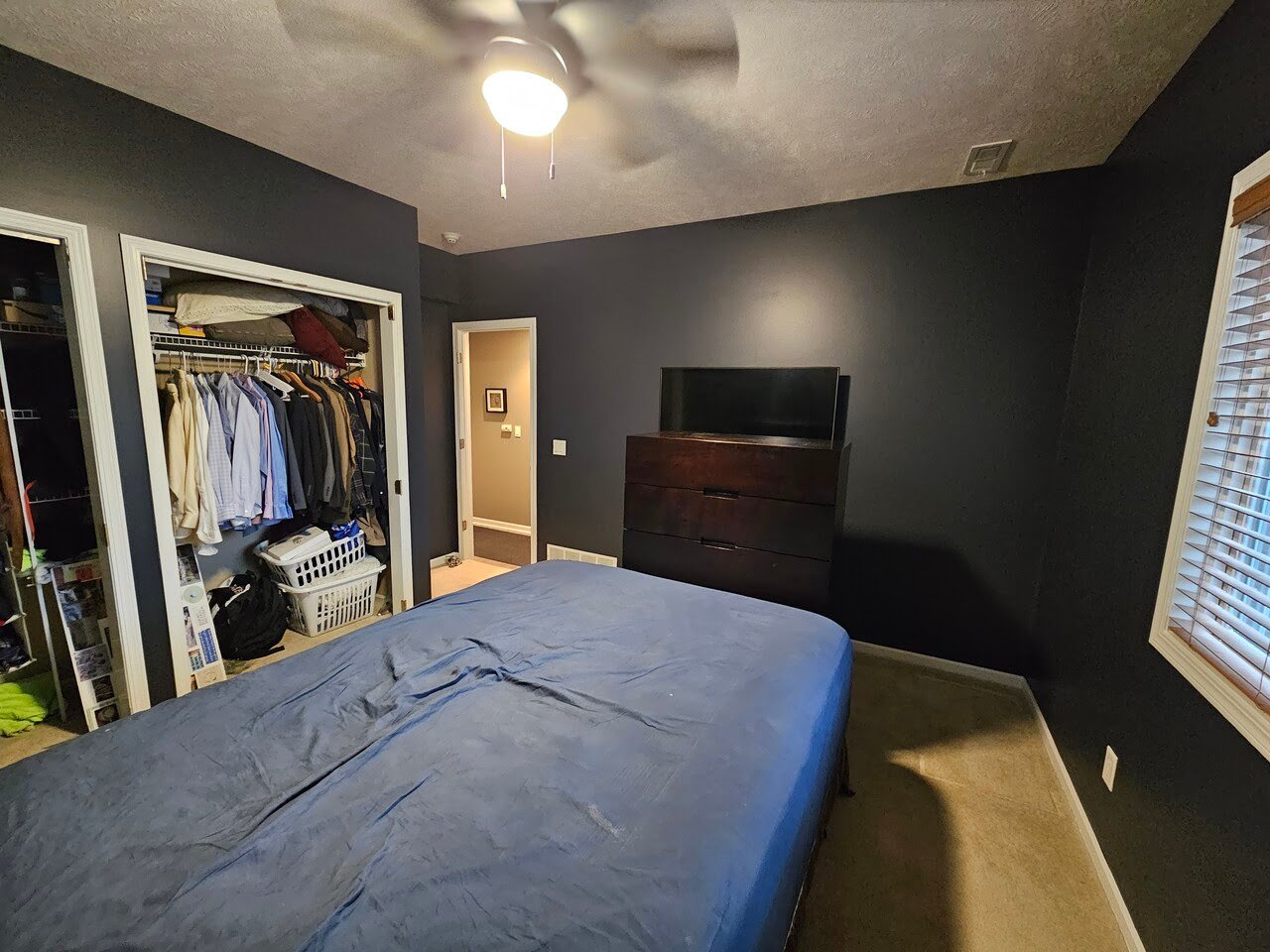
Grey is one of the most common colors we paint in Omaha, and it is also one of the trickiest.
Grey paint can show lap marks and uneven coverage more than expected, especially in certain lighting.
Grey sits in the middle between light and dark, which makes it sensitive to:
- Roller marks
- Inconsistent thickness
- Drying patterns
In homes with lots of natural light, especially from large windows, greys can look blotchy even if the paint was applied correctly.
A third coat helps:
- Smooth out those subtle differences
- Build a more uniform finish
- Reduce visible roller patterns
Does wall condition affect how many coats are needed?
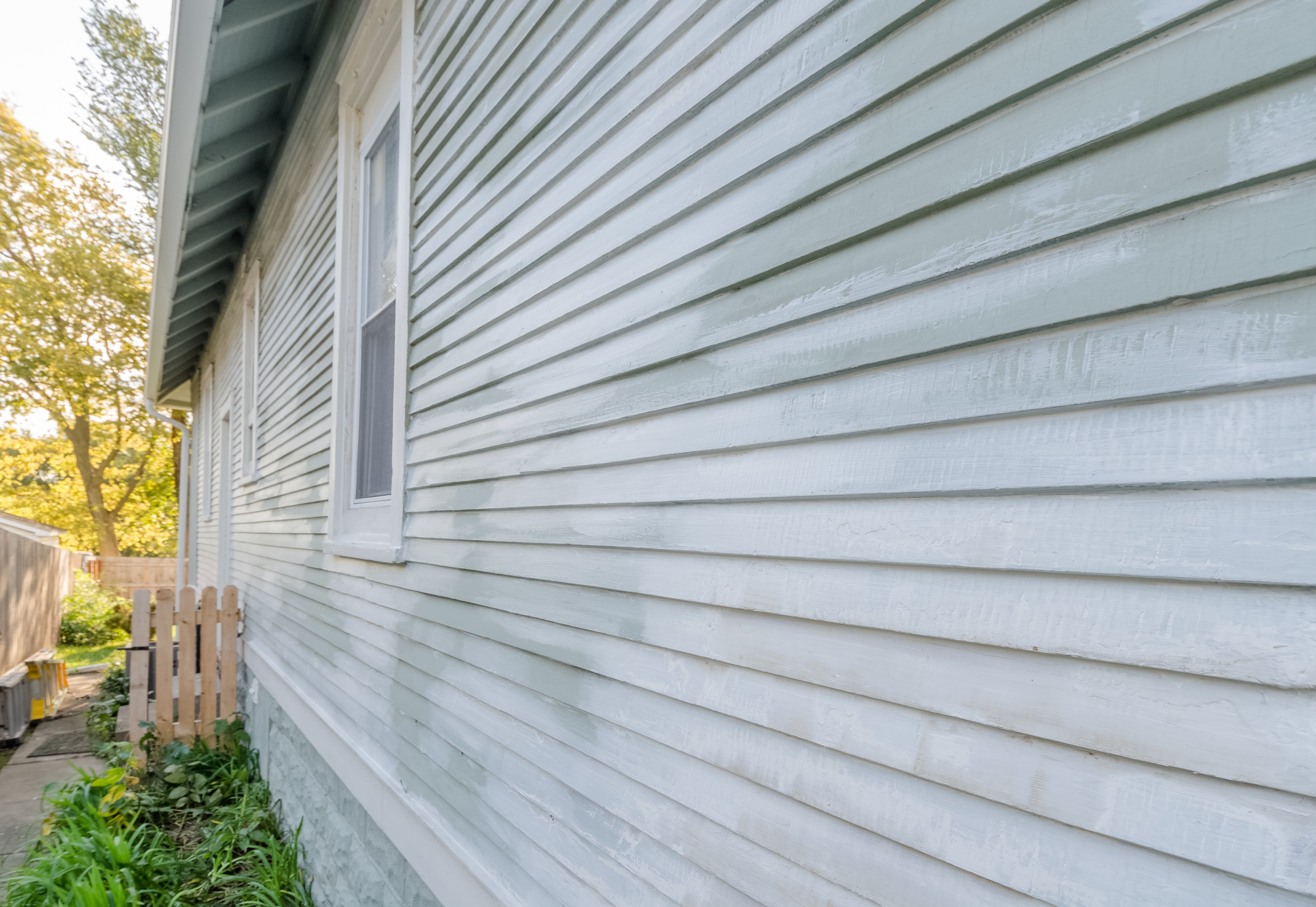
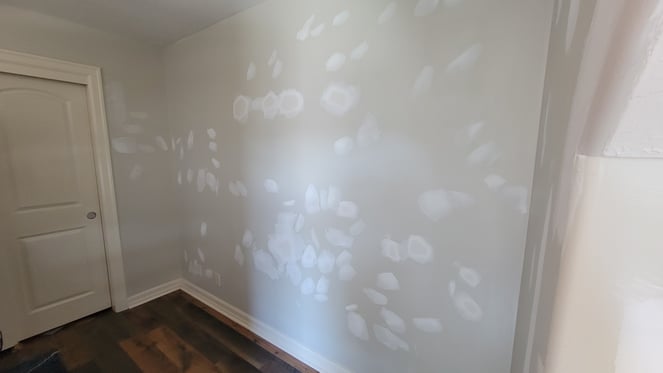
Yes, wall condition is one of the biggest reasons a third coat becomes necessary.
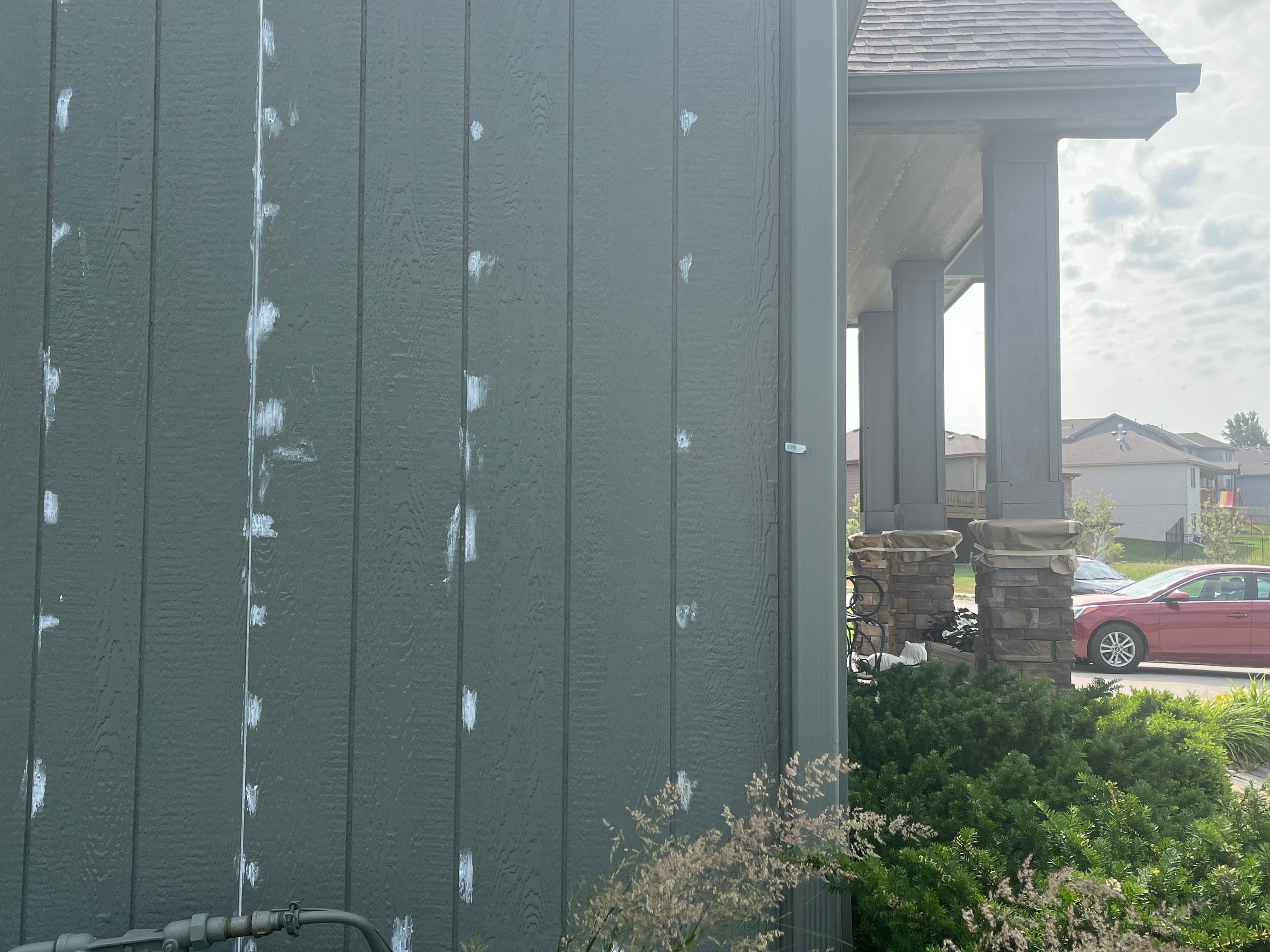
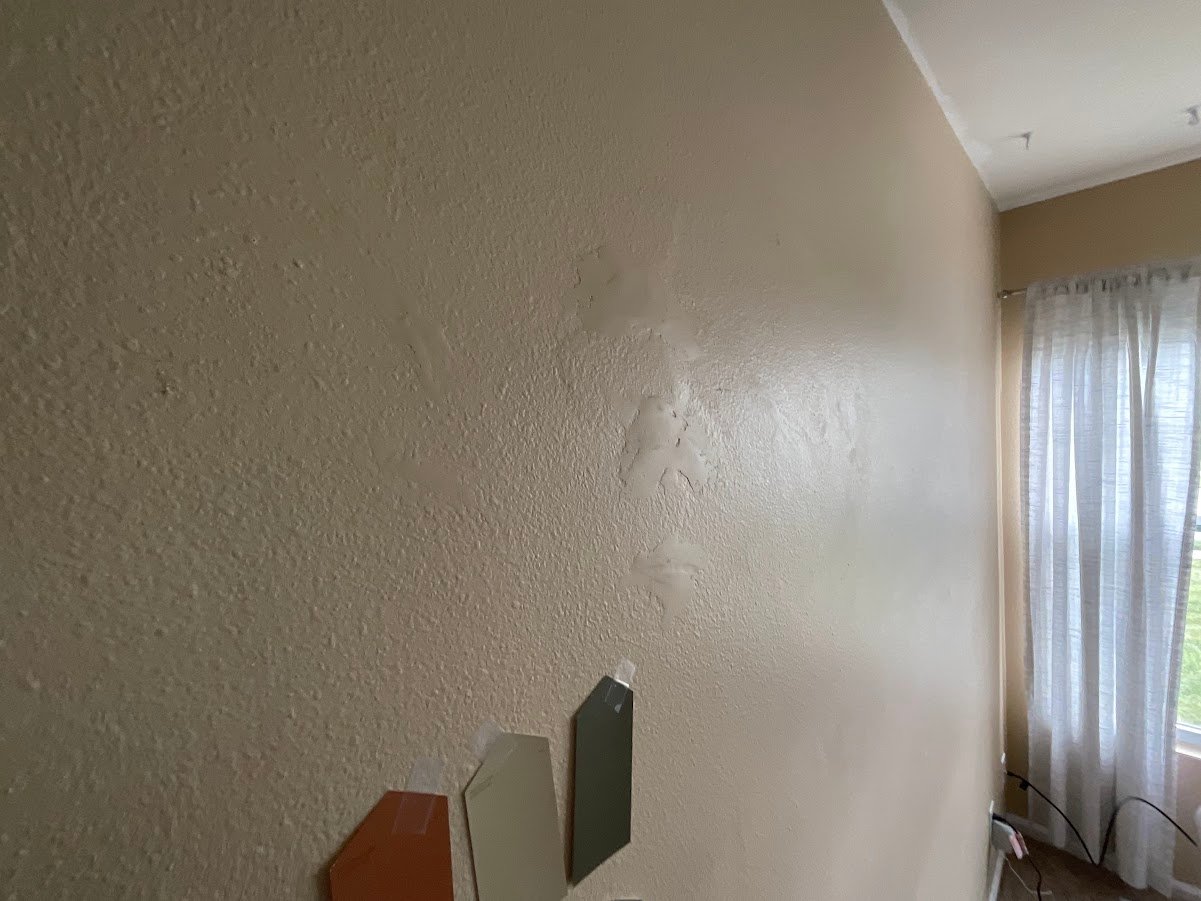
Patched or repaired walls absorb paint differently, which can lead to uneven coverage.
Common examples include:
- Drywall repairs
- Nail holes that were filled
- Areas that were sanded and primed
- Old paint that has worn differently in spots
Think of it like this. If you spill water on a towel that has both dry and damp areas, the absorption is uneven. Paint behaves in a similar way.
Even with primer, those repaired areas can still show through slightly after two coats. A third coat blends everything together so you don’t see where the work was done.
Can primer reduce the need for a third coat?
Sometimes, but not always. Primer helps improve coverage, but it does not always replace a third coat.
Primer is helpful when:
- You are covering a dark color with a light one
- You have a lot of drywall repairs
- You are painting over stains or strong colors
However, primer is not a finish coat. It prepares the surface, but you still need enough paint on top to create an even color and sheen.
In many cases, even with primer, two finish coats may not be enough, especially with whites and greys.

Does needing 3 coats mean bad paint?
Not necessarily. Needing three coats is often about the situation, not the quality of the paint.
High-quality paint covers better and more evenly. It also tends to build thickness faster. That said, even the best products can require three coats in certain conditions.
Lower quality paint may require:
- More coats overall
- More effort to achieve an even color
- Additional labor time
But even premium paints like those commonly used in Omaha homes can still need that third coat, depending on the color and wall condition.
How does lighting affect how many coats you need?
Lighting plays a bigger role than most homeowners expect.
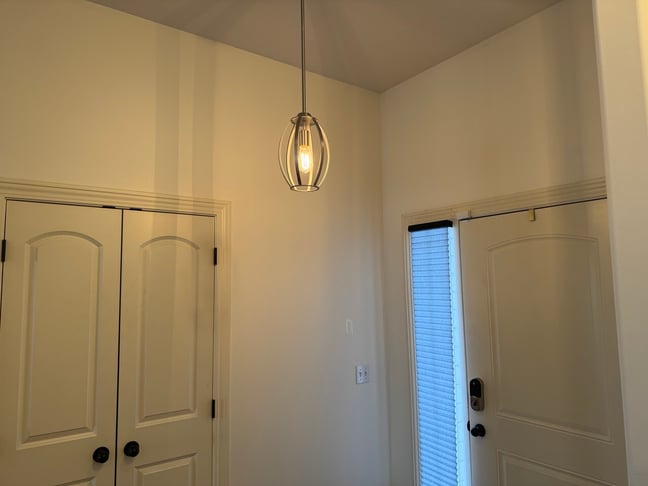
Bright or angled lighting makes inconsistencies more visible, which can make a third coat necessary.
Common lighting situations include:
- South-facing rooms with strong sunlight
- Rooms with large windows
- Overhead lighting that casts shadows on walls
In these spaces, even small variations in paint can stand out. What looks fine in one room might look uneven in another.
A third coat helps create a smoother, more consistent appearance under all lighting conditions.
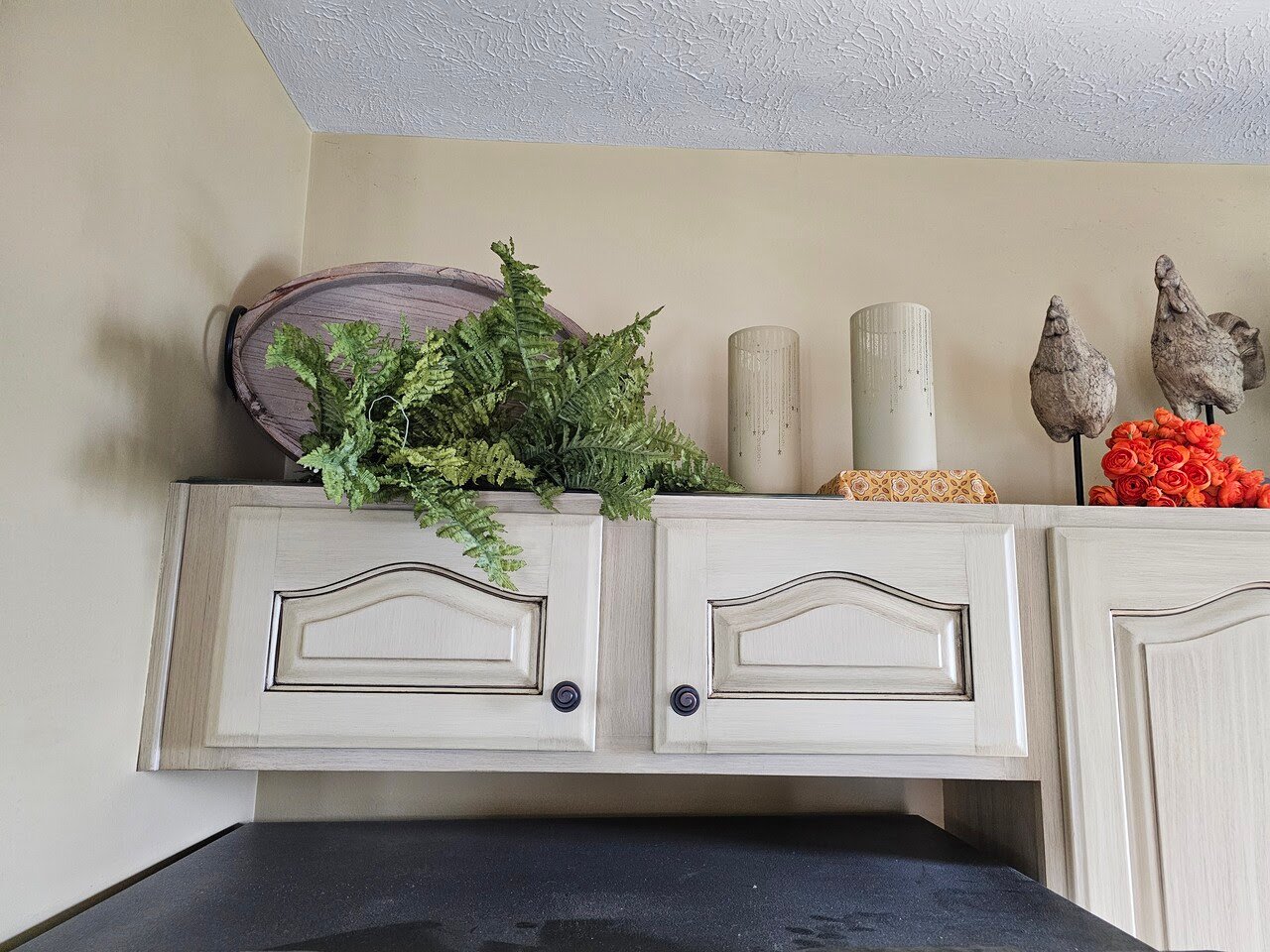
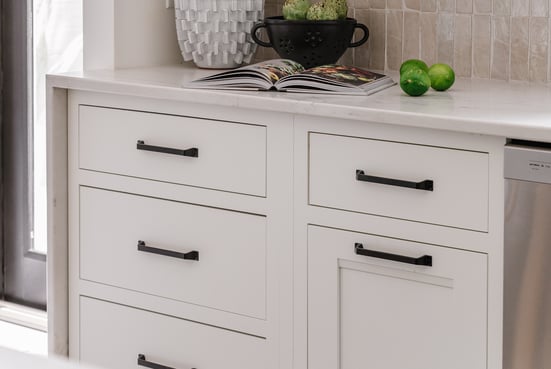
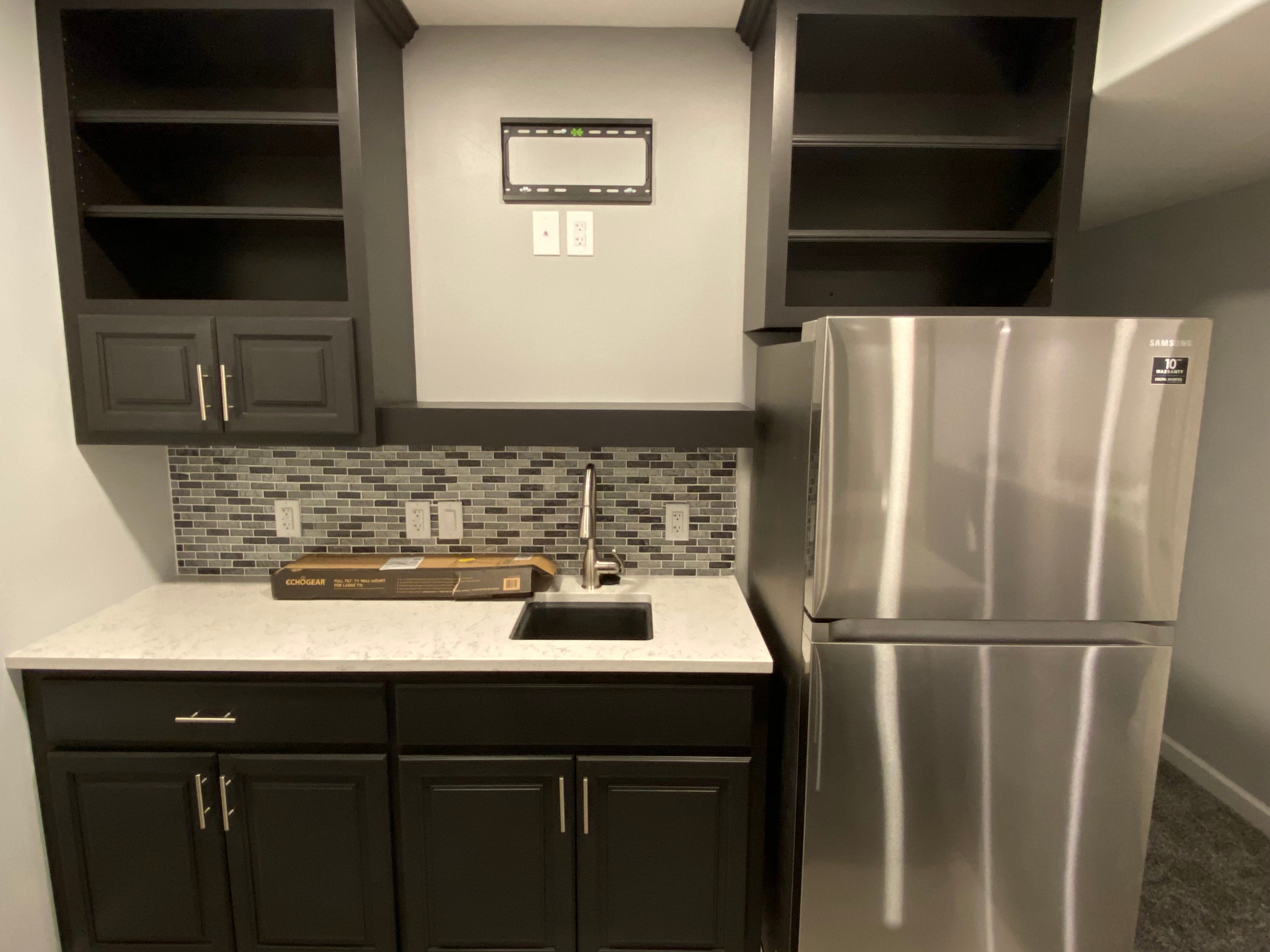
Do cabinet painting projects ever need 3 coats?
Yes, cabinet painting often requires more than two coats, depending on the product and color.
Cabinets need a strong, even finish, and lighter colors, especially, may need additional coats.
Cabinet surfaces are different from walls:
- They are smoother and less forgiving
- They reflect more light
- They are touched more often
For white or light colored cabinets:
- A third coat may be needed to fully hide the original color
- It helps create a richer, more durable finish
- It improves long-term appearance
In many professional cabinet systems, the process includes:
- Prep and sanding
- Primer or bonding coat
- Two or more finish coats
How can you tell if a third coat is actually needed?
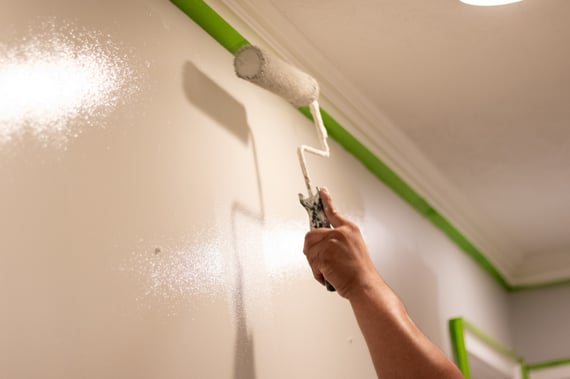
Look for uneven color, shadowing, or visible roller marks once the paint has dried.
Here are clear signs:
- You can see the old color faintly underneath
- Some areas look lighter or darker than others
- Patches or repairs are still noticeable
- The sheen looks inconsistent
It’s important to check this after the paint has fully dried. Wet paint can look different than dry paint.
A good painter should walk through the space with you and point out whether a third coat will improve the final result.
Is it normal for painters to mention a third coat during the job?
Yes, this is normal; it doesn’t happen every time, but it is possible. Painters often cannot fully predict coverage until the first and second coats are applied.
Every home is different. Even within the same room:
- One wall may cover perfectly
- Another may need extra work
Professional painters adjust based on what they see during the project. That flexibility is part of doing the job correctly.
How much more does a third coat usually cost?
It depends on how the estimate was written. Some painters:
- Include up to three coats in their pricing
- Charge extra if a third coat is needed
- Build it into a range or allowance
The added cost comes from:
- More labor time
- More material
In Omaha, labor is often the biggest factor. At Brush & Roll Painting, for example, labor typically runs around $75 dollars per hour.
The key is understanding upfront how your painter handles additional coats.
How can homeowners avoid surprises with extra coats?
Ask the right questions before the project starts.
Here are helpful questions:
- Does your estimate include two or three coats?
- What situations would require a third coat?
- How do you handle pricing if more coats are needed?
- Will you check coverage with me before adding another coat?
Clear communication helps avoid confusion and keeps everyone on the same page.
FAQ: Why Some Paint Jobs Need 3 Coats
Is three coats overkill for interior painting?
No, three coats are not overkill when it is needed for proper coverage. It ensures a consistent color and finish.
Can I request only two coats to save money?
You can, but it may affect the final look. Uneven color or patchiness may still be visible.
Do darker colors ever need three coats?
Sometimes, especially when going over a very light base. Deep colors can need extra build to look rich and even.
Does better paint mean fewer coats?
Often yes, but not always. High-quality paint improves coverage, but it cannot fix every situation in just two coats.
Will three coats last longer?
It can help durability slightly, but the main benefit is appearance and consistency.
Interior Painting in Omaha, Nebraska
If you’ve been wondering why your painter suggested a third coat, it usually comes down to making your home look right, not adding unnecessary work. Whites, off-whites, and greys are some of the most popular colors in Omaha homes, and they also happen to be the ones that show inconsistencies the most.
This article walked you through what causes that third coat, how wall condition, lighting, and color all play a role, and how to tell when it is truly needed. You now have a clearer idea of what to expect and what questions to ask before your project begins.
At Brush & Roll Painting, we’ve been helping Omaha homeowners make sense of these decisions since 1996. Our goal is to give you clear information so you can feel confident moving forward with your project.
If you’re ready to take the next step, click the button below to get a quote.

If you’re still exploring options, try our home painting pricing calculator to get a better idea of what your project might cost before reaching out.
-May-22-2026-01-56-32-9736-PM.png?width=800&height=418&name=Blog%20Post%20Image%20Size%20(1)-May-22-2026-01-56-32-9736-PM.png)
-May-15-2026-04-54-24-9954-PM.png?width=800&height=418&name=Blog%20Post%20Image%20Size%20(1)-May-15-2026-04-54-24-9954-PM.png)
-Sep-20-2024-01-43-26-0356-PM.png?width=800&height=418&name=Blog%20Post%20Image%20Size%20(2)-Sep-20-2024-01-43-26-0356-PM.png)