You walk into a room, and something feels off. The walls look fine, the trim looks fine, but together they don’t feel connected. Maybe the white trim feels too sharp, or the wall color feels boxed in. A lot of Omaha homeowners run into this when trying to update older homes or refresh spaces that feel a little dated.
At Brush & Roll Painting, we’ve been working inside Omaha homes since 1996. We’ve seen styles come and go, and we’ve helped homeowners make choices that actually fit how they live. Lately, one trend keeps coming up in conversations and projects, painting walls and trim the same color.
By the time you finish this article, you’ll understand why this look is becoming more popular, when it works best, what to expect during the process, and how to decide if it’s right for your home. You’ll walk away with clear, practical guidance so you can talk to a painter with confidence.
Why are people painting walls and trim the same color?
Homeowners are choosing this look because it creates a softer, more connected space that feels calm and updated without needing major remodeling.
Painting everything the same color removes visual breaks in a room. Instead of your eye stopping at every door, baseboard, or window frame, the space flows together. This can make rooms feel larger, more relaxed, and less busy.
In Omaha, this trend is especially common in homes with:
- Smaller or chopped-up rooms
- Older trim that feels outdated
- Open layouts where consistency matters
- Homeowners who want a clean, modern feel without going extreme
It’s not about making everything boring. It’s about making everything feel intentional.
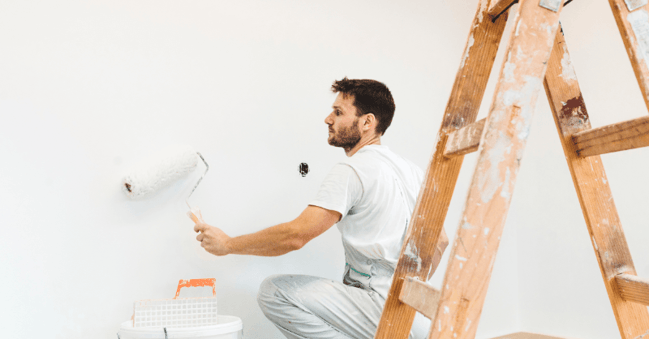
Does painting walls and trim the same color make a room look bigger?
Yes, in many cases, it can make a room feel larger because it removes contrast and visual stops.
Think of contrast as a line your eye notices. Traditional white trim creates strong outlines around walls, doors, and windows. That can make a room feel more segmented.
When everything is the same color:
- Corners feel softer
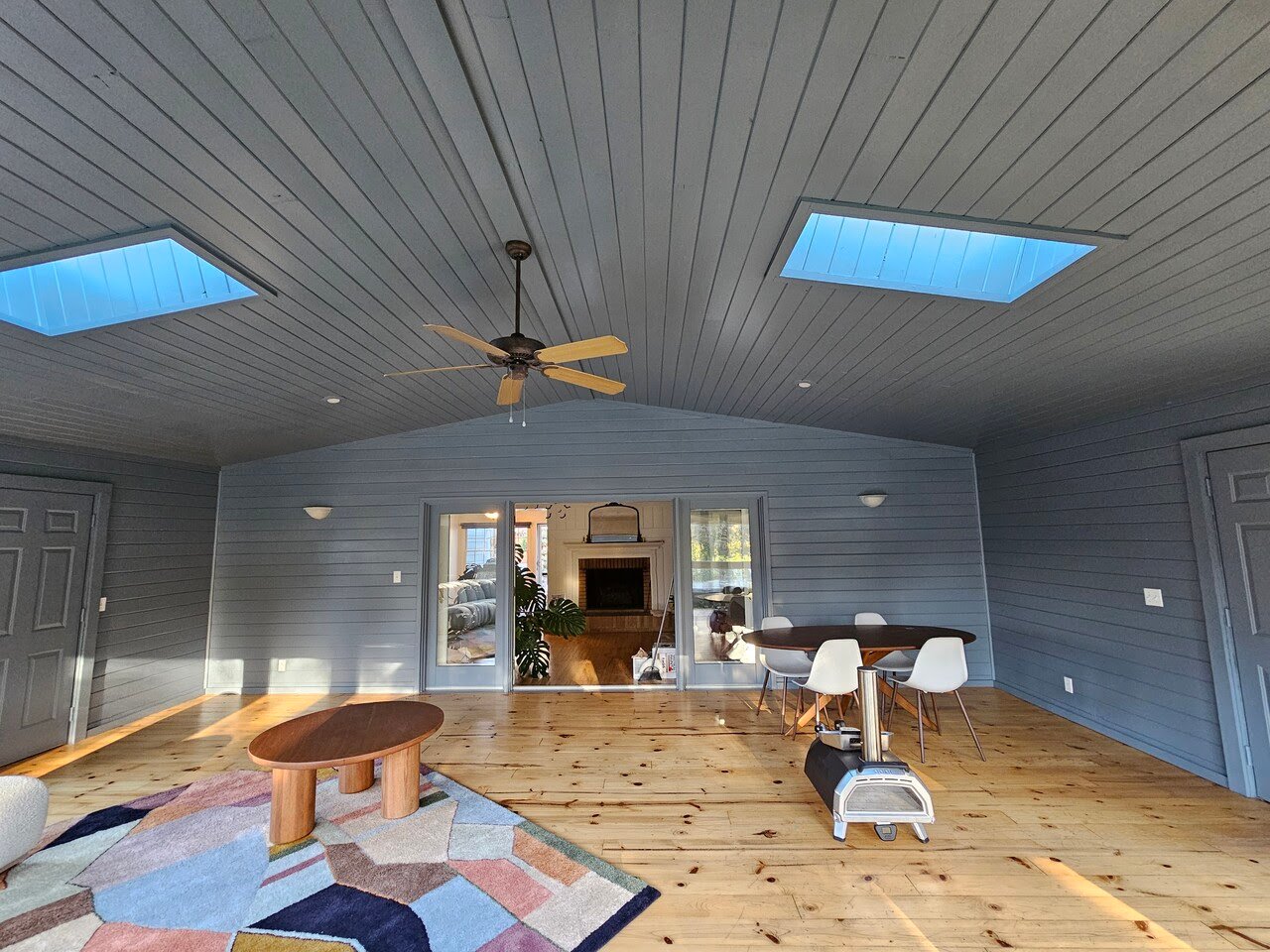
- Ceilings can feel higher
- Walls seem to extend further
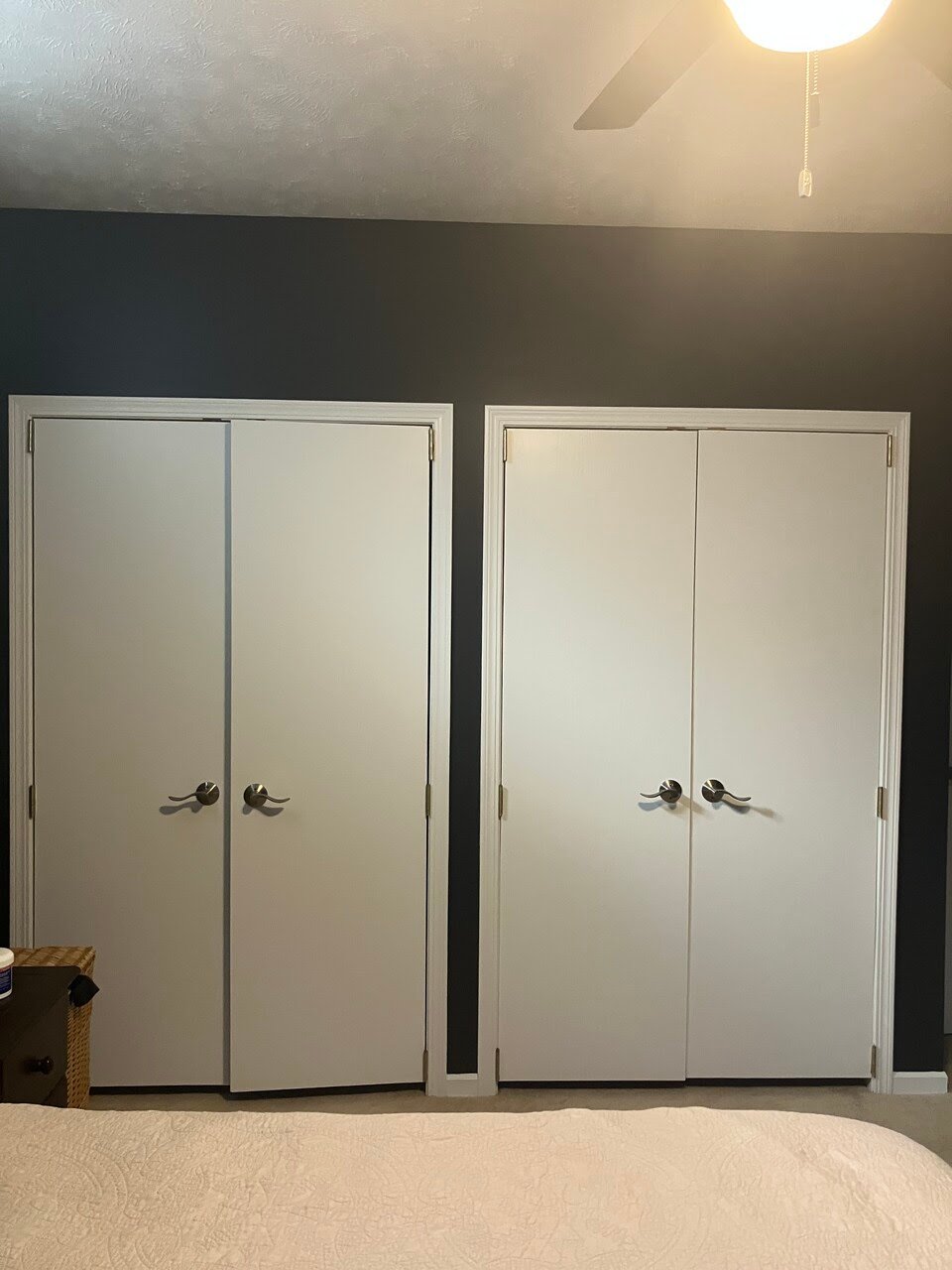
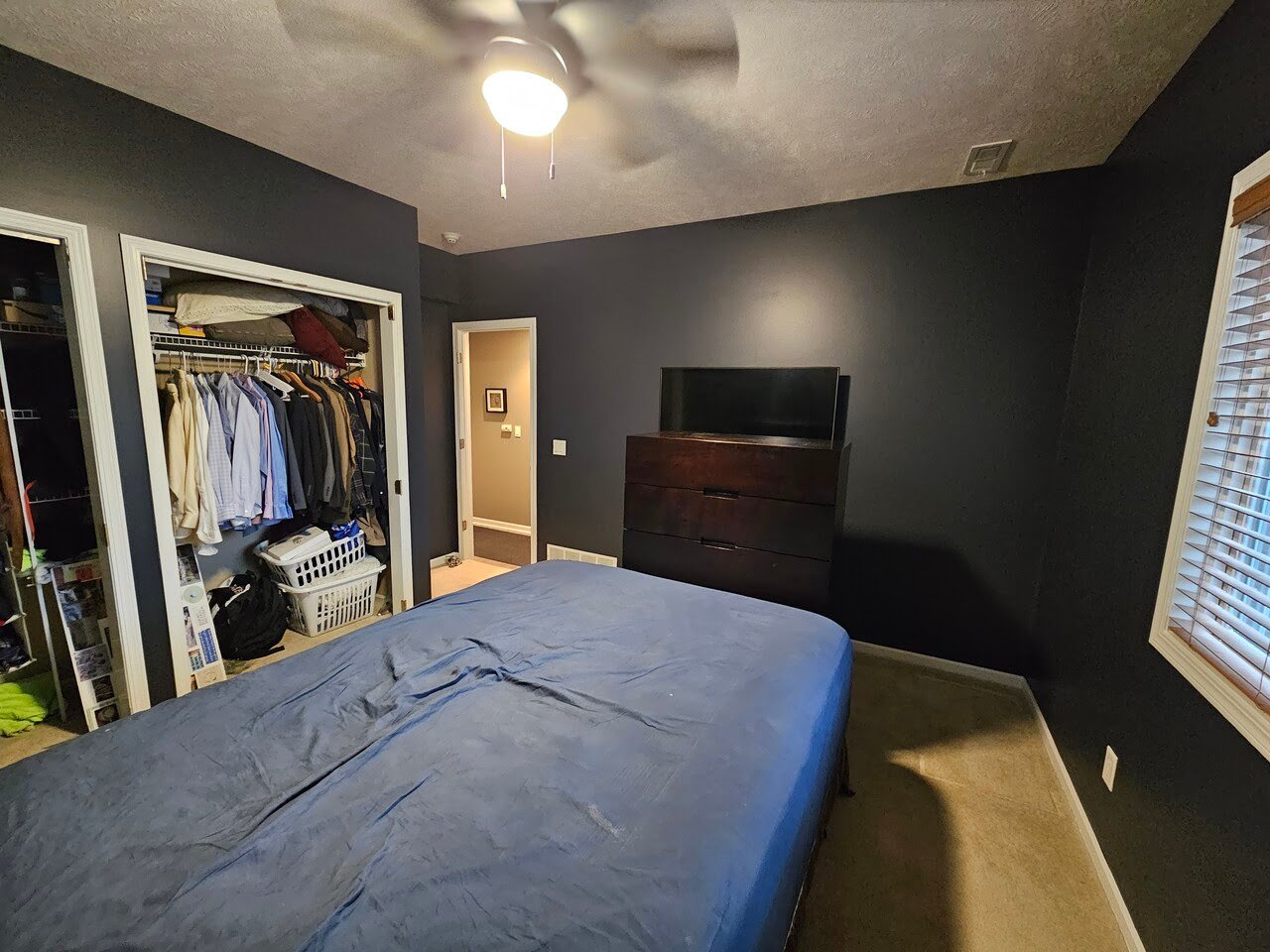
A good example is a small bedroom in an older Omaha home. With bright white trim and darker walls, the room can feel boxed in. When painted one color, the space often feels more open and easier on the eyes.

Why is this a growing trend in Omaha homes?
It fits how people are updating homes today, simple, warm, and less contrast-heavy.
We’re seeing more homeowners move away from the sharp contrast of white trim with bold walls. Instead, they want something that feels:
- Calm
- Easy to live in
- Less busy
- More connected room to room
This shift also lines up with:
- Neutral and earthy color choices
- Open concept living spaces
- Homes where lighting changes throughout the day
Omaha homes, especially those built in the 80s, 90s, and early 2000s, often have a lot of trim detail. Painting everything the same color can tone that down without removing it.
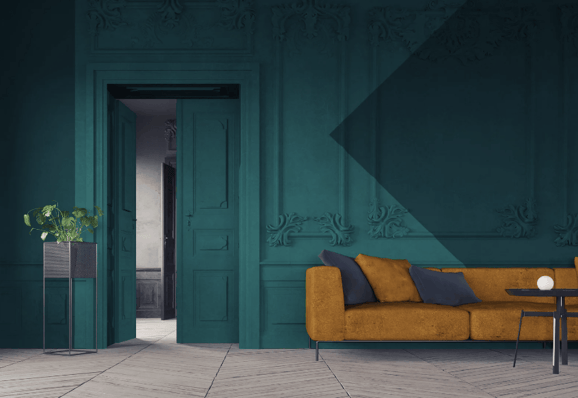
Do you still need different paint for walls and trim if they are the same color?
Yes, you still need two different types of paint because walls and trim get used differently.
Even if the color is identical, the products should not be.
Here’s why:
- Walls need a paint that handles large surface areas and slight texture
- Trim needs a tougher coating that resists scuffs, fingerprints, and wear
For example:
- Walls might use a high-quality eggshell or matte finish
- Trim might use a more durable satin or semi-gloss product
The color matches, but the performance is different.
This is something a lot of homeowners don’t realize. Using the same product everywhere can lead to trim that gets marked up quickly or walls that don’t look right in certain lighting.
Does painting walls and trim the same color require less prep work?
Yes, in some ways it can simplify prep, but it does not eliminate the need for proper preparation.
When colors are different, painters have to be very precise where surfaces meet. That means:
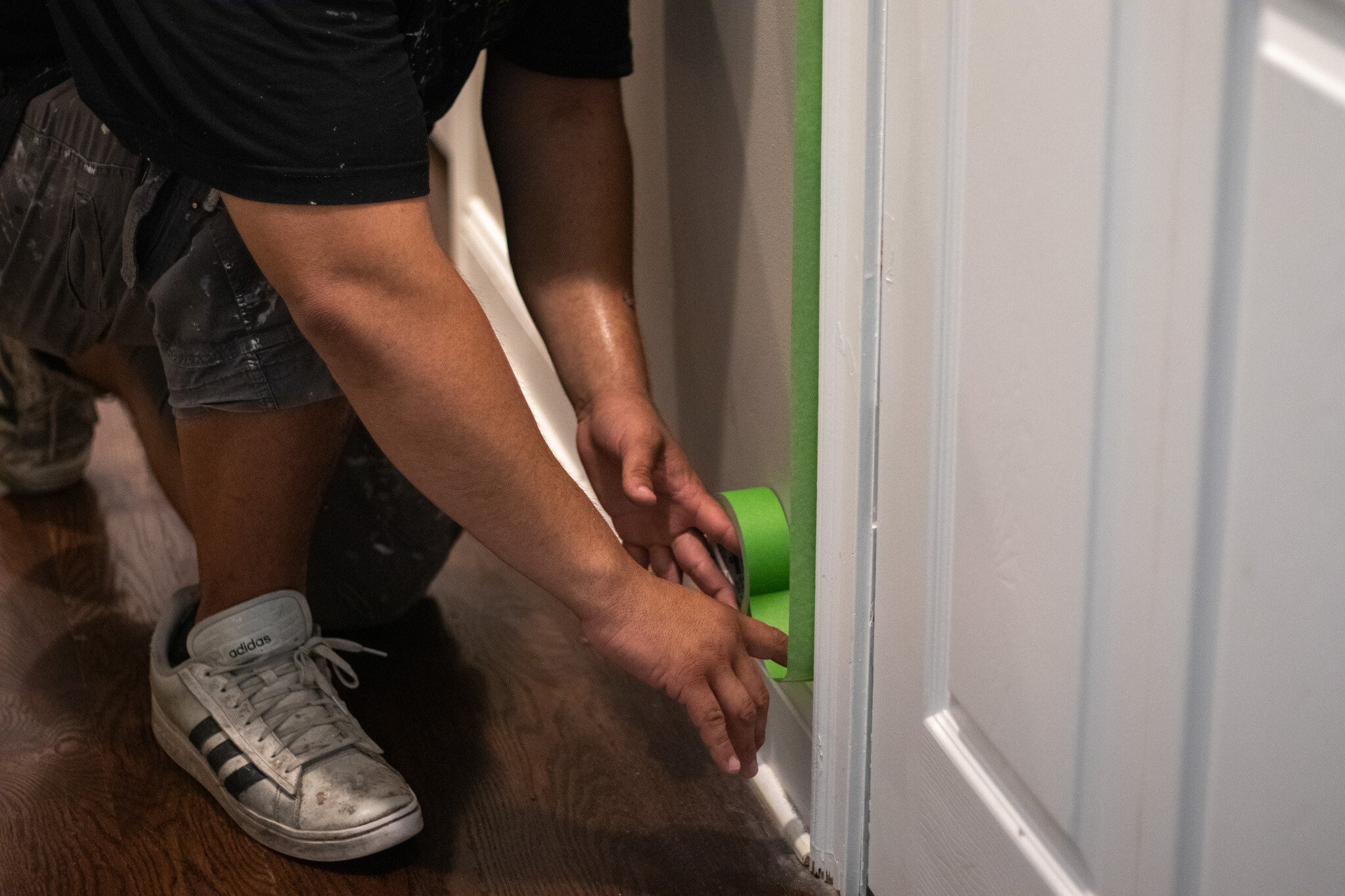
- More taping
- More cutting in
- More time spent protecting edges
When everything is the same color:
- There are fewer hard lines to manage
- Transitions are more forgiving
- The process can move more efficiently
That said, prep still matters just as much:
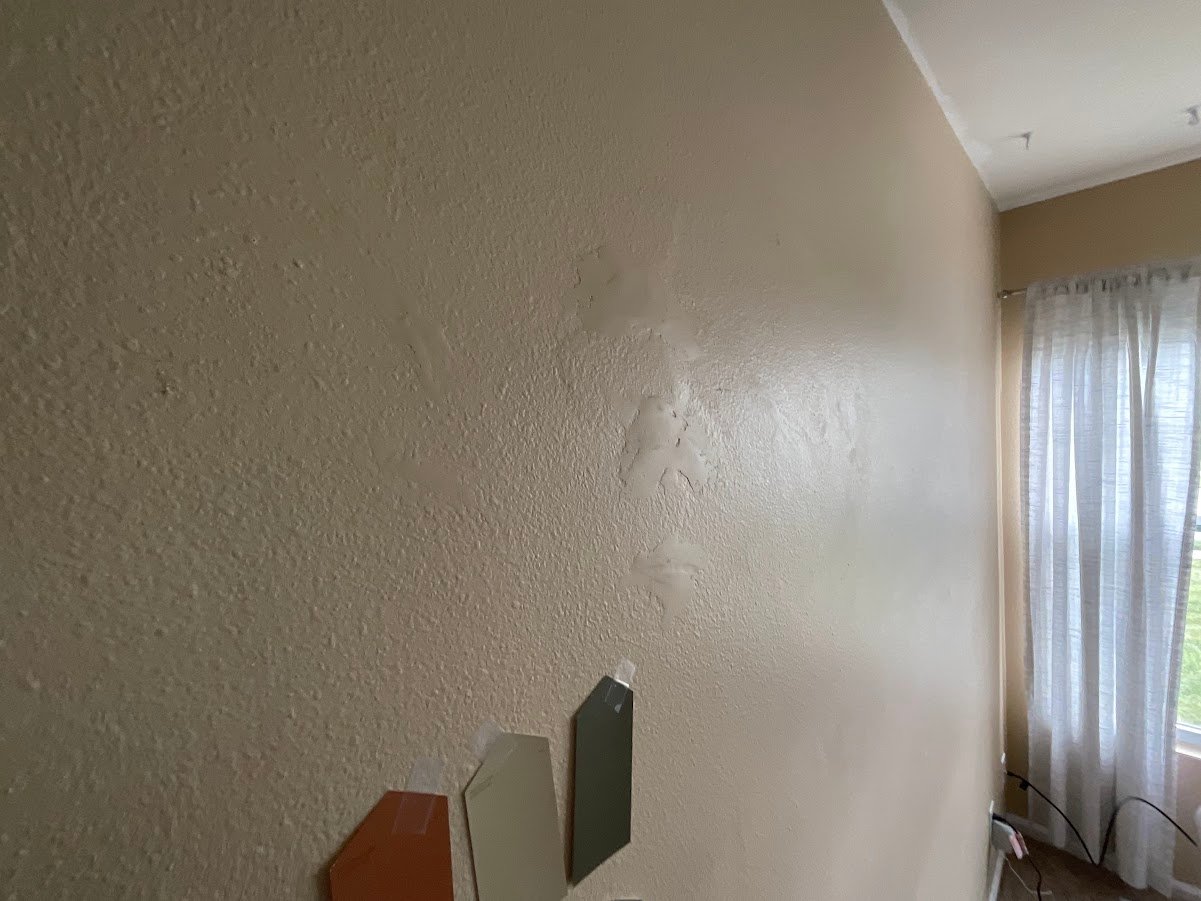
- Filling nail holes or repairing drywall
- Sanding trim and pole, sanding walls
- Priming where needed
Skipping these steps will still lead to problems, no matter what color you choose.
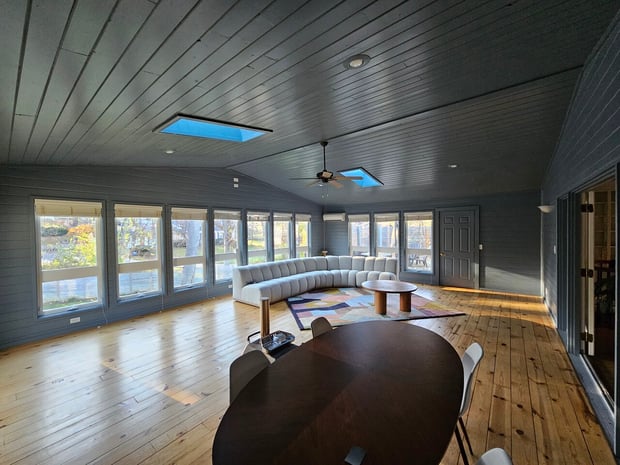
What rooms work best for painting walls and trim the same color?
This look works especially well in bedrooms, living rooms, offices, and hallways where you want a calm, cohesive feel.
Some of the most common spaces we see in Omaha homes include:
Bedrooms
- Creates a soft, restful environment
- Helps smaller rooms feel less cramped
Living rooms
- Ties together trim, built-ins, and walls
- Works well with natural light
Home offices
- Reduces distractions
- Feels more focused and clean
Hallways
- Makes narrow spaces feel less tight
- Helps connect multiple rooms
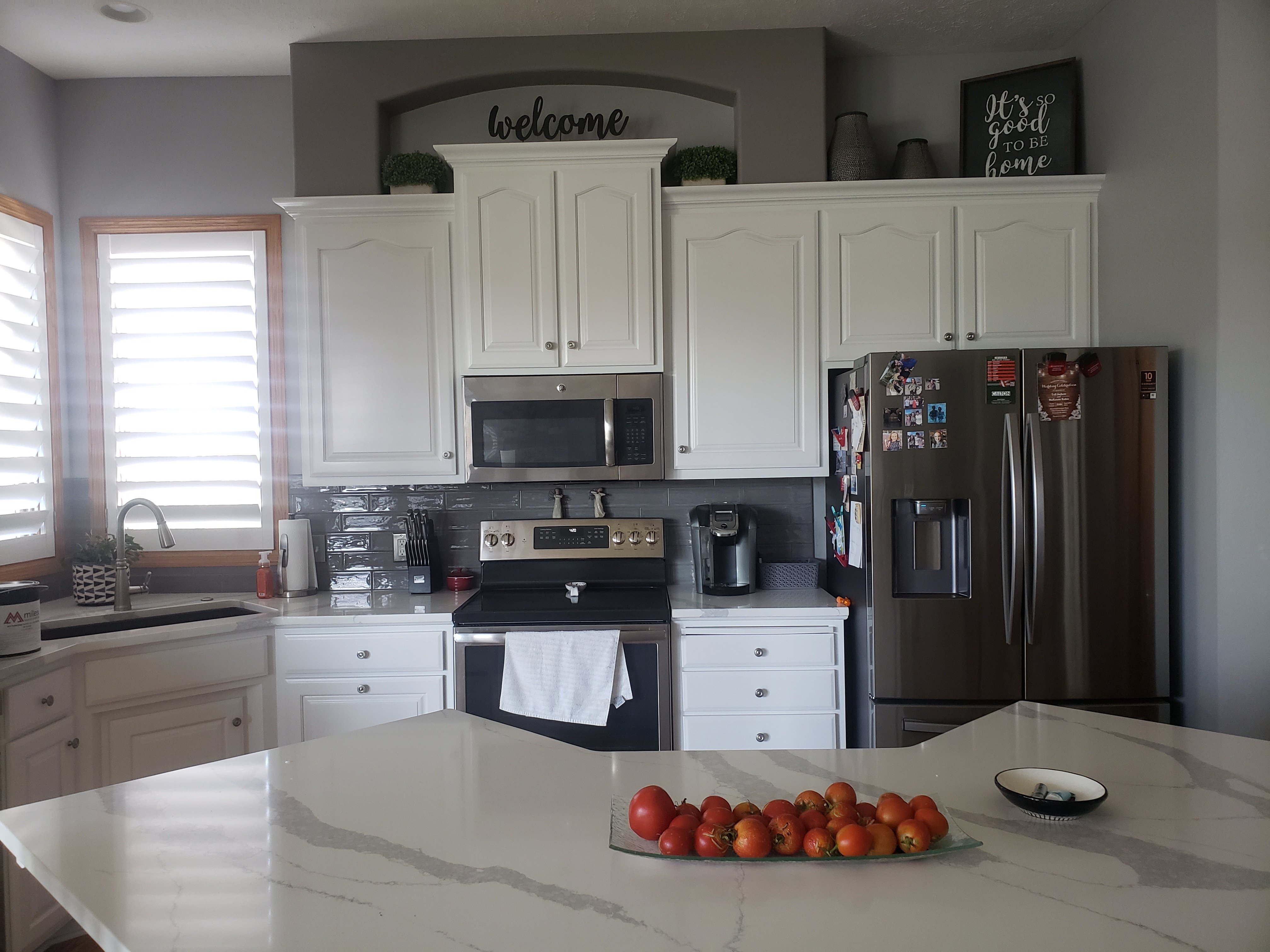
Kitchens and bathrooms can also work, but they often depend more on cabinets, tile, and other materials, so color decisions need a bit more thought.
Does this style work in older homes with detailed trim?
Yes, and in many cases it actually helps tone down heavy trim details while still keeping character.
Older Omaha homes often have:
- Thick baseboards
- Detailed window casings
- Crown molding
When these are painted white against colored walls, they stand out strongly. That can feel dated depending on the home.
Painting everything one color:
- Softens the contrast
- Keeps the detail without highlighting every edge
- Creates a more updated feel
It’s a great option for homeowners who want to modernize without removing original features.
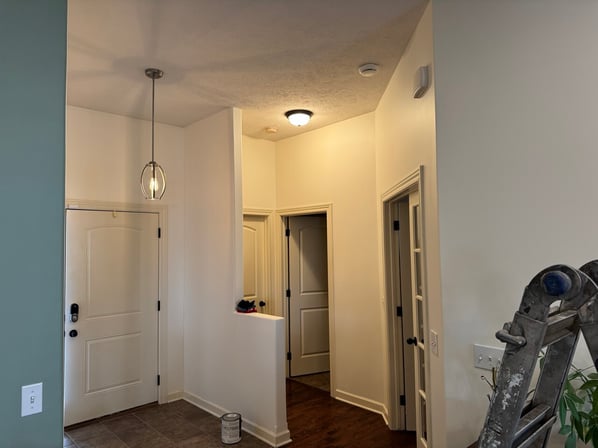
What colors work best for walls and trim being the same?
Soft neutrals, warm whites, and muted tones tend to work best because they are easy to live with across all surfaces.
Popular choices we see in Omaha homes include:
- Warm whites
- Light greiges
- Soft greens
- Muted blues
- Earth-toned neutrals
These colors:
- Reflect light well
- Hide minor imperfections better
- Stay consistent throughout the day
Very dark colors can still work, but they require more planning, especially with lighting and sheen differences.
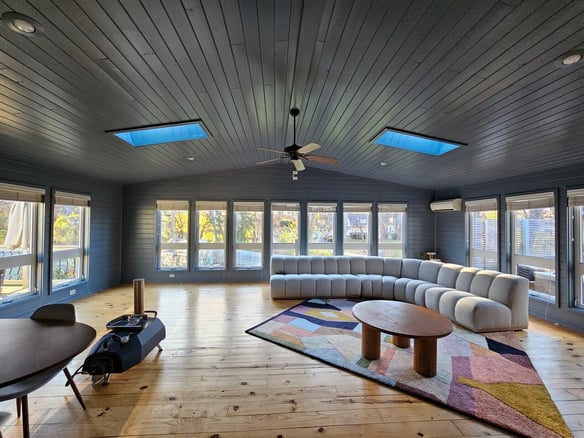
Will the room look flat if everything is the same color?
No, not if the right finishes and lighting are used. Differences in sheen and natural shadows still create depth.
Even with the same color:
- Trim often has a slight sheen difference
- Light hits walls and woodwork differently
- Shadows create natural variation
For example, a window frame will still catch light differently than a wall, even if they match in color.
This keeps the room from feeling flat while still giving that smooth, connected look.
Is this style harder or easier to maintain?
It can be easier to maintain because touch-ups blend better, and there are fewer color breaks to worry about.
With traditional white trim:
- Touch-ups must match perfectly against a different wall color
- Chips or scuffs stand out more
With one color:
- Repairs blend more easily
- Small imperfections are less noticeable
That said, durability still depends on using the right products, especially on trim.
Frequently Asked Questions About Matching Wall & Trim Color
Is painting walls and trim the same color more expensive?
Not necessarily. In some cases, it can be slightly more efficient, but the cost mostly depends on prep work and product quality.
Can I still have contrast in the room?
Yes, contrast can come from furniture, flooring, lighting, and decor instead of paint color differences.
Should ceilings be the same color, too?
Sometimes. Some homeowners carry the color onto the ceiling for a full look, while others keep ceilings lighter for balance.
Does this work with stained wood trim?
It can, but it requires more prep, including sanding and priming, to ensure proper adhesion and a smooth finish.
How do I choose the right sheen for walls and trim?
Walls usually use a lower sheen, while trim uses a higher sheen for durability and easier cleaning.
Interior Wall Painting in Omaha, NE
If you’ve been feeling like your space looks disconnected or a little outdated, this approach offers a simple way to bring everything together. You’ve seen why homeowners are choosing it, how it changes the feel of a room, and what to expect when it comes to products and prep.
At Brush & Roll Painting, we’ve been helping Omaha homeowners make these kinds of decisions since 1996. Our role is to guide, answer questions, and help you understand what will work best for your home.
If you’re ready to take the next step, click the button below to get a quote and talk through your space.

If you’re still in the planning stage, a great place to start is at our interior painting pricing calculator. It can help you get a rough idea of the cost of your specific project before moving forward.

-May-22-2026-01-56-32-9736-PM.png?width=800&height=418&name=Blog%20Post%20Image%20Size%20(1)-May-22-2026-01-56-32-9736-PM.png)
-May-15-2026-04-54-24-9954-PM.png?width=800&height=418&name=Blog%20Post%20Image%20Size%20(1)-May-15-2026-04-54-24-9954-PM.png)
-Sep-20-2024-01-43-26-0356-PM.png?width=800&height=418&name=Blog%20Post%20Image%20Size%20(2)-Sep-20-2024-01-43-26-0356-PM.png)