You just painted a wall, stepped back, and something feels off. Some spots look dull, others look shiny. Maybe you can even see roller marks or patches where the paint seems uneven. It’s frustrating, especially after putting in time, money, and effort. Many homeowners in Omaha run into this and assume the paint is bad or the color is wrong.
At Brush & Roll Painting, we’ve been helping Omaha homeowners with interior painting projects since 1996. Over the years, we’ve seen just about every paint issue you can imagine, including one of the most common and misunderstood problems, flashing. It shows up in homes of all ages, from brand new builds to older homes with patched drywall.
In this article, you’ll learn exactly what flashing means in painting, why it happens, how to prevent it, and what to do if you already see it on your walls. By the end, you’ll know how to spot flashing early, avoid common mistakes, and decide whether it’s something you can fix or something worth calling a professional for.
What does flashing mean in painting walls?
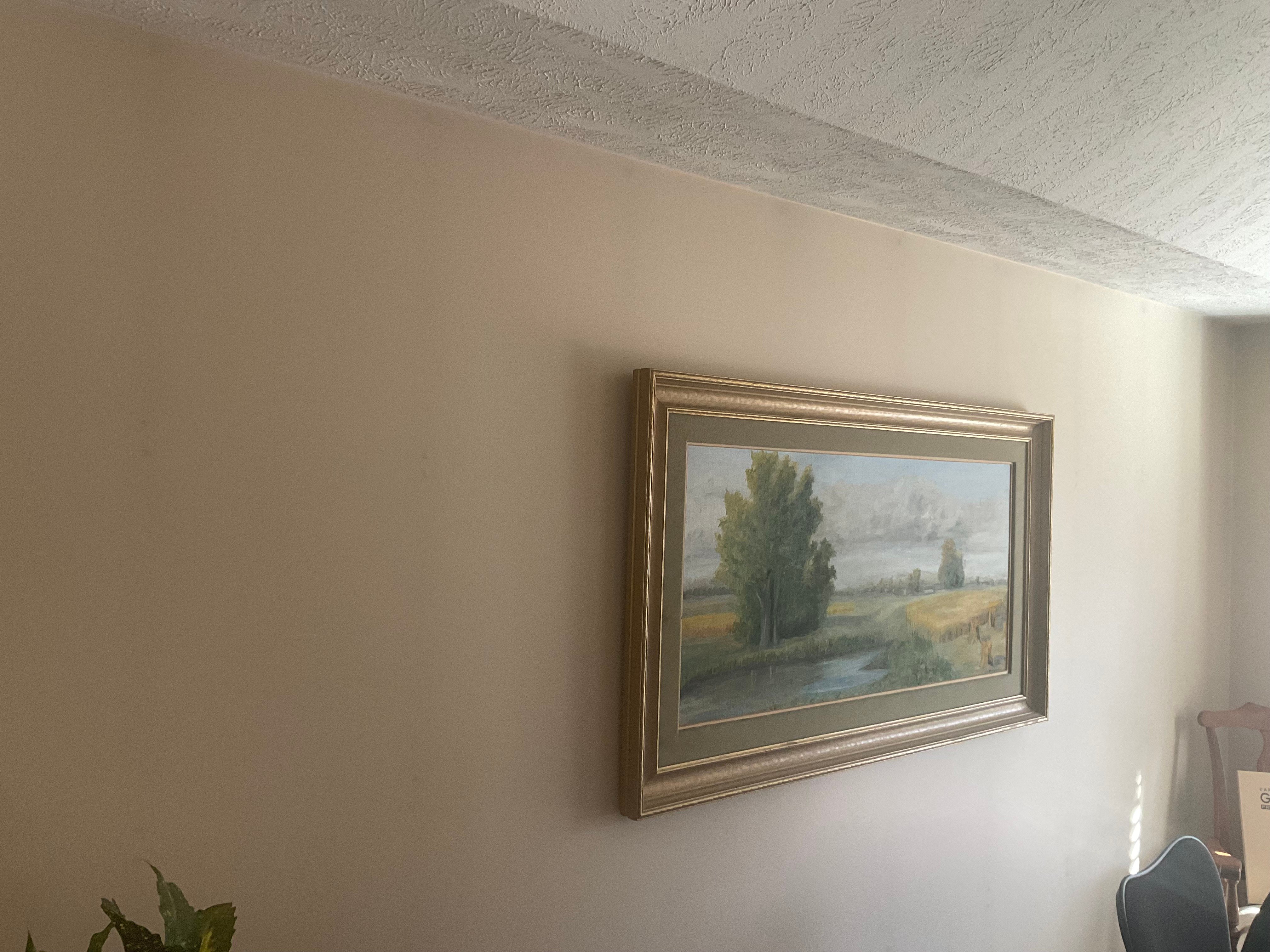
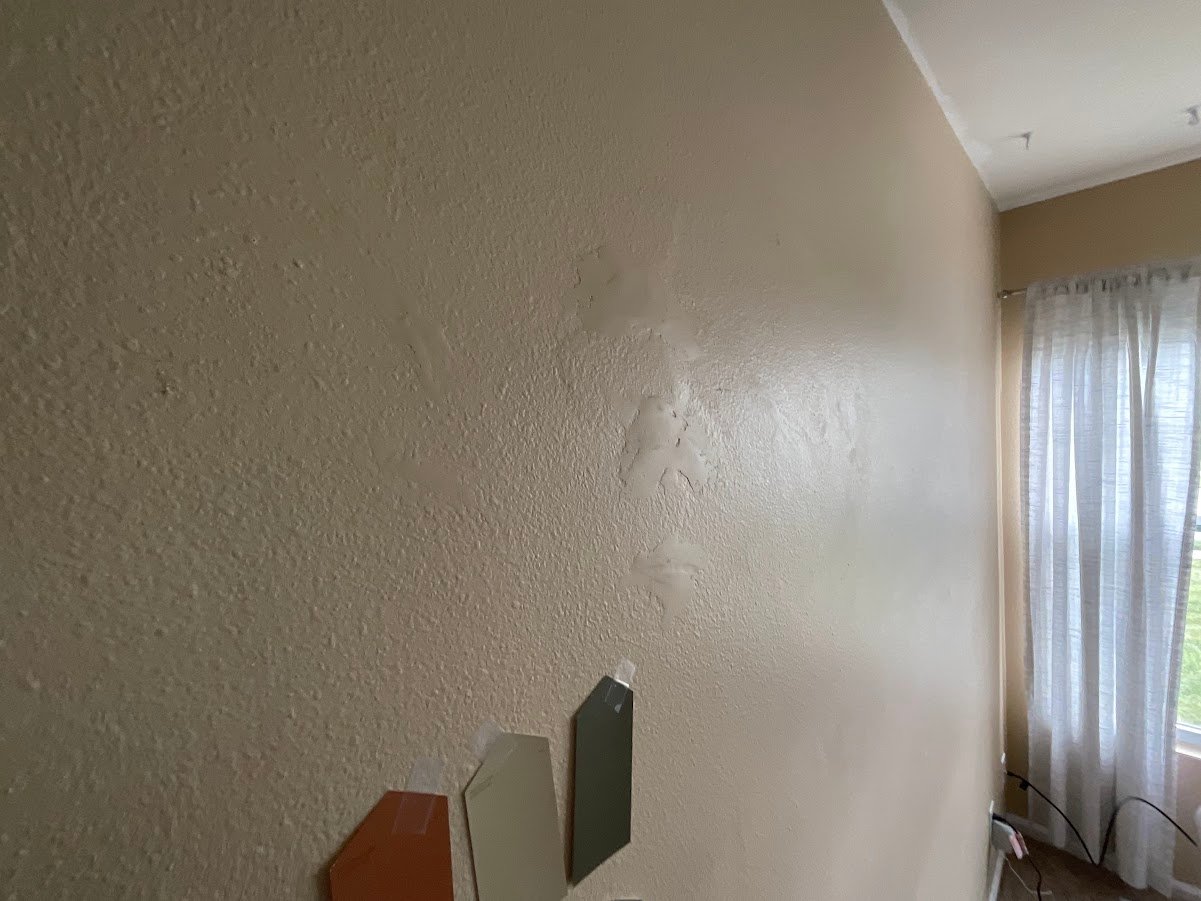
Flashing is when certain areas of a painted wall reflect light differently, making them look shinier or duller than the rest of the surface. It usually shows up as patches, streaks, or uneven spots after the paint dries.
In simple terms, flashing happens when paint doesn’t absorb evenly into the wall.
This uneven absorption changes how light hits the surface. Even though the color may technically match, the finish does not, which is why it stands out.
You’ll often notice flashing:
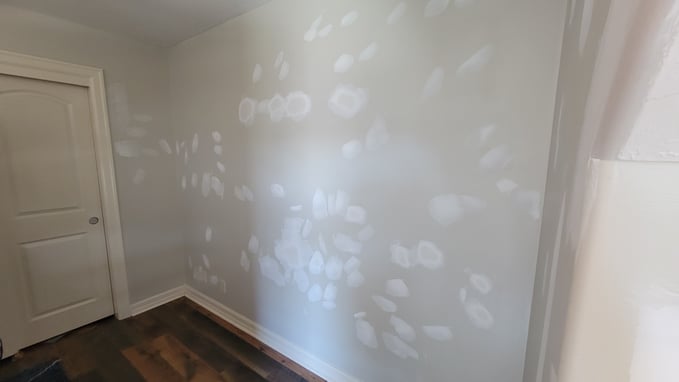
- Around patched areas
- Along roller lines
- In corners or edges
- On walls with previous repairs
-May-15-2026-04-54-24-9954-PM.png?width=548&height=287&name=Blog%20Post%20Image%20Size%20(1)-May-15-2026-04-54-24-9954-PM.png)
What causes flashing on interior walls after painting?
Flashing is almost always caused by uneven surface preparation or inconsistent application. It is not usually the fault of the paint itself.
Here are the most common causes homeowners in Omaha run into:
1. Patching without priming
If you patch drywall and skip primer on top of the spot, that patch will absorb paint differently from the surrounding wall. The result is a dull or shiny spot that stands out.
Think of it like this:
- A dry sponge soaks up water quickly
- A damp sponge does not
Your wall behaves the same way when paint is applied.
2. Using low-quality paint
Lower-quality paints often lack the resins needed to create a consistent finish. This can lead to uneven sheen, even if the color looks correct.
3. Uneven roller pressure
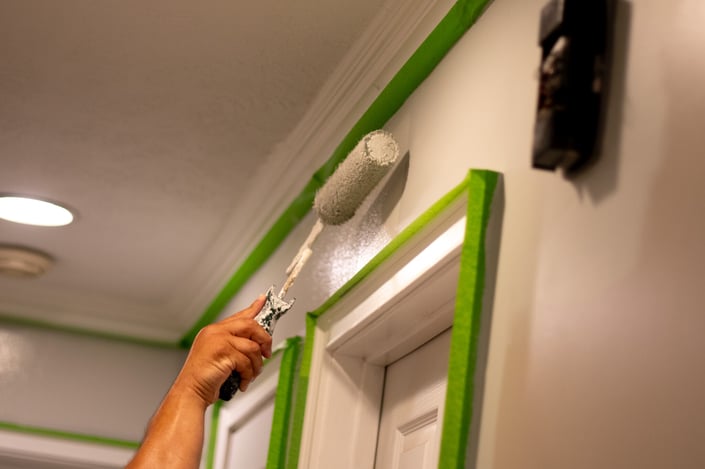
Pressing too hard in some areas and too lightly in others can cause the paint film to vary in thickness. Thicker areas reflect light differently from thinner ones.
4. Not keeping a wet edge
If paint starts drying before you overlap your next roller pass, it can create visible lap marks, which show up as flashing.
5. Painting over different textures
Walls that have been repaired, sanded, or partially skim-coated may have slight texture differences. These small variations can affect how paint dries and reflects light.

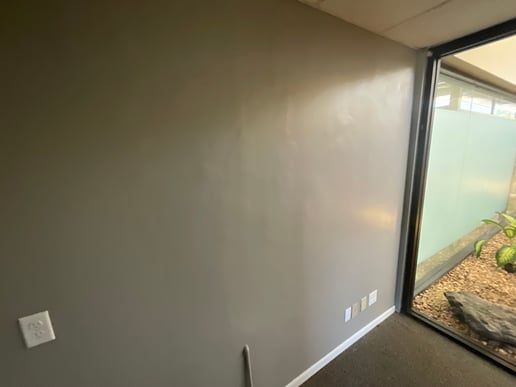
What does flashing look like on painted walls?
Flashing usually appears as blotchy, uneven areas that catch light differently than the rest of the wall. It is often more noticeable in natural light or when lights are turned on at certain angles.
Common signs include:
- Dull patches next to slightly shiny areas
- Visible roller marks
- Spotty appearance on repaired sections
- Uneven sheen when viewed from the side
A lot of homeowners notice flashing during the day when sunlight hits the wall directly. At night, under softer lighting, it may not be as obvious.
Does flashing mean the paint job was done incorrectly?
Not always, some experienced painters may experience flashing while doing the necessary prep work steps and using high-quality products. However, some of the time, it points to preparation or application issues.
Flashing can happen even with good intentions, especially in DIY projects. Painting is one of those things that looks simple but has a lot of small details that matter.
In many cases, flashing comes down to:
- Skipping primer
- Rushing the job
- Using the wrong tools
- Not applying enough coats
Professional painters focus heavily on prep work because it directly affects how the final result looks.
How do you fix flashing on painted walls?
Fixing flashing usually requires repainting the affected area properly. Spot fixes rarely work.
Here’s the general approach:
Step 1: Identify the problem areas
Look for patches, roller marks, or areas with different sheen levels.
Step 2: Sand if needed
Lightly sand the surface to even out texture differences.
Step 3: Prime the entire area
This is key. Primer helps create a uniform surface so paint absorbs evenly.
Step 4: Repaint the full wall
Instead of touching up small spots, repaint the entire wall from corner to corner. This helps create a consistent finish.
Can you fix flashing with touch-up paint?
Usually, touching up a flashing spot of paint with more paint doesn’t help.
Touch-ups tend to make flashing worse because:
- The new paint sits on top differently
- The sheen might not match exactly
- Edges of the touch-up area become visible
For best results, sanding, priming, and repainting the entire wall is almost always the right move.
How do you prevent flashing when painting interior walls?
Preventing flashing comes down to preparation and consistency.
Here are the most reliable ways to avoid it:
Always use primer on patches
Any time you repair drywall, apply primer before painting.
Use high-quality paint
Better paint creates a more even finish and reduces sheen differences.
Apply consistent roller pressure
Keep your strokes smooth and even. Avoid pressing too hard.
Work in sections and keep a wet edge
Roll one section at a time and overlap while the paint is still wet.
Apply two full coats
One coat is rarely enough for a consistent finish, especially on interior walls.
Is flashing more common with certain paint finishes?
Yes, some finishes show flashing more than others.
Higher sheen paints reflect more light, which makes imperfections easier to see.
Here’s a general breakdown:
- Flat paint: least likely to show flashing
- Eggshell: moderate risk
- Satin: more noticeable
- Semi-gloss: very noticeable
That does not mean you should avoid higher sheen paints, especially in kitchens or bathrooms. It just means prep work becomes even more important.
Why does flashing show up more in certain lighting?
Lighting plays a huge role in how flashing appears.
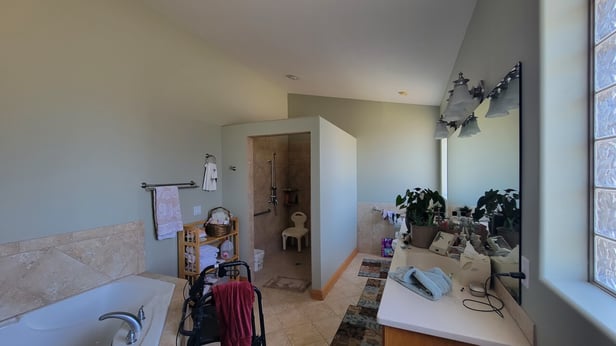
Natural sunlight, especially from windows, can highlight even small differences in sheen. Artificial lighting placed at an angle can do the same.
This is why a wall may look fine at night but uneven during the day.
In Omaha homes, large windows and seasonal sunlight changes can make flashing more noticeable at certain times of year.
Should you hire a painter to fix flashing?
If you’re frustrated or unsure how to fix it, hiring a painter is often the best next step.
Flashing can be tricky because:
- The root cause is not always obvious
- Fixing it requires proper prep and repainting
- Small mistakes can make it worse
A professional painter will:
- Identify the cause
- Prepare the surface correctly
- Apply paint evenly for a consistent finish
That said, if you enjoy DIY projects and are willing to take your time, it is possible to fix it yourself with the right approach.
FAQ: Flashing in Interior Painting
Why does my wall look patchy after painting?
Patchy walls are usually caused by uneven absorption of paint. This often happens when patches were not primed or when paint was applied unevenly.
Will a second coat fix flashing?
Sometimes, but not always. If the issue is due to a lack of primer, a second coat alone may not solve it.
Can primer stop flashing completely?
Primer greatly reduces the risk of flashing by creating a uniform surface. It is one of the most important steps in preventing it.
Does cheap paint cause flashing?
Lower-quality paint can contribute to flashing because it may not spread or level evenly.
Why do I see roller marks after painting?
Roller marks can be a form of flashing caused by uneven pressure or letting paint dry too quickly between passes.
Interior Painting in Omaha, NE
If your walls look uneven after painting, flashing is often the reason. It can leave homeowners in Omaha feeling frustrated, especially after putting in the effort to get things right.
The good news is that once you understand what flashing is and what causes it, the solution becomes much clearer. Proper prep work, using primer, applying paint evenly, and repainting full sections instead of touching up small spots all go a long way in creating a smooth, consistent finish.
At Brush & Roll Painting, we’ve helped homeowners in Omaha work through issues like flashing for decades. Our goal is always to help you understand what’s happening so you can make the best decision for your home.
If you’re dealing with flashing and want help getting it fixed the right way, click the button below to get a quote.

If you’re still exploring your options, you can also check out an interior painting pricing calculator to get a better idea of what your project might cost before making a decision.

%202.jpeg?width=564&height=564&name=Scheppers%20After%2070%20(1)%202.jpeg)