-May-15-2026-04-54-24-9954-PM.png?width=800&height=418&name=Blog%20Post%20Image%20Size%20(1)-May-15-2026-04-54-24-9954-PM.png)
The decision of whether to DIY your interior painting or hire a professional depends on the complexity of the project, your available time, and your desired finish quality.
- DIY generally has a lower initial cost and is suitable for simple wall repainting in smaller rooms. However, it requires significant time for prep and labor, carries the risk of mistakes like roller marks and patchy coverage, and can be physically demanding, especially when painting ceilings or detailed trim.
- Hiring a professional costs more upfront but offers a faster, more predictable process, superior prep work, and a cleaner, smoother, and more durable finish. It is highly recommended for projects involving ceilings, trim, wall repairs, high walls, difficult color changes, or multiple rooms, or when finish quality is a high priority.
If you are trying to decide between hiring a painter or doing your own interior painting, the honest answer is that it depends on your home, your goals, and how much time and patience you have. Some Omaha homeowners can handle a simple wall painting project on their own. Others will save time, stress, and money in the long run by hiring a professional.
Painting sounds simple until you are standing in your living room with patchy walls, roller marks, paint on the trim, and a project that is taking much longer than you thought it would. A lot of homeowners start out thinking, “It’s just paint.” Then they find out that ceilings are harder than expected, trim takes a very steady hand, and prepping the room takes almost as long as the painting itself.
At Brush & Roll Painting, we have served Omaha area homeowners since 1996. We have worked on all kinds of interior projects, from single bedrooms to full homes, from simple wall repaints to detailed trim and ceiling work. That experience gives us a good view of where DIY can work well and where homeowners tend to run into trouble. We also believe homeowners deserve clear, honest information so they can make the best decision for their own home.
In this article, you will learn the real pros and cons of hiring a painter vs DIY for interior walls, ceilings, trim, and mixed interior painting projects. You will also learn how to think through cost, time, stress, finish quality, and when each option makes the most sense. By the end, you should feel more confident about which path fits your home and your situation.
Is it cheaper to DIY interior painting or hire a painter?
DIY interior painting usually costs much less up front, but that does not always mean it is the better value. Hiring a painter costs more at the start, yet it can save time, reduce mistakes, and give you a cleaner result that lasts longer.
This is one of the biggest questions Omaha homeowners ask, and for good reason. Budget matters. When you paint your own walls, ceilings, or trim, you are mainly paying for materials, tools, and your own time. That can look much cheaper on paper.
But the full picture is a little bigger than that.
With DIY, your costs may include:
- Paint
- Primer
- Brushes and rollers
- Roller frames and extension poles
- Painter’s tape
- Drop cloths
- Plastic
- Patch materials
- Sanding blocks
- Caulk
- Ladders or step stools
- Cleaning supplies
If you already own some of those items, that helps. If not, the total can add up quickly, especially if you are painting more than just a bedroom wall.
Hiring a painter usually includes labor, materials, prep work, masking, patching, cleanup, and experience. You are not just paying for paint on the wall. You are paying for a finished project and for not having to carry the whole job yourself.
A simple example is a guest bedroom with only walls. That may be a reasonable DIY project for some homeowners. But if the same room also needs ceiling work, baseboards, window trim, closet doors, wall repairs, and a color change, the project becomes much more demanding.
So yes, DIY is often cheaper up front. Hiring a painter is often easier, faster, and more predictable.
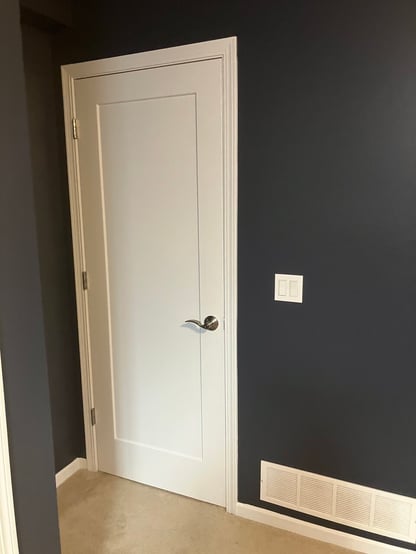
Is DIY interior wall painting realistic for most homeowners?
DIY wall painting is realistic for some homeowners, especially if the project is simple and the walls are in good condition. It gets harder when the room needs repairs, major color changes, or when multiple surfaces are involved.
Walls are usually the easiest part of an interior painting project. That is why many homeowners start there. If you are painting one or two walls in a spare bedroom with the same color family, and the walls are smooth and clean, you may be able to get a result you feel good about.
But walls still come with challenges.
Common DIY wall painting problems include:
- Roller marks
- Lap lines
- Patchy coverage
- Missed spots
- Paint splatter
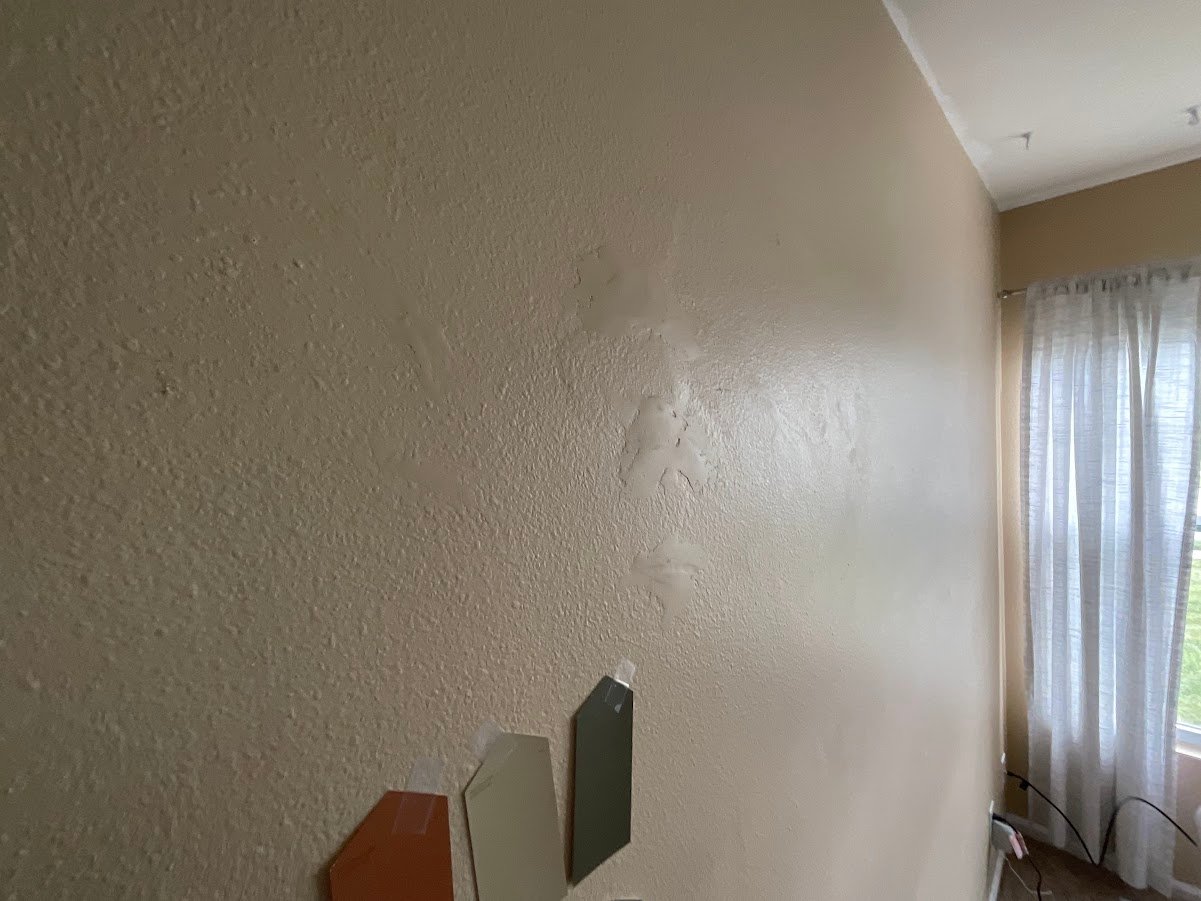
- Rough repairs showing through the finish
- Messy cut lines near ceilings, trim, or corners
A good comparison is mowing a lawn versus making it look like a golf course. Almost anyone can get paint on a wall. Getting it to look smooth, even, and clean is a different level.
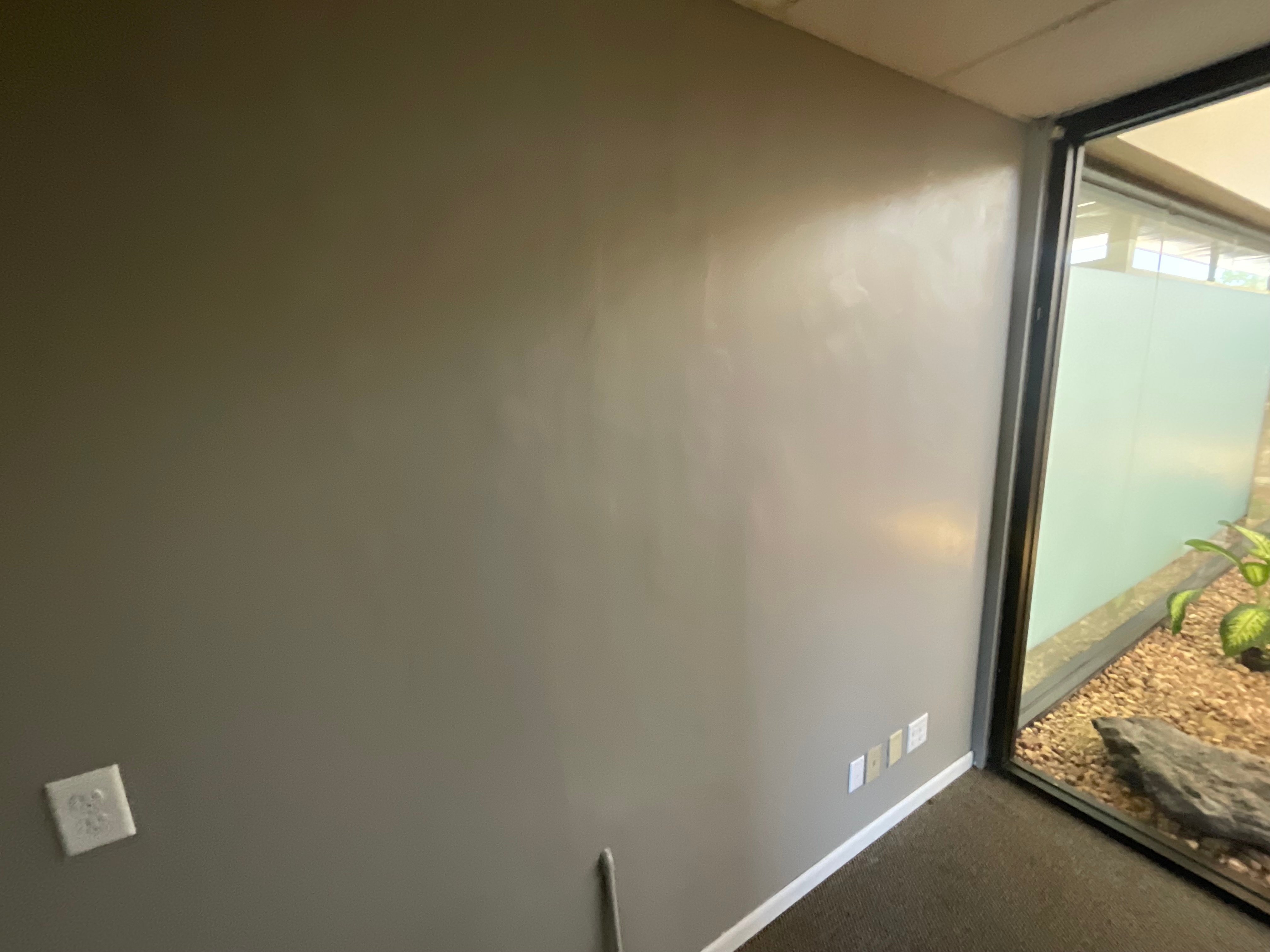
This matters even more in Omaha homes with strong natural light. Light from large windows can show every missed patch, uneven repair, and roller line. What looked fine at night can suddenly look very different at 10 a.m. with the blinds open.
If your goal is “good enough for now,” DIY walls may work. If your goal is a sharp, consistent finish throughout the room, hiring a painter becomes more appealing.
Why are ceilings harder to paint than walls?
Ceilings are harder because they are physically tiring, awkward to reach, and very easy to streak or splatter. They also show uneven sheen and overlap marks more than many homeowners expect.
A ceiling may look like a blank flat surface, but it often becomes a part of the project that homeowners regret doing themselves.
Here are a few reasons ceiling painting is more difficult:
- You are working over your head the entire time
- Neck, shoulder, and arm fatigue set in quickly
- Paint can drip or mist downward
- Light fixtures and ceiling fans create extra detail work
- Overlap lines can show if the paint is not applied evenly
- Ceiling stains may need the right primer first
Picture painting a wall while holding your arms above your head for long stretches. That gives you a good sense of why ceilings slow people down.
Older Omaha homes may also have textured ceilings, repaired cracks, stains from past moisture, or uneven surfaces. Those details can make a ceiling project much less beginner-friendly.
If you are only painting a very small ceiling and you are comfortable with the physical side of it, DIY may be fine. But if you are painting several ceilings, tall ceilings, or ceilings with stain issues, a professional can usually make the job much smoother.
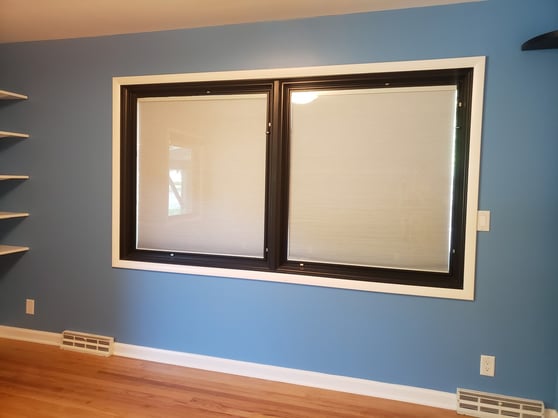
Is trim painting worth doing yourself?
Trim painting is one of the toughest interior painting tasks for DIY homeowners. It looks small, but it takes patience, steady hands, and strong prep work to make it look clean.
A lot of people underestimate trim. They think the walls are the big part, and trim is the easy finish step. In reality, trim can take a lot of time.
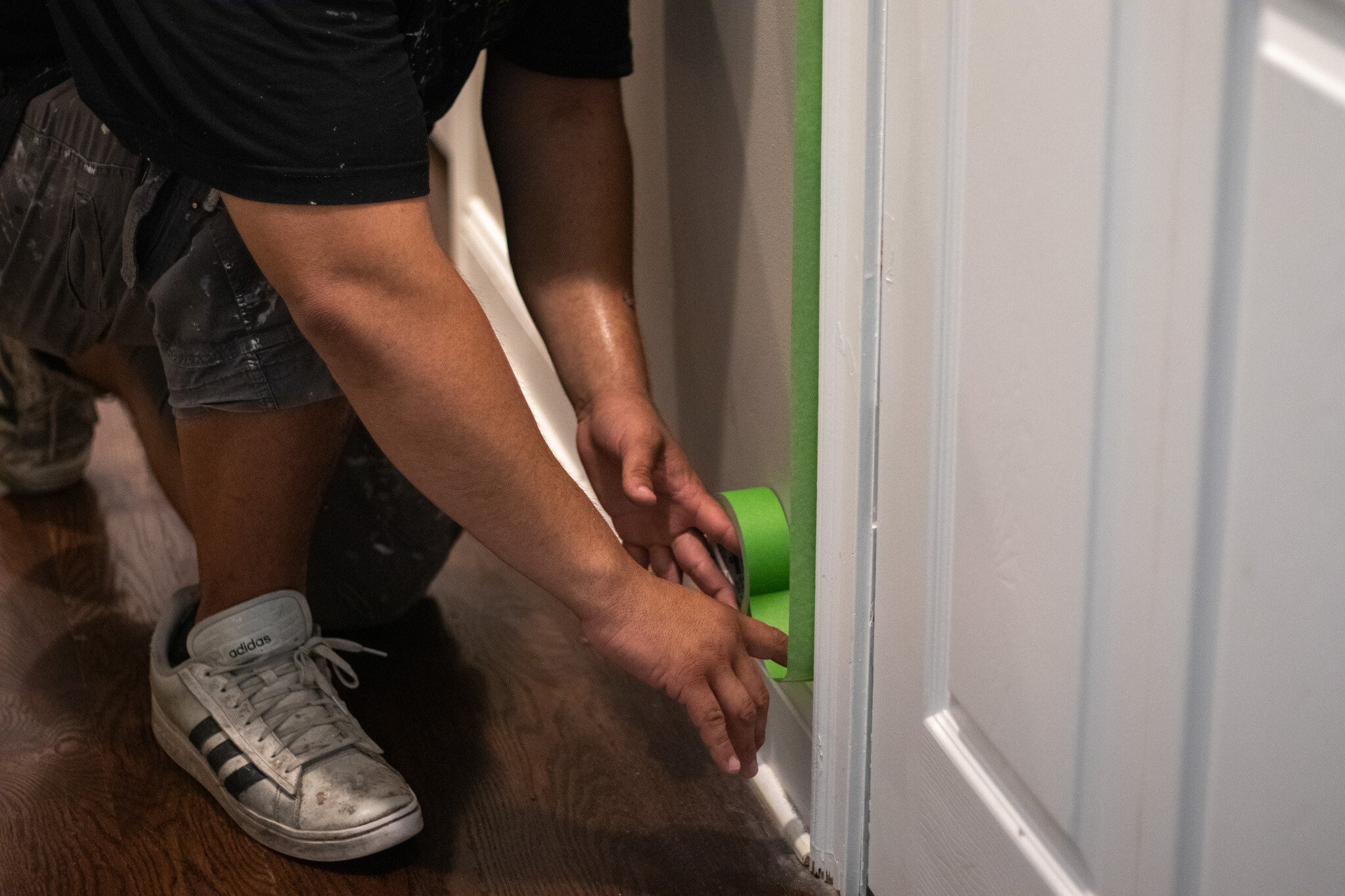
Baseboards, window trim, crown molding, and door casings all require careful prep and detail work. If the existing trim has dents, old drips, cracked caulk, or peeling spots, the finish will only look as good as the prep underneath it.
DIY trim painting often becomes frustrating because:
- Brush marks can show
- Drips can dry on the edges
- Tape does not always create perfect lines
- Old caulk lines may look rough
- Glossy surfaces may need sanding and proper bonding products
- Trim takes longer than homeowners expect
Think about painting trim like edging a yard with hand scissors instead of a mower. The job is possible, but it takes much more care than people think.
Trim is also closer to eye level than many ceilings, so small mistakes are easier to notice. If you want a polished, sharp finish around your home, trim is often where hiring a painter makes a big difference.

What are the pros of DIY interior painting?
DIY interior painting can be a good option when the project is small, the homeowner has time, and the finish does not need to be perfect. It also gives you direct control over the process.
For the right person and the right project, DIY has real benefits.
Pros of DIY interior painting
- Lower initial cost
- Flexible schedule
- Personal satisfaction
- Easy to do one room at a time
- Good option for simple wall repainting
- Useful for homeowners who enjoy hands-on projects
Some homeowners really do enjoy painting. They like working through a room over a weekend, choosing their own pace, and saving labor costs. If that sounds like you, DIY may be a good fit for certain spaces.
DIY can work especially well in low-pressure areas like:
- A spare bedroom
- A basement room
- A closet
- A wall with minor wear
- A room where appearance does not need to be perfect
The key is being honest about your time, your patience, and your standards.
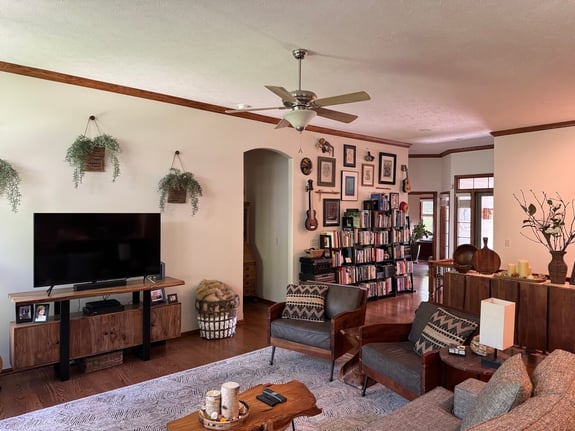
What are the cons of DIY interior painting?
DIY can save money, but it often costs more time, effort, and frustration than homeowners expect. Mistakes in prep or application can also affect how the finished room looks.
This is usually where the real tradeoff shows up.
Cons of DIY interior painting
- Takes up your spare time
- Time-consuming prep
- Physical fatigue
- Risk of mistakes
- More stress when juggling family or work schedules
- Possible need to redo parts of the project
- Harder to get clean-cut lines
- Challenging ceilings and trim
- Inconsistent finish quality
- Can be multiple trips to the paint store
- Unsure of what paint to use
Many homeowners also forget about the disruption. Furniture has to move. Floors need protection. Rooms may be out of use longer than expected. Supplies pile up. Half-finished rooms can linger if life gets busy.
A common example is a homeowner who plans to paint two bedrooms over a weekend. By Sunday night, one room is partly done, the second room has not been started, and now the work week begins again.
That does not mean DIY is bad. It just means the true cost is not only money. It is also time, physical effort, and the risk of a result you may not love.
What are the pros of hiring a painter for interior walls, ceilings, and/or trim?
Hiring a painter gives you experience, efficiency, and a cleaner finish. It can be especially helpful when the project includes multiple surfaces, repairs, detailed trim work, or rooms you want done with less disruption.
Professional painters bring systems to the job. That matters more than many homeowners realize.
Pros of hiring a painter
- Better prep work
- Faster project completion
- Cleaner lines and smoother finish
- Less mess for the homeowner to manage
- Help with problem areas like stains, repairs, or damaged trim
- Less physical strain on you
- More predictable process
- Warranty
- Free color consultation in your home
- Can handle hard-to-reach areas more easily
A painter is also more likely to notice and fix issues before painting starts, such as:
- Nail pops
- Cracked caulk
- Water stains
- Poor past repairs
- Surface adhesion problems
- Areas that need extra sanding or priming
That can help prevent the “why does this still look bad after painting?” problem.
For many Omaha homeowners, the biggest benefit is peace of mind. The project gets done, the home stays more functional, and there is less trial and error.
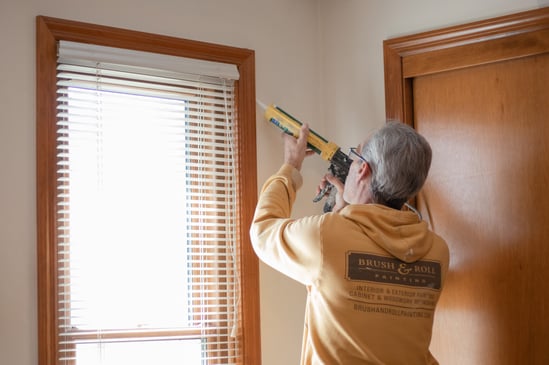
What are the cons of hiring a painter?
Hiring a painter costs more than doing it yourself, and not every painting company works the same way. Homeowners still need to compare estimates carefully and ask good questions.
The biggest downside is cost. There is no way around that. Labor is the main reason a professional project costs more.
Another challenge is that homeowners need to choose carefully. Not every painter handles prep, masking, repairs, or trim detail at the same level. One estimate may look lower because it includes less prep, fewer coats, or less detail work.
That is why comparison matters when you are searching for painters and getting quotes. You are not only comparing prices. You are comparing process, materials, scope, and expectations.
Hiring a painter is usually the easier route, but it still takes good decision-making on the front end.
When should you hire a painter instead of doing it yourself?
You should strongly consider hiring a painter when the project includes ceilings, trim, repairs, high walls, difficult colors, or multiple rooms. It is also a smart choice when time is limited, or you care a lot about finish quality.
DIY is often most successful when the project is simple. Hiring becomes more appealing when the stakes or complexity go up.
You may want to hire a painter if:
- You are painting trim and want crisp results
- You need ceilings painted
- Your walls need patching or repairs
- You are painting several rooms
- You are changing from dark to light colors
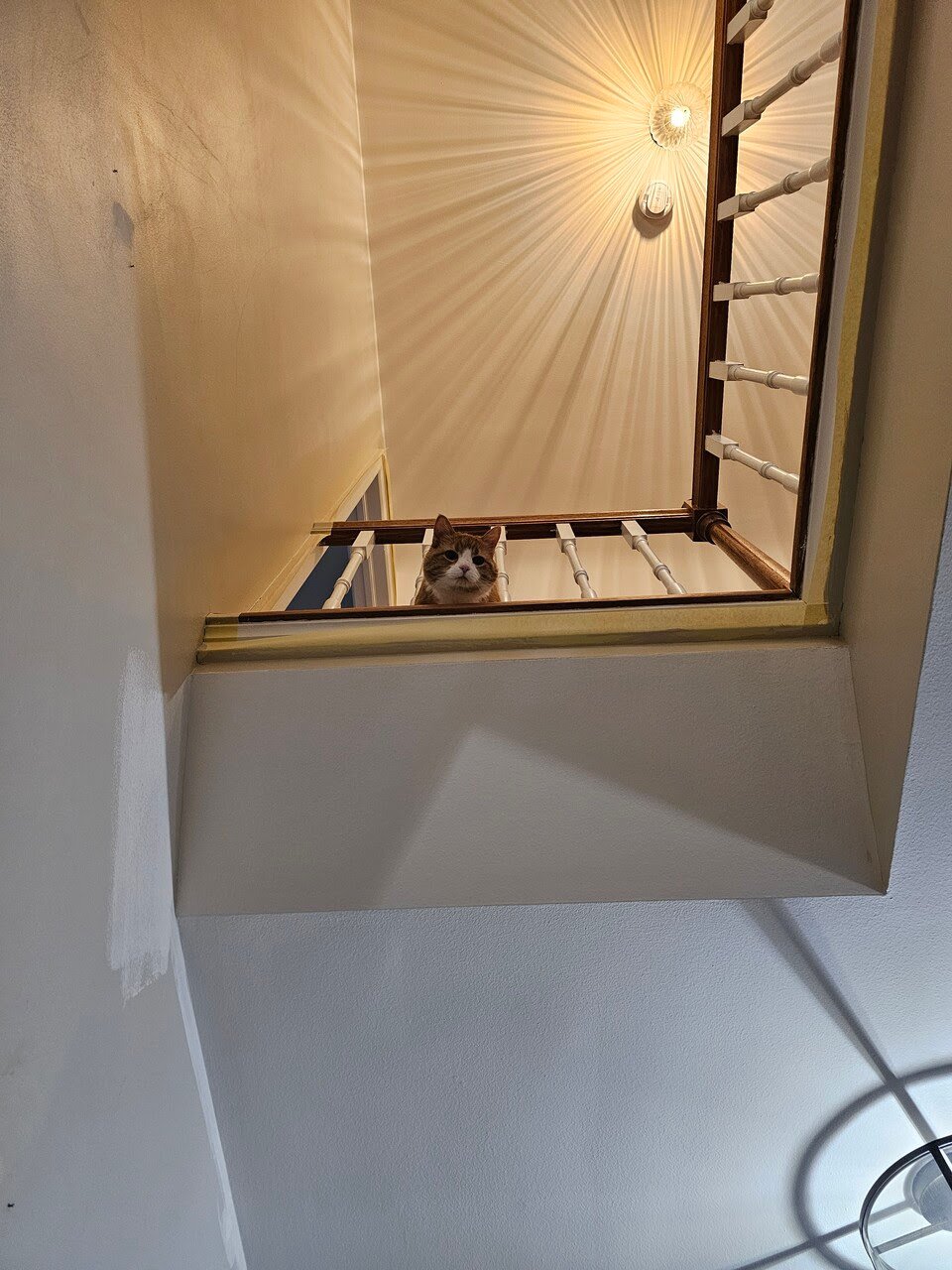
- Your home has high ceilings or stairwells
- You don’t need the project done super quickly (some painters are available soon, but some might have a wait list)
- You do not want your home disrupted for long
- You are preparing to sell your home
- You know you will be frustrated doing it yourself
That last point matters more than people think. Some homeowners are fully capable of painting, but they hate every minute of it. In that case, hiring may simply be the better choice.
How can Omaha homeowners choose between DIY and hiring a painter?
Start by looking at the size of the project, the surfaces involved, your available time, and how important the final finish is to you. Then be honest about what you want your home to look and feel like when the job is done.
Ask yourself:
- Is this just walls, or walls plus ceilings and trim?
- Do the surfaces need repairs first?
- How much free time do I really have?
- Will I be okay if the result looks decent, but not perfect?
- Am I comfortable cutting in and doing detail work?
- Do I want to spend my weekend painting?
- Will this project affect key rooms in the home?
If it is a small, low-pressure project, DIY may be worth trying. If it is a high-visibility space like a main living area, kitchen, stairwell, or home you are preparing to sell, hiring often makes more sense.
FAQ: Hiring a painter vs DIY for interior painting
Is it hard to paint interior walls yourself?
It can be manageable for a small room with good walls. It gets harder when there are repairs needed or color changes.
Should I paint my own trim or hire a painter?
Trim is one of the harder parts of interior painting. Many homeowners hire this out even if they paint the walls themselves.
Is ceiling painting worth hiring out?
For many people, yes. Ceilings are tiring, messy, and easier to streak than expected.
Can I DIY one room and hire a painter for the rest?
Yes. Some homeowners handle simple rooms on their own and hire a painter for detailed or high-visibility spaces.
What part of interior painting takes the longest?
Prep work and trim work often take longer than homeowners expect. Painting itself is only one part of the job.
Does hiring a painter help with wall repairs, too?
Often, yes, but every company handles repairs differently. Ask what is included before comparing estimates.
Hiring a painter vs DIY for interior painting in Omaha, NE
If you started this article feeling unsure about whether to hire a painter or do your own interior painting, hopefully, you now have a clearer way to think through it. Some interior painting projects are realistic for DIY, especially simple wall repaints in smaller rooms. Others, especially projects involving ceilings, trim, repairs, or multiple surfaces, are often better left to a professional.
At Brush & Roll Painting, we have served Omaha homeowners since 1996, and we know that every project is a little different. Some people only need a few walls painted. Others want ceilings, trim, and walls all updated together. The right choice comes down to your time, your budget, your tolerance for disruption, and the level of finish you want in your home.
If you are ready for help with your project, click the button below to get a quote.

If you are not ready to get a quote yet, a good next step is to check out an interior painting pricing calculator so you can start getting a better feel for costs and scope before making your decision.

-May-22-2026-01-56-32-9736-PM.png?width=800&height=418&name=Blog%20Post%20Image%20Size%20(1)-May-22-2026-01-56-32-9736-PM.png)
-Sep-20-2024-01-43-26-0356-PM.png?width=800&height=418&name=Blog%20Post%20Image%20Size%20(2)-Sep-20-2024-01-43-26-0356-PM.png)