Key Takeaways
- Peeling vs fading comes down to how the stain works: Peeling usually happens when the stain sits on top of the wood, like a solid stain. Fading happens when the stain soaks into the wood and wears down naturally over time.
- Prep work is the biggest reason decks fail early: If a deck is not cleaned, sanded, and fully dry before staining, the stain will not bond well. This is one of the most common causes of peeling.
- Omaha weather plays a major role in how stains perform: sun exposure, heat, moisture, and freeze-and-thaw cycles all break down stains. No product can fully avoid this, which is why maintenance matters.
- Decks need to be re-stained every 3 to 5 years: Even high-quality stains wear out. Some decks need attention sooner, depending on sun exposure and traffic.
- Peeling is harder to fix than fading: Fading can usually be maintained with cleaning and reapplication. Peeling often requires stripping or sanding, which adds time and cost.
If you’ve ever looked at your deck 2-3 years after staining and thought, “Why does this already look bad?” you’re not alone. Some decks start peeling in sheets. Others just slowly lose color and look dry and worn. It can feel frustrating, especially when you thought you chose the right product or hired the right painter.
At Brush & Roll Painting, we’ve been working on decks across Omaha since 1996. We’ve seen how different stains perform through hot summers, freezing winters, and everything in between. We’ve worked on decks that peel too soon and others that fade naturally over time. That experience gives us a clear understanding of what’s actually happening.
By the end of this article, you’ll understand why some deck stains peel while others fade, what that means for your deck, how Omaha weather plays a role, and what to expect when it comes to maintenance. You’ll also learn how to make better decisions when hiring a painter or choosing a stain.
Why Do Some Deck Stains Peel?
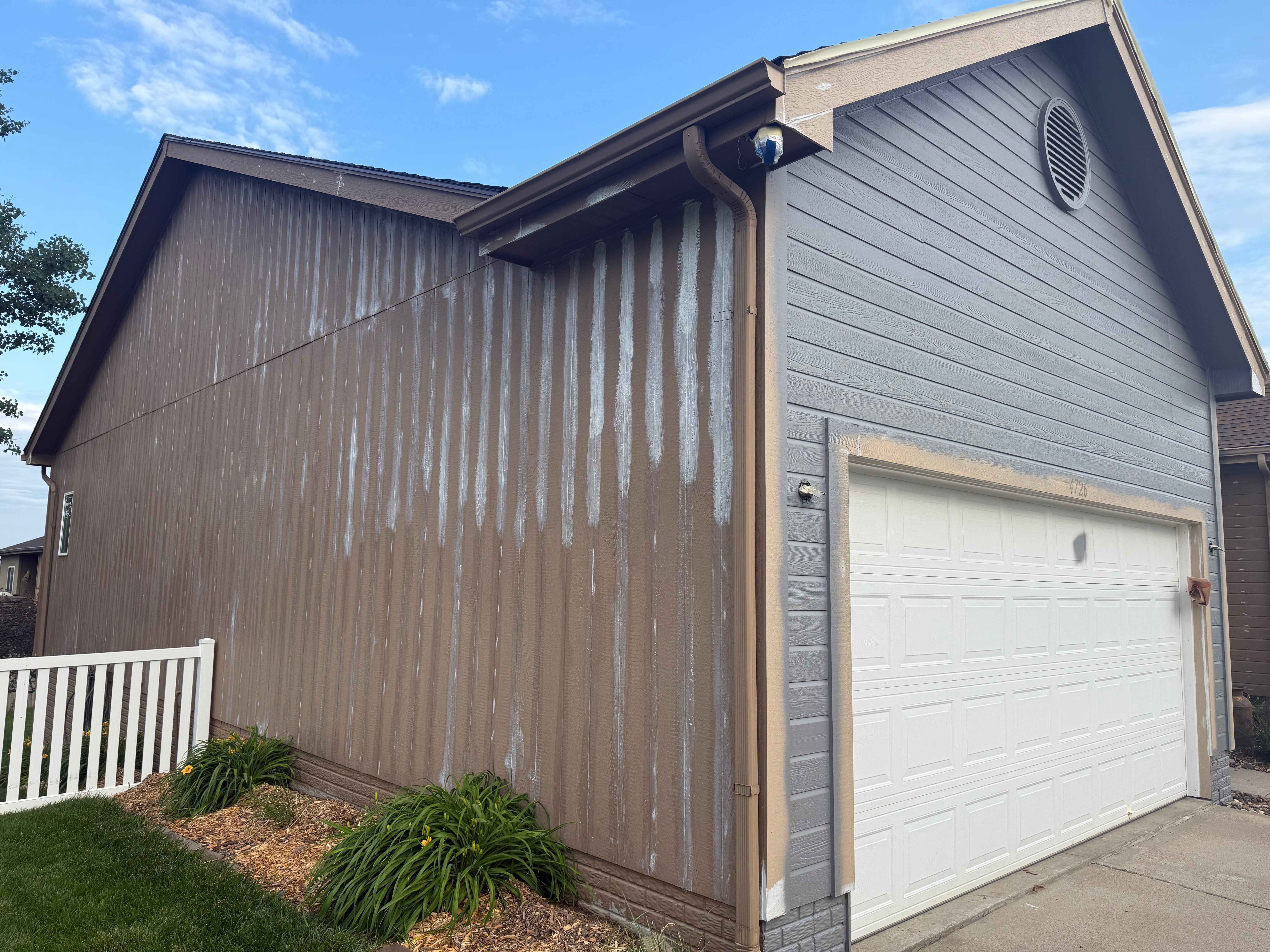
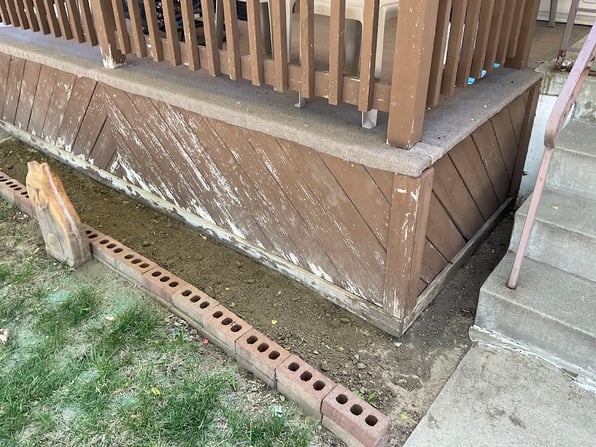
Peeling usually happens when a stain sits on top of the wood instead of soaking in.
Deck stains fall into two main categories:
- Film-forming stains, like solid stains, which look and behave like paint. Over time, that layer can lose adhesion and start to peel.
- Penetrating stains, like transparent or semi-transparent stains
What Causes Deck Stain Peeling?
Peeling is usually caused by poor prep, too much moisture, or using the wrong type of stain for the condition of the wood.
Here are the most common reasons decks peel:
1. The wood was not prepped properly
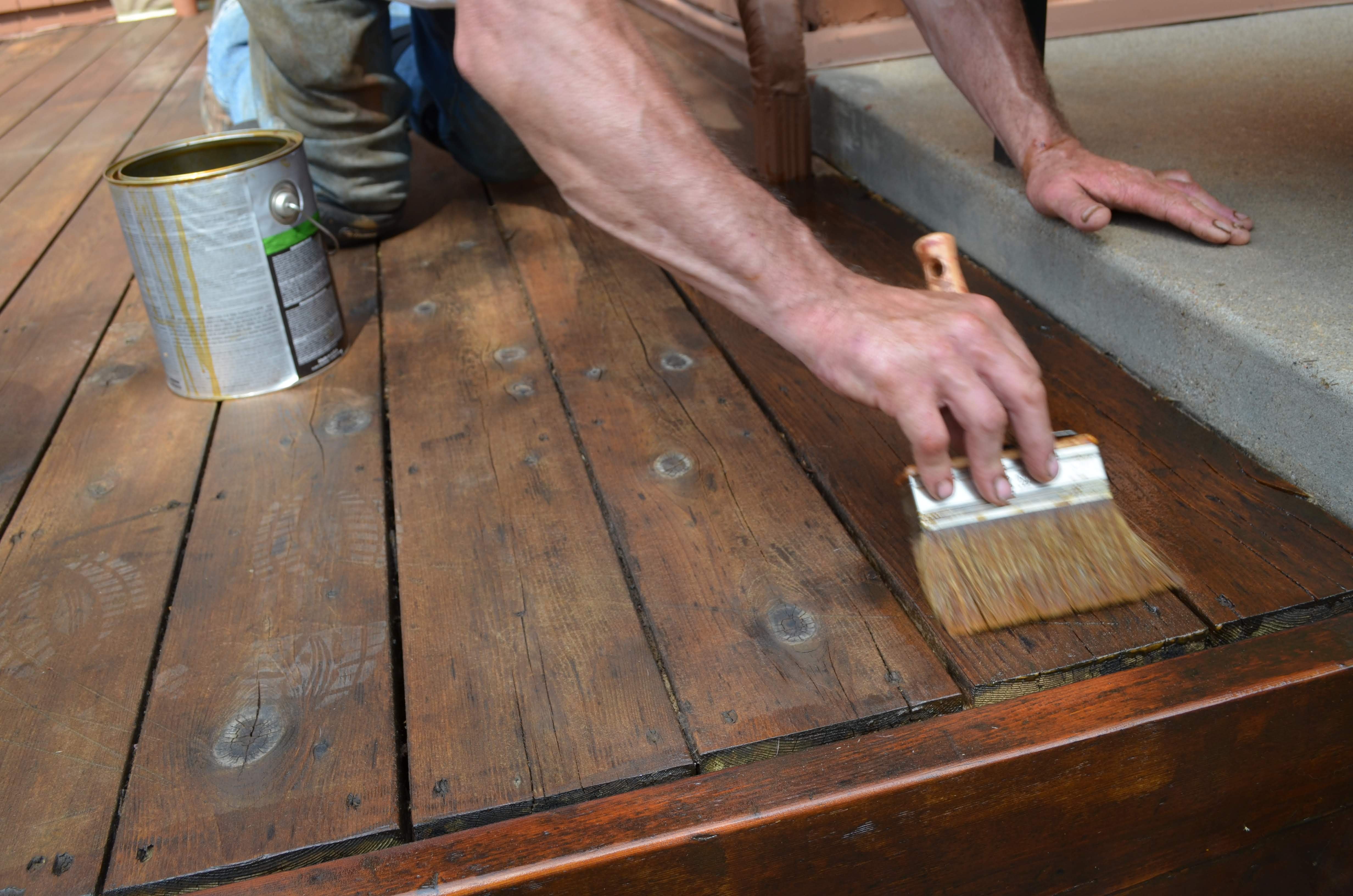
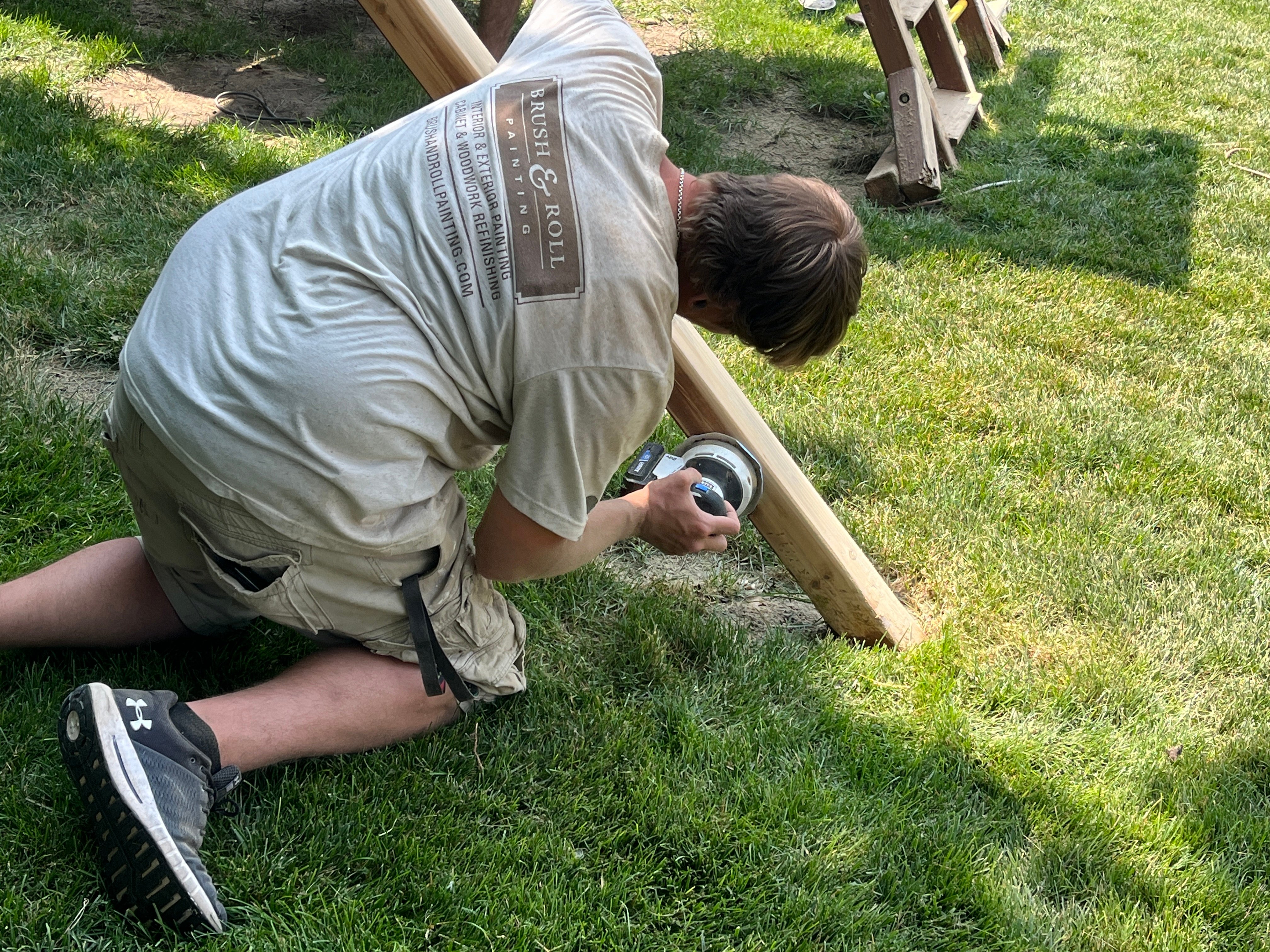
If a deck is not cleaned or sanded before staining, the stain cannot bond well.
Common prep issues include:
- Dirt or mildew left on the surface (not cleaned properly)
- Boards that were never sanded
In Omaha, many decks go through multiple seasons before being restained. If prep is skipped, the new stain sits on top of a weak surface.
2. Moisture gets trapped under the stain
Wood needs to breathe. If moisture gets trapped under a film-forming stain, it pushes the stain up and causes peeling.
This can happen when:
- The deck was stained too soon after rain or power washing
- Sprinklers hit the deck regularly
- Snow and ice sit on the surface in winter
Omaha’s freeze and thaw cycles make this worse. Water expands when it freezes, which can break the bond between the stain and the wood.
3. The wrong stain was used for the deck
Not all decks are in the same condition.
For example:
- Older, rough wood may need a penetrating stain
- Previously painted or solid-stained decks often need to stay in that system
Switching from one type to another without proper prep can lead to failure.
Why Do Some Deck Stains Fade?
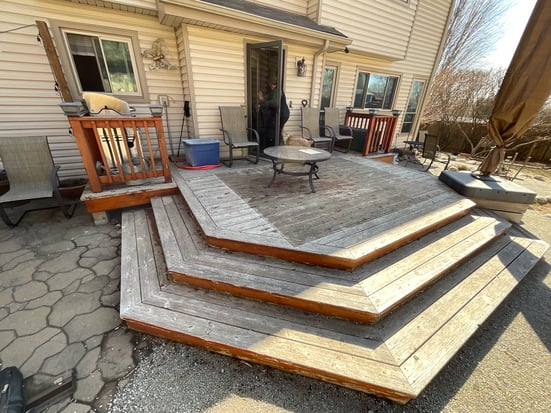
Fading happens when a penetrating stain absorbs into the wood and slowly breaks down from sun exposure and use.
Fading is actually a more natural and expected outcome.
Here’s why:
1. The stain soaks into the wood
Penetrating stains do not sit on the surface. They go into the wood fibers.
Because of this:
- They don’t peel
- They wear away gradually
- They are easier to maintain
2. UV exposure breaks down the color
The sun is the biggest factor in fading.
In Omaha, decks face:
- Strong summer sun
- Long daylight hours
- Heat that dries out wood
Over time, UV rays break down the pigments in the stain. That’s why even high-quality stains will fade.
3. Foot traffic wears the surface down
Areas like stairs and main walkways fade faster.
You might notice:
- High traffic areas look lighter
- Railings hold color longer
- Covered areas fade more slowly
This uneven fading is normal.
How Often Should a Deck Be Stained in Omaha?
Most decks in Omaha need to be stained every 3 to 5 years, depending on exposure and use. Even the best stain does not last forever. Here’s what affects the timeline:
- Full sun exposure
- Type of stain used
- Quality of prep and application
- Foot traffic
- Weather conditions
A south-facing deck in full sun may need attention every 3 years. A shaded deck might stretch closer to 5.

Why Don’t Deck Stains Usually Come With a Warranty?
Decks are exposed to constant weather, sunlight, and use, which makes long-term guarantees difficult to offer.
Unlike siding or interior walls, decks take direct wear every day.
Factors that limit warranties include:
- UV exposure from the sun
- Snow, ice, and moisture
- Foot traffic and furniture movement
- Wood expansion and contraction
Because of this, most professional painters treat deck staining as a maintenance service rather than a one-time solution.
What Type of Deck Stain Is Best for Avoiding Peeling?
Penetrating stains are usually the safest option if you want to avoid peeling.
Here’s a simple breakdown:
Penetrating stains
- Soak into the wood
- Fade over time
- Easier to reapply
- Lower risk of peeling
Solid stains
- Sit on top of the wood
- Provide more color coverage
- Higher risk of peeling if prep is not done well
No matter which type you choose, prep work is the biggest factor.
That includes:
- Cleaning
- Repairing nails, damaged boards, and rotting wood
- Sanding
- Drying time
- Proper application
How Does Omaha Weather Affect Deck Stains?
Omaha’s weather is tough on decks, with heat, cold, moisture, and sun all playing a role.
Here’s how each season impacts your deck:
Summer
- Strong UV rays break down the stain
- Heat dries out wood
Fall and Spring
- Rain adds moisture
- Temperature swings cause expansion and contraction
Winter
- Snow and ice sit on the surface
- Freeze and thaw cycles damage coatings
This constant change is why maintenance is expected.
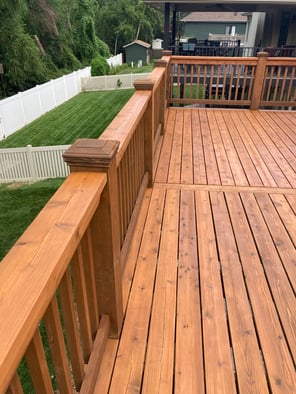
What Should Homeowners Look for When Hiring a Painter for Deck Staining?
Look for a painter who focuses on prep work, product choice, and realistic expectations.
Here are good questions to ask:
- How will you prep the deck before staining?
- Will you sand the surface?
- What type of stain are you recommending and why?
- How long should I expect it to last in Omaha?
- What kind of maintenance will be needed?
A good contractor will explain both peeling and fading and help you choose what fits your deck.
FAQ: Deck Stain Peeling vs Fading
Why is my deck stain peeling after one year?
This usually points to prep issues, moisture problems, or using a film-forming stain on a surface that wasn’t ready for it.
Is fading normal for deck stain?
Yes. Fading is expected, especially in sunny areas. It’s a sign the stain is wearing naturally.
Can I just paint over peeling stain?
No. Painting over peeling areas will not fix the problem. The surface needs to be properly prepped first.
How do I know if my deck needs to be restained?
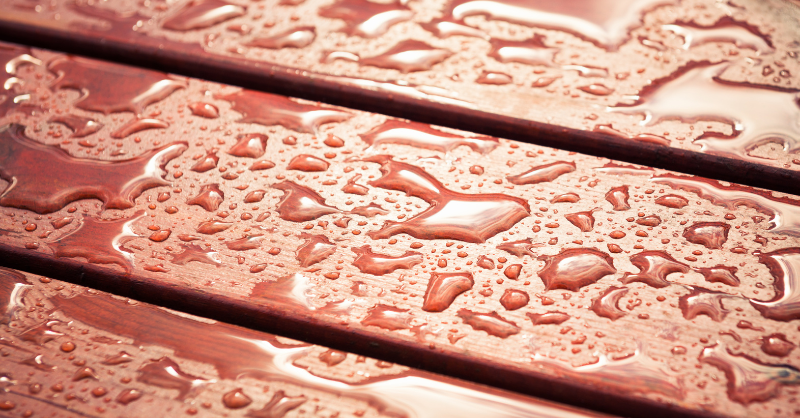
Look for signs like fading color, dry wood, or water soaking into the surface instead of beading up.
Should I choose a solid stain or a penetrating stain?
It depends on your deck’s condition and your goals. Penetrating stains are easier to maintain, while solid stains offer more coverage.
Wood Deck Staining in Omaha, NE
If you’ve been trying to figure out why your deck is peeling or fading, the answer usually comes down to how the stain interacts with the wood and how well the surface was prepared.
Peeling often means something went wrong, whether it was prep, moisture, or product choice. Fading, on the other hand, is a normal part of a deck’s life, especially in a place like Omaha, where weather plays a big role.
At Brush & Roll Painting, we’ve been helping homeowners work through these decisions since 1996. Our goal is always to give clear, honest information so you can make the right call for your home.
If you’re ready to take the next step, click the button below to get a quote.

If you’re still in the research phase, a great place to start is our deck staining pricing calculator. It can help you understand what to expect before talking to a deck staining painter or company in Omaha.

Topics:
-1.png?width=800&height=418&name=Blog%20Post%20Image%20Size%20(7)-1.png)


-Jul-23-2025-02-21-33-5468-PM.png?width=800&height=418&name=Blog%20Post%20Image%20Size%20(2)-Jul-23-2025-02-21-33-5468-PM.png)
-Nov-06-2024-10-28-07-6666-PM.png?width=800&height=418&name=Blog%20Post%20Image%20Size%20(3)-Nov-06-2024-10-28-07-6666-PM.png)