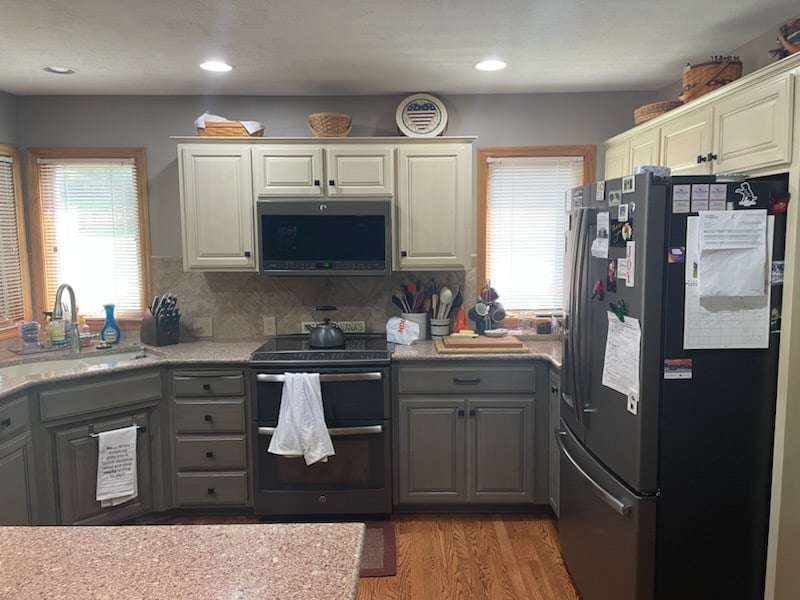
You finally pick out beautiful cabinet hardware. The finish looks great, the style fits your kitchen, and you are excited to see everything come together. Then someone asks a question that suddenly makes you pause.
Should cabinet handles go in the middle of the cabinet door frame like they were before? Should they go near the top/bottom? Are drawer pulls supposed to be centered on the surface?
Many homeowners in Omaha run into this exact question during a kitchen update or cabinet painting project. Hardware placement might seem like a small detail, yet it can completely change how cabinets look and feel when you use them every day.
At Brush & Roll Painting in Omaha, we have been working on residential painting and cabinet refinishing projects since 1996. Over the years, we have seen thousands of kitchens, from brand new cabinet installs to older homes updating their cabinets with paint and new hardware.
One thing we have learned is that hardware placement is one of the most common decisions homeowners struggle with. A small shift of an inch or two can change both the look and the comfort of your cabinets.
In this article, you will learn:
• Where cabinet handles are typically placed on doors and drawers
• Whether handles should go in the middle or near the edges
• How placement affects comfort and daily use
• Design differences between modern and traditional kitchens
• Tips painters and cabinet installers use to place hardware correctly
By the end, you will know exactly where cabinet hardware is supposed to go and how to choose the placement that works best for your kitchen.
Where Are Cabinet Handles Supposed to Go?
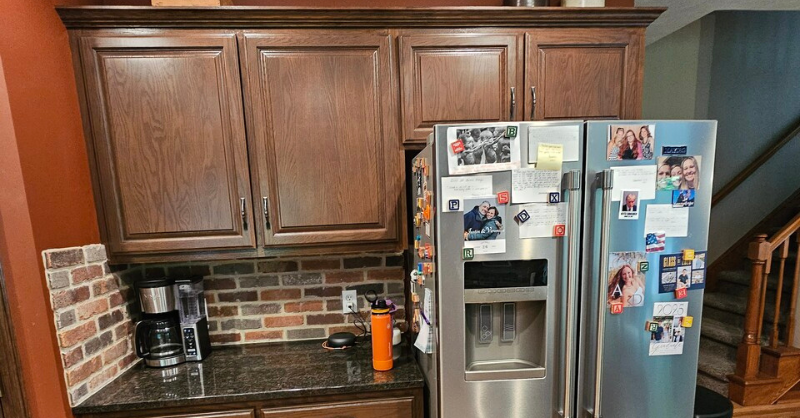
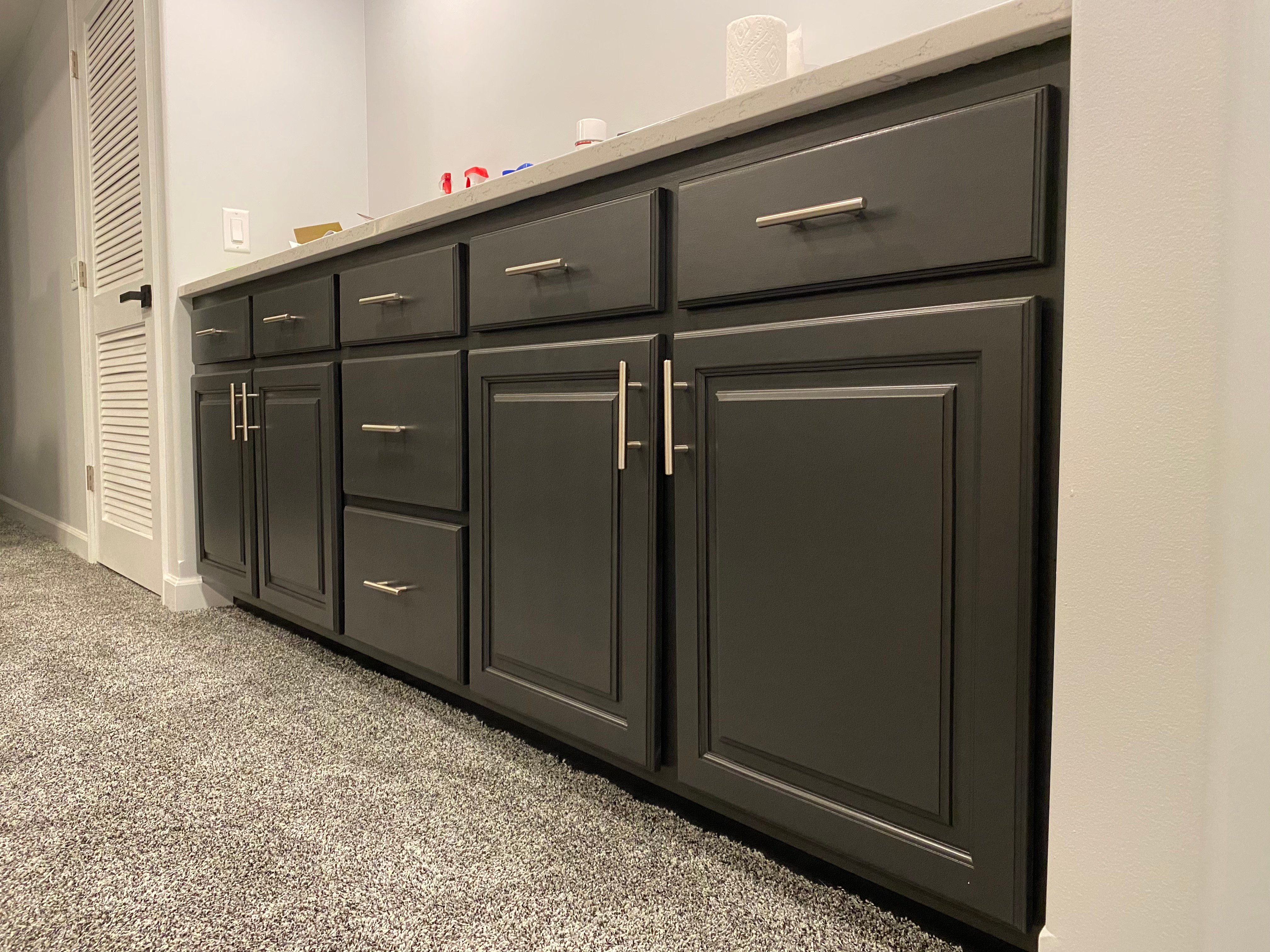
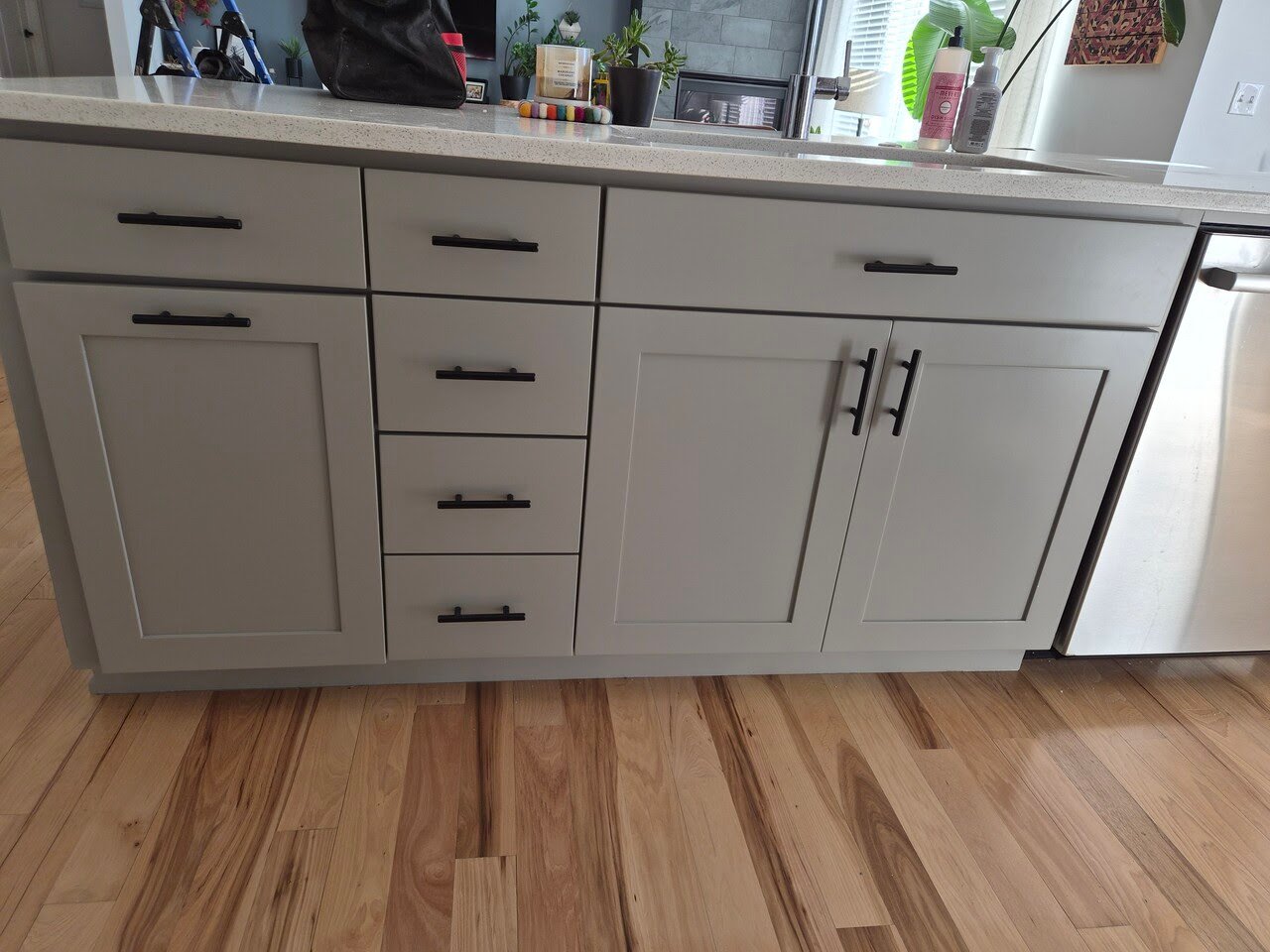
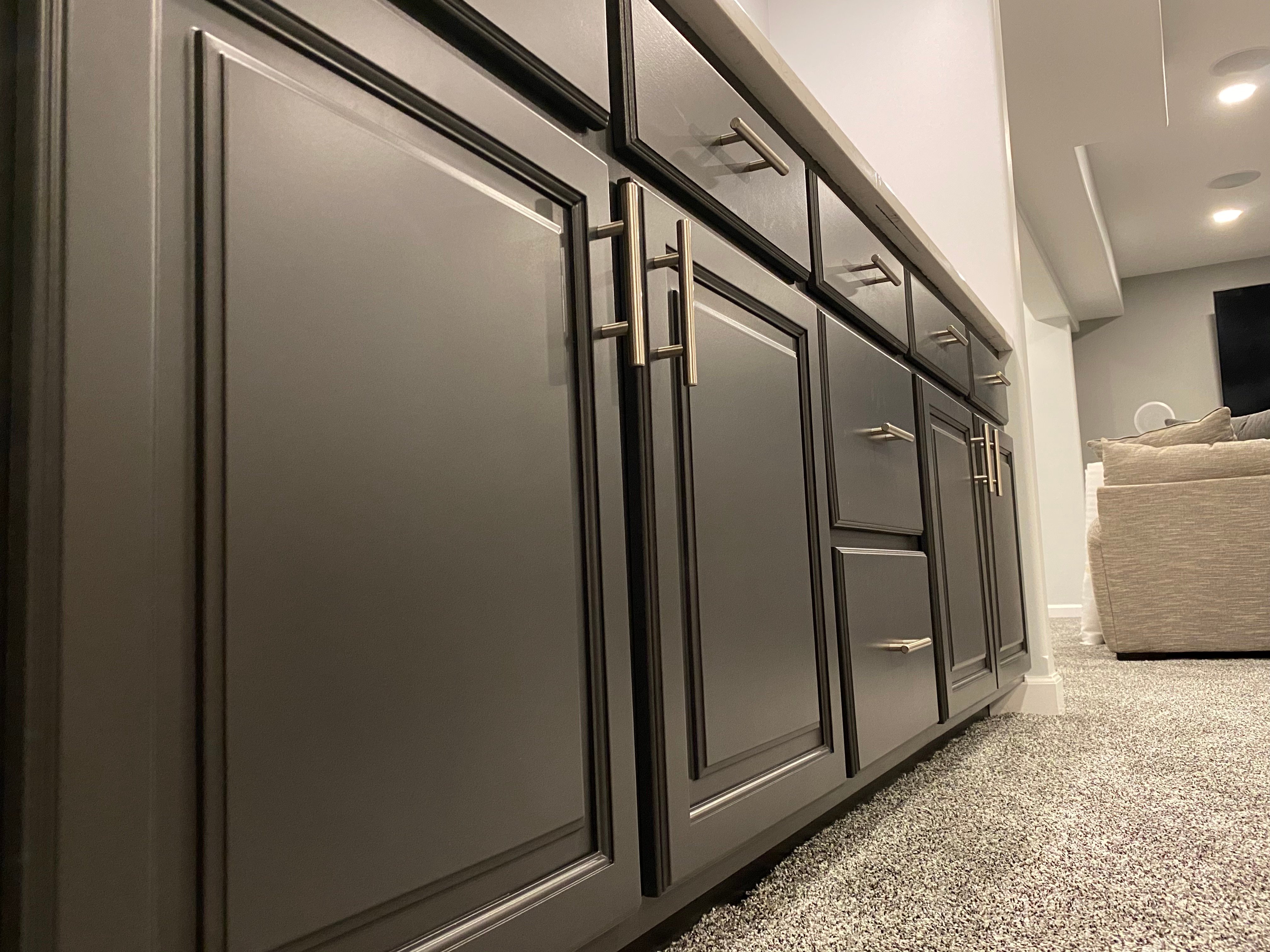
Most cabinet handles are placed near the top of lower cabinet doors and near the bottom of upper cabinet doors. Drawer pulls are usually centered on the drawer front. This placement makes cabinets easier to open and creates a balanced appearance.
Why this placement became the standard
Cabinet hardware placement developed from simple practicality. Cabinets should open comfortably without forcing you to bend or reach awkwardly.
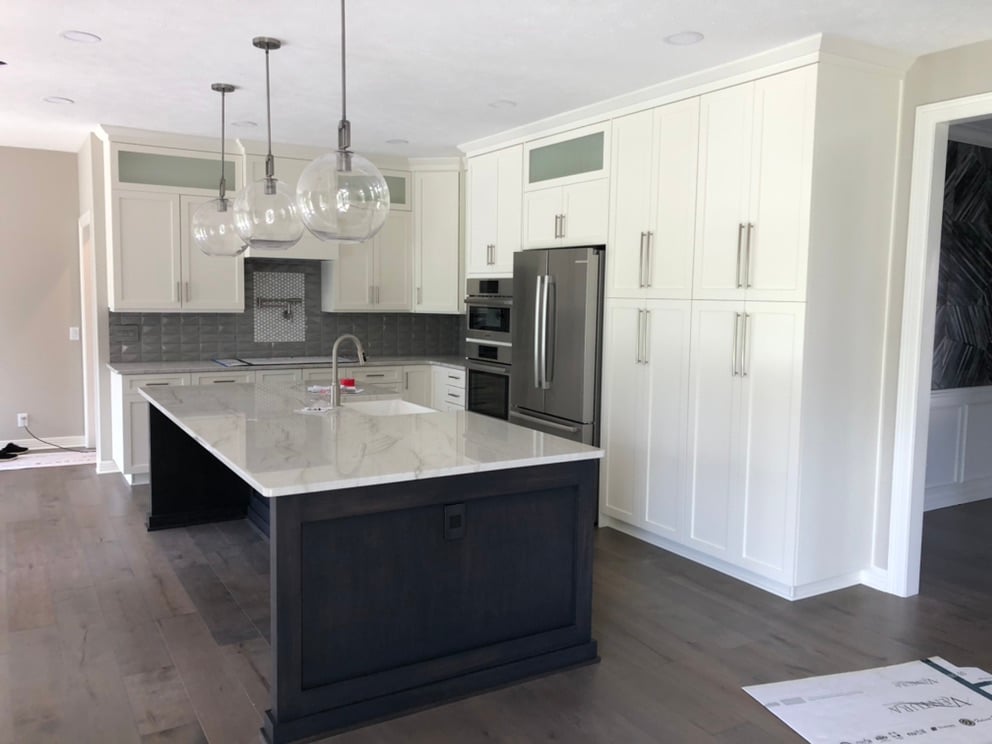
Here is the common layout used in most kitchens:
Lower cabinet doors: Handle near the top corner
Upper cabinet doors: Handle near the bottom corner
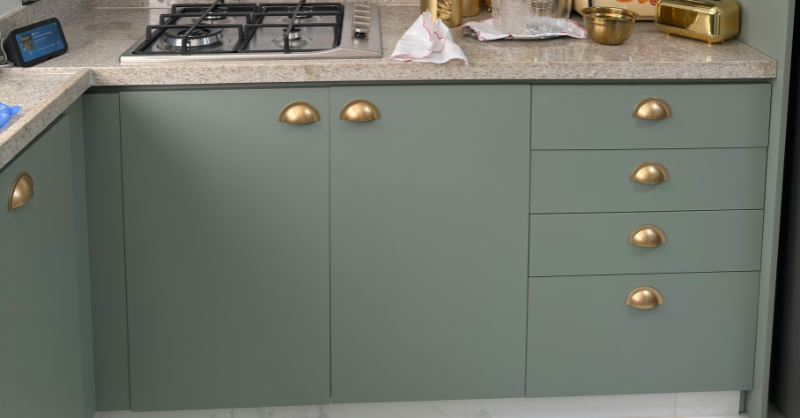
Drawers: Handle centered horizontally
This arrangement allows people to open cabinets naturally based on where their hands already are.
For example:
- When reaching down to a lower cabinet, your hand naturally moves toward the top of the door
- When reaching up to an upper cabinet, your hand lands near the bottom edge
- When opening a drawer, you grab the center
It is a simple system that works well for everyday use.
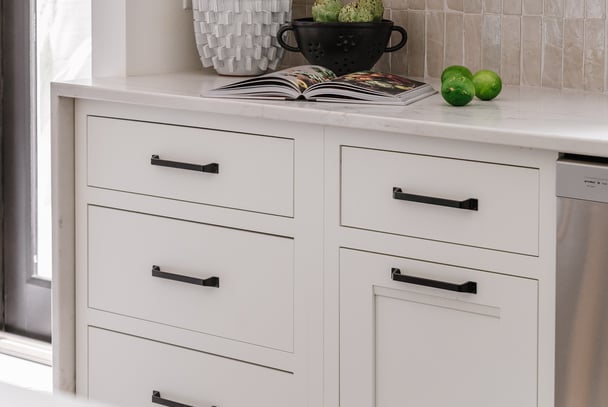
Should Cabinet Handles Ever Be Placed in the Middle of Doors?
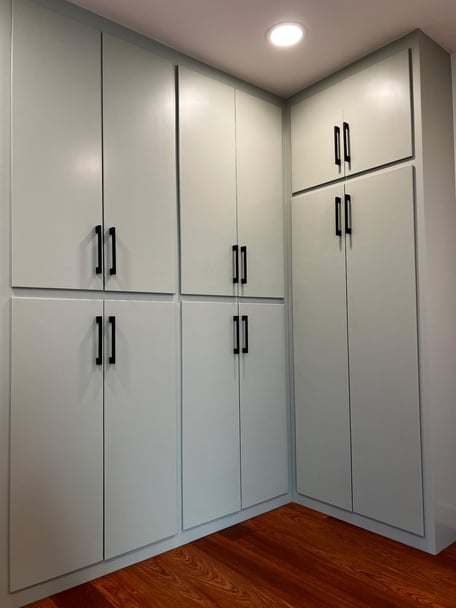
Handles can be placed in the middle of cabinet doors, but they are less common in kitchens. Center placement is more typical on tall pantry doors or furniture style cabinets.
Why is middle placement less common?
When handles sit in the middle of cabinet doors, two issues can appear.
First, the door can feel harder to open. Your hand often has to reach farther than necessary.
Second, the cabinets may look less balanced compared to traditional kitchen layouts.
However, there are a few situations where center placement works well.
Situations where centered handles can work
Tall pantry cabinets
Large vertical doors often look good with handles placed in the middle of the height.
This creates symmetry and helps the handle stay within comfortable reach.
Furniture-style cabinets
Built-in hutches or decorative cabinetry sometimes use centered hardware because they resemble furniture more than standard kitchen cabinets.
Modern slab cabinets
Minimalist kitchens occasionally place hardware in unusual positions for design reasons.
Even in these cases, most designers still place hardware close to the edge rather than exactly centered.
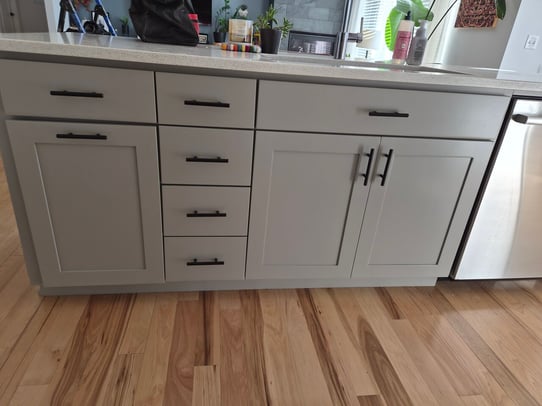
Where Should Handles Go on Lower Cabinets?
Handles on lower cabinet doors are typically placed near the top corner of the door, about 2 to 3 inches from the edge.
Why this placement works well
Lower cabinets are below waist level. When you reach down to open them, your hand naturally moves toward the upper area of the door.
Placing the handle near the top allows you to open the door comfortably without bending or twisting your wrist.
Typical placement measurements
While every kitchen can vary slightly, most installers use these guidelines:
• 2 to 3 inches from the top of the door
• 2 to 3 inches from the side edge
• Aligned with the door stile if the cabinet has a frame
This placement keeps the hardware consistent across the entire kitchen.

Where Should Handles Go on Upper Cabinets?
Handles on upper cabinet doors are placed near the bottom corner of the door, usually about 2 to 3 inches from the edge.
Why this position makes sense
Upper cabinets sit above eye level for many homeowners. When reaching up, your hand naturally lands near the lower portion of the door.
Placing hardware near the bottom allows you to open the cabinet easily without stretching too far.
This also creates a balanced look when compared to the lower cabinets.
Visual balance across the kitchen
- Most kitchens follow a mirrored layout.
- Lower cabinets have handles near the top.
- Upper cabinets have handles near the bottom.
This pattern creates a clean, organized appearance.
When walking into the kitchen, your eye picks up the consistency immediately.
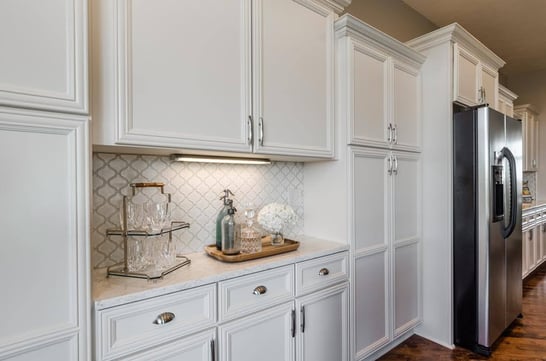
Where Should Drawer Handles Go?
Drawer pulls are almost always centered horizontally and vertically on the drawer front.
Drawers open differently from doors. They slide outward instead of swinging.
Centering the handle allows you to pull evenly from both sides.
If a handle sits too far left or right, the drawer can feel uneven when opening.
Large drawer considerations
Wide drawers sometimes have the handles on the top center of the drawer (think a file cabinet).
This is common on large drawers used for:
- Pots and pans
- Trash pull-outs
- Wide kitchen storage drawers
Does Hardware Placement Affect How Cabinets Function?
Yes. Handle placement directly affects how comfortable cabinets feel during daily use.
Why functionality matters more than many people think
Cabinets are opened many times each day. Small design decisions can make a big difference over time.
Proper placement helps with:
- Natural hand movement
- Reduced wrist strain
- Easier opening and closing
- Consistent reach for all family members
Even a one-inch change can make cabinets feel awkward.
A real example homeowners notice
Sometimes homeowners install handles in the center of cabinet doors simply because it looks symmetrical.
Later, they realize the door feels slightly awkward to open.
It is not wrong, but it is less comfortable compared to the traditional corner placement.
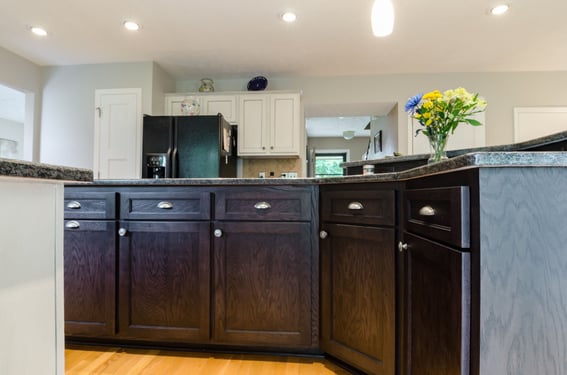
How Does Cabinet Hardware Placement Affect Kitchen Design?
Hardware placement influences how modern, traditional, or custom a kitchen appears.
Traditional kitchens
Most traditional kitchens follow the classic placement pattern.
- Handles near the top of lower cabinets
- Handles near the bottom of upper cabinets
- Centered drawer pulls
This layout feels familiar and balanced.
Modern kitchens
Modern kitchens sometimes experiment with placement.
Examples include:
- Horizontal pulls on drawers
- Vertical pulls on doors
- Extra-long handles spanning large drawers
Even with modern styles, placement still usually follows practical guidelines.
Minimalist kitchens
Some kitchens avoid hardware completely.
This is done using push-to-open cabinets or edge pulls built into the cabinet.
While these designs look sleek, they can show fingerprints more easily.
How Do Painters Place Hardware Consistently?
Professionals use hardware templates and measurements to keep every handle aligned.
Why templates matter
Without a template, handles can easily become crooked or uneven.
Templates help ensure:
- Equal spacing on every cabinet
- Straight alignment across the kitchen
- Accurate drilling
Even experienced installers rely on templates for consistency.
Typical installation process
- Measure the cabinet doors and drawers
- Mark the template placement
- Drill pilot holes
- Install hardware
- Check alignment across multiple cabinets
This careful approach keeps the kitchen looking polished.
Should You Change Hardware Placement When Painting Cabinets?
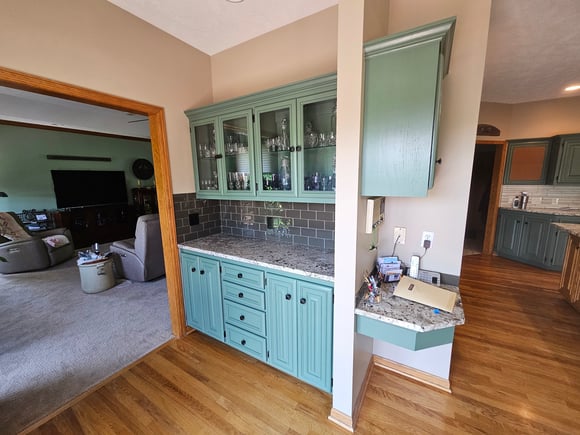
Cabinet painting is a great time to update hardware placement if you want a new style.
Why painting projects often include hardware changes
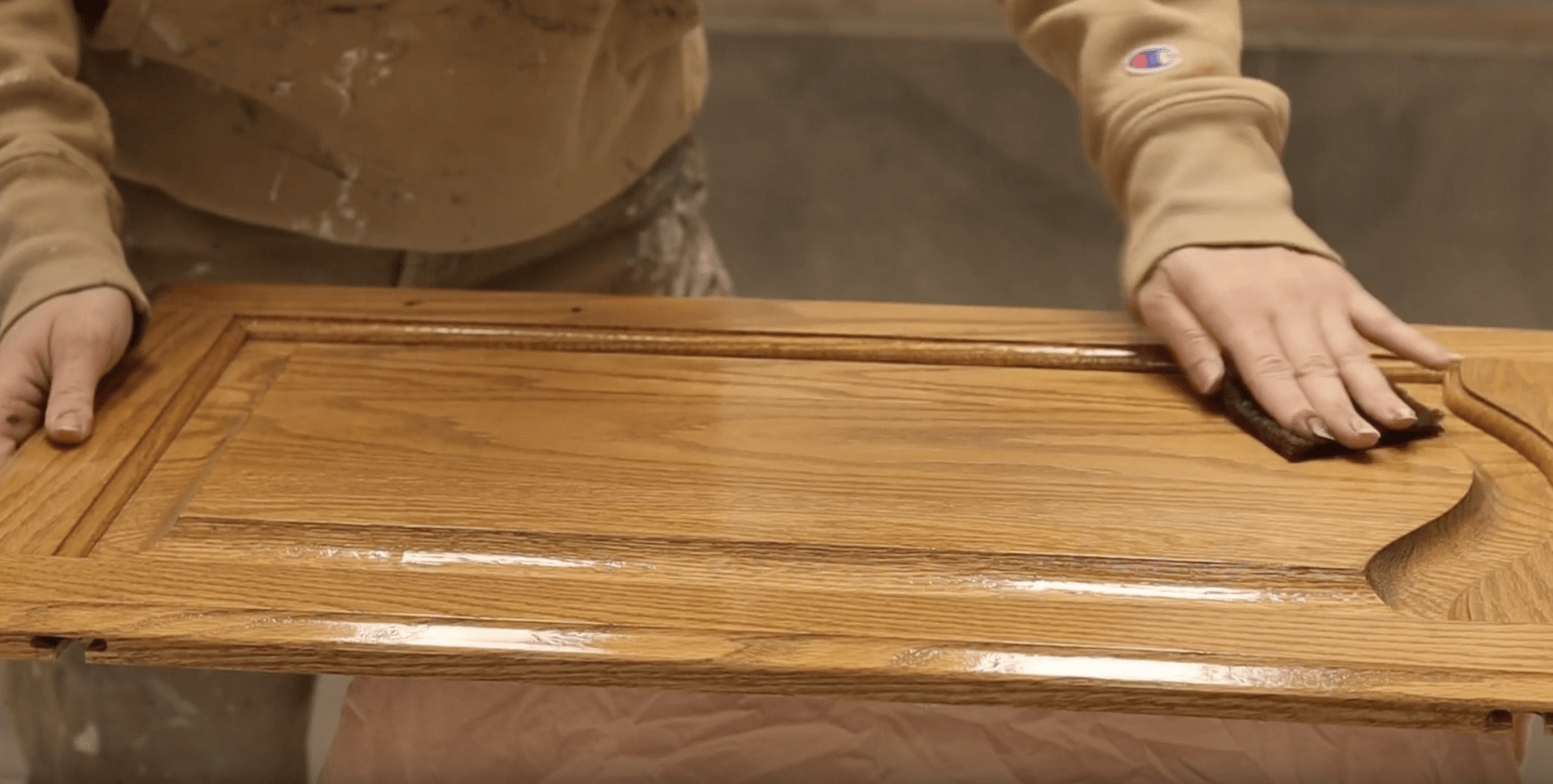
When cabinets are refinished, the existing holes can be filled and sanded smooth if needed.
This gives homeowners the option to:
- Change handle style
- Move hardware to a new position
- Switch from knobs to handles
Many kitchens in Omaha built in the 1990s and early 2000s used knobs instead of pulls. During cabinet painting projects, homeowners often upgrade to handles.
This small change can make cabinets feel newer.
FAQ: Cabinet Hardware Placement
Should cabinet handles be horizontal or vertical?
Most cabinet doors use vertical handles. Drawer pulls are usually horizontal. This keeps the motion of the handle aligned with how the cabinet opens.
How far from the edge should cabinet handles be?
Most installers place hardware 2 to 3 inches from the edge of the cabinet door. This spacing works well visually and functionally.
Should all cabinet handles line up?
Yes, consistency is important. Handles should align with other handles on similar cabinet types.
Are knobs better than handles?
Both work well. Handles are often easier to grab, especially on drawers. Knobs can work nicely on smaller cabinet doors.
Do modern kitchens place hardware differently?
Modern kitchens sometimes use longer pulls or slightly different placements. Even then, the general rule of top for lowers and bottom for uppers usually still applies.
Cabinet Hardware & Cabinet Painting
If you are deciding where cabinet handles should go, the traditional placement still works best for most kitchens.
Handles near the top of lower cabinets and near the bottom of upper cabinets tend to feel the most natural when opening doors. Drawer pulls are typically centered for balance.
Understanding these placement choices helps homeowners avoid common mistakes and feel confident about the final design.
At Brush & Roll Painting, we have been helping Omaha homeowners update cabinets since 1996. Through years of cabinet painting projects, we have seen how details like hardware placement can affect both appearance and everyday use.
If you are planning a cabinet painting project and want guidance, you can click the button below to get a quote.

If you are still exploring your options and want a better idea of costs first, you can also try our cabinet painting pricing calculator to estimate what a project might look like for your kitchen.

Topics:
-Mar-27-2026-02-08-12-9646-PM.png?width=800&height=418&name=Blog%20Post%20Image%20Size%20(1)-Mar-27-2026-02-08-12-9646-PM.png)
-Mar-20-2026-03-16-05-8428-PM.png?width=800&height=418&name=Blog%20Post%20Image%20Size%20(2)-Mar-20-2026-03-16-05-8428-PM.png)