Key Takeaways
- Small exterior paint touch-ups can save money, but only when the existing paint is still in good condition.
- Spot painting often becomes more noticeable than homeowners expect because paint fades over time.
- If peeling, fading, chalking, or widespread wear is present, repainting the entire house usually provides better value.
- A professional consultation/estimate can help determine whether a touch-up or a full exterior repaint is the smarter investment.
- Understanding the difference can help Omaha homeowners avoid spending money twice.
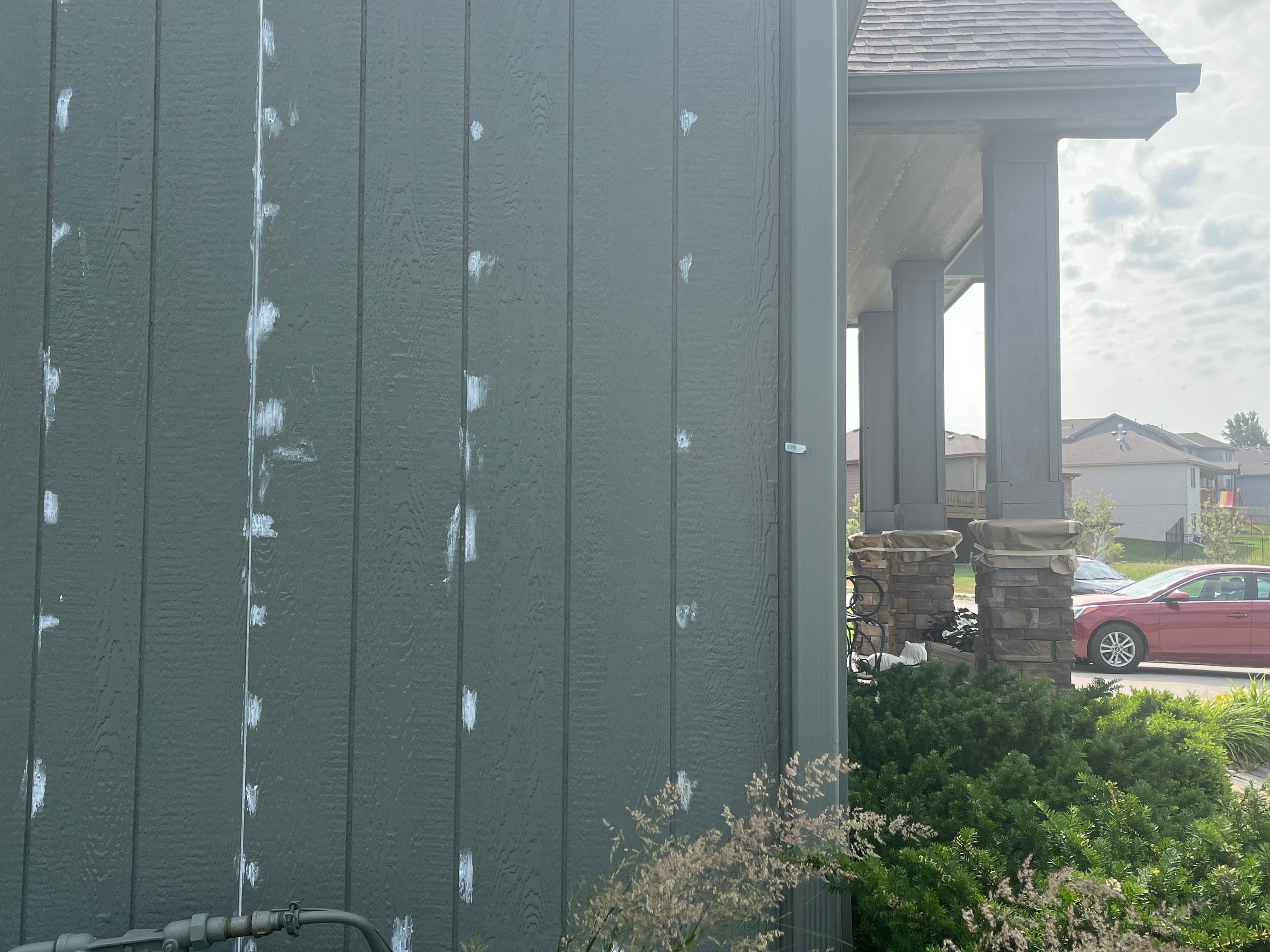
You walk around your house and notice a few spots where the paint is peeling. Maybe a corner of the garage has bare wood showing. Perhaps a window sill is starting to crack, or the trim by the front door has seen better days.
Your first thought is probably, "Can someone just touch those areas up?"
That seems like the easiest and least expensive solution. After all, why repaint an entire house if only a few places look worn?
The problem is that exterior paint does not age evenly. Sunlight, rain, snow, humidity, and temperature changes all affect different sides of your home in different ways. A repair that seems simple today can end up standing out even more than the original damage.
Many homeowners around Omaha spend money on touch-ups, only to repaint the entire house a year or two later because the repairs never blended in the way they hoped.
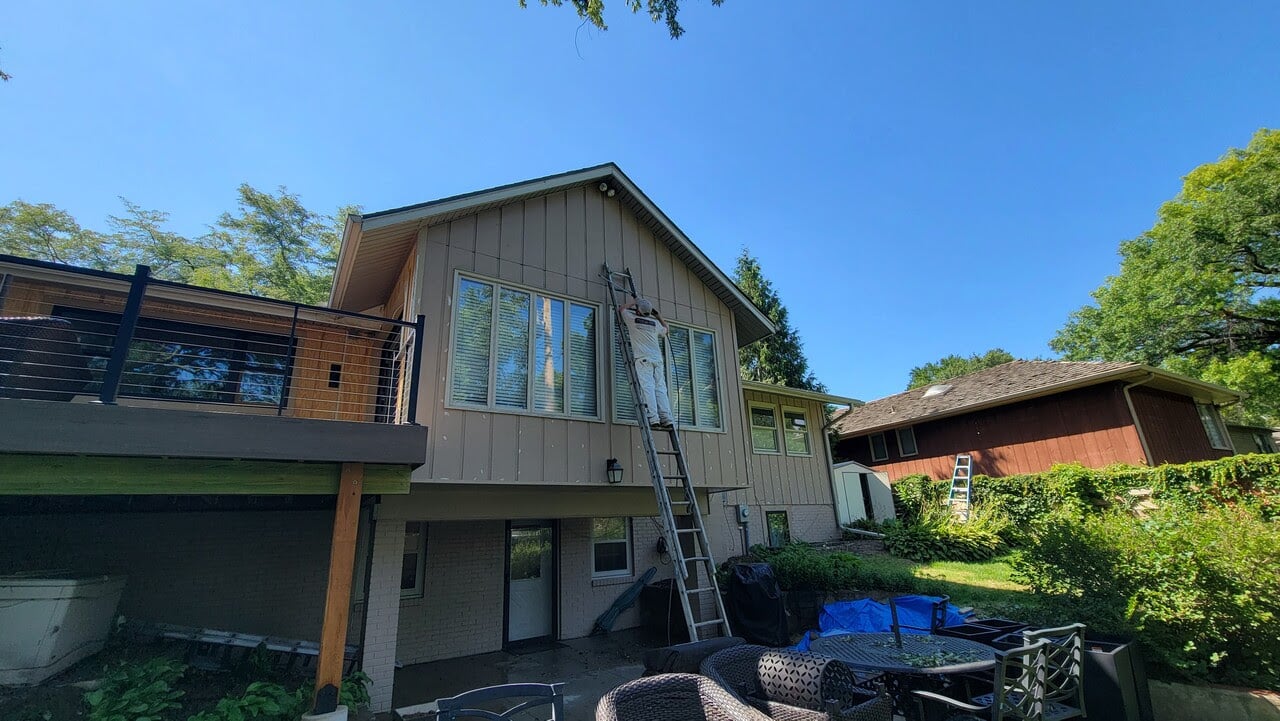
At Brush & Roll Painting, we have been helping Omaha homeowners with exterior painting projects since 1996. Over the years, we have inspected thousands of homes with every imaginable type of paint problem.
Sometimes we recommend repairing just a few areas. Other times we explain why repainting the whole house will actually cost less over time.
This article is not about selling either option. It is about helping you understand when exterior touch-ups make sense, when they usually do not, and how to make the best decision for your home.
By the end of this guide, you will know:
- When exterior touch-ups are worth doing.
- When repainting the whole house is the better investment.
- Why touch-ups sometimes look worse than expected.
- What Omaha weather does to exterior paint.
- Questions to ask before hiring an exterior painter.
Can you touch up exterior house paint instead of repainting everything?
Yes, but only under the right conditions. Small repairs work best when the existing paint is still in excellent condition, and the damaged area is very limited.
Many homeowners think paint behaves like replacing a broken floor tile. Unfortunately, exterior paint does not work that way.
Every year your home's paint changes slightly because of:
- Sun exposure
- Rain
- Snow
- Wind
- Dirt buildup
- UV fading
- Temperature swings
Even if you still have the original paint color, that fresh paint usually will not match paint that has been sitting outside for five or six years.
That difference becomes especially noticeable on:
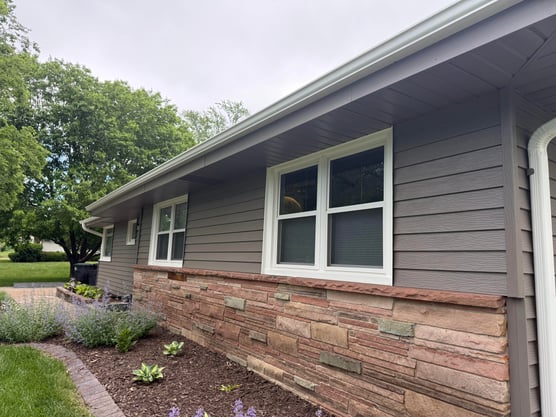
- Large flat siding
- Front elevations
- Dark colors
- South-facing walls
When do exterior touch-ups actually make sense?
Touch-ups are usually a good choice when the damage is isolated and the rest of the paint system is still performing well.
There are several situations where small repairs can extend the life of your exterior.
These include:
- Small nail pops
- Minor wood repairs
- One damaged trim board
- A single window sill
- Small scratches from landscaping equipment
- Damage from a recent repair
For example, maybe your electrician installed a new light fixture and scratched a small section of siding.
Or perhaps a tree branch scraped one corner of the house during a storm.
These are excellent candidates for touch-ups because the surrounding paint is still healthy.

When is repainting the entire house the better choice?
Once paint failure becomes widespread, repairing isolated spots rarely solves the bigger problem.
This is one of the hardest conversations painters have with homeowners.
The house might only have a handful of peeling areas that immediately catch your eye.
But those spots are often only the beginning.
If several areas have already failed, many more are usually close behind.
Common warning signs include:
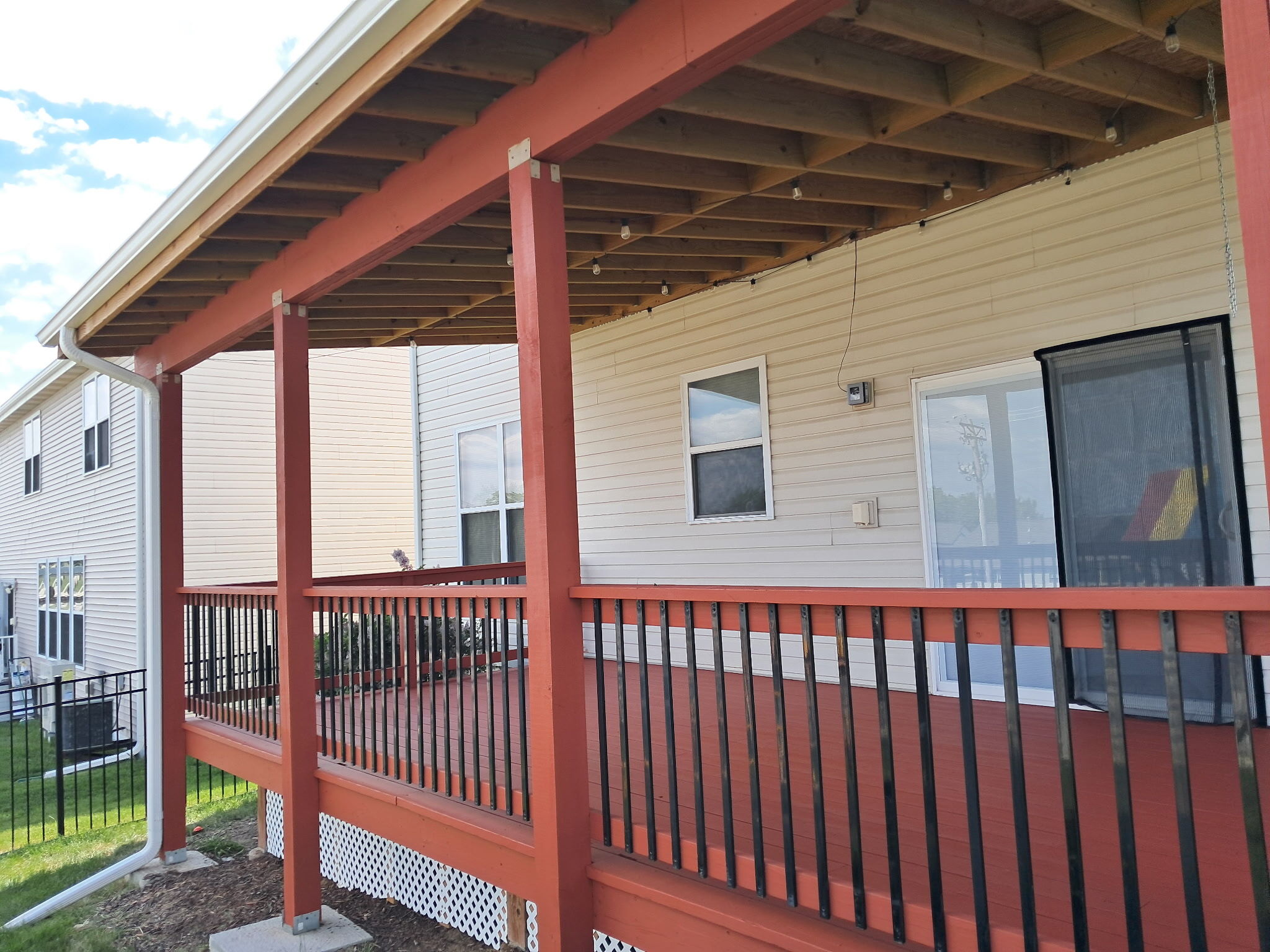
- Paint fading across large sections
- Chalking on the surface
- Peeling in multiple locations
- Cracking paint
- Bare wood showing
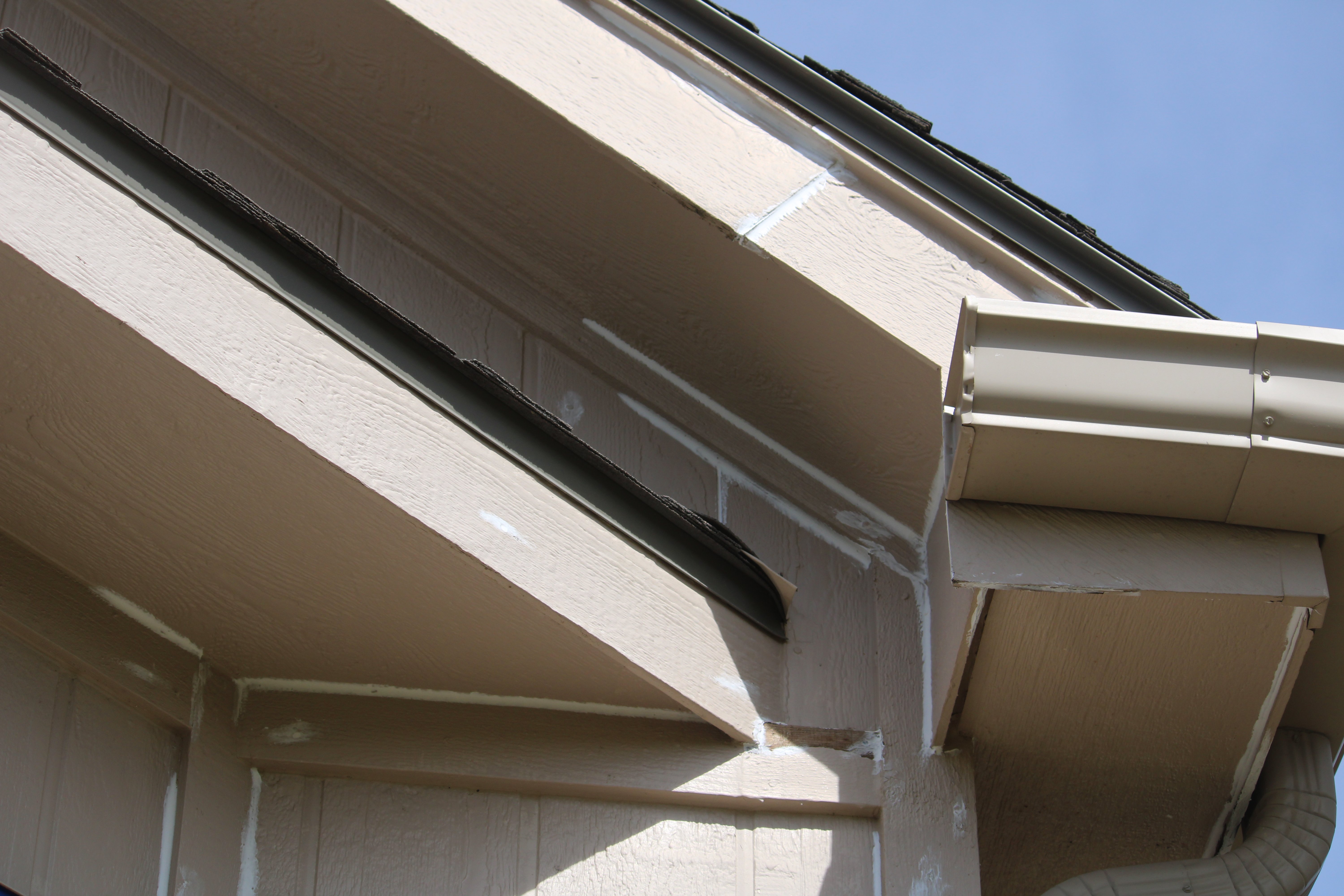
- Failed caulking throughout the home
- Previous touch-ups that already stand out
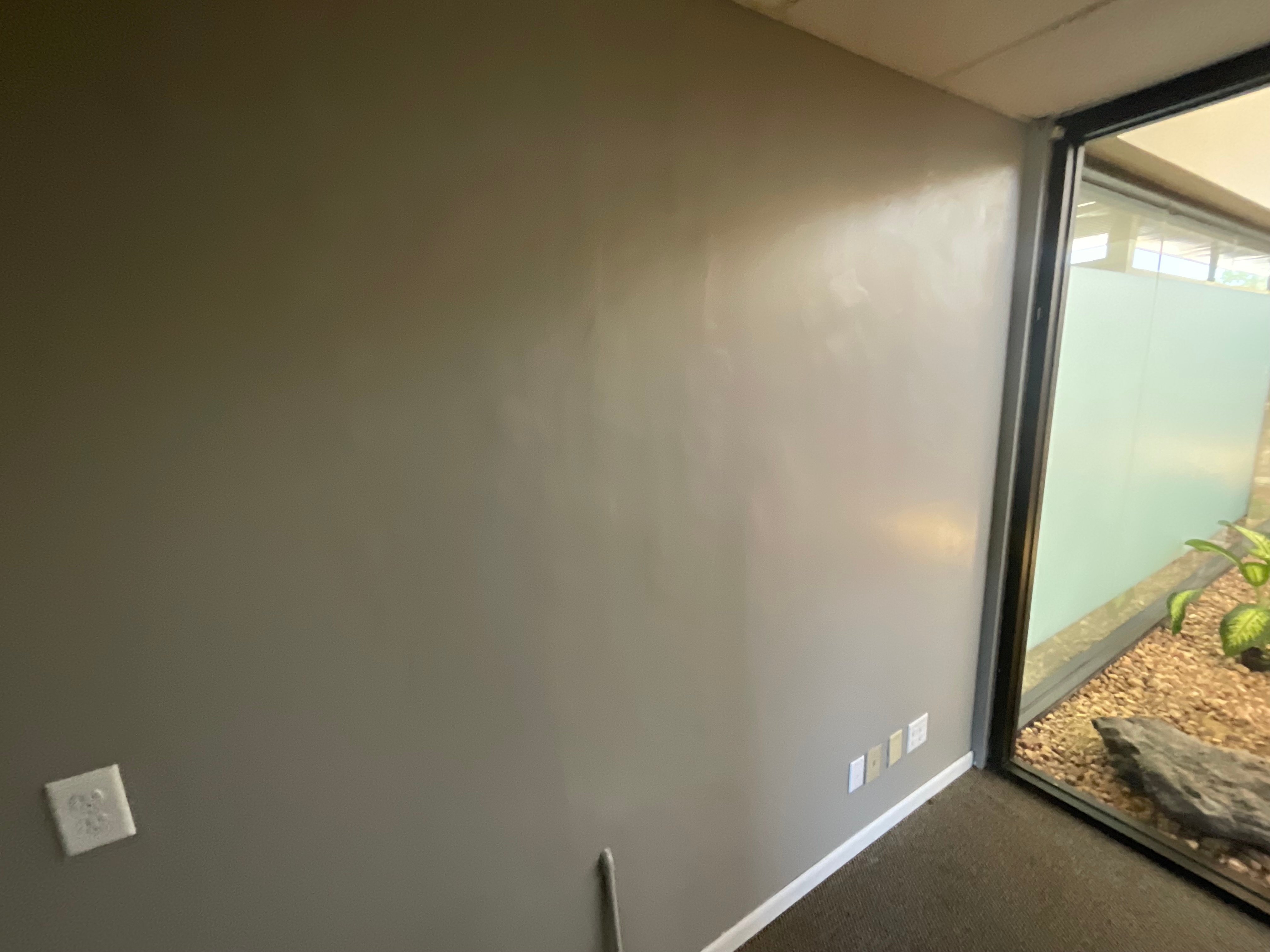
At this point, touching up only the obvious spots usually creates a patchwork appearance.
Instead of seeing peeling paint, people now notice mismatched paint.
Why do exterior paint touch-ups usually stand out?
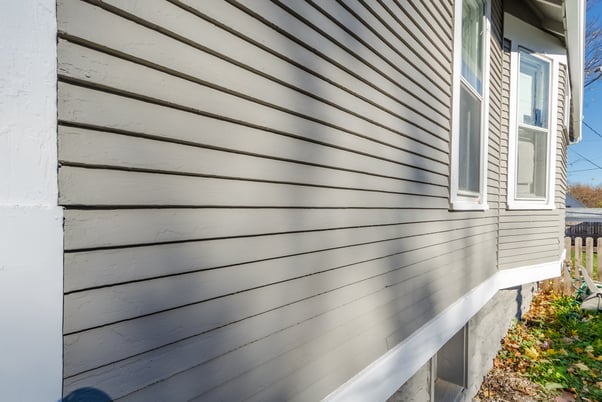
Fresh paint almost never ages exactly like the surrounding paint.
Even if you know:
- The manufacturer
- The product
- The sheen
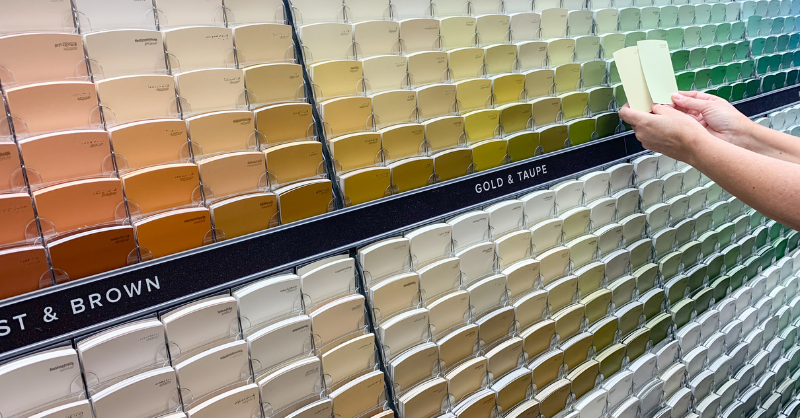
- The color
- The formula
The repair can still be obvious. This is because the existing paint has been exposed to the elements for years. The fresh paint has not.
Think about buying one brand new brick for an old brick wall. It may technically be the same brick, but years of weather have changed the color of everything around it. Paint behaves the same way.
Does Omaha weather make touch-ups harder?
Omaha weather is tough on exterior paint, and that makes blending repairs more difficult. Homes in Nebraska deal with nearly every weather condition possible.
Throughout the year, your paint experiences:
- Hot summer sun
- Freezing winters
- Snow
- Ice
- Heavy rain
- Strong wind
- Rapid temperature swings
Some sides of your house receive far more sun than others. South and west-facing walls often fade much faster. The north side may develop mildew or stay damp longer.
Because each side ages differently, matching repairs becomes even more challenging.
Is touching up exterior paint cheaper?
Initially, yes. Over several years, maybe not. Everyone wants to save money, that is completely understandable. But there is another question worth asking. "What will I spend over the next five years?" Imagine these two situations.
Homeowner A
- Pays for several small repairs over three years.
- Eventually decides to repaint the whole house anyway.
- The earlier repair costs are essentially lost.
Homeowner B
- Repaints the home when the paint system begins failing.
- Receives a fresh, consistent finish across the entire exterior.
- Takes advantage of a warranty/maintenance plan included from their painter
The second homeowner often spends less over the long run.
Can peeling paint be spot repaired?
Sometimes peeling paint can be repaired, and spots can be touched up. The answer depends on why the paint peeled in the first place.
It’s important to keep in mind that peeling is a symptom. The real question is what caused it. Possible causes include:
- Moisture intrusion
- Poor preparation years ago
- Failing primer
- Wood movement
- Old age
- UV damage
If only the loose paint is scraped and repainted without solving the underlying issue, the same area may fail again.
That is why professional inspections focus on finding the cause, not simply covering the symptom.
How do painters decide between touch-ups and full repainting?
A good painter evaluates the condition of the entire paint job instead of only the damaged areas.
They typically look for:
- Percentage of paint failure
- Amount of fading
- Adhesion of existing paint
- Condition of caulking
- Moisture damage
- Wood deterioration
- Age of the coating
- Previous repairs
A house with one bad window is very different from a house where every window is beginning to fail.
Can you paint only one side of the house?
Sometimes, yes, you only need to paint one side of your house. This is often a better solution than isolated touch-ups.
If only one elevation has received heavy sun exposure while the others remain in good shape, repainting that entire side can produce better results.
This approach works especially well when:
- The color transition occurs at a natural corner.
- The remaining elevations still look good.
- Paint failure is isolated to one exposure.
Many homeowners never realize this option exists.
Frequently Asked Questions About Exterior Painting
Can painters perfectly match old exterior paint?
Sometimes, but not always. Even with the original paint information, weather and sunlight naturally change paint over time.
How many peeling spots are too many for touch-ups?
There is no exact number. Painters usually evaluate the overall condition of the paint system rather than counting damaged areas.
Can pressure washing fix faded paint?
No. Washing removes dirt and mildew, but it cannot restore faded color or worn paint.
How long should exterior paint last in Omaha?
That depends on the paint product, surface preparation, sun exposure, and maintenance. Higher quality paints combined with proper preparation generally last much longer than lower quality coatings. With Aura by Benjamin Moore, at Brush & Roll Painting we offer a 9-year warranty/maintenance plan, meaning after 9 years, your home will look like it was just freshly painted.
Should I always repaint instead of doing repairs?
No. Small repairs are often the right decision when the existing paint is still in good condition. The goal is choosing the option that provides the best long-term value, not automatically selecting the larger project.
Exterior Home Painting in Omaha, Nebraska
Many homeowners begin their search hoping that a few simple touch-ups will solve the problem. Sometimes that is exactly the right choice. When the damage is limited, and the surrounding paint is still healthy, small repairs can add more life to your home's exterior.
The challenge is knowing when those repairs are only delaying a larger project. Widespread fading, peeling, cracking, or failing caulk often means the paint system has reached the end of its life. In those situations, repainting the entire house usually creates a better-looking finish and often saves money over time by avoiding repeated repair visits.
Since 1996, Brush & Roll Painting has helped homeowners throughout the Omaha area evaluate homes honestly and understand the condition of their exterior paint. Our goal is simply to give homeowners the information they need to make confident decisions for their homes.
If you think your home may be ready for exterior painting, click the button below to Get a Quote.

If you are still comparing options or planning ahead, try our Exterior Painting Pricing Calculator to get a better idea of what your project may cost before scheduling an estimate.

Topics: