Key Takeaways
- Painting the back of cabinet doors helps create a more durable, longer-lasting finish, not just a better-looking one.
- Cabinet doors are handled every day, so both sides deserve the same level of preparation and protection.
- A professional cabinet refinishing process usually includes removing the doors and drawers so they can be finished in a controlled shop environment.
- Homeowners should ask how both the front and back of cabinet doors will be finished before hiring a cabinet painter.
- A quality cabinet painting job is about much more than color. Surface preparation, coatings, and curing all play a major role in how long the finish lasts.
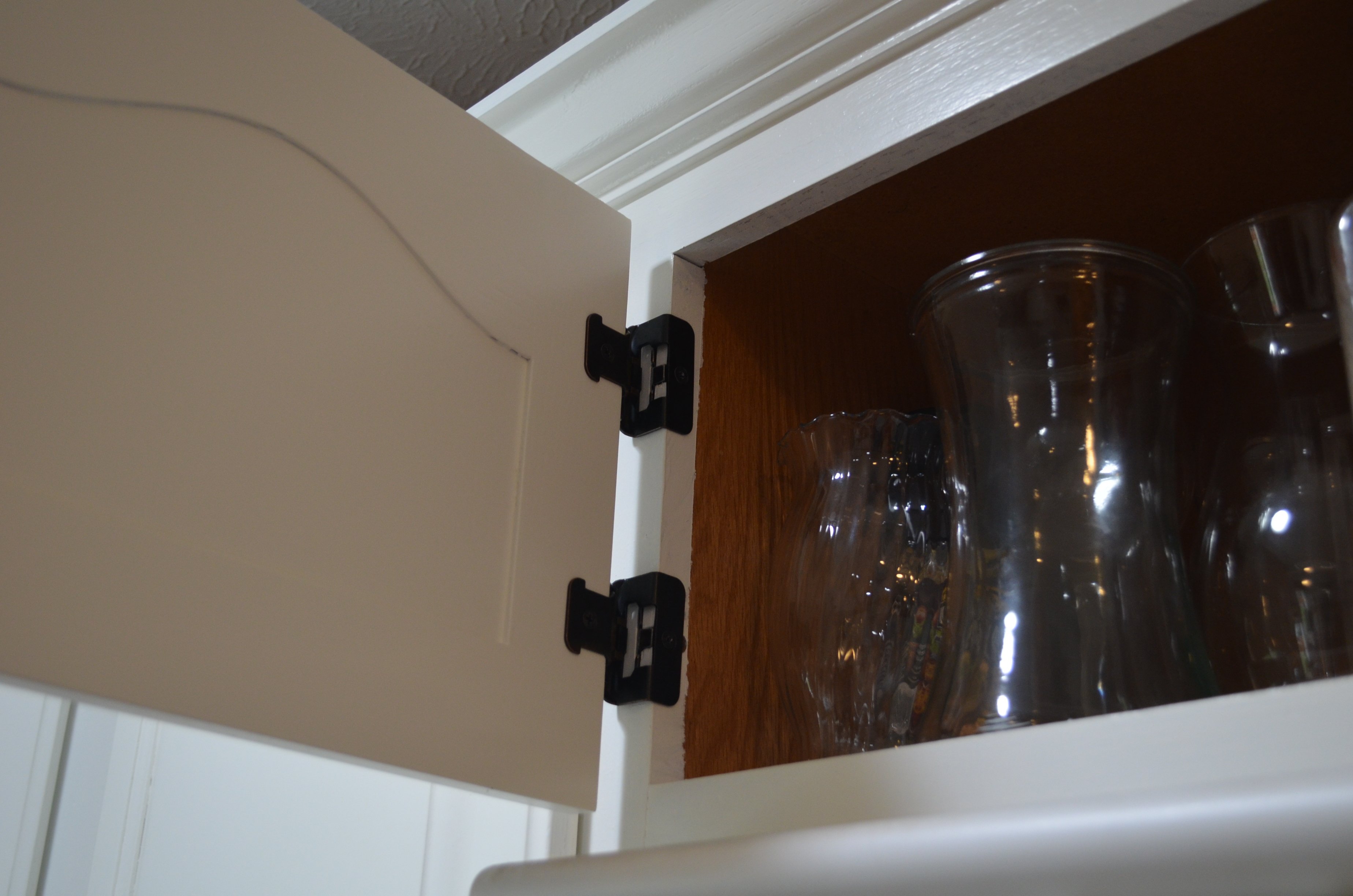
Have you ever opened a freshly painted cabinet and noticed that the inside of the door still looks old? Maybe the front looks beautiful, but the back is scratched, stained, yellowed, or feels rough. It can leave homeowners wondering if skipping the back of the cabinet doors is normal, or if corners were cut during the painting process.
At Brush & Roll Painting, we have been painting cabinets and serving homeowners throughout Omaha since 1996. Over the years, we have seen cabinet projects completed in many different ways. Some painters only finish the front of the doors. Others spray everything while the cabinets remain hanging in the kitchen. We have also seen cabinets that looked great for a few months before the finish started wearing away around the edges. Those experiences have taught us what helps cabinet finishes last and what often leads to disappointment.
This article will explain whether cabinet door backs should be painted, why the backs matter more than many homeowners realize, when exceptions make sense, and what questions you should ask before hiring a cabinet painter. By the end, you will understand how cabinet finishing works and feel much more confident when comparing estimates.
Should You Paint the Back of Cabinet Doors?
Yes, in most cabinet painting projects, painting the back of the cabinet doors is the better choice. While you may not stare at the back every day, you touch it every day. Painting both sides creates a more complete, durable finish that looks consistent from every angle.
Many homeowners focus almost entirely on what they see with the cabinet doors closed. That makes sense because the front of the cabinets creates the biggest visual impact in the kitchen.
But think about how you actually use your cabinets.
Every time you:
- Grab a coffee mug
- Put away dishes
- Reach for spices
- Get a bowl for cereal
- Empty the dishwasher
You are touching the backs of the cabinet doors.
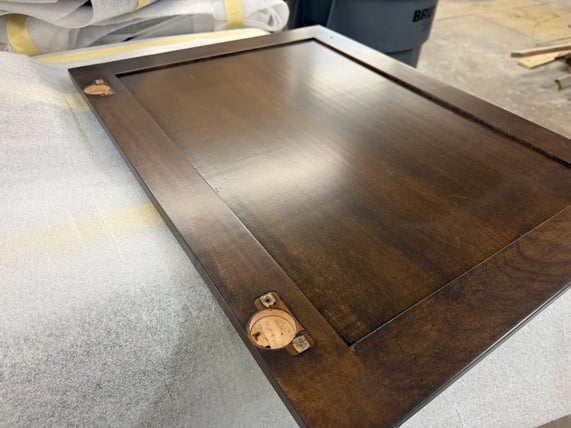
Those surfaces experience constant contact from your hands, fingers, rings, watches, and even dishes. Over time, an unfinished or poorly finished back can show wear much faster than people expect.
Why Do Some Cabinet Painters Skip the Back of Cabinet Doors?
Most often, it comes down to saving time, reducing labor, or lowering the project price.
Painting only the fronts requires fewer materials and fewer hours.
It also means:
- Less sanding
- Less cleaning
- Fewer coats
- Less drying time
- Less shop space
That can reduce the overall cost of the project.
For some homeowners, that trade-off makes sense if they are trying to stay within a very tight budget.
For many others, the savings are relatively small compared to how long they plan to keep their cabinets.
Kitchen cabinets are opened hundreds of times every week. If you plan on enjoying your kitchen for another ten or fifteen years, finishing both sides often provides better long-term value.

Does Painting Both Sides Make Cabinets Last Longer?
Yes, while paint cannot stop every type of wear, coating both sides helps protect the wood and creates a more consistent finish around the entire door.
Think of a wooden front door on a house. Most homeowners would never paint only the outside while leaving the inside unfinished.
Cabinet doors work similarly.
Painting both sides helps:
- Protect against everyday moisture
- Reduce uneven absorption into the wood
- Provide better edge protection
- Create a smoother cleaning surface
- Keep the appearance more consistent over time
The edges are especially important.
Every cabinet door has four edges connecting the front and back. If the front is beautifully finished but the back is not, those edges become the meeting point between two very different surfaces.
You notice it every time you:
- Open the pantry
- Put away groceries
- Grab plates
- Load dishes
- Reach for cooking supplies
The backs become part of your daily experience in the kitchen.
That is why many homeowners appreciate having the same smooth finish throughout the cabinet door rather than only on the side facing the room.
Why Do Professional Cabinet Painters Remove Doors and Drawers?
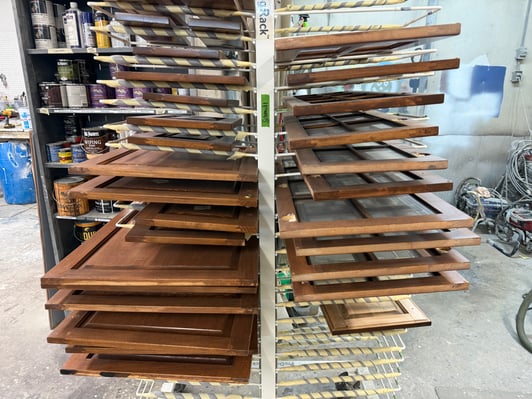
Removing the doors allows every surface to be prepared and finished correctly while creating a smoother, stronger finish.
This is one of the biggest differences between cabinet painting and wall painting.
Cabinet finishes need to cure evenly.
When doors stay attached:
- Hinges get in the way.
- Some edges are difficult to reach.
- Runs and drips become more likely.
- Dust from the home can settle into the finish.
- Drying conditions are harder to control.
That is why many cabinet specialists remove every door and drawer before refinishing.
At Brush & Roll Painting, our cabinet doors and drawers are taken to our shop rather than being finished inside the customer's kitchen. This allows both sides of every door to receive the same level of attention in a controlled environment where temperature, dust, and handling can be managed much more consistently.
Why Do Painters Finish Both Sides of Cabinet Doors?
Our process is designed around durability instead of simply changing the color.
Depending on whether we are applying paint, stain, glaze, or another specialty finish, we use a five- to seven-layer finishing process on both sides of the cabinet doors and drawer fronts.
Every project is different, but those layers may include:
- Careful cleaning
- Isolante resurfacer
- Wood filler
- Sanding
- Primer
- Multiple finish coats
- Protective clear coatings when needed
Applying the full system to both sides helps create a finish that feels consistent no matter which side of the cabinet door you touch.
This is another reason we remove the doors and drawers from the home.
Trying to perform a multi-layer finishing process on hanging cabinet doors would make it much harder to achieve the same consistency and quality.
Should Cabinet Boxes Also Be Painted?
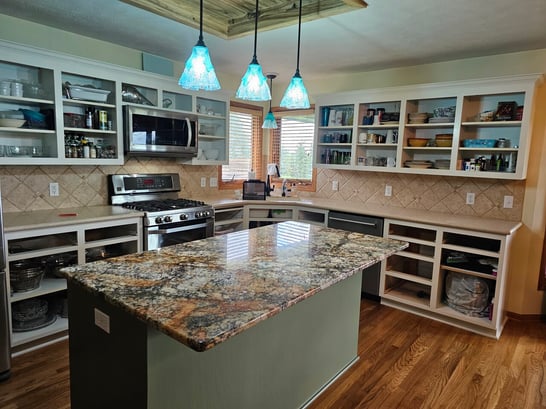
Usually only the visible areas are painted.
Most cabinet refinishing projects include:
- Cabinet frames
- Face frames
- End panels
- Door fronts
- Door backs
- Drawer fronts
- Drawer backs
The inside cabinet boxes are often left as they are unless the homeowner specifically requests otherwise.
Factory cabinet interiors generally hold up well because they experience much less wear than the doors themselves.
What Questions Should You Ask Before Hiring a Cabinet Painter?
Ask detailed questions about the process, not just the price.
Good questions include:
- Will both sides of the cabinet doors be painted?
- Will the cabinet doors be removed?
- Where will the finishing take place?
- How many coats are included?
- What type of cabinet coating will be used?
- How are the doors labeled so they return to the correct locations?
- What preparation is performed before painting?
- How long should the finish cure before normal use?
- What type of warranty or maintenance plan is offered?
These questions often tell you much more than comparing prices alone.
Does Painting Both Sides Cost More?
Technically yes, but for most painters, the cost of cabinet painting is broken up by how many doors total, not by how many door fronts and door backs. Many homeowners feel the added durability and finished appearance justify the additional investment.
Painting both sides increases:
- Labor
- Material usage
- Shop time
- Drying time
- Handling
Each cabinet door must be coated, dried, inspected, turned over, coated again, and allowed to cure properly.
That additional work helps explain why professional cabinet refinishing takes longer than many people expect.
A quality cabinet finish is not simply one or two coats of paint. It is a carefully planned process designed to perform well for years.
Frequently Asked Questions About Painting the Back of Cabinet Doors
Should I paint both sides of my kitchen cabinet doors?
Yes. For most painted cabinet projects, finishing both sides provides better durability, more consistent appearance, and improved protection.
Can cabinet doors be painted while hanging?
They can, but removing them usually produces better results because every edge and surface is easier to reach.
Why do cabinet painters take doors to a shop?
A shop provides cleaner conditions, better temperature control, proper drying space, and room to complete multiple finishing steps without interruption.
Does painting both sides make cabinets easier to clean?
Yes. A smooth, fully finished surface generally wipes clean more easily than a worn or unfinished one.
Is painting the back worth the extra cost?
For homeowners planning to enjoy their kitchen for many years, many feel the additional protection and more complete finish make it worthwhile.
Should You Paint the Back of Cabinet Doors?
If you started this article wondering whether painting the back of cabinet doors was really necessary, you now know why many professional cabinet painters recommend finishing both sides. While the backs are not the first thing people notice, they are touched every single day. They are used constantly, and the edges connect everything. A cabinet finish should perform well wherever your hands reach, not just where your eyes look.
At Brush & Roll Painting, we have been helping Omaha homeowners make informed painting decisions since 1996. Whether someone hires another painting company or us, our goal is for homeowners to understand the process well enough to ask the right questions and choose the approach that fits their home and expectations.
If you are ready to start planning your cabinet project, click the Get a Quote button below.

If you are still comparing options and gathering information, try our Cabinet Painting Pricing Calculator to get a better understanding of what a professional cabinet refinishing project may cost before requesting estimates.