
Key Takeaways
- Lines or dark spots on interior walls, especially on outside walls, are often caused by airflow and ventilation issues, not bad paint
- These marks are commonly called ghosting, where dust sticks to cooler areas of the wall
- Exterior-facing walls are more likely to show this because they are affected by outdoor temperatures
- Poor attic ventilation and uneven insulation are the most common causes in Omaha homes
- Repainting alone will not solve the problem; the marks will come back
- Fixing airflow, sealing leaks, and improving insulation is the real solution before interior painting
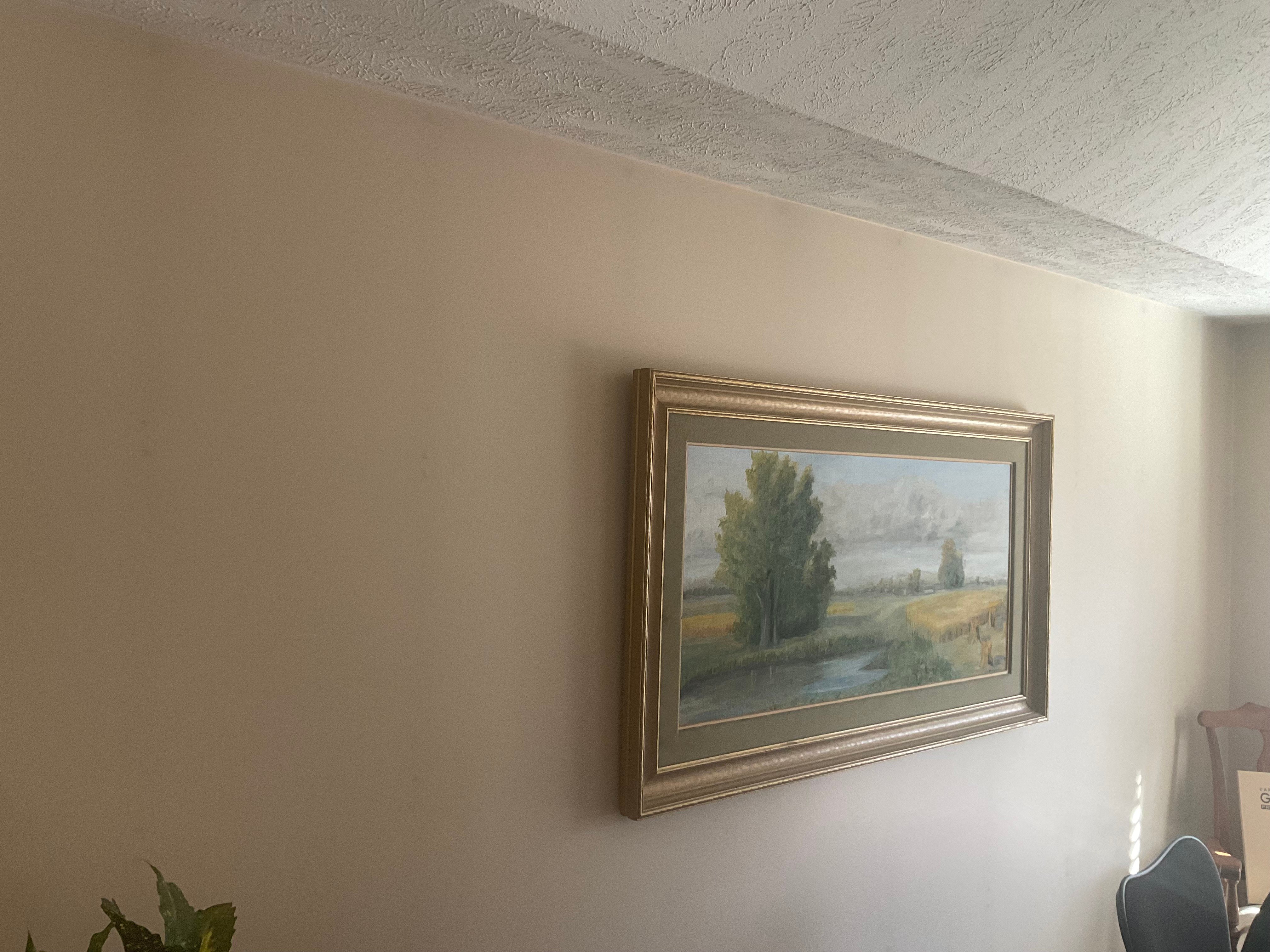
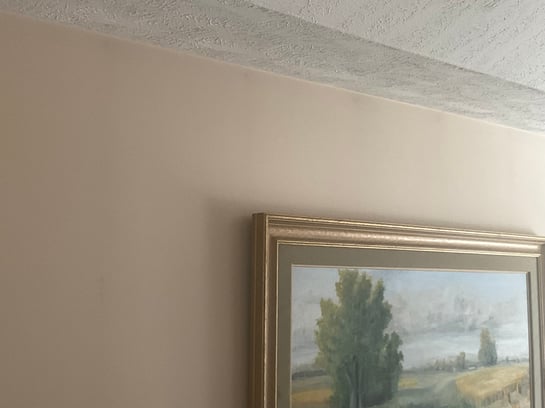
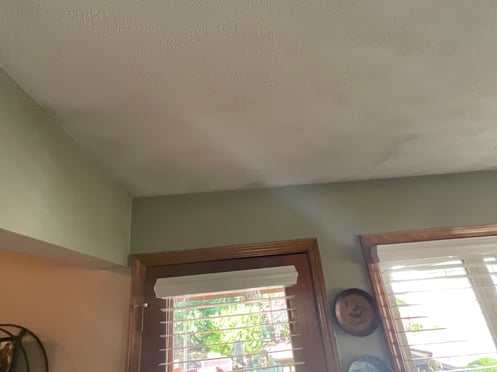
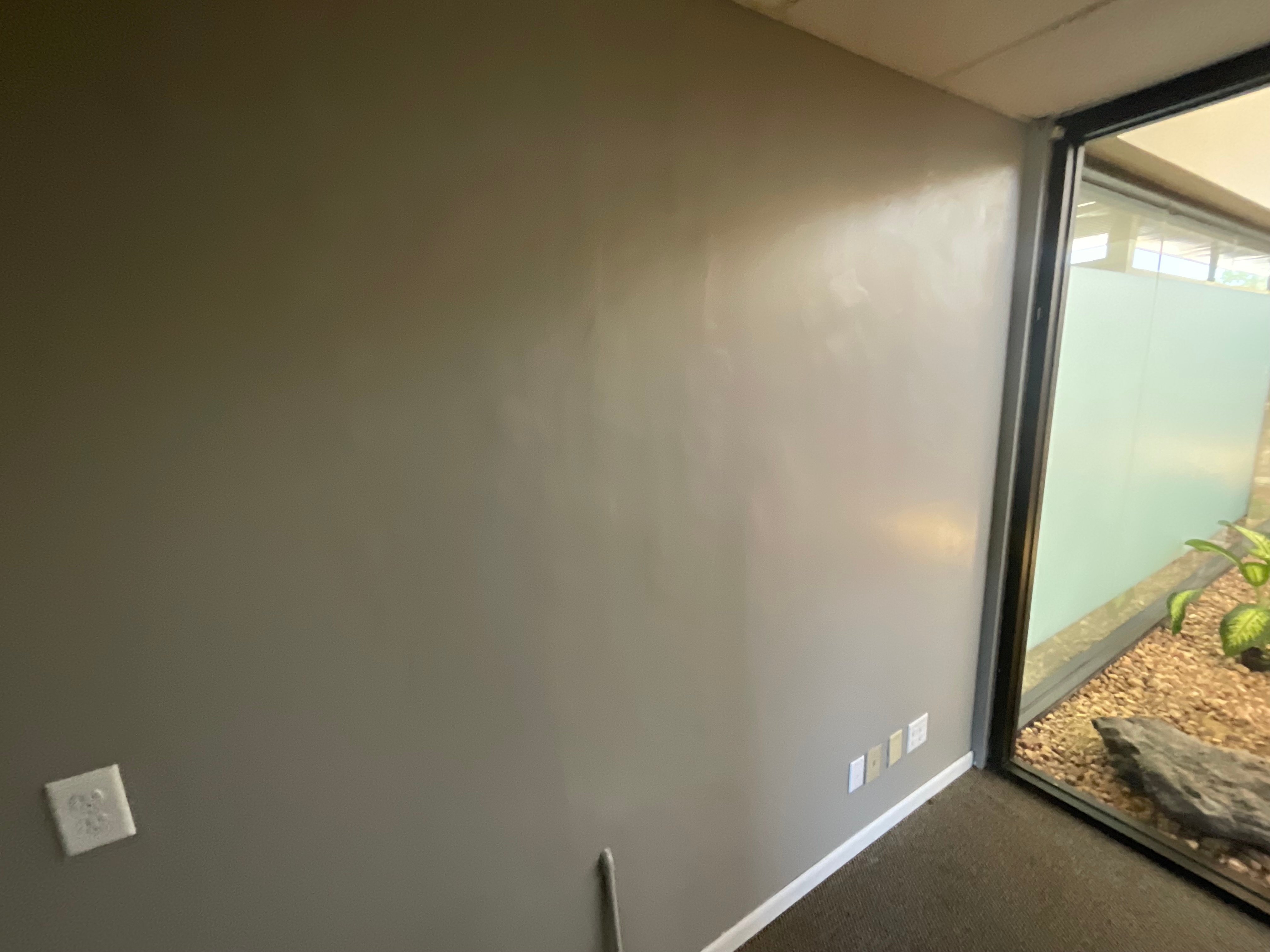
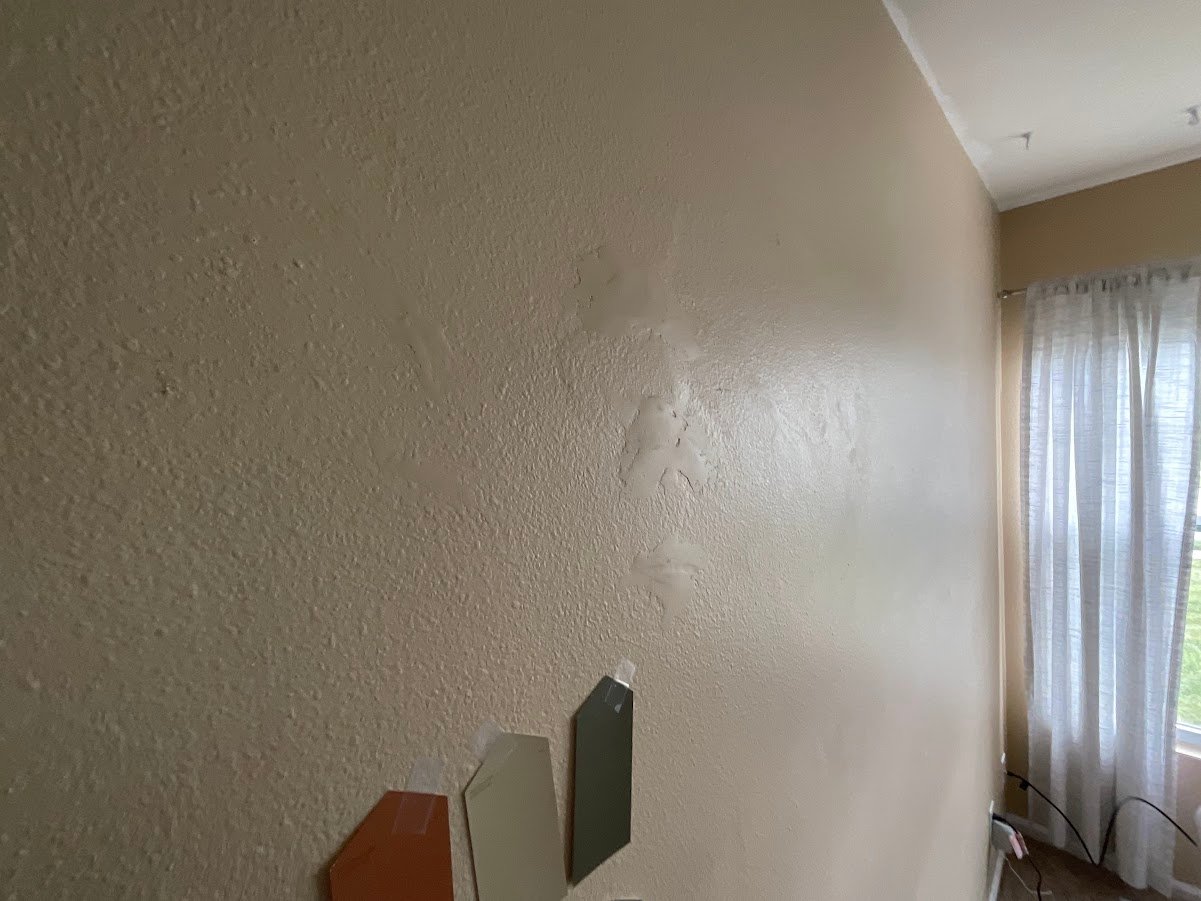
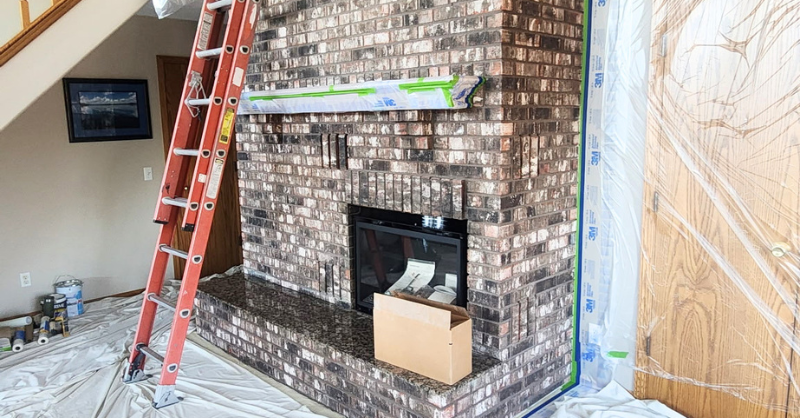
Our owner and operator of Brush & Roll Painting, Bill Carlson, went out on a sales consultation to look at an interior painting project. Right away, the homeowner pointed out one of her main concerns and reason for doing the project: dark spots and faint lines on outside walls, the ones that face the exterior of the home. There are some dark spots near the ceiling and some lines running down the wall.
The homeowners asked, “What do you suppose that is?” After asking a few follow-up questions, narrowing it down to the outer walls, and spotting some nail pops. Bill knew it was a ventilation issue.
That situation can feel frustrating; one minute you think you have an interior painting project to do, then the next you have a ventilation issue to handle first.
At Brush and Roll Painting, we have been helping Omaha homeowners with interior painting since 1996. During walkthroughs, we often see these marks on exterior-facing walls, and they are commonly mistaken for paint failure.
Over time, we have learned that these lines are rarely caused by paint. They are usually tied to airflow, insulation, and how well the home is ventilated. Being inside homes every day gives us a clear view of how often this shows up during interior painting estimates.
This guide will explain why lines and spots show up on interior walls, especially outside walls, what causes them, and how to fix the issue before painting. By the end, you will know what to look for, what questions to ask, and how to make sure your interior painting project turns out the way you expect.
Why are there dark lines on interior walls?
Dark lines or spots on interior walls are usually caused by dust sticking to cooler areas of the surface. This is called ghosting, and it shows up most often on outside walls that border the exterior of your home.
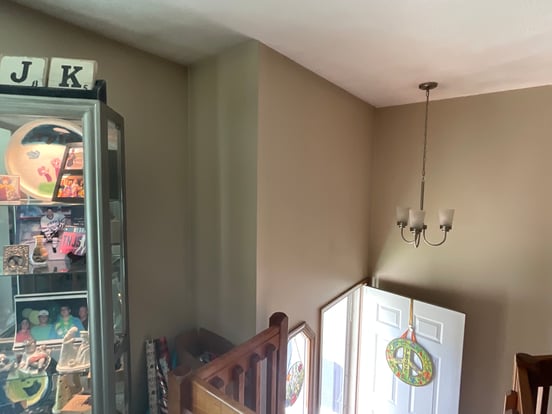
Outside walls are more exposed to temperature changes. In Omaha, cold winters and hot summers make these walls react differently than interior walls.
Because of that, they develop small temperature differences across the surface, and that is where dust starts to collect.
Why do outside walls show lines or dark spots more than interior walls?
Outside walls show shadowed lines more often because they are directly affected by outdoor temperatures, which creates more noticeable hot and cold spots.
Interior walls sit between two conditioned spaces, so they stay more consistent in temperature. Outside walls, on the other hand, deal with:
- Cold air in the winter
- Heat in the summer
- Wind and pressure changes
- Insulation gaps that become more noticeable
All of this makes exterior-facing walls more likely to show ghosting during and after an interior painting project.
What is ghosting on interior walls during an interior painting project?
Ghosting is when dust and airborne particles stick to cooler areas of your wall, creating visible lines or shadows. It often becomes more noticeable after interior painting because the fresh paint creates a clean, uniform surface.
After painting, everything looks perfect. Then, slowly over time, dust begins to settle again, and those cooler areas start to show lines again.
That is why homeowners often think the interior paint failed, when in reality, the wall is reacting to airflow and temperature differences.
Why do the lines follow studs or ceiling lines?
The lines follow studs and ceiling framing because those areas transfer temperature differently than insulated spaces.
This creates a repeating pattern across your interior walls. You might notice:
- Vertical lines from floor to ceiling
- Horizontal lines along the ceiling line
- Darker areas in corners of outside walls
- Marks near attic access points
These patterns are a strong sign that the issue is behind the wall, not in the paint.
Is this a bad interior paint job?
Most of the time, no. This is not caused by poor interior painting or low-quality paint.
It is a common misconception. The paint is simply showing you what is happening underneath. If the same lines return after repainting, it confirms the issue is related to airflow, insulation, or ventilation.
Even high-end interior paint will not prevent this if the conditions stay the same.

How does attic ventilation affect interior walls?
Poor attic ventilation causes uneven temperatures in your home, especially along outside walls. This leads to the conditions that create ghosting.
Here is what is happening:
- Warm air rises and gets trapped in the attic
- Moisture builds up instead of escaping
- Air pressure pulls dust through small gaps
- Outside walls stay cooler than interior walls
In Omaha, seasonal changes make this worse. Your home expands and contracts with temperature swings, which affects airflow and insulation over time.
Can insulation issues in exterior walls cause this?
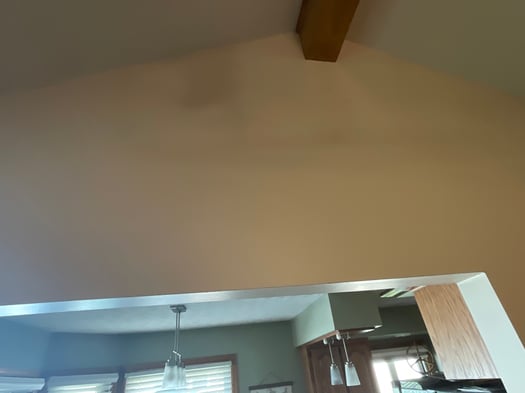
Yes, insulation problems in exterior walls are one of the main causes of ghosting during interior painting projects.
Common issues include:
- Missing insulation in outside walls
- Compressed or uneven batting
- Gaps near the top of walls or attic edges
- Air leaks around outlets and light fixtures
Even small gaps in insulation can create noticeable lines on freshly painted walls.
Why do lines come back after interior painting?
Lines come back because the underlying issue was never fixed. Interior painting can cover the marks temporarily, but it does not change airflow or insulation.
If the wall still has temperature differences, dust will collect in the same areas again.
This is why repainting without fixing ventilation often leads to the same frustration.
How do you fix lines on interior walls before painting?
To fix the issue properly, you need to address airflow and insulation before starting your interior painting project.
Here are the key steps:
- Improve attic ventilation with proper airflow
- Seal air leaks around outlets, fixtures, and attic access
- Add or adjust insulation in outside walls and attic spaces
- Make sure exhaust fans vent outside
- Reduce indoor dust with better filtration
These steps create a more even environment so your interior paint can perform the way it should.
When should you repaint after fixing the issue?
You should repaint after the ventilation and insulation issues are corrected and the walls are cleaned.
Before interior painting:
- Clean walls to remove dust buildup
- Prime if needed
- Prep surfaces properly for a smooth finish
Once this is done, your paint will look clean and stay that way much longer.
FAQ: Lines on outside walls during interior painting
Why do I only see lines on outside walls?
Outside walls are affected by outdoor temperatures, which creates more temperature differences and leads to ghosting.
Is this common in Omaha interior painting projects?
Yes, especially because of our cold winters and hot summers.
Can I fix this with better interior paint?
No, paint alone will not fix airflow or insulation issues.
Will cleaning the walls help?
Cleaning can help temporarily, but the lines will return if the cause is not fixed.
Should I fix ventilation before interior painting?
Yes, fixing ventilation and insulation first will give you better, longer-lasting results.
Interior painting in Omaha homes
If you are seeing lines or dark spots on your interior walls, especially on outside walls, it is usually not a paint issue. It is your home showing signs of airflow and insulation problems.
That moment during a walkthrough, when someone points at a spot and asks what it is, is often the starting point. It may not have a quick answer right away, but once you understand the cause, the solution becomes clear.
At Brush and Roll Painting, we have worked in Omaha homes since 1996 and have seen how often this comes up during interior painting projects. The goal is to help homeowners understand the issue first so they can make the right decision before repainting.
If you are ready, you can click the button below to get a quote.

If you are still planning your painting project, you can use our home painting pricing calculator to better understand your options before taking the next step.
-May-22-2026-01-56-32-9736-PM.png?width=800&height=418&name=Blog%20Post%20Image%20Size%20(1)-May-22-2026-01-56-32-9736-PM.png)
-May-15-2026-04-54-24-9954-PM.png?width=800&height=418&name=Blog%20Post%20Image%20Size%20(1)-May-15-2026-04-54-24-9954-PM.png)
