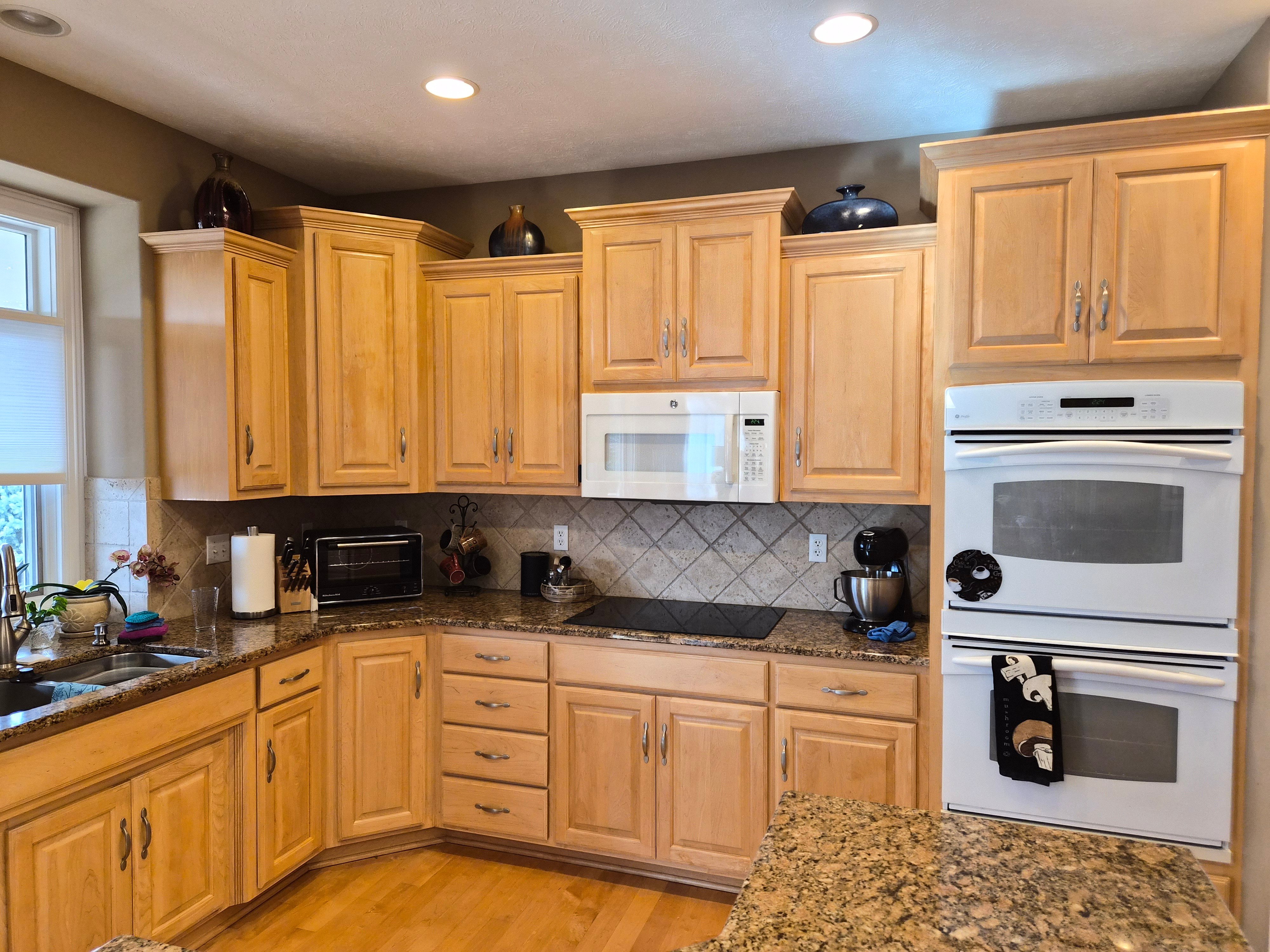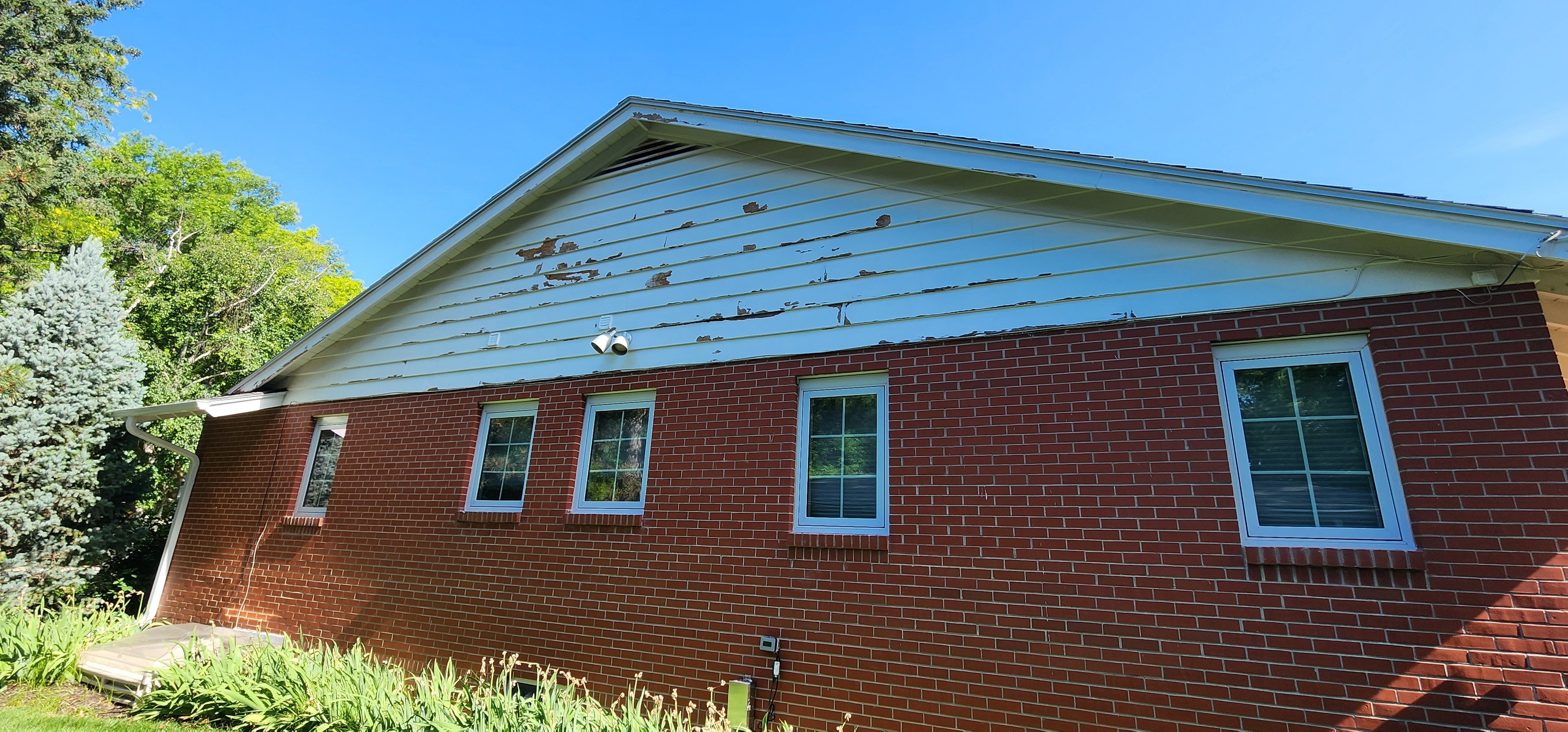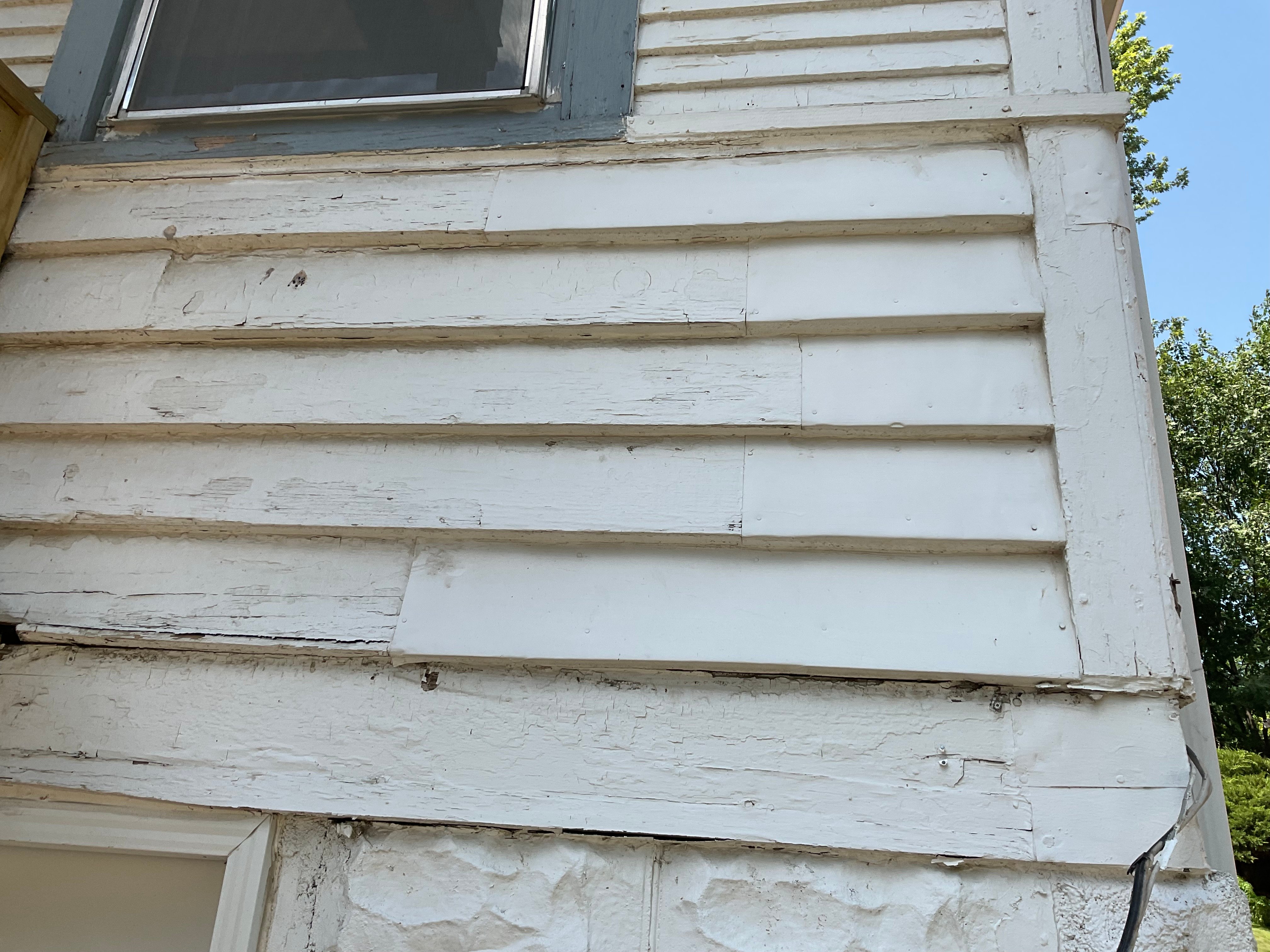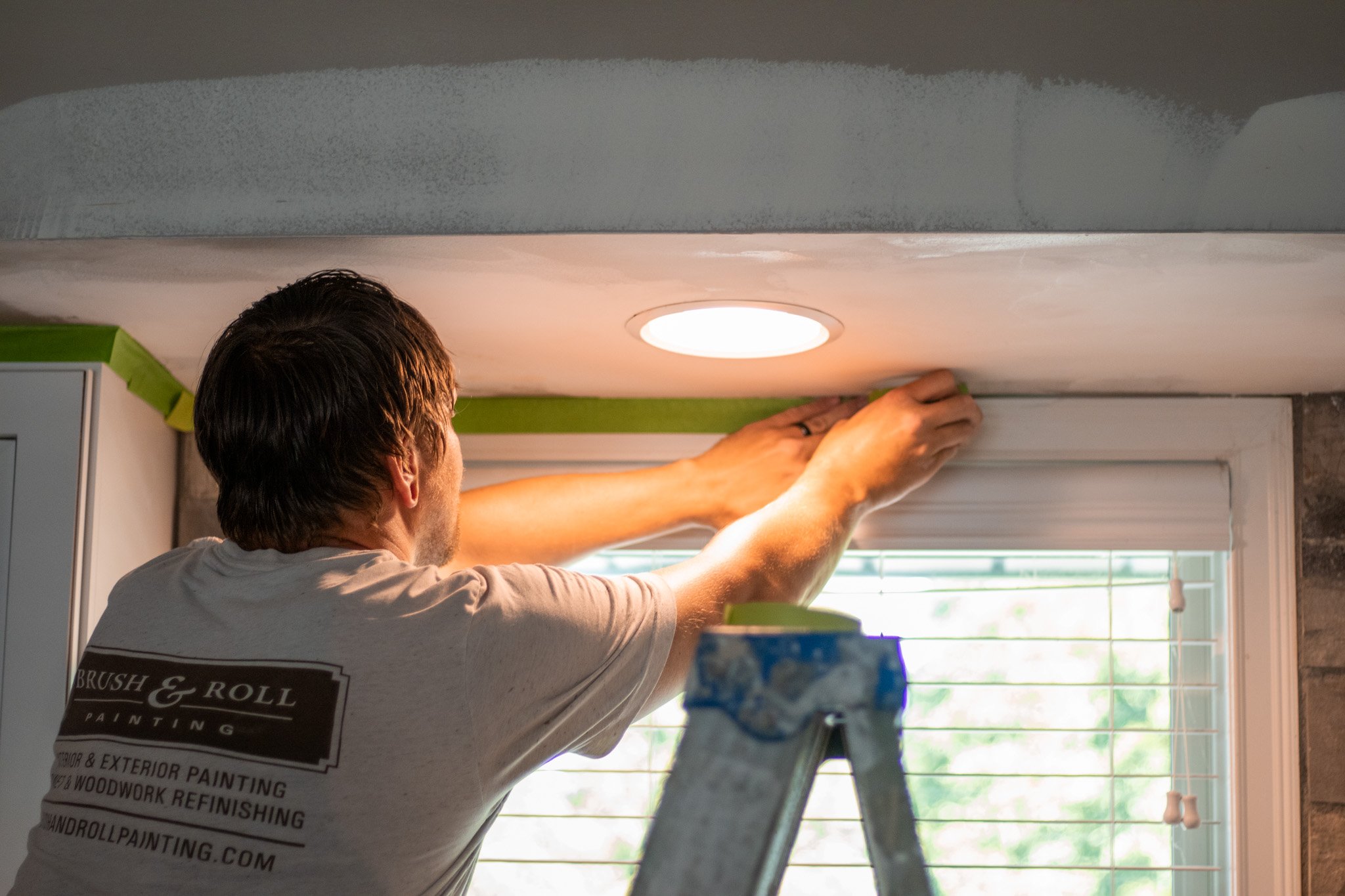
Key Takeaways
- Learn exactly what to expect before, during, and after an interior painting project.
- Understand how professional painters prepare walls, trim, ceilings, and your home before painting begins.
- Find out how painters typically organize a project to keep your home clean and minimize disruptions.
- Learn what you can do before the crew arrives to help the project run smoothly.
- Know what questions to ask your painting contractor so there are no surprises along the way.
- Feel more confident hiring an interior painter in Omaha, knowing what a professional process should look like.
Hiring someone to paint inside your home can feel stressful. You're letting people into your personal space. Furniture has to be moved, walls that have been part of your home for years are about to change, and you may be wondering what your house will look like during the process. Will your home become a construction zone? Will everything stay clean? Will the painters respect your home?
Those are all reasonable questions.
At Brush & Roll Painting, we've been helping Omaha homeowners with interior painting projects since 1996. During that time, we've painted everything from single bedrooms to entire homes, older historic houses, and newer construction. Every home is different, but homeowners tend to ask many of the same questions before work begins.
This guide walks you through what typically happens during an interior painting project, from the first day of preparation to the final walkthrough. By the time you're finished reading, you'll know what a professional painting process should look like, what you should expect from your painters, and how to prepare your home before the first brush ever touches a wall.
What should I expect when getting an interior painting quote?
A professional painting estimate should leave you feeling informed, not confused. The goal is not simply to give you a price, but to explain what work will be completed, what products will be used, and what could affect the final cost.
During an estimate, a painting contractor will typically walk through your home, take measurements, inspect the condition of the surfaces, and ask questions about your goals. This is also your opportunity to ask questions about the company's process, products, timeline, and warranty/maintenance plan.
A quality estimate should clearly outline:
- Which rooms will be painted.
- Whether walls, ceilings, trim, doors, or closets are included.
- The amount of preparation that will be completed.
- Any drywall or carpentry repairs that are included or excluded.
- The paint products being used.
- The number of coats being applied.
- Estimated project timeline.
- Payment schedule.
- Warranty information.
Don't be surprised if the estimator spends more time looking at the walls than talking about paint colors. Every dent, crack, water stain, peeling area, or previous repair affects the amount of preparation needed, which often has a bigger impact on the project than the painting itself.
At Brush & Roll Painting, we believe homeowners deserve a clear proposal that explains exactly what is included. We want homeowners to understand the work being performed so they can compare estimates fairly and make the decision that is right for their home.
How do payments usually work for an interior painting project?
Payment schedules vary from one painting company to another, but they should always be discussed before work begins. You should know exactly when payments are due and what each payment covers.
Some contractors collect payment only after the project is complete. Others use progress payments on larger jobs. Neither approach is unusual as long as the expectations are clear from the beginning.
At Brush & Roll Painting, we use a simple payment schedule that keeps the project moving while giving homeowners confidence throughout the process.
Our invoice and payment schedule is:
- A 10 percent deposit to reserve your place on the schedule.
- 30 percent at the start of the project.
- 30 percent at the midpoint of the project.
- The remaining 30 percent after the work is complete and the final walkthrough has been performed.
This payment structure helps cover materials and labor as the project progresses while ensuring the majority of the payment is tied to completed work.
Before making your final payment, feel free to take time to walk through the project with your painter. A final walkthrough allows both you and the painting crew to inspect the finished work together, answer any remaining questions, and address small touch-ups if necessary.
A professional painting company should never make you feel rushed through this final step. It is your opportunity to confirm that the project was completed according to the agreed-upon scope of work and that you are satisfied with the finished result.
What should happen before interior painting starts?
A professional painting project starts long before anyone opens a paint can.
The first day is often focused almost entirely on preparation. While every project is different, good preparation is usually the biggest difference between paint that lasts for years and paint that starts showing problems much sooner.
Most professional painters begin by walking through the home one last time.
During this walkthrough, they may:
- Confirm paint colors.
- Verify which rooms are being painted.
- Discuss any repairs that need attention.
- Answer last-minute questions.
- Review the project schedule.
- Identify areas needing extra protection.
This final conversation helps make sure everyone has the same expectations before work begins.
How do painters prepare a house before interior painting?
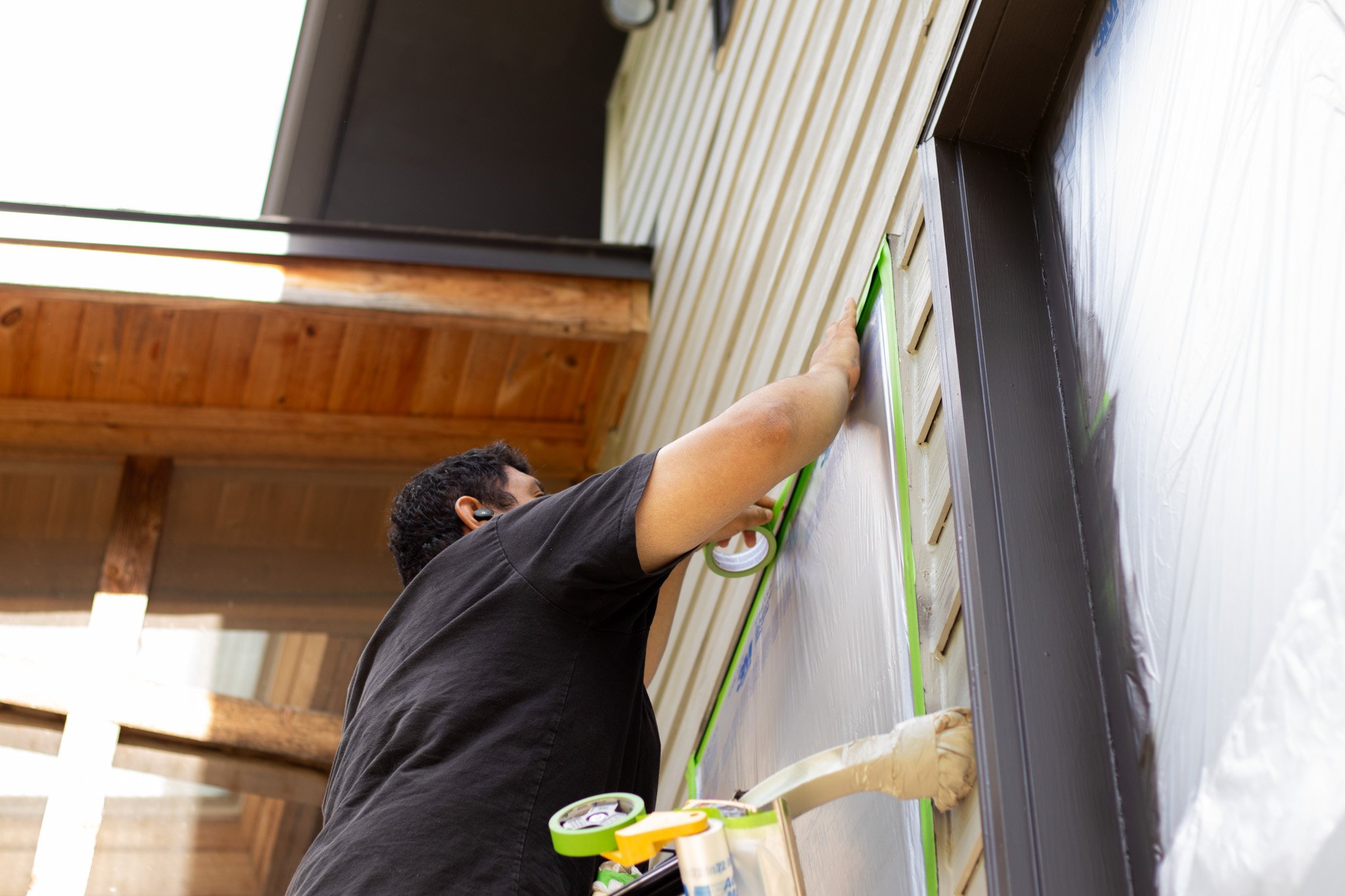
Professional painters should spend a surprising amount of time protecting your home before they begin painting. Good preparation helps produce cleaner lines, smoother finishes, and fewer accidents.
Preparation commonly includes:
- Moving furniture toward the center of the room.
- Covering furniture with clean plastic.
- Protecting floors with drop cloths.
- Masking windows when necessary.
- Removing switch plates and outlet covers.
- Protecting light fixtures.
Some painters also ask homeowners to remove wall art and fragile decorations before work begins.
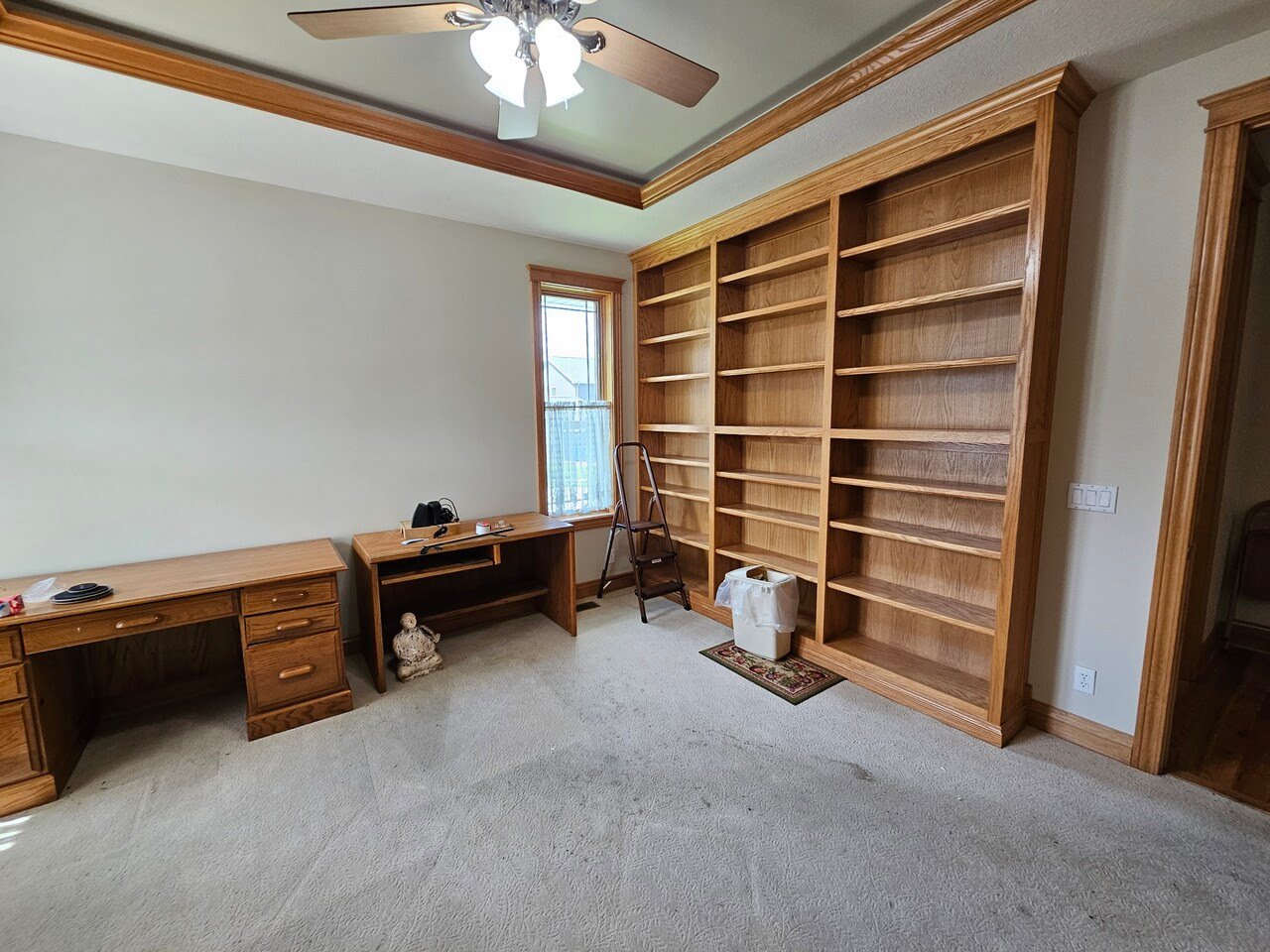
For example, if you have shelves filled with family photos, collectibles, or glass decorations, removing those ahead of time makes everyone's job easier and reduces the chance something gets damaged.
Do painters repair walls before painting?
Usually, yes. Most professional painters perform basic wall repairs before applying paint.
Paint will not hide dents, nail holes, drywall patches, or small cracks. In many cases, fresh paint actually makes these flaws easier to notice.
Typical wall preparation may include:
- Filling nail holes.
- Filling small dents.
- Repairing minor drywall damage.
- Sanding rough areas.
- Feather sanding previous repairs.
- Caulking gaps around trim.
- Spot priming repaired areas.
Larger drywall repairs may require additional work or a separate repair specialist, depending on the contractor.
A smooth wall creates a smooth finished appearance.
What prep work is done before painting trim and woodwork?
Trim usually requires more detailed preparation than walls.
Doors, baseboards, window trim, crown molding, and casings receive much closer attention because imperfections are easier to see on glossy finishes.
Preparation often includes:
- Cleaning dirt and oils.
- Filling nail holes.
- Caulking joints.
- Sanding rough spots.
- Removing loose paint.
- Spot priming bare wood.
- Cleaning dust before painting.
If your trim has years of built-up paint, some sanding may take longer than homeowners expect.
That extra time often makes the biggest difference in how smooth the finished product looks.

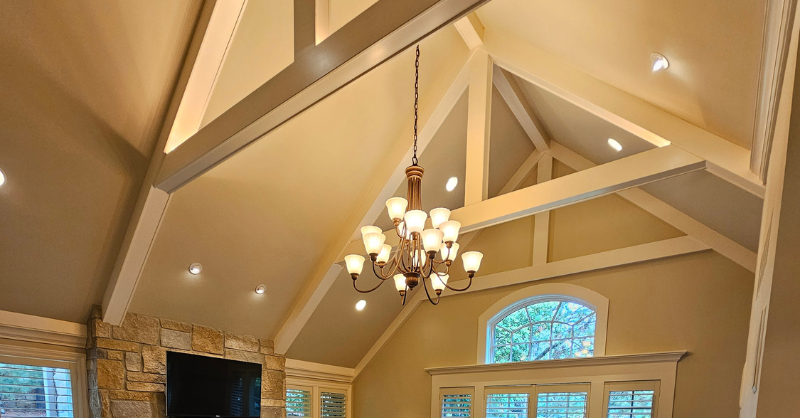
What happens before painting ceilings?
Ceilings are usually painted before the walls.
Painting the ceiling first allows small splatters to land on walls that will be painted afterward.
Ceiling preparation may include:
- Removing cobwebs.
- Dusting.
- Filling ceiling cracks.
- Spot priming stains.
- Protecting ceiling fixtures.
- Masking ceiling fans when necessary.
Water stains should almost always be sealed with the proper primer before repainting.
Otherwise, they may bleed back through the new paint.
Where do painters usually start painting inside a house?
Most painters start in larger common areas, but every project is different.
The painting crew may decide to begin in:
- Living rooms.
- Great rooms.
- Entryways.
- Dining rooms.
The order often depends on:
- Project size.
- Furniture placement.
- Drying time.
- Home layout.
- Number of painters.
- Occupancy.
Sometimes crews work from the top floor down. Other times they work room by room.
The goal is usually to keep homeowners comfortable while making the project as efficient as possible.
-Aug-07-2026-01-36-30-5510-PM.png?width=522&height=273&name=Blog%20Post%20Image%20Size%20(1)-Aug-07-2026-01-36-30-5510-PM.png)
Why do painters usually paint ceilings before walls?
Ceilings are generally painted first because it keeps the project cleaner.
Even experienced painters occasionally create small splatters while rolling ceilings. If walls have already been finished, those splatters become extra cleanup work.
The typical order is:
- Ceiling.
- Crown molding.
- Walls.
- Doors.
- Window trim.
- Baseboards.
Again, this can change depending on the project, but this order is common.
Should painters have a dedicated work area?
Yes. Having one organized area helps keep the project cleaner and more efficient.
Most professional painting crews appreciate having one location where they can safely store supplies throughout the project.
This area may include:
- Paint cans.
- Rollers.
- Brushes.
- Extension poles.
- Drop cloths.
- Ladders.
- Sanding equipment.
- Tape.
- Plastic.
- Repair materials.
Many homeowners choose:
- A laundry room.
- A mud room.
- A spare room.
- Corner in a main room.
Keeping everything together helps prevent supplies from being scattered throughout the house.
Do painters need access to a sink or water?
Professional painters need water throughout the project. Brushes, rollers, buckets, and tools need regular cleaning.
Many crews use:
- A utility sink.
- A laundry sink.
- A basement sink.
If you do not want them using an indoor sink, painters may ask to use an outdoor hose for rinsing certain tools.
Having easy access to water saves time and helps keep equipment clean.
How do professional painters keep a house clean during painting?
A clean job site should be part of every professional painting project.
Good painters spend almost as much time protecting your home as they do painting it.
Daily cleanup often includes:
- Folding drop cloths.
- Organizing tools.
- Vacuuming sanding dust.
- Removing trash.
- Keeping walkways clear.
- Cleaning small paint drips immediately.
- Storing materials safely overnight.
You should not feel like you're living inside a construction site for the entire project.
Will there be dust during interior painting?
Usually, yes, but it should be controlled. Sanding walls, trim, drywall repairs, and patches naturally creates dust.
Professional painters often reduce dust by:
- Using sanding sponges.
- Vacuum sanding equipment.
- Cleaning surfaces before painting.
- Vacuuming floors.
- Wiping trim.
- Keeping work areas organized.
Older homes in Omaha sometimes require more sanding because previous paint layers have built up over many decades.
How long does an interior painting project usually take?
Every project is different. A single bedroom may only take one day. An entire home could take several days or even more than a week.
The timeline depends on:
- Number of rooms.
- Ceiling height.
- Amount of prep work.
- Drywall repairs.
- Number of coats.
- Weather, if doors or trim are being removed.
- Number of painters.
A quality painting company should explain the expected schedule before work begins.
Should I stay home while painters are working at my house?
Many homeowners stay home while painters are working. Many people continue working from home while painters complete the project.
Many also leave during the day and return in the evening. Some homeowners also schedule a painter while they are on vacation.
Talk with your painting contractor ahead of time if:
- You work remotely.
- You have young children.
- You have pets.
- Someone in the home has paint sensitivities.
- Certain rooms need to stay accessible.
Communication makes scheduling much easier for everyone.
What should homeowners do before painters arrive?
A little preparation goes a long way.
Before the crew arrives, many homeowners:
- Confirm paint colors.
- Remove valuable decorations.
- Take pictures off the walls.
- Clear shelves.
- Mark any nail holes you want to save with tape or a post it note, or leave the nails or screws in the wall.
- Remove fragile items.
- Put away personal belongings.
- Move furniture or appliances from painted areas as much as possible.
- Secure pets.
- Discuss parking arrangements.
What should happen after the painting is finished?
A professional project should end with a final walkthrough.
This gives both the homeowner and painter a chance to inspect the finished work together.
During the walkthrough, you may:
- Look for missed areas.
- Check color consistency.
- Inspect repairs.
- Review trim.
- Confirm cleanup.
- Ask care and maintenance questions.
- Create a small touch-up list if needed.
- Get leftover paint cans and store them in a cool, dry place for future touch-ups.
Most painters want to know about any concerns before the project is officially complete.
Frequently Asked Questions About Hiring an Interior Painter
Should painters move my furniture?
Most professional painters will ask you to move larger furniture toward the center of the room and protect it. If you need assistance moving furniture or appliances, a painter may help, but isn’t reliable f
Do I need to leave my house while painting?
Usually not. Many homeowners stay home during the project. Talk with your painter if you have pets, children, or work from home.
How messy is interior painting?
A professional painting project should stay organized. Floors, furniture, and belongings should be protected throughout the project, and cleanup should happen daily.
Will painters fix nail holes?
Most painters fill normal nail holes and small wall imperfections as part of standard preparation. Larger drywall repairs are often quoted separately.
Do painters clean up every day?
Most professional crews perform daily cleanup so your home stays organized throughout the project.
How many coats of paint should interior walls receive?
Most repaint projects receive two finish coats for better color consistency and durability, although coverage depends on the existing color, new color, and paint product. Many lighter colors, like white, gray, and beige, may need 3 coats.
Can I use my kitchen or bathroom while painting?
Usually yes. The crew will often schedule work so these rooms remain usable whenever possible.
Interior Painting in Omaha, NE
Hiring an interior painter should not feel uncertain. Knowing what happens before, during, and after the project helps you ask better questions and recognize the difference between a rushed paint job and a professional one.
A quality interior painting project is built on careful preparation, organized work areas, clear communication, respect for your home, and attention to detail from start to finish. Whether you're painting one bedroom or your entire house, understanding the process helps you feel more comfortable every step of the way.
At Brush & Roll Painting, we've been helping homeowners throughout the Omaha area since 1996. Our goal is simply to help homeowners make informed decisions about their painting projects so they know what a professional interior painting experience should look like.
If you're ready to move forward with your project, click the button below to Get a Quote.

If you're still comparing options or planning for the future, try our Interior Painting Pricing Calculator to get a better idea of what your project may cost before scheduling an estimate.

%202.jpeg?width=564&height=564&name=Scheppers%20After%2070%20(1)%202.jpeg)