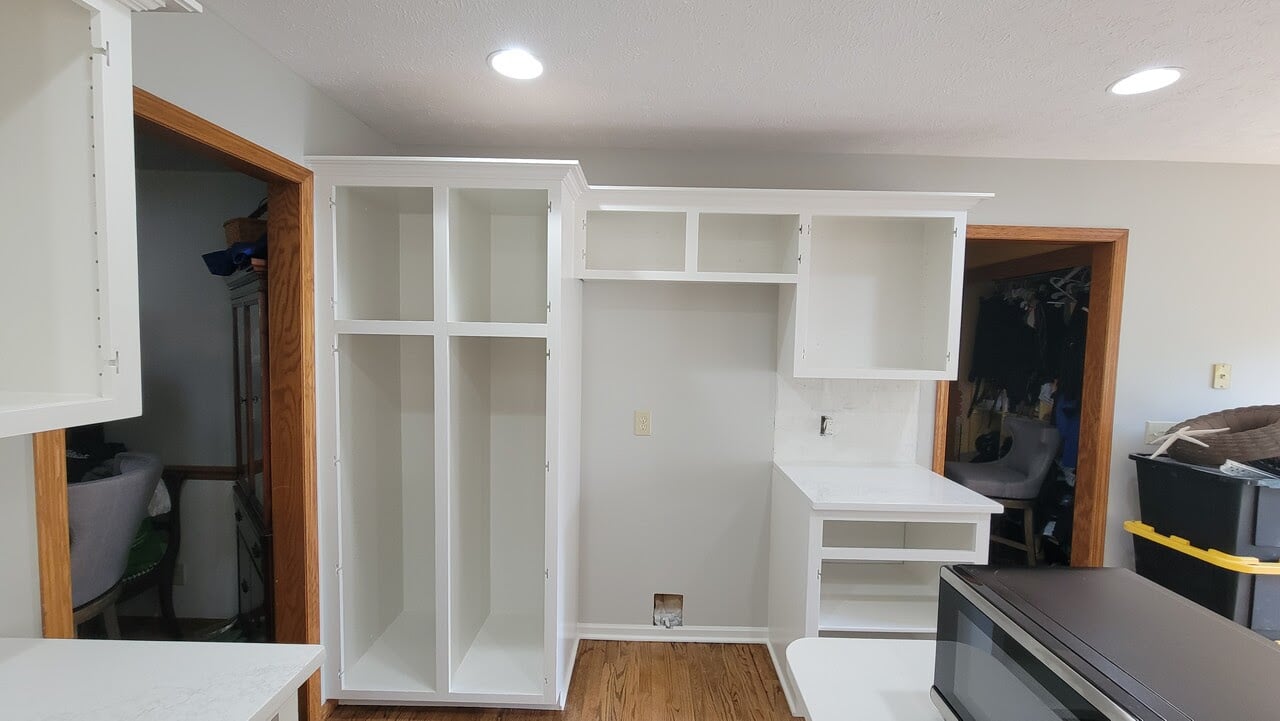
You’ve finally decided to freshen up your home with new paint, but when the painter mentions “spraying,” you pause. The thought of someone using a sprayer inside your home might make you nervous. Will the mist get everywhere? Will your furniture, flooring, or air vents be covered? You’ve likely heard stories about overspray or seen videos where things didn’t go so well.
At Brush & Roll Painting, we’ve served homeowners across Omaha since 1996. Over the years, we’ve sprayed and brushed thousands of projects, from cabinets to walls to trim, and have seen firsthand what works well and what creates headaches. The truth is, spraying can produce a smoother, more professional finish, but only when it’s done under the right conditions and with the right preparation.
In this article, you’ll learn what questions to ask before letting a painter spray inside your home, what risks come with interior spraying, when it’s worth doing, and when it might be better to stick with brushing and rolling. You’ll walk away knowing exactly how to protect your home, what to expect, and how to confidently discuss your options with any painter you hire.
Why Do Painters Use a Sprayer?
Sprayers are commonly used for two reasons: speed and smoothness. They apply paint evenly and without brush or roller marks. When spraying is done correctly, it can create a flawless finish, especially on trim, doors, and cabinets.
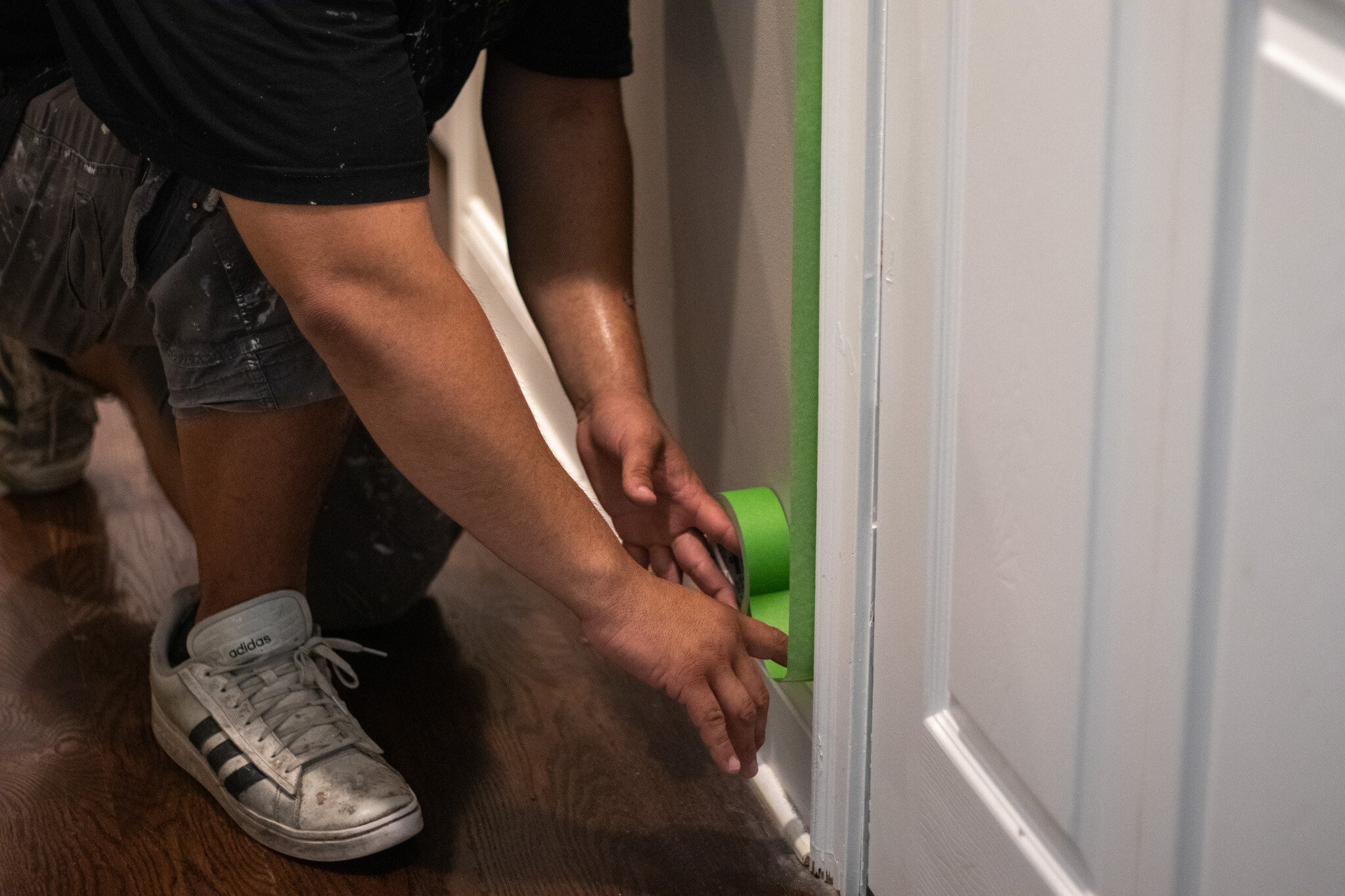
However, the tradeoff is that spraying requires a lot of preparation. A painter must completely mask and seal off any area that’s not being painted. That includes floors, windows, vents, light fixtures, outlets, and sometimes even doorways and hallways.
If you hear a painter say, “We’ll just spray everything,” that should immediately raise questions. Spraying can be great for certain projects, but it’s not always the best choice for every home or every room.
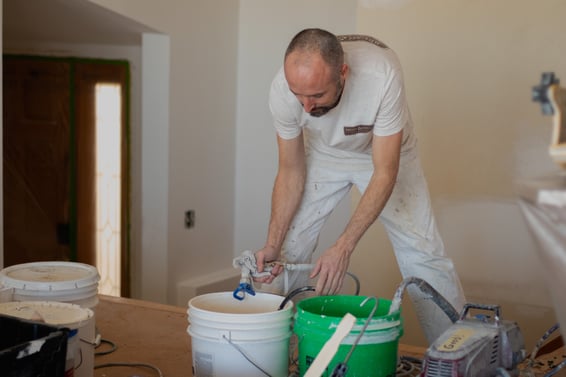
What Should I Ask Before a Painter Sprays Inside My Home?
Before agreeing to interior spraying, here are several important questions to ask your painter:
- How will you protect the rest of my home from overspray?
Overspray happens when paint mist travels beyond the intended surface. It can settle on furniture, flooring, or even inside vents. A responsible painter should describe exactly how they’ll contain the area.
Look for answers that mention:
- Full plastic containment walls to seal off the space.
- Covering floors with heavy paper or plastic, not just drop cloths.
- Turning off or sealing HVAC vents to prevent paint mist from spreading.
- Creating a controlled airflow with filters or fans.
If a painter says they “don’t worry about overspray,” that’s a red flag.
- What surfaces are you planning to spray?
Spraying may make sense for doors, trim, or cabinets, but not always for walls or ceilings in occupied homes. Ask if spraying is truly necessary, or if rolling would produce the same quality with less disruption. - Can you completely shut down a room during the process?
Spraying requires isolation. A painter should be able to fully “shut down” a room—meaning you won’t be able to enter or use that area for the duration of the project. If they can’t do this safely, brushing and rolling might be a better option. - What kind of sprayer and products will you use?
Professional airless sprayers and high-quality paints like Benjamin Moore or Sherwin-Williams products tend to atomize paint more evenly and dry faster. Ask your painter to specify the products they’ll use and whether they’re designed for interior spraying. - How long will the space be out of use?
Spraying adds setup and cleanup time. It may take a few extra days before you can safely move back into the space, especially for cabinet or trim projects where multiple coats and dry times are required.
What Are the Risks of Spraying Indoors?
Spraying inside a home comes with unique challenges. While it can give a beautiful finish, the process needs to be controlled carefully.
Overspray:
Even the finest mist of paint can land where it shouldn’t. Overspray can be difficult to clean, especially on floors, furniture, or glass.
Odors and ventilation:
Sprayed paint releases more airborne particles than brushed paint. Without proper ventilation and filtering, these can linger in the air or spread to other parts of your home.
Temperature and humidity:
Omaha’s weather swings—from humid summers to cold, dry winters—can affect drying times and how well the paint bonds. A good painter will know how to adjust their methods for the season.
Cleanup complexity:
After spraying, all plastic and masking materials must be carefully removed. If the area isn’t sealed well, tiny particles can travel farther than you think.
The bottom line: spraying indoors is safe when done correctly, but risky when done casually.

When Is It Worth Spraying Instead of Brushing and Rolling?
Spraying is often best for smooth or detailed surfaces where brush marks would be noticeable.
Good examples include:
- Trim, doors, and crown molding
- Built-in shelving or the inside of cabinets
- Furniture or custom woodwork
However, spraying walls or ceilings is usually not worth the hassle unless the space is empty. For example, a newly built home, a major remodel, or an empty rental might make sense.
In an occupied home, brushing and rolling are usually cleaner, faster, and easier to live with.
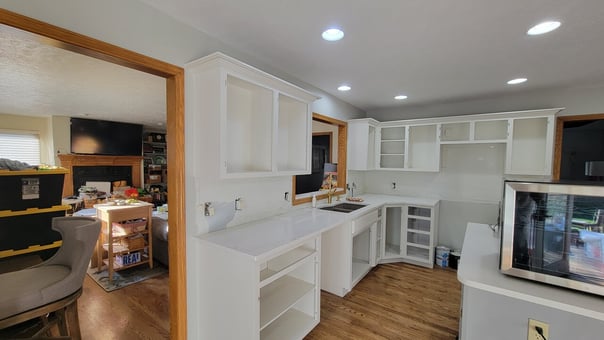
When Is It Worth Spraying Cabinets?
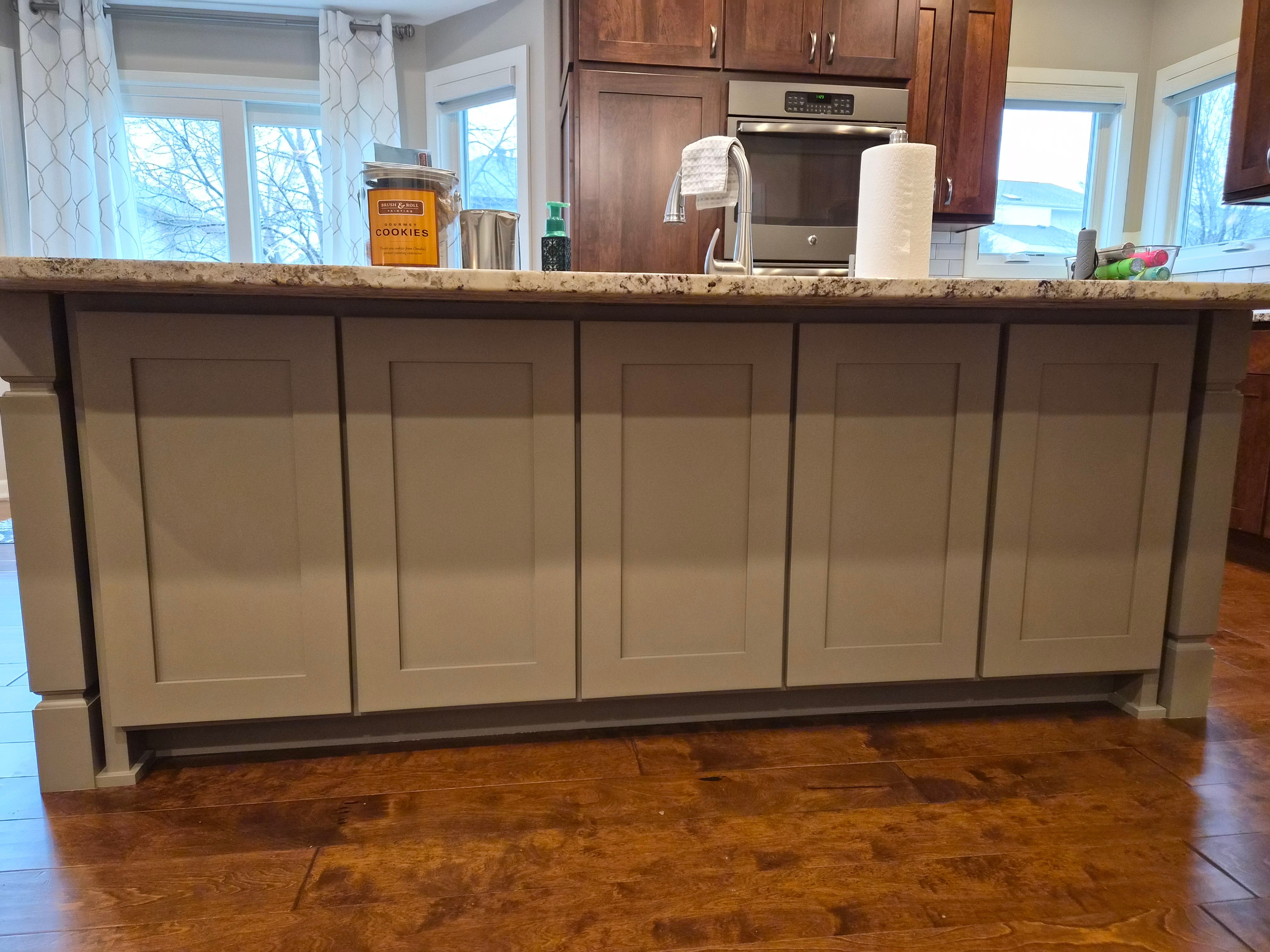
Cabinet painting is where spraying shines—but also where it’s easiest to go wrong.
Spraying Cabinet Doors and Drawers:
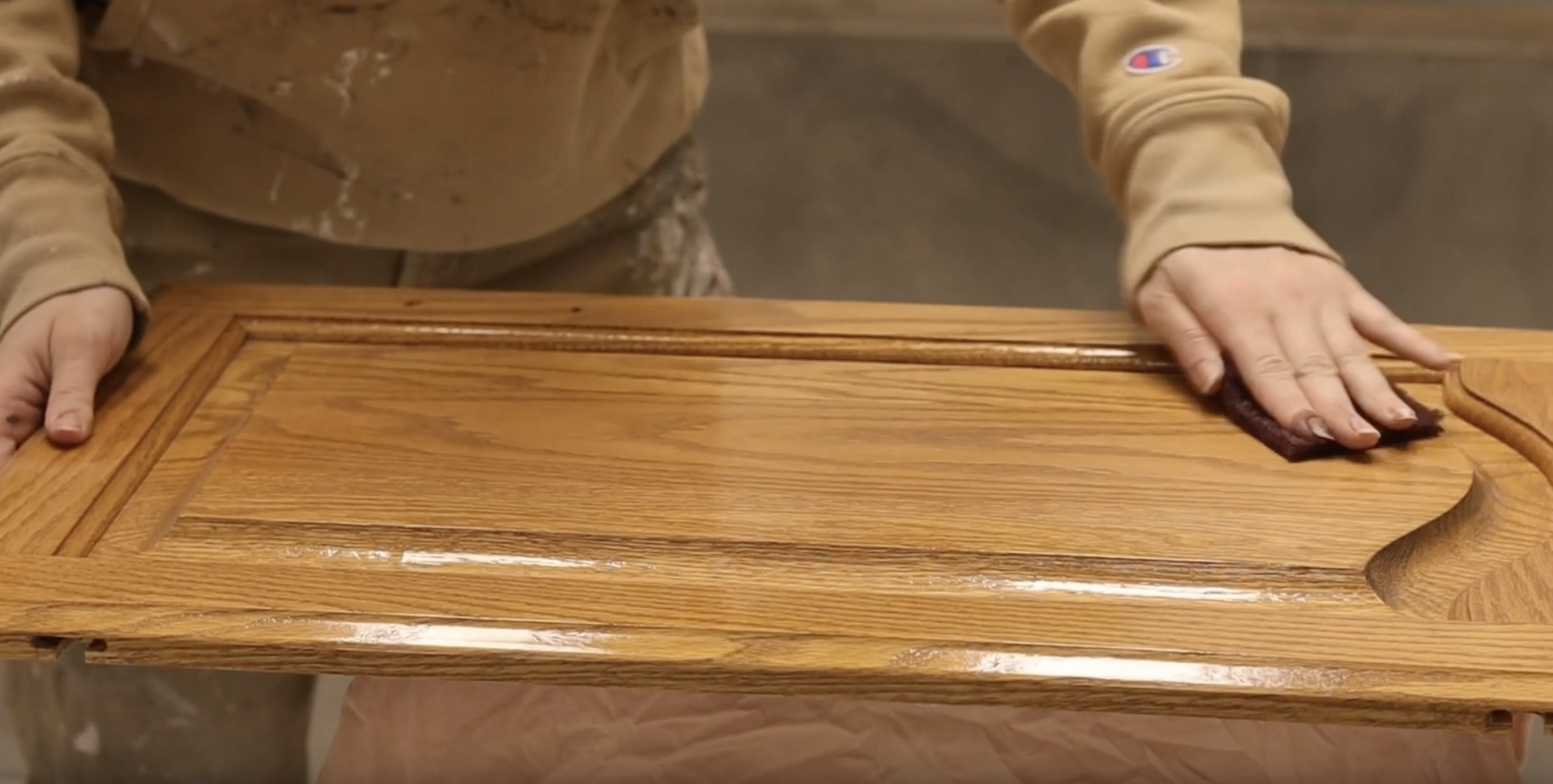
These should always be sprayed off-site in a controlled environment, not in your garage or basement. A proper spray booth filters air, controls dust, and maintains ideal temperatures for the coating to cure properly.
Painting in a garage or basement creates risks like:
- Overspray drifting onto vehicles or personal items.
- Dust or debris sticking to the finish.
- Temperature swings affecting the curing process.
- Fumes spreading throughout your home.
Spraying Cabinet Boxes (the frames attached to the wall):
Cabinet boxes can be sprayed in place, but it requires completely sealing off the kitchen. The painter will build a temporary plastic enclosure, cover floors, and remove doors and drawers.
During this time:
- You won’t be able to use your kitchen for roughly a week.
- Appliances may be unplugged or temporarily moved.
- Airflow and ventilation must be carefully managed.
While it’s a hassle, this method produces a smoother, more durable finish that matches the sprayed doors.
How Do Professionals Prevent Overspray and Dust?
Experienced painters use a step-by-step containment system:
- Isolation: The room is sealed from top to bottom with plastic sheeting, taped to walls, floors, and ceilings.
- Surface protection: Floors are covered with rosin paper or heavy plastic.
- Air control: Exhaust fans and filters are set up to direct airflow outside, keeping mist from lingering.
- Proper equipment: They use professional-grade sprayers with adjustable tips to control paint flow and reduce fogging.
- Clean workspace: Painters wear protective gear and control dust throughout the process.
If a painter can’t explain how they’ll handle these steps, they may not have the right experience for indoor spraying.
What Should I Expect During and After Spraying?
During the project:
- Expect more setup time than with rolling or brushing.
- You’ll likely need to leave the area until the coats are dry.
- The painter may apply multiple thin coats instead of one thick coat for a smooth, durable finish.
After the project:
- Plastic and masking materials are removed carefully.
- Air filters may run to clear any lingering paint mist.
- The painter should walk through the space with you to inspect the results.
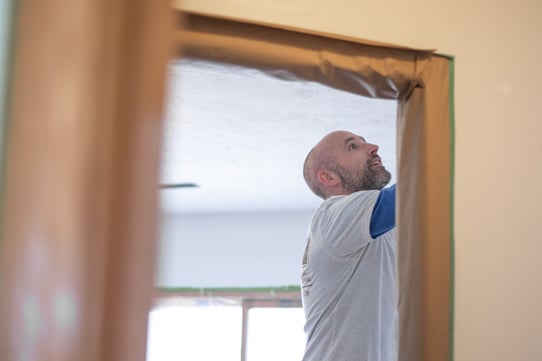
FAQ: Common Questions Omaha Homeowners Ask About Paint Spraying
Can I stay in my home while they spray?
Yes, but the sprayed area should be completely sealed off. If the smell or fumes bother you, plan to spend time in another part of the home or step out for the day.
Will overspray damage my floors or furniture?
Not if the painter properly masks and contains the area. Always confirm how they’ll protect everything.
How long before I can use the space again?
Usually 24–48 hours for light use, depending on humidity and airflow. Cabinet projects may take longer since doors and drawers need to cure fully before reinstalling.
Is spraying more expensive than brushing?
It depends on the project. Spraying often adds prep and cleanup time, so while the painting itself is faster, the total cost can be similar or slightly higher.
What if I just want a quick update?
If your goal is simply a fresh coat on walls or trim, brushing and rolling is often simpler, cleaner, and less disruptive.
Interior Painting in Omaha, Nebraska
If there’s one thing to take away, it’s that spraying can be a fantastic option, but only when the right precautions are taken. Ask about containment, ventilation, and curing conditions. Make sure your painter can explain their process from start to finish.
At Brush & Roll Painting, we’ve helped Omaha homeowners understand their painting options since 1996. Whether spraying or brushing, we believe the finish is only as good as the prep work and protection behind it.
If you’re planning a home painting project, click the button below to get a quote and learn exactly what to expect for your space.

If you’re not ready to talk with our team, you can also use our home painting pricing calculator to estimate the cost of your next project and plan with confidence.

-Mar-20-2026-03-16-05-8428-PM.png?width=800&height=418&name=Blog%20Post%20Image%20Size%20(2)-Mar-20-2026-03-16-05-8428-PM.png)