Key Takeaways:
- Cross-hatching helps create even paint coverage and reduces streaks on exterior surfaces
- It works especially well on siding types common in Omaha homes like wood and engineered siding
- This technique improves durability by building a more consistent paint layer
- Not every painter uses cross-hatching, so it is a smart question to ask during estimates
- You can spot proper application by looking for consistent color with no light or dark patches
- Cross-hatching only works well when combined with proper prep work like washing, sanding, and priming
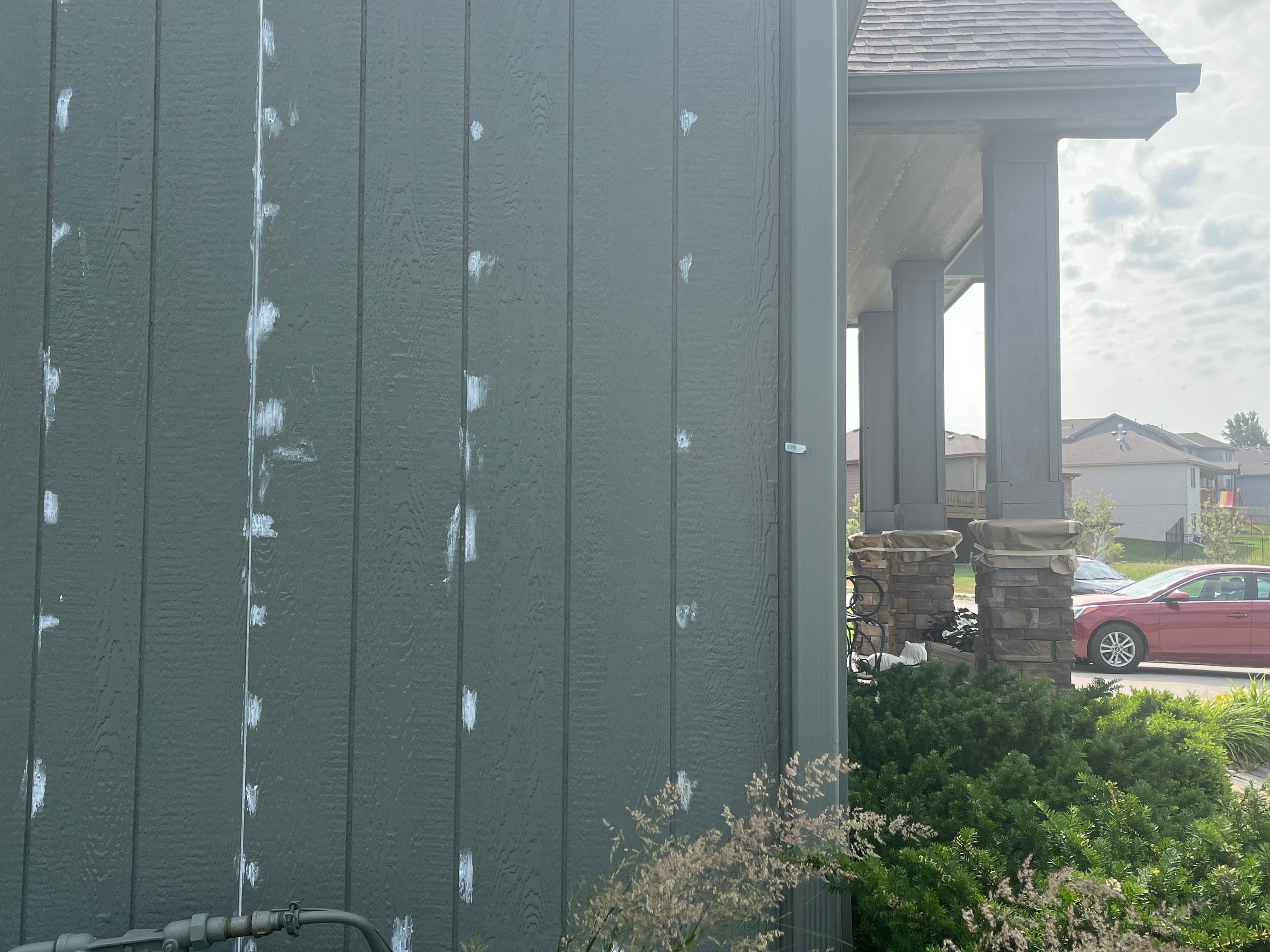
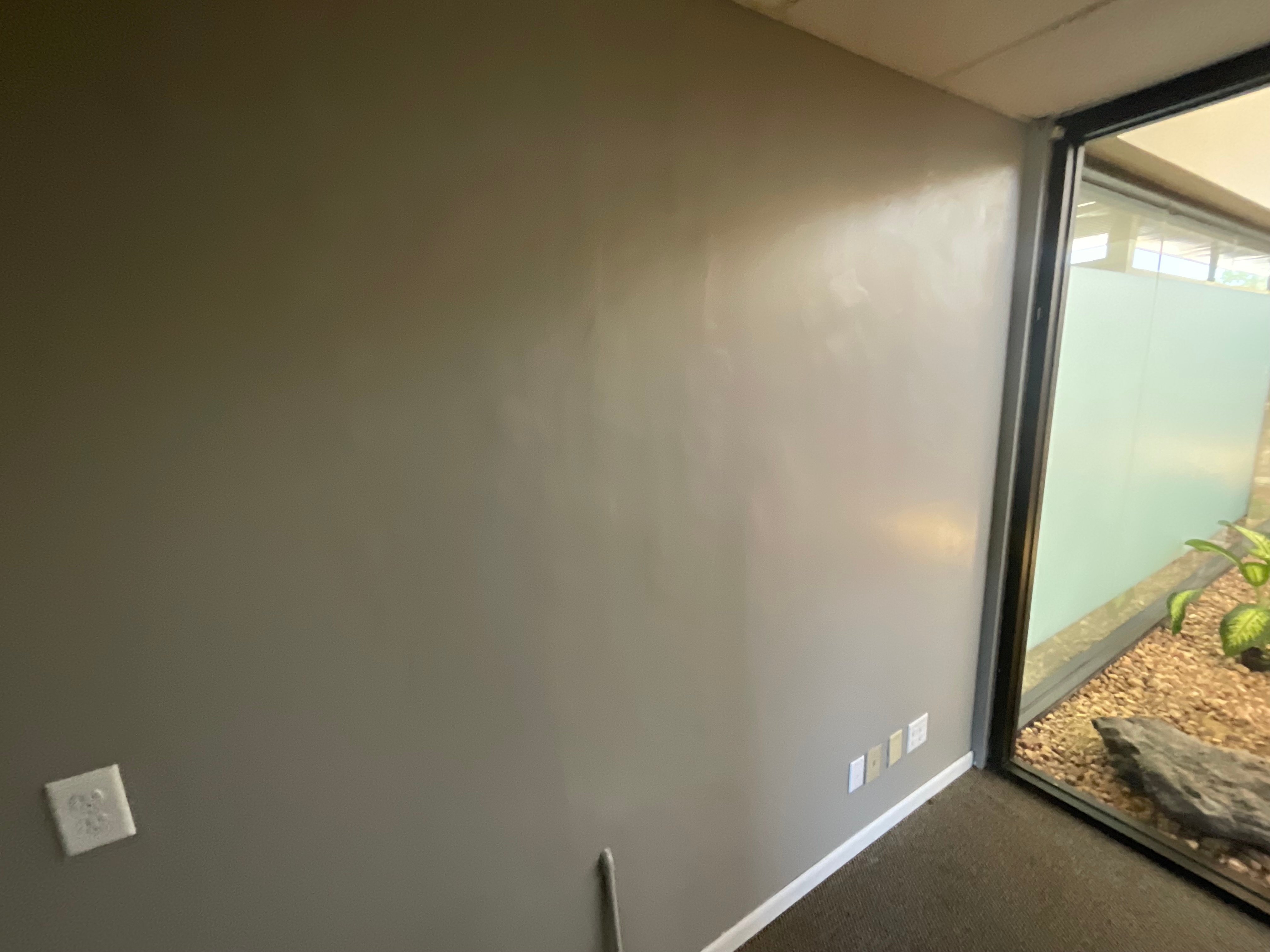
Uneven paint usually happens when paint is applied too lightly or in only one direction, leaving behind thin spots, streaks, or visible lines.
If you have ever driven past a freshly painted home and noticed patchy color or uneven sheen, you already know how frustrating it can be. What is worse is when it happens to your own home. You invest time and money expecting a clean, fresh look, but instead you see streaks in the sunlight or areas where the old color still shows through. In Omaha, this can happen fast due to heat, wind, and direct sun drying paint too quickly.
At Brush & Roll Painting, we have been working on homes in the Omaha area since 1996. Over the years, we have seen firsthand how much application technique affects the final result. Even with high-quality paint, poor technique can lead to uneven coverage. Proper methods like cross-hatching, combined with detailed prep work, help create a more consistent finish that holds up over time.
In this article, you will learn exactly what cross-hatching is, why it matters for exterior painting, and how it helps prevent streaks and uneven coverage. You will also learn what to look for when hiring a painter so you can feel confident your home will have a smooth, even finish.
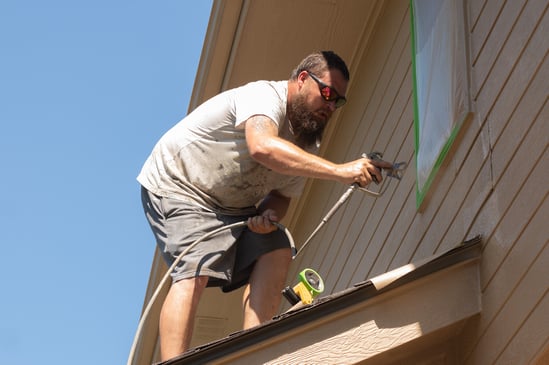
Watch this video of Brush & Roll Painting painters spraying the exterior siding on a house.
What Is Cross Hatching in Exterior Painting?
Cross-hatching is a technique where paint is applied in two directions, usually up and down, then side to side, to create even coverage.
Instead of applying paint in just one direction, painters overlap their passes. This crisscross motion helps spread paint more evenly across the surface.
On many Omaha homes, siding is not perfectly smooth. Whether it is wood grain, engineered siding, or older surfaces, paint can miss small areas during a single pass. Cross-hatching fills in those gaps.
Think of it like coloring with a marker. If you only go one direction, you might see lines. If you go over it again in a different direction, it blends together.
How Does Cross Hatching Help Prevent Streaks on Exterior Paint?
Cross-hatching reduces streaks by filling in missed spots and evening out the paint layer across the surface.
When paint is applied in one direction only, it can leave behind:
- Light areas where coverage is thin
- Darker patches where paint is heavier
- Visible lines from spray or roller passes
By crossing over the surface in a second direction, the painter:
- Blends heavy and light areas together
- Pushes paint into textured surfaces
- Creates a more uniform finish
This matters most in Omaha because sunlight hits homes at strong angles. Even small inconsistencies can become noticeable when the sun is low in the morning or evening.

Is Cross Hatching Only Used When Spraying Exterior Paint?
No, cross-hatching can be used with spraying, rolling, or brushing, but it is most common when spraying and back rolling.
Many professional painters use a combination approach:
- Spray the paint onto the surface
- Follow immediately with a roller or brush
- Work the paint in a cross-hatch motion
This process is often called spray and back roll.
Spraying alone can leave a thin or uneven coat if not handled carefully. Back rolling in a cross pattern helps:
- Even out the paint thickness
- Improve adhesion to the surface
- Reduce the chance of peeling later
For homeowners, this is one of the biggest differences between a fast paint job and a long-lasting one.
Do All Painters Use Cross Hatching on Exterior Projects?
No, not all painters use cross-hatching, and many quicker jobs skip this step.
Some painters focus on speed, applying paint in a single direction to complete projects faster. While this can look okay at first, it often leads to:
- Uneven color over time
- Faster wear and fading
- Visible application marks
Painters who focus on long-term results are more likely to use techniques like cross-hatching, especially on surfaces that require more attention.
As a homeowner, it is reasonable to ask how paint will be applied, not just what product will be used.
How Can I Tell If Your Home Was Painted Properly?
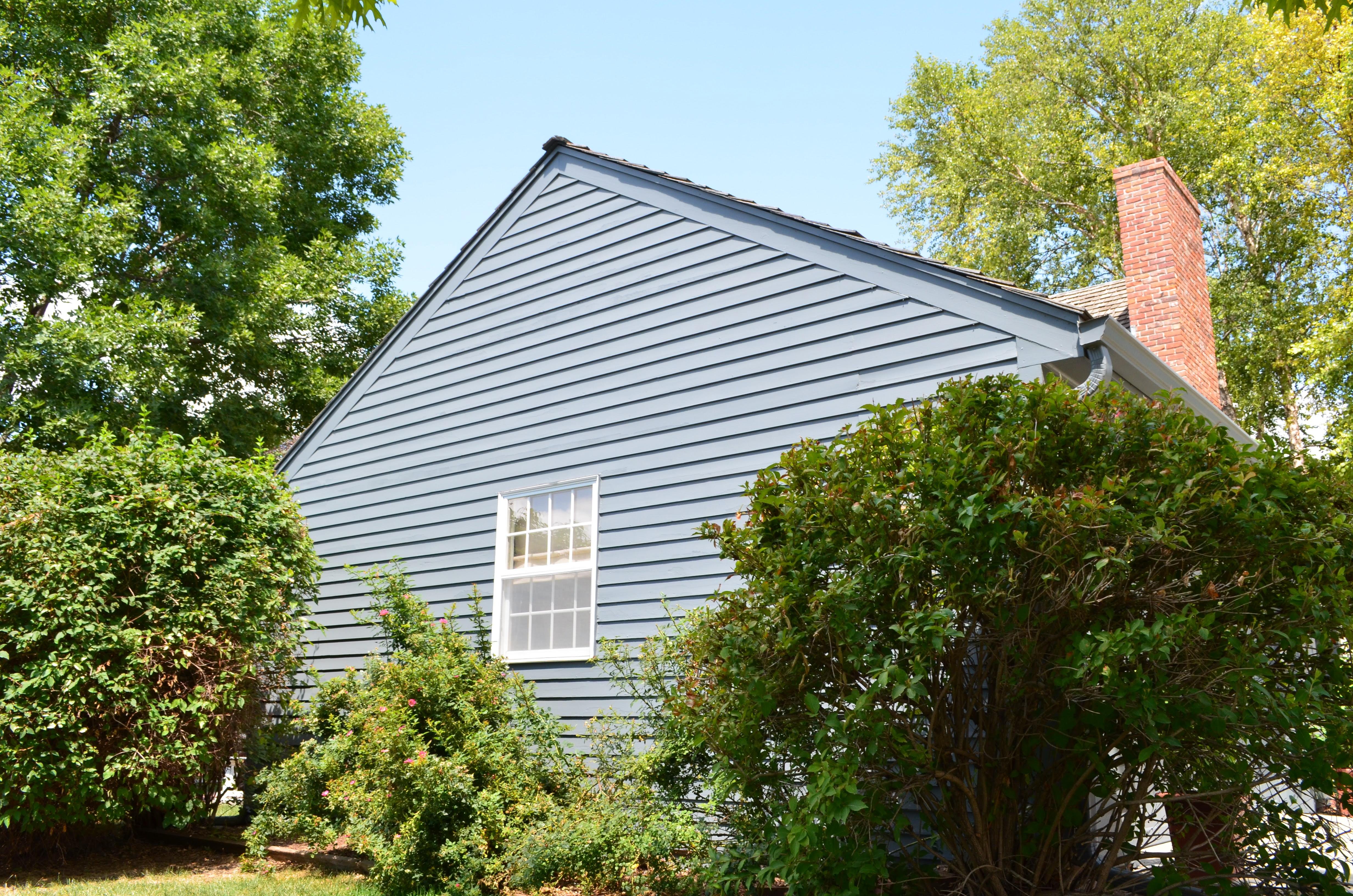
You can tell by looking for consistent color, even sheen, and no visible streaks or lap marks across the surface.
After the paint dries, walk around your home and look at it from different angles. Pay attention to areas where sunlight hits directly.
Here are signs of a well-applied finish:
- Color looks the same across all sides of the home
- No visible lines or stripes
- No patchy or cloudy areas
Here are signs something may have been skipped:
- You see vertical or horizontal striping
- Some areas look lighter than others
- The finish looks uneven in sunlight
Cross-hatching is not something you always see during the job, but you will notice the difference in the final result.
Does a Professional Painter's Technique Make Exterior Paint Last Longer?
Yes, it can help paint last longer by ensuring proper coverage and a consistent paint film.
Paint protects your home by forming a solid layer over the surface. If that layer is uneven, some areas are more exposed than others.
The right painting techniques help by:
- Building a more even layer of paint
- Reducing weak spots
- Improving overall durability
In Omaha, homes deal with:
- Hot summers
- Cold winters
- Moisture from rain and snow
An even paint layer helps handle these conditions better.
Can Homeowners Use Cross Hatching for DIY Exterior Painting?
Yes, homeowners can use cross-hatching, but it takes time, attention, and the right tools to do it well.
If you are planning to paint your own home, you can apply this technique by:
- Rolling paint in one direction first
- Going back over it in the opposite direction
- Keeping a wet edge to avoid lines
However, there are challenges:
- Working quickly enough before paint dries
- Reaching higher areas safely
- Maintaining consistent coverage across large surfaces
This is why many homeowners choose to hire a professional, especially for full exterior projects.
What Questions Should I Ask a Painter About Their Process?
Ask how they apply paint, whether they back roll, and how they ensure even coverage.
When meeting with painters, you can ask:
- Do you spray, roll, or both?
- Do you back roll or back brush after spraying?
- How do you prevent streaks or uneven coverage?
- How do you handle textured or older siding?
Their answers will give you a better sense of how detailed their process is.
FAQ: Even Coverage for Exterior Painting
Does cross-hatching use more paint?
Yes, slightly. Since the paint is applied more thoroughly, it can use a bit more material, but it often leads to better coverage and fewer touch-ups.
Is cross-hatching necessary for every home?
Not always, but it is especially helpful on textured surfaces, older siding, and darker color changes.
Exterior Painting in Omaha, NE
If you are worried about streaks, uneven color, or a paint job that does not look right after it dries, you are not alone. These are some of the most common concerns homeowners have when painting their exterior.
By understanding techniques like cross-hatching, you now know what helps create a smoother, more even finish. You also know what questions to ask and what to look for when evaluating a painter’s work.
At Brush & Roll Painting, we have been helping Omaha homeowners since 1996 by focusing on proper prep work and careful application methods. Our goal is always to guide homeowners, so they can make informed decisions about their painting projects.
If you are ready to take the next step, click the button below to get a quote.

If you are still in the research phase, try our exterior painting pricing calculator to get a better idea of what your project may cost.

-May-22-2026-01-56-32-9736-PM.png?width=800&height=418&name=Blog%20Post%20Image%20Size%20(1)-May-22-2026-01-56-32-9736-PM.png)