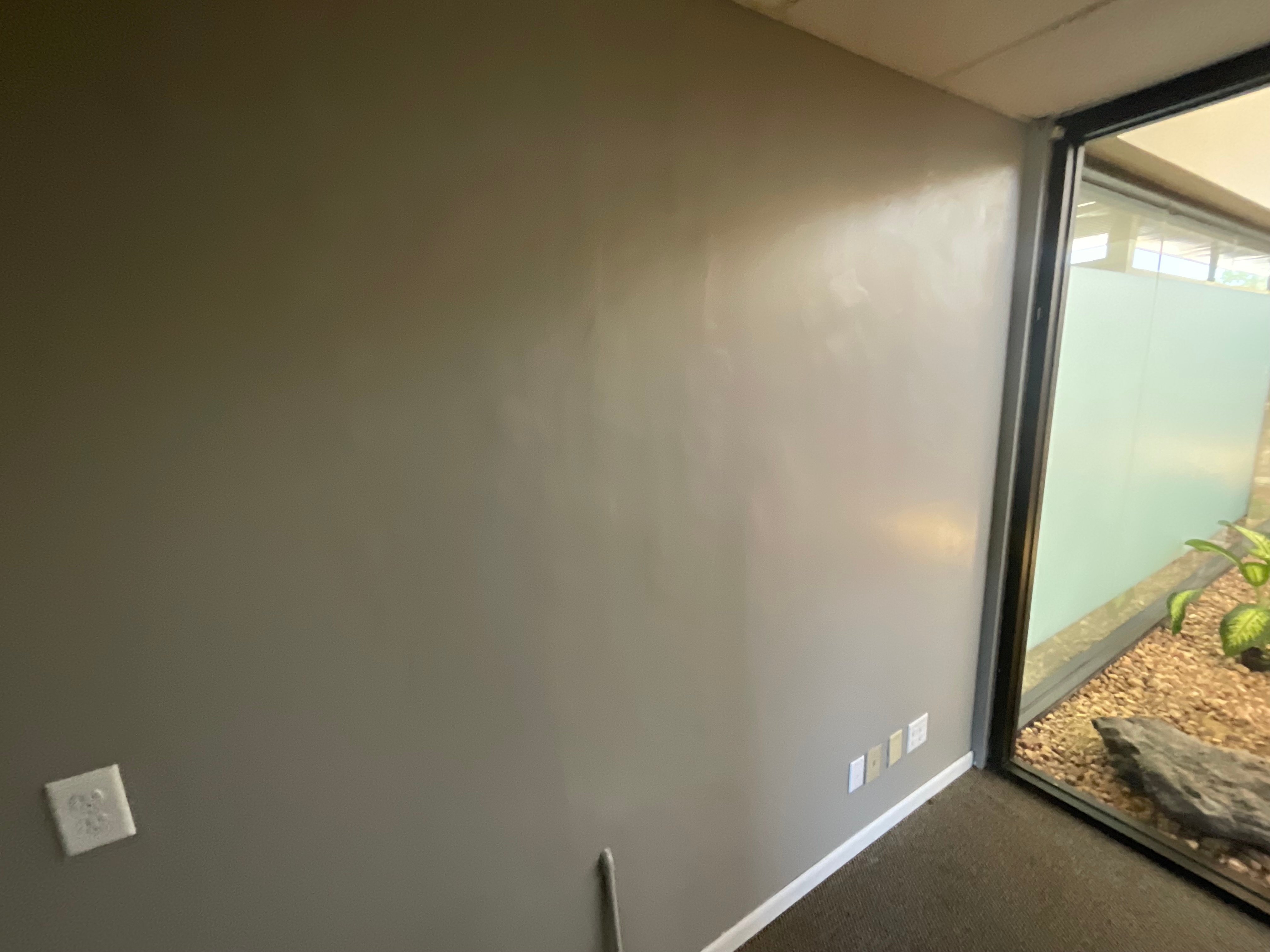
You finally have freshly painted cabinets, and they look amazing, smooth, clean, and flawless. But a few weeks later, you go to tape up some holiday decorations or protect the edges of your cabinets to paint the walls… and when you pull the tape off, a piece of paint comes with it. Your stomach drops. After investing time and money into refinishing your cabinets, the last thing you want is peeling paint because of something as simple as tape.
At Brush & Roll Painting, we’ve served Omaha homeowners since 1996, and cabinet painting is one of our most requested services. Over the years, we’ve seen what can happen when tape is used too soon or when the wrong type is applied to a painted surface. From helping customers understand how to protect their finish to using products like Milesi 2K polyurethane that resist peeling, we’ve learned how big a role tape choice and timing can play.
In this article, we’ll explain why tape can peel cabinet paint, what types of tape are safest, how long you should wait before applying tape, and what to do instead. By the end, you’ll understand how to safely tape or protect your cabinets without damaging the paint, and when to call your painter for advice.
Why Does Tape Peel Paint Off Cabinets?
Painted cabinets may look strong, but the surface finish is only as durable as its weakest bond. Tape can pull up paint for several reasons:
- Edges are the weakest point.
The paint around the edges of the cabinet boxes, doors, and drawers is thinner and more exposed. When tape is pulled off, it often grabs these fragile areas first. - The paint hasn’t fully cured.
Even though your cabinets may feel dry, curing can take weeks, depending on the product used. Applying tape too early can pull up paint that hasn’t hardened yet. - The wrong tape was used.
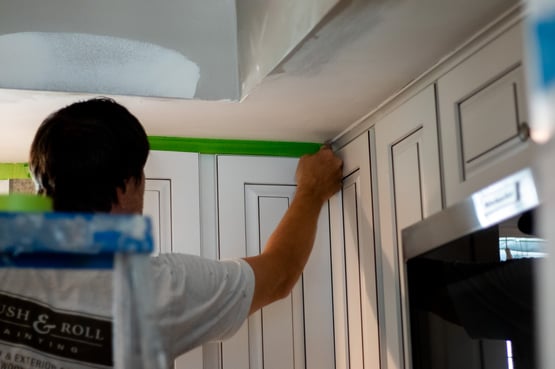
General-purpose masking tape or cheap painter’s tape has high tack (stickiness). This can grip too tightly and damage delicate finishes. - Pressure and removal technique matter.
Pressing tape down too firmly or ripping it off too quickly at a sharp angle increases the chance of peeling paint.
When in doubt, always test tape in an inconspicuous area first.
How Long Should You Wait Before Putting Tape on Painted Cabinets?
Patience pays off here. Paint curing times vary depending on the product, humidity, and temperature in your Omaha home.
- Latex or water-based cabinet paints usually need 2–3 weeks to fully cure.
- 2K polyurethane finishes (like Milesi) cure much faster and harder, often within a few days—but it’s still smart to wait at least a week before applying tape.
If you’re unsure which product was used on your cabinets, it’s best to ask your painter before applying tape. They can tell you the proper wait time and suggest a safe tape type.
What Type of Tape Is Safest for Painted Cabinets?
When used correctly, the right tape can help you mask edges for touch-ups or projects without harm. Here are a few tape options and their pros and cons:
|
Tape Type |
Stickiness Level |
Best For |
Risk Level |
|
FrogTape Delicate Surface (Yellow) |
Low tack |
Lightly cured or fragile surfaces |
★☆☆☆☆ |
|
3M Blue Painter’s Tape (Low Tack) |
Moderate tack |
Most cured paint finishes |
★★☆☆☆ |
|
FrogTape Green (Multi-Surface) |
Medium tack |
Walls, trim, or fully cured cabinet paint |
★★★☆☆ |
|
Standard Masking Tape |
High tack |
Rough or unfinished surfaces only |
★★★★★ |
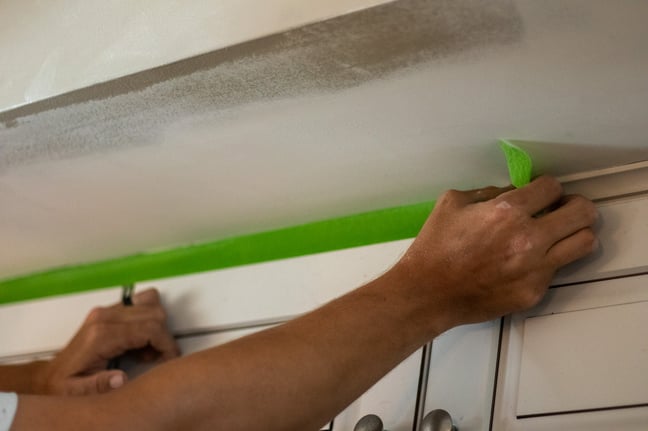
Low-tack options like FrogTape Delicate Surface are usually safest for cabinets. They’re designed to fall off or remove cleanly within 24-48 hours and are less likely to bond aggressively with the paint film.
Does the Type of Cabinet Paint Make a Difference?
Yes, and it makes a big difference. Different paints and coatings cure at different rates and hardness levels:
- Soft or standard cabinet paint: These can feel dry but stay slightly flexible underneath. Tape can pull up soft paint layers easily.
- Milesi 2K Polyurethane or other high-performance coatings: These finishes chemically cure into a hard, durable shell that resists peeling. Professional-grade coatings like these can usually tolerate gentle taping after curing.
If your cabinets were finished professionally with a 2K poly system, the risk of tape peeling paint is much lower. But even then, use caution. No finish is completely immune to damage.
Why Are Edges and Corners of Cabinet Paint So Vulnerable?
Cabinet edges take the most wear. Here’s why they’re at risk:
- Less paint coverage: Sprayers apply thinner layers to edges than to flat surfaces.
- Natural stress points: Doors and drawers are constantly opened and closed, flexing those edges.
- Direct contact: These areas are touched, bumped, and cleaned more often.
When you apply tape across these points, you’re sticking it to the most fragile part of the surface. Pulling it off can lift the paint right at the edge.
A safer alternative is to stop tape just short of the corner or use painter’s edge tools to protect trim lines instead.

What If I Need to Tape Cabinets for Paint Touch-Ups or Projects?
If you must tape your cabinets, here’s the safest approach:
- Call your painter. If your cabinets were professionally refinished, reach out to your painter before applying any tape, especially within the first few months. It’s always better to get quick guidance than to risk lifting paint that can be costly to repair.
They can tell you:
- What product was used (latex, acrylic, 2K poly, etc.)
- Whether the surface is fully cured
- Which tape brand or technique is safest
- Check the cure time. Wait at least 30 days after cabinet painting unless your painter confirms otherwise.
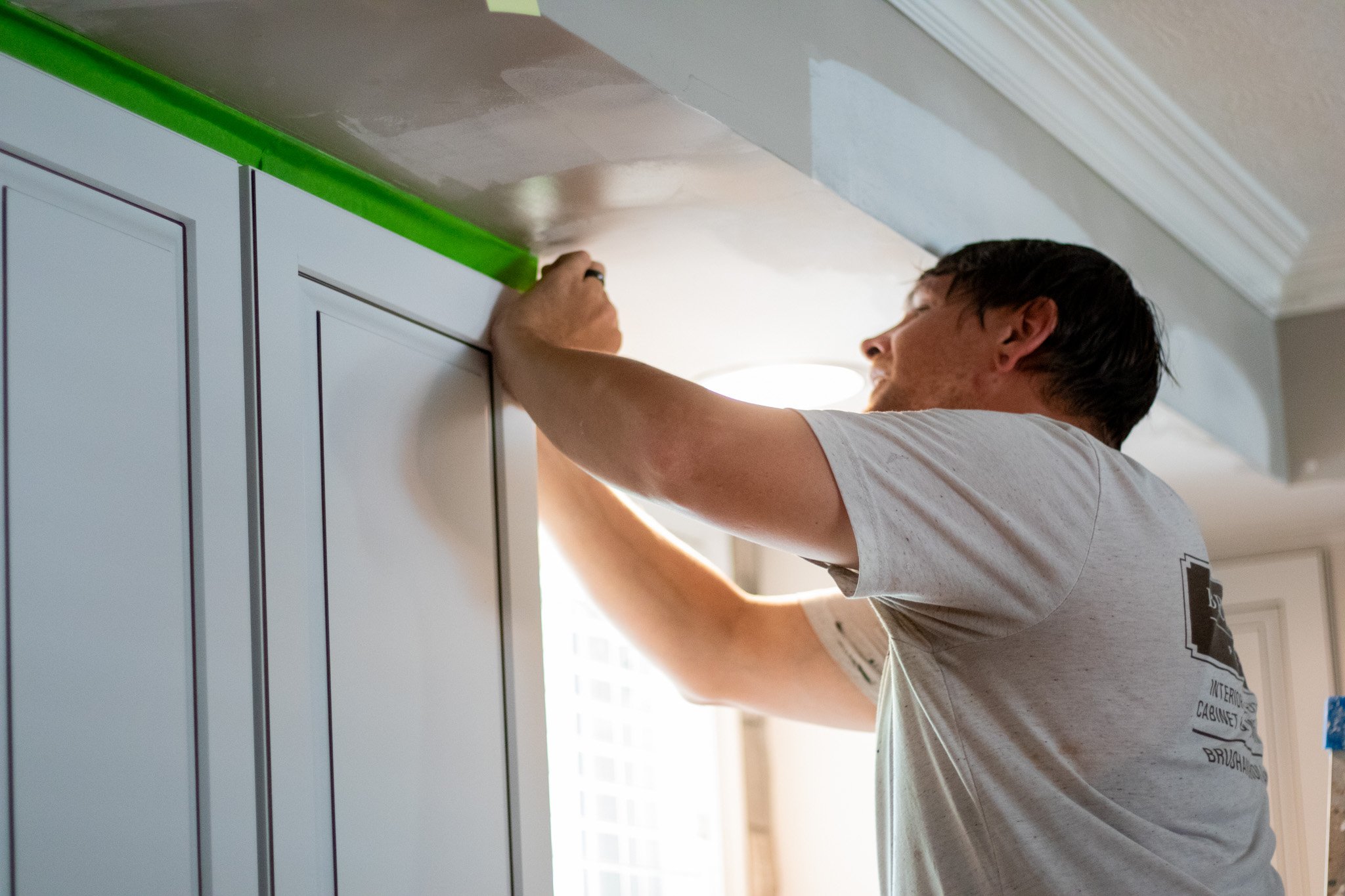
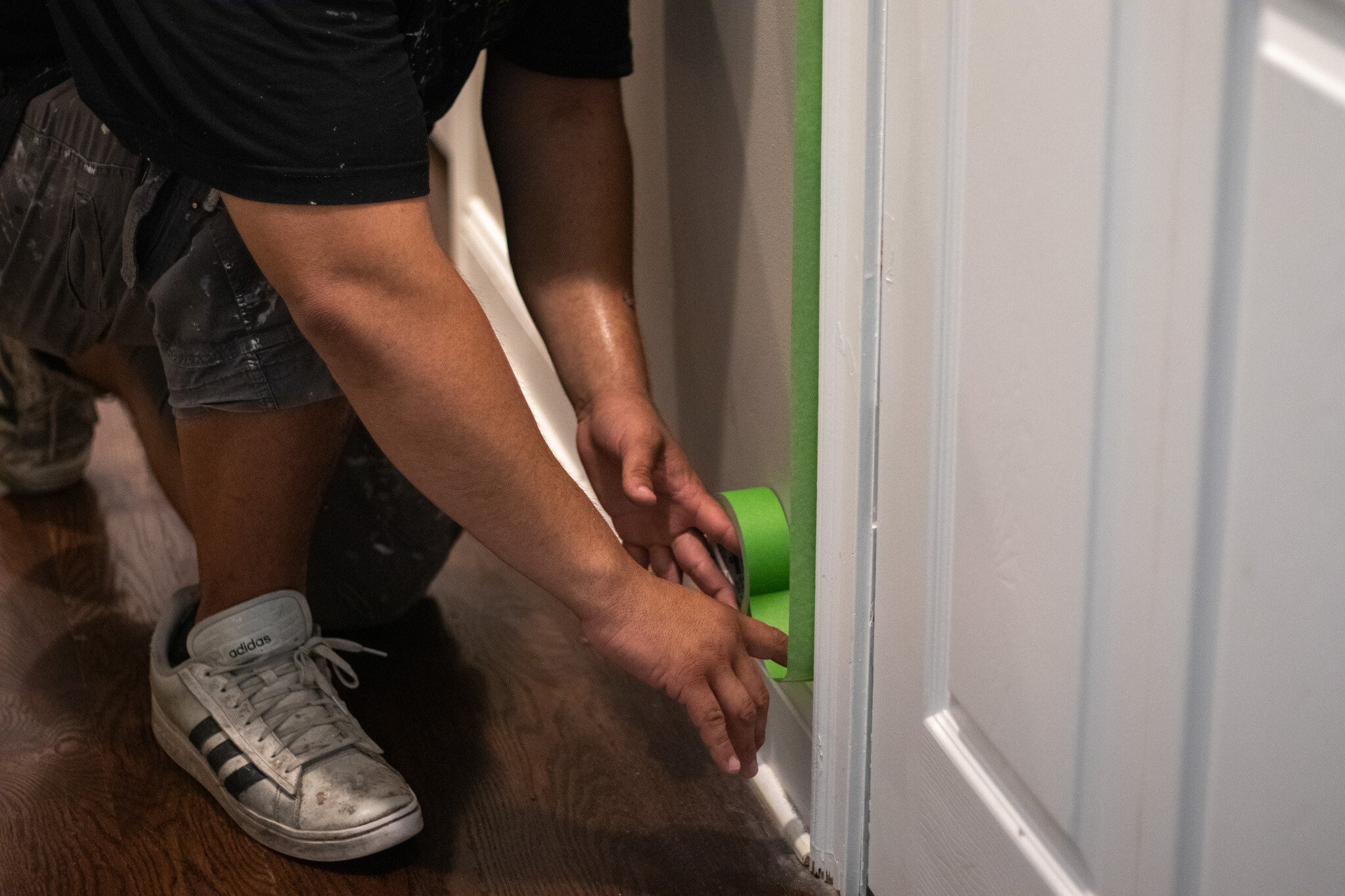
- Choose low-tack tape. Use FrogTape Yellow or 3M Delicate Surface.
- Clean first. Oils or residue can affect adhesion and removal. Wipe gently with a damp microfiber cloth and let dry.
- Apply lightly. Don’t press hard, just enough to hold it in place.
- Remove tape within 24-48 hours. Quality tape is meant to fall off cleanly within this time. The longer it stays, the stronger it bonds.
- Peel carefully. Pull tape slowly back on itself at a 45-degree angle.
How to Tell If Paint Damage From Tape Can Be Fixed
If the tape has already pulled off the paint, don’t panic. Here’s what to do if you painted your cabinets yourself:
- Small chips or flakes: Lightly sand the area smooth and touch up with leftover cabinet paint if available.
- Larger peeled sections: Avoid layering paint on top. Contact your painter for repair or refinishing advice.
Often, professionals can blend small repairs seamlessly if the original product is still in use.
FAQ: Will Tape Peel Paint Off Cabinets?
- Can I use tape right after painting my cabinets?
No, even quick-drying paints need time to cure. Wait at least 2–3 weeks, or follow your painter’s specific recommendation. - Is FrogTape better than blue painter’s tape?
Yes, in most cases. FrogTape Delicate Surface is designed for sensitive finishes and releases cleanly without pulling paint. - What if my tape left sticky residue?
Use a gentle cleaner like a damp microfiber cloth or warm water. Avoid harsh chemicals that can dull or soften the finish. - Can I tape over 2K polyurethane?
Once cured, 2K poly finishes are quite durable, but still use low-tack tape and remove it promptly.
Cabinet Painting in Omaha, NE
Tape can absolutely peel cabinet paint, especially around edges or on finishes that aren’t fully cured. Whether you used a DIY-friendly latex paint or a professional-grade coating like Milesi 2K poly, patience and product choice make all the difference.
Before applying any tape, check with your painter, wait for proper curing, and use a delicate-surface tape that releases cleanly within a day or two.
At Brush & Roll Painting, we’ve seen how small mistakes can lead to big frustrations for homeowners. That’s why we’re passionate about helping Omaha homeowners protect their painted cabinets the right way.
If you’re ready for a new cabinet painting or refinishing project, click the button below to get a quote.

You can also use our Cabinet Painting Pricing Calculator to see what it might cost to refinish your cabinets professionally.

-May-22-2026-01-56-32-9736-PM.png?width=800&height=418&name=Blog%20Post%20Image%20Size%20(1)-May-22-2026-01-56-32-9736-PM.png)
-May-15-2026-04-54-24-9954-PM.png?width=800&height=418&name=Blog%20Post%20Image%20Size%20(1)-May-15-2026-04-54-24-9954-PM.png)
-Sep-20-2024-01-43-26-0356-PM.png?width=800&height=418&name=Blog%20Post%20Image%20Size%20(2)-Sep-20-2024-01-43-26-0356-PM.png)