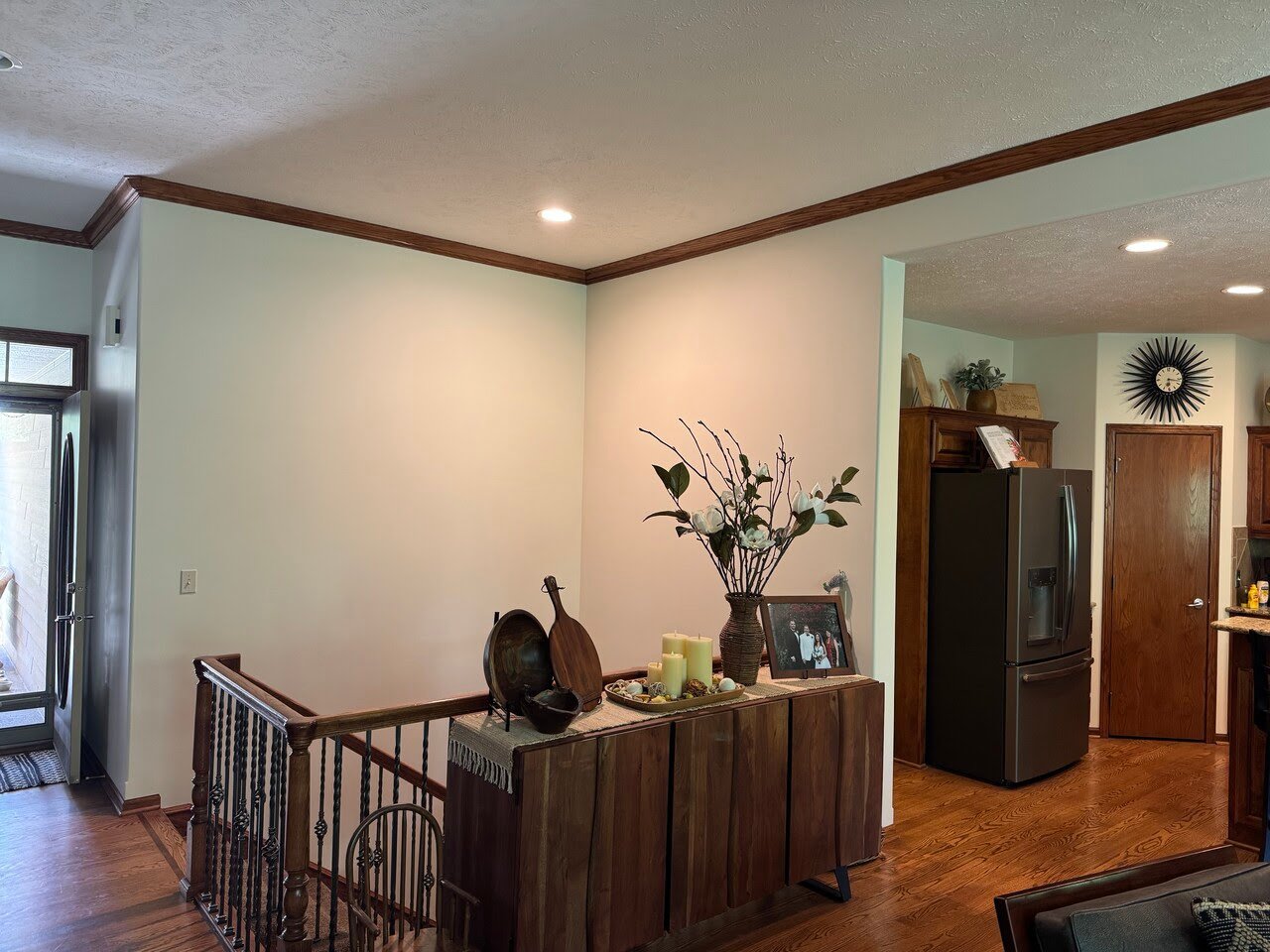
If you’ve ever stood in your living room holding a trim sample in one hand and a floorboard in the other, wondering if they’re supposed to match, you’re not alone. Many Omaha homeowners struggle with this exact decision. Matching your woodwork to your floors might seem like the obvious choice, but it can make a space feel heavy or dated. On the other hand, going lighter or darker might create contrast and warmth—or clash entirely if not done carefully.
At Brush & Roll Painting, we’ve been helping Omaha homeowners make these kinds of design and color decisions since 1996. From trim and baseboards to doors and ceilings, we’ve seen what works beautifully and what tends to create imbalance. Every home has its own personality, and understanding how wood tones interact with light and wall color is key to making them feel right.
By the end of this article, you’ll know whether or not your woodwork should match your wood floors, when it makes sense to coordinate tones, how to use contrast effectively, and how light and paint color affect your choices. You’ll walk away feeling confident in creating a look that feels balanced and intentional, not accidental.
Should My Wood Trim and Doors Match My Wood Floors?
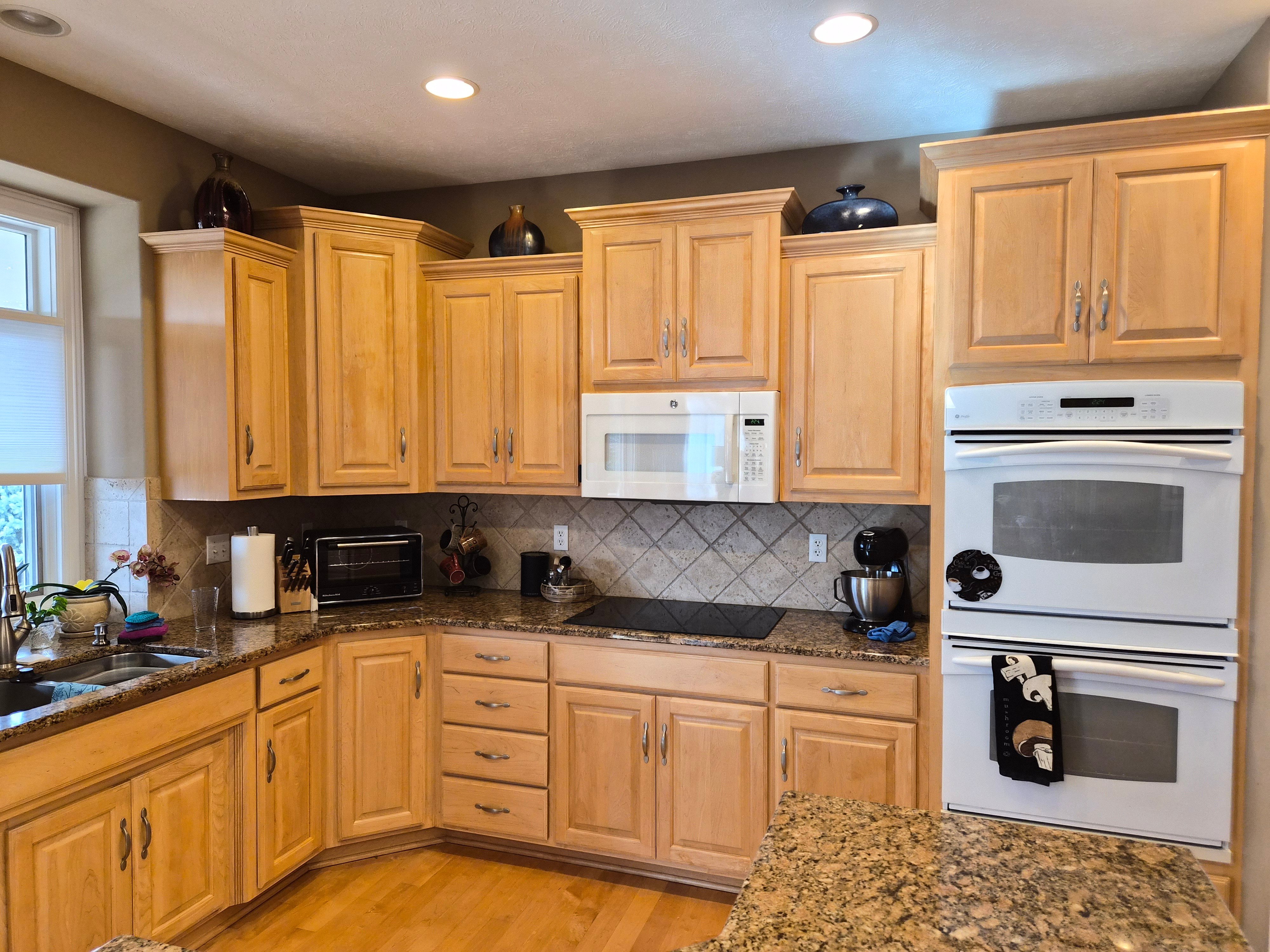
Not necessarily. Matching trim and floors used to be a standard choice in older homes, especially when everything was built from the same type of wood. But today’s interiors are more flexible and designed around balance and light.
When your trim and floors are identical in tone, everything can blend together. This can make a space feel flat or darker than you expected, especially if your walls are painted in warm or beige tones.
On the other hand, a little contrast between trim and floors gives your walls definition and makes the architecture stand out. The right mix can make your floors look richer, and your trim look cleaner.
A good rule of thumb:
- Match when you want a traditional, cohesive look, and the wood tones are naturally similar.
- Contrast when you want more depth, dimension, and a modern touch.
-1.jpg?width=647&height=364&name=Havens%20after%204%20(1)-1.jpg)
When Is Matching Woodwork to Wood Floors a Good Idea?
Matching can work beautifully when it feels natural in the space.
Here are a few examples of when matching makes sense:
- You have an open floor plan. Matching woodwork to the floor helps the space flow seamlessly.
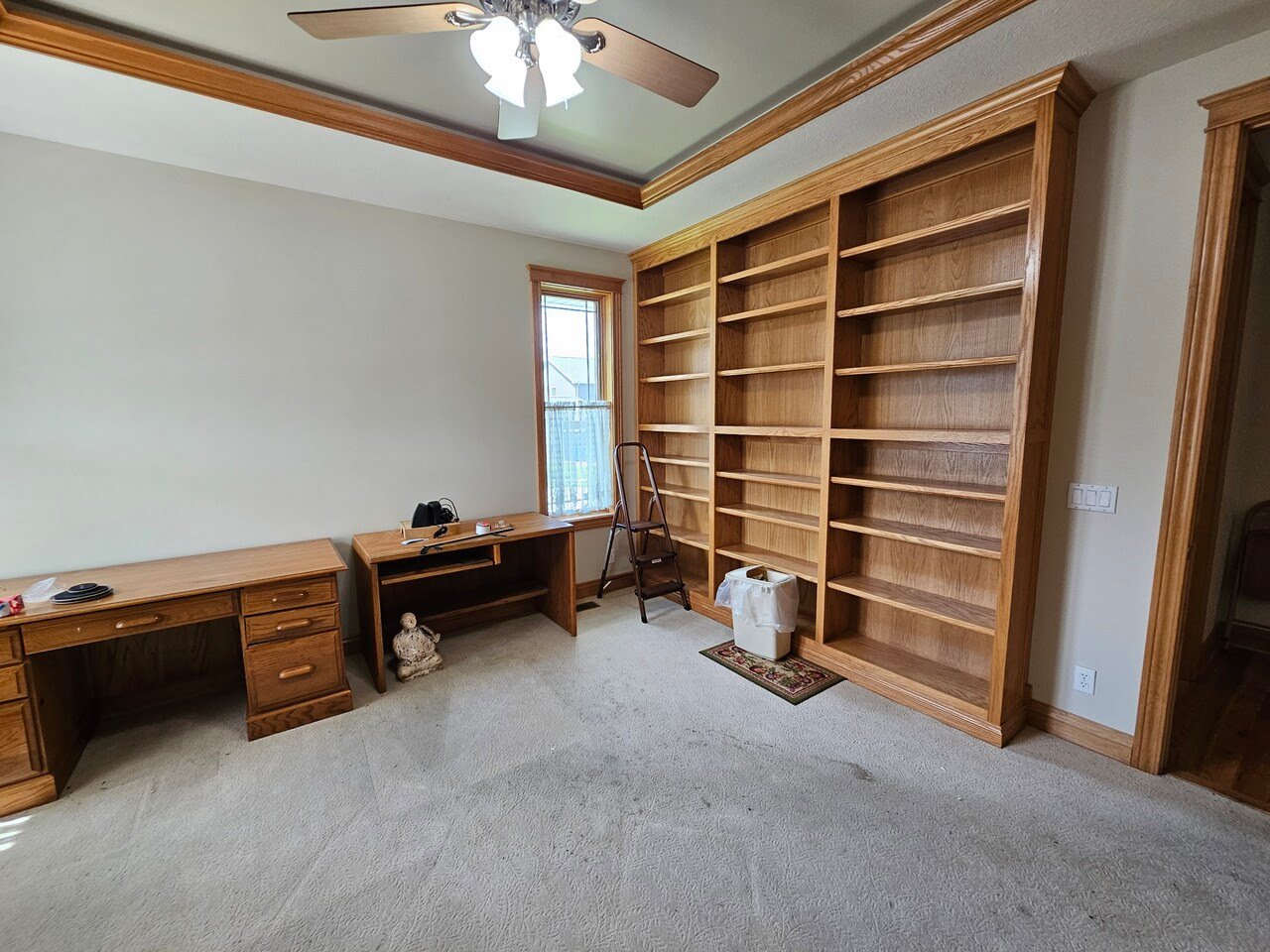
- The trim and floor are made from the same species of wood. For example, oak trim with oak flooring tends to blend nicely.
- You love traditional style. Classic homes, especially craftsman or colonial, often feature matching wood tones.
- Your home gets lots of natural light. Light helps prevent the space from feeling too dark, even when the tones match.
If you choose to match, vary the finish slightly. For instance, if your floor is a medium walnut satin finish, consider using the same tone for the trim in a semi-gloss finish. That small change adds depth without disrupting harmony.
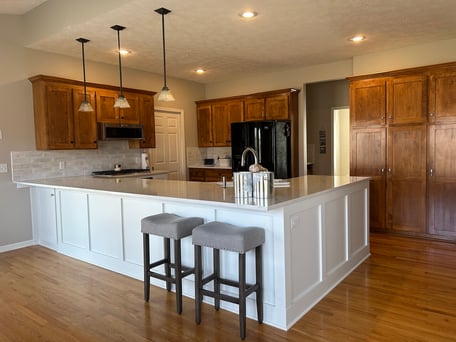
When Should I Go Lighter or Darker Than the Floor?
This is one of the most common homeowner questions, and one of the easiest ways to dramatically change how a room feels.
Go Lighter Than the Floor If:
- You want to brighten the room or make it feel more open.
- You have dark floors, like espresso or walnut, and you need contrast to keep things balanced.
- You prefer a cleaner, more modern look.
- Your walls are already darker, and you don’t want to overwhelm the space.
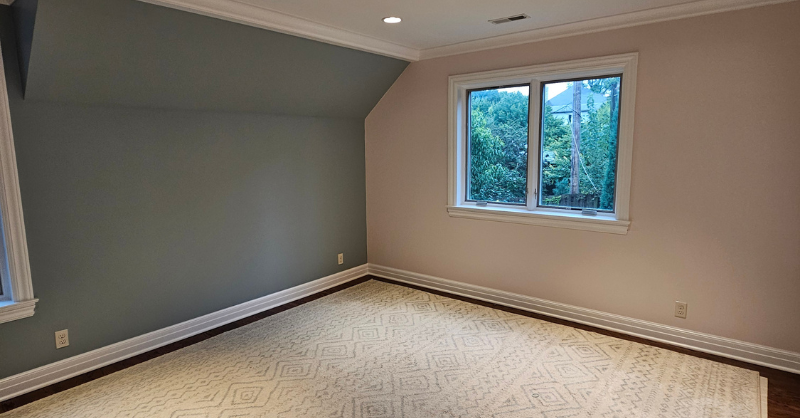
For example, if you have dark oak floors, pairing them with light trim like painted white, pale maple, or even light-stained oak creates a nice contrast. It draws the eye upward and gives walls a chance to stand out.

Go Darker Than the Floor If:
- You want a formal or cozy feel.
- You have light flooring like natural oak or pine, and want the trim to stand out.
- Your walls are light, and you’d like a bit more definition.
A darker trim adds warmth and frames the room, especially around doorways. In a light room with natural oak floors, dark walnut or cherry-stained trim can create a grounded, sophisticated look.
Just keep in mind: too much dark trim in a small or dimly lit space can make it feel smaller.
What About Wood Doors and Door Frames?
Your doors and frames connect one room to another, so consistency matters.
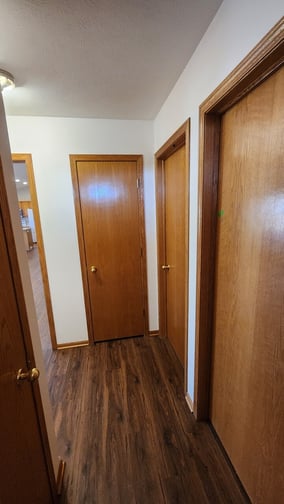
- Matching doors and frames: This creates a unified look, especially when they’re stained wood.
- Painting doors or frames: This adds contrast and works well if your flooring already has a strong tone. White or off-white doors can help lighten a room with dark wood floors.
- Mixing finishes intentionally: You can keep doors stained, but paint the trim to break up the wood tones. This is a common choice for Omaha homes that mix old and new woodwork styles.
If your home has multiple types of flooring, like wood in the living room and carpet in bedrooms, painted trim can help tie everything together without worrying about matching stain colors perfectly.
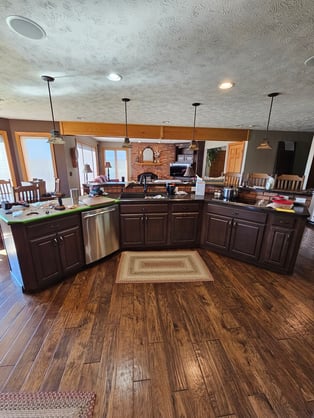
How Do Lighting and Wall Color Affect This Decision?
Light changes everything, especially in Nebraska homes where seasons swing from bright summer light to long winter evenings.
- Warm lighting and sunlight: Can make orange or red undertones in wood feel stronger.
- Cool lighting or gray walls: Can make warm wood appear more yellow or dull.
Before deciding, look at your samples at different times of day. Hold the wood trim next to both your wall and floor under morning light and evening light. You may notice big changes in tone.
Quick Tips for Matching Walls & Floors:
- Pair warm wood floors (like cherry or red oak) with neutral or cool wall colors to balance the warmth.
- Pair cool wood floors (like gray-stained oak or maple) with warmer wall colors to keep the room from feeling cold.
Even small adjustments in tone, like using an off-white instead of pure white trim, can help your floors and walls feel more connected.
Can I Mix Wood Tones in One Home?
Yes, and many homeowners do it successfully. The key is making it feel intentional rather than random.
Here’s how:
- Keep undertones consistent (either warm or cool).
- Vary the shades but stay within the same family—for example, light oak with medium walnut rather than orange-toned cherry.
- Use painted trim as a buffer between two wood tones.
- Repeat each wood tone at least once in the space—like matching your dark trim to furniture or a picture frame.
Homes in Omaha often feature multiple types of wood from different eras, especially if parts of the house were remodeled. Instead of stripping everything to match, work toward a cohesive palette by focusing on how the tones relate, not whether they’re identical.
Frequently Asked Questions About Wood Floors and Wood Trim
Should wood trim always match wood doors?
No, but they should coordinate. If you stain both, keep the undertones similar. Painted trim can pair beautifully with wood doors, especially in modern homes.
Can I paint trim if my floors are stained wood?
Absolutely. Painted trim can break up wood tones and help define walls. White, cream, or soft beige trim often pairs well with natural wood floors.
What color trim looks best with dark hardwood floors?
Light trim, especially white or off-white, creates a clean, bright contrast. It keeps the room from feeling heavy.
How do I make mismatched wood tones look intentional?
Keep one dominant tone and use the others as accents. Repeating the tone in furniture or decor ties the space together.
Do white baseboards work with wood floors?
Yes, white baseboards are timeless. They highlight your flooring and provide a crisp edge between the wall and floor.
Interior Painting in Omaha, NE
Matching your woodwork to your wood floors isn’t a rule; it’s a choice. The right decision depends on your floor tone, room size, wall color, and lighting. Sometimes matching creates harmony, and sometimes a little contrast brings out the best in your space. Balance, tone, and lighting will always matter more than exact color matches.
We hope this guide helped you feel more confident making these design decisions for your home.
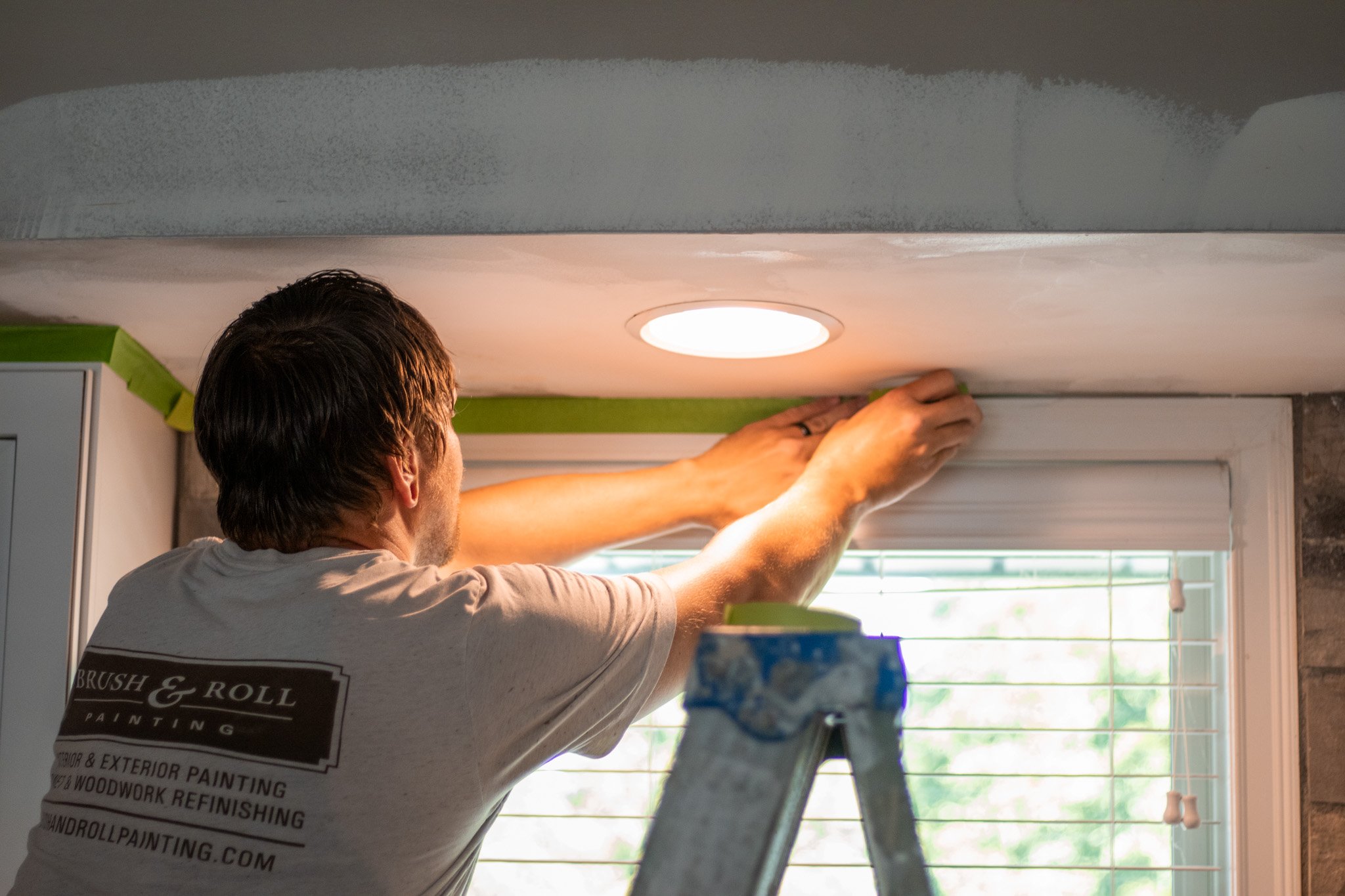
Since 1996, at Brush & Roll Painting, we have guided homeowners in the Omaha area through color and finish choices that stand the test of time. If you’re ready to bring your project to life, click the button below to get a quote.

Not quite ready to talk with our team? You can also use our interior painting pricing calculator to get an idea of what your project might cost before scheduling.




%202.jpeg?width=564&height=564&name=Scheppers%20After%2070%20(1)%202.jpeg)