-1.png?width=800&height=418&name=Blog%20Post%20Image%20Size%20(7)-1.png)
You hire a painter, the job looks good at first, then a few months later, you notice uneven color, fading spots, or areas that just do not hold up. A common question starts to creep in, “Did they water down the paint?” It is a fair concern, especially when you are trusting someone with your home.
At Brush & Roll Painting, we have been working with Omaha homeowners since 1996. Over the years, we have seen every type of painting practice, both good and bad. We have also answered this exact question many times from homeowners trying to understand what went wrong on a past project.
By the end of this article, you will understand when paint can be thinned, when it should not be, why some painters do it, and how to tell if it happened in your home. You will also learn what questions to ask before hiring a painter so you feel confident in your decision.
Should you water down paint for interior or exterior painting?
Short answer: usually no. Most modern paints are designed to be used straight from the can. Watering them down too much can weaken coverage, durability, and how the paint sticks to your walls.
Today’s paints are built with specific formulas. Companies like Benjamin Moore design them to perform best without extra water. When you add too much water, you are changing how the paint behaves.
There are a few situations where a small amount of water may be used, but this is controlled and intentional. It is not something done to stretch product or cut costs.
Why would a painter ever add water to paint?
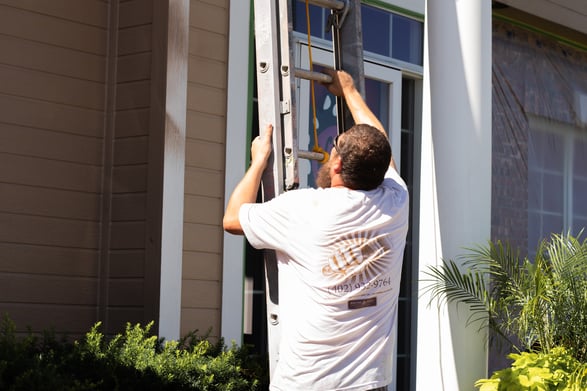
Some painters might add water to paint because it helps with application, but it should be minimal and purposeful. It should never be used to reduce costs or skip proper steps.
There are a few legitimate reasons a painter might slightly thin paint:
- To help paint flow better when spraying
- To adjust for hot or dry conditions
- To improve leveling on certain surfaces
- To match manufacturer recommendations for specific tools
For example, when spraying exterior paint on a hot Omaha summer day, a painter might add a very small amount of water so the paint sprays evenly and does not dry too fast in the air.
That said, this is measured carefully. It is not guesswork.

Why do some painters water down paint too much?
For the most part, painters water down paint to save time or money. This is where problems start.
Unfortunately, not every painter approaches a project the same way. Some may water down paint for reasons that are not in your best interest:
- To make paint go further and reduce material cost
- To apply fewer coats
- To make rolling or spraying faster
- To hide poor prep work
When paint is diluted too much, it becomes thinner, which means it does not cover well. That can lead to needing more coats, or worse, a finish that looks uneven and wears out faster.
In Omaha, where the weather swings from humid summers to freezing winters, weak paint films tend to fail sooner. That is where homeowners start noticing peeling or fading earlier than expected.
Is watering down paint ever recommended by manufacturers?
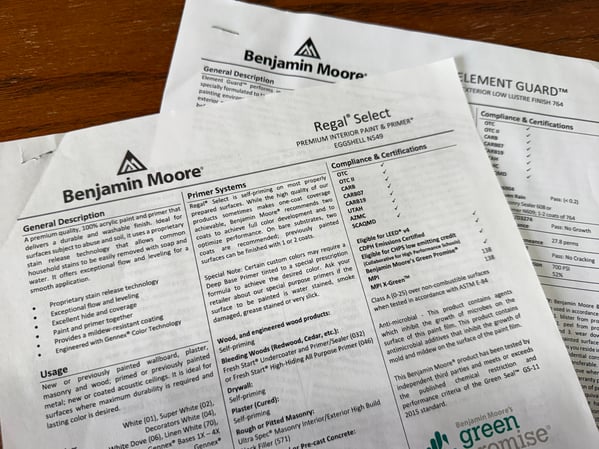
Yes, manufacturers could recommend adding water to paint, but only in small, controlled amounts.
Some paint labels will mention adding a small percentage of water, often around 5 percent or less. This is usually for specific situations like spraying.
The key detail is this: the amount is limited and clearly defined.
Professional painters follow those guidelines closely. They also test the paint before applying it to your home.
If someone is pouring water freely into a bucket without measuring, that is not following the manufacturer's recommendations.
What happens when paint is watered down too much?
When paint is watered down too much, you lose coverage, durability, and protection.
Here is what can happen when paint is overly thinned:
- Poor color coverage, you may see the old color showing through
- Streaks or uneven finish on walls
- Reduced protection against moisture and wear
- Faster fading, especially on exterior surfaces
- Peeling or chipping sooner than expected
Think of paint like a protective layer. When it is too thin, it cannot do its job properly.
For exterior painting in Omaha, this is especially important. Your home deals with sun, rain, snow, and freeze-thaw cycles. A weak paint layer will not hold up well.
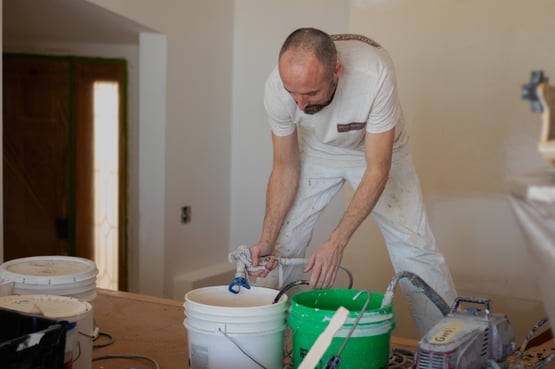
How can you tell if a painter watered down your paint?
Look for signs of thin coverage and early wear. Here are some common signs homeowners notice:
- You need multiple coats just to cover a light color
- The finish looks patchy or uneven in certain lighting
- Edges and corners look lighter than flat areas
- Paint feels chalky or thin to the touch
- Exterior paint fades or peels sooner than expected
Another clue is how the paint goes on during the project. If it looks very watery or drips excessively, that can be a sign it has been thinned too much.
Keep in mind, some variation is normal. Walls are not perfect. But consistent issues across a space can point to a problem with the paint application.
Can watered-down paint still look good at first?
Finished paint jobs can look good from the get-go after being watered down, and that is why it can be misleading.
Right after a project is finished, even watered-down paint can look decent. The color is fresh, and everything feels clean.
The difference shows up over time.
Within months, you may start to see:
- Uneven fading
- Marks that do not clean off well
- Areas that wear faster, like around doors or trim
This is one of the biggest frustrations homeowners have. The job looked fine at first, but it did not last.
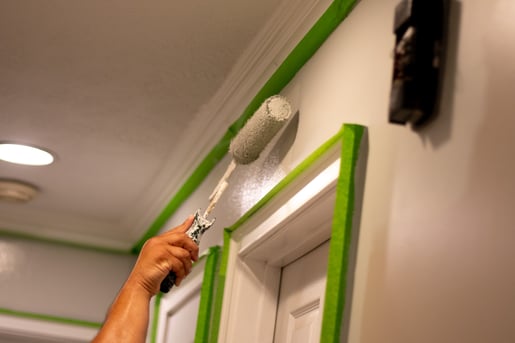
Does watering down paint affect interior paint durability?
Yes, watered-down paint will affect durability, especially in high-traffic areas.
Inside your home, paint needs to stand up to daily use. Think about:
- Hallways
- Kitchens
- Bathrooms
- Trim and doors
If the paint is too thin, it will not resist scuffs or cleaning very well.
You might notice fingerprints on cabinets or walls that do not wipe off easily. Or. you may see shiny spots where the paint has worn down from repeated cleaning.
High-quality paint applied properly should hold up much better.
Does watering down paint affect exterior paint lifespan?
Watering down paint can shorten the lifespan of the paint by years.
Exterior paint has a tough job. In Omaha, homes deal with:
- Strong summer sun
- Sudden storms
- Freezing winters
- Moisture from rain and snow
When paint is applied too thinly, it cannot create a strong barrier.
That can lead to:
- Early peeling
- Cracking along seams
- Moisture is getting into the siding
- More frequent repainting
This is why proper prep and full-strength paint matter so much for exterior projects.
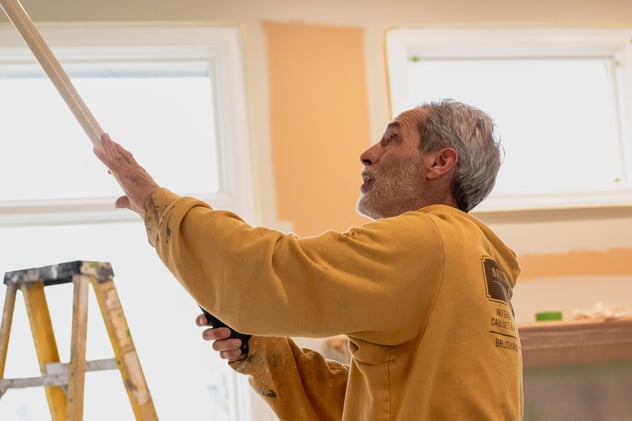
How do professional painters handle paint consistency?
Professional painters in Omaha follow manufacturer guidelines and test their product.
Professional painters do not guess.
They:
- Read product instructions
- Measure any additives carefully
- Adjust for weather conditions
- Test spray or roll patterns before starting
- Apply the correct number of coats
They also understand that coverage matters more than speed.
Taking the time to apply paint properly usually leads to a better result that lasts longer.
What questions should you ask a painter about paint dilution?
Ask painters directly and look for clear, confident answers.
Here are a few helpful questions:
- Do you ever add water to paint, and if so, why?
- How do you measure any adjustments you make?
- Do you follow manufacturer recommendations?
- How many coats will you apply?
- What products are you using for my project?
A good painter will not avoid these questions. They will explain their process in simple terms.
If the answers feel vague or rushed, that is worth paying attention to.
Is watering down paint the same as using cheap paint?
Watered-down paint and “cheap paint” aren’t exactly the same, but both can lead to similar results.
Cheap paint often has lower-quality ingredients, which can affect coverage and durability.
Watering down good paint reduces its performance, which can create the same problems.
In both cases, you may see:
- More coats needed
- Faster wear
- Less protection
Unfortunately, most painters who would water down paint would be using cheap paint already.
That is why it is helpful to ask about both the product and the process.
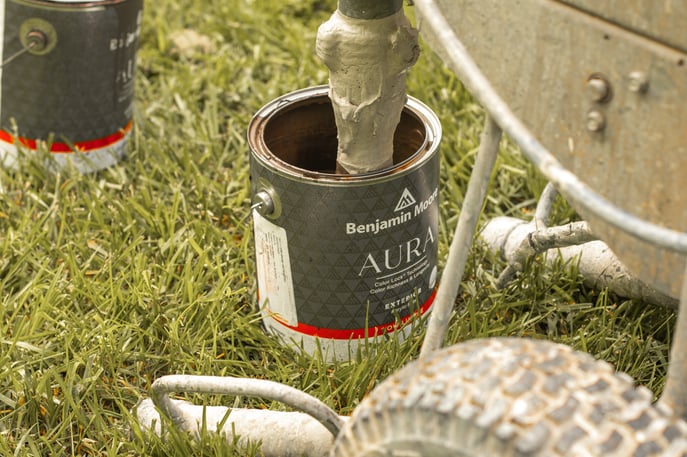
How can homeowners protect themselves when hiring a painter?
Focus on clarity, communication, and details in the estimate.
Here are a few practical steps:
- Ask what paint products will be used
- Confirm how many coats are included
- Understand the prep process
- Read reviews and past project details
- Get everything in writing
Also, trust your instincts during the estimate. If someone is rushing through details or avoiding specific answers, that can be a sign to keep looking.
FAQ about watering down paint
Do all painters water down paint?
No, most painters do not water down paint. Many painters follow proper guidelines and only adjust paint when needed.
Is thinning paint always bad?
Short answer, no. Small, controlled adjustments can help with application, but overdoing it causes problems.
Can I tell during the project if paint is watered down?
Sometimes you can tell if paint has been watered down. Look for overly thin consistency, heavy dripping, or poor coverage after the first coat.
Will watered-down paint void a paint manufacturer's warranty?
Sometimes, any paint manufacturer requires proper application to honor warranties.
Should I be concerned if my painter is spraying paint?
No, spraying paint is common, but it should still follow proper thickness and coverage standards.
Interior & Exterior Painting in Omaha, NE
If you have been wondering whether paint should be watered down, the answer is usually no for most interior and exterior projects. Small adjustments can be part of a professional process, but excessive thinning often leads to problems that show up later.
You started with a simple concern, whether your paint job will last and whether shortcuts could affect your home. Now you have a clear understanding of when thinning is appropriate, why it sometimes happens, and how to spot signs of an issue.
At Brush & Roll Painting, we have spent decades helping Omaha homeowners understand what goes into a quality paint job. The goal is not to sell you on anything, but to help you make informed decisions when hiring a painter.
If you are ready to move forward, click the button below to get a quote.

If you are still early in the process, try our home painting pricing calculator to get a rough idea of what your project may cost.
-May-22-2026-01-56-32-9736-PM.png?width=800&height=418&name=Blog%20Post%20Image%20Size%20(1)-May-22-2026-01-56-32-9736-PM.png)
-May-15-2026-04-54-24-9954-PM.png?width=800&height=418&name=Blog%20Post%20Image%20Size%20(1)-May-15-2026-04-54-24-9954-PM.png)
-Mar-20-2026-03-16-05-8428-PM.png?width=800&height=418&name=Blog%20Post%20Image%20Size%20(2)-Mar-20-2026-03-16-05-8428-PM.png)
.jpg?width=1280&height=721&name=Havens%20after%201%20(1).jpg)