If you have ever thought about painting the inside of your home, you have probably asked yourself, “Where do they even start?”
Do painters begin in the kitchen, the living room, or upstairs? Do they go one step at a time for the whole space, or go room by room?
For many Omaha homeowners, the uncertainty is not just about paint colors. It is about the process. How will your home be used during the project? How long will it take? And how do you make sure everything goes smoothly?
At Brush & Roll Painting, we have been helping Omaha homeowners with interior painting projects since 1996. Over the years, we have worked in homes of all sizes, from single rooms to full home repaints, and we have seen what works well and what can cause frustration.
By the end of this guide, you will understand exactly how professional painters approach interior painting, where they typically start, how the process flows, and how to communicate clearly with your painting team.
You will walk away knowing how to prepare your home, what questions to ask, and how to feel confident moving forward.
Where Do Painters Start When Painting Inside Your Home?
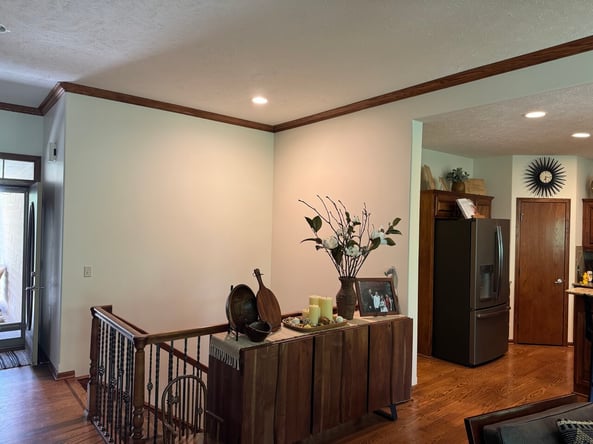
Most painters start in main living areas like entryways, living rooms, and hallways, then move into secondary spaces like bedrooms and offices.
Why do painters start in the main areas first?
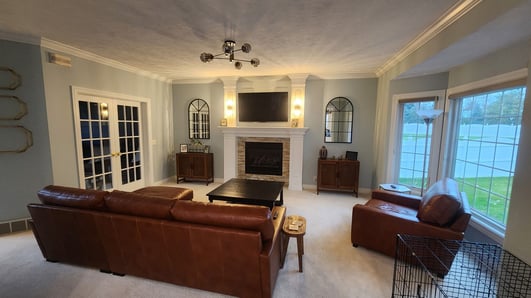
The main areas of your home are usually the most visible and connected spaces. These include:
- Entryways
- Living rooms
- Dining rooms
- Hallways
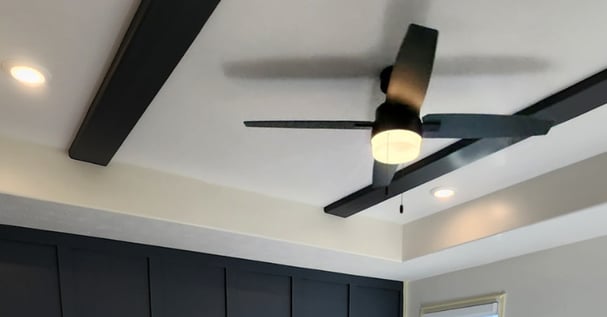
Starting here helps create a consistent look across the home. It also allows painters to establish clean lines and transitions before moving into smaller, more isolated rooms.
How this helps your project flow:
Think of your home like a path. The main areas connect everything. When those are painted first:
- Colors feel consistent as you walk through the home
- Transitions between rooms look clean
- The project feels more organized
After that, painters move into bedrooms and other spaces where work can be done with less disruption.
What Is the Typical Order of Operations for Interior Painting?
The general order is ceilings first, then walls, then trim, doors, and finally touch-ups.
Step-by-step breakdown of a professional process
1. Prep work comes first
Before any paint is applied, prep work is done. This includes:
- Moving or covering furniture
- Removing the light switch and outlet covers
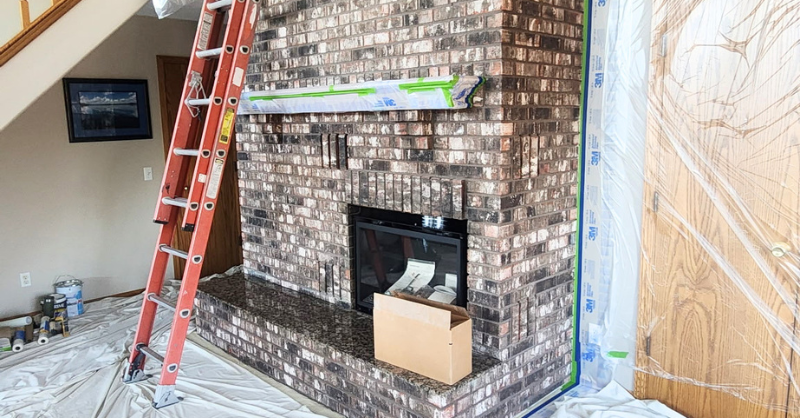
- Protecting floors with drop cloths
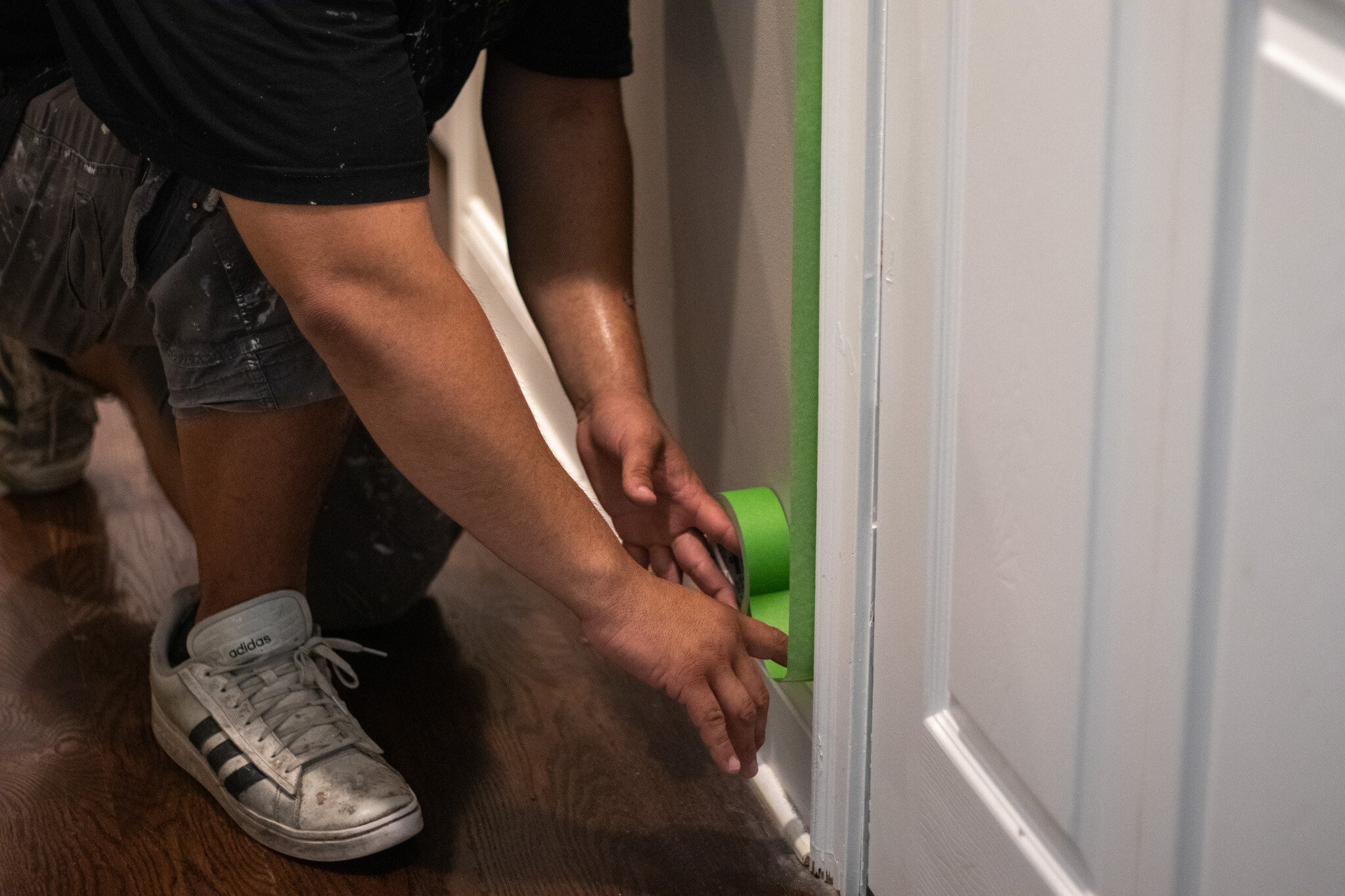
- Masking off any unpainted areas
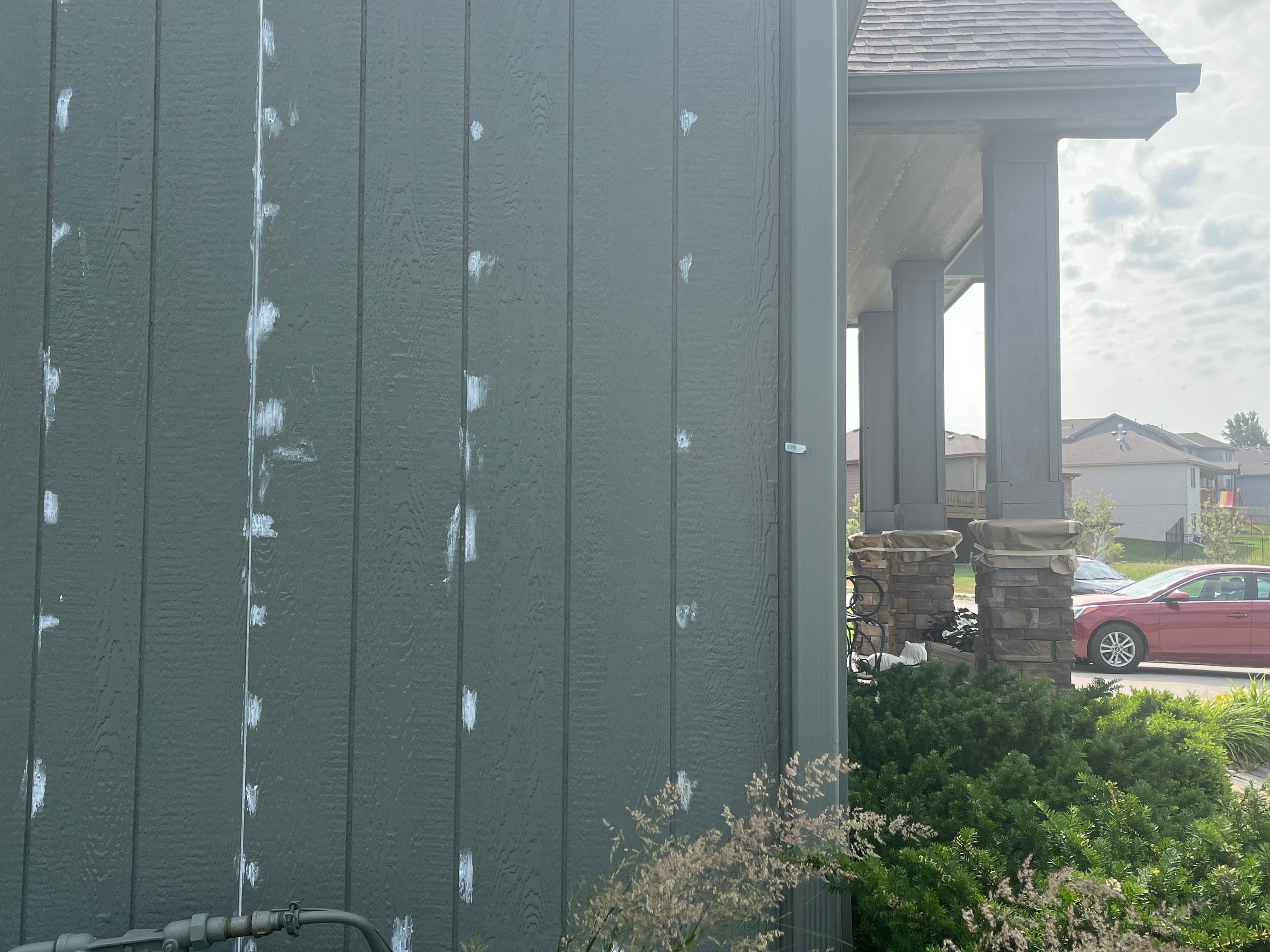
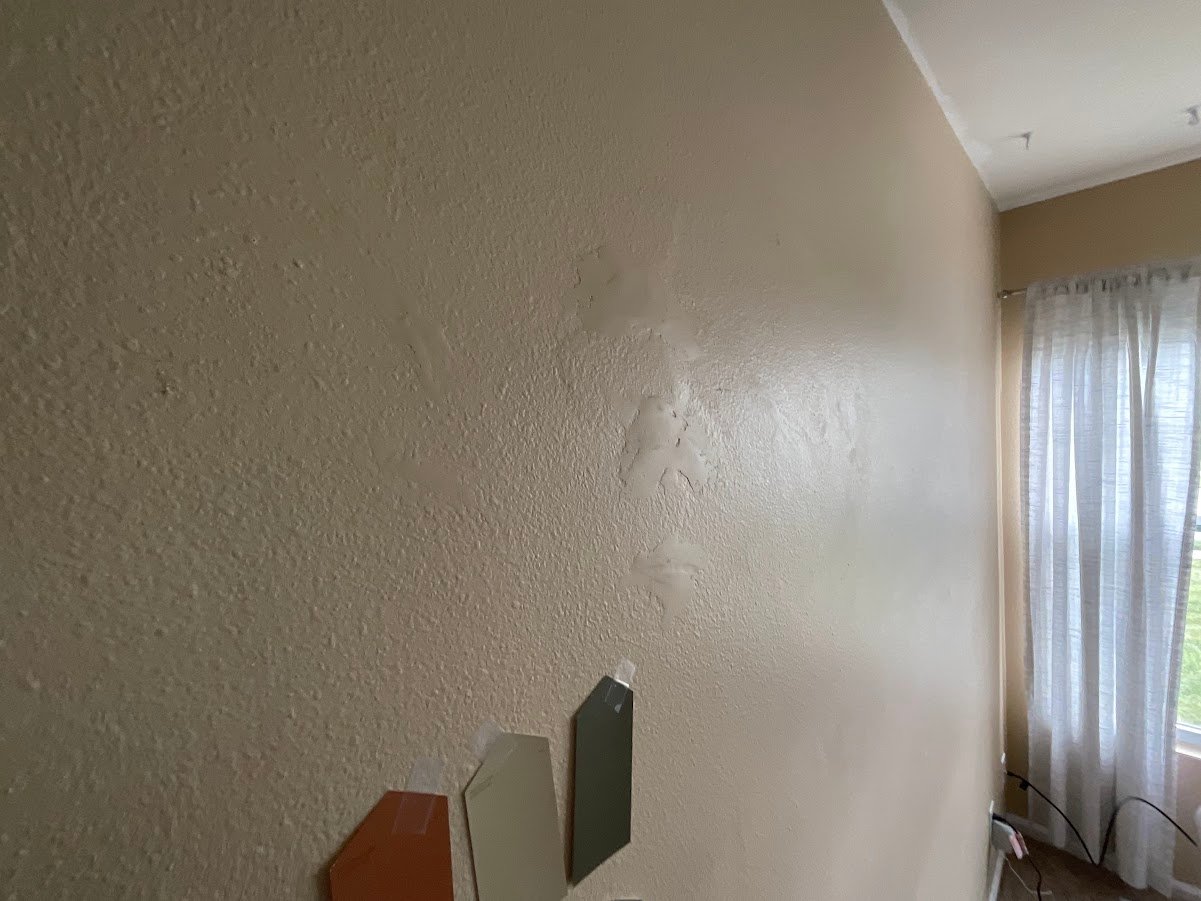
- Filling nail holes and small repairs
- Caulking or filling gaps in trim
- Sanding surfaces for better adhesion
In Omaha homes, especially older ones, prep work can take a good amount of time due to settling, wood movement, or previous paint layers.
2. Ceilings are painted first
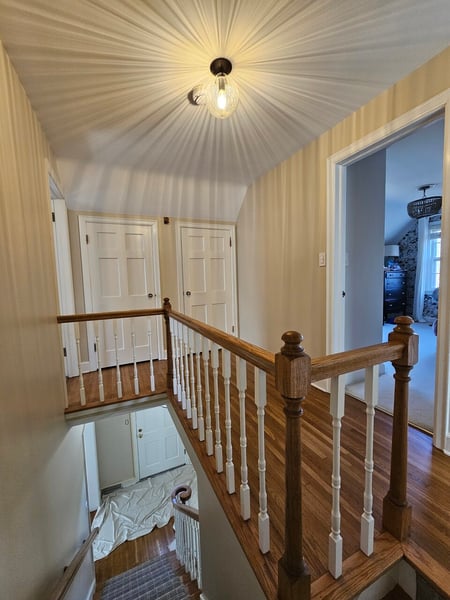
Painting ceilings first prevents drips from landing on freshly painted walls.
Ceilings are usually done with flat paint to reduce glare and hide imperfections.
3. Walls come next
Once ceilings are finished, painters move to walls.
This is where color changes happen and where most homeowners see the biggest difference.
4. Trim and doors follow
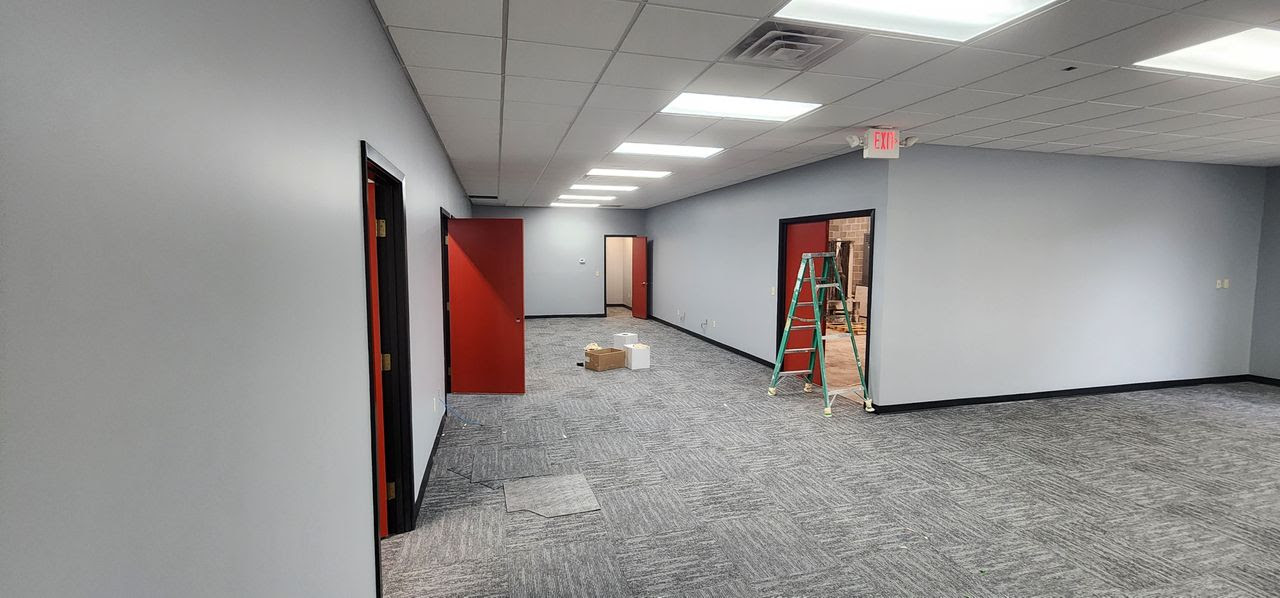
Trim includes baseboards, window trim, and door frames. Doors are usually painted separately to ensure a smooth finish.
5. Final touch-ups and walkthrough
After everything dries, painters go back through the home to:
- Fix any missed spots
- Clean up edges
- Remove tape and coverings
A final walkthrough ensures everything meets expectations.
How Should You Communicate With Your Painter Before the Project Starts?
Clear communication about scope, schedule, and expectations prevents confusion and helps your project run smoothly.
Key conversations to have upfront
What areas are being painted?
Be specific about what is included:
- Are ceilings included?
- Is the trim being painted or left as is?
- Are closets part of the project?
What is the order of rooms?
Ask your painter:
- Where will you start?
- What rooms come next?
- How will you move through the house?
This helps you plan your daily routine.
What is the timeline?
Understand:
- How many days the project will take
- What time painters will arrive and leave
- If there are any days where work will pause

What to Expect Day-to-Day for Interior Painting Your Home in Omaha
Interior painting is not usually disruptive enough to require you to not be home, but it does change your routine.
You may notice:
- Furniture moved or grouped together
- Rooms temporarily unavailable
- Some noise during sanding and prep
Tips for making it easier
- Plan to rotate living spaces as work progresses
- Keep essentials accessible
- Communicate often with your painter about the next steps
For example, if bedrooms are being painted later in the project, you can continue using them at the beginning.
How Do Painters Handle Painting Bedrooms?
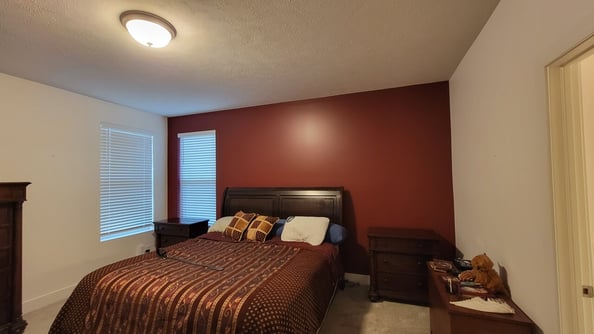
Bedrooms are typically painted after the main areas, often one at a time, to minimize disruption.
Why bedrooms come later
Bedrooms are more personal spaces. Painting them later allows:
- Families to continue using sleeping areas early in the project
- A more controlled schedule for moving furniture
How painters work through bedrooms
Most painters will:
- Complete one bedroom at a time
- Allow it to dry before moving to the next area
- Coordinate timing with the homeowner
This makes the process more manageable for families.
What Should You Do Before Painters Arrive?
Clear smaller items, communicate priorities, and make sure painters have access to all work areas.
Simple prep steps for homeowners:
- Remove wall decor, pictures, and fragile items
- Mark any nail holes you want to keep
- Clear off countertops and surfaces
- Move small furniture if possible
The more prepared your home is, the more time painters can spend focusing on quality work instead of moving items.
Do Painters Keep Your Home Clean During the Project?
Professional painters should use coverings, organized work areas, and daily cleanup routines to protect your home.
What you should expect
- Floors covered with drop cloths
- Plastic is used to protect furniture and cabinets
- Tools and materials are organized at the end of each day
Daily cleanup habits
Most painting teams will:
- Clean up debris
- Store materials safely
- Keep walkways clear
This is especially important in homes where families are living during the project. Though, it's also important to remember that painters are working, they have to set their stuff somewhere. They also need to lay coverings to protect your other belongings.
What Happens After the Painting Is Finished?
A final walkthrough ensures everything looks right and gives you a chance to ask questions or request small touch-ups.
What to look for during your walkthrough
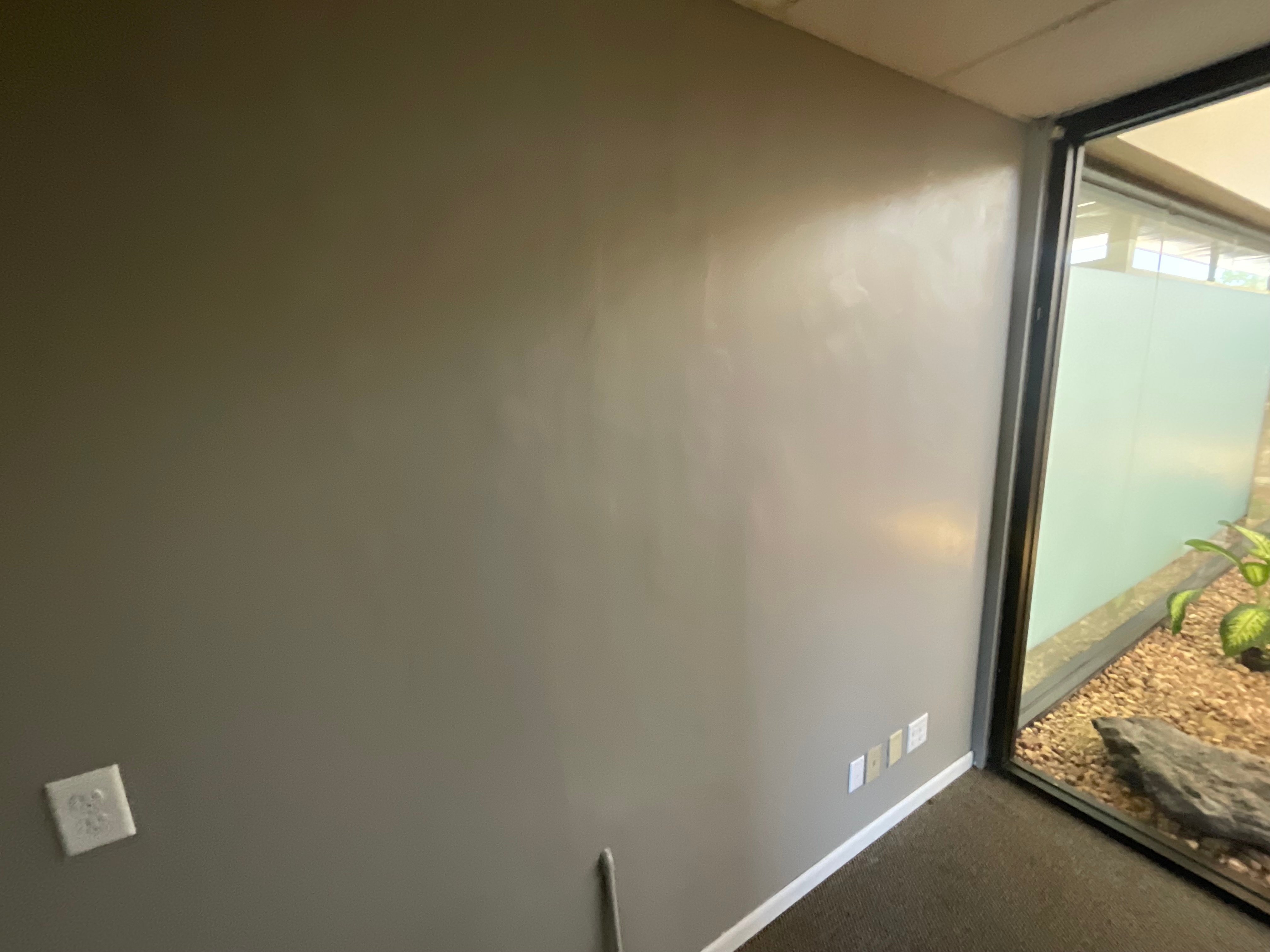
- Clean, straight lines between walls and trim
- Even coverage with no patchy spots
- No drips or roller marks
- Everything meets your expectations
Don’t be afraid to speak up
If something does not look right, this is the time to mention it.
A good painter will address concerns so you feel confident about the finished result.
Common Questions About Interior Painting in Omaha (FAQ)
How long does interior painting take for a full home?
Most full home interior painting projects take anywhere from 4 to 7 days, depending on size, prep needs, and how many areas are included.
Do painters move furniture?
Yes, but usually only larger items. Homeowners should remove smaller and fragile items ahead of time.
What paint products are typically used?
At Brush & Roll Painting, we like to use paint products from Benjamin Moore. We have found they hold up well over time, give even coverage, have good color retention, and are easy to clean.
Will there be a strong smell after interior painting?
There may be some odor, but modern paints are lower in smell than older products. Ventilation helps reduce it quickly.
Interior Painting Omaha
If you came into this wondering where painters start when painting inside your home, you now have a clear picture of the process.
You understand that most painters begin in the main living areas, then move into bedrooms and private spaces. You know the order of operations, from prep work to final touch-ups. You also know how important communication is, and what questions to ask before your project begins.
Interior painting is not just about color. It is about planning, flow, and making sure your home still works for you while the project is happening.
At Brush & Roll Painting, we have been helping Omaha homeowners navigate these decisions since 1996. Our role is to guide homeowners so they feel confident in the process, whether they choose another painter or us.
If you are ready to take the next step, click the button below to get a quote.

If you are still exploring your options, you can also check out our interior painting pricing calculator to better understand what your project might look like.

-May-22-2026-01-56-32-9736-PM.png?width=800&height=418&name=Blog%20Post%20Image%20Size%20(1)-May-22-2026-01-56-32-9736-PM.png)
-May-15-2026-04-54-24-9954-PM.png?width=800&height=418&name=Blog%20Post%20Image%20Size%20(1)-May-15-2026-04-54-24-9954-PM.png)
-Sep-20-2024-01-43-26-0356-PM.png?width=800&height=418&name=Blog%20Post%20Image%20Size%20(2)-Sep-20-2024-01-43-26-0356-PM.png)