Key Takeaways
- Paint is not just paint. Two painting estimates may look similar but include completely different products.
- Every professional painting estimate should clearly list the manufacturer, product line, primer, and finish being used.
- The right paint can improve durability, appearance, and the overall life of your investment.
- Different surfaces require different coatings. Walls, cabinets, trim, decks, and siding should not all receive the same type of paint.
- Comparing painting estimates by price alone can lead to costly surprises later if materials are not clearly identified.
- Asking a few simple questions about the products in your estimate can help you make a more informed decision.
You have gathered three painting estimates for your home. One company is thousands of dollars less than the others. Another is somewhere in the middle. The highest estimate promises a long-lasting finish, but all three proposals simply say "paint walls" or "paint exterior."
So what is the difference?
For many homeowners around Omaha, this is one of the most confusing parts of hiring a painter. Most people are not paint experts, and they should not have to be. When an estimate leaves out the exact products being used, it becomes almost impossible to compare one bid to another. You may think you are comparing the same project, when in reality you are comparing completely different materials.
Brush & Roll Painting has been serving homeowners throughout the Omaha area since 1996. During that time, we have seen incredibly detailed estimates and others that provided almost no information about the materials being used. We have also met homeowners who were disappointed with a paint job only a few years after it was completed because they never knew what products had been applied in the first place.
One lesson has remained true through thousands of projects. Paint is not just paint. The preparation matters. The application matters. The products matter too.
By the end of this article, you will understand why every painting estimate should identify the exact products being used, why different paints perform differently, and what questions you should ask before hiring a painting contractor. Whether you are planning to paint your interior, exterior, cabinets, trim, or deck, you will know how to compare estimates with confidence and make a better decision for your home.
What product information should be included in a paint estimate?
Every professional painting estimate should identify the manufacturer, product line, primer, and finish being used. Without that information, you cannot fairly compare estimates or fully understand what you are purchasing.
Imagine shopping for a new refrigerator. One store tells you it costs $1,200. Another tells you $2,000. If neither store tells you the brand or model, how could you know which one offers better value?
Painting estimates work the same way.
Many homeowners receive proposals that simply say "paint walls" or "apply two coats of exterior paint." That may sound complete, but it leaves out one of the biggest pieces of the puzzle. What paint?
A detailed estimate should tell you exactly which product is going on your home. It should also explain where different products will be used, because the best coating for drywall is usually different from the best coating for trim, cabinets, or siding.
A professional estimate should typically include:
- Paint manufacturer
- Product line
- Primer, if needed
- Number of coats
- Finish or sheen
- Areas receiving each product
The more information provided, the easier it becomes to compare one estimate to another.

Is paint really that different from one product to another?
Absolutely. Paints are designed for different purposes, and the ingredients inside them have a major impact on how they perform over time.
Many homeowners think the biggest difference between paints is simply the color.
That is only one small piece of the equation.
Every paint contains pigments, resins, binders, additives, and liquids that help it spread across the surface. The quality and balance of those ingredients determine how well the paint sticks, how easily it cleans, how resistant it is to fading, and how long it continues looking good.
Think about buying tires for your vehicle. They are all round, they all fit your wheels, and they all help you drive down the road. Yet some are designed for snow, some for long highway trips, and others for performance driving. Paint works in a very similar way.
One product may be designed for high-traffic hallways. Another may be formulated to stand up to rain and sunlight. Another may be specifically made for kitchen cabinets.
They are all paint, but they are not the same.
Does more expensive paint usually last longer?
Higher quality paint is generally made with better ingredients that help it resist wear, fading, moisture, and everyday cleaning for a longer period of time.
Inside your home, paint experiences more abuse than many people realize.
Children brush backpacks against the hallway walls. Chairs bump dining room trim. Pets rub against corners. Furniture gets moved. Fingerprints appear around light switches. Sunlight shines through windows every afternoon.
A coating designed with better resins and binders is often better equipped to handle those everyday challenges.
Outside your home, the demands become even greater.
Homes in Omaha experience freezing winters, hot summers, humidity, rain, hail, and strong sunlight. Exterior siding expands when temperatures rise and contracts when temperatures fall. Paint has to move with those surfaces year after year.
If the coating cannot handle that movement, small cracks may develop. Once moisture begins working its way behind the paint, peeling and premature failure can follow.
That does not mean every project requires the most expensive paint available. It simply means homeowners should understand why a particular product has been recommended for their home.

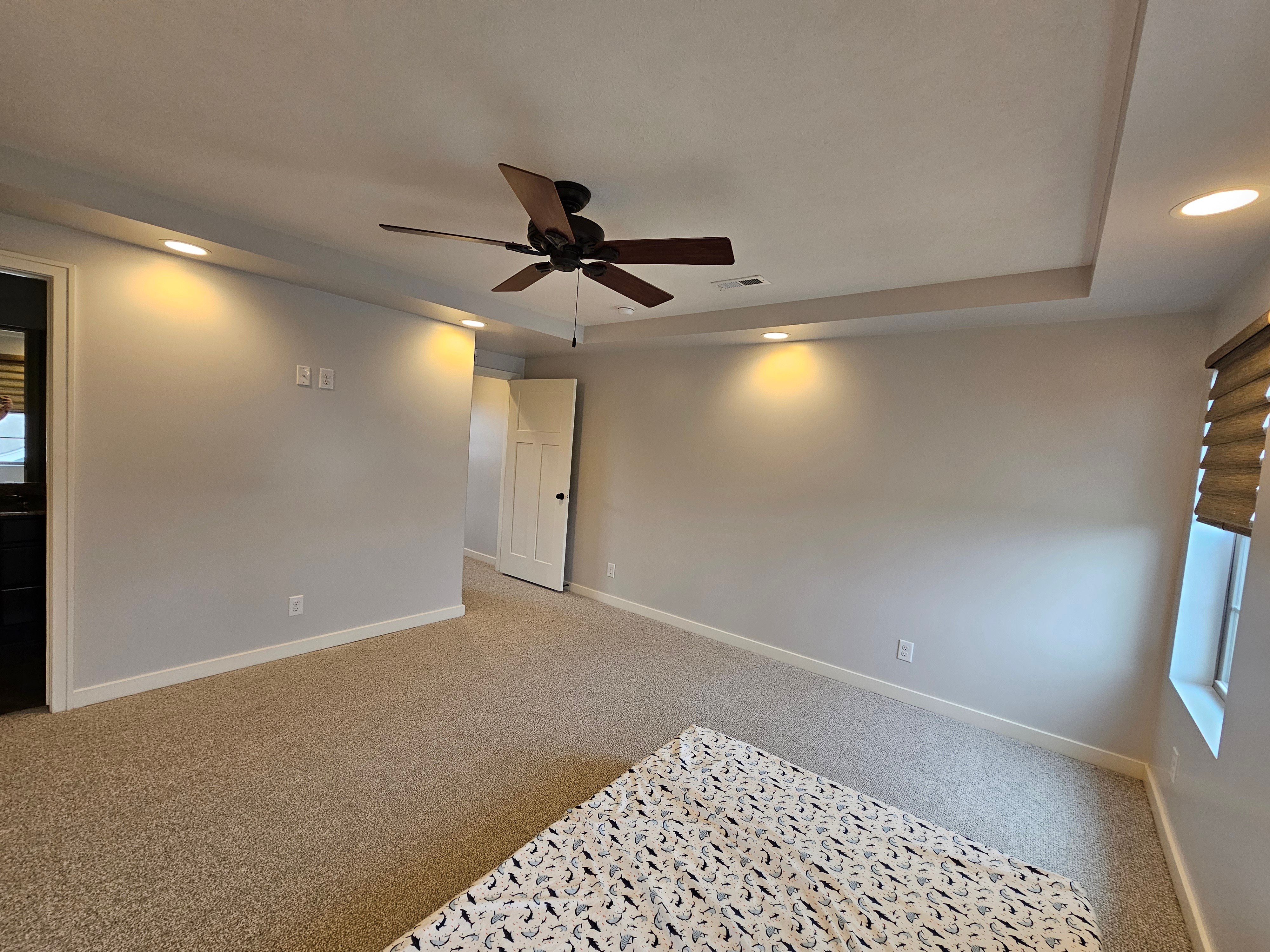
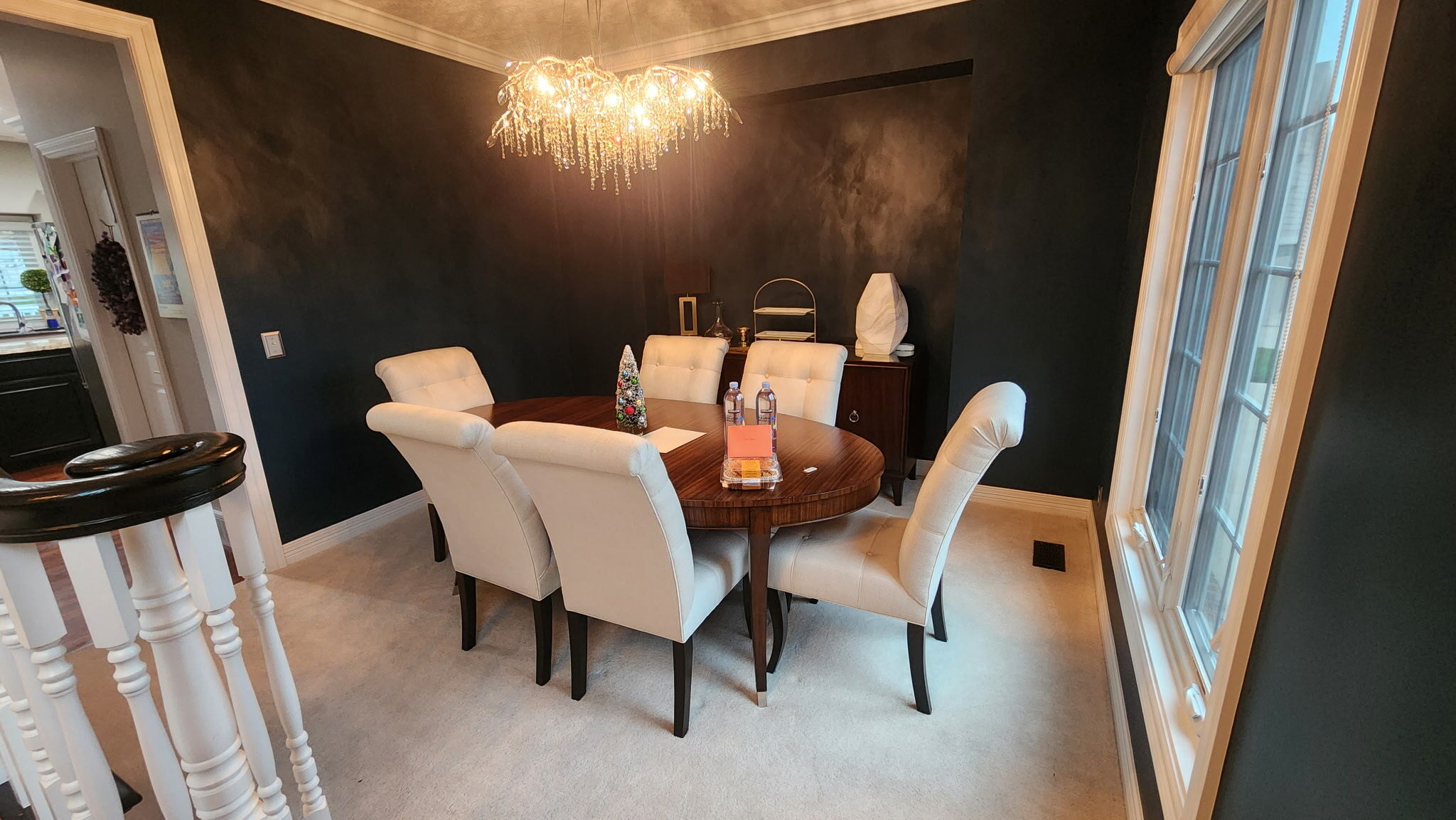
What paint should be used for interior walls?
Interior walls should receive a coating designed specifically for drywall and everyday living. The right product depends on the home's needs, traffic level, and desired appearance.
Not every room experiences the same amount of use.
- A guest bedroom may only be used a few weeks each year.
- A family room may be used every single day.
- Children's bedrooms often see crayons, fingerprints, toys, and scuff marks.
- Kitchens experience grease and frequent cleaning.
- Hallways receive constant traffic.
Those differences influence which paint makes the most sense.
A quality interior wall paint is generally designed to provide:
- Good coverage
- Consistent appearance
- Easy cleaning
- Better stain resistance
- Reliable touch-ups
- Long-lasting color
The estimate should explain exactly which product is being used instead of leaving homeowners to guess.
At Brush & Roll Painting, we like to use Benjamin Moore’s Ultra Spec, Regal Select, and Aura Interior Paint.

Should trim and doors use the same paint as walls?
No, trim and doors experience much more physical contact than walls, so they often require a tougher coating.
Think about how many times you touch a door in one day.
Now think about how often you actually touch the wall beside it.
Doors, trim, and baseboards receive constant use. Shoes kick baseboards. Vacuum cleaners bump corners. Hands touch door frames. Furniture scrapes trim during moves.
Because of that, professional painters often recommend products specifically designed for woodwork.
These coatings typically provide:
- Harder finish
- Better scratch resistance
- Smoother appearance
- Better durability
- Easier cleaning
Using a standard wall paint on trim may save a little money initially, but it often results in faster wear.
At Brush & Roll Painting, we like to use Command woodwork paint by Benjamin Moore for interior wood trim, doors, molding, etc.
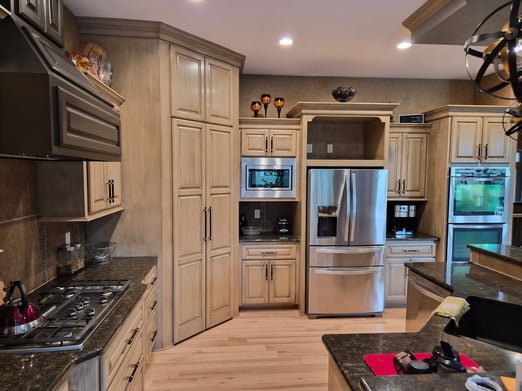
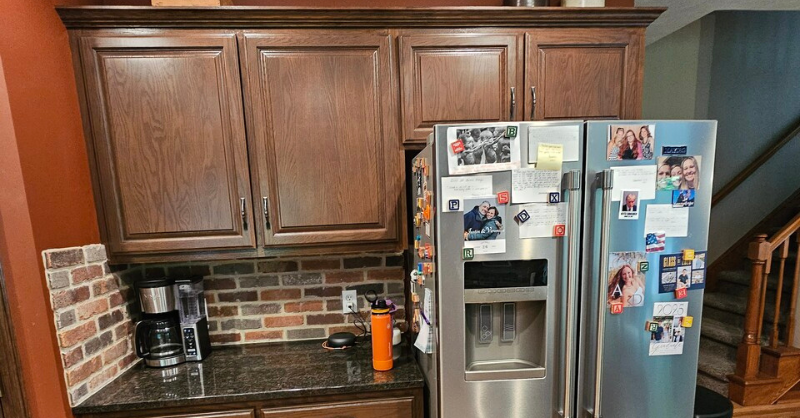
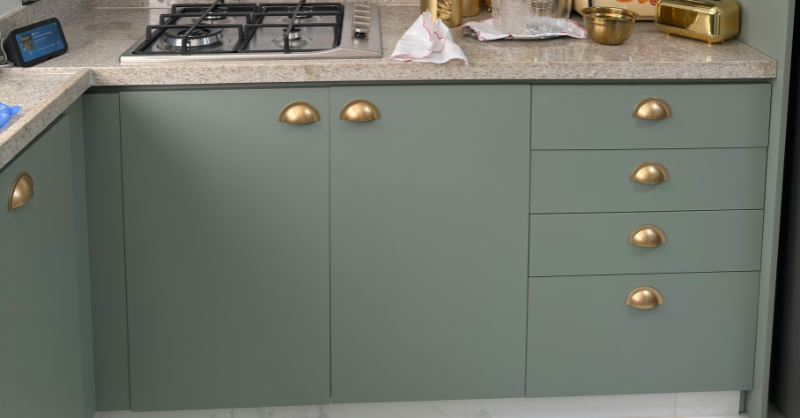
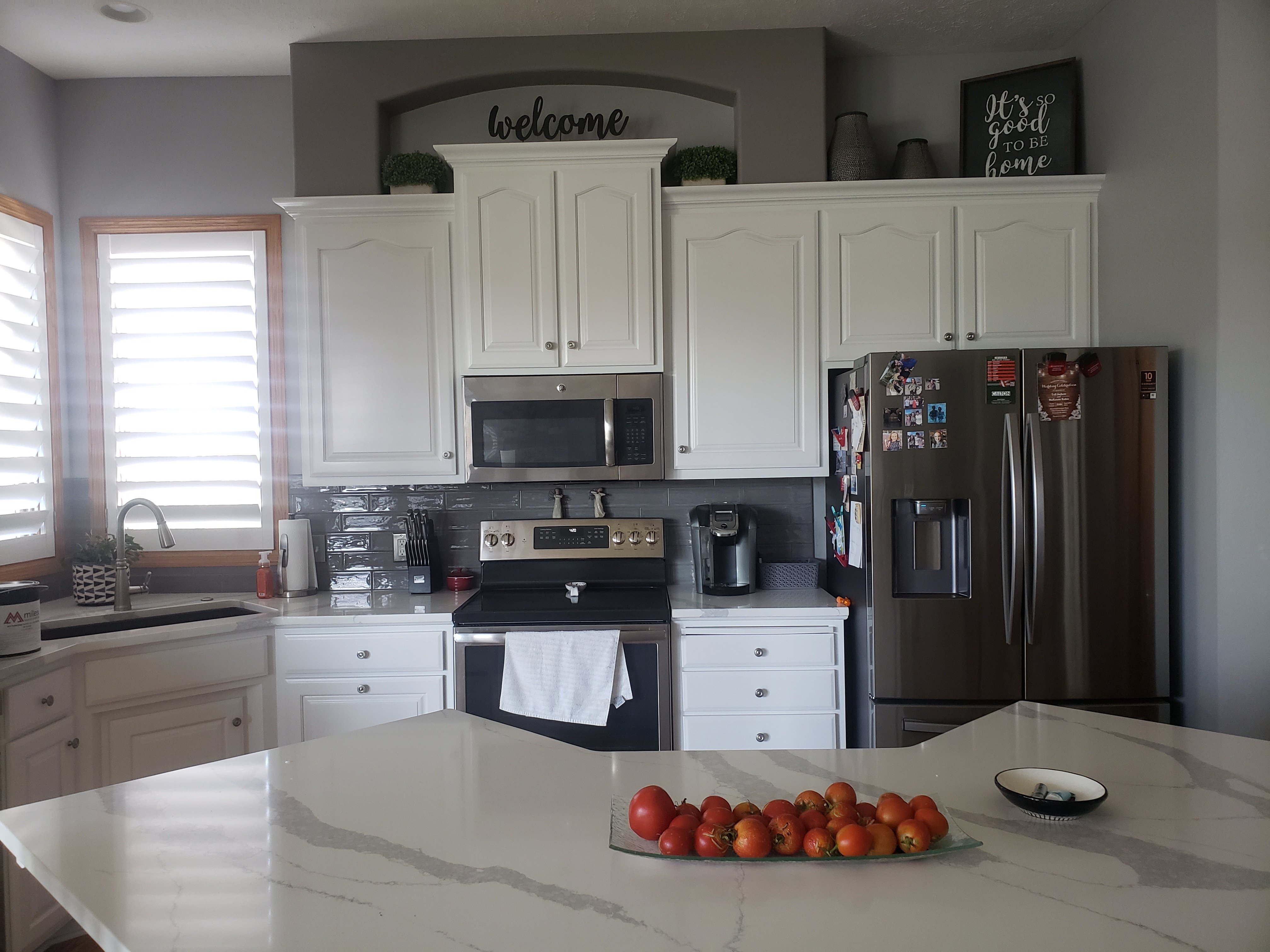
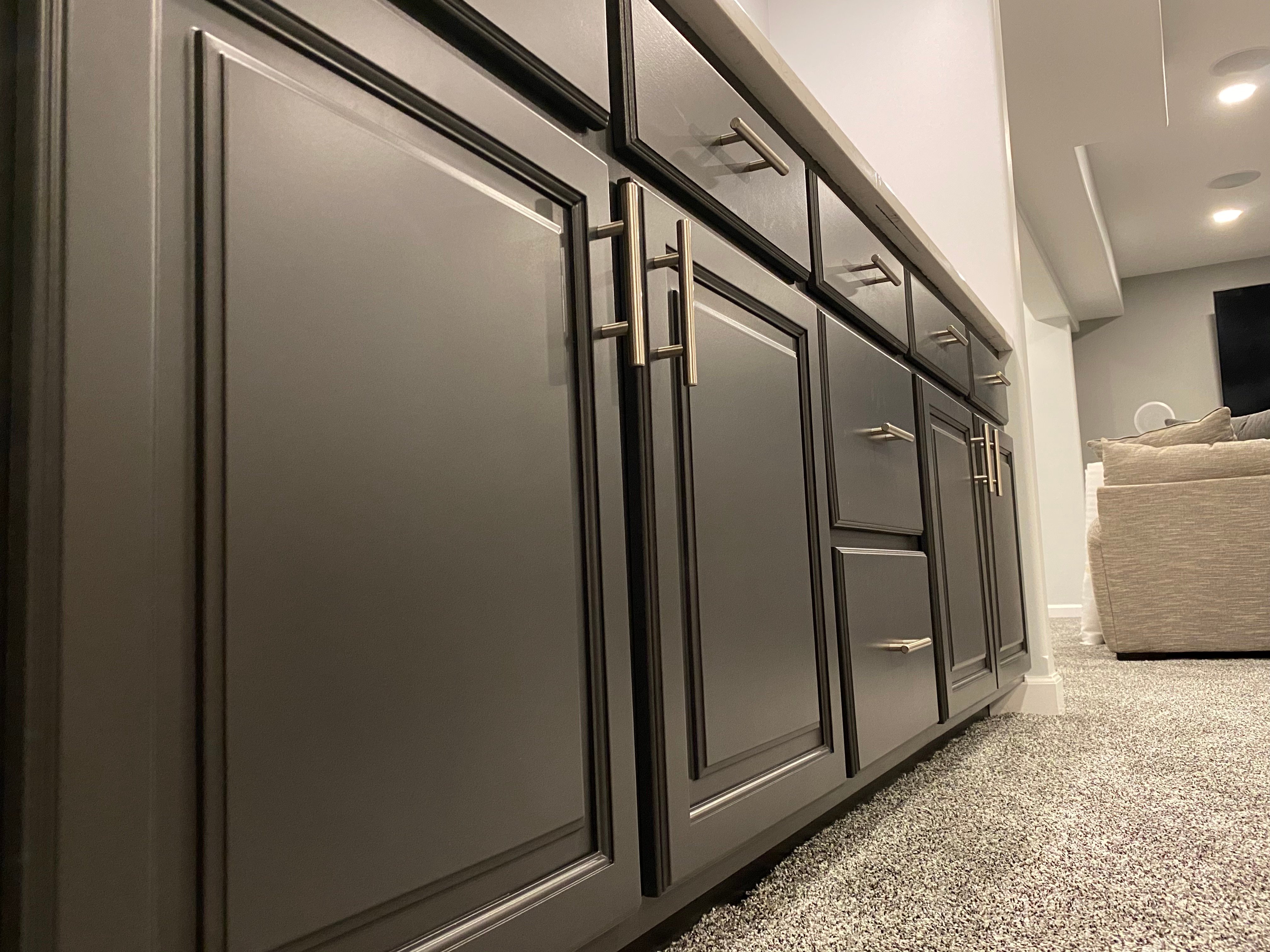
Why do cabinets require completely different paint?
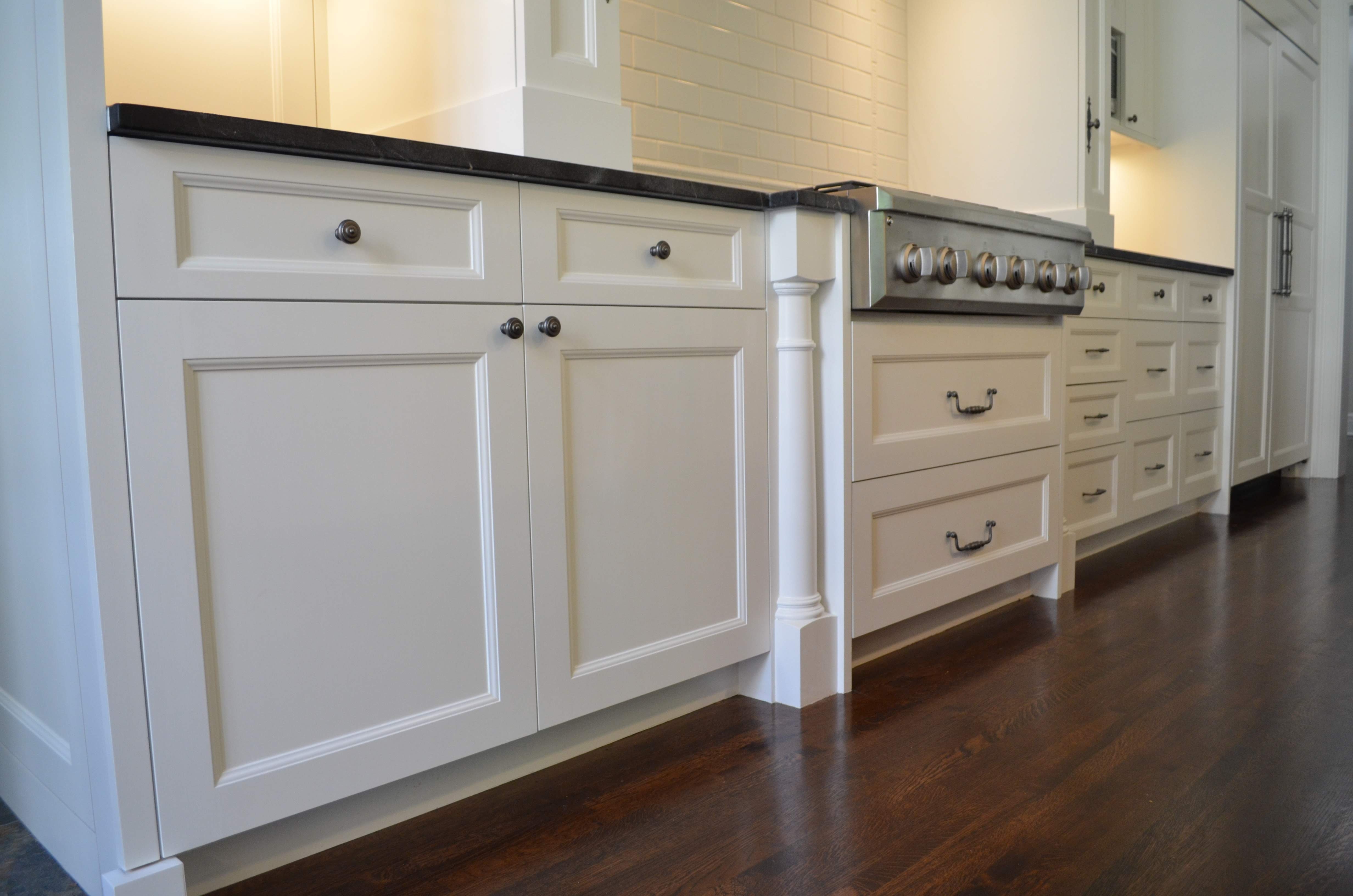
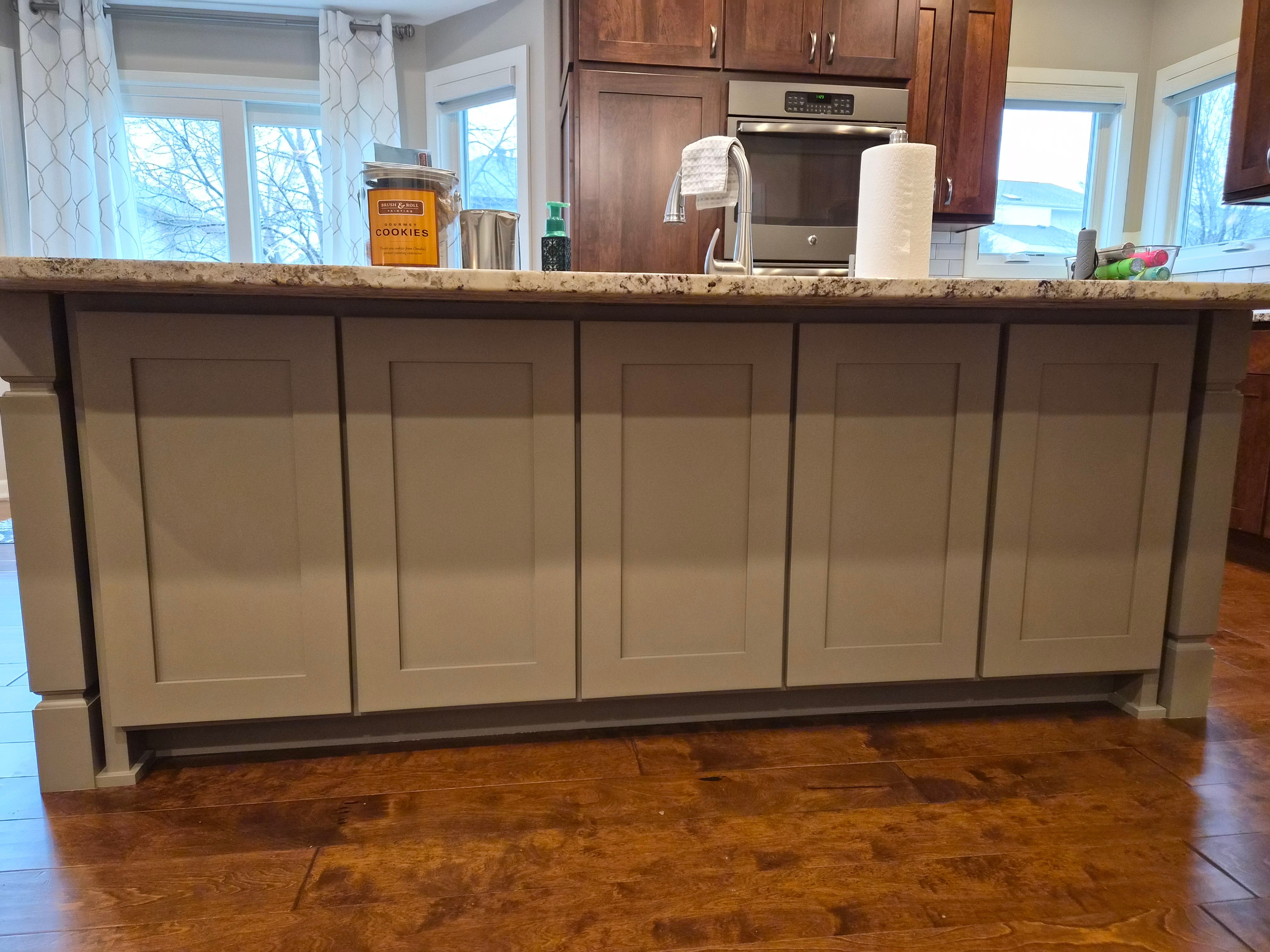
Cabinets experience far more abuse than walls, so they usually require specialty coatings designed for furniture-quality durability.
Kitchen cabinets are opened dozens of times every day.
They are exposed to grease, moisture, cooking residue, cleaning products, fingerprints, and constant handling.
Regular wall paint simply was not designed for those conditions.
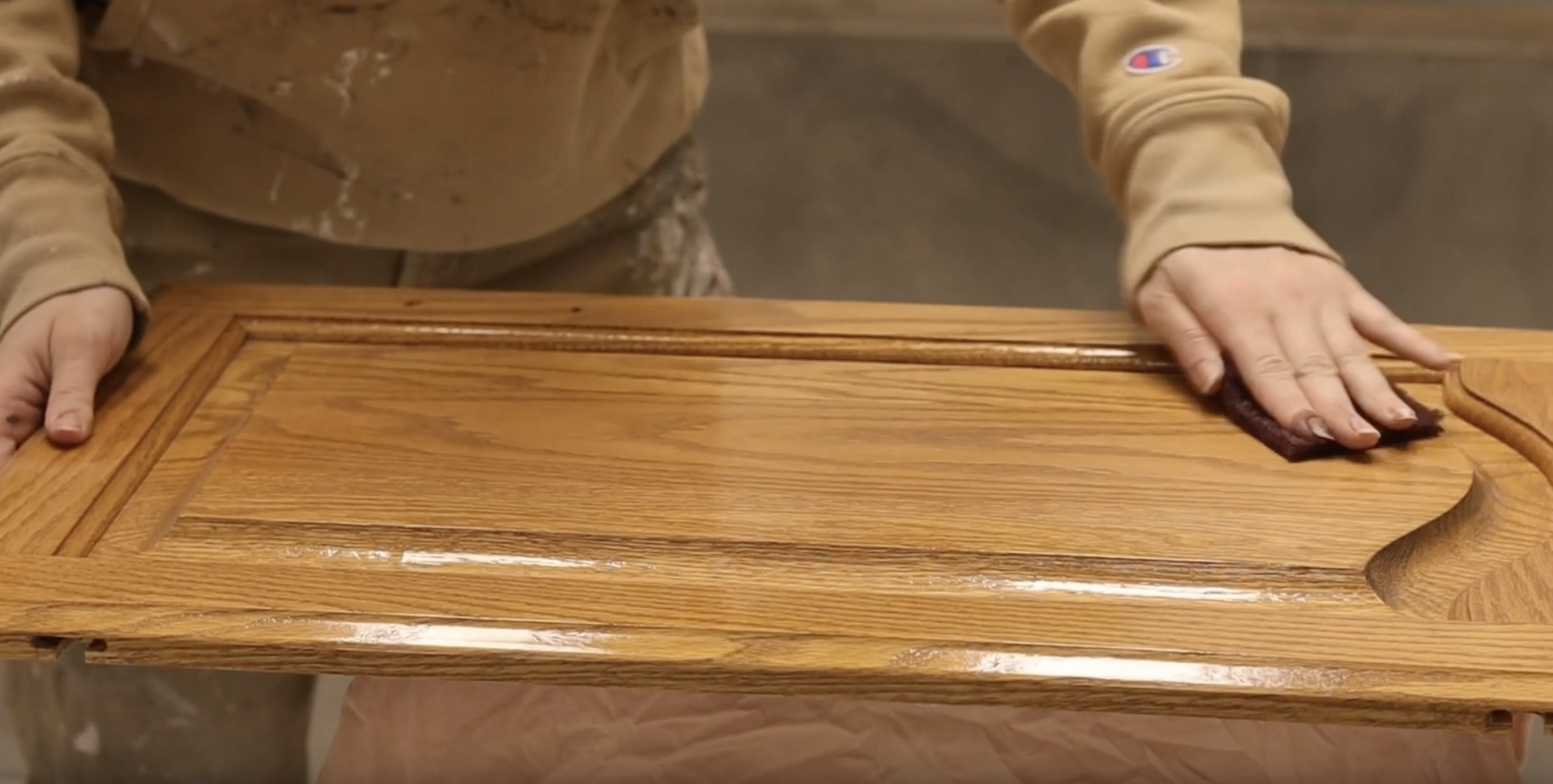
Professional cabinet finishing systems often include multiple steps, including specialty primers and highly durable topcoats designed specifically for cabinetry.
The difference becomes noticeable over time.
Cabinets finished with products designed for cabinet applications are generally better able to resist scratching, sticking, and everyday wear.
This is one reason cabinet painting typically costs more than painting walls. The products themselves are entirely different.
At Brush & Roll Painting, we stand by Milesi. Milesi is more than just a wood paint; it is a 2-component paint product. Created for wood floors and cars, it is super durable, easy to clean, and chemical-resistant.
What paint is best for exterior painting?
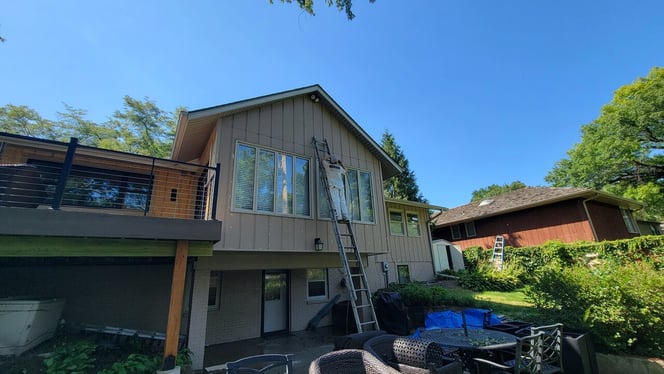
Exterior paint must stand up to years of changing weather, making product selection especially important.
Living in Omaha means your home's exterior experiences nearly every type of weather imaginable.
Your siding may see freezing temperatures in January and temperatures approaching one hundred degrees during the summer.
Heavy rain, snow, humidity, wind, and sunlight all place stress on exterior coatings.
A quality exterior paint is designed to help protect your home while maintaining its appearance longer.
Different surfaces may also require different coatings.
These include:
- Wood siding
- Fiber cement siding
- Engineered wood
- Stucco
- Brick
- Aluminum siding
- Vinyl siding
The right product depends on both the material and the condition of the surface.
At Brush & Roll Painting, we like to use Benjamin Moore’s Ultra Spec, Regal Select, and Aura Exterior Paint.
What questions should homeowners ask before hiring a painter?
You do not need to become a paint expert. Asking a few simple questions can help you better understand exactly what you are paying for.
Here are several questions worth asking every painting contractor:
- What manufacturer are you using?
- What exact product line will be applied?
- Why did you choose that product?
- Do you use primer and when?
- Will every surface receive the same coating?
- What finish are you recommending?
- Is this product listed in the written estimate?
- Why do you feel this product is the best fit for my project?
A knowledgeable contractor should be comfortable explaining these choices in plain language.
Frequently Asked Questions About The Best Paint For Your Project
Is expensive paint always worth the extra money?
Not necessarily. The best product depends on the surface, the condition of your home, and your expectations for your project. A good contractor should recommend the product that best fits your project instead of automatically recommending the highest priced option.
Should primer be listed in the estimate?
Yes. If primer is necessary, the estimate should explain where it will be used and why.
Can I request a specific paint brand?
Absolutely. Many homeowners have preferences, and most professional painters are happy to discuss different product options before the project begins.
Why does cabinet painting cost more?
Cabinet coatings are designed for much heavier use than wall paint. They are formulated to resist scratches, grease, moisture, and repeated cleaning.
Does preparation matter as much as paint quality?
Yes, even the best paint cannot perform well if it is applied over poor preparation. Long-lasting paint jobs usually combine quality preparation with quality products.
Hiring a Painter in Omaha, NE
Choosing a painting contractor involves much more than comparing prices. It involves understanding exactly what materials are being applied to one of your biggest investments, your home.
If you began reading this article because you were confused by different painting estimates, you now know one of the biggest reasons prices vary. Paint is not just paint. The manufacturer, product line, and coating selected for your project all play a role in how your finished paint job looks today and how well it performs years from now.
At Brush & Roll Painting, we have been helping Omaha homeowners make informed painting decisions since 1996. We believe homeowners should understand the products being recommended, the preparation involved, and why those choices matter so they can confidently choose the painter that best fits their needs.
If you are ready to move forward with your painting project, click the button below to Get a Quote.

If you are still researching your options or planning your budget, try our Home Painting Pricing Calculator to get an idea of what your project may cost before requesting estimates.
Topics:



-Mar-20-2026-03-16-05-8428-PM.png?width=800&height=418&name=Blog%20Post%20Image%20Size%20(2)-Mar-20-2026-03-16-05-8428-PM.png)