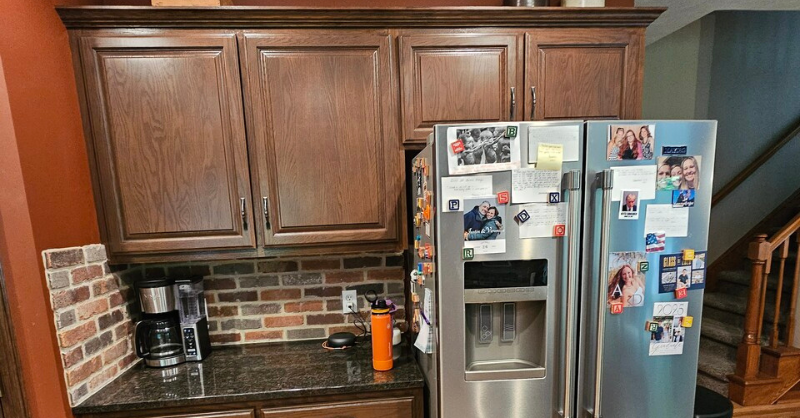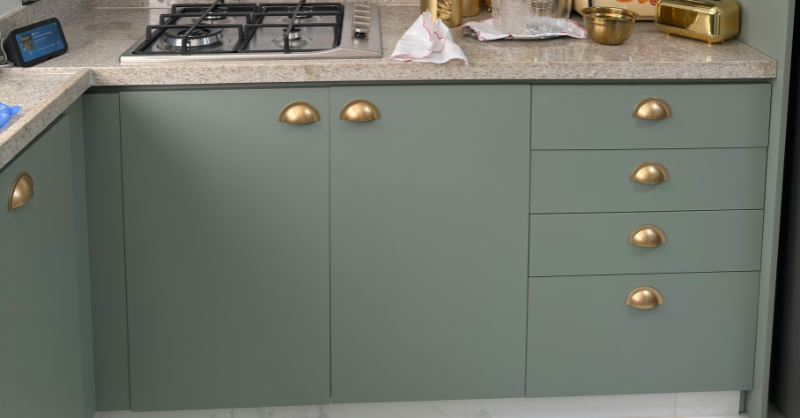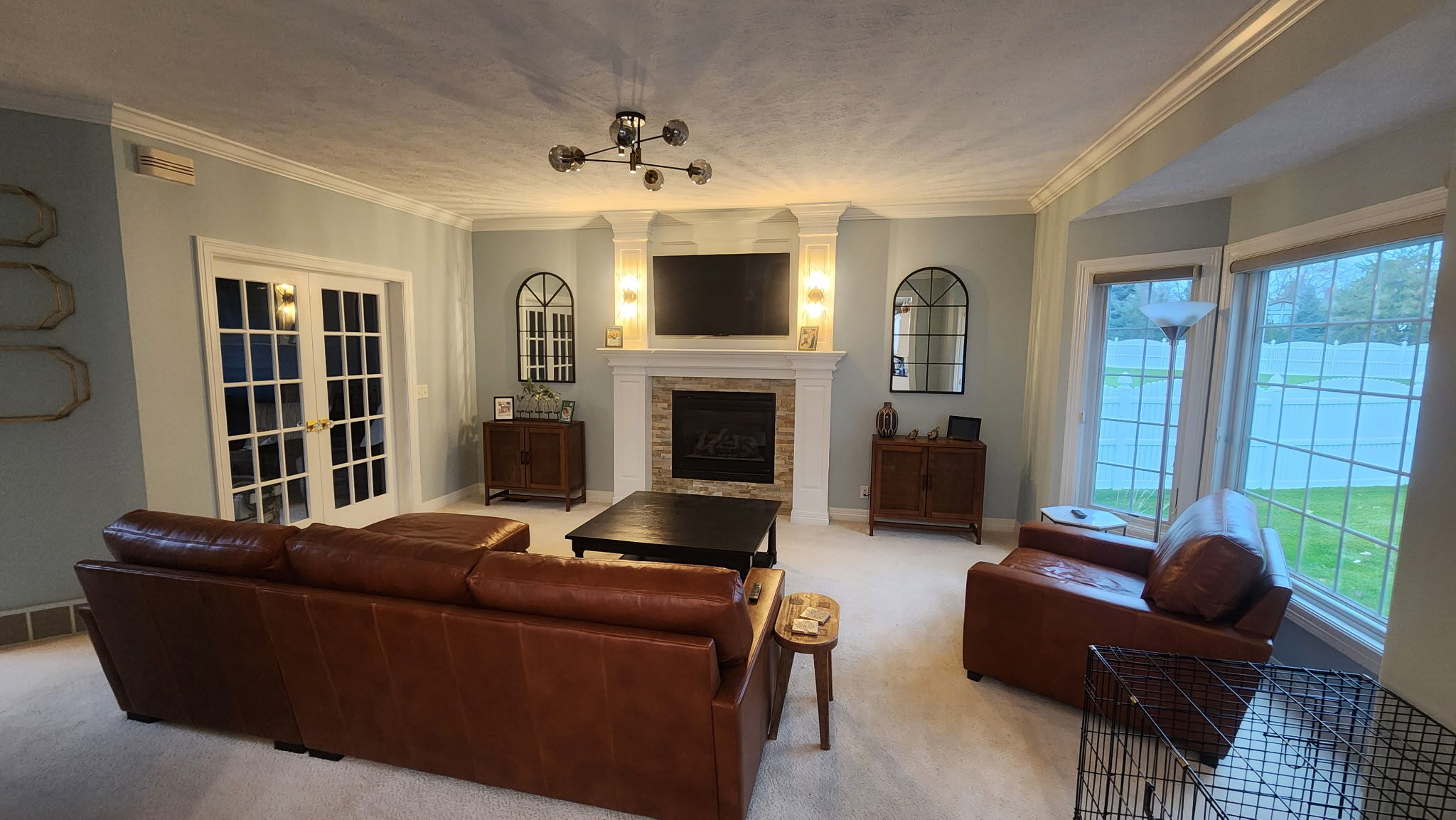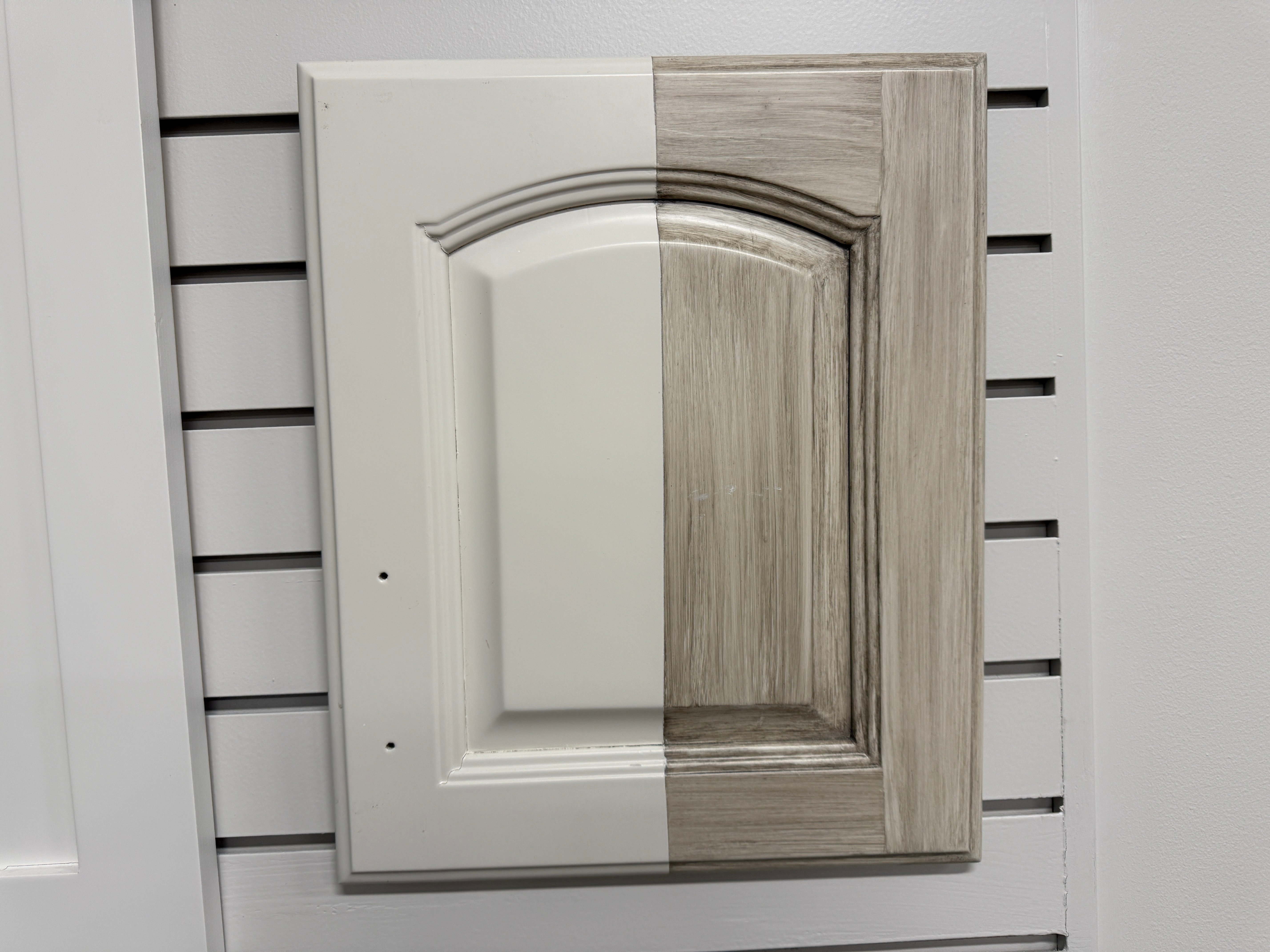
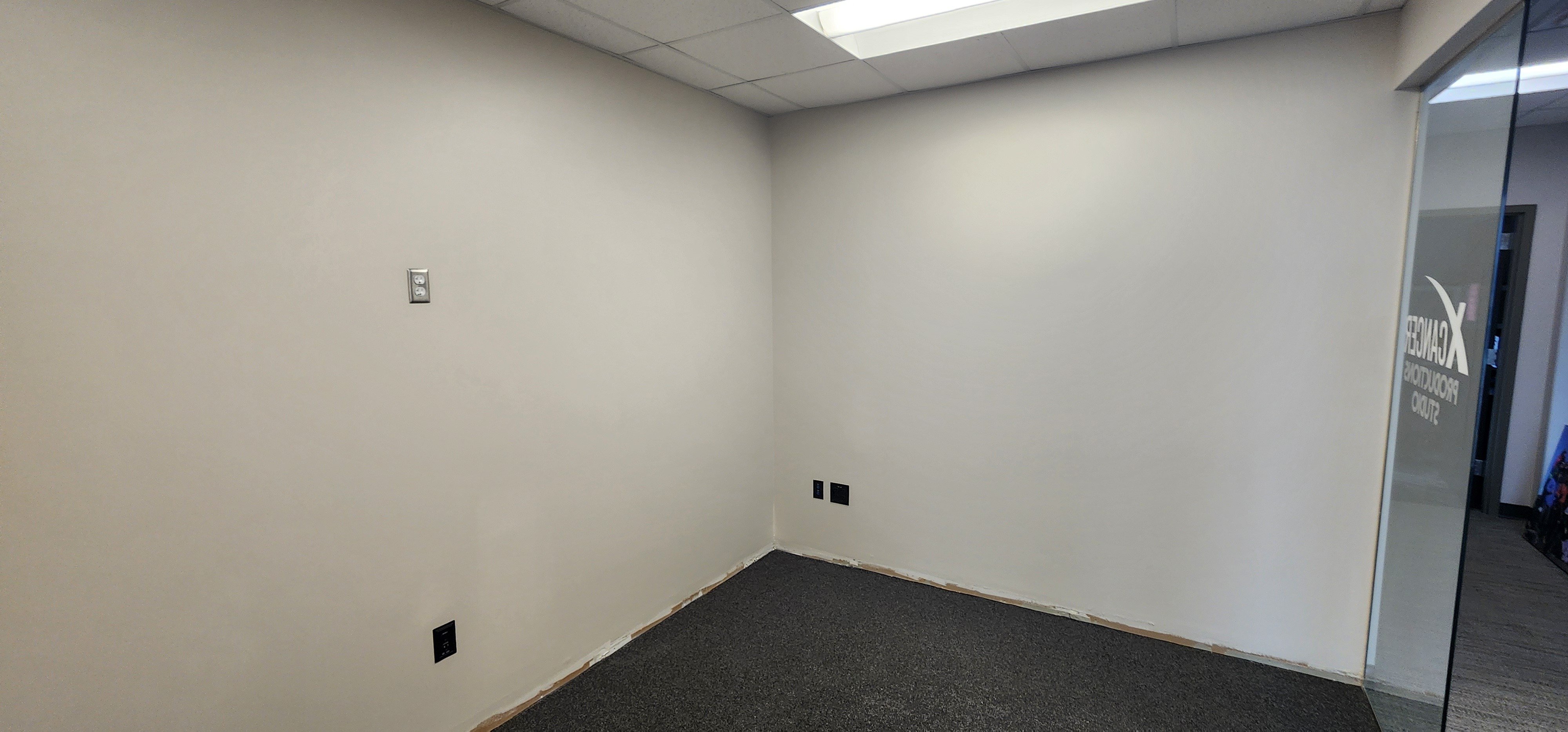
We always hear people say they just want white paint, then they find out that there are hundreds of options, each with subtle undertones that change how the color looks in your home. Lighting, surrounding materials, and the type of surface all affect how a white paint appears, which is why testing samples is so important. Once you understand warm vs cool whites and how they interact with your space, you can confidently narrow down and choose the right shade.
At Brush & Roll Painting, we have been helping homeowners in Omaha choose paint colors since 1996. We have seen how something as simple as white can make or break a space. From interior walls to cabinet finishes, we spend a lot of time helping people narrow down the right shade for their home.
By the end of this article, you will understand why there are so many shades of white, how to tell them apart, and how to confidently choose the right one for your home. You will also learn practical steps you can take so you do not feel overwhelmed when you walk into a paint store again.
Why are there so many shades of white paint?
White paint is not truly “white.” It is made with subtle color undertones that change how it looks in different lighting and next to different materials.
White paint is not a single color. It is a range of colors that sit very close to neutral. Paint companies adjust tiny amounts of pigments like yellow, blue, gray, or even green. These small changes create completely different results once the paint is on your walls.
For example:
- A white with a yellow undertone can feel warm and cozy
- A white with a blue undertone can feel crisp and clean
- A white with a gray undertone can feel soft and muted
These differences are why paint brands offer so many options. They are trying to match every possible home, lighting condition, and design style.
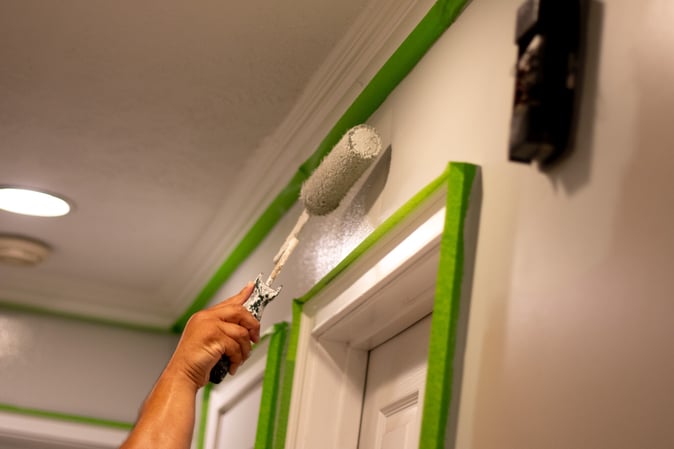
How many shades of white are there?
Benjamin Moore alone offers the most in their collection at 336 shades of white.
This number surprises most homeowners, who only expect a few or one main color.
Each brand builds its own library of whites. Benjamin Moore is just one of many paint brands. Others like Sherwin Williams and Behr have slightly different formulas that add to the number of how many actual shades of white there are. Some shades throughout the brands overlap and can look almost identical.
While it may feel excessive to have hundreds of shades from one brand, the goal is to give you options that actually work in your specific home, not just a one-size-fits-all white.
What is the difference between warm white and cool white paint?
Warm whites have yellow, red, or beige undertones, while cool whites have blue, gray, or green undertones.
This is one of the most important things to understand when choosing white paint.
Warm whites
- Feel softer and more inviting
- Pair well with wood tones and traditional homes
- Common in living rooms, kitchens, and cabinets
Cool whites
- Feel brighter and more modern
- Pair well with black, gray, and clean finishes
- Common in newer homes or modern designs
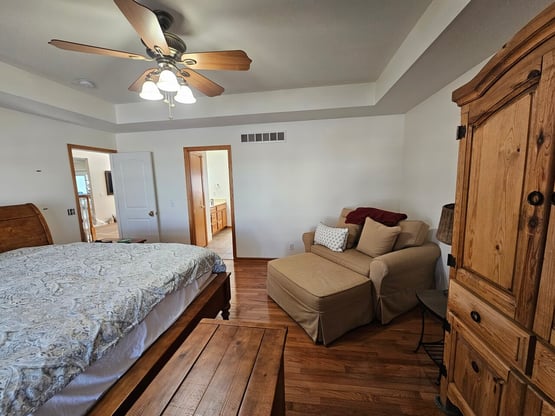
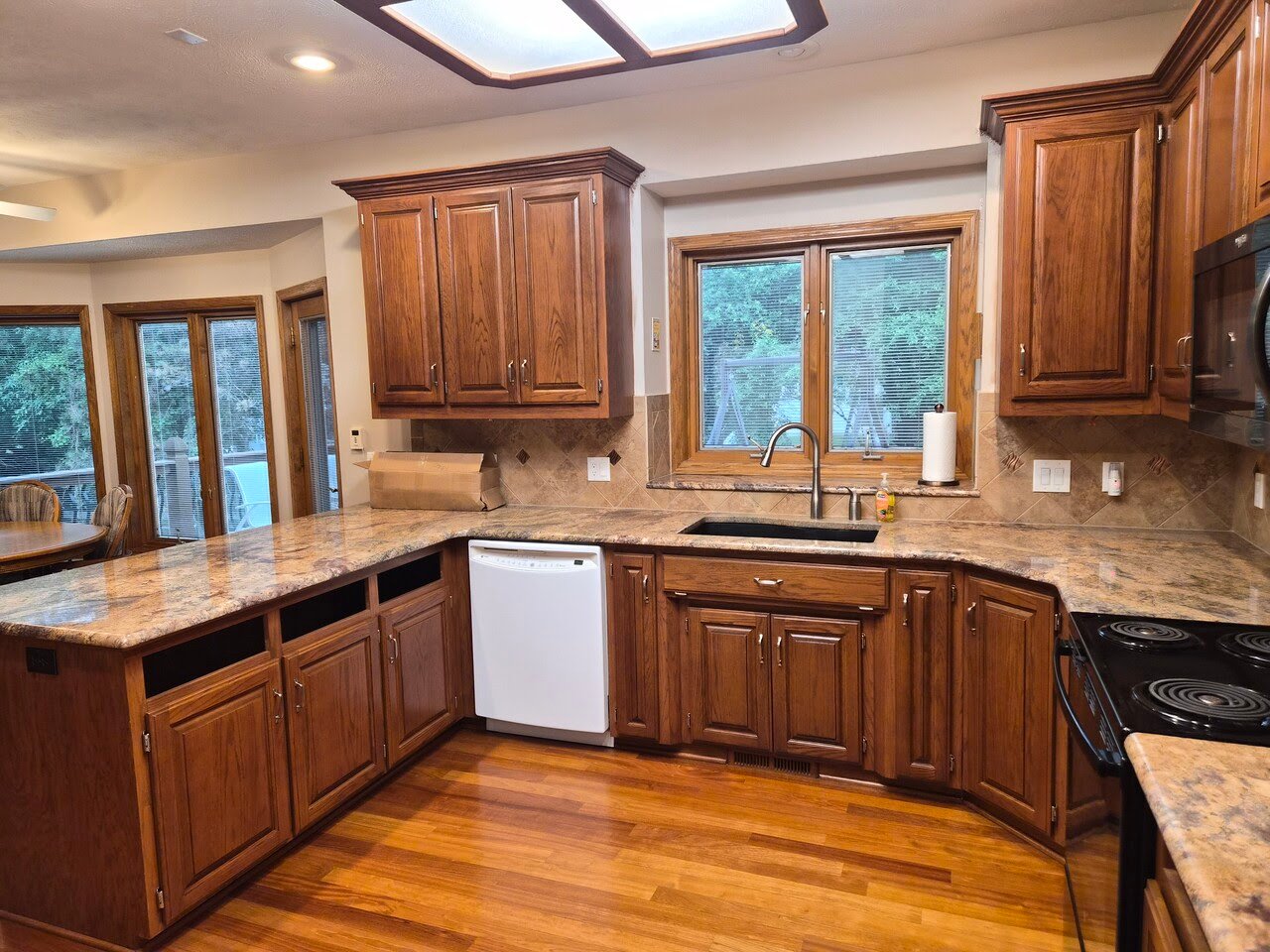
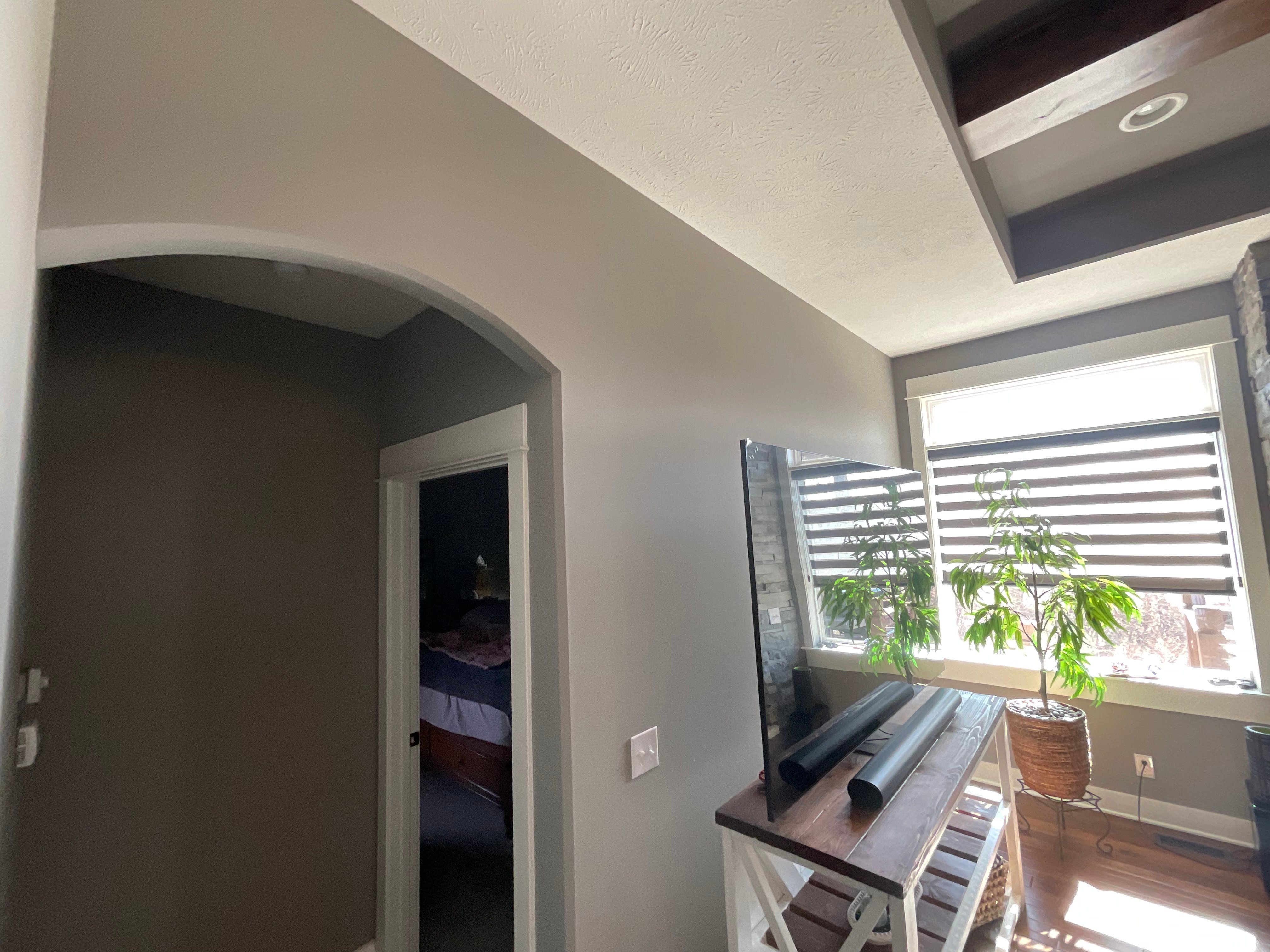
In Omaha homes, especially those with natural wood floors or cabinets, warm whites tend to feel more natural. Cool whites can sometimes look too sharp if they clash with warmer materials.
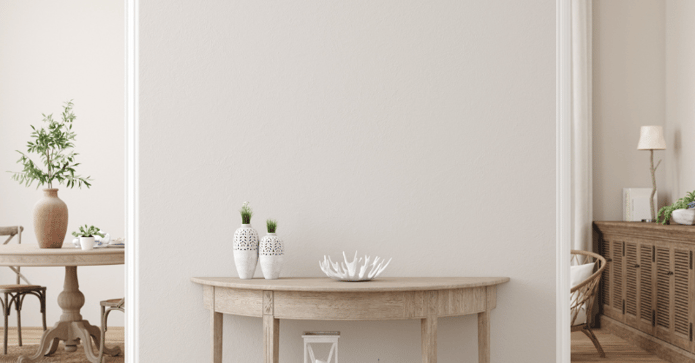
Why does white paint look different in every room?
Lighting changes everything, both natural light and artificial light.
A white that looks perfect in a store can look completely different in your home. That is because of:
Natural light
- North-facing rooms bring cooler light
- South-facing rooms bring warmer light
- East and west-facing rooms shift throughout the day
Artificial light
- Warm bulbs can make whites look more yellow
- Cool bulbs can make whites look more blue
Surrounding surfaces
- Wood floors can warm up a white
- Gray countertops can cool it down
- Cabinet colors can reflect on the walls
This is why testing paint in your home is always better than relying on a small sample in a store.

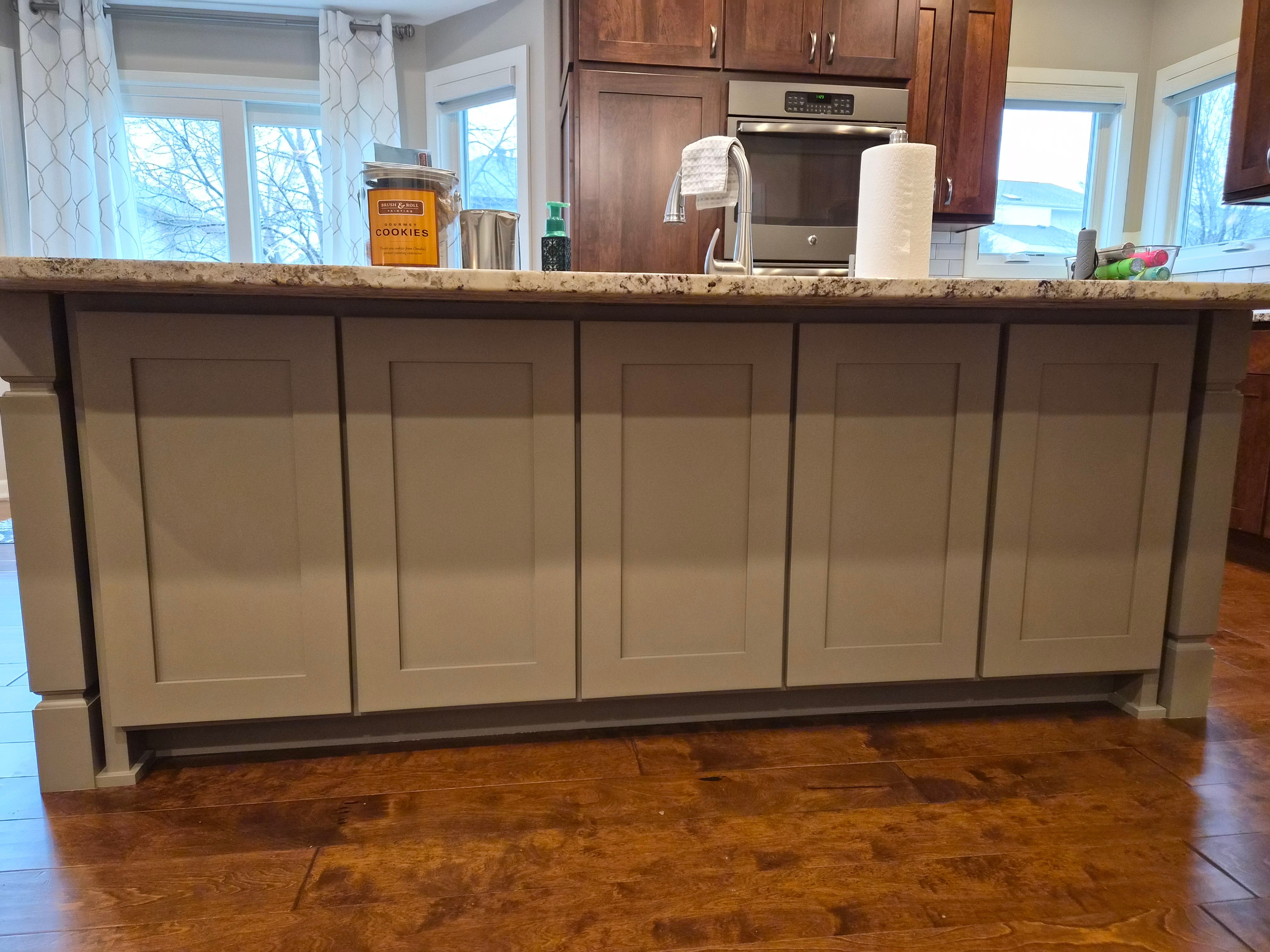
Why do cabinet whites look different than wall whites?
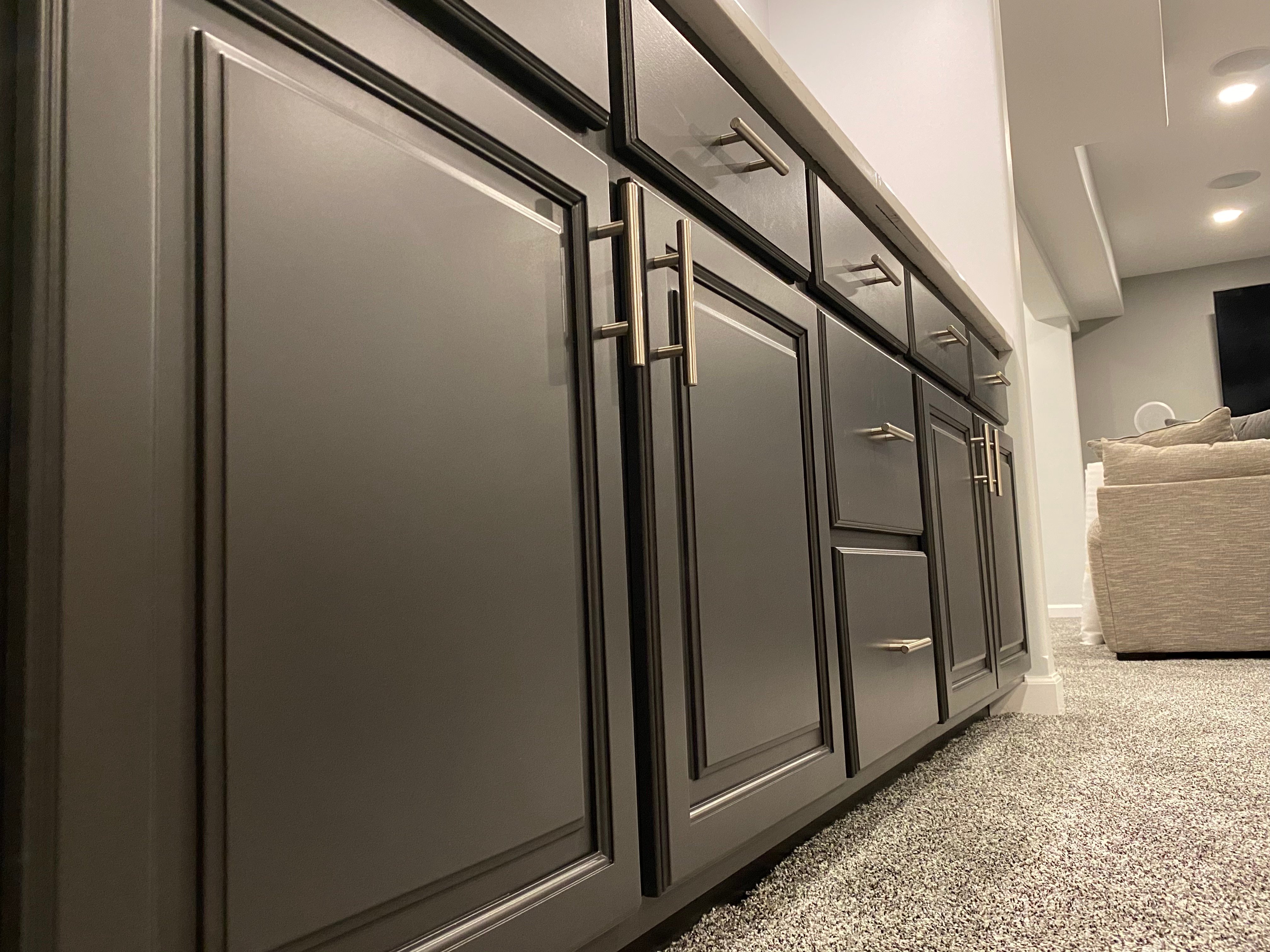
Cabinets use different products and finishes, which change how the color reflects light.
Even if you use the same color name, it can look different on cabinets compared to walls.
Here is why:
- At Brush & Roll Painting, we use stronger coatings, such as a 2K polyurethane, on cabinets
- These finishes are smoother and more reflective
- Walls usually have more texture, which softens the color
Because of this, a white cabinet color may look brighter or slightly different from the same color on your walls.
This is why many homeowners choose:
- One white for walls
- A slightly different white or a different color, or a stain for cabinets
This creates contrast without making the space feel mismatched.
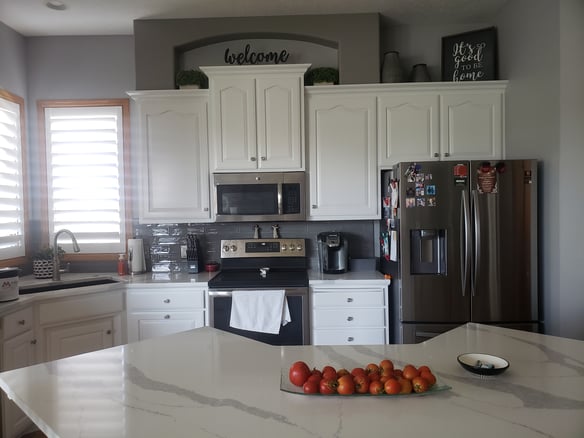
Do I need to match my white paint to my cabinets, trim, or walls?
No, but they should work together, not compete.
A common mistake is trying to make everything the exact same white. This can make a space feel flat.
Instead, focus on coordination.
Here is a simple way to think about it:
- Trim is often a cleaner or slightly brighter white
- Walls are often a softer white
- Cabinets can go either direction, depending on the look
For example:
- Bright white trim
- Warm white walls
- Neutral white cabinets
This creates depth while still feeling cohesive.
How do I choose the right white paint for my home in Omaha?
Look at your fixed elements first, then test samples in your space.
Before you pick a white, take a step back and look at your home.
Step 1: Look at what you cannot change
- Flooring
- Countertops
- Cabinets
- Brick or stone
These will guide your choice more than anything else.
Step 2: Decide warm or cool
- If your home has warm tones, lean warm
- If your home has cooler finishes, lean cool
Step 3: Test large samples
- Use peel-and-stick samples or paint swatches
- View them at different times of day
Step 4: Narrow it down
Most homeowners end up choosing between 2 to 4 whites after testing.
What are the most common mistakes when choosing white paint?
Choosing too quickly, relying on small samples, and ignoring undertones.
Here are the mistakes we see most often:
- Picking a color from a tiny paint chip or image on your phone
- Not testing it in your home
- Ignoring how lighting affects the color
- Choosing a white that clashes with floors or cabinets
- Trying to match everything exactly
A better approach is to slow down and test. White paint is simple on the surface, but it rewards a little extra time upfront.
FAQ: Common Questions About White Paint
Is there a go-to “perfect white” paint?
No. The best white depends on your home, lighting, and finishes.
Should I use the same white throughout my house?
You can, but slight variations on different surfaces often look better and more natural.
Why does my white paint look yellow?
It likely has warm undertones or is being affected by warm lighting.
Why does my white paint look gray or blue?
Cool undertones or cooler lighting are influencing how it appears.
How many samples of white paint should I test?
Start with 3 to 5 options, then narrow it down to your top 2.
Painting in Omaha, NE
Choosing white paint does not have to feel overwhelming. At the beginning, it can feel frustrating when you realize how many options exist. What started as “just white” turns into hundreds of choices.
Now you know why that happens.
White paint is shaped by undertones, lighting, and the materials in your home. Once you understand that, the decision becomes much easier. Instead of guessing, you can make a choice based on what actually works in your space.
At Brush & Roll Painting, we have been helping Omaha homeowners make these decisions since 1996. Our goal is always to help you feel confident, not rushed, when choosing colors for your home.
If you are ready to take the next step, click the button below to get a quote.

If you are not quite there yet, you can use our home painting pricing calculator to explore options for interior painting, cabinet painting, deck staining, and exterior painting at your own pace.


-Mar-20-2026-03-16-05-8428-PM.png?width=800&height=418&name=Blog%20Post%20Image%20Size%20(2)-Mar-20-2026-03-16-05-8428-PM.png)