
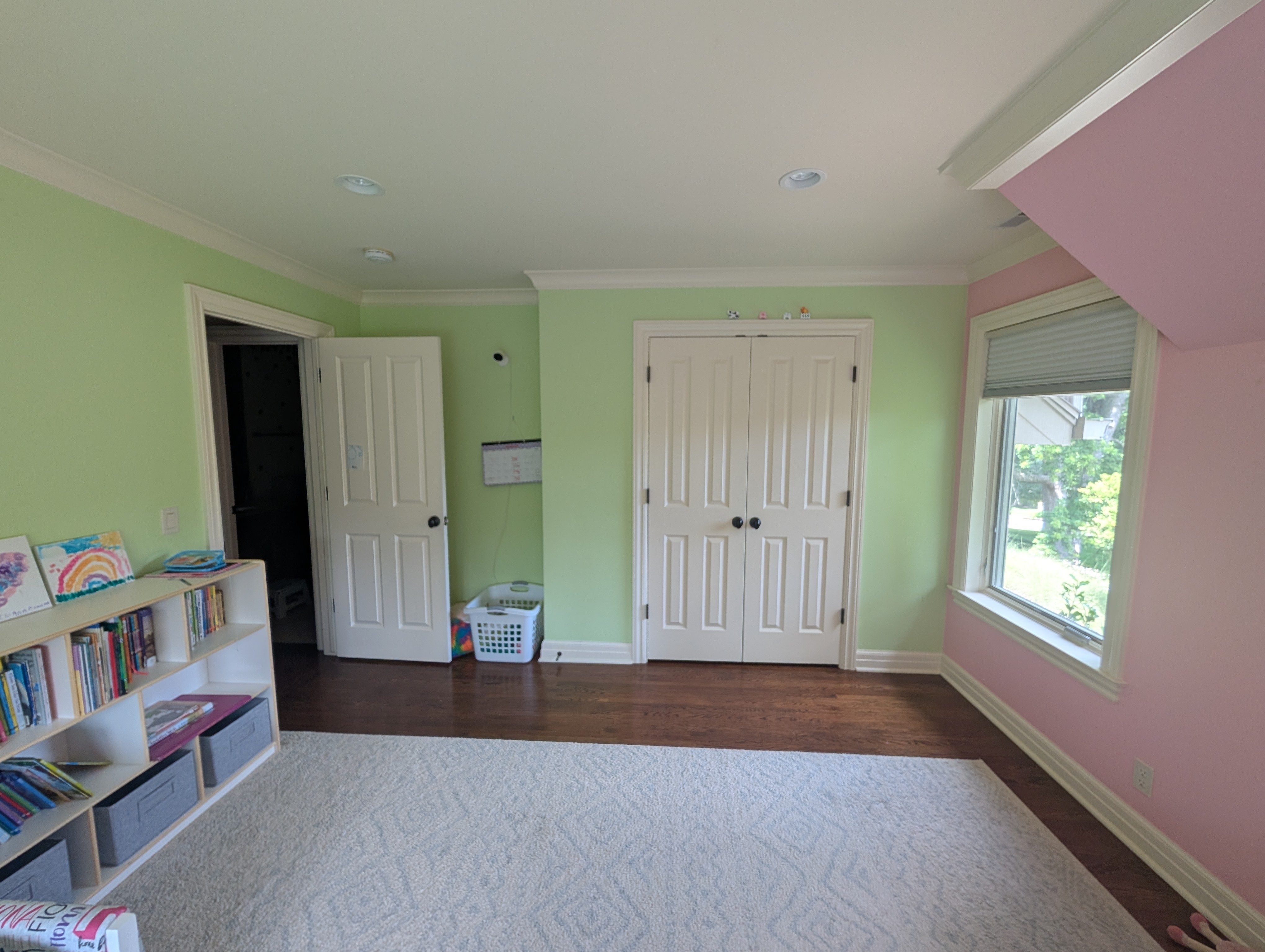
Key Takeaways
- Most homes look balanced with two to three main wall colors used throughout the interior.
- Using one wall color can make a home feel connected, open, and easier to maintain.
- A two color plan adds personality while keeping the rooms visually connected.
- Three colors give you more freedom to separate living areas, bedrooms, and private spaces.
- You can use more than three colors if the shades share similar undertones and create a natural flow.
- If you may sell your home soon, a simple palette of two or three broadly appealing colors is usually a safe choice.
Choosing paint colors can become overwhelming quickly. You may like five different colors, but you may not know whether they will work together. You might also worry about making your home feel disconnected, choosing a color you will regret, or hurting your home’s appeal if you decide to sell.
The decision becomes harder when you are selecting colors for several rooms at once. Should the entire home be one color? Can each bedroom have its own color? Should the kitchen match the living room? How many colors become too many?
These are common questions, and there is no single number that works for every home.
Brush & Roll Painting has served homeowners in Omaha since 1996. Over the years, we have seen homes painted with one color from top to bottom, homes with carefully planned two and three color palettes, and homes where nearly every room has its own personality.
We have also seen how Omaha’s natural light, home styles, flooring choices, and open floor plans affect interior colors. Proper preparation and quality paint matter, but choosing a color plan that fits the home and the people living in it matters just as much.
By the end of this article, you will understand how one color, two colors, three colors, and larger color schemes can work inside a home. You will also learn how to connect colors from room to room, how to choose colors for an open floor plan, and how your future selling plans may affect your decision.
Most of all, you will be able to choose a color plan that makes sense for your home instead of following a rule that does not fit your family.
How Many Interior Paint Colors Should a Home Have?
Most homeowners are comfortable with two to three main wall colors throughout the house. This provides enough variety to give rooms their own character without making the home feel disconnected. Still, there is no required number. A home can look great with one color, five colors, or more when the choices are planned thoughtfully.
The right number depends on several factors:
- The size of your home
- Whether the floor plan is open or divided
- The amount of natural light
- Your flooring and permanent finishes
- Your furniture and decorating style
- How long you plan to live in the home
- Whether you expect to sell soon
- How much variety makes you happy
The key is not simply counting colors. The larger goal is creating a comfortable flow as you move from one room to another.
Should You Paint the Entire Interior of a Home One Color?
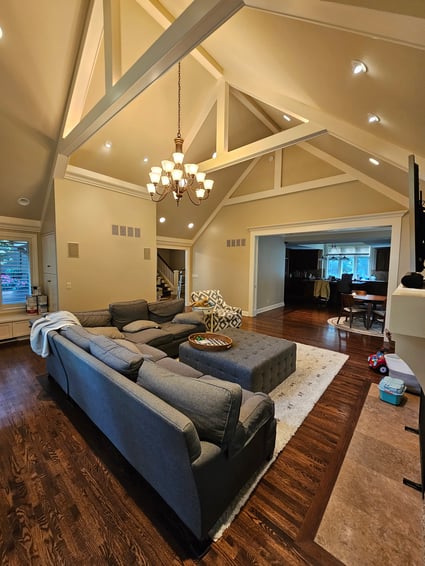
Painting the entire interior one color can make a home feel calm, connected, and open. It works especially well in smaller homes and open floor plans where many walls can be seen at once. One wall color also makes future touchups easier because you have fewer paint cans, color names, and formulas to track.
A single color plan does not mean every surface has to look the same. You can create variety with:
- Different paint sheens
- White or stained woodwork
- Accent furniture
- Area rugs
- Curtains
- Artwork
- Cabinet colors
- Natural wood
- Decorative lighting
For example, you might use a soft warm neutral on all the walls, flat paint on the ceilings, and a satin finish on the trim. The walls stay connected, while the other finishes provide contrast.
What are the benefits of using one interior wall color?
One color keeps the decision simple. It can also help hallways, living rooms, kitchens, and stairways feel like parts of the same home.
Other benefits include:
- Easier color matching for future repairs
- Fewer leftover paint containers to store
- A smoother flow through open spaces
- Less risk of colors competing with one another
- More freedom to change decorations later
- A clean background for artwork and furniture
This approach can be helpful when painting a home before moving in. Instead of making dozens of decisions under pressure, you can select one dependable color and personalize the rooms over time.
What are the drawbacks of using one paint color?
The biggest drawback is that one color can appear different from room to room. A warm gray might look soft in a sunny living room but dull or slightly blue in a dark hallway.
Using one color can also make the home feel repetitive if there is not enough variety in furniture, trim, flooring, and decorations. Some homeowners enjoy that calm feeling. Others begin wishing certain rooms had more personality.
Before choosing one color for every wall, test it in several locations, including:
- A bright room
- A dark room
- A hallway
- A room with warm light bulbs
- A room with cool natural light
- A wall near the flooring or cabinets
Look at the samples in the morning, afternoon, and evening. A color that works in every location is usually a safer whole home choice.

Is a Two Color Interior Paint Scheme a Good Choice?
A two color scheme is one of the easiest ways to add variety without losing consistency. One color can serve as the main shade in shared living areas, while the second can be used in bedrooms, bathrooms, an office, or another defined section of the home.
For example, a homeowner might use:
- A soft beige in the entry, living room, kitchen, and hallways
- A muted green in the bedrooms and home office
The two colors do not need to match perfectly. They simply need to feel comfortable when seen next to each other.
How can two interior paint colors be divided throughout a home?
There are several practical ways to divide two colors. The best plan usually follows the home’s architecture instead of stopping colors in random places.
Common options include:
- One color upstairs and another downstairs
- One color in shared spaces and another in bedrooms
- One main color with one accent room
- One neutral color with a softer secondary neutral
- One color in open areas and another in enclosed rooms
- One main wall color with a different color in bathrooms
Doorways, inside corners, and changes in ceiling height often create good stopping points.
Do the two colors need to have the same undertone?
The colors do not have to be nearly identical, but compatible undertones help them sit comfortably together. Undertones are the quiet hints of color that you notice after paint is placed beside other materials.
For example:
- A warm beige may have yellow, peach, or red undertones.
- A cool gray may have blue, green, or purple undertones.
- A white may lean warm and creamy or cool and crisp.
- A green may lean earthy and warm or clean and blue.
A creamy beige and a sharp blue gray may feel disconnected when placed side by side. A warm beige and a muted olive green may work better because both have an earthy quality.
Your flooring can help guide this decision. If the floors have warm brown, red, or golden tones, wall colors with some warmth may feel more natural. If the floors are cooler gray or pale natural wood, softer cool colors may fit well.
Is Three Interior Paint Colors Too Many?
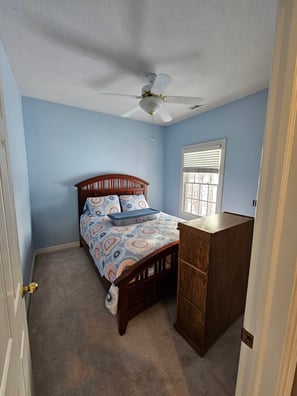
Three wall colors are not too many for most homes. In fact, three colors often provide a helpful balance between consistency and personality. The main color can connect the larger areas, while two supporting colors can give bedrooms, bathrooms, offices, or dining spaces their own feeling.
A simple three color plan could include:
- Main color for the entry, hallways, kitchen, and living room
- Secondary color for bedrooms
- Third color for bathrooms, an office, or a dining room
Another approach is to choose three related shades from the same color family. You might use a light greige in shared spaces, a deeper taupe in the dining room, and a soft cream in bedrooms.
How do you create a balanced three color palette?
Start by choosing the color that will cover the most wall space. This is your main color. It should work with the flooring, cabinets, countertops, and other permanent materials.
Next, choose two supporting colors that relate to the main color. They might share a similar undertone, level of softness, or amount of warmth.
A useful way to organize the palette is:
- About 60 percent main color
- About 30 percent secondary color
- About 10 percent third color
You do not need to measure the home and follow those percentages exactly. The idea is simply to let one color lead while the other two provide variety.
If all three colors compete for attention, the home may feel busy. If one color appears throughout the main pathways, it helps hold the plan together.
Can Every Room in a House Be a Different Color?
Yes, every room can be a different color if that is what makes you happy. It is your home, and your preferences matter more than a decorating rule. The best results usually come from choosing different colors that share a connection, such as similar undertones, softness, or depth.
A home with many colors can still feel connected. For example, you might use:
- Muted blue in a bedroom
- Soft green in an office
- Warm cream in the living room
- Light terracotta in a dining room
- Gentle beige in the hallways
These colors are different, but they may work together because each one is soft and slightly warm.
Problems usually appear when the colors have no shared quality. A bright red room beside a pale coastal blue hallway, followed by a dark purple kitchen, can create sharp transitions. Some homeowners love that energy. Others find it tiring after a few months.
If you want many colors, carry one repeated element throughout the house. This might be:
- The same trim color
- The same ceiling color
- Similar paint depth
- Related undertones
- Repeated wood finishes
- Matching hardware
- Consistent flooring
These repeated details help the home feel connected even when the wall colors change.
How Many Paint Colors Should Be Used in an Open Floor Plan?
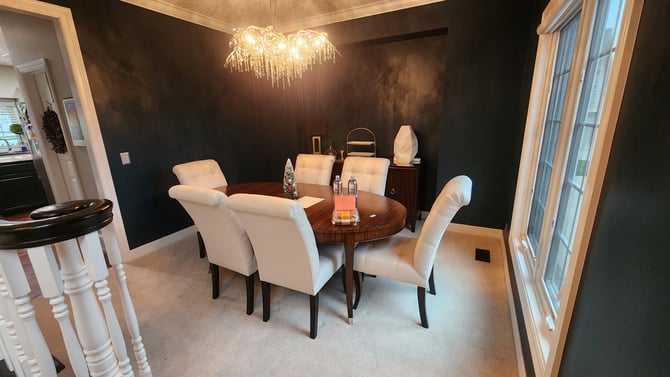
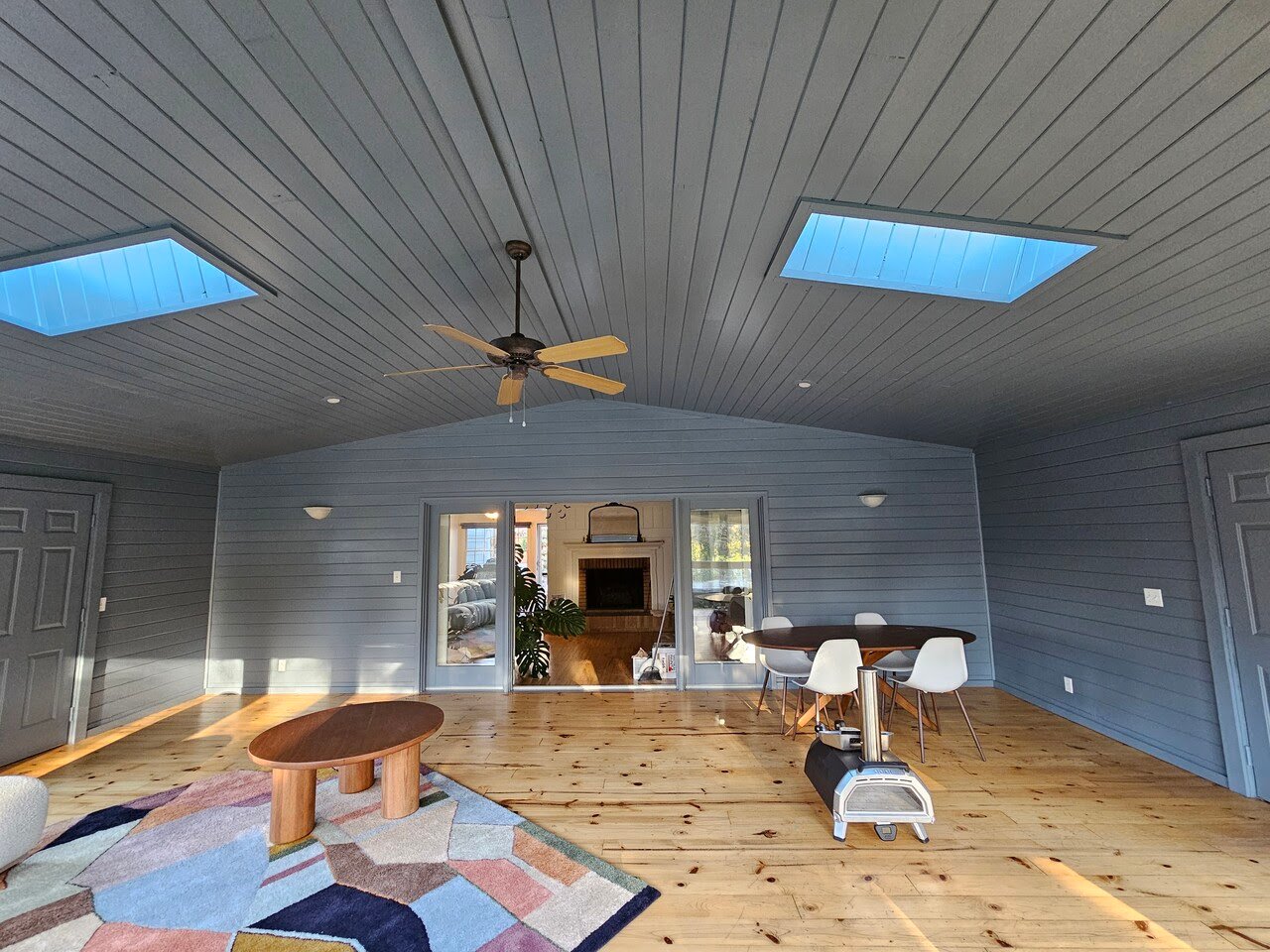
An open floor plan usually looks best with one main color and one or two carefully placed supporting colors. Since the kitchen, dining room, living room, and entry may all be visible at the same time, frequent color changes can make the walls look chopped into separate sections.
One color is often the simplest choice for the main open area. You can bring in additional color through:
- A fireplace wall
- A built in feature
- A dining area with clear corners
- Kitchen cabinets
- An office behind a doorway
- A powder room
- Furniture and artwork
If you want to change wall colors within an open space, look for a natural architectural stopping point. An inside corner, doorway, beam, column, or ceiling change can help the transition look planned.
Avoid creating an accent wall simply because one wall is empty. Consider what the wall highlights. A fireplace, built in bookcase, or bed wall usually makes more sense than a wall filled with doors and switches.
Should Hallways and Connecting Spaces Be the Same Color?
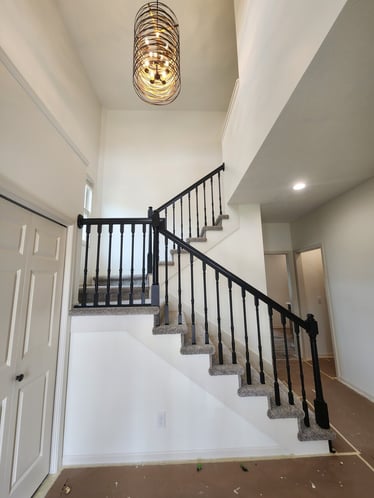
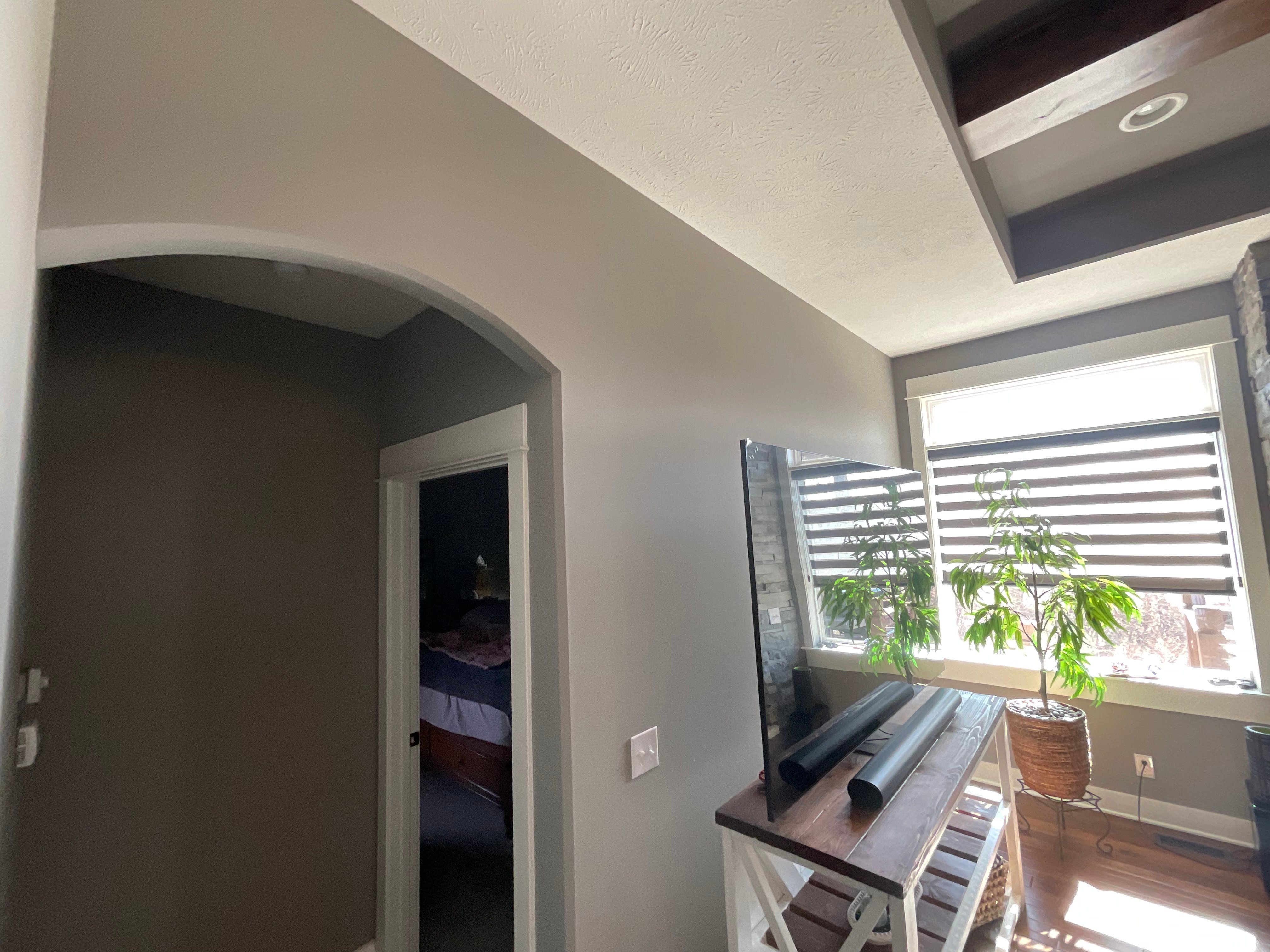
Using one consistent color in hallways, stairways, and entries can help connect the entire home. These areas act like visual bridges between rooms. A dependable neutral in the connecting spaces gives you more freedom to use different colors inside bedrooms, bathrooms, and offices.
For example, imagine a hallway painted a warm off white. One bedroom is muted blue, another is soft beige, and the office is earthy green. The hallway becomes the common thread that ties the rooms together.
Hallways often receive less natural light, so test colors carefully. A medium shade that looks comfortable in a bedroom may appear much darker in a narrow hallway.
You may want to choose a hallway color that is:
- Lighter than the bedroom colors
- Compatible with every room it touches
- Easy to clean
- Comfortable in artificial light
- Suitable for the stairway and entry as well
.jpg?width=531&height=299&name=Havens%20after%201%20(1).jpg)
What Interior Colors Work Best When Selling a Home?
If you plan to sell within the next few years, two or three interior colors can still work well. You do not have to paint every wall the same shade. Buyers usually respond best to a home that feels clean, cared for, and easy to picture with their own furniture.
A resale friendly palette might include:
- One light neutral in the main living spaces
- One soft supporting color in bedrooms
- One slightly different neutral in bathrooms or an office
- A consistent white or off white on ceilings and trim
Try to avoid colors that are extremely bright, very dark throughout large areas, or difficult to coordinate with common furniture.
That does not mean every home has to be gray, beige, or white. Soft greens, quiet blues, light taupes, and gentle warm neutrals can provide personality without making buyers feel that repainting is their first required project.
If selling is several years away, choose colors you enjoy now. Paint can be updated before listing if needed. Living for years with colors you dislike just to please a future buyer rarely makes sense.
How Do You Choose a Whole House Interior Color Scheme?
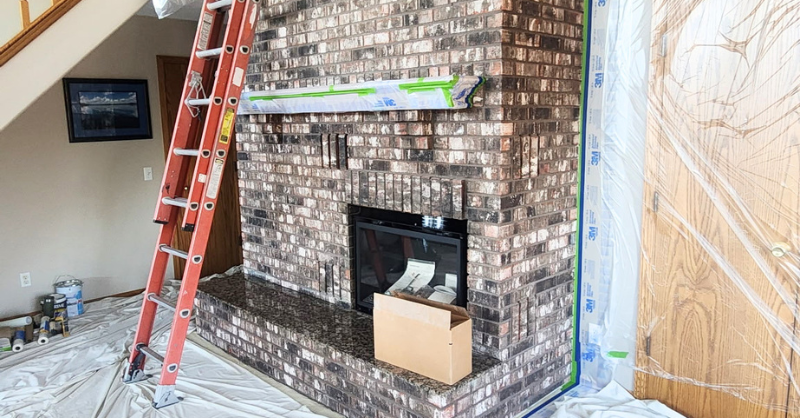
Begin with the materials that are staying in the home. Paint is easier to change than flooring, cabinets, countertops, tile, stone, and large pieces of furniture. Your wall colors should work with those fixed materials instead of being selected separately.
Follow these steps:
- Identify the permanent colors in the home. Look at the flooring, cabinets, countertops, fireplace stone, tile, and stained woodwork. Decide whether these materials feel warm, cool, or balanced.
-
Choose the main wall color. Select a color that works in the largest shared spaces. Test it on more than one wall and in more than one room.
-
Select supporting colors. Choose one or two colors for bedrooms, cabinets, bathrooms, offices, or separate dining spaces. Compare them directly beside the main color.
- Decide on the trim and ceiling color. A consistent trim and ceiling color can connect rooms with different wall colors. Make sure the white does not clash with the wall undertones.
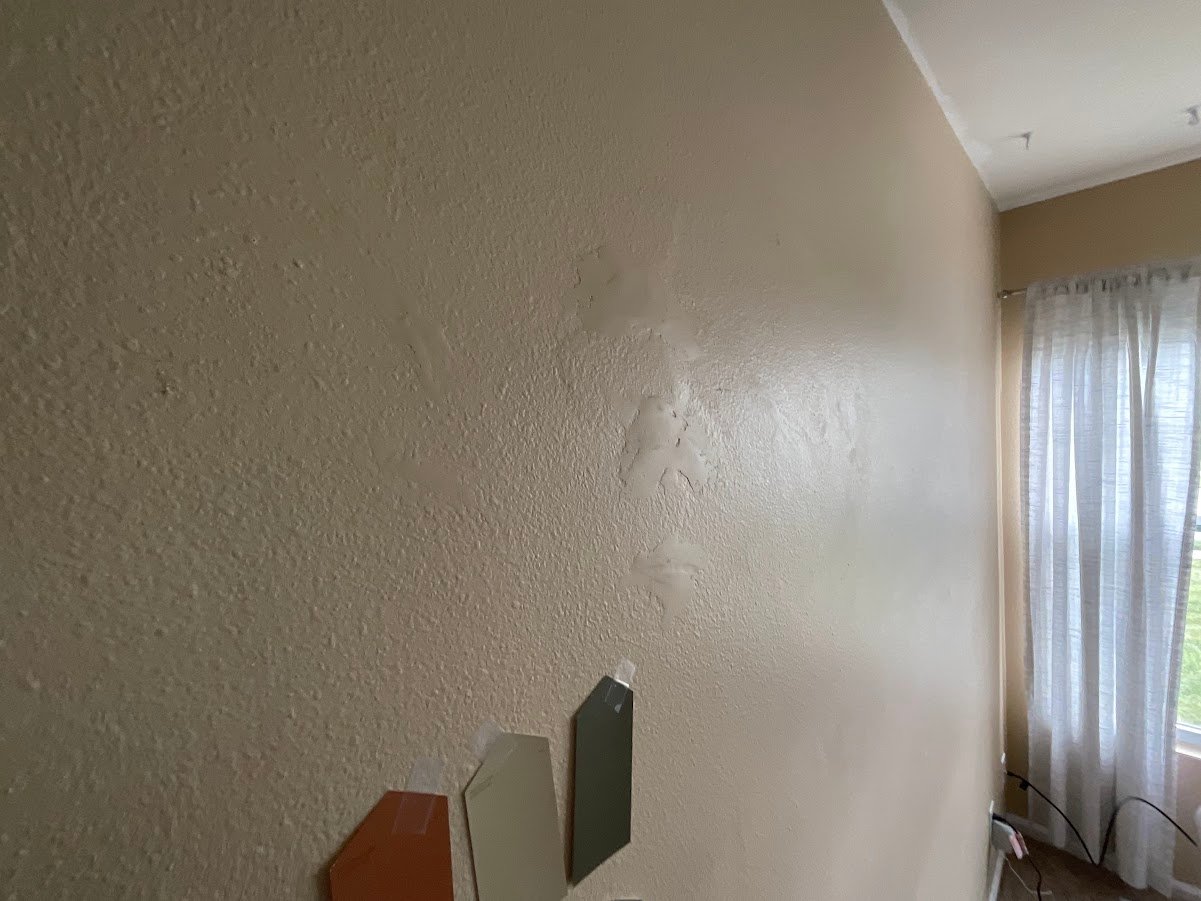
- Test the full group together. Place every sample on one large board or wall. Looking at the colors together is easier than trying to remember how each sample looked in a different room.
-
Check the colors throughout the day. Morning light, afternoon sunlight, lamps, and overhead fixtures can all change the appearance of paint.
- Live with the samples for several days. There is no prize for making the decision quickly. Taking a few extra days is easier than repainting an entire room.
Ceilings and trim are part of the total color scheme, even if homeowners do not count them as main wall colors. A home with two wall colors, white trim, white ceilings, stained cabinets, and dark doors already has several visible finishes working together.
Trim color affects the way wall paint appears. A creamy white can soften a warm wall color, while a crisp white can create stronger contrast. Neither choice is always better. It depends on the home.
Ceilings can be:
- Standard ceiling white
- A softer off white
- A lighter version of the wall color
- The same color as the walls
- A deeper color for a cozy room
Using the same ceiling and trim colors throughout the home is one of the easiest ways to connect different wall colors.
What Paint Sheen Should Be Used With a Whole House Color Scheme?
Paint sheen changes how a color looks and how easy the surface is to clean. Even when you use one color throughout the home, different sheens can make rooms feel slightly different. Higher sheens reflect more light, while flatter finishes usually hide wall imperfections more effectively.
Common choices include:
- Flat paint for ceilings
- Matte or eggshell for living room and bedroom walls
- Eggshell or satin for kitchens and bathrooms
- Satin or semi gloss for doors and trim
The exact choice depends on the paint product, wall condition, lighting, and cleaning needs. Modern quality paints may provide good washability in lower sheens, so homeowners do not always need shiny walls in busy areas.
Keep in mind that touching up paint can be harder when the wall has more sheen. The repaired spot may reflect light differently, even when the color is correct.
Frequently Asked Questions About Interior Home Color Schemes
What is the most common number of interior paint colors?
Two to three main wall colors are common because they provide variety while keeping the home connected. One color often covers shared spaces, while one or two supporting colors appear in bedrooms, bathrooms, dining rooms, or offices. The trim and ceiling colors then help tie the full palette together.
Does using one color make a house look bigger?
One consistent wall color can make connected rooms feel more open because the eye moves through the space without stopping at frequent color changes. Lighter colors may also reflect more light. Still, room size is affected by furniture placement, lighting, ceiling height, and contrast, not paint color alone.
Do all bedrooms need to be the same color?
No. Each bedroom can have its own color based on the person using the room. To keep the home connected, choose bedroom colors with similar undertones or use the same hallway, trim, and ceiling colors. Bedrooms are enclosed spaces, so they offer more freedom than an open living area.
Can you mix warm and cool paint colors in one home?
Yes, but the transition needs thought. Some balanced neutrals work well between warm and cool rooms. Flooring, trim, and natural light can also connect the palette. Place the samples beside each other before painting so you can see whether the change feels comfortable or too sharp.
Should the kitchen and living room be the same color?
They do not have to be the same color, but using one color is often easier when the rooms are fully open to each other. If you use two colors, change them at a clear corner or architectural break. Both colors should also work with the kitchen cabinets, countertops, and flooring.
Are accent walls still a good choice?
Accent walls can work well when they highlight a clear feature, such as a fireplace, bed, built in cabinet, or dining area. Choose the wall for a reason rather than choosing it only because it is empty. The accent color should connect with furniture, artwork, or another finish in the room.
Will dark colors make a room feel too small?
Dark colors can make walls feel closer, but they can also create comfort, depth, and character. A small room does not always need to look larger. Offices, powder rooms, dining rooms, and bedrooms can feel inviting in deeper colors, especially when the lighting and decorations support the choice.
How many paint samples should I test?
Start with three to five serious choices rather than covering the walls with dozens of unrelated samples. Once you compare the first group, narrow it down to two or three finalists. Test each finalist on more than one wall because direct sunlight and shadow can change the color.
Interior Paint Colors in Omaha, NE
For many Omaha homes, two or three main wall colors create a comfortable balance. One color can keep the main areas connected, while supporting colors give bedrooms, bathrooms, offices, or dining rooms their own personality. A single color can also look clean and peaceful, while a larger palette can work when the colors share a clear connection.
The right answer is the one that fits your home, your plans, and the way you want to feel when you walk through the door. If you are selling soon, a simple two or three color plan can provide personality while remaining comfortable for many buyers. If you plan to stay for years, give yourself permission to choose colors that make you happy.
Brush & Roll Painting has served the Omaha area since 1996. Our experience with interior painting, detailed preparation, and quality paint products has shown us that a good color plan is both practical and personal. There is no need to force your home into someone else’s decorating rules.
If you are ready to plan your interior painting project, click the button below to get a quote.

If you are still gathering information, use our interior painting pricing calculator to get a clearer idea of what your project may cost before deciding on the next step.



-Aug-14-2026-04-13-46-8278-PM.png?width=800&height=418&name=Blog%20Post%20Image%20Size%20(1)-Aug-14-2026-04-13-46-8278-PM.png)





-1.png?width=800&height=418&name=Blog%20Post%20Image%20Size%20(7)-1.png)
-May-22-2026-01-56-32-9736-PM.png?width=800&height=418&name=Blog%20Post%20Image%20Size%20(1)-May-22-2026-01-56-32-9736-PM.png)
-May-15-2026-04-54-24-9954-PM.png?width=800&height=418&name=Blog%20Post%20Image%20Size%20(1)-May-15-2026-04-54-24-9954-PM.png)