Key Takeaways
- Cabinet painting is usually a good choice when the cabinet boxes are sturdy, the layout works, and you mainly want a new color or cleaner appearance.
- You may want to replace your cabinets if they have major water damage, broken boxes, poor storage, or a layout that no longer works for your family.
- A lasting cabinet finish depends on cleaning, sanding, repairs, the right primer, a durable coating, and enough drying and curing time.
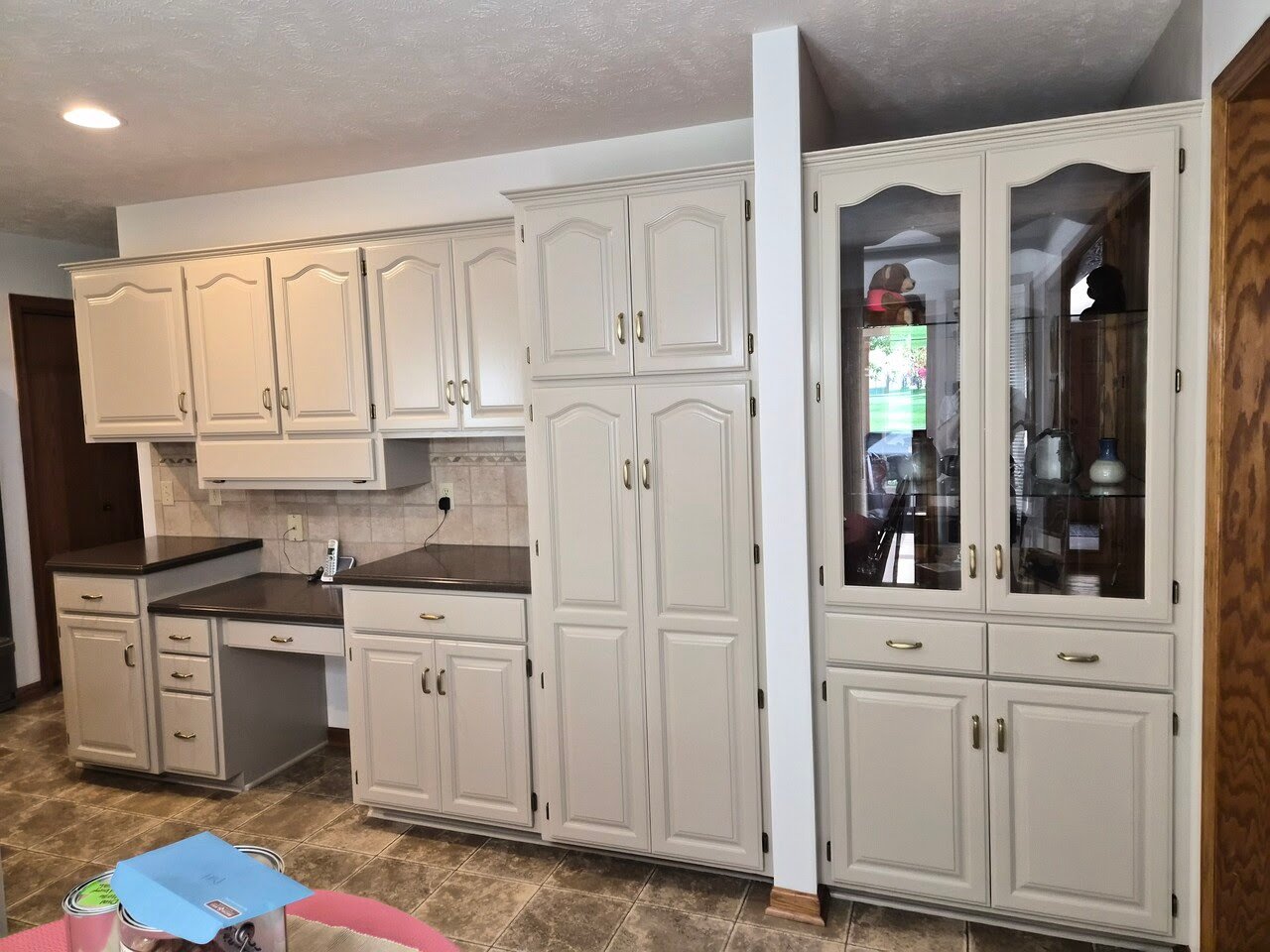
- Painted cabinets can make a kitchen feel brighter and more current without the cost and disruption of a full cabinet replacement.
- Ask a Gretna cabinet painter exactly how the doors, drawers, frames, and removable parts will be prepared and finished before comparing quotes.
- If you are uncertain about cost, a cabinet painting pricing calculator can help you decide whether painting fits your plans before you request an in-home quote.
Cabinets take up a large part of what you see in a kitchen, so changing them can feel like a big decision. You may dislike the color but worry that painted cabinets will chip. You may also wonder whether painting old cabinets is a smart investment or only a short-term improvement.
Brush & Roll Painting has served homeowners in Gretna and the Omaha area since 1996. During that time, we have seen cabinets in many conditions, from well-built stained oak to worn cabinets with failing finishes. That experience has shown us that the condition of the cabinets and the preparation process matter far more than the age printed on a home inspection report.
This article will help you decide whether cabinet painting is right for your home. You will learn when painting makes sense, when it does not, how the process should work, what problems can be repaired, and what questions to ask before hiring a cabinet painter in Gretna.
When Should You Have Your Cabinets Painted?
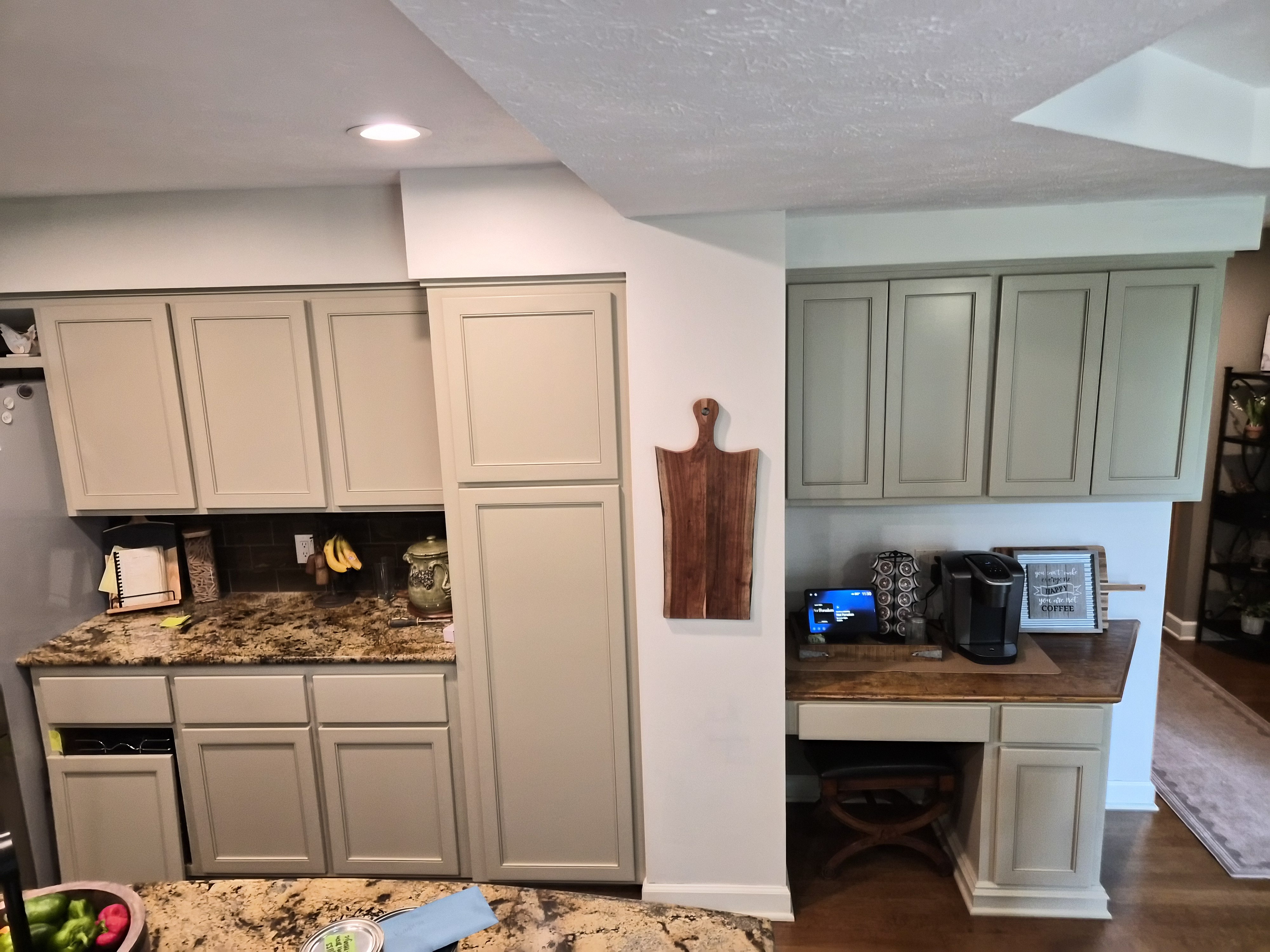
Cabinet painting makes the most sense when the cabinets function well, but their appearance no longer fits the room. The best candidates have solid boxes, secure frames, new or old usable doors and drawers, and a layout the homeowner wants to keep. Small surface problems can often be repaired during preparation.
Here are the main reasons homeowners choose cabinet painting in Gretna.
1. You Just Do Not Like the Current Look of Your Cabinets
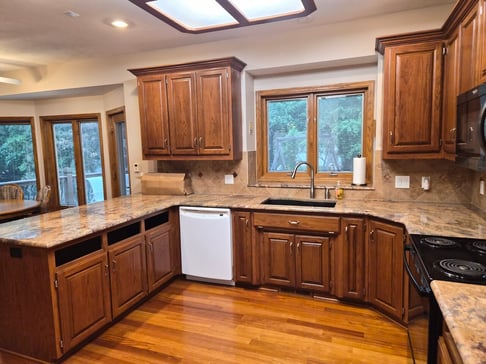
You do not need a structural problem to justify changing the finish. You see and use your cabinets every day. If a dark stain, yellowed clear coat, or dated color bothers you, painting may be a practical way to make the kitchen feel more like your home.
A color change can also help connect several updates. New counters, backsplash tile, flooring, wall paint, and cabinet hardware often look more coordinated when the cabinet color is chosen as part of the same plan.
2. Your Cabinet Boxes Are Still Strong
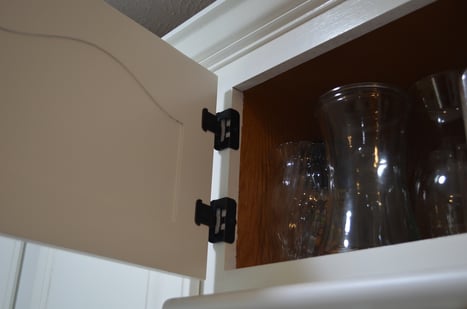
Solid cabinet boxes are worth keeping when they fit the room and remain firmly attached. Older cabinets are sometimes made with thick plywood or solid wood components that still have many useful years ahead of them.
Check for these signs:
- The boxes feel secure and do not pull away from the wall.
- Shelves are not badly bowed or broken.
- Doors and drawers can be adjusted to operate correctly.
- The material is not swollen from water.
- The cabinet interiors are clean and usable.
If those statements describe your kitchen, paint may give you the visual change you want without replacing the main cabinet structure.
3. You Like the Current Kitchen Layout, but Want an Update
Painting is most useful when you are happy with the location of the sink, appliances, drawers, and storage areas. It changes the finish, not the floor plan.
If you already have enough counter space and can move comfortably through the kitchen, keeping the cabinets may be the simplest choice. If you need an island, more drawers, taller upper cabinets, or a different appliance location, a larger remodeling plan may serve you better.
4. The Existing Finish Is Worn, but the Cabinets Are Repairable
Faded stain, scratches, greasy areas near handles, and small dents do not always mean the cabinets need to be replaced. Many of these problems can be addressed through cleaning, sanding, filling, priming, and careful coating.
Some flaws may still show after painting, especially deep grain, damaged veneer, open seams, or dents that cannot be filled cleanly. A reliable Gretna cabinet painter should point those out before work begins and explain what can reasonably be improved.
5. You Want Less Disruption & Cost Than a Full Replacement
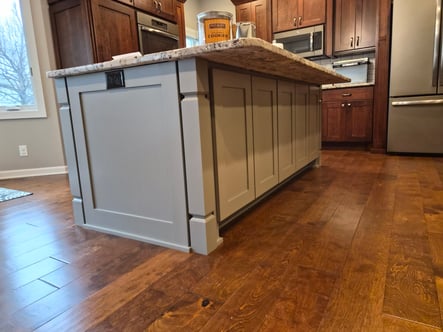
Replacing cabinets can affect countertops, plumbing, electrical work, flooring, backsplash tile, and appliances. Painting has its own setup and curing period, but it usually does not require the same level of demolition.
That matters for households that want a noticeable update without turning the kitchen into a major construction project. You should still expect doors and drawers to be removed, parts of the kitchen to be protected, and access to some areas to be limited during the work.
The cost of replacing kitchen cabinets goes beyond the price of new doors and boxes. You are also paying to remove the existing cabinets and install the new ones. Depending on the scope, the project may include countertop removal or replacement, plumbing and electrical changes, and repairs to flooring, walls, or backsplash tile. A cabinet purchase can become a much larger remodeling expense.
Your choices also affect the total. Custom sizes, additional drawers, specialty storage, decorative trim, and upgraded hardware can all add to the investment. Before comparing replacement with painting, ask for an itemized estimate that includes the related work, not just the cabinetry itself.
If your cabinet boxes are sturdy and the layout works, professional cabinet painting lets you put your budget toward updating what you see and touch rather than replacing the entire structure. That does not make painting inexpensive or replacement unnecessary. It means that if your main concern is a dated color or worn finish, replacing otherwise useful cabinets may cost more than you need to spend to solve the problem.
6. You Want a Kitchen Transformation
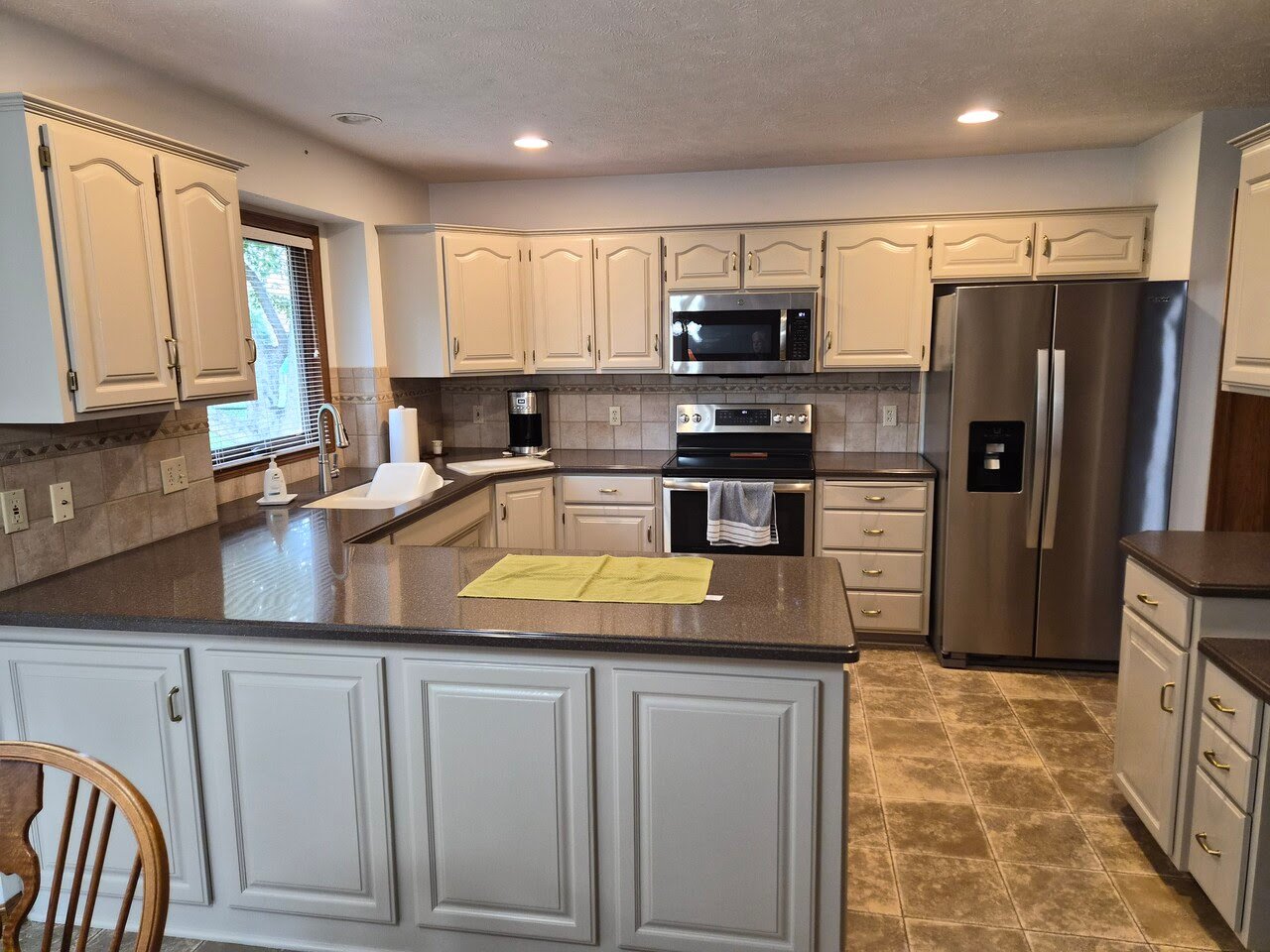
Cabinets cover a large portion of the visible space in most kitchens. Because of that, changing the cabinet color can affect the entire room. Cabinet painting can also help older finishes work better with newer parts of the kitchen. You may like your countertops, flooring, and backsplash, but feel that the cabinet stain no longer fits with them. Choosing the right cabinet painter or designer in Gretna can help you bring those surfaces together and give the kitchen a more coordinated appearance. Even small details, such as replacing old hardware or painting an island a different color, can make a noticeable difference.
The change is not limited to color. A properly prepared and professionally applied cabinet finish can cover worn areas, faded stain, small scratches, and years of discoloration. The doors and frames look cleaner and more consistent, which can make the entire kitchen feel better cared for. Painting will not repair a poor layout or badly damaged cabinets, but it can give strong, useful cabinets a fresh appearance.
7. You Want a Color That Is Difficult to Achieve With Stain
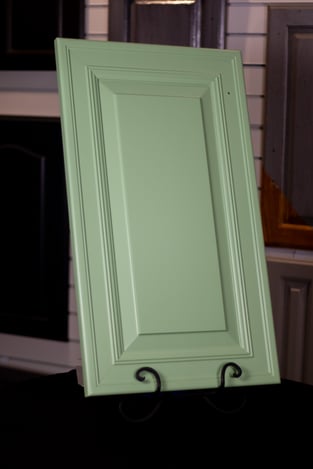
Stain allows wood grain to remain visible and usually works within a range influenced by the wood species and existing color. Paint gives homeowners more freedom to choose whites, warm neutrals, greens, blues, charcoal tones, and other solid colors.
Color samples should be viewed in the actual kitchen. Gretna homes can receive very different natural light depending on window direction, nearby homes, trees, and the time of day. A white that looks clean in a store may look gray, yellow, or bright blue beside your countertops.
When Should You Not Paint Your Cabinets?
You should not paint your cabinets if you are unwilling or unable to invest in the preparation and products the job requires. Cabinet painting is not the same as painting a bedroom wall. Cabinets are touched, cleaned, bumped, and exposed to grease and moisture every day. Without proper cleaning, sanding, repairs, priming, and a durable cabinet coating, the finish may begin peeling or chipping within a short time.
A lower-priced cabinet job may sound appealing, but ask what has been removed from the process to reach that price. If the plan skips sanding, primer, applies cheap paint, or does not allow enough drying time, you may have to complete the entire project again in a few years. Correcting a failed finish can cost more because the peeling or poorly bonded coating must first be removed or stabilized.
You should also think about what will happen to the cabinets later. If you expect to sell the home, a poorly applied coating can leave the next owners with a difficult and expensive problem. Painting over grease, loose finishes, or damaged surfaces may make the kitchen look better for a short time, but those problems often return. The new owners may be forced to strip, sand, repair, or replace cabinets that could have been refinished the first time properly.
If your budget does not allow for the full process right now, waiting may be the better choice. Continue cleaning and caring for the existing finish while you plan for the work. It is better to live with a cabinet color you dislike for another year than to cover good cabinets with a weak coating that creates more work for you or a future homeowner.

Can All Types of Kitchen Cabinets Be Painted?
Many wood, medium-density fiberboard, and previously painted cabinets can be refinished, but not every surface should receive the same system. The existing material and coating determine how it must be cleaned, sanded, repaired, primed, and painted. A small adhesion test may be needed when the old finish is uncertain.
Common cabinet surfaces include:
- Solid wood
- Wood veneer
- Medium-density fiberboard, MDF
- Plywood
- Previously painted surfaces
- Laminate or thermofoil
Solid wood and MDF are common candidates when they are dry and stable. Veneer requires care because aggressive sanding can cut through the thin wood layer. Loose thermofoil is a separate concern because paint cannot make an unstable layer bond firmly to the material beneath it.
Ask the painter to identify what your doors, drawer fronts, boxes, and side panels are made from. They may not all be the same material.
How Should Cabinet Painting Be Done?
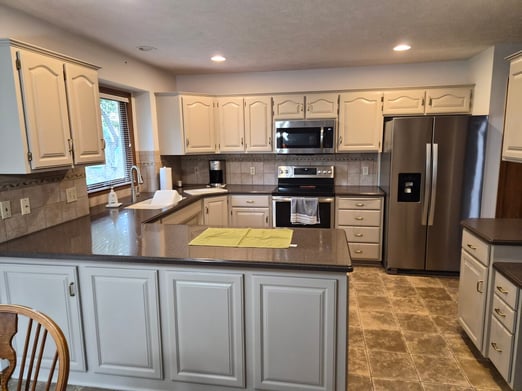
A durable cabinet finish is created through a series of controlled steps. The exact products may change with the existing surface, but the process should address grease, gloss, damage, adhesion, application, and curing. Skipping one of those areas can weaken an otherwise attractive finish.
A professional cabinet painting process often includes:
- Inspecting the cabinets.
- Removing and labeling doors, drawers, hinges, and hardware.
- Protecting floors, counters, appliances, walls, and nearby rooms.
- Cleaning cooking residue, grease, dirt, and cleaning product buildup.
- Sanding or deglossing surfaces to prepare them for bonding.
- Repairing selected dents, cracks, holes, or damaged areas.
- Applying a resurfacer clear coat
- Priming with a product suited to the cabinet and existing finish.
- Sanding between layers of product for a smoother surface.
- Applying a 2k polyurethane finish in the planned number of coats.
- Allowing proper drying and curing time.
- Reassembling the cabinets and making reasonable door adjustments.
- Inspecting the completed work and addressing agreed touch-ups.
At Brush & Roll Painting, cabinet preparation and a high-quality 2k polyurethane product are treated as connected parts of the job. A high-quality finished product cannot make up for grease left on a door or an old glossy surface that was never prepared for adhesion.
Will Professionally Painted Cabinets Chip?
Any painted surface can be damaged by a hard impact, sharp object, water exposure, or harsh cleaning. Properly prepared cabinet coatings, like 2k polyurethanes, are designed for regular household use, but they are not damage-proof. Good preparation and patient curing greatly reduce the chance of early peeling or easy chipping.
Ask how touch-ups are handled and whether leftover labeled paint will be provided. Small impact marks can happen around trash pullouts, sink cabinets, and heavily used drawers. Knowing the repair plan before the project begins can reduce worry later.
You should also ask your painter if there is a maintenance plan or warranty and what it covers. Read the actual terms rather than relying on the number of years alone.
How Do You Choose a Gretna Cabinet Painter?
Choose a painter who can explain the process in plain language and connect each step to your actual cabinet surface. The proposal should make it easy to see what is included, what is excluded, what products will be used, and how problems discovered during preparation will be handled.
Useful questions include:
- How often do you do cabinet painting projects?
- What is your cabinet painting process like?
- What product do you use and why?
- How long does cabinet painting take?
- Will the doors and drawer fronts be finished on site or in a shop?
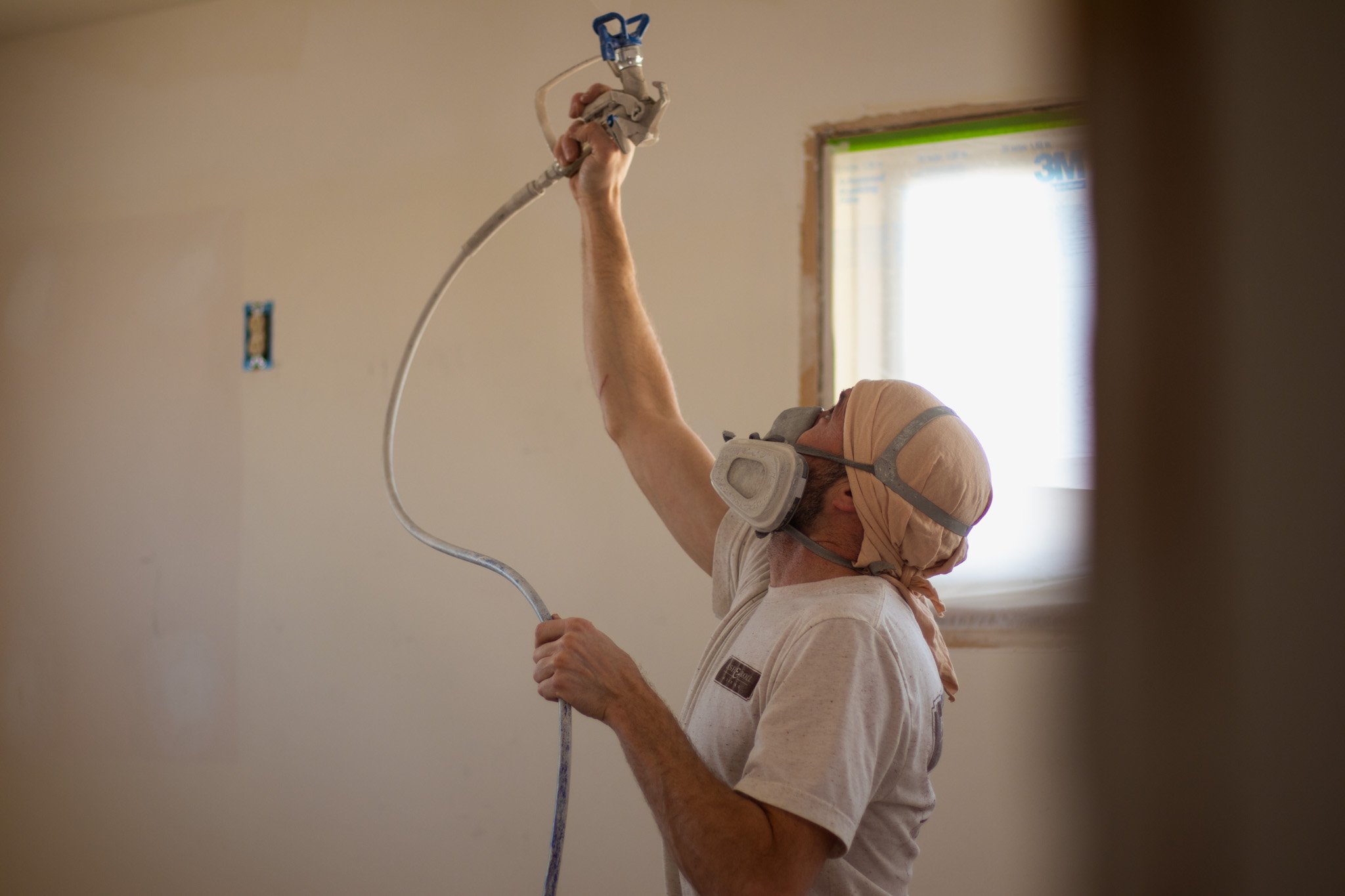
- Will you spray or brush the cabinets?
- What areas of my home will be masked or covered?
- Are new hinges or hardware included?
- How are color approval and touch-ups handled?
- What is included in the maintenance plan/warranty?
Clear answers are more useful than broad promises. A painter should also be willing to explain any limits. For example, paint will not straighten a warped door, stop an active plumbing leak, or make damaged particleboard new again.
Frequently Asked Questions About Cabinet Painting in Gretna
Should I Have My Cabinets Painted Before Replacing the Countertops?
Either order can work, but replacing countertops before cabinet painting is usually easiest. Countertop removal can damage cabinet edges or frames. Countertops should also be carefully protected during cabinet painting. If both projects are planned, tell each contractor about the other work before setting dates.
Do Cabinet Interiors Need to Be Painted?
Not always. Many homeowners paint the exterior faces, frames, doors, and drawer fronts while leaving clean cabinet interiors unchanged. Painting interiors adds labor, extends the schedule, and requires the cabinets to be emptied. The proposal should state clearly whether interiors and shelves are included.
Can Cabinet Hardware Be Changed During Painting?
Yes, painting is a convenient time to change knobs and pulls. If the new hardware uses different hole spacing, old holes may need to be filled and new holes drilled. Choose the hardware early so the painter can include that work in the quote and place it consistently.
Can Hinges Be Replaced or Converted to Hidden Hinges?
Sometimes. The cabinet style, door overlay, frame design, hinge cup depth, and door thickness determine whether a hinge conversion will work. This can require drilling and fitting beyond standard painting. Ask for a separate evaluation before assuming a concealed hinge will fit.
What Cabinet Colors Work Well in Gretna Homes?
Warm whites, soft off whites, muted greens, gentle grays, deep blues, and natural neutral colors can all work well. The right choice depends on counters, floors, backsplash, wall color, lighting, and nearby rooms. Test larger samples vertically in the kitchen at different times of day.
Can You Paint Cabinets Without Removing the Doors?
It is physically possible, but removing and labeling doors and drawer fronts usually provides better access to edges and frame openings. It also reduces the chance of painted parts sticking together. Ask how the painter plans to control parts and reinstall them in their original locations.
Is Cabinet Painting the Same as Cabinet Refinishing?
People often use the terms interchangeably, but refinishing can describe several processes. It may mean applying a solid paint color, restoring a stained appearance, adding a toned finish, or applying a new clear protective coating. Confirm the exact finish instead of relying on the label alone.
How Can I Tell Whether Cabinet Paint Will Match My Expectations?
Review color samples, sheen, wood grain expectations, and examples of completed work. If possible, approve a sample on a spare or test door made from a similar material. Discuss seams, caulk lines, interior edges, door backs, and other details that may look different from a factory-made cabinet.
Kitchen Cabinet Painting in Gretna, NE?
If you are tired of the cabinet color but worried about making an expensive mistake, start with the condition of the cabinets. Strong boxes, a useful layout, and repairable surfaces often make cabinet painting a sensible option. Severe water damage, failing materials, or a layout you dislike may point toward replacement instead.
You now have a practical way to make that decision. Check the cabinet structure, decide whether the layout still works, set realistic expectations for wood grain and wear, and compare painters by their preparation process rather than price alone.
Brush & Roll Painting has served the Omaha area, including Gretna, since 1996. Our role is to help homeowners understand the work, the available finish options, and the steps needed to create a dependable result.
If you are ready to have your cabinets evaluated, click the button below to get a quote.

If you are not ready for an in-home quote, use our cabinet painting pricing calculator to get an early idea of the possible investment and decide what next step fits your plans.