Key Takeaways
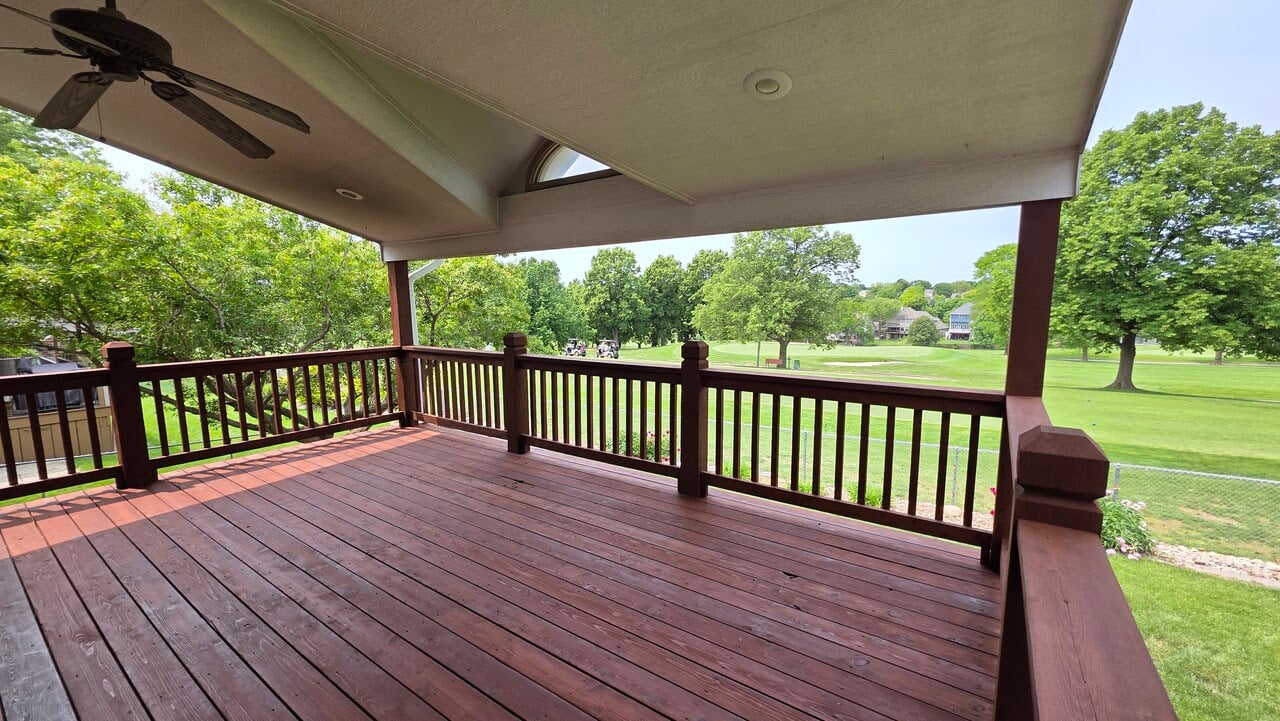
- A small 10 by 12 foot deck generally costs $1,600 to $2,400 to stain.
- A medium 15-by-18-foot deck generally costs $2,400 to $3,600.
- A large 20-by-25-foot deck usually costs $3,600 or more.
- Deck size matters, but railings, stairs, repairs, sanding, and the condition of the wood can affect the price just as much.
- A lower estimate may include fewer preparation steps, lighter sanding, or a different stain application method.
- A clear written estimate should explain washing, repairs, sanding, stain application, protection, and cleanup.
Homeowners often expect deck staining prices to work like paint prices at a store. Measure the deck, choose a color, and calculate one simple total. Real decks are rarely that easy. Two decks with the same floor size can require very different amounts of labor because their age, layout, railings, and current coating are different.
That uncertainty can make it difficult to compare estimates. One painter may quote a low price without no sanding or back brushing. Another may include detailed washing, repairs, sanding, and back brushing. The totals are different because the work being offered is different, not simply because one company charges more for the same service.
Brush & Roll Painting has served homeowners in the Omaha and Gretna area since 1996. During that time, we have worked on decks exposed to Nebraska sun, summer heat, rain, snow, and repeated freezing and thawing. We have seen how good preparation helps stain wear and how skipped steps can lead to early peeling, uneven color, or poor absorption.
This article uses our pricing and our normal preparation process as a reference. It is not meant to suggest that every painter must charge the same amount or use the exact same system. It is meant to help Gretna homeowners understand what they may be paying for and ask better questions before choosing a contractor.
How Much Does Professional Deck Staining Cost in Gretna, Nebraska?
Based on our pricing at Brush & Roll Painting, most deck staining projects in Gretna fall into three broad ranges. A small deck may cost $1,600 to $2,400, a medium deck may cost $2,400 to $3,600, and a large deck may cost $3,600 or more. These are planning ranges, not guaranteed quotes.
Typical prices are:
- Small deck, about 10 by 12 feet: $1,600 to $2,400
- Medium deck, about 15 by 18 feet: $2,400 to $3,600
- Large deck, about 20 by 25 feet or larger: $3,600 and up
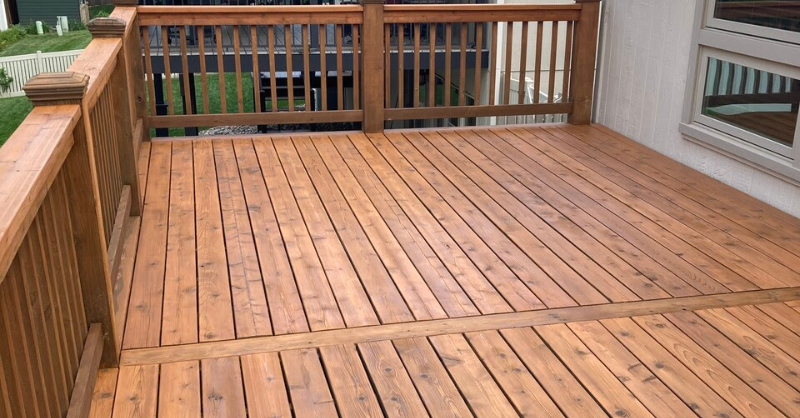
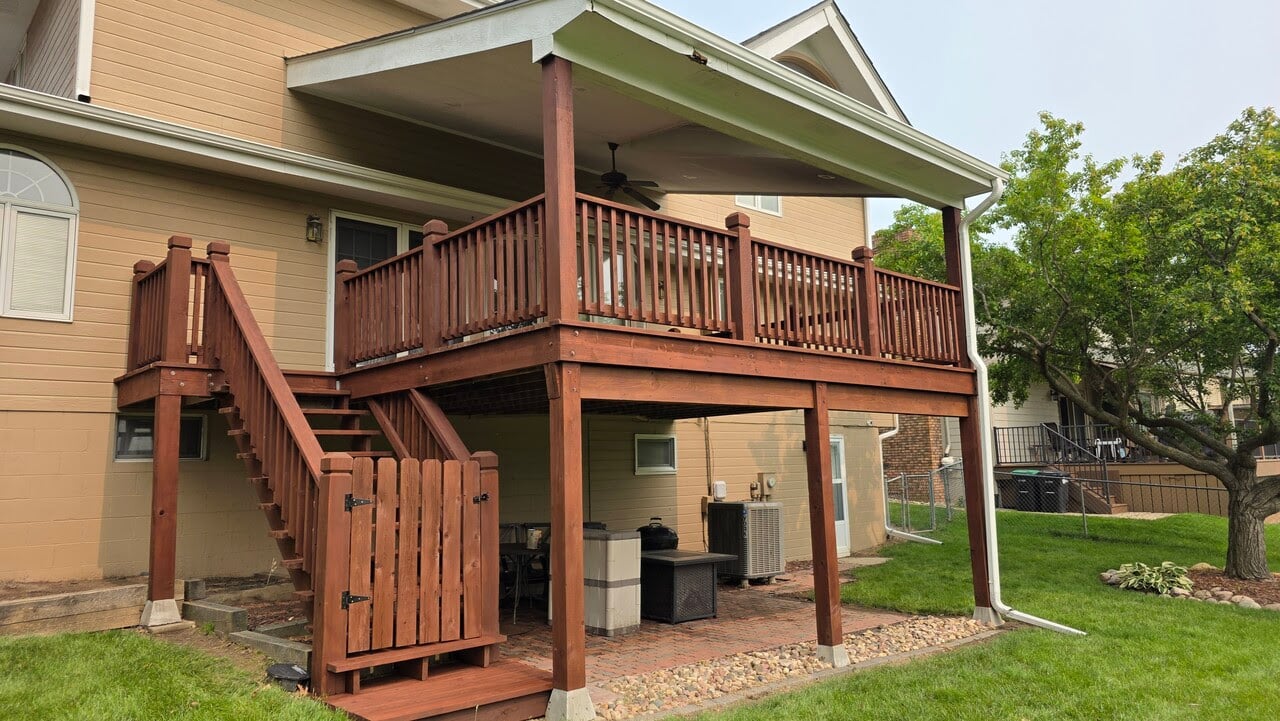
These ranges assume a professional process that may include washing, minor repairs, sanding, surface protection, stain application, back brushing, and cleanup. The exact price depends on the deck itself. A simple ground-level platform will usually take less time than a raised deck with two staircases, dozens of spindles, and lattice around the base.
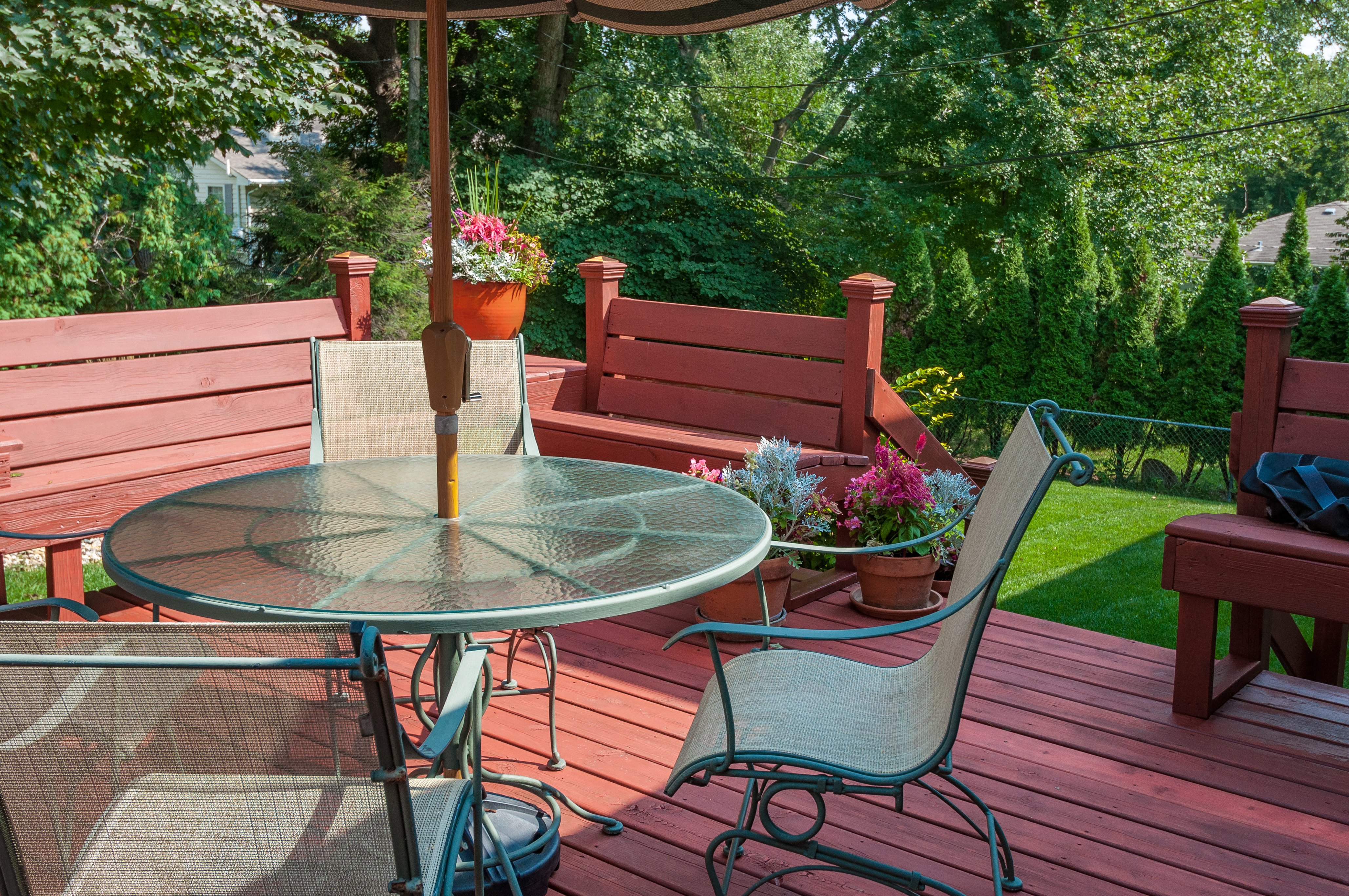
The amount of exposed wood also matters. A 15-by-18-foot measurement may describe only the floor. It may not include the underside, support posts, fascia boards, benches, privacy panels, or railings. Those pieces can add many hours of detailed work.
What Factors Affect the Cost of Deck Staining in Gretna?
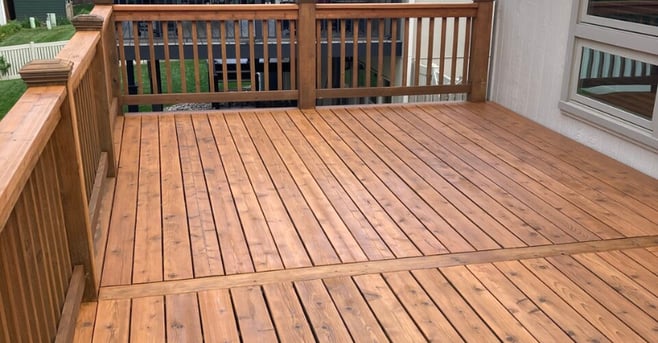
The final price depends on how much wood must be cleaned, prepared, and stained, along with how difficult that wood is to reach. Condition often matters as much as square footage. A newer open deck can be straightforward, while an older deck with peeling solid stain may need much more sanding and repair.
The main cost factors include:
- Total floor area
- Number of railings and spindles
- Number and width of stairs
- Height above the ground
- Posts, beams, fascia, and skirting
- Current stain or paint condition
- Amount of sanding needed
- Loose boards, raised nails, or minor repairs
- Stain type and color change
- Access around the deck
- Landscaping, concrete, siding, and other nearby surfaces that need protection
Imagine two 10-by-12-foot decks. The first is a low platform with no railing and wood that is in fair condition. The second sits eight feet above the yard, has a full railing system, fifteen steps, and peeling stain. Their floor measurements match, but the second deck contains far more surface area and requires more careful labor.
Does Deck Size Determine the Whole Price?
No, deck size gives a useful starting point, but it does not tell the whole story. Railings, stairs, posts, and the underside can contain more stainable surface than the floor itself. The condition of the old coating also changes how much washing and sanding must happen before new stain can be applied.
This is why pricing only by floor square footage can be misleading. A painter should look at the full structure and identify which surfaces are included. Homeowners should also check whether both sides of the railing, the outside fascia, stair risers, support posts, and accessible framing are part of the estimate.
A written scope should make exclusions clear. If the underside is not being stained, that should be stated. If only the deck boards and top rails are included, the proposal should say so. Clear boundaries help prevent surprise charges or disagreements after the job begins.
Why Does Deck Condition Change the Staining Price?
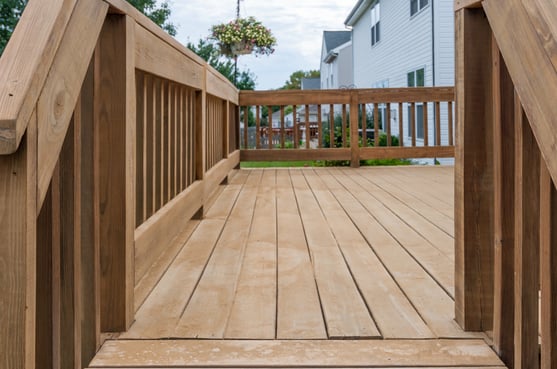
Weathered wood needs a different level of care than a newer deck. Gray fibers, mildew, peeling stain, splinters, grease, and failing boards all affect preparation time. In Gretna, strong sun and changing seasons can wear horizontal deck boards faster than protected vertical surfaces, leaving the deck with uneven conditions.
A deck that was maintained on schedule may need a wash, light sanding, and a fresh coat of compatible stain. A neglected deck may need heavier cleaning, more sanding, and repairs before it is ready. If old solid stain is peeling badly, restoring the surface may take far longer than refreshing a fading semitransparent stain.
No contractor can make damaged wood new again with stain alone. Soft, rotten, or badly split boards may need replacement. Raised nails or screws may need attention. Those repairs should be discussed before staining because a coating cannot correct movement or decay below the surface.

What Preparation Should Be Included in a Deck Staining Estimate?
A professional estimate should explain how the deck will be cleaned, repaired, sanded, protected, and stained. At Brush & Roll Painting, the normal process includes washing, needed repairs, sanding, and back-brushing the stain. The exact steps may change with the wood and the coating already on the deck.
How Should a Deck Be Washed Before Staining?
Washing removes dirt, organic growth, loose material, and surface residue that can block stain from bonding or soaking into the wood. The cleaning method should be strong enough to clean the deck without cutting deep lines into soft wood. After washing, the deck needs enough dry time before sanding or staining.
Pressure alone is not always the answer. Using excessive pressure can damage wood fibers and leave marks that remain visible after staining. A suitable cleaner, controlled pressure, and patient rinsing often produce a better surface. Nearby siding, doors, plants, and concrete should be treated carefully during this step.
What Deck Repairs May Be Needed Before Staining?
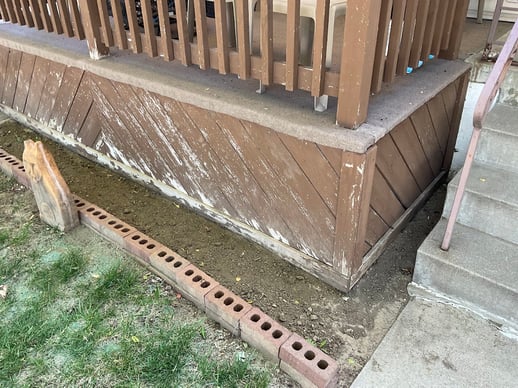
Minor repairs may include securing loose boards, setting raised fasteners, or replacing a small number of damaged boards. Repairs create a safer and more stable surface for preparation and staining. Larger structural problems, widespread rot, or major carpentry may require a separate price or a qualified deck contractor.
New replacement boards can accept stain differently from older wood. They may appear lighter or darker even when the same product is applied. A good estimate should identify expected repairs and explain that mixed-age wood may not finish with perfectly even color.
Why Is Sanding a Deck Important?
Sanding helps remove loose stain, rough fibers, and sharp edges while improving the surface for the next coating. It can also soften the visual difference between worn areas and areas where more old stain remains. The amount of sanding depends on the current coating and the result the homeowner wants.
A light maintenance sanding is not the same as removing every trace of an old coating. Full removal can require far more labor and may not be included in a standard staining price. Ask the painter how much sanding is planned, which surfaces will be sanded, and what the deck should look like when preparation is complete.
What Does Back Brushing Deck Stain Mean?
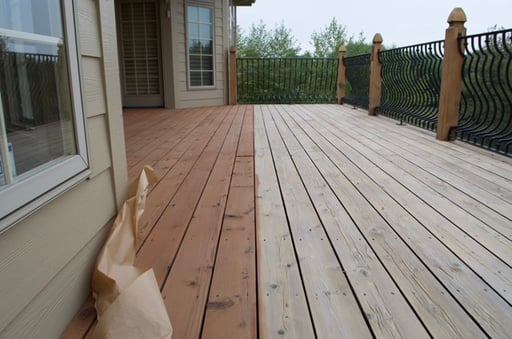
Back brushing means working freshly applied stain into the wood with a brush. It helps distribute the product, reach cracks and edges, and reduce heavy spots or puddles. On rough or weathered boards, brushing can help the stain reach areas that a quick spray pass may miss.
Some contractors spray stain without following behind with a brush. Spraying can be a useful application tool, but the surrounding property needs careful protection. When back brushing is included, it adds labor. It can also create a more controlled and even application, especially on boards with uneven texture.
Why Might Another Painter Charge Less to Stain the Same Deck?
A lower price does not automatically mean poor work, and a higher price does not guarantee a better result. Painters have different labor costs, schedules, products, and methods. The useful question is not simply, “Why is this estimate cheaper?” It is, “What work and materials are included in each estimate?”
A lower estimate could reflect:
- Less washing or a faster cleaning method
- Little or no sanding
- No repairs
- One quick coat where the product allows another approach
- Spray application without back brushing
- Fewer surfaces included
- A lower-cost stain
- Less protection around the work area
- A shorter labor warranty or no written warranty
Some decks truly need less work, so a simpler process may be reasonable. Problems occur when the homeowner expects one level of preparation but the contractor priced another. A short proposal that says only “stain deck” leaves too much open to interpretation.
Ask each painter to describe the process in writing. If one estimate includes washing, repairs, sanding, two days of preparation, and detailed brushing while another includes cleaning and spraying, the two prices are not for the same job.
Does the Type of Deck Stain Affect the Cost?
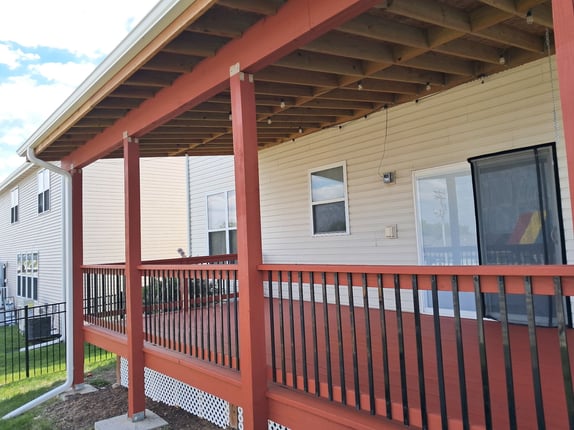
Yes. Transparent, semitransparent, semisolid, and solid color stains behave differently and may require different preparation. Product quality, coverage, application requirements, and compatibility with the existing coating can also affect material and labor costs. The cheapest can of stain is not always the least expensive choice over several years.
Transparent and semitransparent stains allow more wood grain to show. They often look natural, but the final appearance depends heavily on the condition and color of the wood. Semisolid and solid color stains hide more variation, though solid coatings can peel when they age and may require more preparation during future maintenance.
Changing from a dark color to a much lighter one can also require extra work. The old color may remain visible in cracks, between boards, or in deeply absorbed areas. Staying near the existing color family can sometimes produce a more even result with fewer complications.
How Often Should a Deck Be Restained in Gretna, NE?
Many decks need maintenance every 3-5 years, but there is no single schedule for every home. Horizontal boards usually wear first because they hold water, receive direct sunlight, and take foot traffic. Railings and shaded vertical surfaces may remain protected longer than the deck floor.
Watch the wood instead of relying only on the calendar. It may be time to request an inspection when the color has faded, water absorbs quickly instead of beading, or bare wood is appearing in traffic areas. Peeling or flaking can mean the previous coating is failing and more preparation may be needed.
Gretna decks with full southern or western sun may weather faster. A covered deck may last longer, although shaded areas can hold moisture and develop organic growth. Snow left on the boards and repeated freezing can also add wear over time.
How Can Homeowners Compare Deck Staining Quotes?
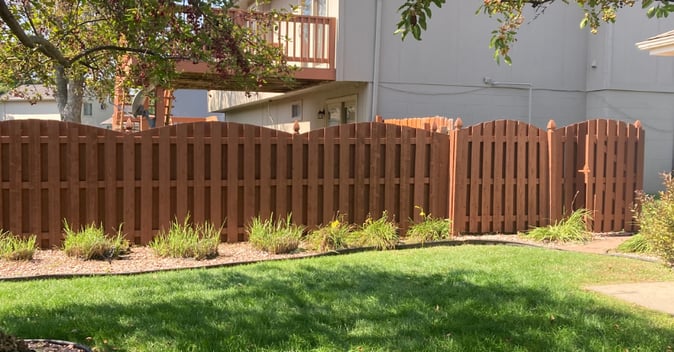
Compare the written process, included surfaces, products, repairs, protection, and cleanup before comparing the final totals. If the scopes do not match, ask each painter to clarify the missing details. A useful quote should tell you what will happen from the first wash through the final cleanup.
Ask these questions:
- Which deck surfaces are included?
- Will the deck be washed, and what cleaning method will be used?
- How much sanding is included?
- Are minor repairs included or priced separately?
- What stain will be used?
- Will stain be sprayed, rolled, brushed, or applied with a combination of methods?
- If stain is sprayed, will it be back-brushed?
- How will siding, concrete, plants, windows, and doors be protected?
- How many coats does the chosen product require?
- What could cause the price to change after work begins?
- Is there a written workmanship warranty?
Also ask how the contractor handles weather delays and moisture. Stain should not be applied to wood that is too wet or when weather conditions fall outside the product directions. A flexible schedule can be frustrating, but waiting for suitable conditions can protect the result.
What Could Make a Deck Staining Quote Change?
A quote may change if cleaning reveals rotten wood, loose structural parts, or a failing coating that was not visible during the first visit. Added surfaces, a major color change, or extra carpentry can also affect the total. A contractor should explain possible changes before doing work that adds cost.
Common examples include hidden rot beneath a board, far more peeling after washing, or a homeowner deciding to add the underside and support structure. Small changes may be handled within the original scope, while larger changes should be documented and approved.
Photos and a detailed estimate reduce confusion. They give both the homeowner and painter a shared record of the original condition and agreed work.
Is Professional Deck Staining Worth the Cost?
Professional staining can be worthwhile for homeowners who want to protect their time, avoid equipment work, and receive a clearly defined preparation process. The value comes from the full service, not just applying color. Washing, sanding, repairs, protection, and careful application usually require more time than homeowners first expect.
A do-it-yourself project may cost less in cash, especially on a small, simple deck. Homeowners should still account for cleaner, stain, brushes, plastic, sandpaper, equipment rental, disposal, and several days of labor. Mistakes such as lap marks, overspray, wood damage, or applying stain before the deck is dry can add cost later.
Hiring a painter makes the most sense when the deck is large, elevated, heavily detailed, or in need of substantial preparation. A capable homeowner may be comfortable maintaining a small ground level deck. The right choice depends on time, safety, expectations, and the condition of the wood.
FAQ About Cost of Deck Staining in Gretna, NE
How much does it cost to stain a 10 by 12 foot deck in Gretna?
A small 10 by 12 foot deck generally costs between $1,600 and $2,400 based on Brush & Roll Painting pricing. The lower end may fit a simple deck in fair condition. Railings, stairs, peeling stain, repairs, or difficult access can move the project toward the upper end.
How much does it cost to stain a 15 by 18 foot deck?
A medium 15-by-18-foot deck generally costs between $2,400 and $3,600. This range can change when the deck has many spindles, multiple stairways, tall support posts, or extensive sanding needs. The floor dimensions alone do not represent every surface that must be prepared and stained.
How much does it cost to stain a large deck in Gretna?
A 20 by 25 foot deck usually starts at $3,600 and may cost more. Large rail systems, an elevated structure, built in seating, privacy walls, or a badly failing old coating can increase labor. An onsite visit is the best way to establish a dependable price.
Wood Deck Staining in Gretna, NE
Deck staining prices can feel confusing when several contractors provide very different totals. After reading this guide, you now have realistic planning ranges and a way to compare the work behind each number. Small decks may cost $1,600 to $2,400, medium decks may cost $2,400 to $3,600, and large decks generally start at $3,600.
Brush & Roll Painting has served the Gretna area since 1996. We use quality products and take the needed preparation steps, including washing, repairs, sanding, and back brushing when appropriate. Our role here is to help Gretna homeowners make a sound choice, whether they hire another qualified painter.
If you are ready for project-specific pricing, click the button below to get a quote.

If you are not ready to request a quote, use our deck staining pricing calculator to build an early budget. The calculator can also be used for fences.

Topics: