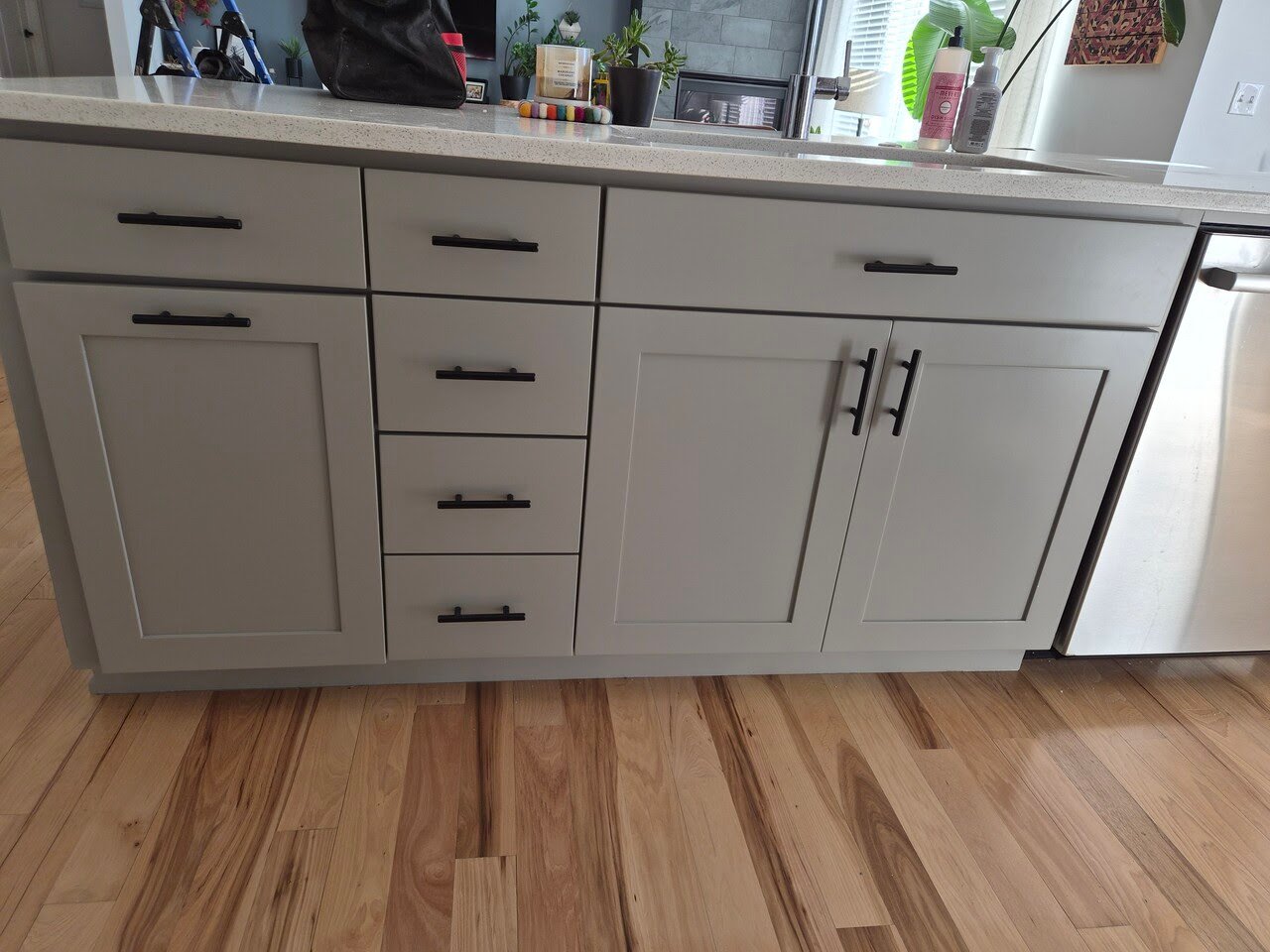
If you are thinking about having your cabinets painted or doing them yourself, one of the first confusing questions is how many coats of paint are actually needed. Some painters say one or two coats is fine. Others talk about primers, sealers, and specialty products. As a homeowner, it can feel hard to tell what is normal and what might be cutting corners. You may worry about chipping, peeling, or brush marks showing up months later.
We are Brush & Roll Painting, a residential painting company based in Omaha, Nebraska, serving local homeowners since 1996. Over the years, we have worked on hundreds of cabinet projects in kitchens, bathrooms, laundry rooms, and built-ins. Our role here is not to sell anything, but to help homeowners understand what a proper cabinet painting process looks like, especially when using professional-grade products like 2K polyurethanes.
By the end of this article, you will know exactly how many coats cabinets should receive, why each coat matters, and how sanding between layers affects the final result. You will also learn how a professional cabinet system differs from basic wall paint. This will help you ask better questions, compare quotes more clearly, and feel confident about the decisions you make for your home.
How many coats of paint should cabinets have?
Most professionally painted cabinets receive four to six total layers when done correctly. This usually includes one clear resurfacer coat, one to two coats of primer, and one to two coats of the final paint or stain. Each layer serves a different purpose, and sandings between layers are just as important as the number of coats.
If you choose to add a glaze over a solid color of paint, a glaze would be an additional coat of product on top.
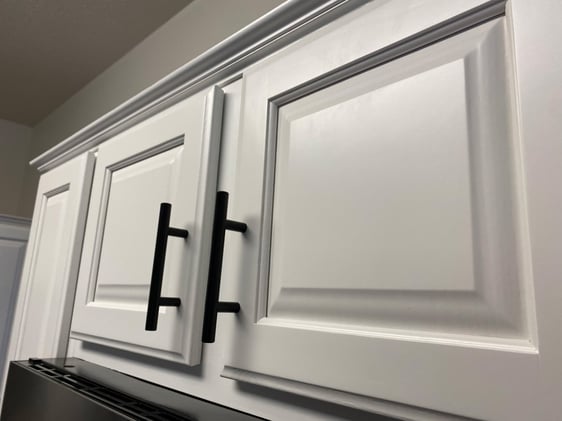
Why do cabinets need more paint than walls?
Cabinets take more abuse than almost any painted surface in a home. They are touched daily, cleaned often, and exposed to moisture, grease, and temperature changes.
Wall paint is designed to look good. Cabinet coatings are designed to hold up.
Because of that, cabinets need:
- Better surface bonding
- Stronger products
- More controlled layering
- Careful sanding between coats
Skipping layers or rushing the process often leads to chipping around handles, peeling near sinks, or a rough finish that shows fingerprints easily.
What is a clear resurfacer coat, and why is it used?
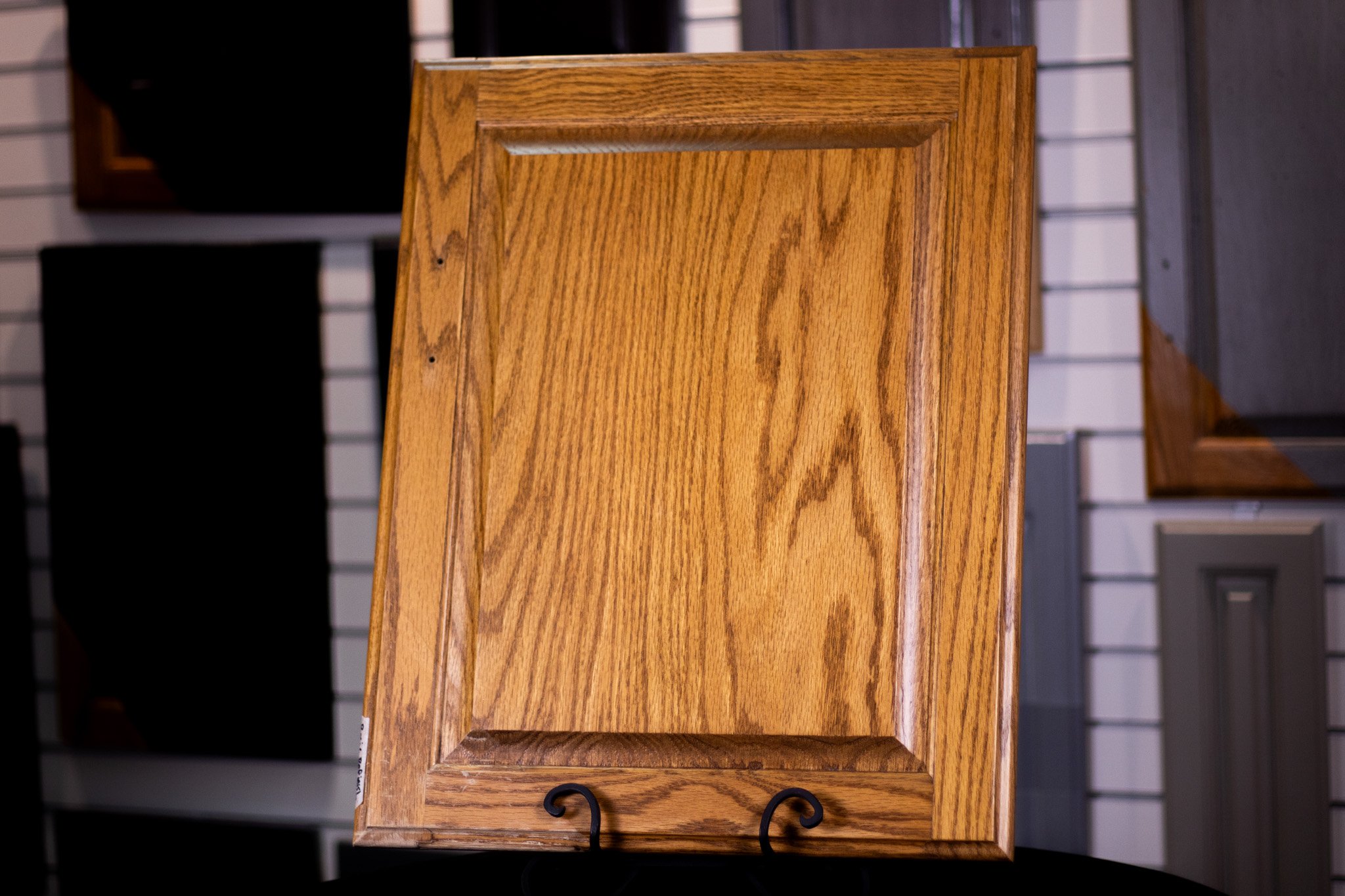
A clear resurfacer is the first step in our professional cabinet painting process at Brush & Roll Painting. This isn’t a common step amongst painters, but we have found it helps stabilize the existing cabinet surface and creates a uniform base for primer to bond to.
Cabinets, especially older ones, can have uneven porosity. Some areas absorb more product than others. A clear resurfacer soaks into the surface and evens it out. It also helps lock down old finishes and provides better adhesion for the next layer.
This step is especially helpful when working with wood cabinets that have been previously stained or coated.
Typical process:
- Clean and degrease
- Initial sanding
- Apply one coat of clear resurfacer
- Light sanding after it dries
This coat does not add color. It adds stability.

How many coats of primer should cabinets have?
Most cabinet projects need one to two coats of primer, depending on the wood, previous finish, and final color.
Primer does more than block color. It creates a bonding layer between the cabinet surface and the final coating. When using a 2K polyurethane system, the primer must be compatible with that system.
Reasons a second primer coat may be needed:
- Dark wood showing through
- Stain bleed
- Color change from dark to light
Each primer coat is sanded after drying. This sanding smooths the surface and helps the next layer bond evenly.
Skipping primer or applying too little can cause adhesion problems later, even if the cabinets look fine at first.
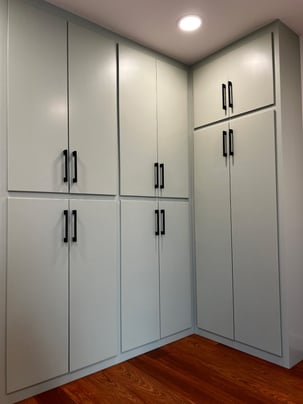
How many coats of paint or stain should cabinets receive?
Most cabinets receive one to three coats of the final paint or stain.
The final coats are what you see and touch every day. With high-performance coatings, more is not always better. These products are designed to build properly within a specific thickness range.
One coat may be enough in some cases, but two coats are common.
Each coat is applied carefully and sanded between layers to remove dust, smooth imperfections, and help the next coat bond.
What does sanding between each coat actually do?
Sanding between coats improves adhesion and creates a smoother finish.
This is one of the most misunderstood parts of cabinet painting. Sanding is not about removing the paint. It is about leveling the surface.
Between coats, sanding:
- Knocks down dust nibs
- Smooths out minor texture
- Helps the next layer grip better
- Improves the feel of the finish
Think of it like stacking smooth sheets of paper instead of rough cardboard. Each layer builds on the one before it.
When sanding is skipped, you may see:
- Rough texture
- Poor adhesion
- Visible defects under light
- Shorter lifespan of the finish
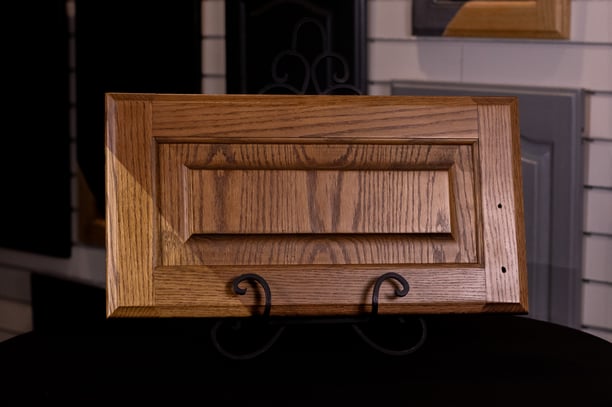
Best product for cabinet painting and staining
At Brush & Roll Painting, we use a 2K polyurethane called Milesi. 2K polyurethane coatings cure harder and faster than standard paints, which affects how many coats are applied and how they are handled.
A 2K system uses a hardener that chemically cures the coating. This creates a stronger finish that resists scratches, moisture, and wear better than typical cabinet paints.
Because of this:
- Fewer coats are needed compared to softer paints
- Timing between coats matters
- Sanding must be done carefully
- The system must be followed as designed
Milesi is one example of a 2K polyurethane system used in professional cabinet work. When applied correctly, it creates a durable and smooth finish that holds up well in busy kitchens.
Can too many coats be a problem?
Yes, applying too many coats can cause issues with curing and durability.
More paint does not always mean better results. Overbuilding a finish can lead to:
- Soft paint that dents easily
- Longer cure times
- Poor adhesion between layers
- Visible texture
Professional systems are designed to perform best within a specific number of coats. A painter who understands the product will know when enough is enough.
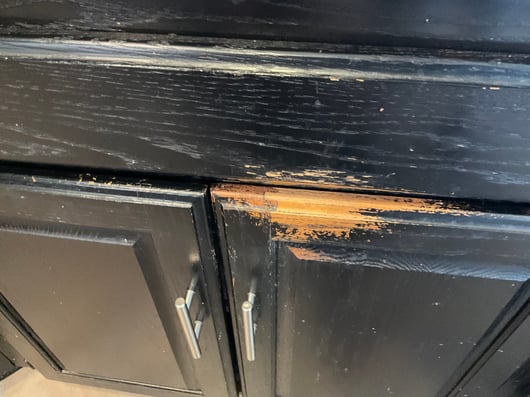
How does cabinet condition affect the number of coats?
Worn or damaged cabinets often need more prep and sometimes additional coats.
Cabinets with heavy wear, water damage, or old finishes may need:
- Extra sanding
- Additional primer layer
- Wood filler
Well-maintained cabinets may need fewer corrective steps. This is why two kitchens can receive different processes even if they end up the same color.
Questions homeowners in Omaha often ask
Is two coats enough for cabinet painting?
Sometimes, but only if those two coats are part of a larger system that includes proper prep and primer. Two finish coats alone are not enough without the layers underneath.
Do painted cabinets need more coats than stained cabinets?
Not always. Both systems usually follow similar steps when using professional products. The difference is in how color and depth are achieved.
How long should cabinets dry between coats?
This depends on the product. With 2K polyurethane, it’s around 2-3 hours, but drying and sanding windows are very specific for each product and should follow the manufacturer's guidelines.
Why do cabinet quotes vary so much?
The number of coats, the type of products, and the amount of prep work all affect time and cost. A lower price from a painter often means fewer steps.
Cabinet Painting in Omaha, NE
Painting cabinets correctly is about more than counting coats. It is about using the right products, applying them in the correct order, and sanding between each layer to build a finish that lasts.
This article has walked you through what each coat does, why sanding matters, and how professional cabinet systems work. With this knowledge, you can better understand quotes, ask clearer questions, and feel more confident hiring a painter.
Brush & Roll Painting has been serving Omaha homeowners since 1996, and our role is to help homeowners make informed decisions about their painting projects.
If you are ready to start your cabinet painting or staining project, click the button below to get a quote.

If you are not ready to talk yet, you can visit a cabinet painting pricing calculator to explore options and understand costs at your own pace.

.jpg?width=1280&height=721&name=Havens%20after%201%20(1).jpg)