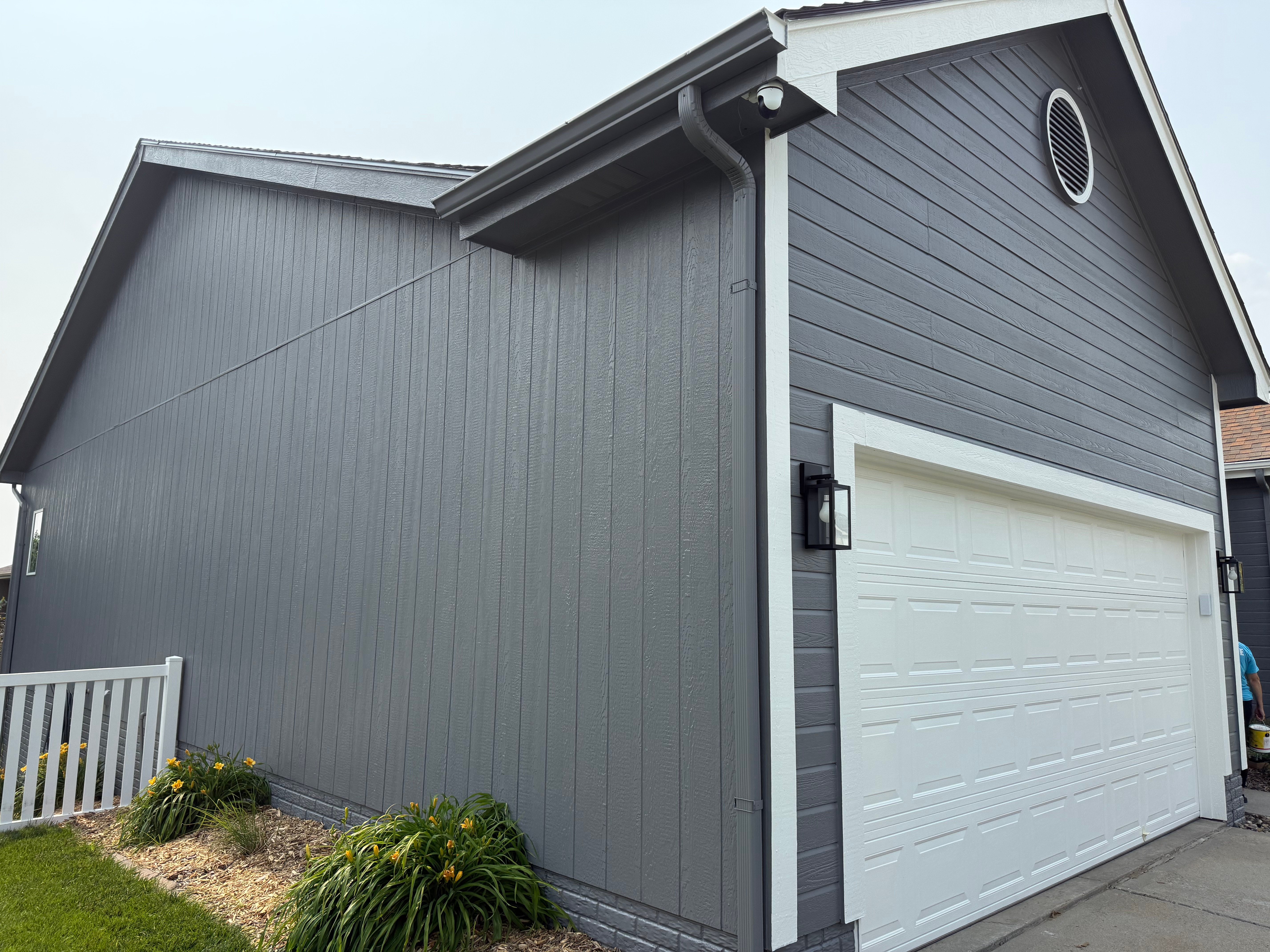
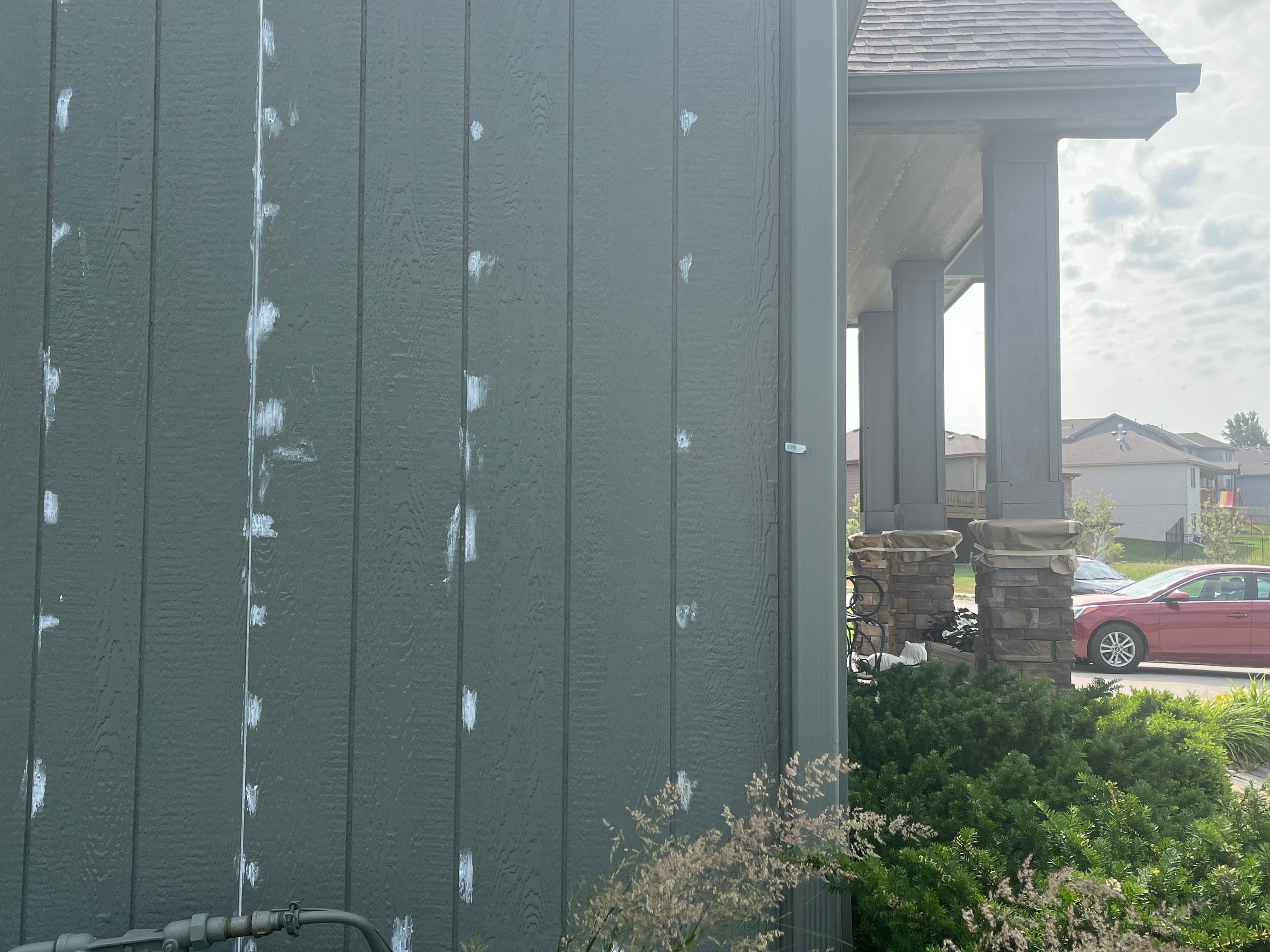
- Caulk is usually the first thing to crack after exterior painting because it sits in joints where materials move the most.
- In Omaha, weather changes like heat, cold, and moisture cause siding and trim to expand and contract, putting stress on caulk.
- Without proper caulk maintenance, moisture can lead to peeling paint, wood rot, and more expensive repairs.
- Yearly caulk inspections and touch-ups help catch small issues early and extend the life of your exterior paint job.
- Exterior painting warranties often include yearly touch-ups, especially for caulking, since it naturally wears out first.
- Higher-quality paint improves overall durability, but it does not stop caulk from cracking due to movement.
- Regular maintenance, whether done by a homeowner or a professional, is the best way to protect your home long term.
You just had your home painted. It looks clean, sharp, and protected. Then a year later, you notice a few small cracks along trim, siding joints, and windows. It can feel frustrating. Many homeowners in Omaha wonder if something went wrong or if the paint job is already failing.
At Brush & Roll Painting, we have been working on homes in Omaha since 1996. We have seen how homes hold up through hot summers, cold winters, and everything in between. One of the most common things we hear from homeowners is concern about cracking caulk after a fresh exterior paint job.
In this guide, you will learn why caulk is usually the first thing to fail after exterior painting, what is normal, what is not, and what you can do about it. By the end, you will understand how to protect your home long term, what to expect year to year, and how to avoid small issues turning into costly repairs.
Why does caulk crack before paint on exterior surfaces?
Caulk cracks first because it is flexible and sits in joints where movement happens. These areas expand and contract more than flat surfaces, so caulk takes the stress before paint does.
Caulk is used to seal gaps where two materials meet. Think about areas like:
- Where siding meets trim
- Around windows and doors
- Corner boards
- Joints in wood or composite materials
These areas are constantly moving. In Omaha, your home expands in the summer heat and contracts in the winter cold. That movement puts pressure on the caulk.
Paint, on the other hand, sits on more stable surfaces. It is not designed to stretch the same way caulk is. So when movement happens, caulk absorbs it first, and over time, it starts to crack.
This is not usually due to a failure of the paint job. It is part of how homes naturally age.
Is it normal for exterior caulk to crack after one year?
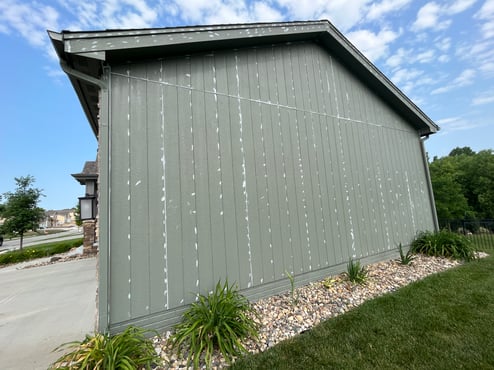
Yes, it is very normal to see minor caulk cracking within the first year, especially in a climate like Omaha.
Omaha's weather is tough on homes. You get:
- Freezing winters with ice and snow
- Hot summers with strong sun exposure
- Rapid temperature swings in spring and fall
That combination causes materials to move more than people expect.
Even high-quality caulking will eventually show signs of wear. You might notice:
- Small hairline cracks
- Slight separation at joints
- Areas where the caulk looks dry or pulled back
These are early signs that the caulk has done its job by absorbing movement.
What matters is not whether it cracks, but how it is maintained.
What causes exterior caulk to fail over time?
Caulk fails because of weather exposure, movement in materials, and normal aging.
There are several key reasons caulk breaks down:
1. Temperature changes
In Omaha, temperatures can swing drastically. This causes expansion and contraction in:
- Wood siding
- Trim boards
- Window frames
Caulk stretches and compresses with these changes until it eventually weakens.
2. Moisture exposure
Rain, snow, and humidity all affect caulk. Over time, moisture can:
- Break down adhesion
- Cause swelling and shrinking
- Lead to separation from surfaces
3. UV exposure
Sunlight slowly dries out caulk. This makes it:
- Less flexible
- More brittle
- More likely to crack
4. Natural house movement
Homes settle over time. Even small shifts can cause stress on joints where caulk is applied.
5. Time and aging
Even the best caulk is not permanent. It is a maintenance item, just like sealing a deck or changing a furnace filter.
Why is caulking so important for exterior painting?
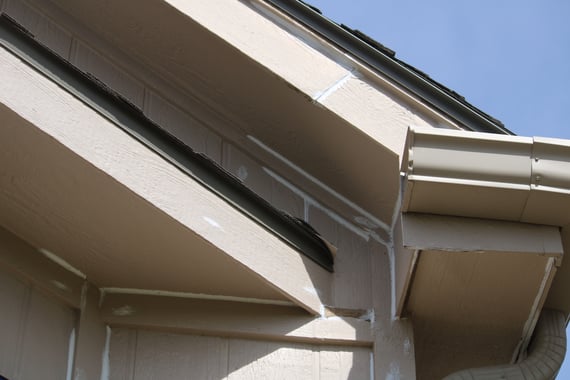
Caulking protects your home from water damage by sealing gaps where moisture can enter.
Caulk might not be the most noticeable part of a paint job, but it plays a huge role in protecting your home.
Without proper caulking, water can get into:
- Behind siding
- Around windows
- Into trim boards
That can lead to:
- Wood rot
- Peeling paint
- Mold or mildew
- Expensive repairs
Paint helps protect surfaces, but caulk protects the gaps. Both need to work together.
If caulk fails and is not maintained, even a great paint job will not last as long as it should.

How often should exterior caulk be touched up?
Exterior caulk should be checked yearly and touched up as needed to prevent small issues from growing.
This is one of the most overlooked parts of home maintenance.
A yearly check allows you to:
- Catch small cracks early
- Reseal gaps before water gets in
- Extend the life of your paint job
Think of it like maintaining your car. A small fix today can prevent a major repair later.
If caulk is ignored for several years, those small cracks can turn into:
- Larger openings
- Water intrusion
- Paint failure
- Wood damage
Regular touch-ups keep everything working the way it should.
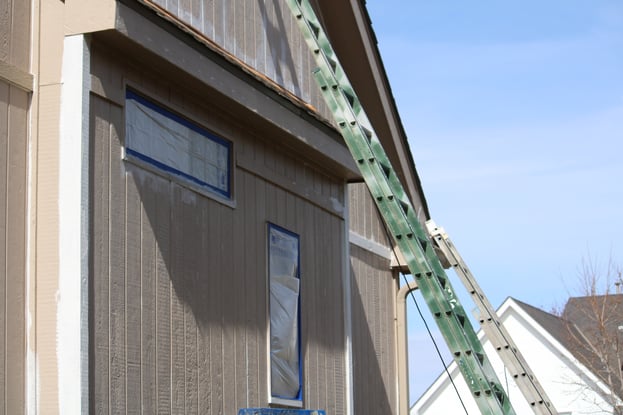
What happens if you skip yearly caulk maintenance?
Skipping maintenance allows small cracks to grow, which can lead to water damage and more expensive repairs.
Here is a simple example.
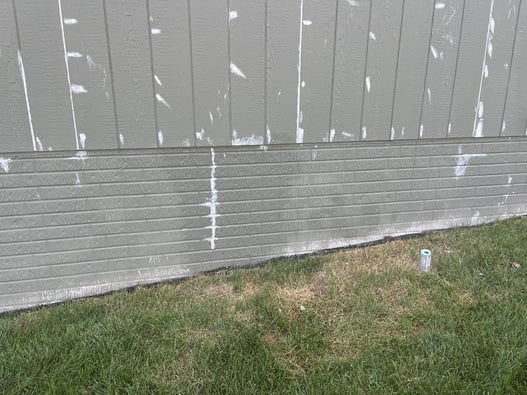
Year 1: A small hairline crack appears in the caulk.
Year 2: The crack gets wider and moisture starts getting in.
Year 3: Paint begins to peel in that area.
Year 4: Wood starts to soften or rot.
At that point, what could have been a quick touch-up becomes a repair project.
This is why yearly maintenance matters so much, especially in Omaha, where the weather speeds up wear.
How do exterior painting warranties handle caulk maintenance?
Many warranties include yearly touch-ups, especially for caulking, since it is expected to wear over time.
At Brush & Roll Painting, exterior warranties are based on the paint product used. Each option includes yearly touch-ups for up to one hour, focusing heavily on caulk maintenance.
Here is how it is structured:
- Ultra Spec 500 by Benjamin Moore (or a similar product): 2-year warranty
- Regal Select by Benjamin Moore (or a similar product): 5-year warranty
- Aura by Benjamin Moore (or a similar product): 9-year warranty
Each year during the warranty period:
- Caulk is inspected
- Cracks and gaps are resealed as needed
- Small touch-ups are completed
This approach helps prevent small issues from building up over time.
The goal is not just to fix problems, but to stay ahead of them.
Does better paint mean caulk will last longer?
Higher-quality paint helps protect surfaces, but caulk will still be the first area to need attention.
Premium paints like Aura or Regal Select offer:
- Better adhesion
- Longer color retention
- Stronger surface protection
However, paint does not stop movement in joints. Caulk is still handling that stress.
Think of it this way:
- Paint protects surfaces
- Caulk protects seams
Both are important, but they serve different roles.
Using better paint can extend the overall life of your exterior, but it does not eliminate the need for caulk maintenance.
What are the signs your exterior caulk needs attention?
Look for visible cracks, gaps, or separations in joints around your home.
Here are common signs to watch for:
- Thin cracks along trim or siding joints
- Caulk pulling away from one side
- Gaps around windows or doors
- Areas where paint looks split along seams
These signs do not mean your paint job failed. They mean your home is moving, and the caulk is wearing out.
Catching these early keeps things simple.
Can homeowners touch up caulk themselves?
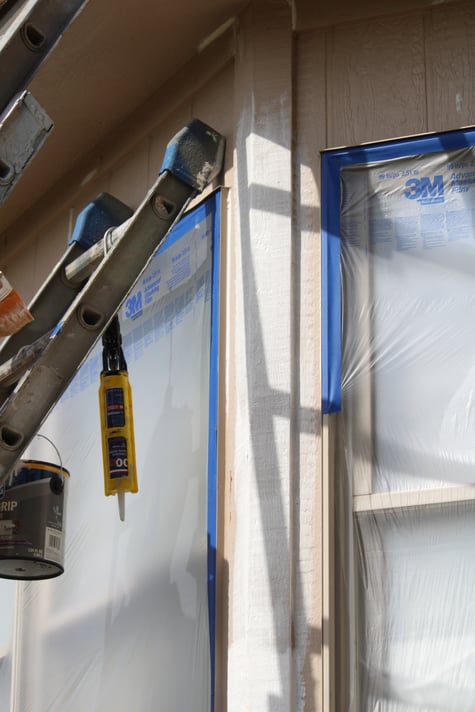
Yes, many homeowners can handle small caulk touch-ups, but proper prep and product choice matter.
If you plan to do it yourself, keep these tips in mind:
- Remove loose or failing caulk first
- Clean the area so the new caulk adheres properly
- Use a high-quality exterior caulk
- Apply evenly and smooth it out
That said, consistency can be tricky. Uneven caulk lines or missed spots can lead to problems later.
Some homeowners prefer having a professional handle yearly maintenance to ensure everything is sealed correctly.
How does Omaha’s climate impact exterior caulk more than other areas?
Omaha’s mix of heat, cold, moisture, and sun causes more movement and faster wear on caulk.
Compared to milder climates, Omaha homes deal with:
- Freeze and thaw cycles in winter
- Strong summer sun exposure
- Humidity and storms in spring
- Rapid temperature changes
All of this puts extra stress on caulked joints. That is why regular inspections and maintenance are even more important here than in areas with more stable weather.
FAQ: Exterior Caulk and Maintenance
How long should exterior caulk last?
Most caulk lasts several years, but small cracks can appear within the first year due to movement and weather.
Is cracked caulk a sign of a bad paint job?
Not usually. Caulk cracking is expected over time. What matters is how it is maintained.
Should all caulk be replaced during repainting?
Not always. Areas that are failing should be removed and replaced, while solid caulk can be left in place.
Can cracked caulk cause paint to peel?
Yes. If cracks allow moisture in, it can lead to peeling paint and surface damage.
What is the best time of year to touch up caulk in Omaha?
Spring and early fall are great times because temperatures are moderate and conditions are more stable.
Exterior Home Painting in Omaha, NE
If you have noticed cracks in your caulk after an exterior paint job, you are not alone. This is one of the most common things homeowners see, especially in a place like Omaha where weather puts constant stress on your home.
The good news is that this is normal. Caulk is designed to take on movement and wear before other parts of your exterior do. It acts as a first line of defense.
By understanding this, you can stay ahead of problems instead of reacting to them.
At Brush & Roll Painting, we have worked with Omaha homeowners since 1996, helping them understand how to care for their homes after painting projects. The goal is always to keep things simple and manageable over time.
If you are ready to take the next step, click below to get a quote.
 If you are still in the research phase, try using our exterior painting pricing calculator. It is a helpful way to understand what your project might look like before making a decision.


-May-22-2026-01-56-32-9736-PM.png?width=800&height=418&name=Blog%20Post%20Image%20Size%20(1)-May-22-2026-01-56-32-9736-PM.png)
-May-15-2026-04-54-24-9954-PM.png?width=800&height=418&name=Blog%20Post%20Image%20Size%20(1)-May-15-2026-04-54-24-9954-PM.png)
-Sep-20-2024-01-43-26-0356-PM.png?width=800&height=418&name=Blog%20Post%20Image%20Size%20(2)-Sep-20-2024-01-43-26-0356-PM.png)