Key Takeaways
You pick the perfect color at the store. It looks clean, soft, and exactly what you pictured. Then you paint it at home, and suddenly it feels too dark, too yellow, too blue, or just off.
That frustration is something almost every homeowner in Omaha runs into. It can feel like you made the wrong choice, even though the color looked great just a day ago.
At Brush & Roll Painting, we have been helping Omaha homeowners choose paint colors since 1996. We have seen this exact situation thousands of times, on walls, cabinets, exteriors, and woodwork.
We spend a lot of time walking homeowners through color samples, explaining why colors shift, and helping them avoid costly mistakes before paint ever touches the wall.
By the end of this article, you will understand why paint colors look better in stores than at home, how lighting and surroundings change everything, and how to properly test colors before committing.
You will also learn simple, practical steps to make sure the color you choose actually looks right in your home, not just on a tiny chip in a store.
Why do paint colors look better in stores than at home?
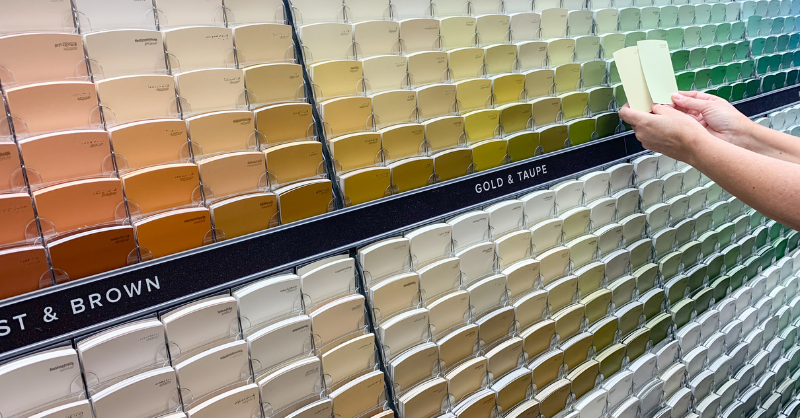
Paint colors look better in stores because the lighting is consistent, the environment is neutral, and you are only seeing a small sample on paper. At home, natural light, surrounding colors, and larger surfaces reveal undertones and imperfections that were not obvious before.
Paint stores are designed to make colors look appealing and easy to compare. They use bright, even lighting that removes shadows and reduces color distortion. Most stores also have neutral surroundings, so nothing interferes with how the color appears.
Your home is the opposite.
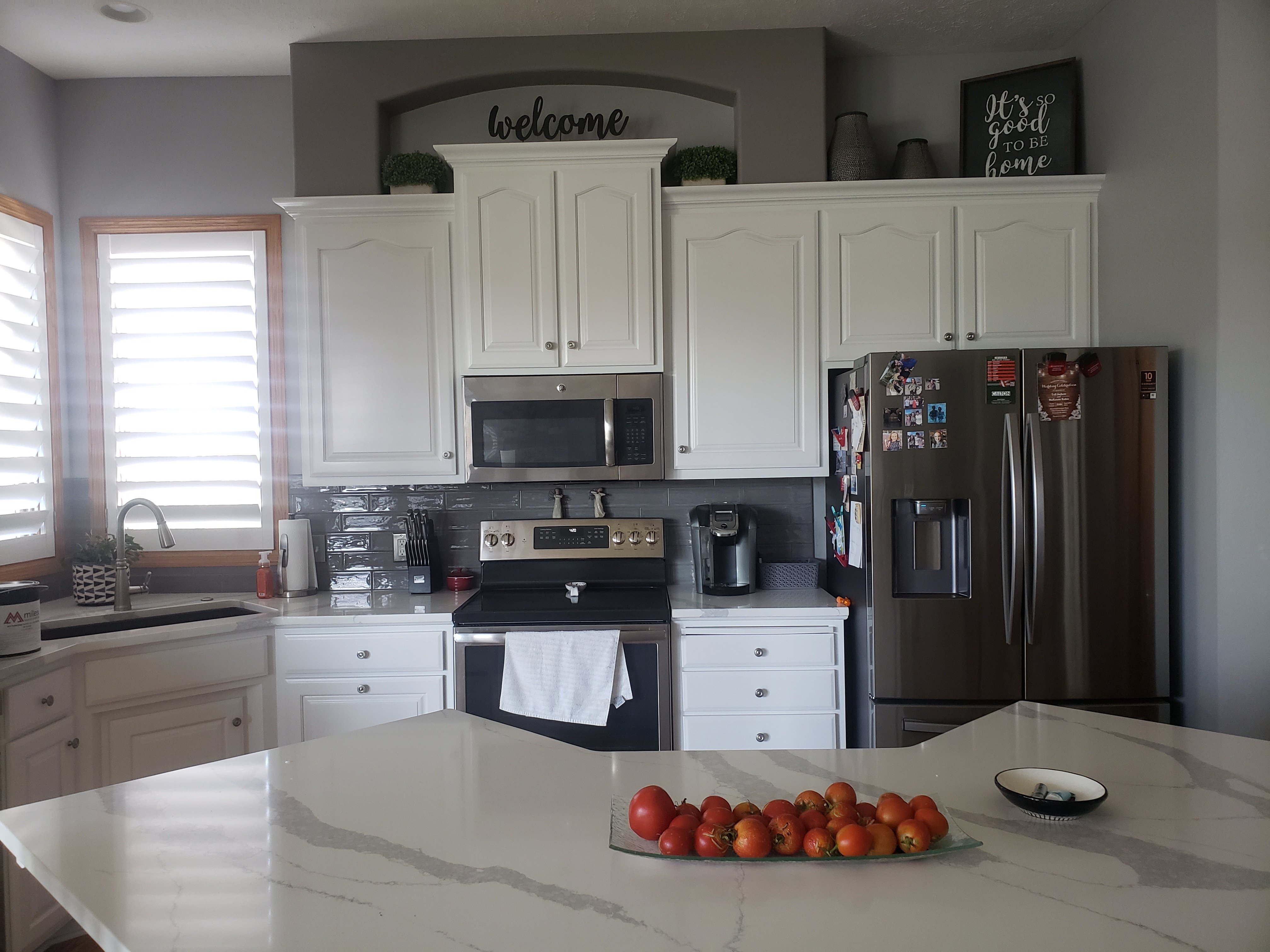
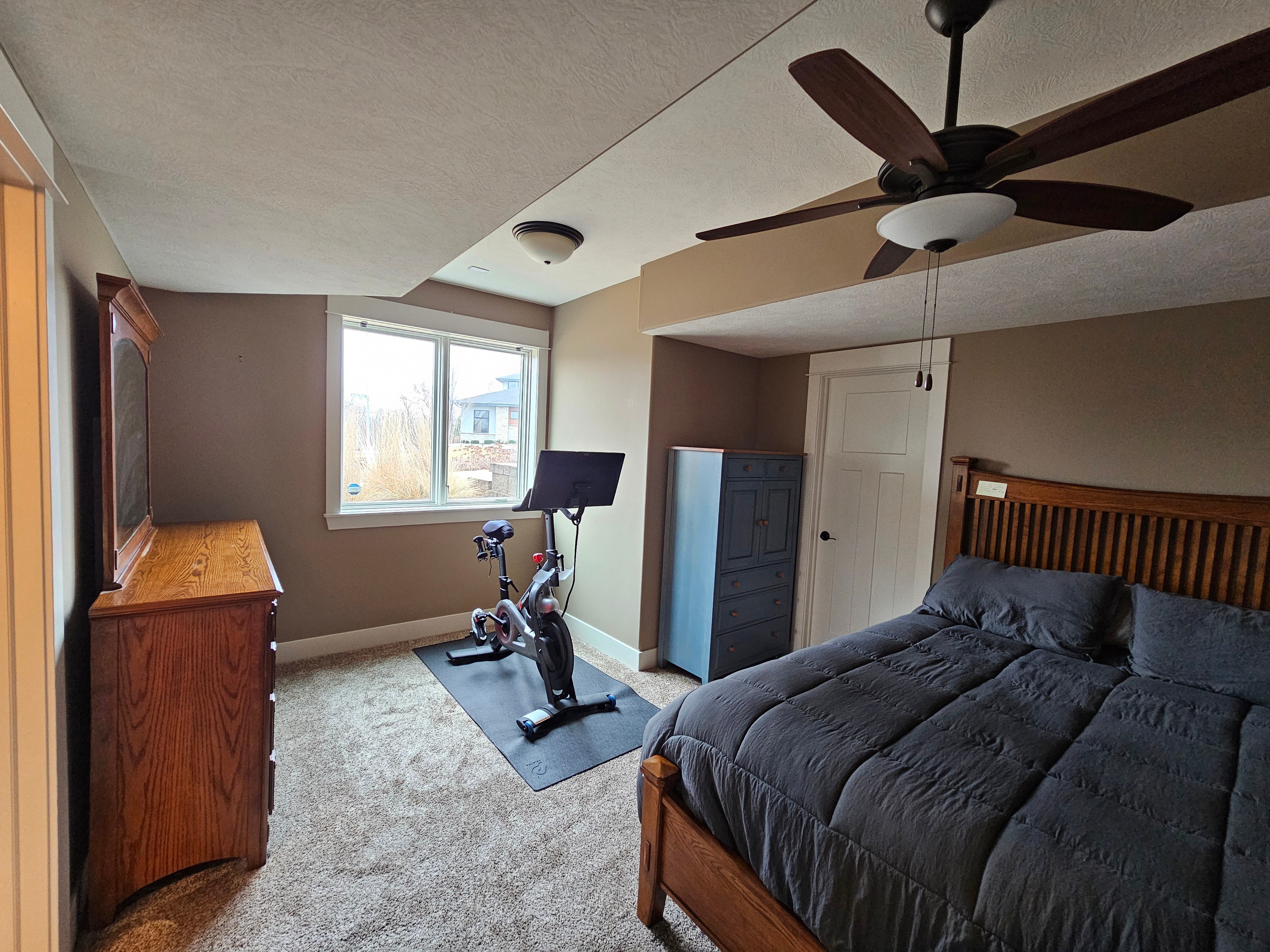
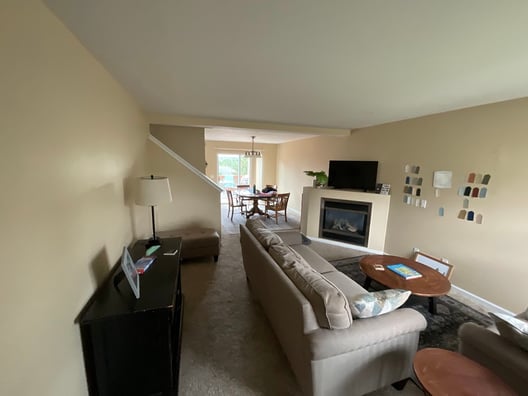
In Omaha homes, you might have warm hardwood floors, cool gray countertops, or yellow-toned lighting. All of these elements influence how a color looks once it is on your wall.
A soft gray in the store might suddenly look purple in your living room. A warm white might look yellow in your kitchen.
It is not that the paint is wrong. It is that the environment has changed.
Why do small paint chips look better than paint on walls?
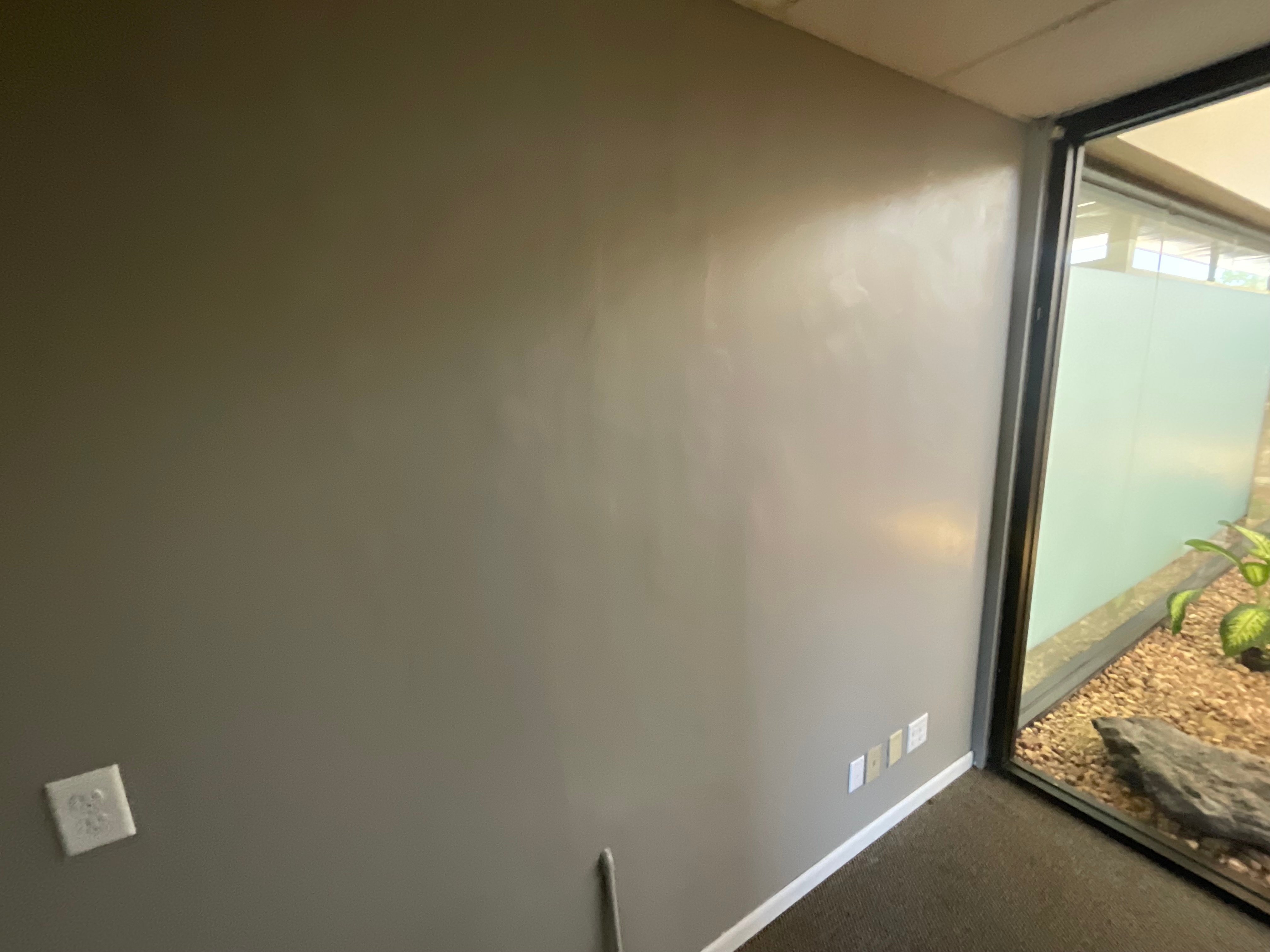
Small paint chips look better because they limit what you can see. They do not show full undertones, depth, or how the color reacts across a large surface. Once you scale that color onto a wall, everything becomes more noticeable.
When you look at a small paint chip, your eye blends the color into something simple. It looks clean and easy to understand.
Once that same color covers a full wall, you start noticing things like:
- Undertones, such as green, blue, or pink
- Light and shadow variations
- Texture from drywall or wood
- Differences between walls in the same room
This is why a color that felt “perfect” on a chip can feel overwhelming on a wall.
Why does paint look different on cabinets?
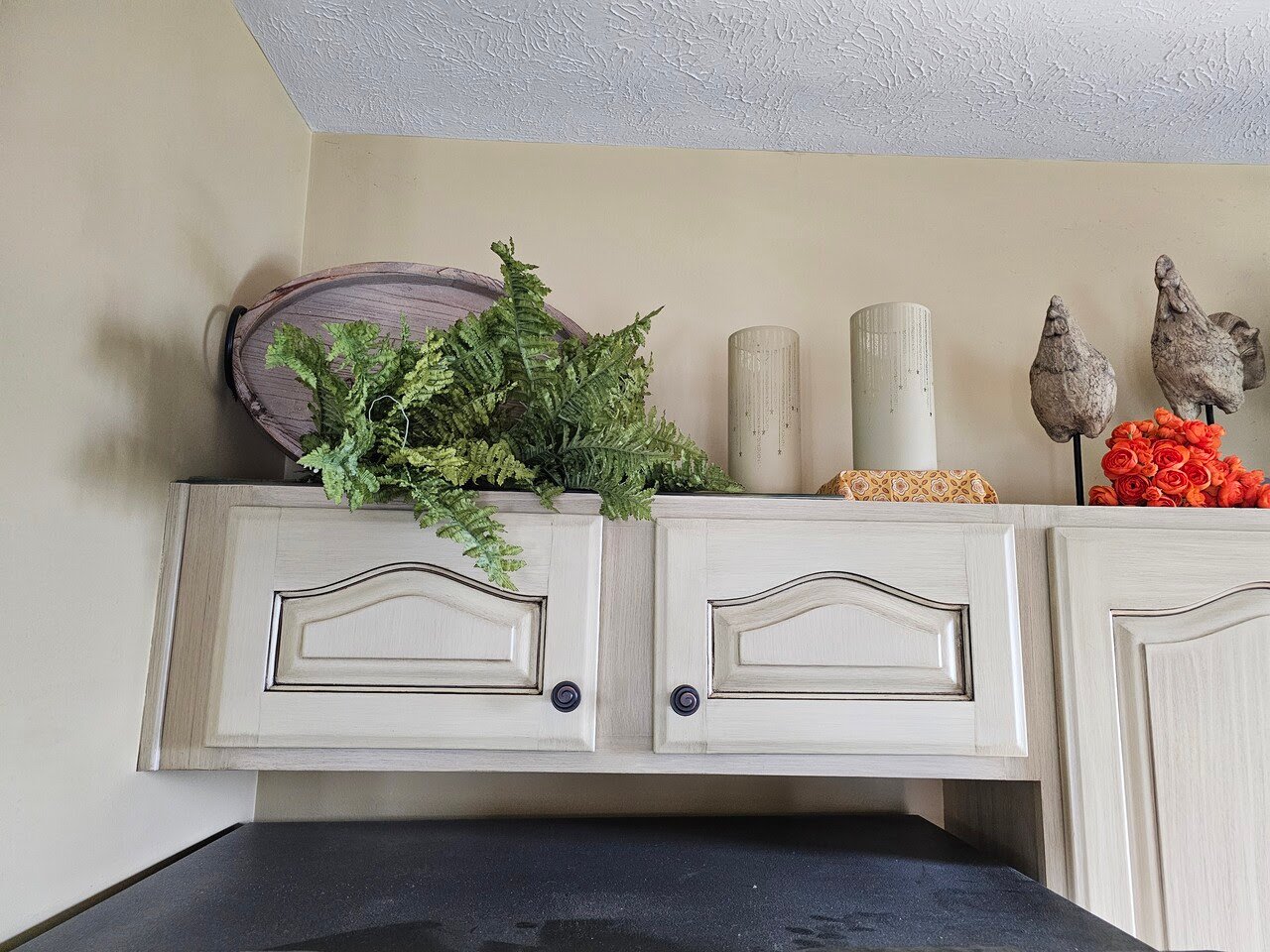
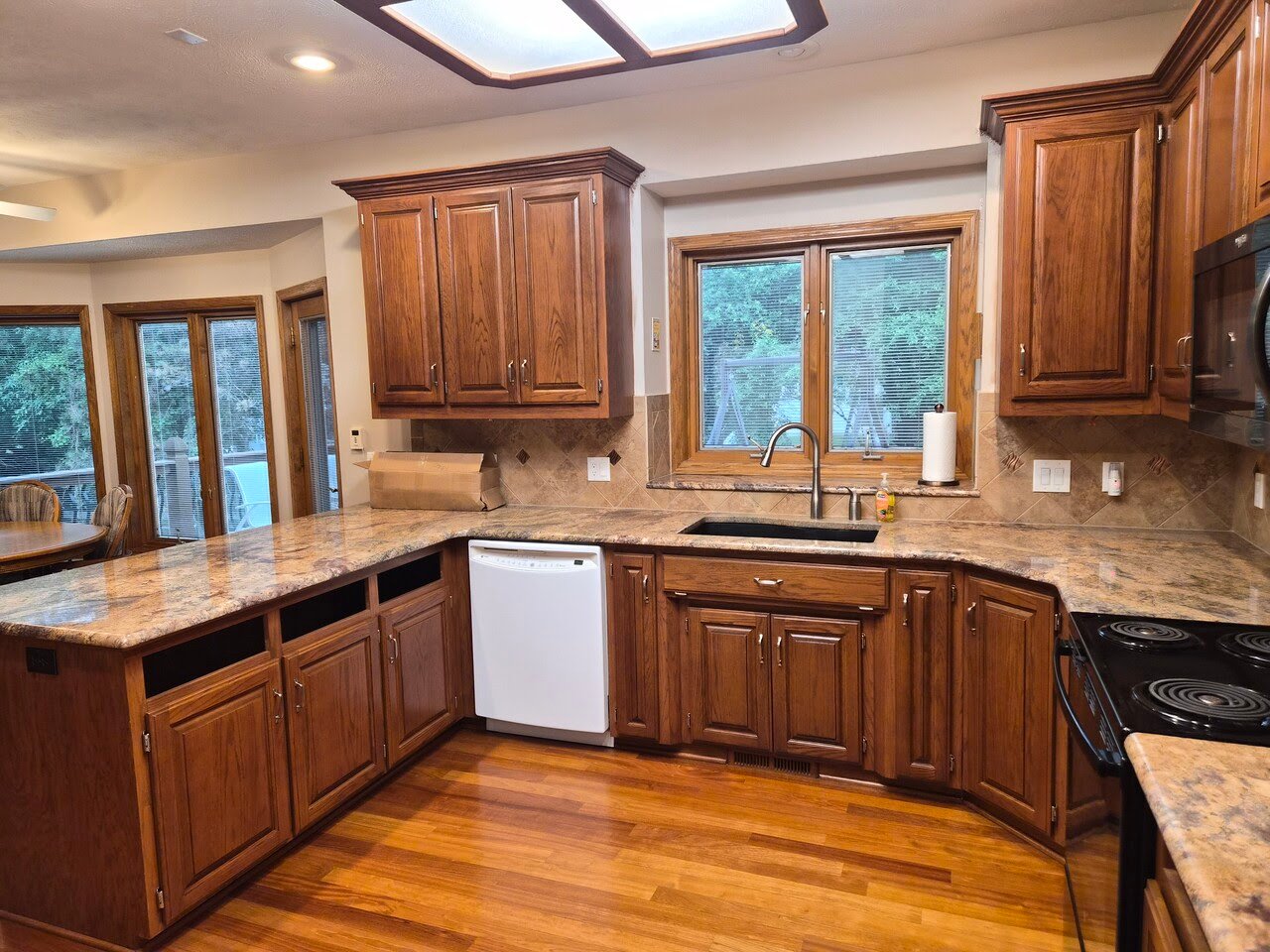
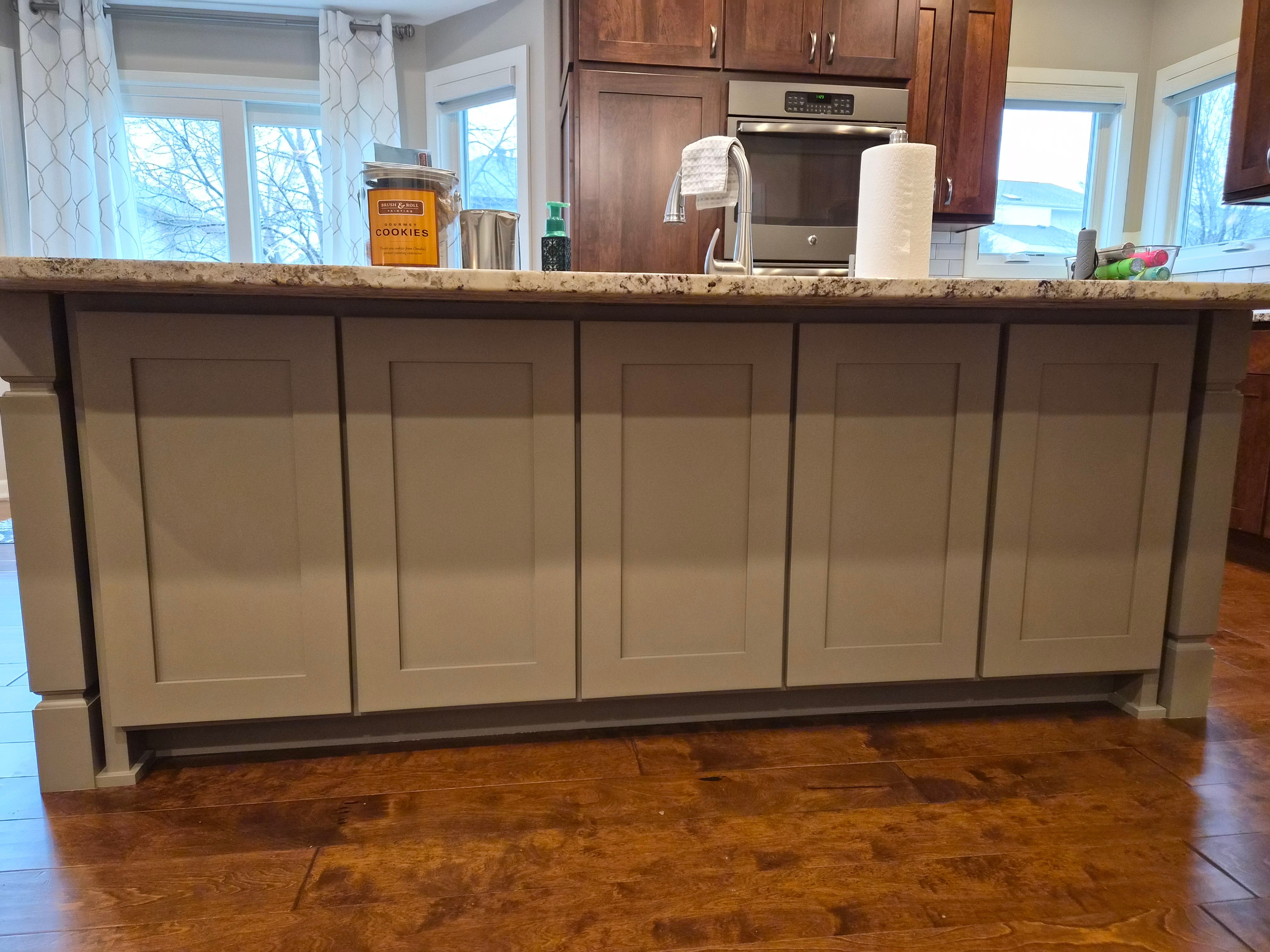
Paint looks different on cabinets because of surface texture, lighting exposure, and scale. Smooth cabinet finishes reflect light differently than drywall.
Cabinets are smoother and often sprayed, which creates a more reflective surface
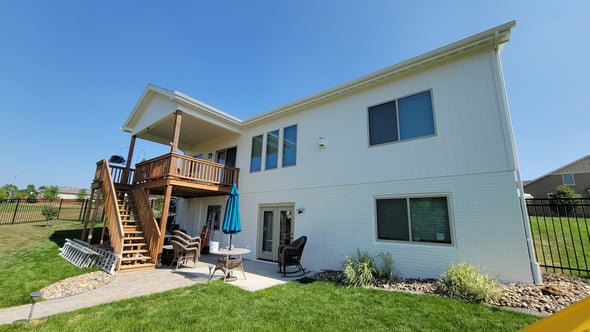
Why does paint look different on the outside of your home?
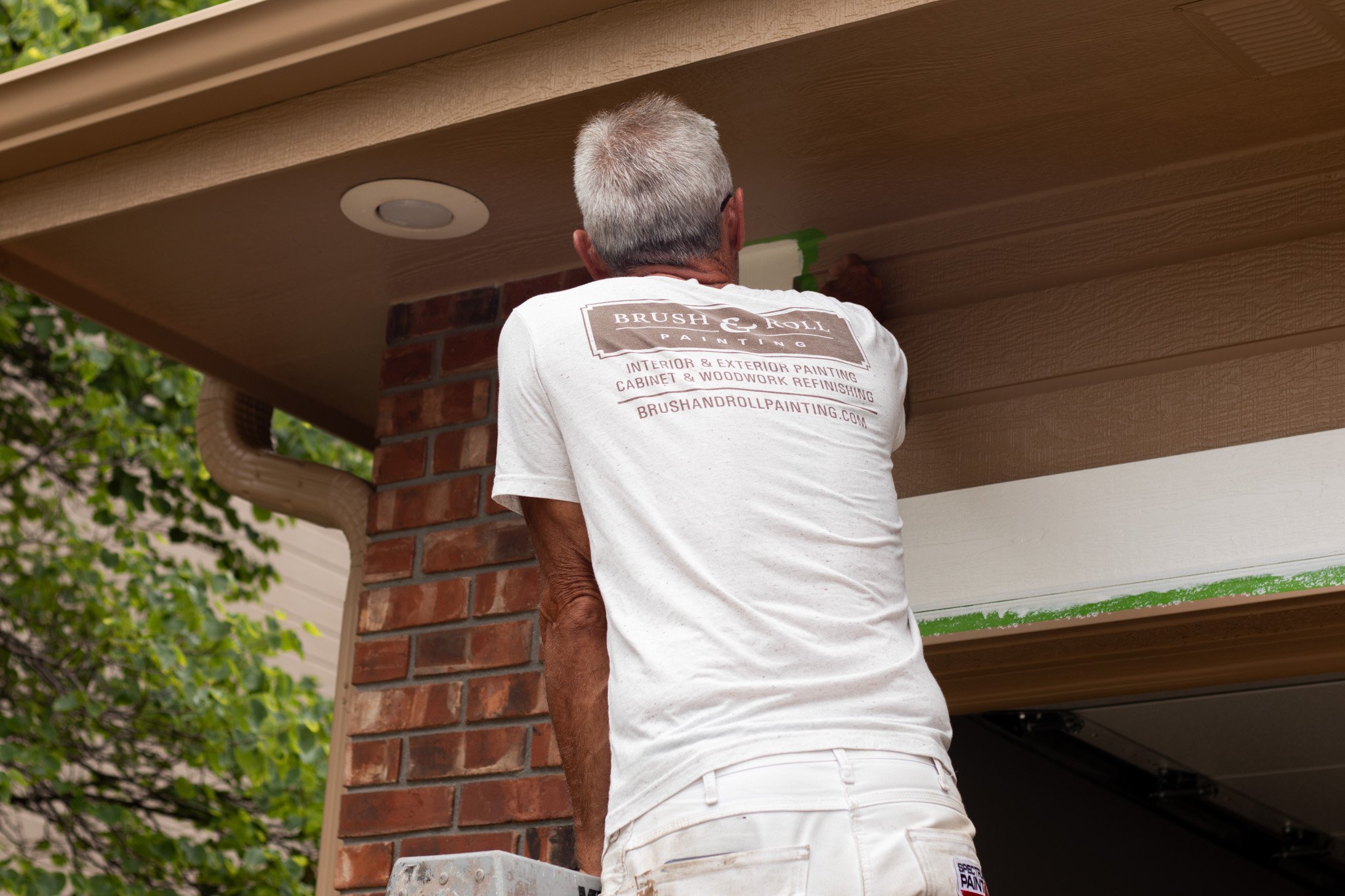
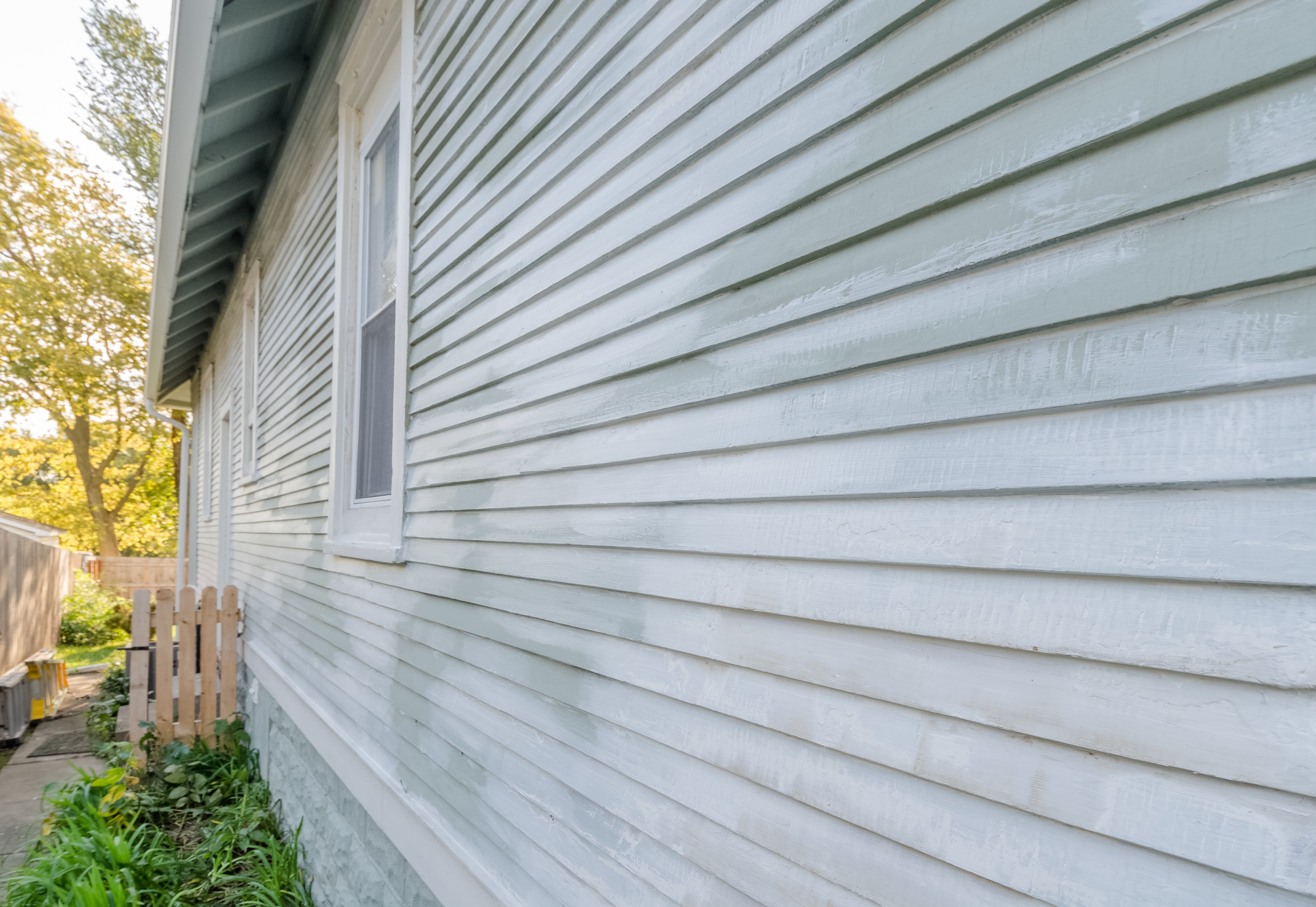
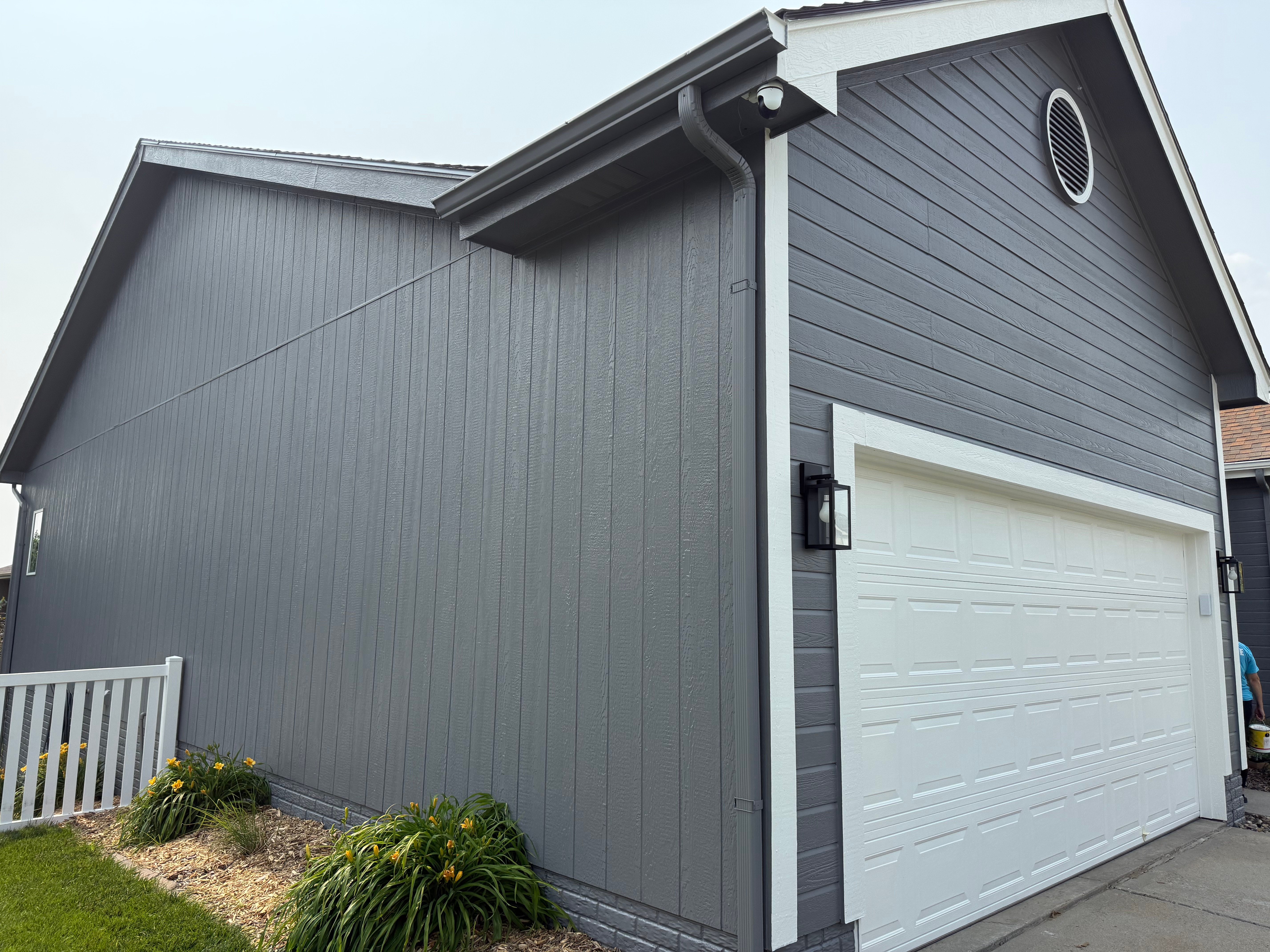
Exterior paint looks different because it is exposed to direct sunlight, changing weather, and larger surfaces. Natural light is much stronger than indoor lighting, which can make colors appear lighter, brighter, or sometimes washed out compared to how they looked in the store or inside your home.
Exterior paint is a completely different experience compared to interior paint. Even if you choose the same color, it will almost always look different once it is outside.
Here is why:
- Direct sunlight is much stronger than indoor light: Sunlight can make colors look lighter than expected. A medium gray might look almost white during a bright Omaha summer afternoon.
- There is no controlled lighting: Unlike a store or your living room, exterior lighting changes constantly throughout the day. Morning, midday, and evening all show the color differently.
- Large surface areas amplify color: When an entire house is painted one color, it can feel much stronger or more intense than it did on a small sample.
- The sky and surroundings reflect onto your home: Blue sky can make whites look cooler. Green landscaping can reflect onto lighter colors. Nearby brick, stone, or siding can also shift how the color reads.
- Weather and seasons change perception: In Omaha, winter light is softer and more gray, while summer light is brighter and harsher. The same exterior color can feel completely different depending on the time of year.
How does lighting in Omaha homes affect paint colors?
Lighting changes how paint colors look throughout the day. Natural light shifts based on direction and time, while indoor lighting can add warm or cool tones. In Omaha, seasonal changes also impact how colors appear.
Here is how lighting typically affects color:
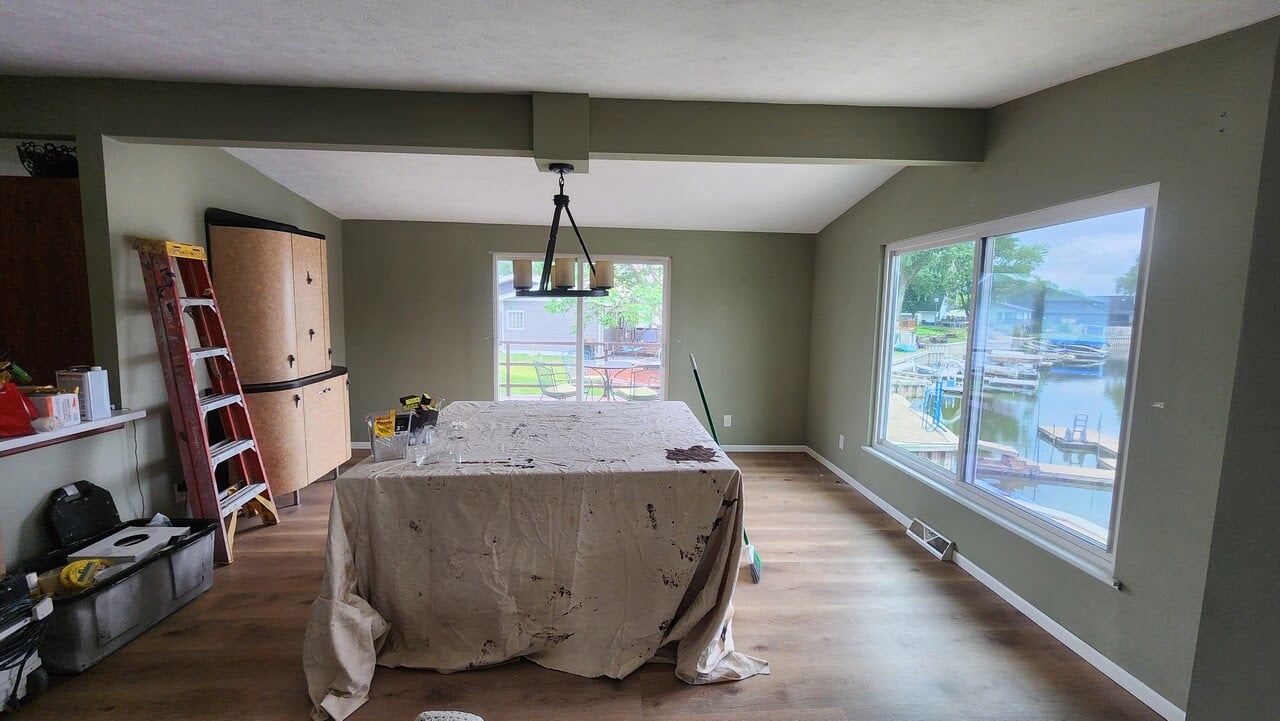
- North-facing rooms tend to feel cooler, and colors may look darker or slightly blue
- South-facing rooms get warmer light, and colors may look brighter or slightly yellow
- East-facing rooms feel warm in the morning and cooler later in the day
- West-facing rooms feel softer early and warmer in the evening
In Omaha, winter light is lower and softer, while summer light is stronger and brighter. That means your paint color may look different depending on the season.
This is one reason testing paint in your own home matters so much.

Why do paint undertones show up more at home?
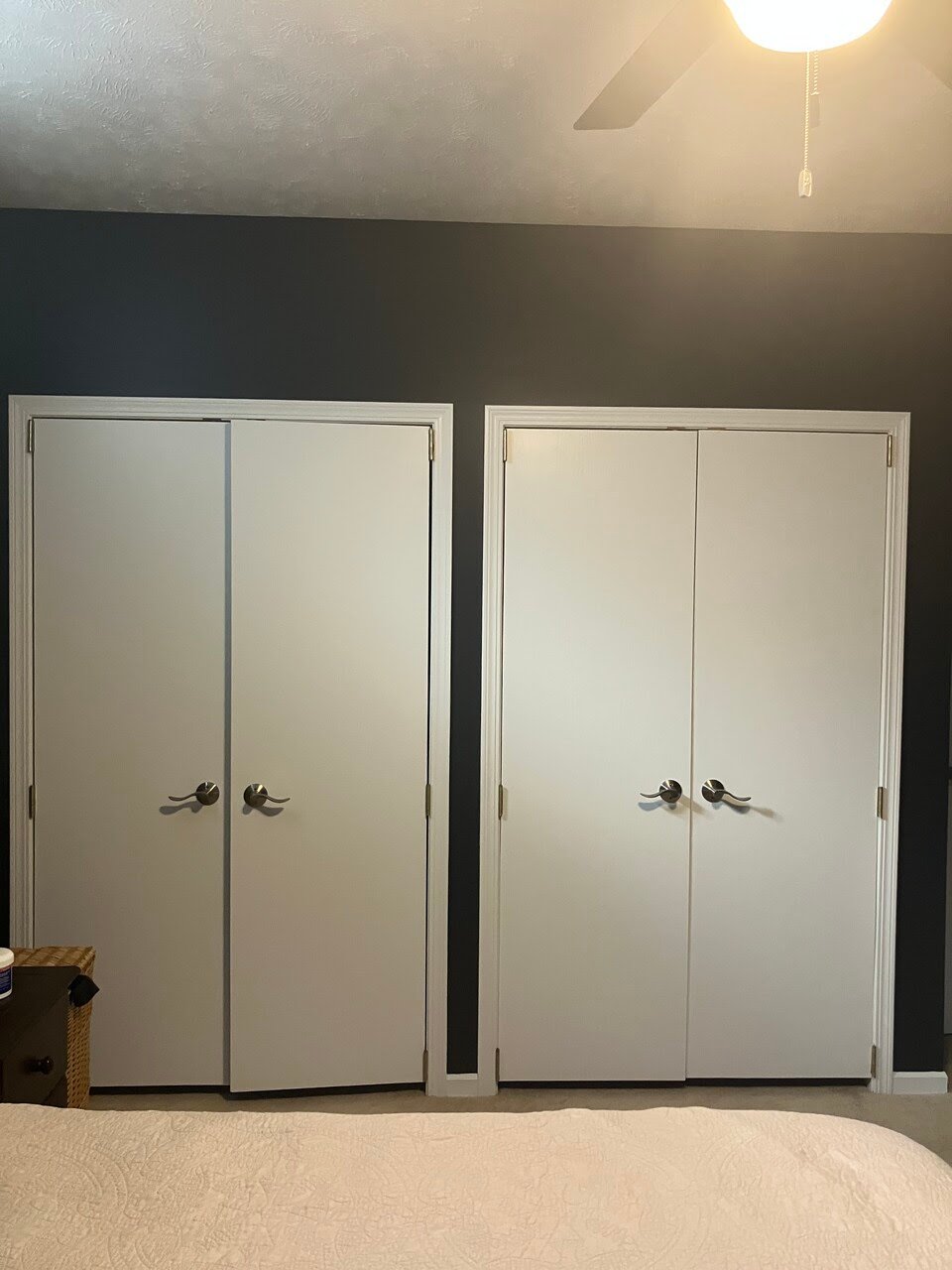
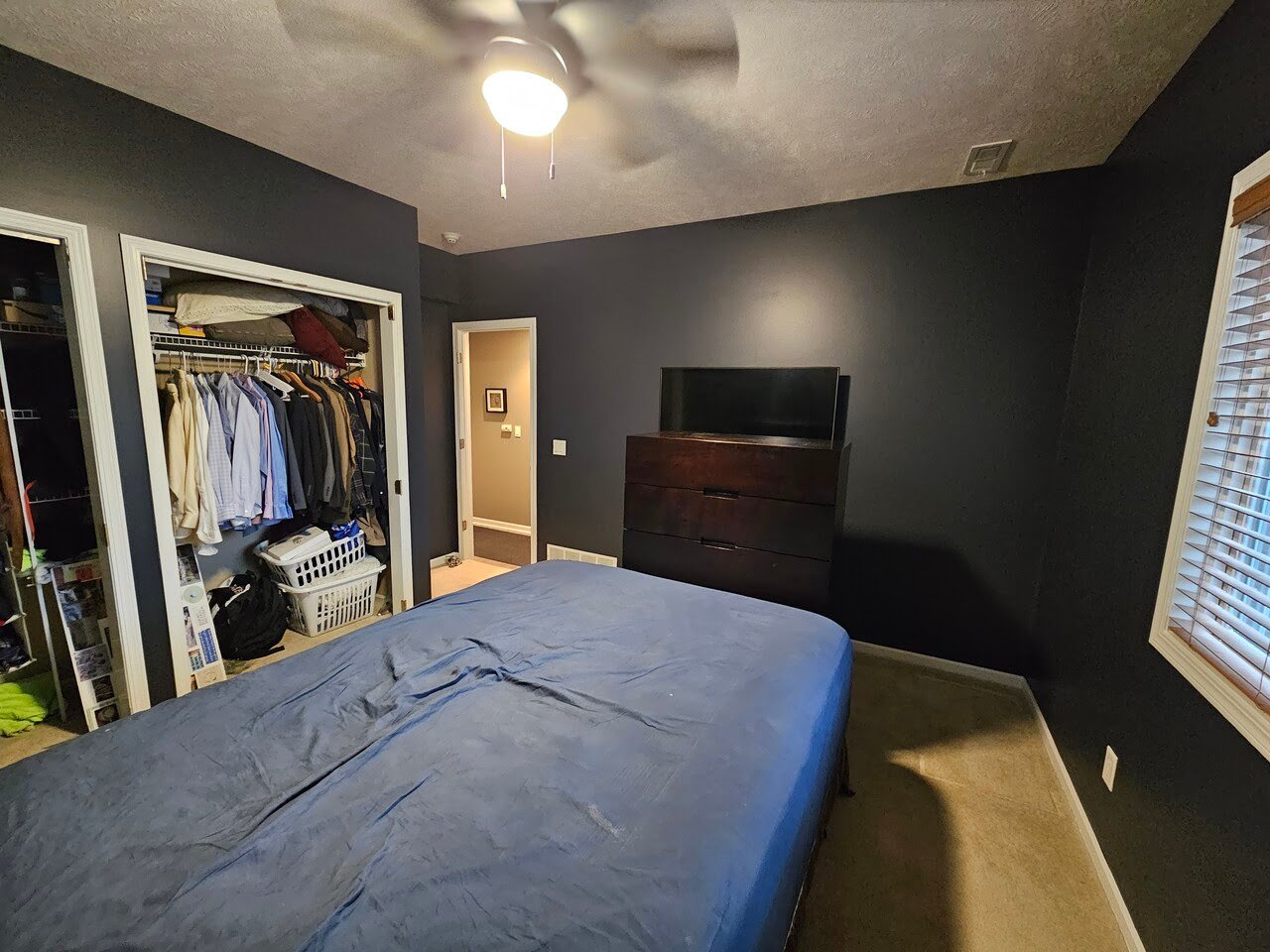
Undertones become more noticeable at home because your surroundings influence them. Floors, cabinets, countertops, and furniture all reflect color onto your walls, which can bring out hidden tones in the paint.
An example: Let’s say you choose a gray paint. In the store, it looks neutral.
At home, you have warm wood floors. Those floors reflect warmth onto the wall, making the gray look slightly beige or even green.
Or, if you have cool-toned countertops, that same gray might suddenly look blue.
This is why two homes using the exact same paint color can look completely different.
-Mar-24-2025-02-00-17-1211-PM.png?width=603&height=315&name=Blog%20Post%20Image%20Size%20(1)-Mar-24-2025-02-00-17-1211-PM.png)
Do paint finishes affect how colors look?
Yes, the sheen or finish of the paint changes how light reflects off the surface, which affects how the color looks.
How does sheen change appearance?
Different finishes reflect light differently:
- Flat or matte absorbs light, making colors look softer and more even
- Eggshell or satin reflects a small amount of light, adding slight depth
- Semi-gloss or gloss reflects more light, which can make colors appear brighter or highlight imperfections
For example, a dark color in a flat finish may feel rich and smooth, while the same color in a semi-gloss could look sharper and more reflective.
This matters for walls, cabinets, trim, and even exterior surfaces.
How should you properly test paint colors at home?
Always test large samples in your home, in multiple areas, and at different times of day. Avoid relying only on small chips.
Best practices for testing paint colors
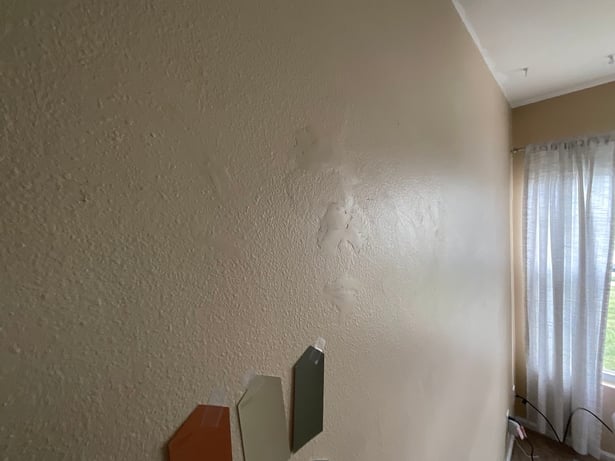
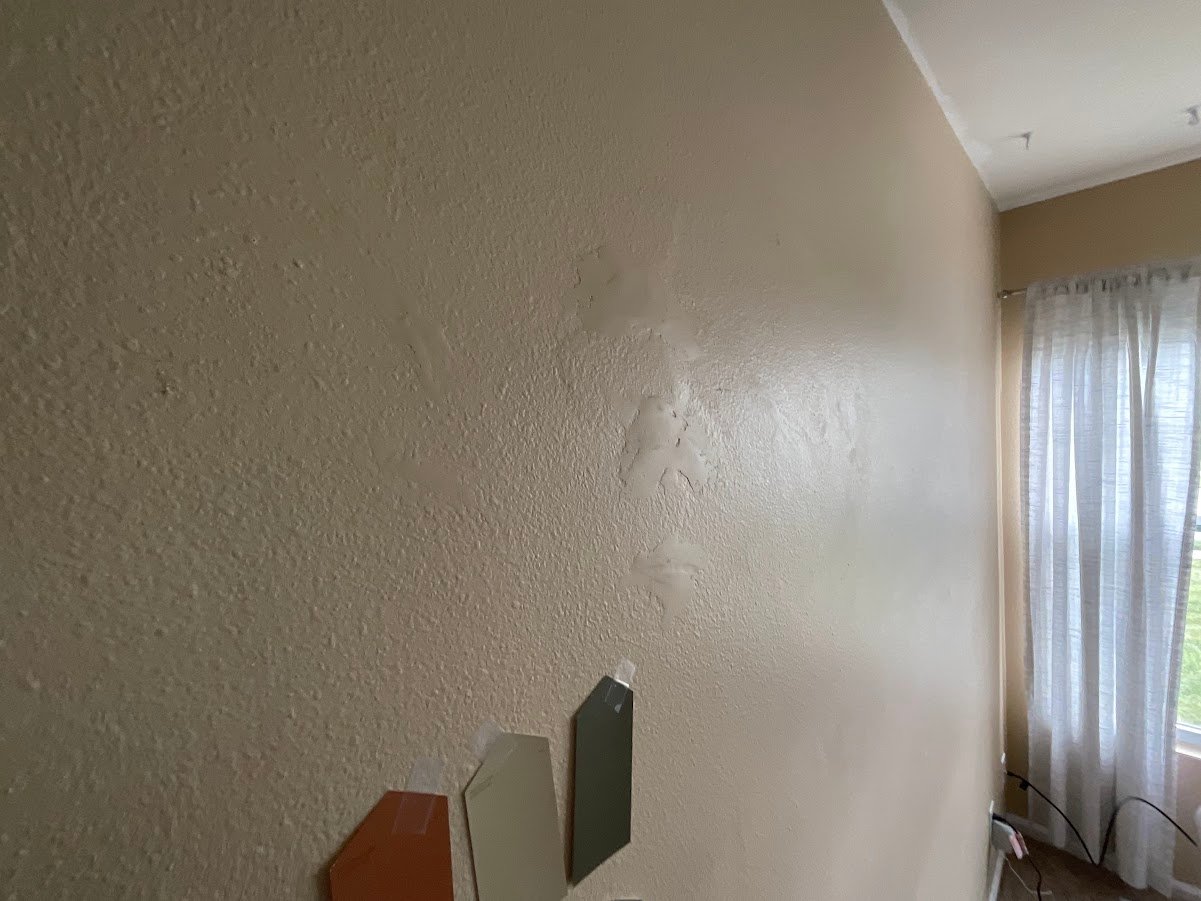
- Use peel-and-stick samples or paint larger areas, at least 2 feet by 2 feet
- Move samples around the room to see how lighting changes them
- Look at the color in the morning, afternoon, and evening
- Compare it next to flooring, cabinets, and trim
- Avoid testing only one small spot
Many Omaha homeowners skip this step and regret it. Taking a little extra time here can save you from repainting later.
Are peel-and-stick paint samples better than paint chips?
Yes, peel-and-stick samples are more accurate because they are larger and can be moved around your home.
Paint chips are fixed and small. They do not show enough color variation.
Peel and stick samples allow you to:
- Test color on different walls
- See how it reacts to changing light
- Compare it next to real materials in your home
They are not perfect, but they are much closer to real life than a tiny chip.
What are common mistakes homeowners make when choosing paint colors?
Most mistakes come from choosing colors in the store instead of testing them at home, or from not considering lighting and surroundings.
Common mistakes to avoid
- Picking a color based only on a chip
- Testing samples in just one spot
- Ignoring undertones
- Not checking the color at different times of day
- Matching colors too closely to one element instead of the whole room
These mistakes are easy to make, especially when you are excited to get started.
FAQ: Why Paint Colors Look Different at Home
Why does my paint look darker on the wall?
Colors often look darker on large surfaces because you are seeing more of them. Light absorption also plays a role, especially in rooms with less natural light.
Why does my gray paint look blue or green?
Gray paints have undertones. Your lighting and surroundings can bring out those hidden tones, making the color appear blue, green, or even purple.
Should I test paint in multiple rooms?
Yes. Each room has different lighting and surroundings, so the same color can look different from one space to another.
How big should a paint sample be?
At least 2 feet by 2 feet. Larger samples give you a much better idea of how the color will actually look.
Is it worth hiring a painter for color advice?
A good painter can help explain how colors will behave in your home, but you should still test samples yourself to be confident in your decision.
Painters in Omaha, NE
Choosing a paint color can feel simple at first, but once you see it on your walls, things can change quickly. What looked perfect in the store may not feel right at home, and that is usually due to lighting, surroundings, and sample size.
The good news is that this problem is completely avoidable.
By testing larger samples, paying attention to lighting, and understanding how your home affects color, you can make a choice that you feel confident about before the painting even begins.
At Brush & Roll Painting, we have been helping Omaha homeowners work through these decisions since 1996. Our goal is simply to help you make the best choice for your home, whether you are painting walls, cabinets, or the exterior.
If you are ready to move forward with your next painting project in Omaha, NE, click the button below to get a quote.

If you are still in the early stages of your next project, try using a home painting pricing calculator to get a better idea of what your project might look like before taking the next step.
Topics:
-May-22-2026-01-56-32-9736-PM.png?width=800&height=418&name=Blog%20Post%20Image%20Size%20(1)-May-22-2026-01-56-32-9736-PM.png)
-May-15-2026-04-54-24-9954-PM.png?width=800&height=418&name=Blog%20Post%20Image%20Size%20(1)-May-15-2026-04-54-24-9954-PM.png)
-Sep-20-2024-01-43-26-0356-PM.png?width=800&height=418&name=Blog%20Post%20Image%20Size%20(2)-Sep-20-2024-01-43-26-0356-PM.png)