
Key Takeaways
- Compare the written scope of work, not just the final price.
- Check that every quote includes the same surfaces, repairs, preparation, paint products, and number of coats.
- Ask what could change the price after work begins and how added work will be approved.
- Review the contractor’s insurance, warranty, payment schedule, cleanup plan, and communication process.
- Choose the painter who gives you the clearest plan and the best fit for your home, not automatically the lowest or highest bid.
Hiring a painter can become confusing as soon as the quotes arrive. One painter may write a price on a sticky note. Another may email a digital estimate with several pages explaining preparation, products, protection, and payment terms. A third may provide a low price but leave you unsure about what is actually included. When the formats and details are different, comparing the numbers alone does not give you a fair comparison.
Brush & Roll Painting has served homeowners in the Omaha and Council Bluffs area since 1996. Over the years, we have seen how differences in preparation, products, labor, communication, and written expectations affect a painting project. This guide is not meant to tell you which company to hire. It is meant to help you make the best decision for your specific project.
By the end of this article, you will know how to compare painting quotes from painters in Council Bluffs, IA, line by line. You will also know what a complete estimate should explain, why two painters might price the same home differently, and which questions to ask before signing. This approach works for interior painting, exterior painting, cabinet painting, deck staining, and many other residential projects.
Why Can Painting Quotes for the Same Council Bluffs Home Be So Different?
Painting quotes can differ because painters may be pricing different amounts of labor, preparation, materials, and risk. Two contractors can look at the same room or exterior and have very different plans for completing it. Until those plans are put in writing, the prices cannot be compared fairly.
For example, imagine that three painters quote an exterior project. The first plans to wash the house, scrape loose paint, spot prime bare areas, recaulk failed joints, and apply two coats. The second plans to scrape only the most obvious peeling spots and apply one coat. The third includes minor carpentry repairs and a premium paint. All three may say they are quoting “exterior painting,” but they are not offering the same job.
Price differences may come from:
- The amount of scraping, sanding, patching, or caulking included
- Whether bare surfaces will be primed
- The brand and exact product line of paint or stain
- The number of coats included
- Whether the painter sprays, rolls, brushes, or uses a combination
- The amount of protection for floors, furniture, windows, roofing, brick, and plants
- Crew experience, insurance, equipment, and supervision
- Cleanup and disposal responsibilities
- Warranty/maintenance plan length and what the warranty covers
- The time allowed to complete the work correctly
A higher quote is not automatically better. A lower quote is not automatically a poor choice. Your job is to learn what each number buys.
Is a Price Written on a Sticky Note a Real Painting Estimate?
A sticky note can show a price, but it usually does not give a homeowner enough information to make a safe decision. Without a written scope, both sides may remember the conversation differently. A clear estimate protects the homeowner and the painter by recording what is included, excluded, and expected.
Suppose a painter writes “Paint living room, $1,800.” Does that include the ceiling? Are the baseboards, windows, doors, and crown molding included? Will nail holes be filled? Are drywall cracks included? How many coats will be applied? Who moves the furniture? What paint will be used?
The painter may have answered every question during the appointment, but spoken details are easy to forget. A month later, you may expect the ceiling to be painted while the painter believes the quote covered walls only.
A digital estimate is not better simply because it looks polished. The value comes from the information inside it. A plain typed document with a specific scope can be more useful than a beautiful proposal filled with general promises. Judge the detail, not the design.
What Should Be Included in a Detailed Painting Quote?
A detailed painting quote should identify the exact areas being painted, the preparation steps, the coating system, the protection plan, and the financial terms. It should be clear enough that another person could read it and understand the basic plan without hearing the original sales conversation.
Look for these details:
- Rooms, elevations, or surfaces included in the project
- Known repairs and how they will be handled
- Cleaning, scraping, sanding, caulking, filling, and priming steps
- Paint manufacturer, product line, and sheen when known
- Expected number of coats
- Color limitations or charges for major color changes
- Protection of nearby surfaces and belongings
- Cleanup and disposal
- Estimated schedule or project length
- Payment schedule
- Warranty terms
- Process for change orders or added work
The quote does not need to predict every hidden condition. It should explain the conditions the painter can see and describe what happens if something unexpected is found.
How Do You Compare the Scope of Work in Painting Estimates?
Start by placing the quotes side by side and checking whether each painter included the same surfaces. Then compare the preparation, products, and number of coats. If one quote leaves out a detail, do not guess. Ask the painter to clarify it in writing before you decide.
Create a simple comparison sheet with one column for each contractor. Add rows for walls, ceilings, trim, doors, repairs, preparation, primer, paint, coats, cleanup, warranty, and price. For an exterior, add siding, soffits, fascia, gutters, window trim, doors, shutters, decks, and detached structures as needed.
This exercise often explains a price gap quickly. One interior quote may include walls, ceilings, baseboards, door frames, and doors. Another may include walls only. One exterior quote may include the garage doors and foundation. Another may exclude both.
Pay close attention to phrases such as “as needed,” “minor prep,” or “standard repairs.” These phrases are not always a problem, but they should be defined. Ask what the painter considers minor and whether there is a limit on labor or materials.
How Much Surface Preparation Should a Painting Quote Explain?
The quote should explain the main preparation steps that are reasonably expected for your home. Preparation often takes more time than applying paint, especially on older Council Bluffs homes with peeling coatings, cracked caulk, weathered wood, damaged drywall, or previously painted cabinets.
For interior work, preparation may include:
- Covering floors and nearby belongings
- Filling nail holes, dents, and small scratches
- Sanding repaired areas smooth
- Priming repairs or stains
- Caulking selected gaps in painted woodwork
- Cleaning dirty or greasy surfaces
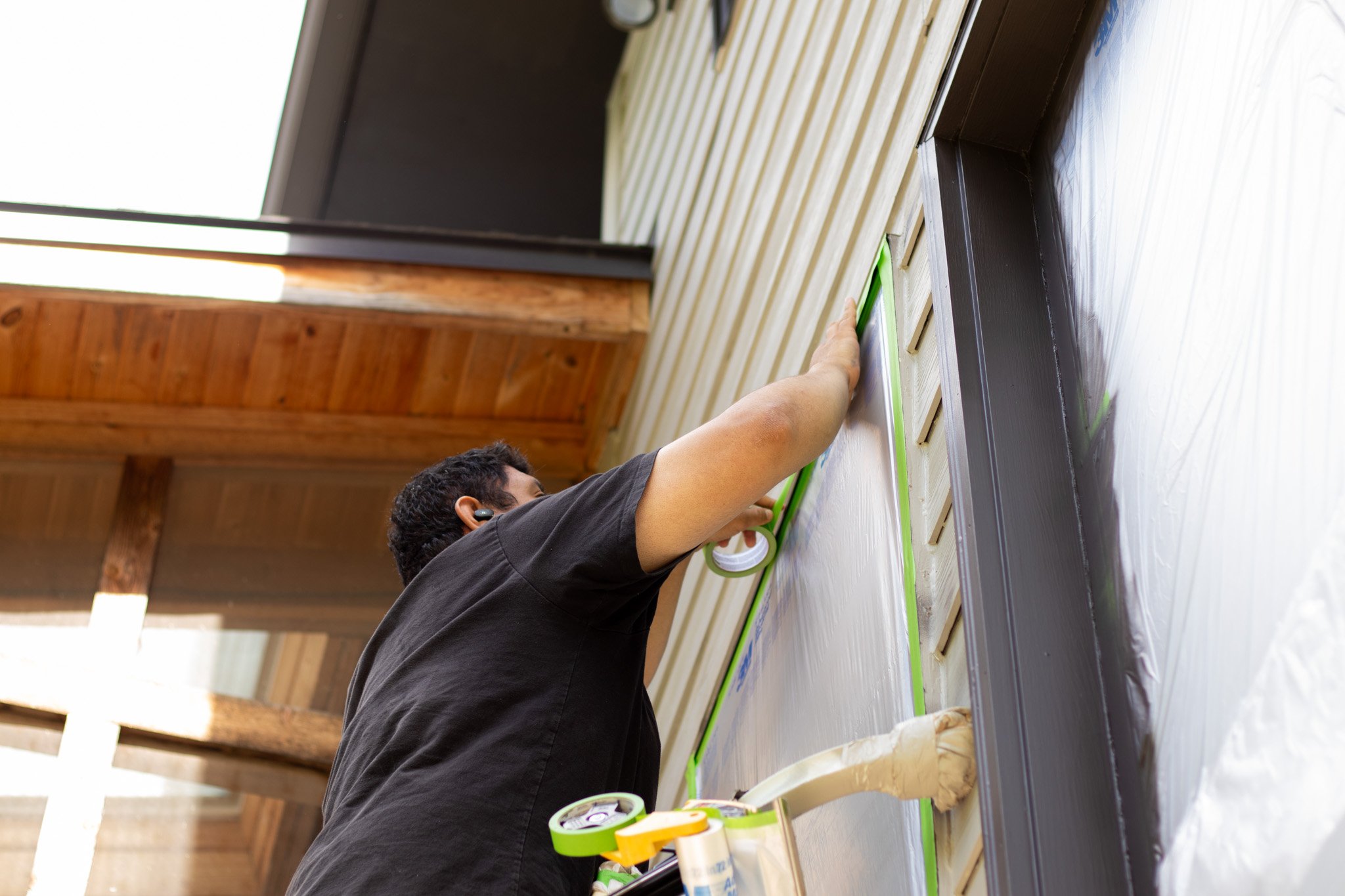
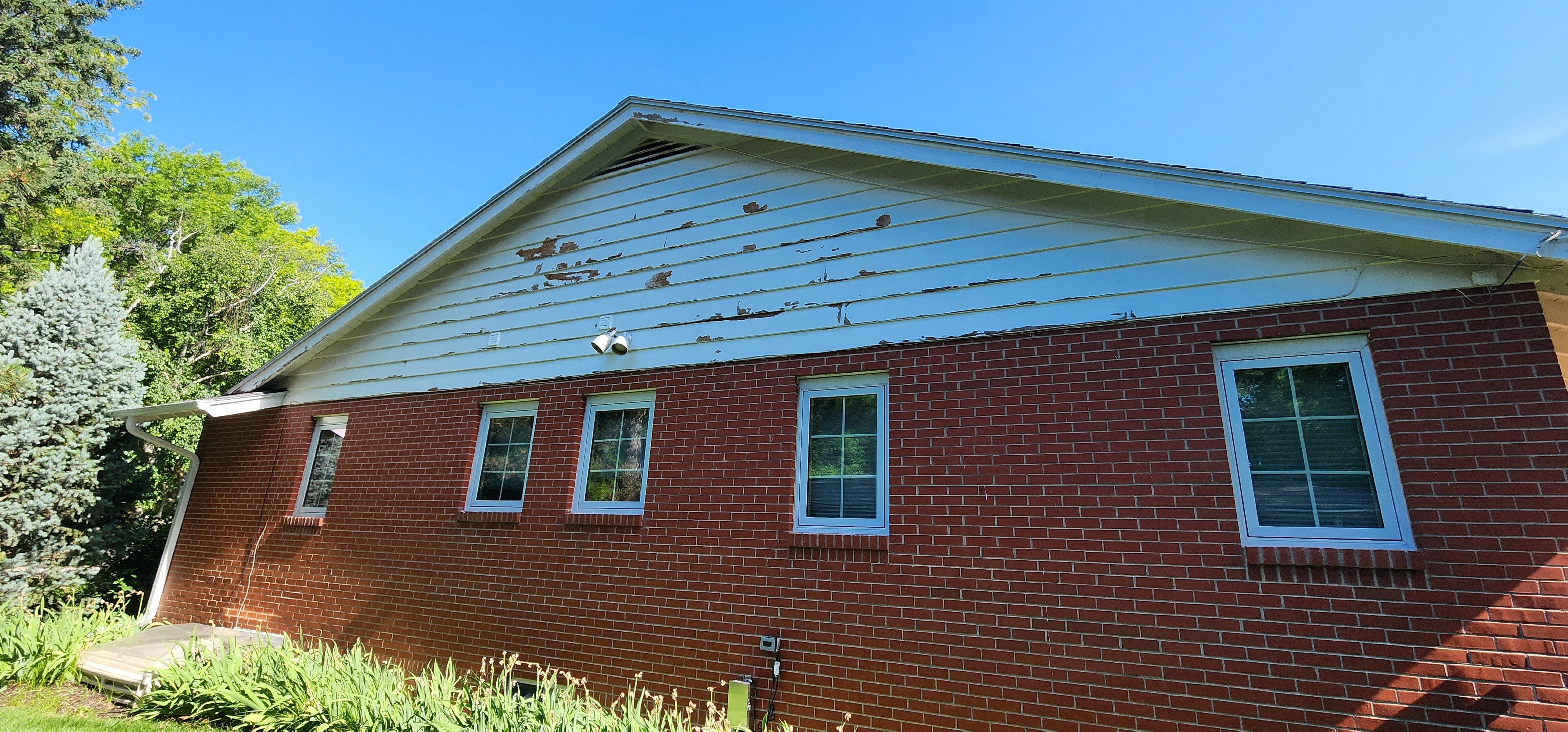
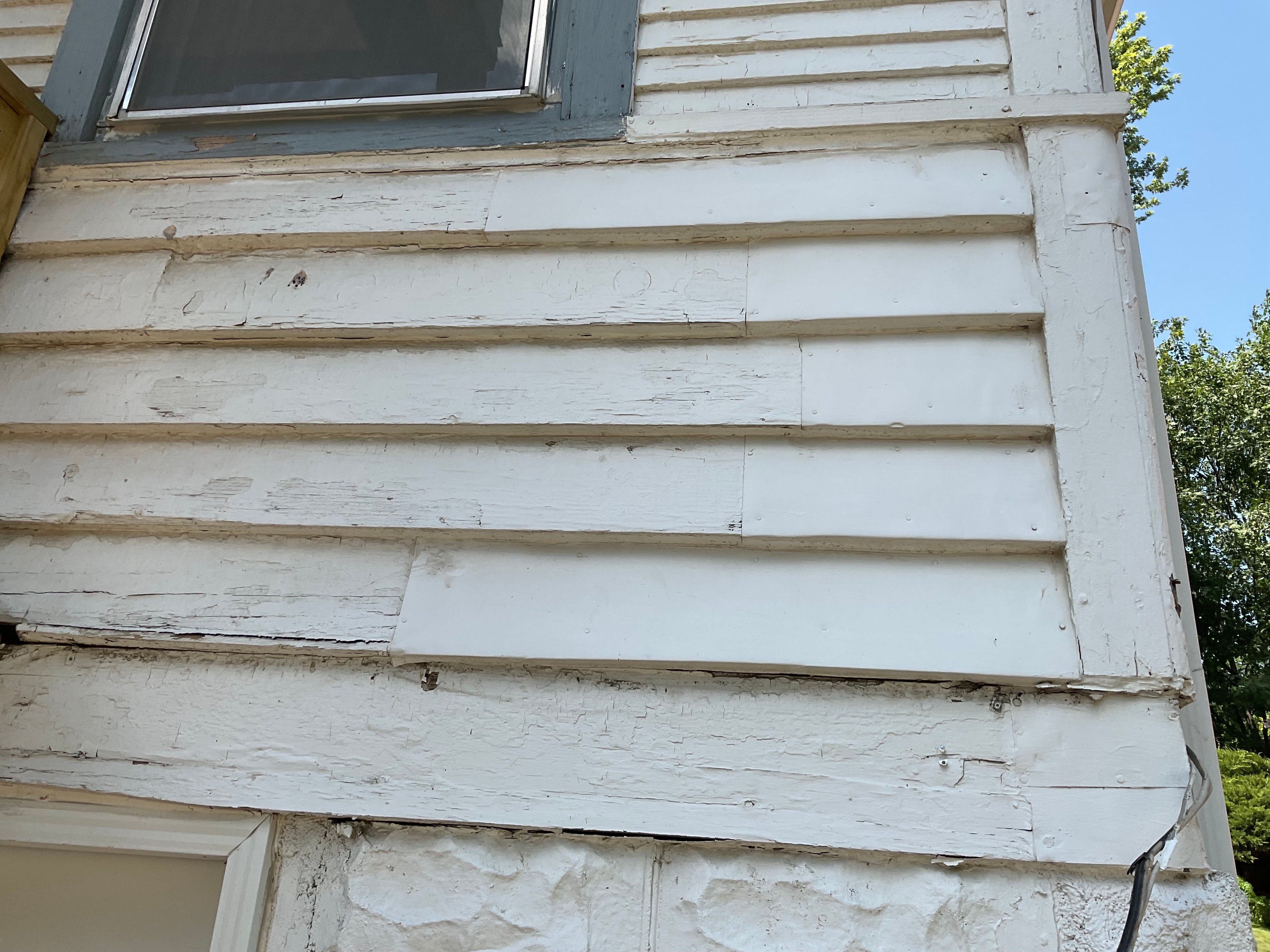
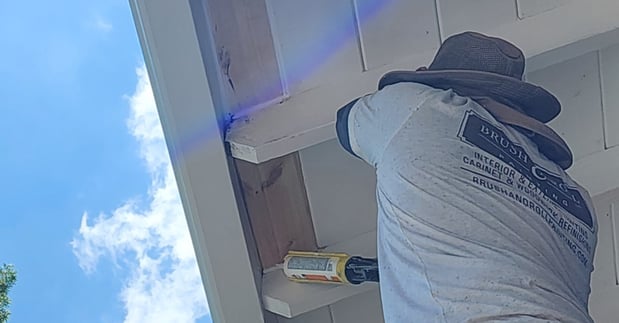
For exterior work, preparation may include washing, scraping loose paint, sanding rough edges, spot priming bare wood, replacing failed caulk, and protecting windows, roofing, concrete, brick, and plants. Council Bluffs weather exposes homes to sun, moisture, wind, snow, and freeze-and-thaw cycles. Paint applied over a poorly prepared surface may fail sooner, even if the coating itself is good.
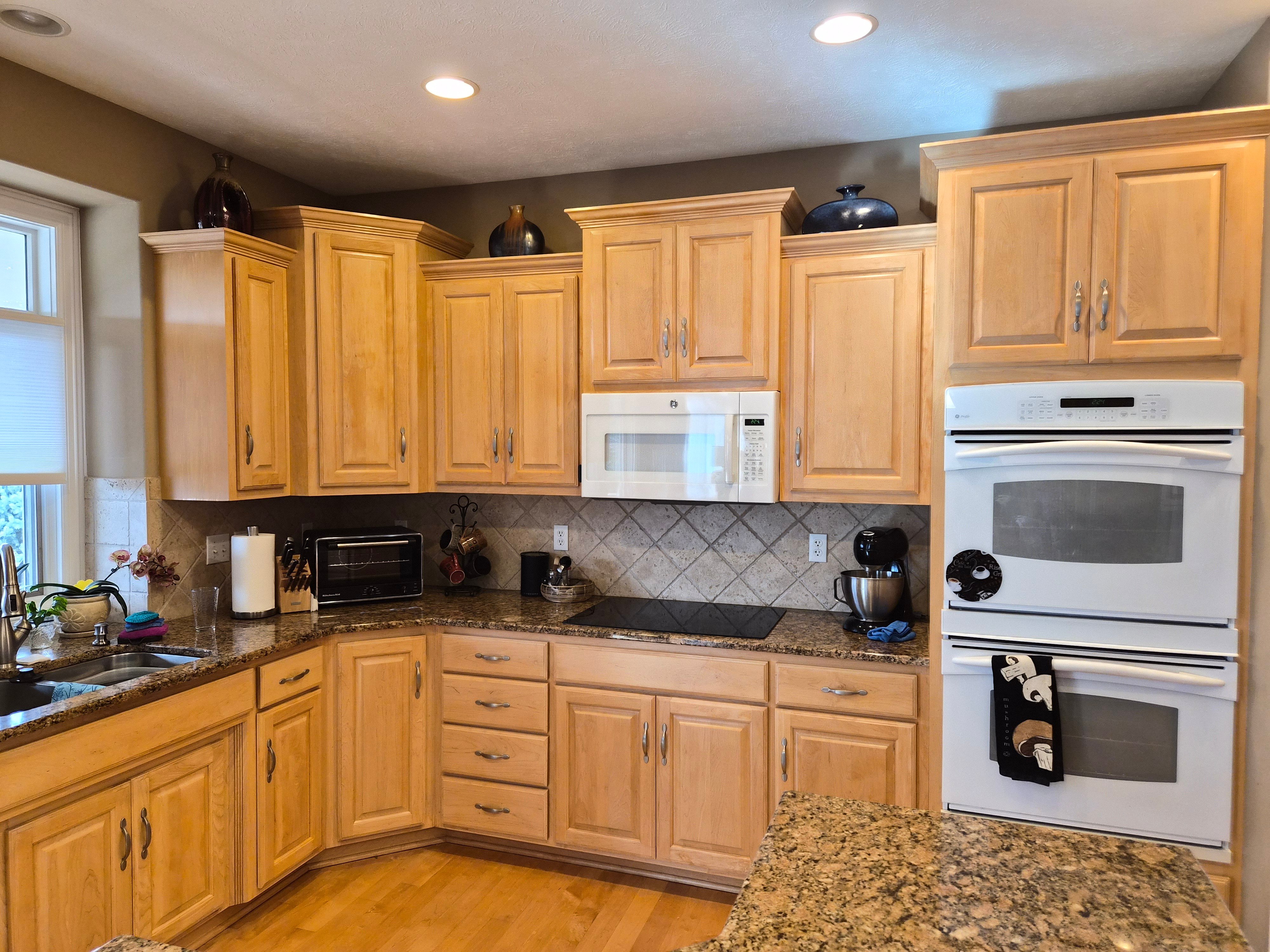
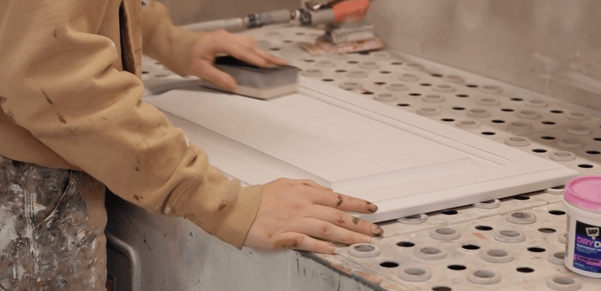
For cabinet painting, preparation should receive even more attention. Cleaning and degreasing, sanding, priming, and using a suitable finish system all affect adhesion and durability. A cabinet quote that only says “paint cabinets” leaves too much unanswered.

Should Every Painting Quote List the Paint Brand and Product Line?
Yes, the quote should identify the manufacturer and product line whenever the selection has been made. A brand name alone is not enough because most manufacturers sell several products at different price and performance levels. The exact coating matters more than the logo on the can.
For example, a manufacturer may offer products designed for walls, trim, metal, masonry, floors, cabinets, or exterior siding. Using a wall paint on cabinets is not the same as using a coating intended for hard-wearing woodwork.
Ask these questions:
- What exact product line will be used?
- What sheen is included?
- Is primer included, and where will it be used?
- Is the product suitable for this surface?
- Will a different product be used on trim, metal, cabinets, or masonry?
- Is the cost of paint included in the quote?
If a painter wants flexibility because of availability or surface conditions, ask the estimator to list an approved product or an equivalent quality level.
Does the Number of Paint Coats Matter When Comparing Quotes?
Yes, but coat count needs context. Two coats may improve coverage, color consistency, and film thickness, especially with a strong color change. In other cases, one finish coat over a properly prepared and already coated surface may be the plan. The estimate should explain what is included rather than rely on a vague promise of “full coverage.”
Some painters price one coat and charge more if another is needed. Others include two coats from the start. A quote may also count primer as one of the coats, while another painter uses “two coats” to mean two finish coats after primer.
Ask whether the quoted coat count refers to primer, finish paint, or both. If the contract promises coverage instead of a set number of coats, ask how touch-ups or thin areas will be handled during the final walkthrough.
What Painting Quote Exclusions Should Homeowners Look For?
Exclusions tell you what the painter is not pricing. They are just as useful as the included work. Clear exclusions reduce surprises and let you decide whether another contractor, repair specialist, or added service will be needed before painting begins.
Common exclusions include:
- Major drywall or plaster repair
- Rotten wood replacement
- Lead paint removal or major lead hazard work
- Moving heavy furniture or appliances
- Removing wallpaper
- Painting inside closets or cabinets
- Painting window sashes, storm windows, or screens
- Repairs discovered after pressure washing or scraping
- More than the stated number of colors
- Full ceiling painting when only a repair blend is quoted
An exclusion is not a warning sign by itself. No single painter has to perform every type of repair. The key is knowing about the exclusion before work begins.
How Should Change Orders and Hidden Repairs Be Handled?
The estimate should explain how added work will be priced and approved. Hidden damage can appear after furniture is moved, peeling paint is scraped, siding is washed, or cabinet hardware is removed. A written change order process gives you control over changes to the price.
Ask, “What could make this quote change?” This is one of the most useful questions you can ask any contractor.
A fair process usually includes:
- The painter tells you what was discovered
- You receive a description and price for the added work
- You approve the change before the extra work begins
- The final invoice shows the approved change
Avoid signing a contract that gives open-ended permission for unknown charges. At the same time, allow a reasonable way to handle conditions that could not be seen during the estimate.
How Do Payment Terms Affect the Comparison Between Painting Quotes?
Payment terms affect your risk and cash flow, so review them along with the total price. The estimate or contract should state the deposit, progress payments, final payment, and accepted payment methods. It should also explain when each payment becomes due.
Painters use different schedules. One may collect a deposit and the rest at completion. Another may divide the balance into beginning, middle, and final payments. Larger projects may have progress payments tied to specific stages.
Be cautious if the requested payment seems far ahead of completed work or if the terms are not written down. Also ask whether card processing fees, financing costs, or material deposits affect the quoted total.

How Do You Compare Painting Warranties or Maintenance Plans?
Compare what the warranty or maintenance plan covers, how long it lasts, and what the homeowner must do to keep it valid. A long warranty is only useful when the written terms are clear. Ask whether labor and materials are both covered and which types of failure are excluded.
Common exclusions may include moisture problems, roof or gutter leaks, structural movement, rotten wood, failed previous coatings, impact damage, or pet damage.
Also ask who handles a warranty request and how the company documents the original colors and products. A shorter, clear warranty may be easier to understand than a long warranty filled with broad exclusions.
Should Insurance and Experience Be Part of a Painting Quote Comparison?
Yes. Price and scope explain the job, while insurance and experience help you judge the company performing it. Ask for proof of current liability insurance and workers’ compensation coverage when applicable. Verify the documents if you have concerns rather than relying only on a verbal answer.
Experience does not guarantee a perfect project, but it may show that the painter has dealt with homes, surfaces, and weather conditions similar to yours. Ask for examples of comparable work. Cabinet refinishing requires different tools and skills than staining a deck. Repairing a peeling older exterior differs from repainting newer siding.
References and recent reviews can help, but read them for patterns. Look for comments about communication, preparation, cleanliness, schedule, and how the company handled problems. A single short review rarely tells the whole story.
How Can You Compare Interior, Exterior, Cabinet, and Deck Painting Quotes?
Use the same basic comparison process for every project, then add questions that fit the surface. Each type of project has different preparation needs, products, application methods, and possible causes of coating failure.
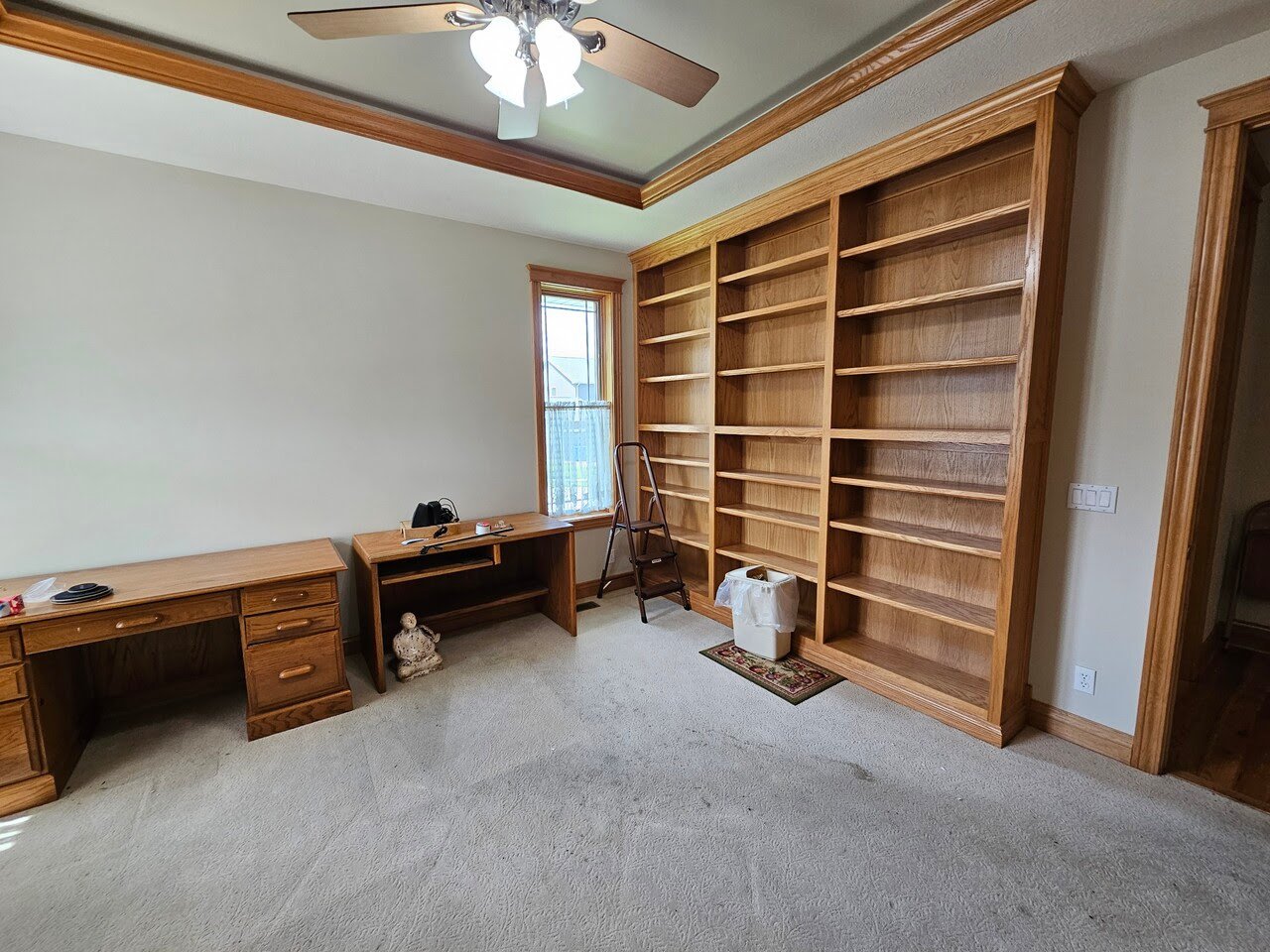
For interior painting quotes, compare:
- Walls, ceilings, trim, doors, windows, and closets included
- Drywall repairs and stain blocking
- Furniture moving and floor protection
- Number of colors and coats
- Product quality
- Paint sheen
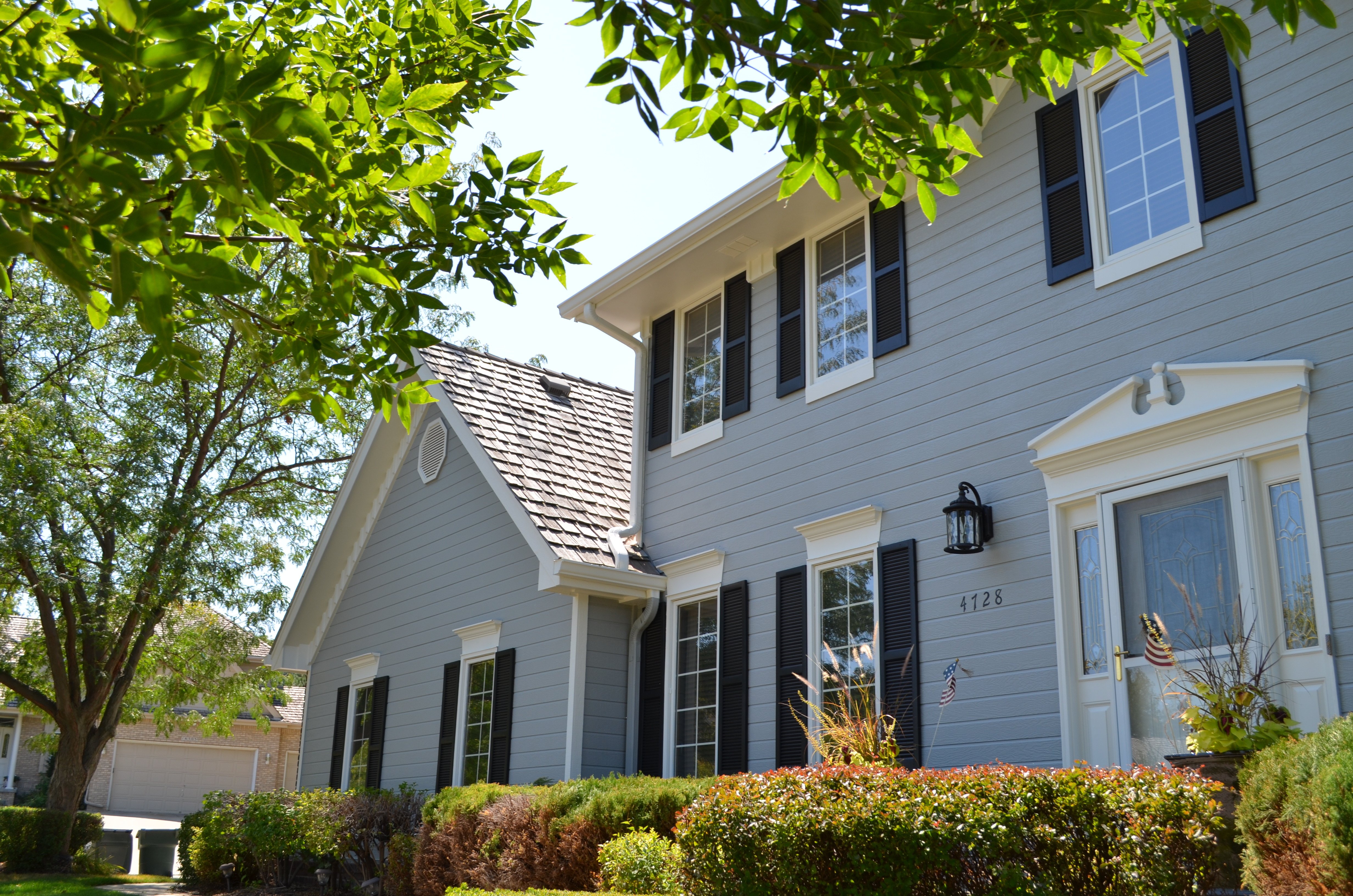
For exterior painting quotes, compare:
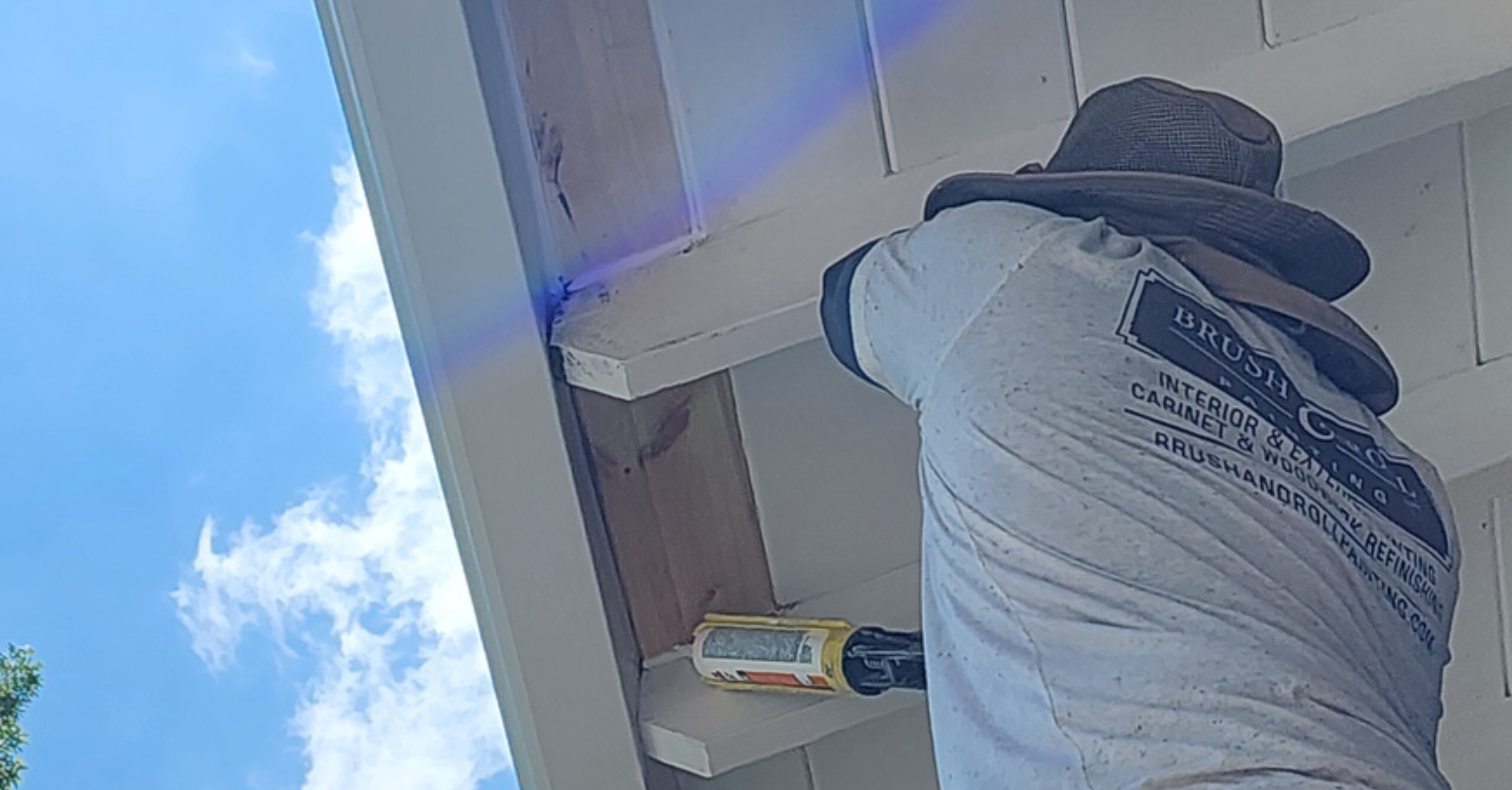
- Washing, scraping, sanding, priming, and caulking
- Siding repairs and rotten wood exclusions
- Product quality
- Protection of windows, roofing, plants, concrete, and neighboring property
- Weather limitations and scheduling
- Siding, trim, soffits, fascia, gutters, doors, and foundation included
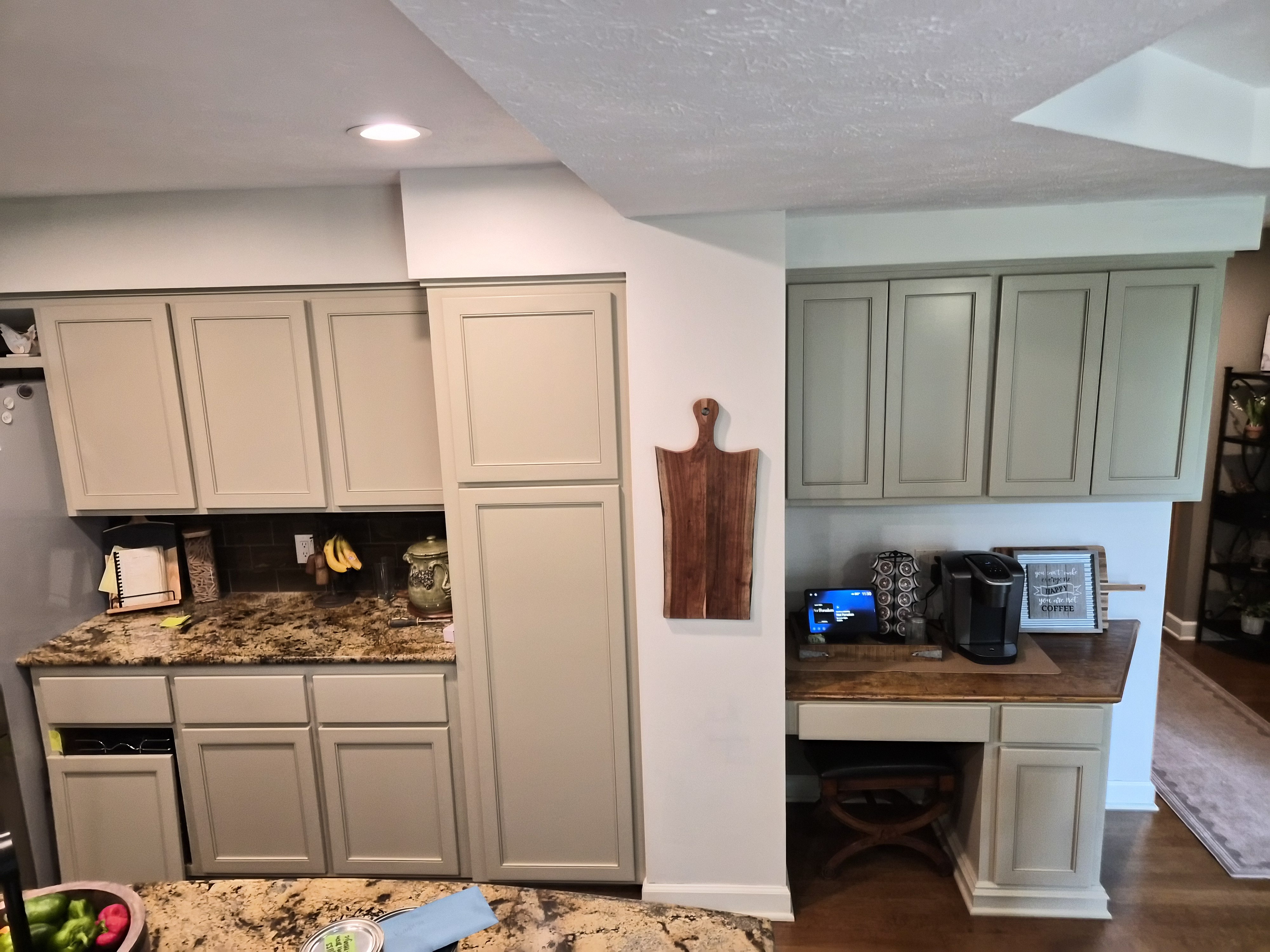
For cabinet painting quotes, compare:
- Cleaning and grease removal
- Door and drawer labeling and removal
- On-site work compared with shop finishing
- Sanding and primer system
- Cabinet-specific finish product
- Hardware removal, replacement, or drilling
For deck staining quotes, compare:
- Cleaning and drying time
- Sanding and coating removal
- Condition of boards and fasteners
- Railings, stairs, fascia, posts, and underside areas included
- Transparent, semi-transparent, semi solid, or solid stain
- Moisture and weather requirements
Is the Lowest Painting Quote Usually the Best Value?
Not always. The lowest quote may be a good value if it includes the work you need and comes from a qualified painter. It may also be low because preparation, repairs, coats, insurance, or warranty service were reduced. The only way to know is to compare the written details.
Think of value as the relationship between price, scope, quality, risk, and service. If a $5,000 quote includes repairs and trim that would cost another $1,500 under a $4,200 quote, the lower starting number may not remain lower.
The highest quote is not automatically the best either. Ask every painter to explain the main cost drivers. A professional should be able to explain the plan in plain language without insulting other contractors or pressuring you to decide immediately.
What Questions Should You Ask Before Hiring a Painter in Council Bluffs?
Ask the same core questions of every painter so you can compare the answers fairly. Good questions should clear up the scope, price, schedule, responsibility, and final result. Write down the answers and request updates to the estimate when a detail affects the agreement.
Use this list during your final review:
- Which exact surfaces are included and excluded?
- What preparation and repairs are included?
- What paint or stain product will you use?
- How many primer and finish coats are included?
- What could cause the price to change?
- How will added work be approved?
- Who protects and moves furniture or outdoor items?
- Who will be working in my home?
- What is the expected start time and project length?
- How will weather delays be handled?
- What does the warranty/maintenance plan cover? How long will it last?
- When are payments due?
- What cleanup and final walkthrough are included?
Frequently Asked Questions About Comparing Painting Quotes
How many painting quotes should I get?
Three quotes can give you a useful range of prices and approaches, but there is no required number. Two detailed quotes may be more helpful than five vague ones. Stop when you have enough clear information to understand the market, compare the work, and feel comfortable with a contractor.
Should I tell painters what other companies quoted?
You do not have to share another painter’s price. It is usually more helpful to ask each company to price the same written scope. If you share anything, focus on missing work or different assumptions rather than using one price only to pressure another painter.
Can I ask a painter to revise an estimate?
Yes. Ask for a revision when the scope, product, color count, repair plan, or project size changes. A revised written estimate helps both sides work from the same agreement. Do not rely on a text message or spoken change if it meaningfully affects cost or responsibility.
Why does one painter estimate more labor hours than another?
The painters may use different crew sizes, tools, application methods, or preparation standards. One may include extensive sanding and masking while another includes basic preparation. Ask what the labor covers instead of comparing hours alone. Faster does not always mean less care, and slower does not always mean better work.
Home Painters in Council Bluffs, IA
When painting estimates come in, the decision can feel harder than it should. A sticky note price, a short email, and a detailed digital proposal may each represent a capable painter, but they do not give you the same amount of information. By comparing surfaces, preparation, products, coats, exclusions, payment terms, warranty, and change orders, you can see what each price actually includes.
Brush & Roll Painting has served the Omaha and Council Bluffs area since 1996. Our experience has shown us that clear expectations help homeowners make calmer, more confident decisions, no matter which painter they choose. Take your time, ask for unclear items in writing, and select the proposal that fits your home and your priorities.
If you would like Brush & Roll Painting to look at your project, click the button below to get a quote.

If you are not ready to request a quote, use our home painting pricing calculator to explore estimated costs for interior painting, exterior painting, cabinet painting, or deck staining.
Topics: