Key Takeaways
- Cabinet painting makes the most sense when your cabinets are sturdy, the layout works, and you want a major style change without replacing the entire kitchen.
- Keeping cabinets as they are may be the better choice when you love the current wood, the finish is still in good condition, or the cabinets need structural repairs.
- Painted cabinets still show the shape, grain, seams, and age of the original cabinets. Paint or stain changes the color and finish, but it does not turn older cabinets into new cabinets.
- The preparation and coating system usually matter more than the paint color. Cleaning, sanding, priming, and proper curing all affect how the finish holds up.
- Compare the cost, disruption, expected result, and long term plans for the home before making a decision.
- A professional cabinet painting quote should clearly explain the process, products, included surfaces, schedule, and warranty.
You may like your kitchen, yet feel tired of the cabinet color every time you walk into the room. At the same time, painting cabinets is a bigger commitment than changing a wall color. You may wonder whether paint will hold up, whether the cabinets should stay how they are now, or whether replacement would be money better spent.
Those are fair concerns. Cabinets are touched, opened, wiped, bumped, and exposed to cooking oils every day. A good decision has to account for more than what looks nice in a photograph.
Brush & Roll Painting has served homeowners in the Omaha area, including communities such as Blair, since 1996. During that time, we have seen cabinets that were great candidates for painting and others that were better left alone. We have also seen how cleaning, preparation, product choice, application, and curing affect the finished result.
This guide is not meant to talk every homeowner into painting. It is meant to help you decide whether cabinet painting fits your cabinets, home, budget, and expectations.
By the end of this article, you will know why homeowners choose to paint cabinets, when keeping a stained or natural finish makes more sense, what paint can and cannot fix, and what questions to ask before hiring a cabinet painter in Blair, Nebraska. You will also have a simple way to compare painting, refinishing, and replacement.
Why Do Blair Homeowners Choose to Paint Their Kitchen Cabinets?
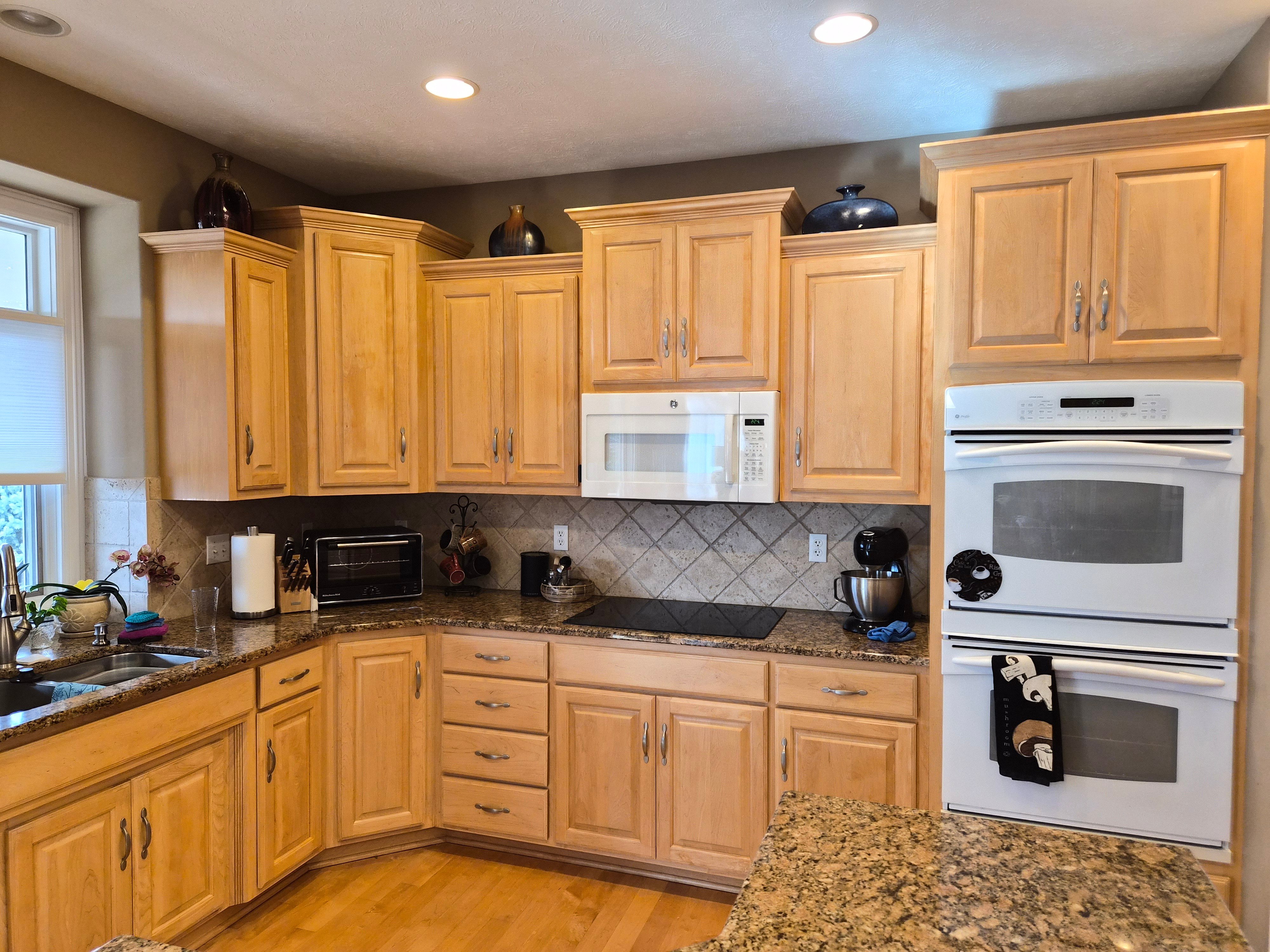
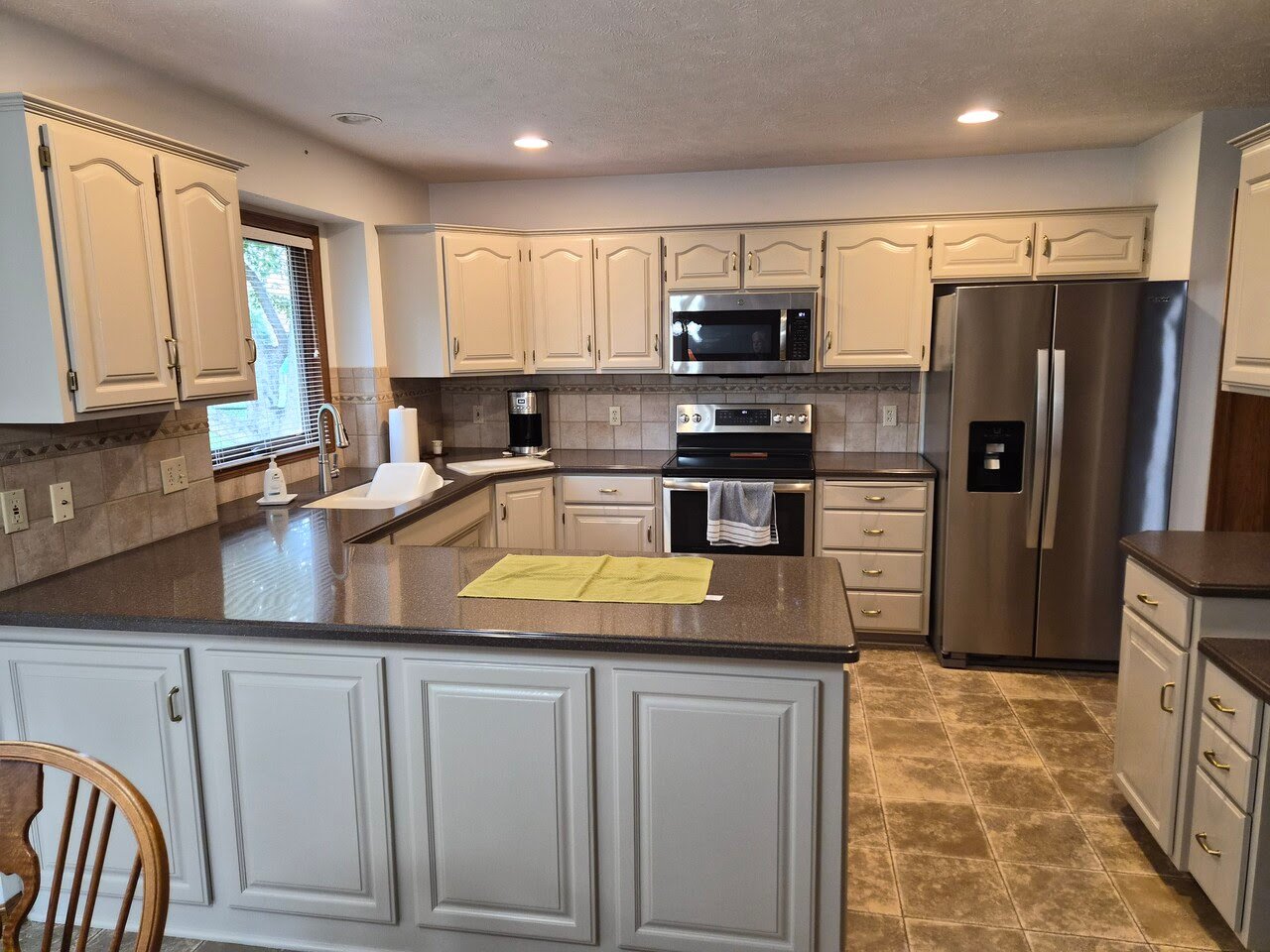
Homeowners usually paint cabinets because the existing cabinets still function well, but the color makes the kitchen feel dated, dark, or disconnected from the rest of the home. Painting can create a cleaner appearance while keeping the cabinet boxes, doors, drawers, and layout that already work.
Here are the most common reasons people choose cabinet painting.
1. The Cabinet Boxes Are Still Strong
If the cabinet boxes are solid, square, and securely attached, replacing them may not be necessary. Many older kitchens have well built wood cabinets that continue to function after the stain color has fallen out of favor.
A cabinet painter should inspect for loose joints, broken shelves, water damage, swelling, and weak door or drawer mounting points. Paint is a finish, not a structural repair. Minor adjustments may be possible, but failing cabinet boxes need to be repaired or replaced before finishing.
2. The Kitchen Layout Already Works
Painting is a good fit when you like where the cabinets, sink, range, refrigerator, and work areas are located. You keep the existing footprint, so there is usually less construction than with a full kitchen renovation.
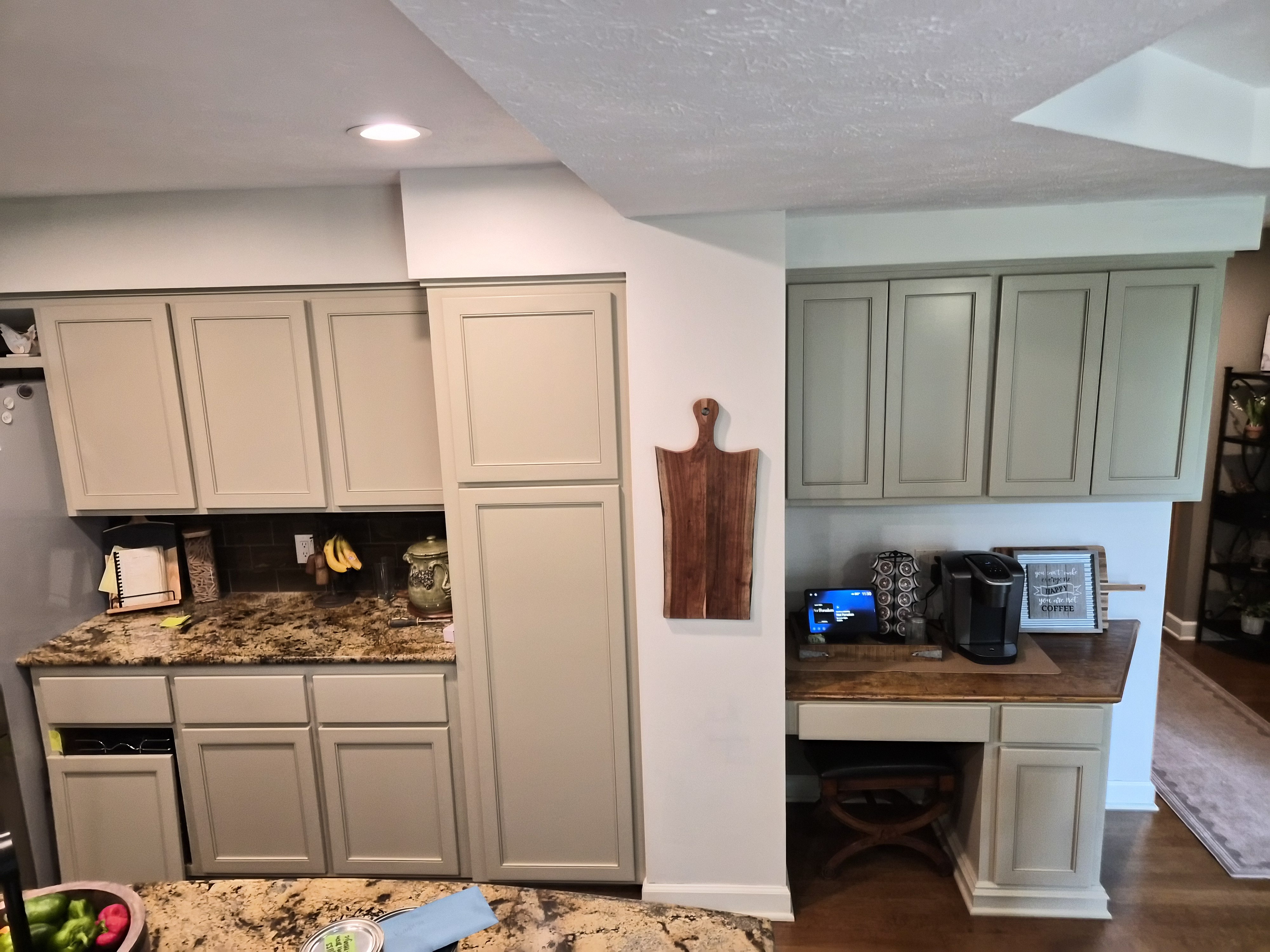
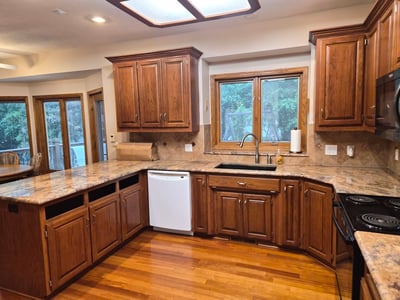
For example, a Blair homeowner may have a practical kitchen with plenty of storage, but the dark brown cabinets make the room feel heavier than desired. If the layout works, an off white, soft beige, muted green, or other carefully selected color can update the room without moving plumbing or electrical lines.
3. The Existing Color Feels Dated
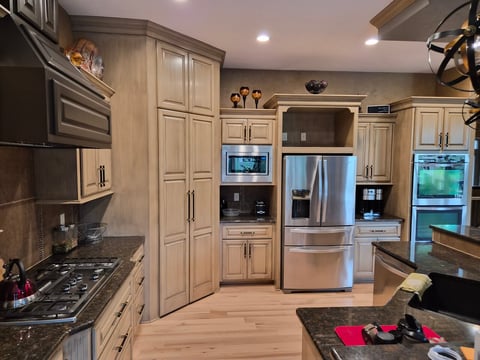
Cabinet styles do not always age at the same speed as cabinet colors. A simple maple or oak door may still have a useful shape, even if its orange, red, or very dark stain dates the room.
Paint can help the cabinets work with newer flooring, counters, backsplashes, and wall colors. The goal does not have to be a bright white kitchen. Warm neutrals and quieter colors can feel comfortable in both newer and older Blair homes.
4. You Want a Big Visual Change Without Full Replacement
Cabinets take up a large amount of visible space. Changing their color can affect how the entire kitchen feels. It can also be less disruptive than removing every cabinet, although professional cabinet painting still requires planning, protection, drying time, and careful handling.
The savings compared with replacement depend on the number of doors and drawers, cabinet condition, kitchen size, coating system, and repairs. Homeowners should compare actual written quotes instead of assuming painting will always be inexpensive.
5. You Are Preparing the Home for Sale
A fresh cabinet color can help a kitchen feel cleaner and more current before a home is listed. However, a seller should avoid assuming that every dollar spent will return an equal amount at closing.
Think about the home’s likely buyer, the condition of nearby surfaces, and the time available before listing. Painting the cabinets while leaving damaged counters, loose hardware, or worn flooring may create an uneven result. A local real estate professional can help you judge whether the project fits your selling plan.

When Should You Leave Cabinets Alone?
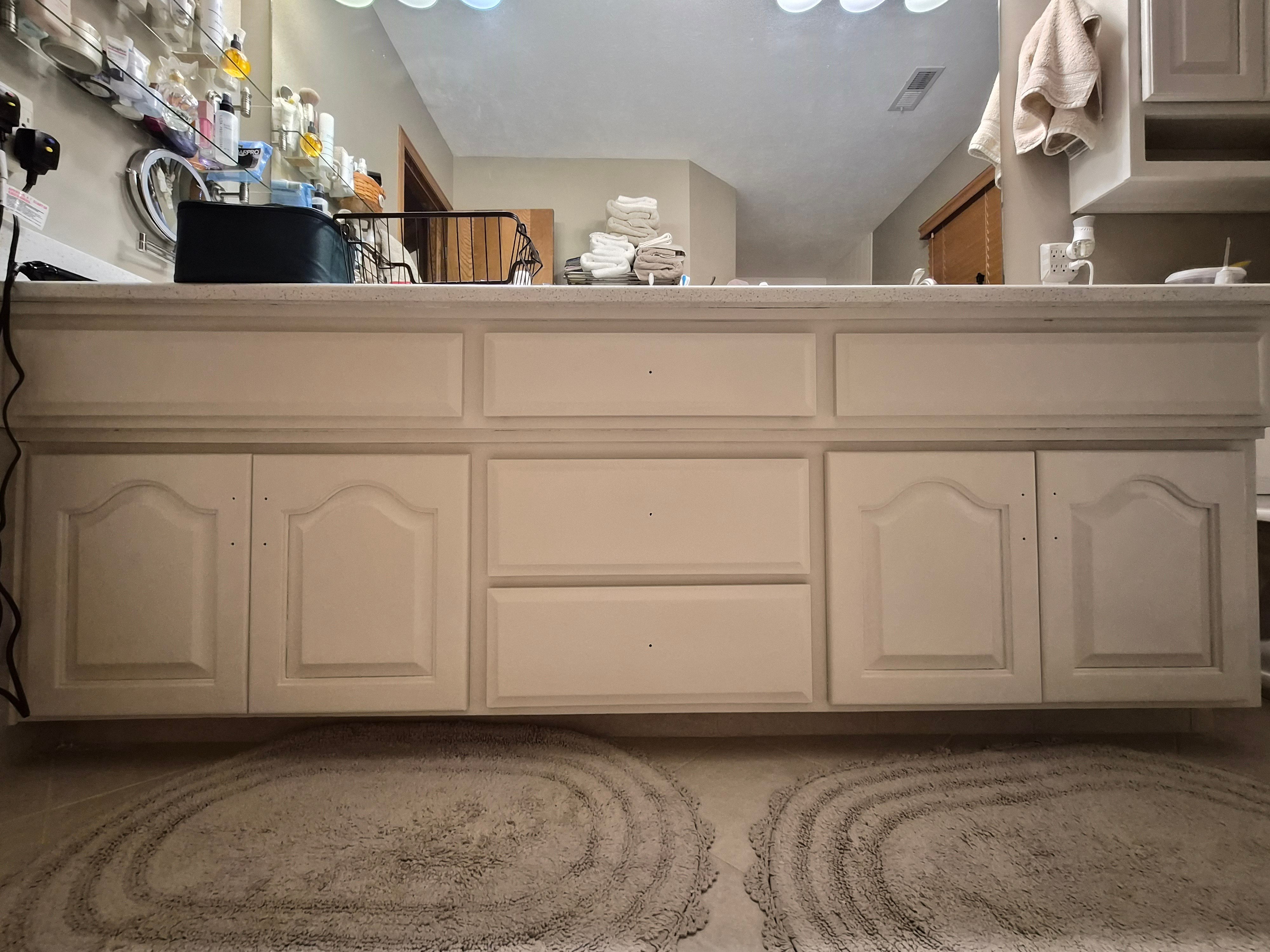
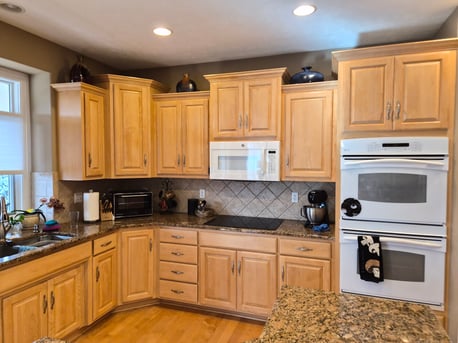
Keep your cabinets as they are when you genuinely like their current look, the existing finish is healthy, and the cabinets fit the character of the home. Whether they are natural, stained, or already painted, cabinets are not automatically outdated just because of their finish. In the right room, real wood adds warmth and may be difficult or costly to restore after it has been painted.
1. You Like the Existing Wood
Do not paint beautiful wood only because painted cabinets are common online. If the grain, color, and warmth make you happy, keeping the cabinets may be the right answer.
Trends change. A natural finish that feels less fashionable today may feel desirable again later. Your kitchen should serve the people living in the home, not a passing trend.
2. The Existing Finish Is in Good Condition
Sometimes a kitchen simply needs a good cleaning, new hardware, updated lighting, or a different wall color. These smaller changes may make the cabinet color feel more intentional.
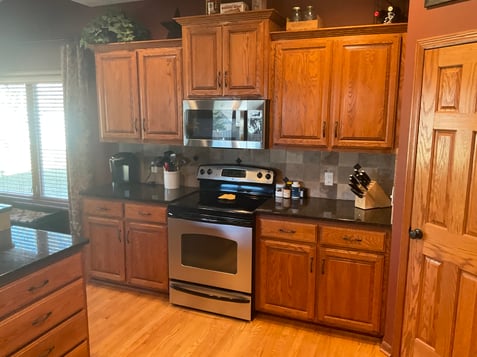
Before painting, try viewing samples for the walls, backsplash, counters, or hardware next to the cabinets. A warm wall color can make orange toned wood appear stronger, while a balanced neutral may help it settle into the room.
3. Your Budget Does Not Allow for Proper Preparation
If the only affordable option skips cleaning, sanding, priming, or curing time, waiting may be the wiser choice. A poor coating job can chip, peel, or feel sticky, and correcting it often takes more labor than doing it properly the first time.
Cabinet painting is a process driven project. A lower quote may reflect fewer steps, cheaper materials, less protection, or less time allowed between coats. Ask what is included before comparing totals.
4. Your Budget Does Not Allow for a Quality Cabinet Product
If the only affordable option uses regular wall paint or a low quality paint that is not made for cabinets, waiting may be the better choice. Cabinets need a hard, washable finish that can handle fingerprints, cooking grease, moisture, cleaning, and daily contact without becoming soft or wearing away too quickly.
A good cabinet product costs more because it is designed to bond well, level smoothly, and become harder as it cures. Ask for the exact primer and finish product names before comparing quotes. Even the best cabinet coating still needs proper cleaning, sanding, priming, application, and curing to perform as expected.
When Is Cabinet Replacement Better Than Cabinet Painting?
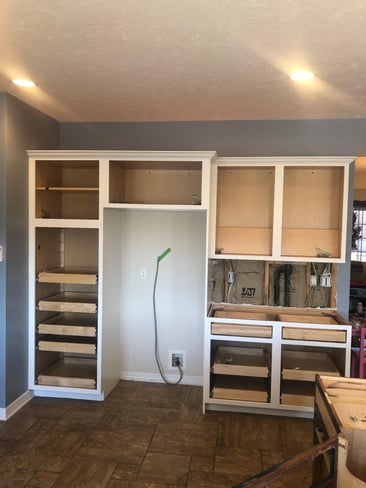
Replacement is usually better when the cabinet boxes are damaged, the layout is frustrating, storage is inadequate, or you want a different door style that paint cannot create. Painting changes the surface color and finish. It does not make cabinets taller, add drawers, correct bad spacing, or repair severe water damage.
Replacement may be the better investment when:
- Cabinet boxes are swollen, soft, separating, or badly damaged.
- Shelves sag or the boxes cannot securely support doors and drawers.
- The kitchen layout creates traffic or work problems.
- You want to move appliances, add an island, or change cabinet heights.
- The doors are failing, heavily warped, or a style you strongly dislike.
- You need major accessibility changes.
- Storage needs cannot be solved with organizers or small modifications.
Refacing may sit between painting and replacement. With refacing, the visible cabinet surfaces are covered and doors and drawer fronts are usually replaced. It can change the door style while keeping the boxes. Get clear written descriptions because companies may use the terms refinishing, refacing, and painting differently.
Can You Paint Oak, Maple, Laminate, or Previously Painted Cabinets?
Many wood and manufactured cabinet surfaces can be painted, but they do not all require the same preparation or primer. The painter should identify the surface, test the existing finish when needed, and choose a coating system that bonds to it. Unknown products and slick factory finishes deserve extra care.
Solid wood and wood veneer are common painting candidates when they are sound. Oak often keeps some visible grain. Maple can look smoother, but a slick existing finish must still be cleaned and sanded correctly.
Laminate and thermofoil need closer inspection. Loose laminate, peeling foil, and heat damage around appliances can create problems that paint will not correct. Some surfaces may accept a specialty bonding primer, while badly failing coverings may need repair or replacement.
Previously painted cabinets also need an adhesion check. New coatings are only as stable as the layers beneath them. If old paint peels easily, covering it with a stronger product does not fix the weak bond.
What Does Professional Cabinet Painting/Staining Include?
A detailed cabinet painting process includes protection, labeling, cleaning, surface preparation, compatible primer, a cabinet grade finish, controlled application, curing, and careful reassembly. Exact steps vary with the cabinet material and condition, but the quote should explain the process clearly enough that you know what you are buying.
A typical project may include:
- Reviewing the cabinet condition and confirming which surfaces are included.
- Photographing or labeling doors, drawers, and hardware locations.
- Protecting counters, floors, appliances, walls, and nearby rooms.
- Removing doors, drawer fronts, knobs, pulls, and hinges.
- Cleaning grease, hand oils, food residue, and household polish from surfaces.
- Sanding to prepare the surface for bonding.
- Repairing minor dents, scratches, holes, or open seams when included.
- Applying a resurfacer clear layer
- Applying a primer selected for the existing surface and possible stain bleed.
- Applying the specified cabinet coating in the agreed number of layers.
- Sanding in between each layer of product.
- Allowing suitable dry and cure time before reassembly and normal use.
- Reinstalling doors and drawers and adjusting alignment when included.
- Completing a final inspection and explaining care instructions.
Brush & Roll Painting uses high quality coating products and places strong attention on preparation. That experience is shared here to help homeowners understand the work involved, not to suggest that one process fits every set of cabinets.
Will Painted Cabinets Chip or Peel?
Any cabinet finish can be scratched or damaged, but properly prepared and cured coatings should not peel under normal use. Early chipping often points to grease left on the surface, poor sanding, an incompatible primer, weak old paint, rough handling before cure, or doors that strike each other.
Hardware and door alignment also affect wear. Knobs and pulls reduce repeated contact with painted edges. Soft close hinges may help prevent slamming, but they do not replace proper surface preparation.
How Can You Decide Whether to Paint or Keep Your Cabinets?
Base the decision on four things: condition, function, appearance, and budget. If the cabinets are sound, the layout works, and color is the main concern, painting may be a good fit. If the boxes are failing or the layout causes daily frustration, keeping or painting them may only delay a larger project.
Use this simple decision check:
- Check the structure. Look for swelling, loose joints, warped doors, broken shelves, and water damage.
- Judge the layout. Ask whether storage, traffic flow, appliance placement, and counter space work for your household.
- Name the real problem. Is it only the color, or do you dislike the door style and kitchen layout too?
- Define the expected finish. Decide whether visible wood grain and normal cabinet seams are acceptable.
- Compare complete quotes. Review painting, refacing, and replacement when more than color needs to change.
- Think about your timeline. Consider how long you plan to stay and whether another renovation is likely soon.
For a relatable example, imagine that your cabinets are solid oak, every drawer works, and you like the kitchen layout. Your main concern is the dark stain. Painting may address the actual problem.
Now imagine the sink cabinet has water damage, you lack drawer storage, and the refrigerator blocks a walkway. Paint may improve the color, but it will not solve the issues you deal with every day. Replacement or a larger redesign deserves consideration.
Frequently Asked Questions About Cabinet Painting in Blair, Nebraska
Is cabinet painting worth it if I plan to move soon?
It can be, but the answer depends on cabinet condition, the rest of the kitchen, your schedule, and likely buyers. Compare the cost with smaller updates such as cleaning, hardware, lighting, and wall paint. Ask a local real estate professional whether cabinet color is likely to affect the sale of your specific home.
Do I need to empty every cabinet before painting?
Often, homeowners can leave some items inside when cabinet interiors are not being painted, but the contractor’s process determines what must be removed. Dust, protection methods, access needs, and spraying can affect the answer. Ask for written preparation instructions well before the project begins.
You may need to empty out drawers if the fronts of them do not separate from the box.
Will oak grain disappear after painting?
Usually not completely. Standard preparation and paint can leave some grain texture visible. Grain filling can reduce it, but that adds labor and should be discussed in the quote. Ask the painter to show a sample or past project with similar oak so your expectations match the planned process.
Can I keep my current hinges and hardware?
Often, yes, if they function well and fit the desired appearance. Changing hinge type can require filling, drilling, or door modifications. New pulls may also require new holes. Confirm whether hardware work is included and whether the existing hole spacing matches the new pieces.
How long before painted cabinets can be used normally?
The answer depends on the coating, temperature, humidity, application, and layer thickness. Cabinets may be reinstalled before the finish reaches full hardness. Follow the painter’s written care instructions and use the doors gently during the stated curing period.
Should cabinet interiors be painted too?
Not usually. Interiors that are clean and in good condition may be left alone, especially if they have a durable factory finish. Painting interiors increases labor, cost, drying time, and the chance of items sticking before the coating cures. Include them only when there is a clear reason.
Can cabinets be painted during a Nebraska winter?
Yes, many cabinet projects can be completed during winter because much of the work occurs indoors or in a controlled shop. Ventilation, indoor temperature, humidity, product requirements, and safe work areas still need to be managed throughout the project.
Kitchen Cabinet Painting in Blair, NE
Deciding whether to paint your cabinets can feel difficult because the change is highly visible and the finish must handle daily use. You now have a clearer way to judge the decision: inspect the structure, decide whether the layout works, identify what you truly want to change, set realistic finish expectations, and compare detailed quotes.
Paint may be a smart choice when your cabinets are sturdy and color is the main problem. Keeping the existing finish may be better when you love the wood or have well preserved original cabinetry. Replacement may be the right direction when damage, storage, or layout problems go beyond the surface.
Brush & Roll Painting has served the Omaha area since 1996. We hope this guide helps you ask better questions and choose the option that fits your home, whether that means painting now, keeping the current finish, or planning a larger renovation.
If you are ready to learn what cabinet painting would involve for your Blair home, click the button below to get a quote.

If you are not ready to request a quote, use our cabinet painting pricing calculator to get a starting point for your project.