Key Takeaways
- Ask exactly how surfaces will be cleaned, repaired, sanded, caulked, and primed before paint is applied.
- Compare the written scope of work, not just the final price at the bottom of each estimate.
- Verify insurance, crew arrangements, products, number of coats, cleanup, payment terms, and warranty coverage.
- Ask questions that fit your project, since cabinets, decks, interiors, and exteriors require different products and methods.
- Pay attention to how clearly the painter communicates before the job. That often shows how communication will feel during the project.
- Get every promise in writing, including repairs, colors, products, excluded areas, and possible added costs.
The hard part is not finding someone who can put paint on a wall. It is finding a painter who understands your needs, explains the plan clearly, performs the preparation your surfaces need, and stands behind the finished work. A low estimate can become expensive when key steps are missing.
Papillion includes established neighborhoods with older woodwork, aging siding, previous repairs, and layers of old coatings. It also has newer homes where builder-grade wall paint, settling cracks, nail pops, and open floor plans can create their own challenges.
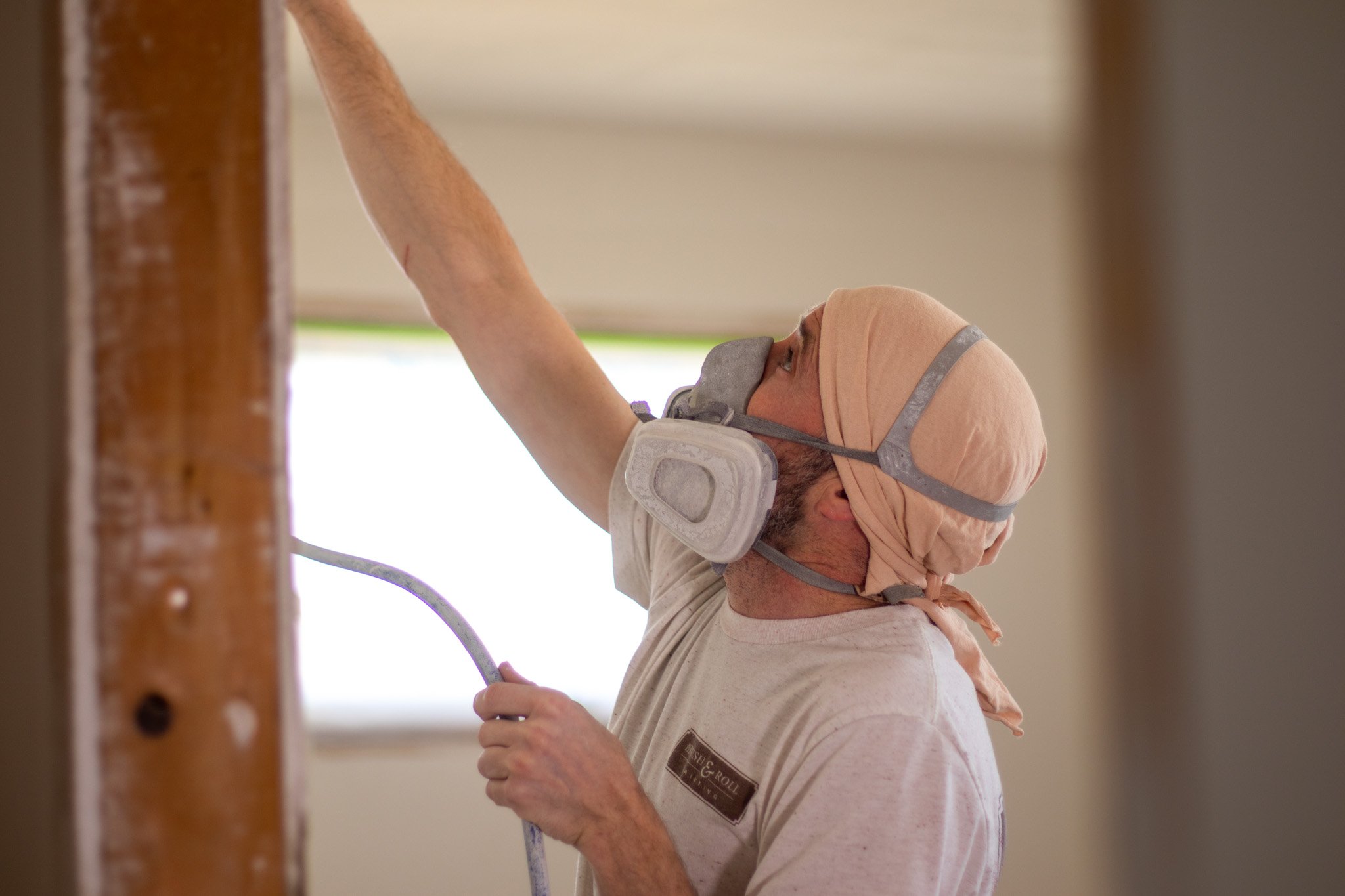
Brush & Roll Painting has served homeowners in the Omaha area since 1996. During that time, we have worked on older homes, recent builds, occupied houses, exterior siding, cabinets, decks, and detailed woodwork. That experience has shown us where unclear estimates and missed expectations usually begin.
This guide is not meant to tell you which company to hire. It is meant to help you find the best painter for your project in Papillion, NE. A reputable contractor should welcome clear questions and give you answers you can understand.
By the end, you will have a practical list of questions to ask before signing a painting contract. You will know how to compare preparation, paint products, crews, pricing, warranties, and cleanup. You will also know which questions to ask for interior, exterior, cabinet, and deck projects.
1. Are You Insured to Paint Homes in Papillion, Nebraska?
Ask the painter to confirm that the company carries current liability insurance and workers' compensation coverage when applicable. Insurance does not prove that someone is a skilled painter, but it does show that the business has taken a basic step to protect the homeowner, employees, and property if an accident occurs.
Do not settle for a quick “yes.” Ask whether documentation is available. You can also ask whether employees and subcontractors are covered under the proper policies.
Useful follow-up questions include:
- Is your insurance currently active?
- Does the coverage apply to residential painting?
- Are the people working at my home employees or subcontractors?
- How are subcontractors insured?
- Who is responsible if paint damages a neighboring property or vehicle?
2. How Long Have You Been Painting Homes in the Papillion Area?
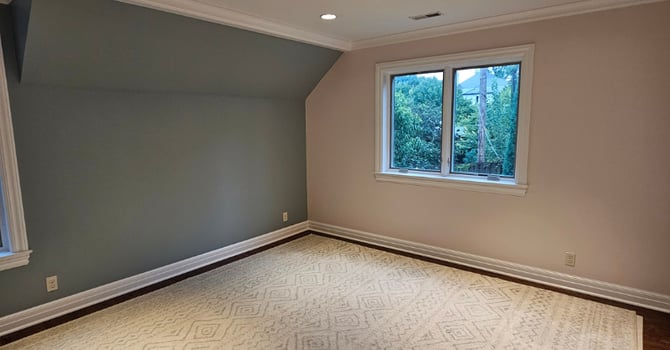
Local experience helps a painter understand Nebraska weather, common building materials, and the kinds of coating failures found around Papillion. Years in business are helpful, but ask what types of projects the company completes regularly and whether it has handled homes similar to yours.
An exterior painter should understand how strong sun, summer heat, rain, winter moisture, and freeze and thaw cycles affect siding, trim, caulk, and decks. An interior painter should know how to handle builder grade paint, drywall repairs, stained woodwork, open stairwells, and occupied rooms.
Ask to see recent examples that match your service. Beautiful cabinet photos do not prove that the same company is equally prepared to repair peeling exterior trim.
3. What Painting Prep Work Is Included in My Estimate?
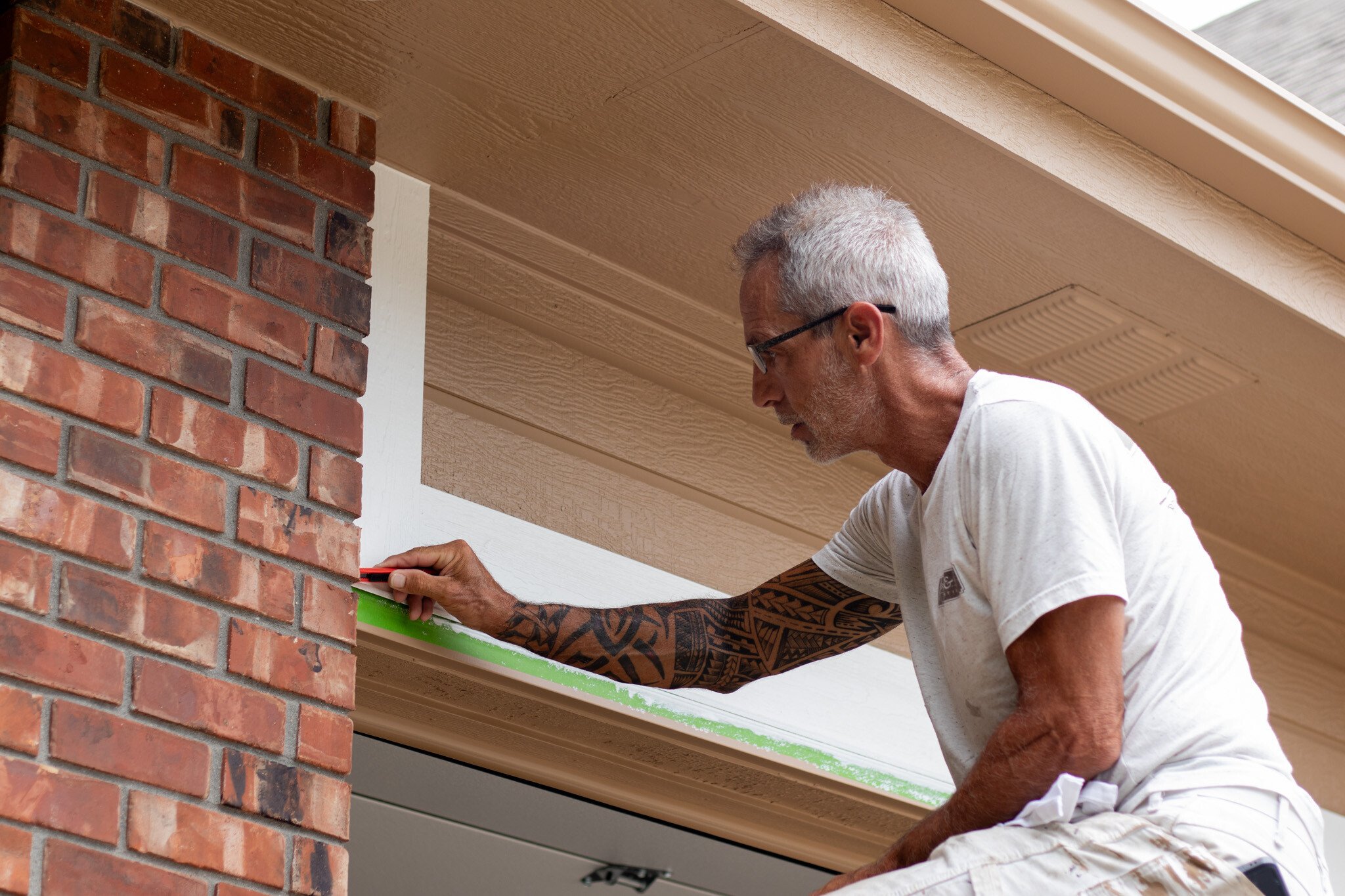
Preparation should be described in plain language and tied to the condition of your home. Ask which surfaces will be washed, scraped, sanded, repaired, caulked, or primed. You should also know whether repairs are included, limited to certain areas, or priced separately after work begins.
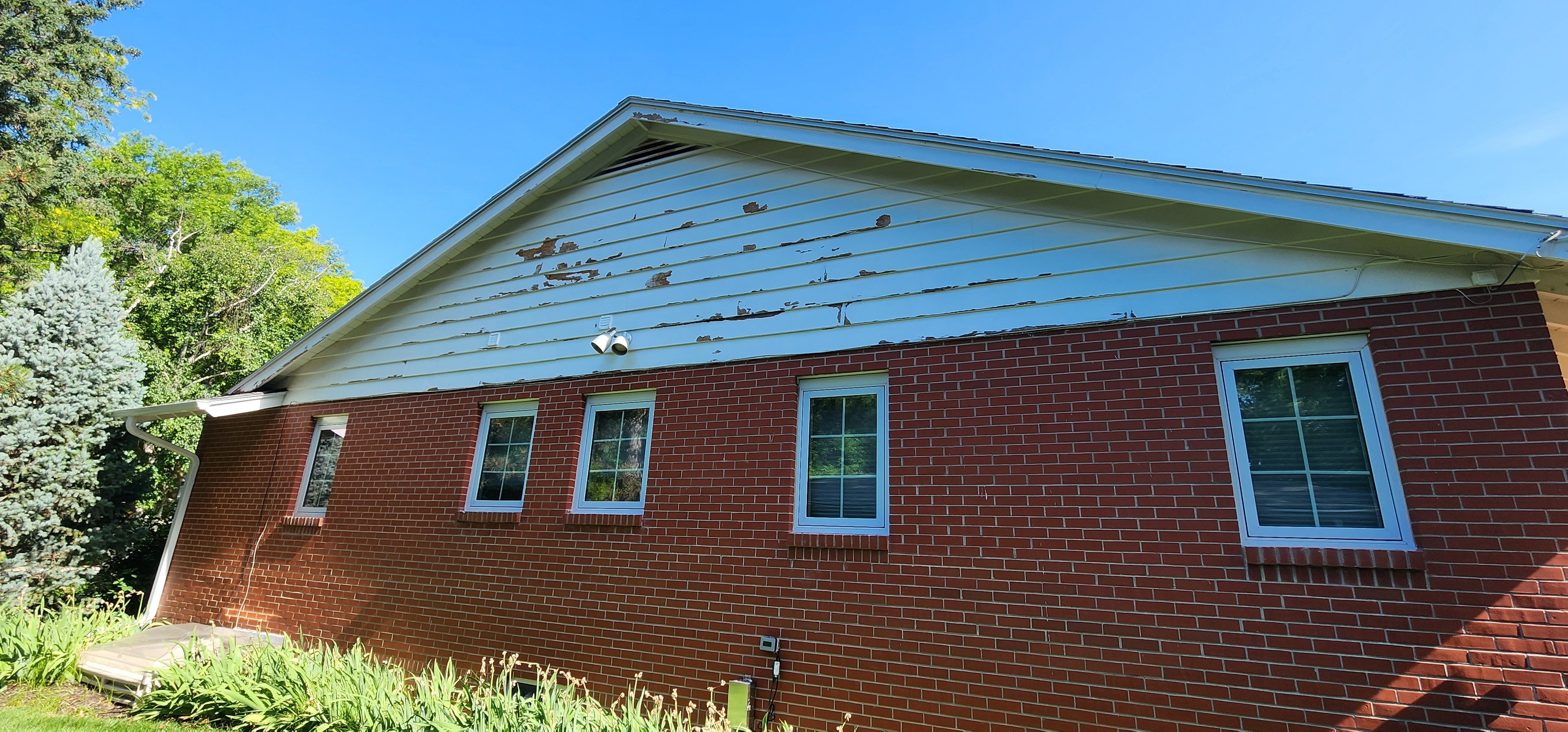
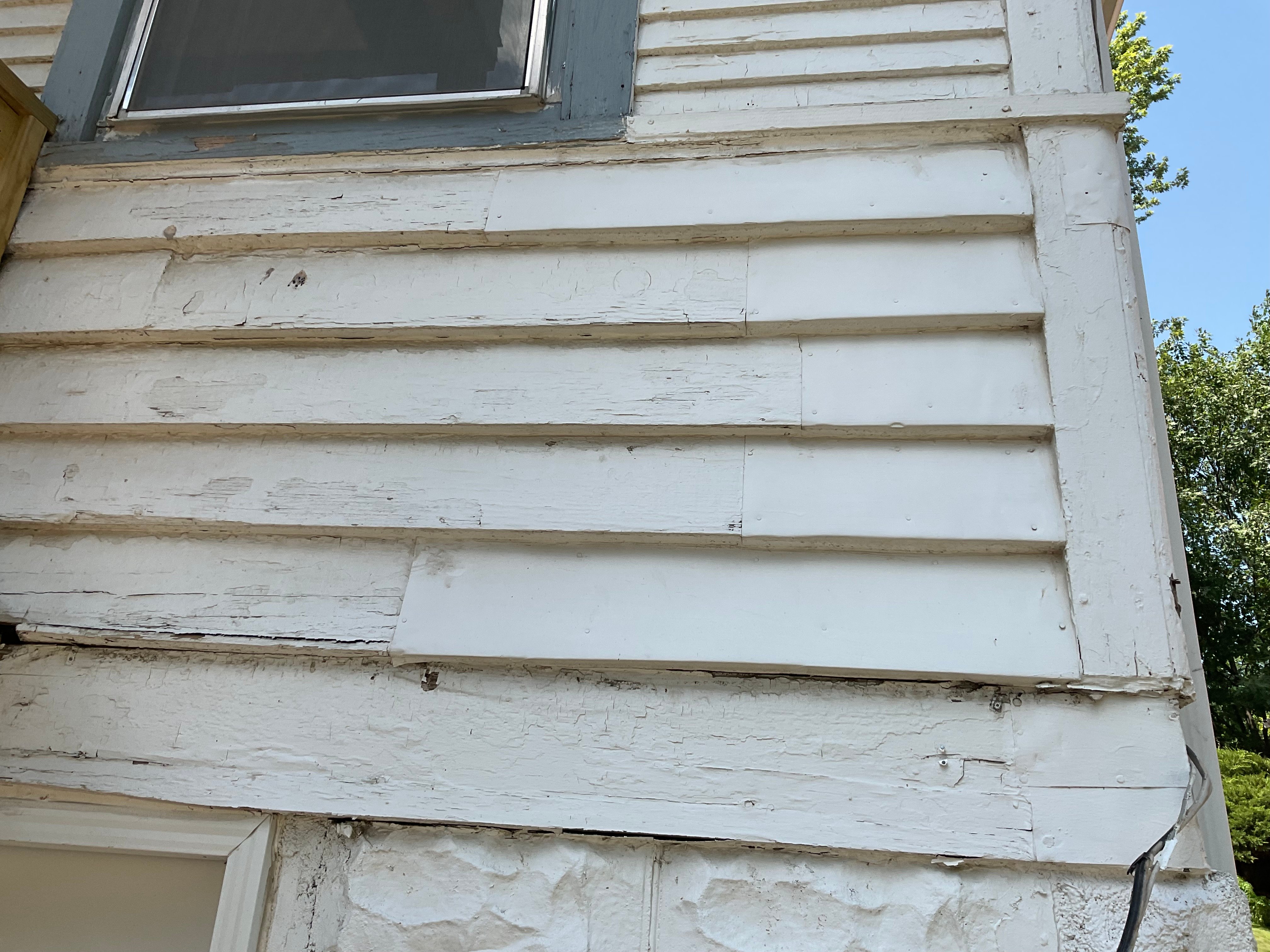
Paint cannot correct a weak surface underneath it. If loose paint remains, the new coating may release with the old layer. If glossy trim is not cleaned and prepared, the new finish may struggle to bond. If exterior gaps are ignored, moisture may continue reaching vulnerable areas.
Ask the painter:
- Which areas need scraping or sanding?
- Will bare wood and repaired areas receive primer?
- What type of primer will be used?
- Which joints will be caulked?
- Are drywall cracks, nail pops, dents, and holes included?
- How will dust and paint chips be controlled?
- Could hidden damage change the price?
For an older Papillion home, ask whether previous coatings or damaged wood may require extra attention. For a newer build, ask how the painter will address drywall settling, weak builder paint, and caulk separation.
4. What Paint Products Will You Use on My Home & Why?
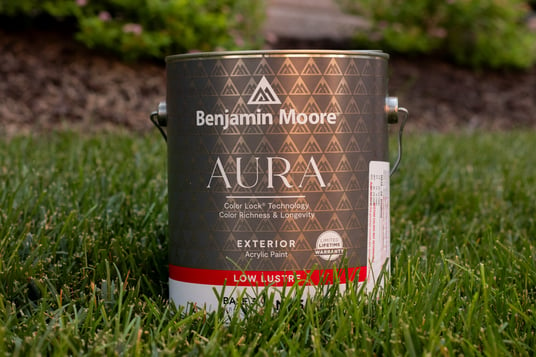
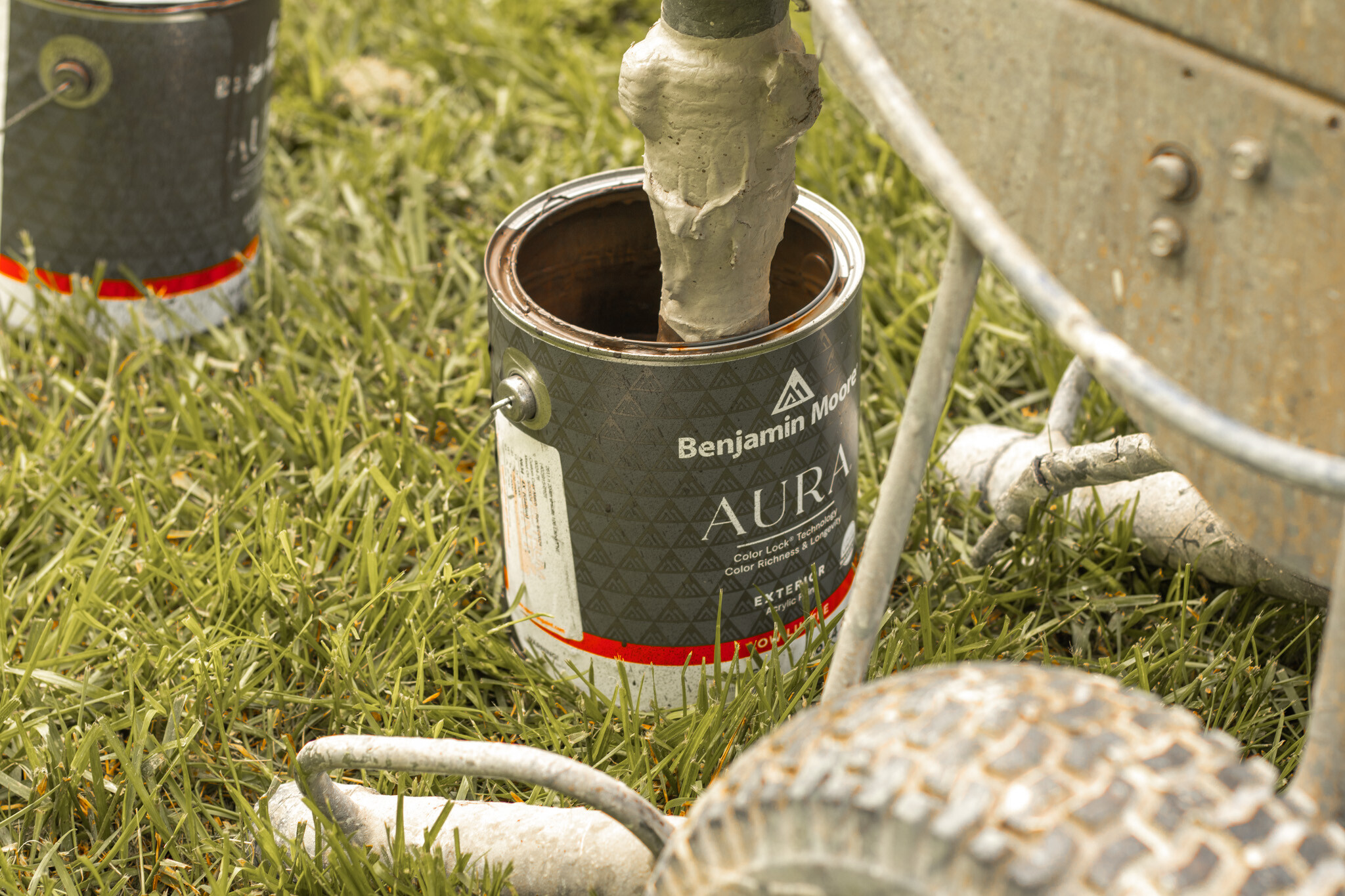
Your proposal should identify the manufacturer and product line, not just say “premium paint.” Different products from the same manufacturer can have different coverage, washability, durability, and prices. The correct product also depends on the surface and where it is located.
Ask for the exact product planned for walls, ceilings, trim, siding, doors, cabinets, or decks. Then ask why it fits that surface. A thoughtful answer should connect the product to the project, not simply repeat a brand name.
Questions worth asking include:
- What exact paint line will be used?
- Which primer is included?
- What sheen do you recommend, and why?
- Is the product designed for this surface?
- Will the paint tolerate cleaning, moisture, sunlight, or normal wear?
- Can I approve a product change before it is made?
High-quality paint can help, but product quality does not replace sound preparation. The two must work together.
5. How Many Coats of Paint Are Included?
Ask whether the estimate includes one coat, two coats, or enough coats to reach an agreed result. Color changes, porous repairs, deep colors, bright whites, and weak existing coatings can affect coverage. Clear wording prevents disagreements when the first coat does not look complete.
A painter should explain whether primer counts separately from finish coats. It usually should. Primer prepares or seals the surface, while finish paint provides the final color and protection.
If a proposal says “one coat coverage,” ask what happens if the old color still shows through. If it says “two coats,” ask whether that applies to every listed surface. Trim, doors, walls, and ceilings may each have a different coating plan.
6. Who Will Be Working on My Paint Project?
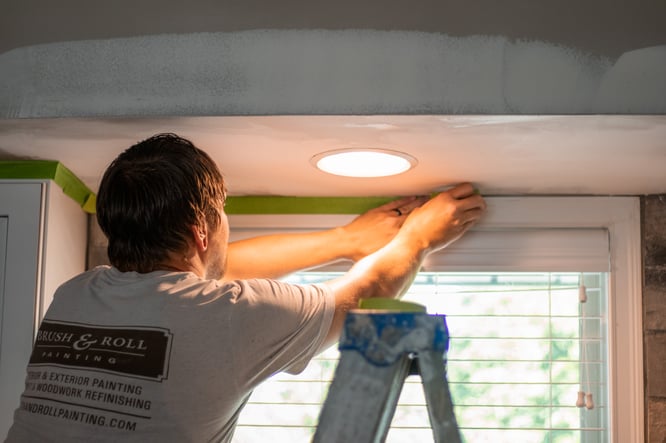
You should know whether the people completing the project are company employees, subcontractors, or a mix. Ask who supervises the work, who answers questions, and whether the same crew will remain on the job through completion.
This matters because homeowners often meet an estimator, then work with a different production team. That arrangement can work well when project notes and responsibilities are clear. Problems begin when promises made during the estimate never reach the crew.
Ask these questions before the start date:
- Who is my main contact?
- Who will supervise the crew?
- What time will workers arrive and leave?
- Will the crew work consecutive days?
- How will you secure the home when leaving?
- How will changes or questions be documented?
7. How Will You Protect My Home and Clean Up Each Day?
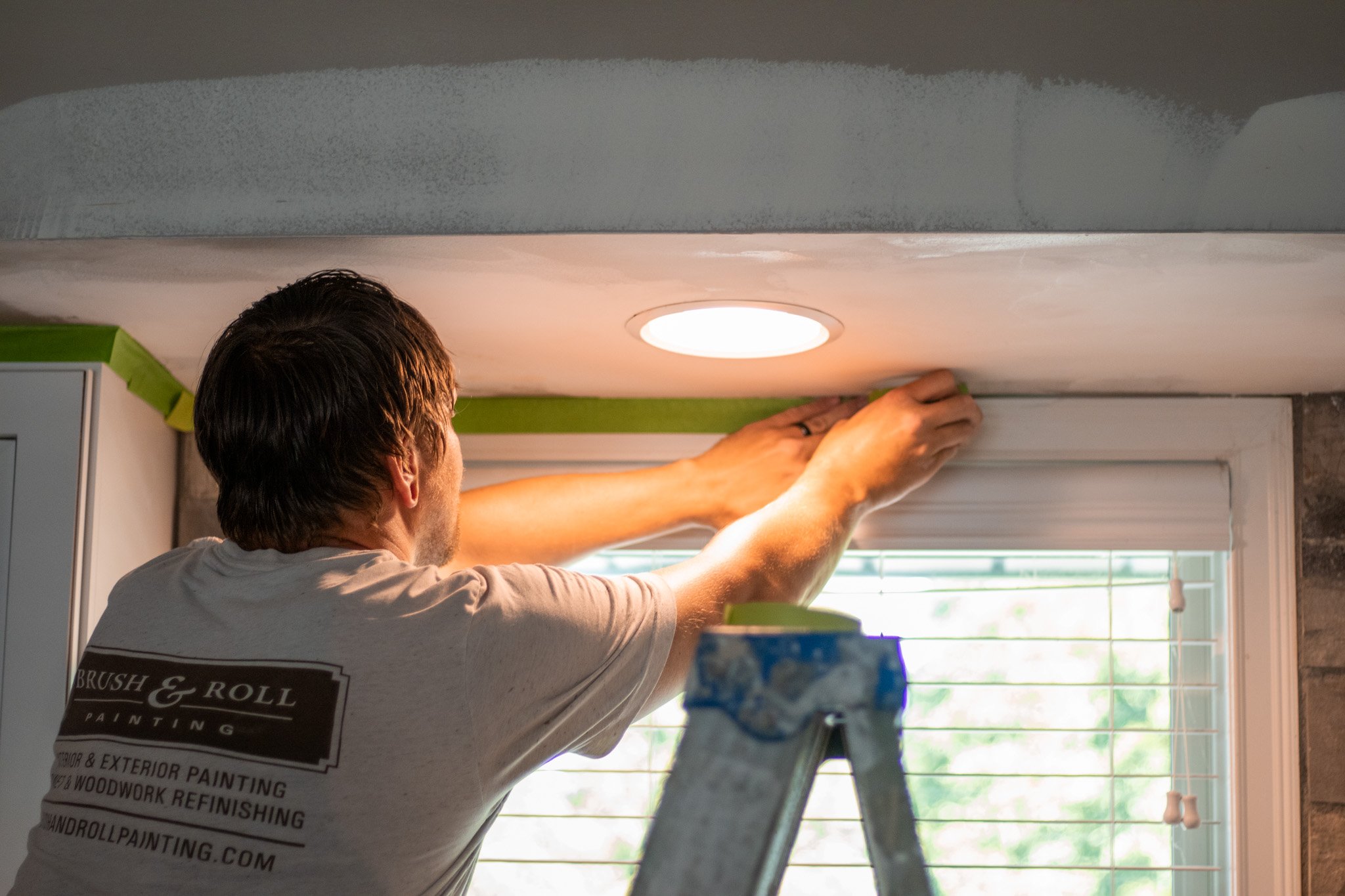
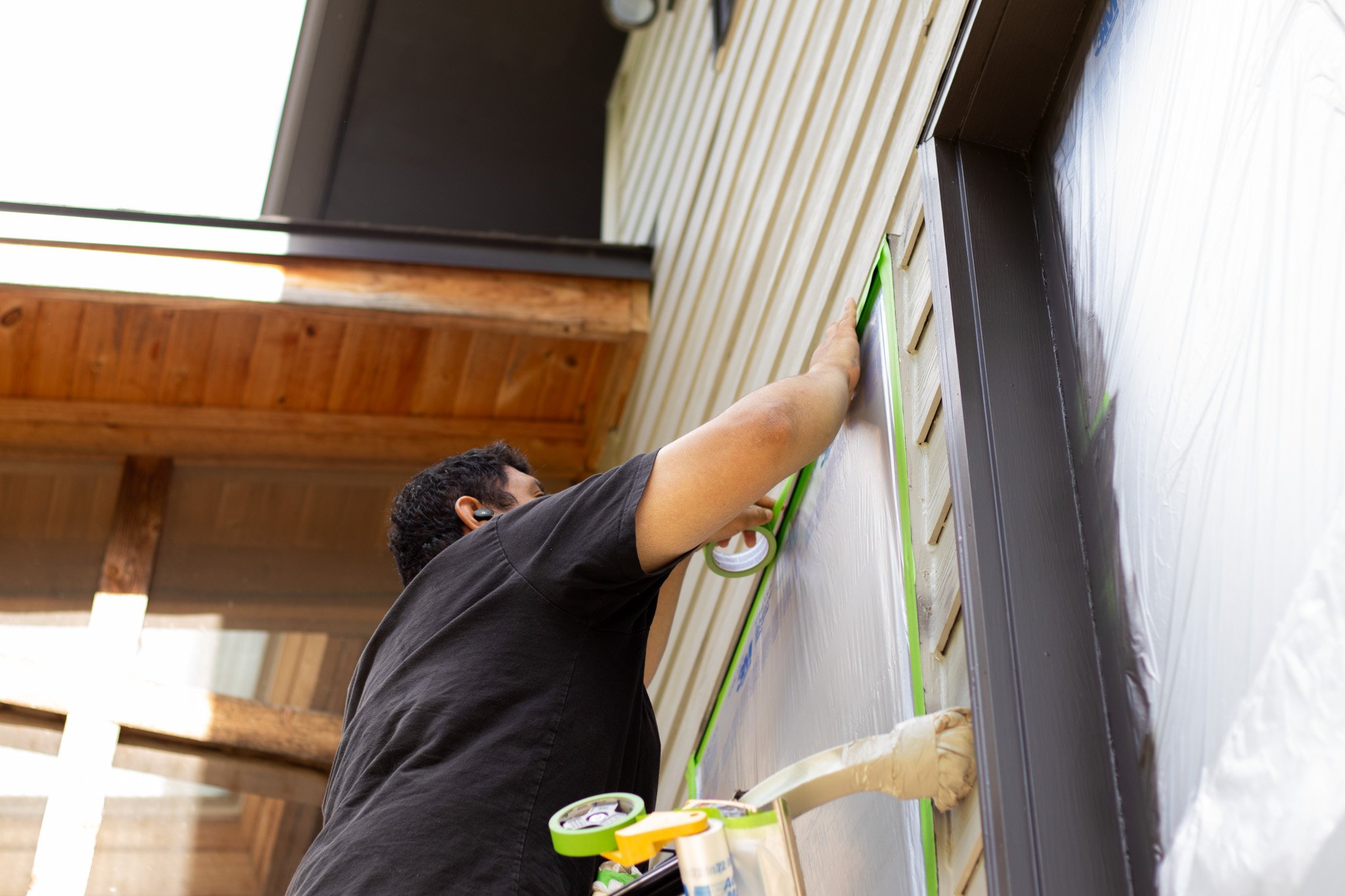
A professional plan should explain how floors, furniture, windows, cabinets, roofing, concrete, landscaping, and other unpainted surfaces will be protected. Protection methods should match the project. Interior spraying, exterior spraying, brushing, and rolling create different risks.
For interior work, ask about drop cloths, plastic, dust control, furniture movement, and access to rooms. For exterior work, ask how vehicles, plants, brick, roof surfaces, and nearby properties will be protected from chips and overspray.
Also ask what daily cleanup means. Will tools and materials be organized? Will walkways remain usable? Who removes trash at the end? A clean work area is not only about appearance. It also helps reduce hazards and makes it easier for a homeowner to live around the project.
8. What Could Make the Painting Price Change?
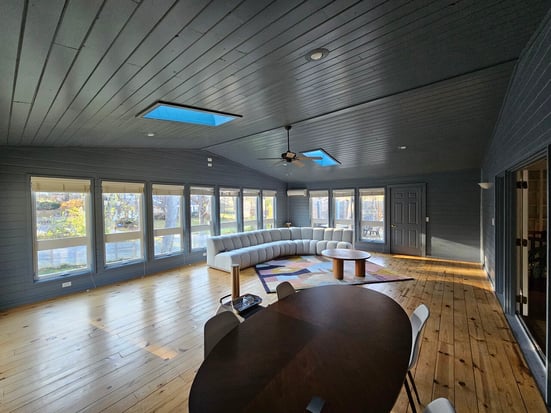
A good estimate should identify known work and explain the conditions that could lead to an added charge. Common examples include concealed wood rot, extensive drywall damage, extra color changes, newly added rooms, difficult access, or repairs that become visible after preparation starts.
Ask how added work is approved. The safest process is a written change order that explains the new work and price before the work is completed. Avoid relying on a casual conversation when the change affects cost or schedule.
You can ask:
- Are materials and labor included?
- Are taxes, equipment, and disposal included?
- Is there a limit on repairs in this price?
- What happens if rotten wood is found?
- What customer changes create added costs?
- Will I approve every change in writing?
9. What Is the Payment Schedule for a Papillion Painting Project?
Normally, painters break up painting invoices. Be cautious when a painter requests the entire project price before work begins. Payment terms should be easy to understand and connected to clear stages of the job.
Ask which payment methods are accepted and whether fees apply. You should also know when the final balance becomes due. Ideally, the homeowner has a chance to inspect the work, identify touch-ups, and confirm that the agreed scope is complete.
At Brush & Roll Painting, we request a 10% deposit and 30% payments at the beginning, middle, and end of the project.

10. Do You Offer a Painting Warranty or Maintenance Plan?
A useful warranty or maintenance plan states what is covered, how long coverage lasts, and what is excluded. Ask whether labor and materials are included. Also ask how the company handles a claim and how quickly someone will inspect a reported problem.
No paint warranty covers every type of failure. Water intrusion, roof leaks, failed gutters, structural movement, customer damage, and moisture coming through a surface may be excluded. Decks and horizontal surfaces often have different coverage from siding or interior walls.
At Brush & Roll Painting, we offer 2-9 year maintenance plans on most of our projects. Meaning each year, we will come to your home and make any necessary touch-ups for an hour.
When making your final decision on who to hire, get answers to these questions:
- Is the warranty written?
- When does coverage begin?
- Does it cover peeling, blistering, or loss of adhesion?
- Are labor and paint both covered?
- Which surfaces are excluded?
11. Can You Provide Recent References or Reviews?
Reviews can show patterns in communication, cleanliness, scheduling, and problem-solving. Look beyond the average star rating. Read recent positive and negative reviews, then notice how the company responds when something does not go as planned.
Ask for references from projects similar to yours if you need more confidence. A cabinet customer can speak to shop finishing and kitchen disruption. An exterior customer can describe preparation, landscaping protection, and how the coating has held up.
12. What Questions Should I Ask an Interior Painter in Papillion, NE?
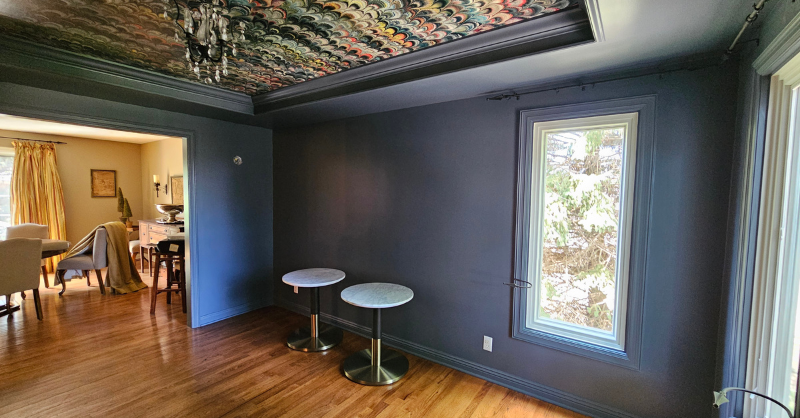
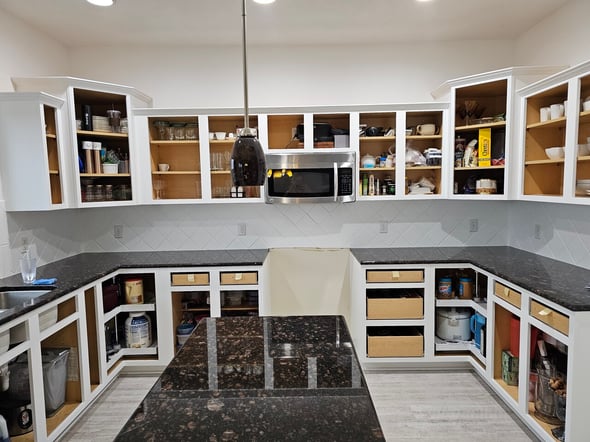
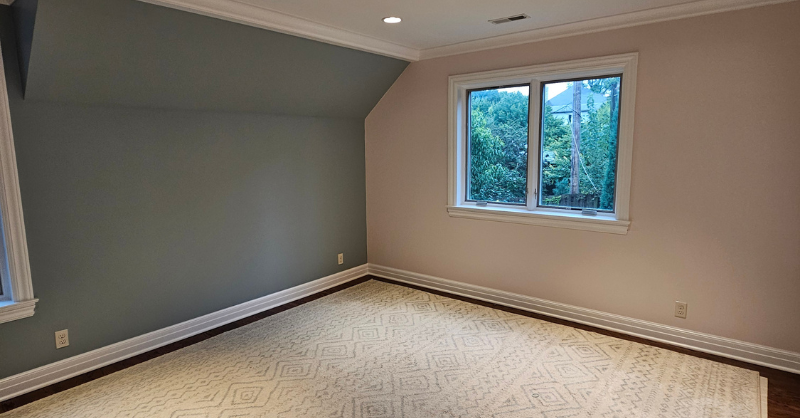
Ask how walls and woodwork will be repaired, prepared, protected, and coated. Interior projects affect daily life, so the plan should also cover furniture, pets, room access, ventilation, drying time, and the order in which rooms will be completed.
Ask your interior painter:
- Are ceilings, closets, doors, baseboards, and window trim included or excluded?
- How will nail holes, cracks, dents, and failed caulk be repaired?
- Will repaired areas be primed?
- How will you protect floors, cabinets, furniture, and fixtures?
- Can we remain in the home during the project?
- How long before walls and trim can be cleaned normally?
In a newer Papillion home, also ask whether flat builder paint may need extra coats or a more washable replacement. In an older home, ask about previously painted woodwork, stains, and adhesion testing.
13. What Questions Should I Ask an Exterior Painter in Papillion, NE?
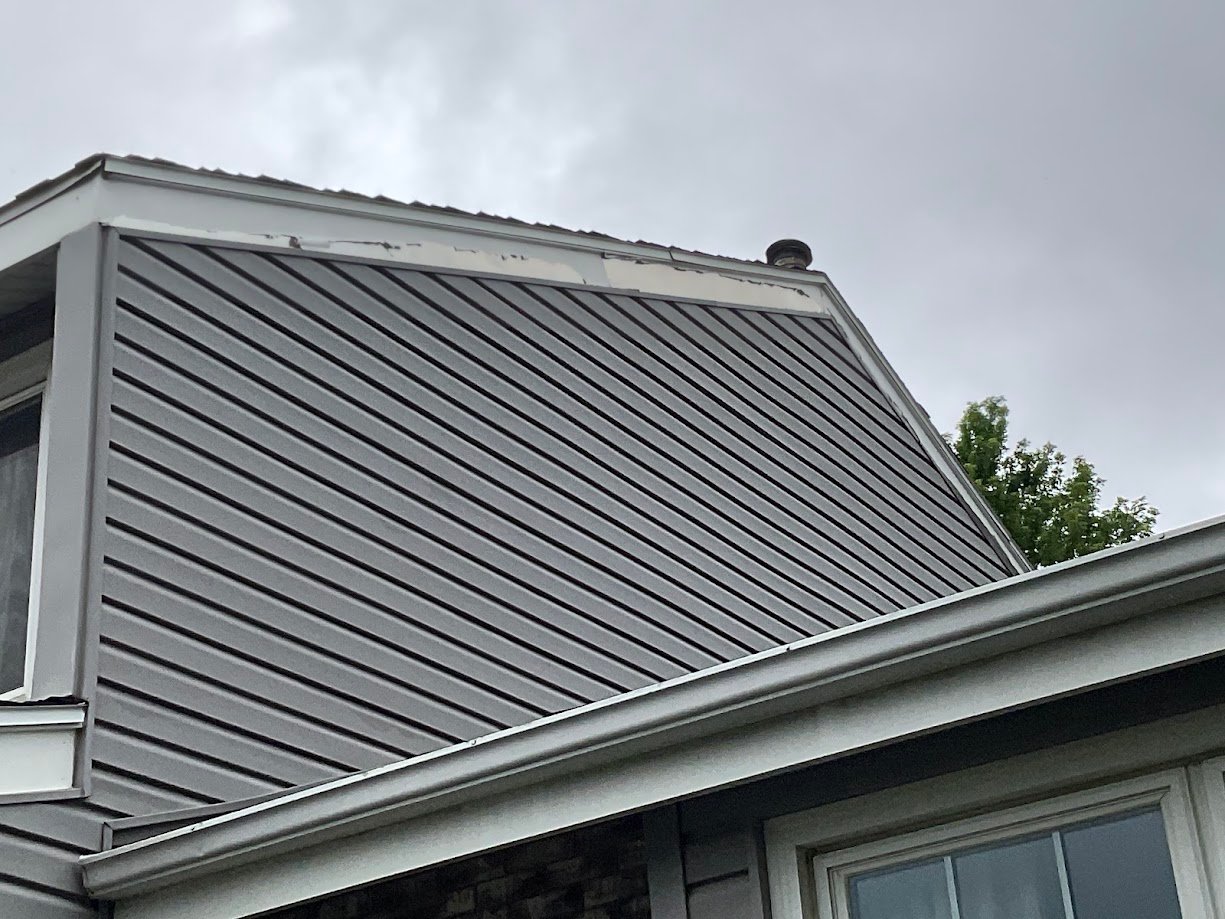
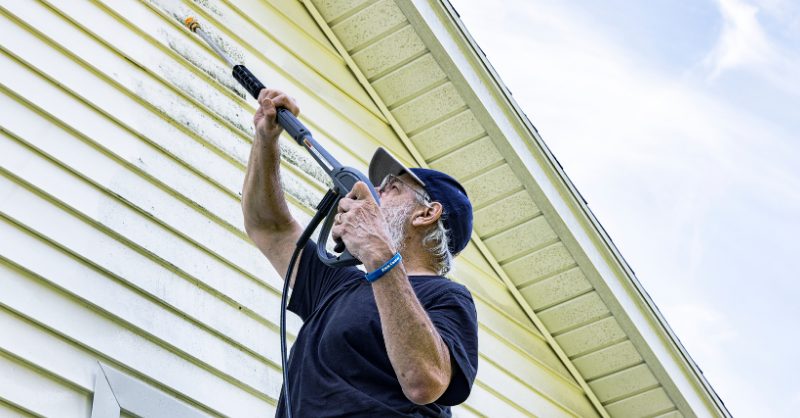
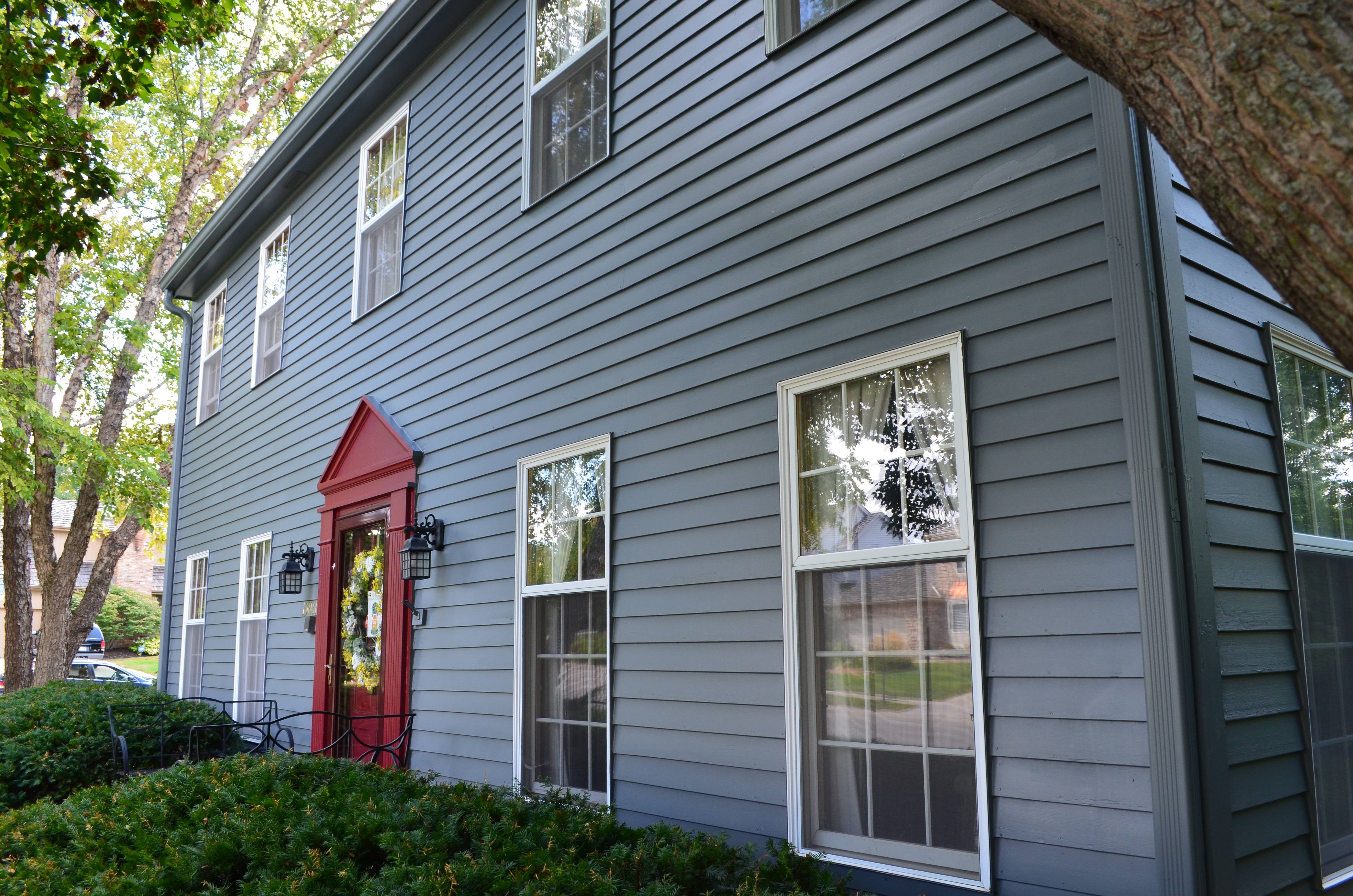
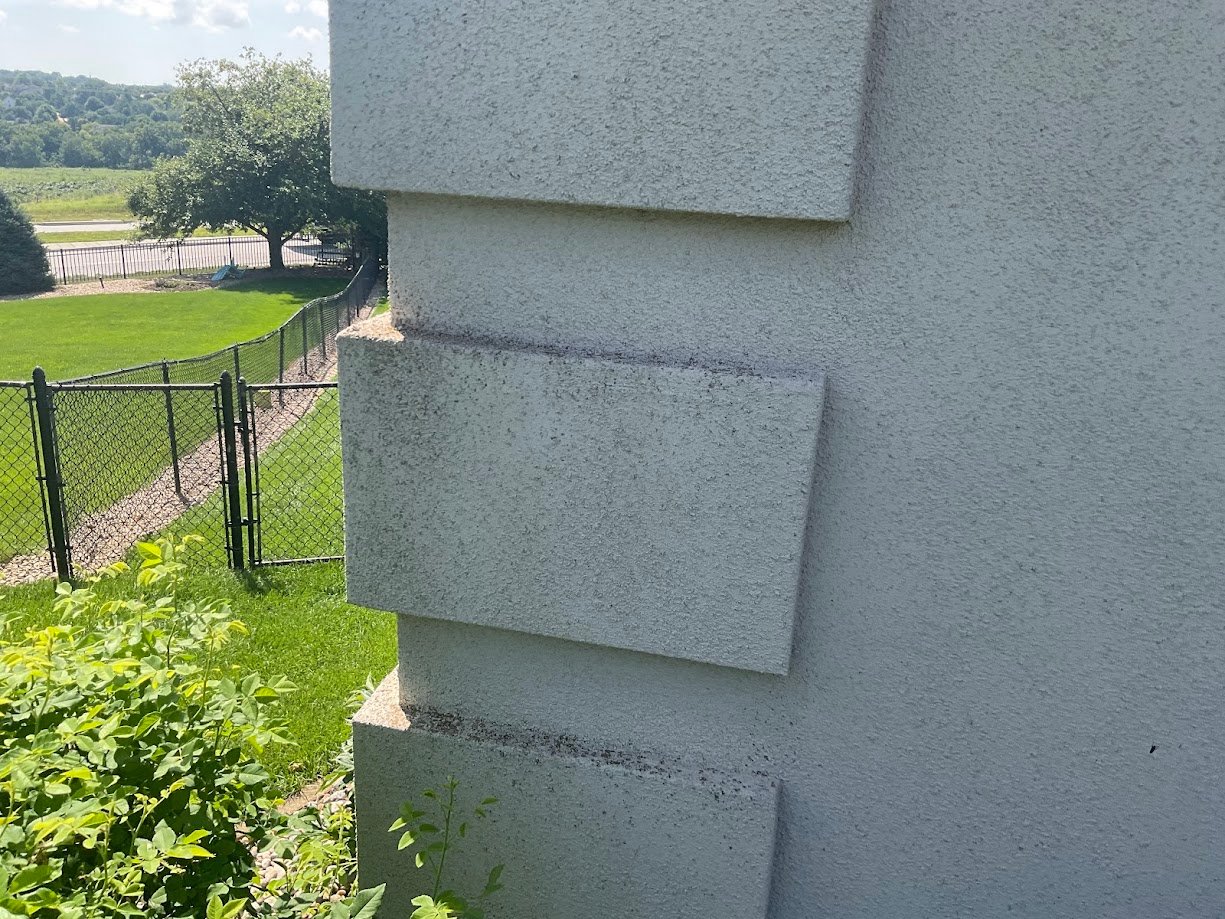
Ask how the painter will handle washing, loose paint, bare areas, failed caulk, damaged siding, weather, and landscaping. Exterior durability depends heavily on surface condition and application conditions, so the estimate should explain more than color and square footage.
Ask these service-specific questions:
- How will the house be cleaned before painting?
- Which areas will be scraped and sanded?
- Will bare wood receive exterior primer?
- How will rotten trim or siding be handled?
- Will spray application be followed by back rolling or back brushing where needed?
- What temperature and moisture conditions are acceptable?
- Are gutters, downspouts, shutters, doors, and the foundation included?
Papillion weather can change quickly. Ask what happens if rain, wind, heat, or cold interrupts the schedule and how exposed prepared surfaces will be protected.
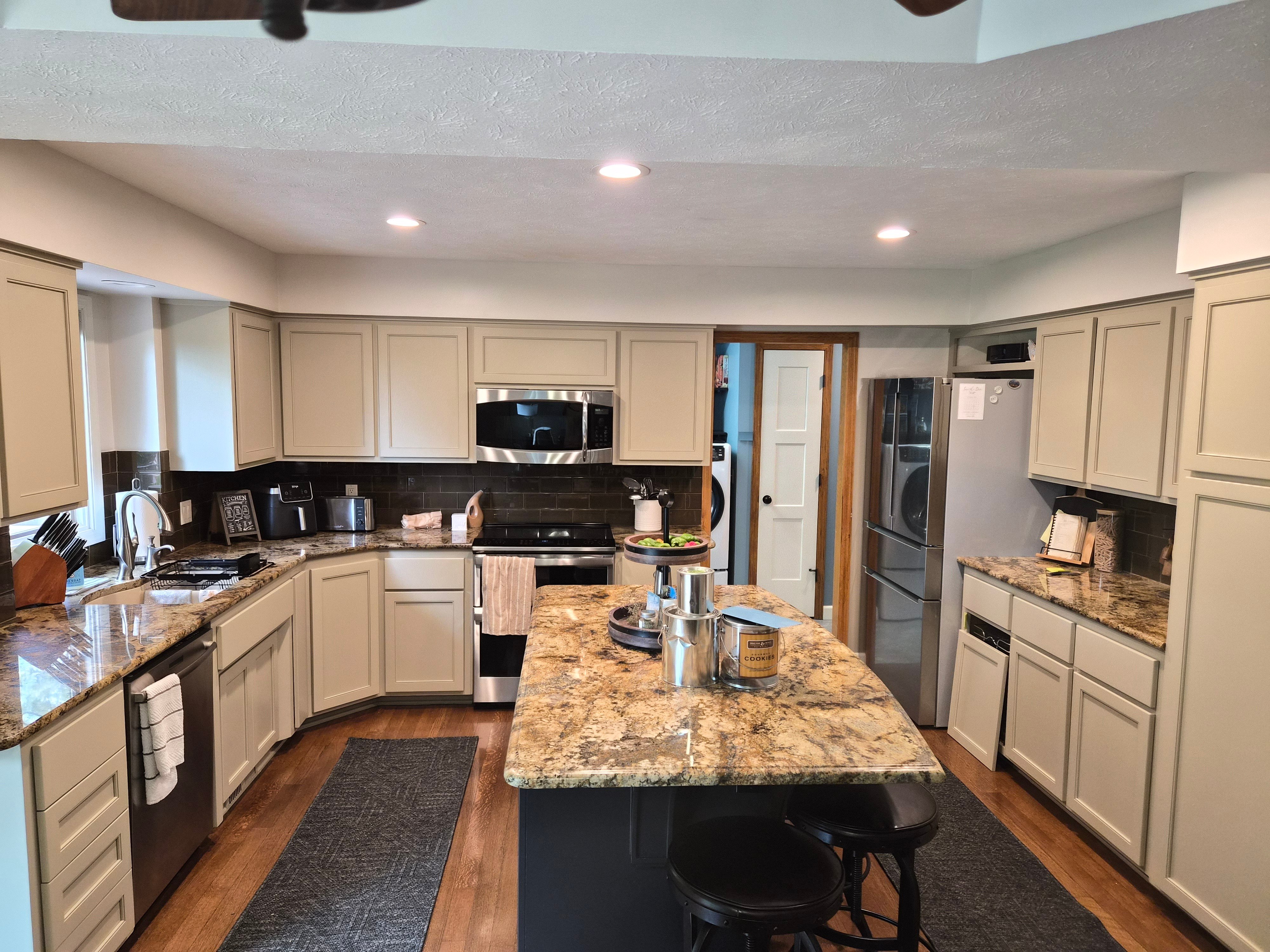
14. What Questions Should I Ask a Cabinet Painter?
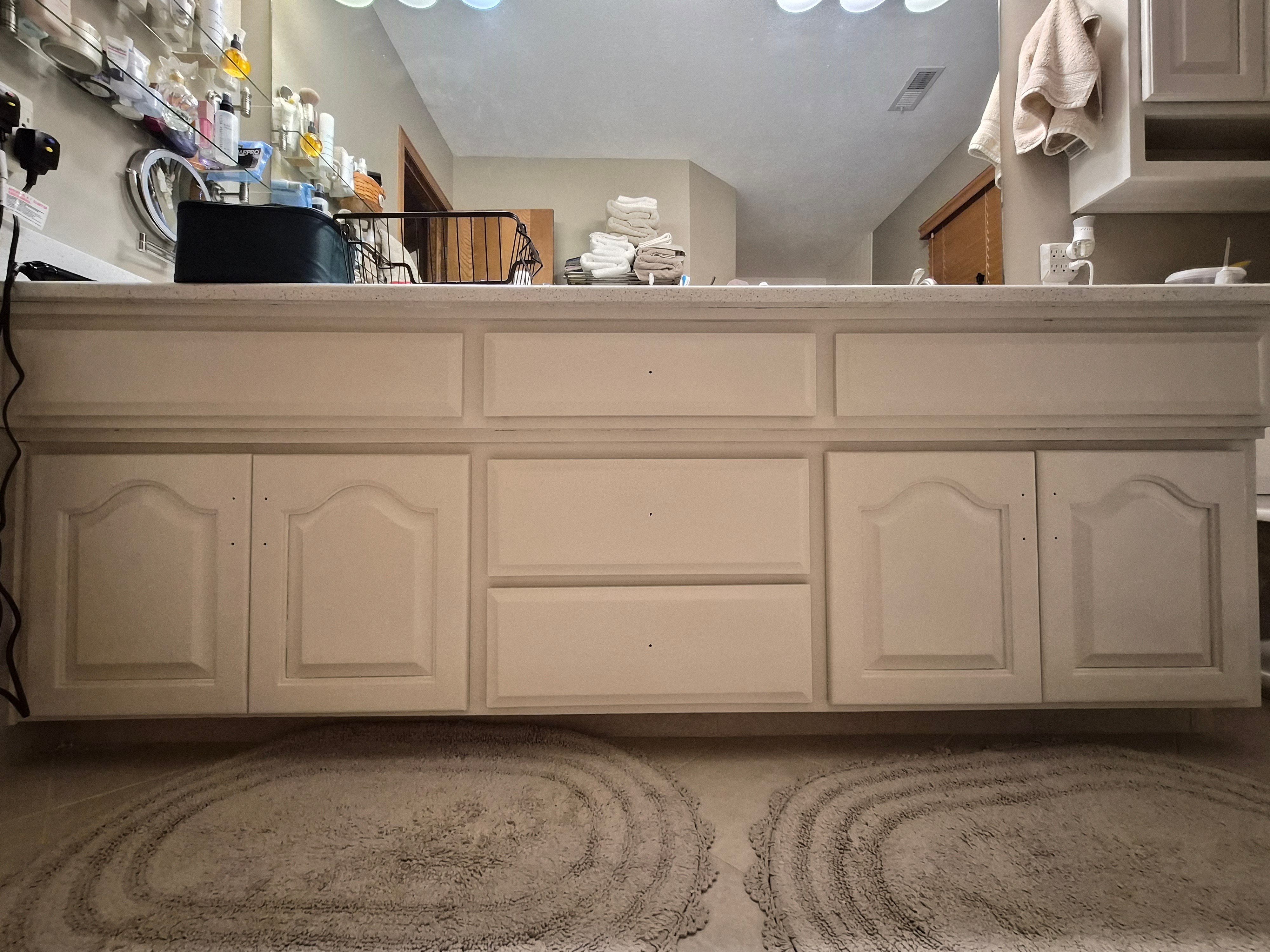
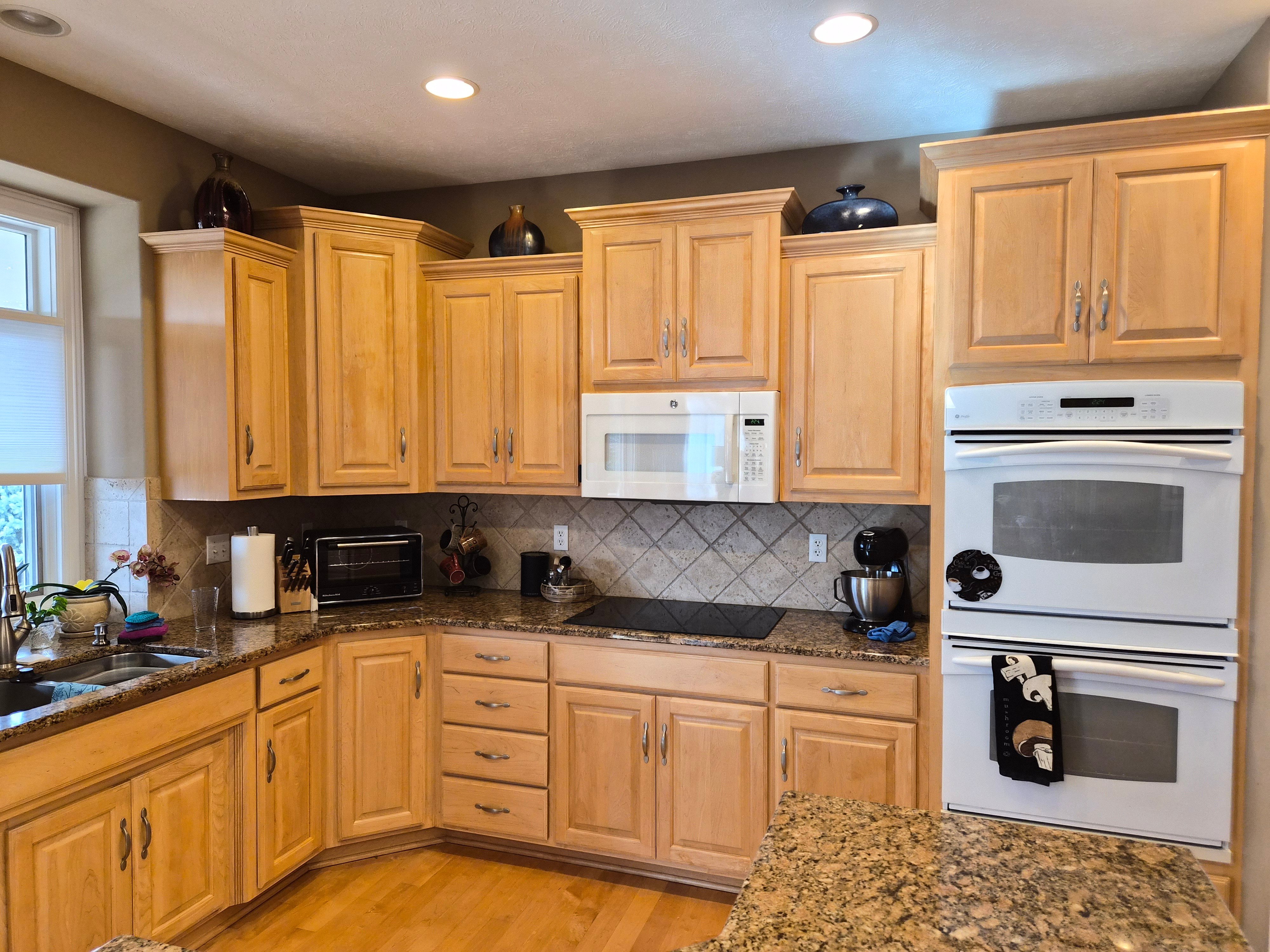
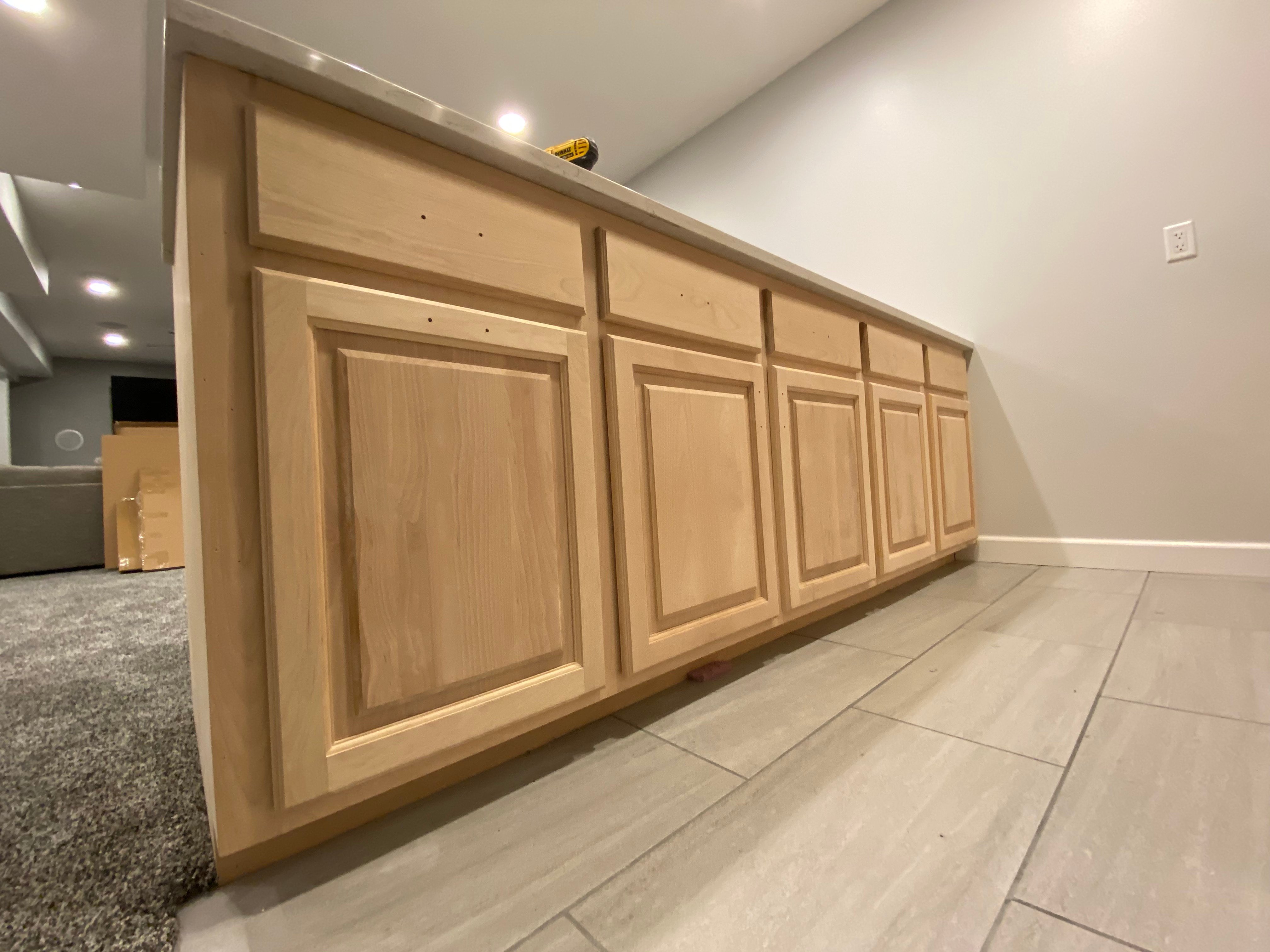
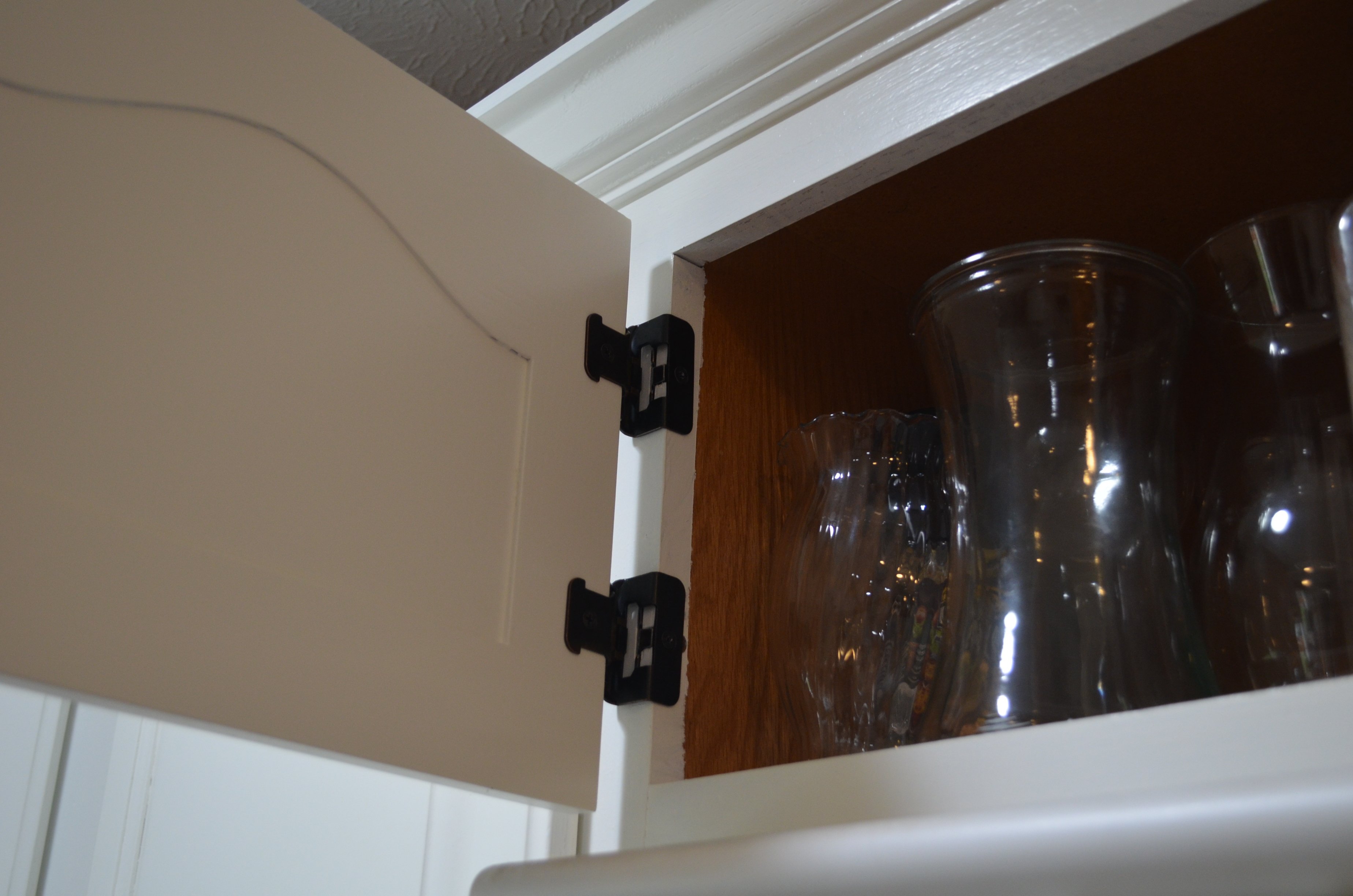
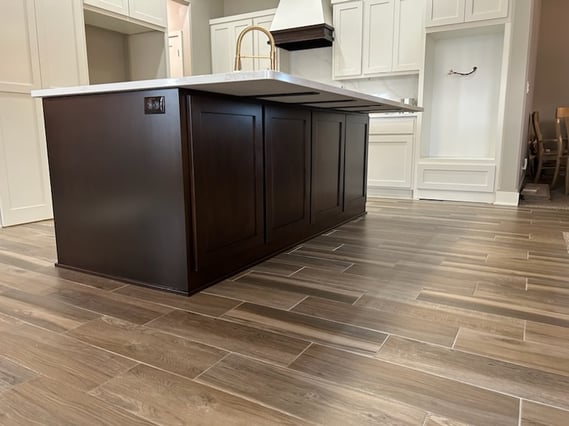
Cabinet painting needs a process designed for cabinets, not ordinary wall paint applied with extra care. Ask where doors and drawers will be finished, how grease and old coatings will be removed, what sanding and primer are included, and which cabinet finish will be used.
Ask the cabinet painter:
- Will doors and drawer fronts be removed and labeled?
- Will they be finished in a controlled shop or in my home?
- How will cabinets be cleaned and sanded?
- What primer and cabinet coating will be used?
- Are hardware removal, adjustments, and reinstallation included?
Also ask to see close photos of finished corners, door edges, face frames, and areas around handles. Those locations often show the quality of the preparation and application.
15. What Questions Should I Ask a Deck Staining Contractor?
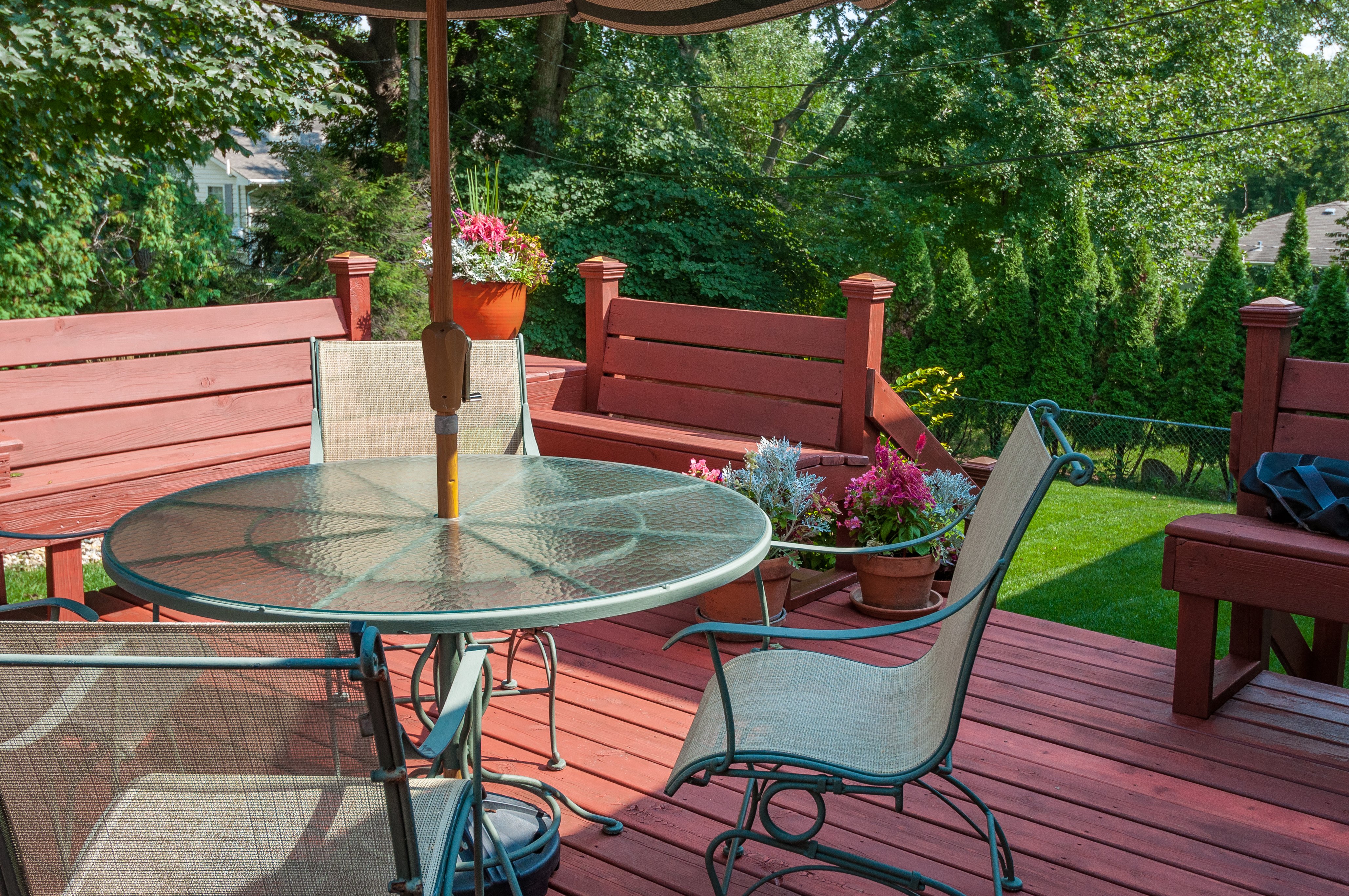
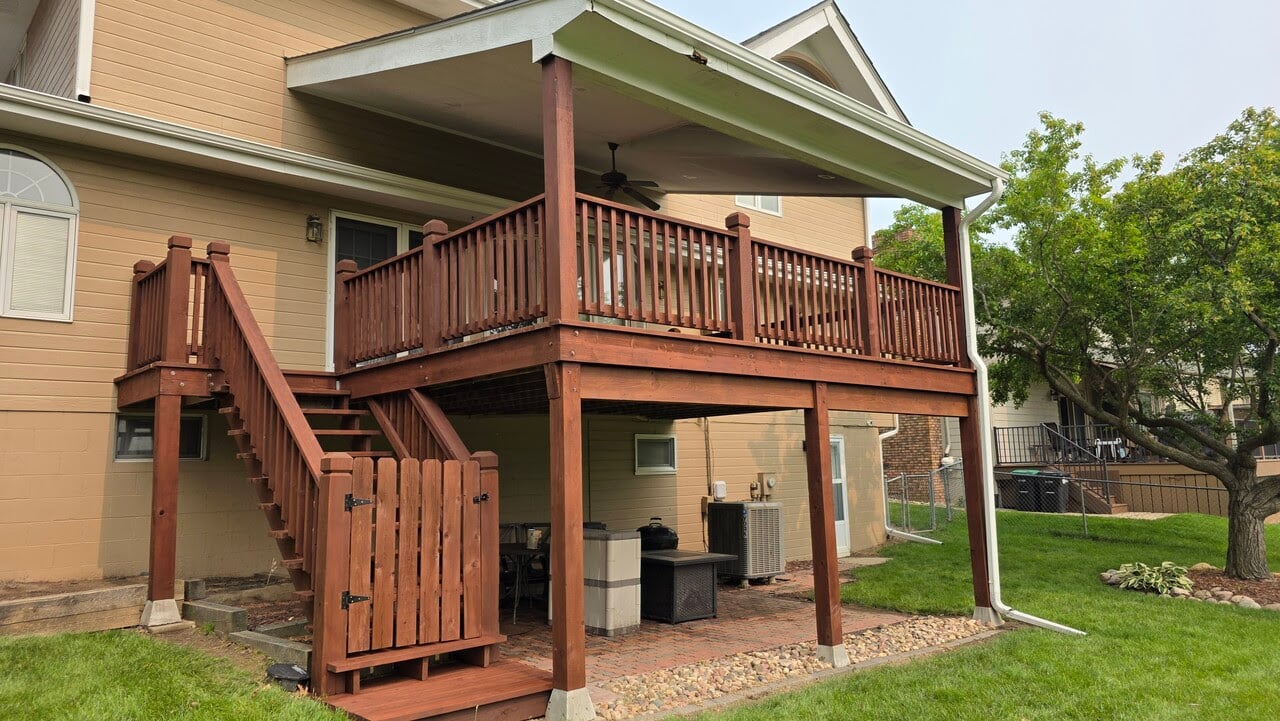
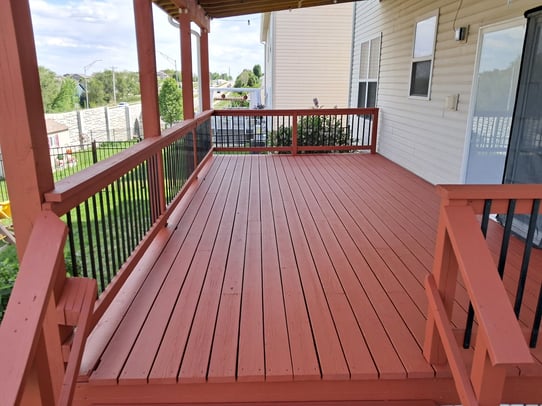
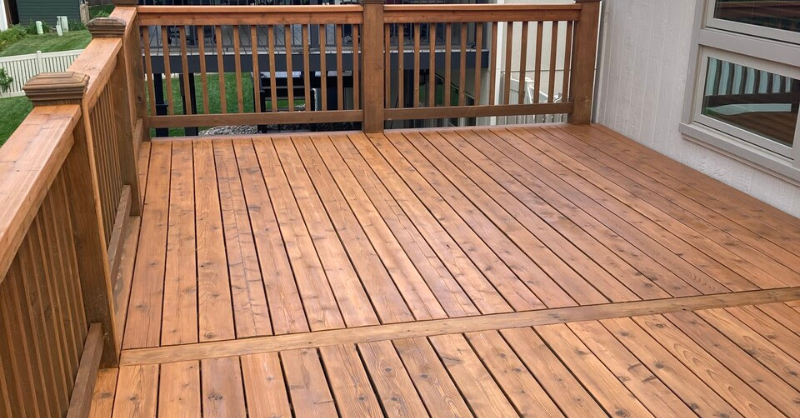
Ask how the contractor will clean, dry, sand, and coat the wood. Decks face foot traffic, standing moisture, strong sunlight, and seasonal movement. The age and condition of the boards should guide the preparation and stain choice.
Helpful questions include:
- Will the deck be washed, and how long will it dry?
- What sanding is included?
- Is the proposed stain transparent, semi-transparent, semi-solid, or solid?
- When can people and furniture return to the deck?
- How should the deck be maintained after the project?
How To Compare Painting Estimates in Papillion, NE
Compare the scope line by line before comparing price. Confirm that each estimate covers the same surfaces, repairs, coats, products, protection, and cleanup. If one price is much lower, find the missing difference instead of assuming that every painter plans the same work.
Create a simple comparison using these categories:
- Surfaces included
- Preparation and repairs
- Primer and finish products
- Number of coats
- Protection and cleanup
- Crew and supervision
- Schedule and payment terms
- Warranty and exclusions
The best value is the proposal that fits your goals and explains how the result will be achieved. It may or may not be the lowest price.
What Are Red Flags When Hiring a Painter?
One concern alone may have an innocent explanation, but several warning signs should slow the decision. Pay attention when answers remain vague, key promises are missing from the estimate, or the painter pressures you to sign before you understand the work.
Common warning signs include:
- No written scope of work
- No clear insurance answer
- An exact product is not identified
- Preparation is described only as “prep as needed”
- A large payment is required before work begins
- Repairs and exclusions are not explained
- The company will not provide a written warranty
- Communication is consistently late or unclear
Frequently Asked Questions About Hiring a Painter in Papillion, NE
How many painting estimates should I get?
Two or three detailed estimates are often enough to compare approaches without creating confusion. More estimates do not always make the decision easier. Focus on whether each painter inspected the same surfaces, understood your priorities, and wrote a clear scope that you can compare fairly.
Should I choose the cheapest painter?
Not automatically. A lower price may be fair if the company is efficient or has lower overhead, but it can also leave out repairs, coats, protection, or stronger products. Ask why the price differs. Choose the scope, communication, and level of protection that best match your goals.
Should a painter provide a written estimate?
Yes. A written estimate should identify the surfaces, preparation, products, coats, price, and exclusions. It should also explain payment terms and possible changes. Clear paperwork protects both the homeowner and painter by giving everyone one shared description of the project.
How far ahead should I hire an exterior painter in Papillion?
Contact painters before your preferred season when possible, especially for larger exterior projects. Scheduling depends on crew availability, weather, repairs, and project size. An early estimate also leaves time for color choices.
Do I need to buy the paint myself?
Usually, the painting company supplies the coatings listed in its proposal. This helps the painter control product quality and quantity. If you want to provide paint, discuss it before signing. Confirm who is responsible if the product is unsuitable, runs short, or does not perform as expected.
Hiring a Painter in Papillion, NE
Hiring a painter feels less uncertain when you know what to ask. Instead of trying to judge companies by price alone, you can compare preparation, coatings, crews, protection, payment terms, and warranties. You can also ask questions that fit the age of your Papillion home and the exact service you need.
Brush & Roll Painting has served the Omaha area since 1996, and our goal with this guide is to help homeowners make a clear, informed decision. Whether you speak with another local painter or us, ask for specific answers and make sure important promises appear in writing.
If you would like Brush & Roll Painting to look at your project, click the button below to get a quote.

If you are still planning and are not ready for an estimate, use one of our home painting pricing calculators. You can choose 1 or a mixture of an interior painting calculator, exterior painting calculator, cabinet painting calculator, and deck staining calculator to get a better starting point for your budget.
Topics:
%202.jpeg?width=564&height=564&name=Scheppers%20After%2070%20(1)%202.jpeg)