Key Takeaways
- Wood deck boards will probably not match perfectly after staining, even when the same stain is applied to every board.
- Natural differences in wood grain, age, moisture, previous coatings, sun exposure, and repairs can affect the final color.
- New replacement boards often look lighter than older boards because they have not experienced the same weathering.
- Proper cleaning, sanding, and stain application can reduce color differences, but preparation cannot make every board identical.
- Slight variations are usually hard to notice when viewing the finished deck as a whole.
- Testing stain on several boards is one of the best ways to set realistic expectations before the entire deck is stained.
You choose a deck stain color, look at the sample, and picture the whole deck turning into one smooth, even shade. Then the stain goes on and a few boards look lighter, darker, warmer, or cooler than the boards beside them. It can make you wonder whether the stain was mixed incorrectly or something went wrong during application.
The truth is that deck boards will probably not match perfectly after staining. They can look very similar, and the differences are often hard to notice, but wood is a natural material. Each board absorbs stain in its own way.
Brush & Roll Painting has served homeowners throughout the Omaha area since 1996. Over the years, we have worked on decks made from new lumber, older weathered boards, repaired sections, and decks with several coatings left behind from previous staining projects.
That experience has shown us that preparation and quality stain matter greatly, but neither can erase every natural difference between boards. A professional can help create a more consistent appearance, but no painter can honestly promise that every piece of wood will finish in the exact same shade.
By reading this article, you will learn why deck boards can look different after staining, which boards are most likely to stand out, and how cleaning, sanding, stain selection, and application affect the finished color.
You will also learn what can be done to make a deck look more consistent, what expectations are reasonable, and when a color difference may point to an application problem instead of a natural feature of the wood.
Watch: 4 steps to staining a wood deck.
Will All of My Deck Boards Match After Staining?
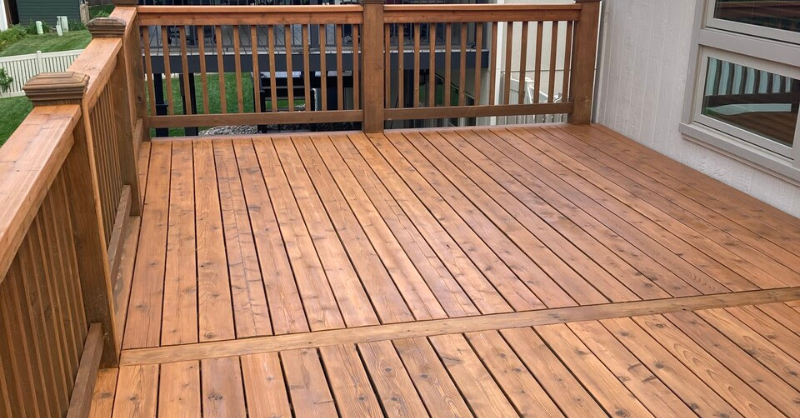
Probably not perfectly, but they should usually look very similar. Small differences in shade are normal because each deck board has its own grain, density, age, and history. From a normal viewing distance, most homeowners find that these variations blend together and give the deck a natural character rather than making it look poorly finished.
Think about a hardwood floor inside a home. Even when every plank comes from the same type of tree and receives the same finish, some planks appear lighter or darker. Deck lumber works the same way.
Stain does not sit on the surface like a sheet of colored plastic. It soaks into the wood. A board that absorbs more stain may look darker or richer. A denser board may absorb less and finish lighter.
The goal of staining is usually not to make every board look manufactured and identical. The goal is to create a deck that looks balanced, protected, and attractive as a whole.
Why Does Deck Stain Look Different on Each Board?
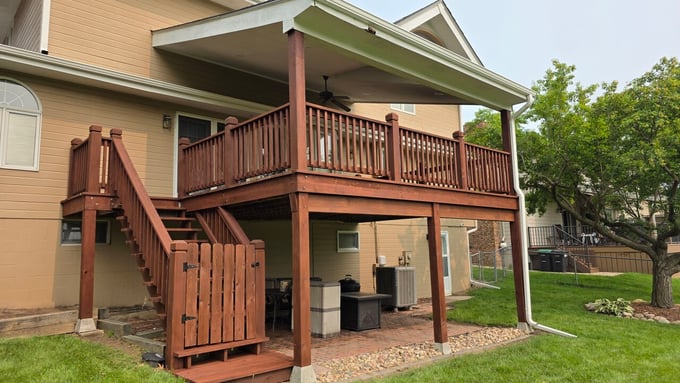
Deck stain looks different from board to board because wood is not perfectly uniform. Even boards purchased together can come from different parts of a tree or from several different trees. Grain pattern, wood density, natural color, moisture, age, and surface condition can all change the way stain is absorbed.
Several common factors affect the finished color:
- The natural color of each board
- Tight or open wood grain
- The amount of sunlight the board receives
- How much rain, snow, and moisture have reached the wood
- Whether the board is new or weathered
- The presence of an older stain or sealer
- How smoothly or aggressively the surface was sanded
- Whether the board contains knots or sap
- The amount of stain absorbed during application
Even two boards installed beside each other on the same day may not finish exactly alike. One may have a tighter grain and resist the stain. The other may be more porous and absorb additional color.
This does not mean the stain failed. It means the wood is showing its natural differences.
Will New Deck Boards Match Old Deck Boards After Staining?
New deck boards rarely match older deck boards perfectly after the first staining. New lumber usually has a smoother surface, a different moisture level, and less exposure to sunlight and weather. Older boards have experienced years of rain, heat, freezing temperatures, foot traffic, cleaning, and previous coatings.
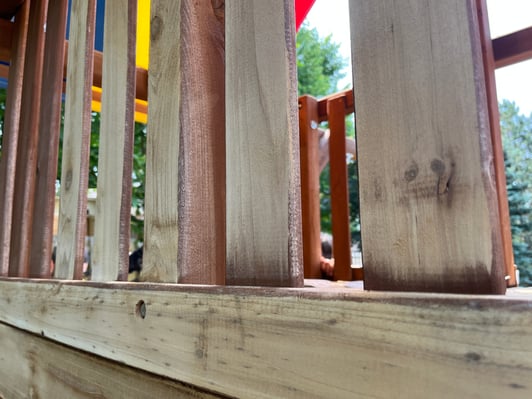
This is one of the most common concerns during a deck restoration or repair project in Omaha. A homeowner may replace three damaged boards and then stain the entire deck. Once finished, the three new boards may appear lighter or slightly warmer than the surrounding wood.
Several things are happening:
- Older wood may have turned gray before it was cleaned and sanded.
- Previous stain may remain deeper inside the older boards.
- New boards may still contain moisture from pressure treatment.
- Older boards may be more porous and absorb stain more deeply.
- New lumber may have a smoother surface that accepts less stain.
The difference often becomes less noticeable as the replacement boards age. Sun, moisture, and normal use begin to weather the new wood, helping it blend more closely with the older deck.
If a repair is planned, it may help to install the new boards well before staining. This gives the lumber time to dry and begin weathering. However, the proper waiting time depends on the type of lumber, its moisture level, the season, and the stain manufacturer’s instructions.

How Does Omaha Weather Affect Deck Stain Color?
Omaha weather can cause different areas of a deck to age at different rates. Strong summer sun may fade exposed boards, while shaded areas stay darker and hold moisture longer. Snow can sit on one section of a deck, while another area stays protected under a roof, pergola, or nearby tree.
A deck on the south or west side of a house usually receives stronger sunlight. Those boards may become drier, lighter, or more weathered than boards close to the house.
Shaded sections may experience:
- Slower drying after rain
- More mildew or algae growth
- Darker discoloration
- Longer exposure to moisture
- A different rate of stain failure
Omaha’s freezing and thawing cycles also place stress on exterior wood. Water enters small openings, freezes, expands, and contributes to surface wear. Over several years, this can change how evenly the wood accepts a new coat of stain.
Proper preparation can reduce these differences, but it cannot make every area of the deck have the same history.
Can Sanding Make All of the Deck Boards Match?
Sanding can make a deck look more consistent, but it cannot guarantee an exact color match. Sanding removes loose fibers, worn stain, surface discoloration, and rough areas. It also creates a cleaner surface that can accept stain more evenly.
The sanding method matters. If one board is sanded aggressively and another is barely sanded, the two surfaces may absorb stain differently. Using a consistent sanding process across the deck helps reduce that problem.
Sanding can help with:
- Removing loose or peeling stain
- Smoothing rough wood fibers
- Reducing gray surface weathering
- Blending repaired areas
- Opening the wood so stain can penetrate
- Creating a cleaner and more even appearance
However, sanding cannot change the age, grain, species, or internal color of a board. It also may not remove every trace of a previous coating that has soaked deeply into older wood.
The deck should be sanded according to its condition and the type of stain being applied. Sanding too smoothly can close the wood grain and reduce stain absorption. Leaving the surface too rough can make certain areas absorb too much stain.
Does Pressure Washing Help Deck Boards Match Better?
Pressure washing can help create a cleaner and more consistent starting surface, but pressure alone will not make all boards match. Washing removes dirt, mildew, pollen, loose material, and some weathered wood fibers. It is often one step in preparing an older Omaha deck for staining.
The amount of pressure must be controlled carefully. Too much pressure can cut into soft wood, leave visible lines, or create fuzzy fibers. Those damaged areas may absorb stain differently and remain visible afterward.
A good cleaning process may include:
- Applying the correct deck cleaning product
- Allowing enough time for the cleaner to work
- Washing with controlled pressure
- Rinsing the surface thoroughly
- Allowing the deck to dry fully
- Sanding raised fibers after washing
Wood moisture should be checked before staining. If some boards are still damp while others are dry, the stain may absorb unevenly. Damp wood can also interfere with adhesion and drying.
%20Medium.jpeg?width=417&height=276&name=Swanson%20Before%205%20(1)%20Medium.jpeg)
Which Type of Deck Stain Hides Board Color Differences Best?
Solid color stain usually hides the most variation because it adds an opaque layer of color. Transparent and semitransparent stains show more of the natural wood grain, which means differences between boards remain easier to see.
Here is how common stain types compare:
- Transparent stain shows the most wood grain and natural color variation.
- Semitransparent stain adds color while still allowing the grain to show.
- Semisolid stain provides greater color coverage while preserving some wood character.
- Solid color stain covers most of the natural board color but may still show texture, cracks, knots, and repairs.
A solid color stain may be a good choice when a deck contains many repairs, several types of lumber, or heavy discoloration. Still, it should not be treated as a guarantee of a perfectly flat and identical appearance.
Wood texture affects how light reflects from the surface. A rough older board may look slightly darker than a smooth replacement board, even when both receive the same solid color stain.
The best stain type depends on the deck’s condition, the existing coating, the look the homeowner wants, and the amount of future maintenance they are comfortable handling.
Will Applying a Second Coat Make the Boards Match?
A second coat may deepen the color and improve consistency, but more stain is not always the answer. Some products call for one coat, while others allow or require two. Applying more stain than the wood can absorb may create shiny spots, sticky areas, slow drying, or early coating failure.
If one board looks lighter because it absorbed less stain, adding more product may not make it match. The extra stain could remain on the surface instead of soaking into the wood.
The painter should follow the stain manufacturer’s directions concerning:
- Number of coats
- Drying time between coats
- Recommended application temperature
- Acceptable wood moisture
- Coverage rate
- Application by brush, roller, pad, or sprayer
A second coat should be applied because the product and surface call for it, not simply because one board looks a little different.
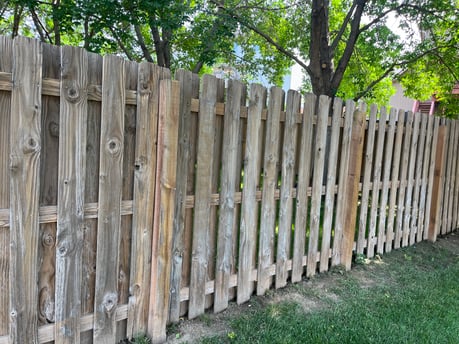
Can Deck Stain Be Touched Up on One Board?
A light board can sometimes be touched up, but spot staining may create a darker patch or visible edge. Before making a correction, the stain should be allowed to dry completely. Wet stain often appears darker, and different sections may need more time to reach their finished color.
If a board still looks noticeably light after drying, the painter should first determine why.
Possible causes include:
- The board is newer or denser.
- The wood was damp during staining.
- The surface was sanded differently.
- Less stain was applied to that area.
- An old sealer prevented absorption.
- The stain was not stirred often enough during application.
Touching up may help when the original coat was too thin. It may not help when the difference comes from the board itself. Testing a small area is safer than applying another coat to the entire board without knowing how it will react.
How Can a Painter Make Deck Boards Look More Consistent?
A painter can improve consistency through careful preparation, stain testing, proper mixing, and controlled application. The best results begin before the stain container is opened.
A dependable process commonly includes:
- Inspecting the deck for damaged or loose boards
- Identifying new and old lumber
- Checking for previous coatings
- Cleaning the deck thoroughly
- Allowing enough drying time
- Sanding the wood consistently
- Mixing or stirring the stain as directed
- Maintaining a wet edge during application
- Avoiding lap marks and puddles
- Applying the correct amount of product
Stain contains pigments that can settle toward the bottom of the container. If it is not stirred during the project, the color may become stronger or weaker as work continues.
Application timing also matters. Staining a deck in direct afternoon sun can cause the product to dry too quickly. Working during suitable weather helps the stain spread and absorb more evenly.
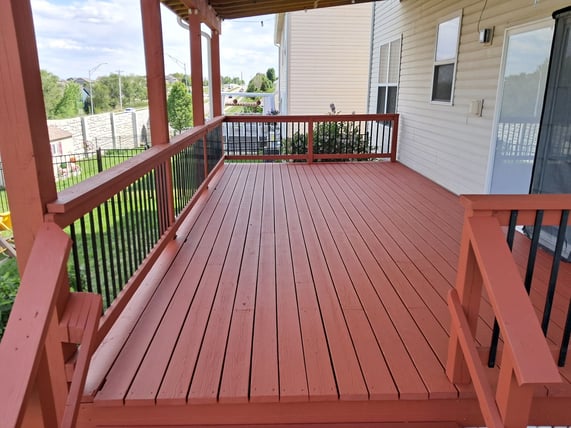
Are Color Differences a Sign of a Bad Deck Staining Job?
Small color differences are usually normal and do not automatically point to poor workmanship. Large streaks, lap marks, puddles, bare areas, or sharp color changes may indicate a preparation or application problem. Natural variation usually follows individual boards or sections of grain rather than appearing as random application marks.
Normal wood variation may include:
- One full board appearing slightly lighter
- Darker areas around knots
- Differences between new and old lumber
- More visible grain in certain boards
- Small changes between sunny and shaded sections
Possible workmanship concerns may include:
- Heavy stain puddles
- Sticky areas that do not dry
- Clear roller or brush marks
- Abrupt overlaps across several boards
- Missed areas
- Peeling shortly after application
- Stain applied over dirt or loose material
The pattern often tells the story. If the difference follows the natural outline of a board, the wood is probably the cause. If the difference cuts across several boards in a straight line, the application may be responsible.
Should Natural Deck Board Variations Be Considered a Problem?
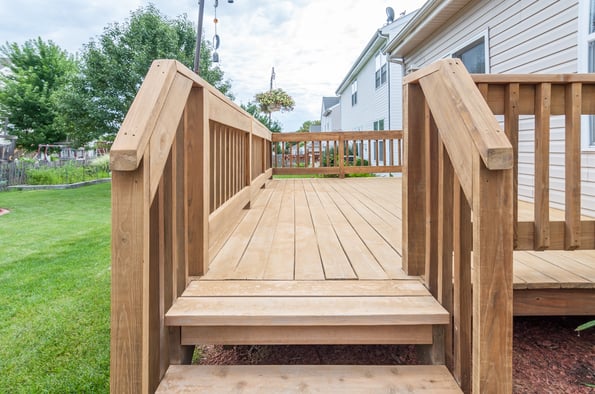
Usually, no. Slight color changes give a wood deck character and help it look like real wood. When the deck is viewed from the yard, patio, or back door, small differences often disappear into the overall appearance.
Many homeowners notice every detail immediately after a project because they are carefully inspecting the fresh work. After furniture, planters, and normal outdoor items return to the deck, minor shade differences become much less noticeable.
The key is setting the right expectation. A stained deck should look clean, balanced, and well cared for. It does not need to look like every board came from a printing machine.
Frequently Asked Questions About Matching Deck Boards After Staining
How long does it take for deck stain color to even out?
Deck stain may need several days to dry and settle into its finished appearance. Drying time depends on the product, temperature, humidity, shade, and wood moisture. Some minor differences may soften as the stain cures, but natural variations between boards will usually remain.
Will replacement deck boards eventually blend with older boards?
Replacement boards often blend better after they have been exposed to sunlight and weather. The change is gradual and may take months or longer. They may never become an exact match, but the contrast commonly becomes less noticeable over time.
Can the painter mix two stain colors to create a better match?
Custom mixing is possible with some products, but it should be approached carefully. The exact formula must be recorded so the same color can be produced later. Mixing colors also cannot make different boards absorb stain identically.
Does darker deck stain hide repairs better?
A darker stain can reduce some contrast, especially when using a semisolid or solid color product. Dark stain can also make grain, texture, and surface imperfections appear differently. A test area should be used before choosing a darker color solely to hide repairs.
Can new pressure treated wood be stained right away?
Sometimes, but many new pressure treated boards contain too much moisture for immediate staining. The wood should meet the stain manufacturer’s moisture requirements. A moisture meter provides more reliable guidance than waiting a fixed number of weeks.
Will the color shown on the stain sample match my deck exactly?
No. Samples are useful for comparing general colors, but your wood species, age, grain, preparation, and previous coatings affect the result. Always test the selected stain on the actual deck before approving the full application.
Is solid color stain the best choice for an older repaired deck?
It may be. Solid color stain offers greater coverage and can help blend new boards, old boards, discoloration, and previous repairs. The existing coating and condition of the wood should be checked first because changing stain types may require additional preparation.
Deck Staining in Omaha, NE
Your deck boards will probably not match perfectly, but that does not mean the finished deck will look patchy or poorly stained. Most differences are small, natural, and difficult to notice when the deck is viewed as one complete space.
You now know why grain, age, repairs, moisture, sunlight, sanding, previous coatings, and stain type can change the final color. You also know that testing the stain, preparing the surface correctly, and setting realistic expectations are the best ways to avoid disappointment.
Brush & Roll Painting has served the Omaha area since 1996. Our goal is to help homeowners understand their options, ask better questions, and choose a process that fits the condition of their deck. We use high quality materials and stain products while giving preparation the time and attention it requires.
If you would like someone to inspect your deck and explain what you can reasonably expect from staining it, click the button below to get a quote.

If you are not ready to request a quote, use our deck staining pricing calculator to get a general idea of what your project may cost.

Topics:
%202.jpeg?width=564&height=564&name=Scheppers%20After%2070%20(1)%202.jpeg)