Key Takeaways
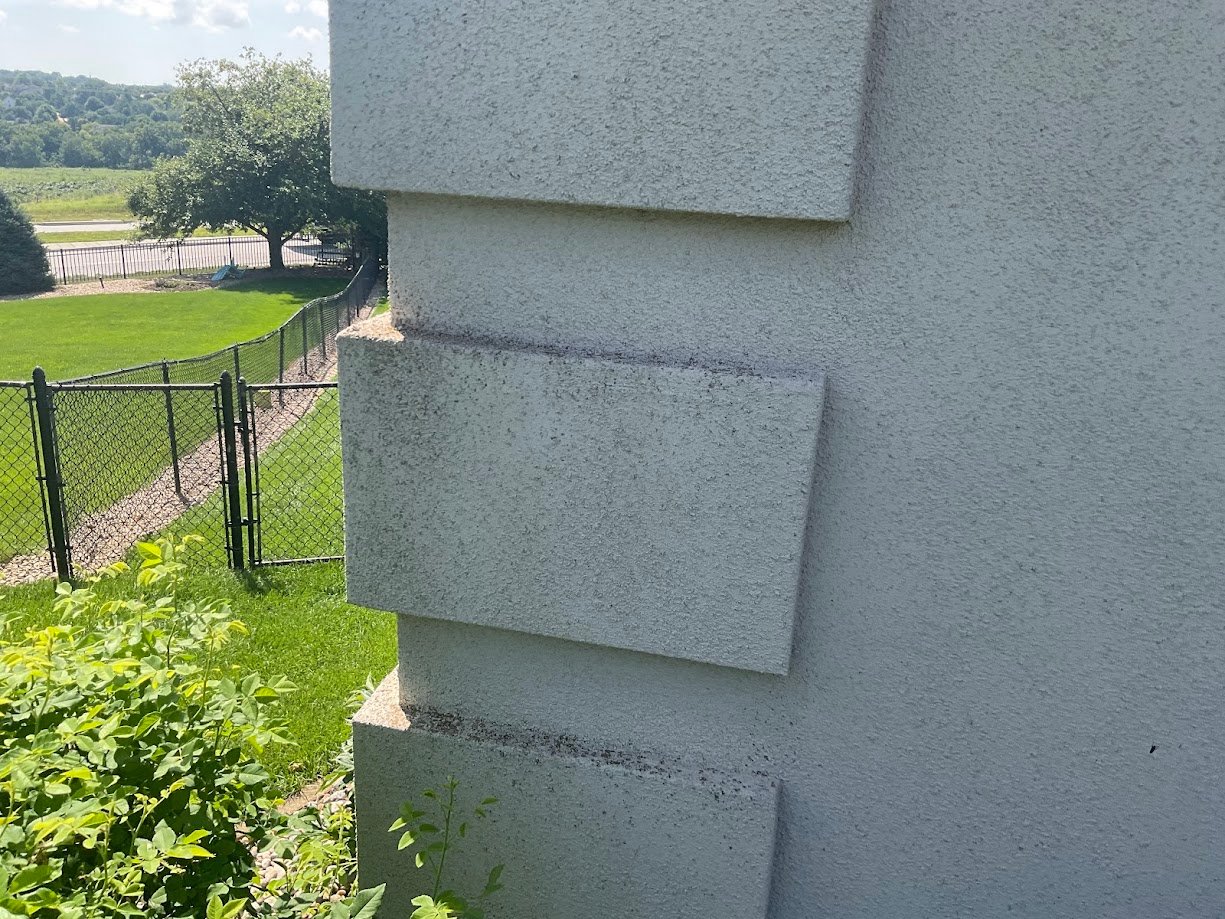
- EIFS stands for Exterior Insulation and Finish System. It is an insulated exterior wall system commonly called synthetic stucco.
- Painting EIFS can refresh faded color and add protection, but paint cannot correct trapped moisture, damaged insulation, or major cracks.
- Before painting, the contractor should inspect cracks, sealant joints, windows, doors, roof connections, and areas near the foundation.
- EIFS must be cleaned carefully because aggressive pressure washing can damage its softer surface.
- Rough EIFS textures can absorb more paint than homeowners expect, which may affect material use and project cost.
- A quality acrylic exterior paint, proper repairs, and careful application give EIFS the best chance of performing well in Omaha weather.
EIFS can look like ordinary stucco, but it is built differently and requires a different level of care. A homeowner may see fading, algae, small cracks, or worn areas and wonder whether the surface needs cleaning, painting, repair, or all three. Moisture concerns make the decision even harder because fresh paint cannot solve every problem hiding beneath the surface.
Brush & Roll Painting has served Omaha area homeowners since 1996. During that time, we have inspected and painted many types of exterior surfaces, including traditional stucco, EIFS, wood siding, composite siding, masonry, and concrete foundations. Those years have taught us that good exterior painting begins with understanding the surface and completing the right preparation.
By reading this guide, you will learn what EIFS is, how it differs from traditional stucco, when it can be painted, what signs require closer inspection, and what a professional EIFS painting process may include. You will also know which questions to ask a painter before approving an estimate.
What Is EIFS on a House?
EIFS stands for Exterior Insulation and Finish System. It is a layered exterior wall covering that combines insulation with a textured finished surface. Many homeowners call it synthetic stucco because it resembles stucco from the street, but its construction is quite different.
A typical EIFS wall may include:
- Exterior wall sheathing
- A water-resistant layer or drainage system
- Foam insulation board
- A reinforced base coat with fiberglass mesh
- A textured acrylic finish coat
The foam provides continuous insulation across the exterior wall. The reinforced base coat helps protect that foam, while the finish coat creates the color and texture homeowners see.
Modern EIFS with drainage is designed to manage water that gets behind the outer surface. The exact construction depends on the age of the house, the manufacturer, and how the system was originally installed. This is one reason painters should avoid making assumptions from appearance alone.
The EIFS Industry Members Association explains that EIFS with drainage combines continuous insulation with components intended to manage air and moisture as part of the building enclosure.
Is EIFS the Same as Traditional Stucco?
No, traditional stucco is usually a hard cement-based coating installed over masonry or metal lath. EIFS is a layered system that normally includes foam insulation beneath a thinner reinforced coating.
You can sometimes hear a difference by gently tapping the wall. Traditional stucco often sounds hard and solid. EIFS may sound slightly hollow because insulation board sits beneath the finished surface. A painter should never punch, scrape deeply, or aggressively probe EIFS just to identify it.
The two surfaces also respond differently to impact. Traditional stucco is hard but may develop cracks. EIFS has some flexibility, but the surface can be punctured or crushed by ladders, tools, hail, patio furniture, or other impacts.
Benjamin Moore describes EIFS as a synthetic stucco system that is generally softer than traditional stucco. That softer construction is one reason careful washing and surface preparation matter when repainting it. Benjamin Moore’s stucco painting guide provides additional information about the difference.
Can EIFS Be Painted?
Yes, EIFS can usually be painted when the existing system is stable, dry, clean, and properly prepared. Painting may restore faded color, cover permanent staining, improve the home’s appearance, and give the exterior finish another protective coating.
Painting is not a replacement for EIFS repair. Before work begins, the contractor should determine whether the visible concerns are limited to the finish or whether the system has more serious damage.
Painting may be appropriate when the surface has:
- General fading
- Uneven color
- Chalking
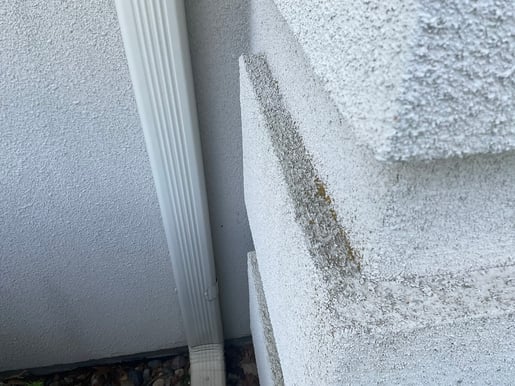
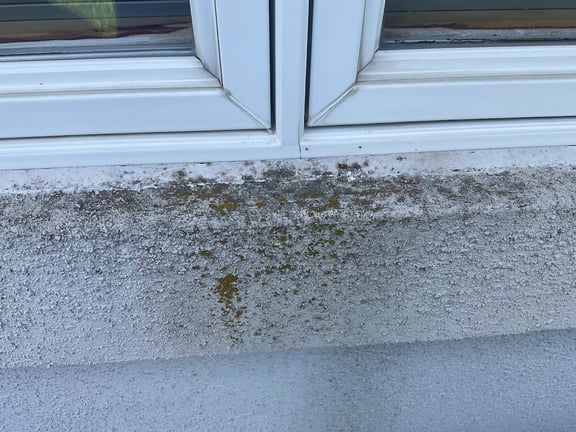
- Light algae or mildew growth
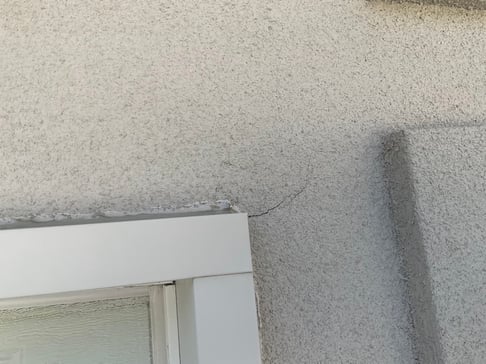
- Minor surface cracks that can be repaired
- Worn finish on ledges or decorative bands
- Previous paint that is still mostly bonded
- Small gaps in paintable joints that can be corrected properly
A separate EIFS evaluation may be needed when the surface has:
- Soft or spongy areas
- Bulging sections
- Large or spreading cracks
- Repeated staining beneath windows
- Rust colored streaks
- Interior water stains
- Rot near windows or doors
- Missing sealant around openings
- Sections that move when gently pressed
- Signs that water may already be trapped behind the system
If moisture is suspected, simply coating the exterior can hide the warning signs without correcting the source. A qualified EIFS repair contractor, building envelope specialist, or moisture inspector may need to examine the wall before painting proceeds.
Does Painting EIFS Prevent Moisture Problems?
Painting can add protection to a sound EIFS finish, but it cannot guarantee that moisture will stay out. Water frequently enters around failed sealant, windows, doors, roof connections, penetrations, flashing, and damaged sections rather than through the middle of an intact wall.
Think of EIFS like a raincoat with seams and openings. The main fabric can be in good condition, but water may still enter through a broken zipper or an open pocket. On a house, those weak points are often the joints and transitions.
Before painting EIFS, check areas such as:
- Window and door perimeters
- Garage door openings
- Roof and wall connections
- Utility penetrations
- Light fixtures
- Hose connections
- Decorative ledges
- Bottom edges of the system
- Changes from EIFS to brick, siding, or foundation
- Existing sealant joints
Small gaps should not automatically be filled with whichever caulk happens to be available. EIFS joints must move without pulling apart or damaging the surrounding finish. The correct sealant and joint design depend on the existing system and location.
Painting helps maintain the visible finish. Correct sealant work and sound flashing help control water entry. These tasks support one another, but they do not serve the same purpose.

How Can You Tell If Older EIFS Needs Paint?
Older EIFS may need paint when cleaning no longer restores an even appearance, exposed areas have lost color, or the finish has become chalky and worn. There is no single age at which every EIFS home must be painted.
For example, consider an Omaha home with EIFS that has never been painted in 25 years. The surface may still look fairly good from the driveway. A closer inspection might reveal faded high points, discolored decorative blocks, worn window ledges, algae growth, small stress cracks, and gaps in aging sealant.
Those clues do not always mean the entire EIFS system is failing. They do suggest that the exterior deserves careful evaluation.
Ask these questions while walking around the house:
- Does the color look different under the eaves than in areas exposed to sunlight?
- Are the tops of ledges more faded than the vertical walls?
- Does a clean cloth pick up a powdery residue?
- Are dark or green stains concentrated in shaded areas?
- Are cracks limited to the thin surface, or do they appear wider and deeper?
- Is sealant separating from windows, doors, or trim?
- Are any areas soft when examined by a qualified professional?
Omaha homes experience strong sunlight, wind-driven rain, snow, ice, humidity, and repeated freezing and thawing. South and west-facing areas often show sun exposure first. Shaded sections may collect algae or mildew, especially where trees, roof runoff, or limited air movement keep the wall damp.
Can EIFS Be Pressure Washed Before Painting?
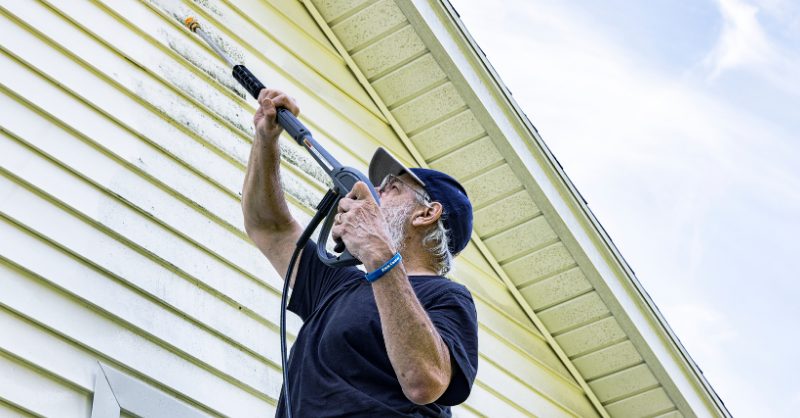
EIFS should be washed before painting, but the cleaning method must be gentle enough to protect the surface. A painter may use a cleaning solution, controlled water pressure, soft brushing, and thorough rinsing based on the condition and texture.
High pressure held too close to the wall can cut into the finish, expose the base coat, damage reinforcing mesh, or force water into openings. More pressure is not the same as better cleaning.
A careful cleaning process may include:
- Inspecting cracks, openings, and damaged areas before introducing water
- Protecting windows, doors, lights, landscaping, and nearby surfaces
- Applying an appropriate exterior cleaning solution
- Allowing the cleaner enough time to loosen dirt and organic growth
- Rinsing with controlled pressure
- Allowing the EIFS to dry before repairs, primer, or paint are applied
Some dark staining will wash away. Other discoloration may be permanent fading or wear within the finish. If the wall is clean but still looks blotchy, painting may be needed to create an even appearance.
What Preparation Is Needed Before Painting EIFS?
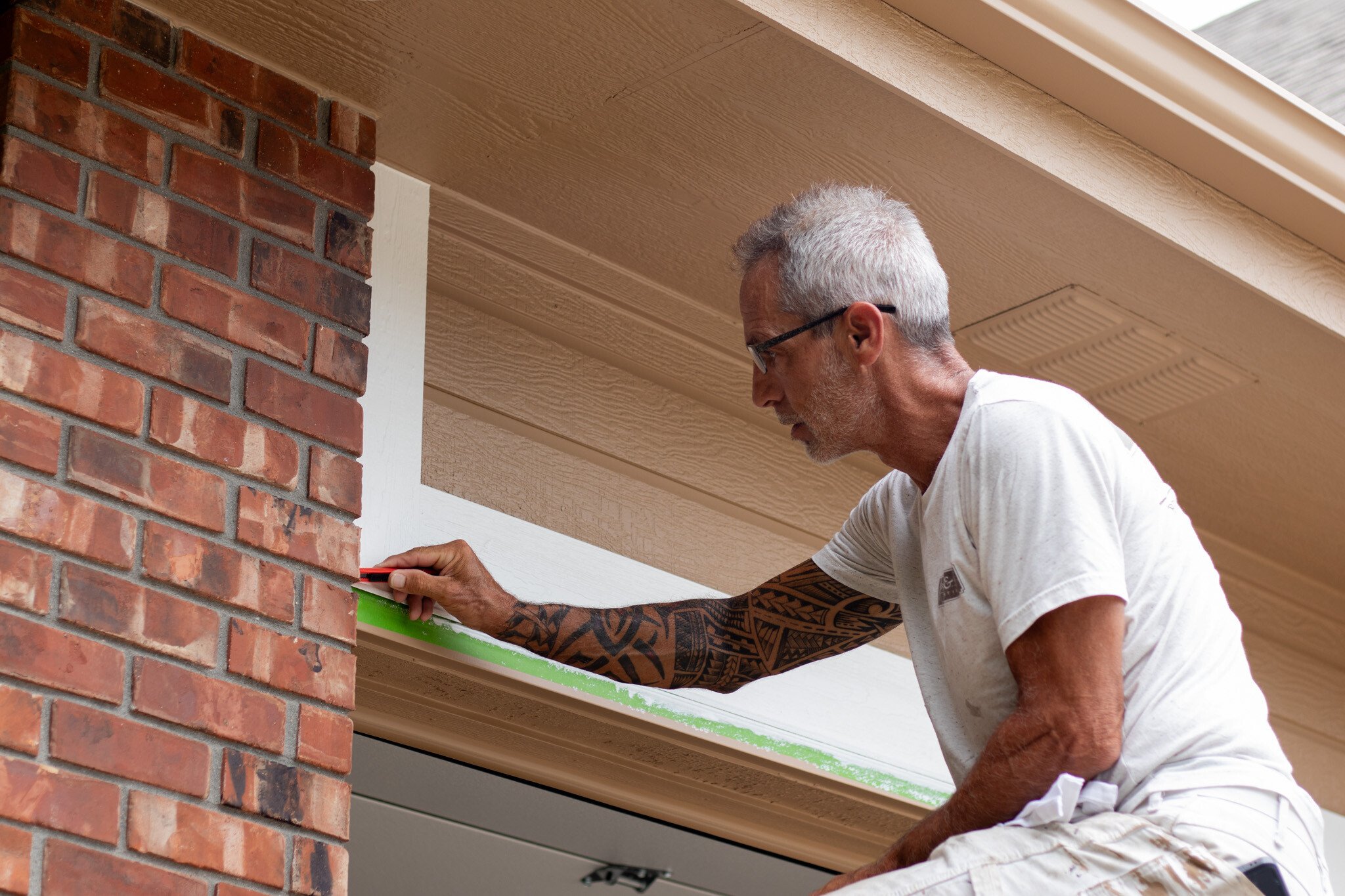
Preparation normally includes cleaning, removing loose material, addressing minor cracks, spot priming repaired areas, checking sealant, and protecting everything that should not receive paint. The exact process should reflect the condition of the individual house.
A professional EIFS preparation plan may include:
- Wash the surface to remove dirt, chalk, algae, mildew, and other contaminants.
- Allow the wall to dry thoroughly.
- Scrape loose or failing paint where previous coatings exist.
- Carefully clean deteriorated areas with methods that will not tear the EIFS surface.
- Repair minor surface cracks where practical.
- Identify cracks or damage that require an EIFS repair specialist.
- Replace failed sealant where it is included in the scope.
- Spot prime repaired or exposed areas when required by the coating system.
- Cover windows, brick, roofing, concrete, landscaping, fixtures, and nearby siding.
- Confirm that the surface is ready to accept paint.
Loose material should not simply be painted over. Paint can only bond as well as the layer beneath it. If the original finish is dusty, dirty, wet, or failing, the new coating may peel along with it.
Can Every Crack in EIFS Be Filled Before Painting?
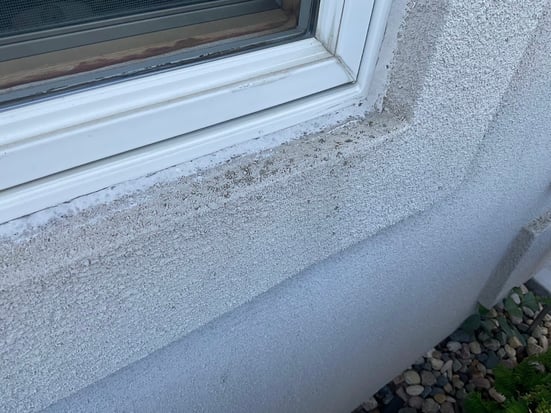
No. Some small surface cracks may be repairable during painting preparation, while larger cracks can point to movement, impact damage, failed joints, or problems inside the EIFS system. The cause matters more than simply hiding the line.
A painter may be able to address a small, stable crack in the finish when the repair product is compatible with the surface. That repair should be completed before painting so the finished wall looks consistent.
A larger crack may require:
- Removing damaged finish
- Inspecting the base coat and mesh
- Replacing damaged insulation
- Installing new reinforcing mesh
- Rebuilding the base coat
- Matching the original texture
- Correcting the source of movement or water entry
Texture matching can be difficult, especially on an older home. Even a sound patch may remain slightly visible because the original texture was applied by hand. Painting the full wall section often helps blend color differences, but paint will not erase a mismatched texture.
Homeowners should ask the estimator to separate minor painting preparation from major EIFS repairs. This makes the estimate easier to understand and reduces confusion once work begins.
What Type of Paint Should Be Used on EIFS?
A quality acrylic exterior coating that is compatible with EIFS is a common choice. The product should bond to the existing finish, tolerate exterior weather, maintain color, and perform without creating an unsuitable coating system.
For one Omaha EIFS project, Brush & Roll Painting specified Benjamin Moore Aura Exterior after washing, repairing minor surface cracks, and spot priming where needed. Benjamin Moore lists acrylic exterior paints, including Aura Exterior, for EIFS applications and describes Aura as having strong color retention and exterior film performance. Benjamin Moore’s exterior painting guidance includes EIFS among common compatible exterior surfaces.
Product selection should still be made for the actual house. A contractor should consider:
- Whether the EIFS has been painted before
- The condition of the current finish
- The manufacturer’s recommendations, if known
- Existing chalking or fading
- The amount of sunlight each wall receives
- The desired color
- The repair products being used
- The temperature and weather during application
Dark colors may absorb more heat than light colors. Before making a major color change, ask whether the EIFS manufacturer has color restrictions or a recommended light reflectance value.
Is One Coat of Paint Enough for EIFS?
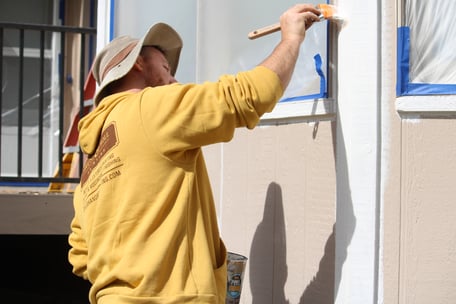
One finish coat may be appropriate when the EIFS is in good condition, the color remains similar, repairs are limited, and the selected premium coating provides uniform coverage. Other projects may require primer, two finish coats, or a different coating system.
The written estimate should state exactly what is included. If one finish coat is proposed, ask what happens if the repaired areas flash through or the old color does not cover evenly.
A complete coat means more than passing a sprayer across the wall once. The paint must reach the low areas within the texture and leave a consistent finish. Brush, roller, and spray methods may be combined depending on the surface.
The contractor should also explain whether additional coats are included or would create an added cost. This is especially helpful when repainting a rough, dry, or previously unpainted EIFS surface.
Why Can Painting Rough EIFS Cost More Than Expected?
Rough EIFS can consume a surprising amount of paint. The surface contains peaks, valleys, ledges, grooves, and decorative details that create more paintable area than a simple length times height measurement suggests.
A front elevation may appear small because much of the house has vinyl siding or brick. Yet the EIFS portion may still require considerable labor and material because of:
- Deep or coarse texture
- Decorative blocks or bands
- Window ledges
- Multiple garage openings
- Detailed masking
- Crack repair
- Sealant work
- Difficult ladder access
- Heavy absorption
- Extra brushing or rolling needed for full coverage
This is similar to painting a smooth sheet of paper compared with a thick bath towel. Both may cover the same table, but the towel has far more surface within its texture.
A reliable estimate should explain the surface condition, preparation, coating, number of coats, protected areas, and repair limits. Square footage alone does not tell the whole story.
Should the Foundation Be Painted at the Same Time as the EIFS?
The exposed concrete or block foundation can be evaluated and priced separately from the EIFS. This gives the homeowner the freedom to complete both areas together or choose the more urgent work first.
On many Omaha homes, the EIFS ends above an exposed foundation wall. That foundation may show peeling paint, bare block, chalking, staining, or wear near the ground.
Foundation preparation may include:
- Cleaning dirt and organic growth
- Wire brushing loose paint
- Scraping peeling areas
- Removing unstable coating
- Spot priming bare or repaired masonry
- Applying a compatible masonry or exterior coating
- Protecting siding, concrete, landscaping, and nearby surfaces
Peeling foundation paint can signal ordinary coating failure, but moisture pressure from inside the masonry may also push paint away. If peeling returns repeatedly, the homeowner should investigate drainage, grading, gutters, downspouts, sprinklers, and interior moisture.
Painting three sides of a foundation at the same time as one EIFS elevation may save setup time. Still, each surface should appear as a separate line item so the homeowner knows exactly what is included.
Can Paint Fix a Crumbling Concrete Block Foundation?
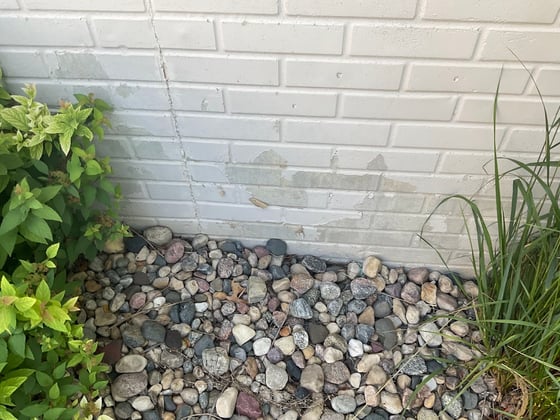
Paint can protect a properly prepared masonry surface, but it cannot rebuild seriously deteriorated block. Loose or crumbling masonry must be evaluated and repaired before coating.
A small amount of surface wear may call for wire brushing, cleaning, spot priming, and painting. Deep deterioration, movement, open mortar joints, or ongoing water entry may require a mason or foundation professional.
Homeowners should be cautious if an estimate promises that paint alone will stop every masonry problem. A coating is part of maintenance, not a structural repair.
How Long Does Painted EIFS Last in Omaha?
The service life of painted EIFS depends on surface condition, preparation, coating quality, color, exposure, drainage, sealant maintenance, and the original installation. No responsible painter can promise one exact lifespan for every home.
A shaded wall protected by deep roof overhangs may age differently from a west-facing garage wall that receives strong afternoon sun. Ledges collect more rain and snow than vertical surfaces. Areas near sprinklers may stay damp longer. Dark colors may experience more heat.
Homeowners can help the finish last by:
- Checking sealant around openings each year
- Keeping gutters and downspouts working
- Directing sprinklers away from the house
- Trimming plants away from the wall
- Cleaning organic growth before it spreads
- Watching for new cracks or soft areas
- Repairing impact damage promptly
- Keeping soil, mulch, and snow from covering the bottom edge
Annual inspection is especially useful after hail, wind, roof work, window replacement, or other construction around the home.
What Are the Biggest Challenges When Painting EIFS?
The hardest part is determining where painting ends and repair begins. A wall can look faded yet remain sound, or it can look acceptable while moisture is entering around a small failed joint.
Common challenges include:
- Identifying EIFS correctly
- Cleaning without surface damage
- Separating algae from permanent fading
- Finding small cracks in coarse texture
- Matching old texture after repairs
- Selecting compatible repair and coating products
- Reaching deep recesses in rough finishes
- Avoiding damage from ladders and equipment
- Protecting brick, windows, roofs, and concrete
- Estimating paint use accurately
- Distinguishing surface wear from moisture damage
A good painter should be willing to point out uncertainty. If part of the wall needs specialist attention, that should be discussed before coating begins.
What Should an EIFS Painting Estimate Include?
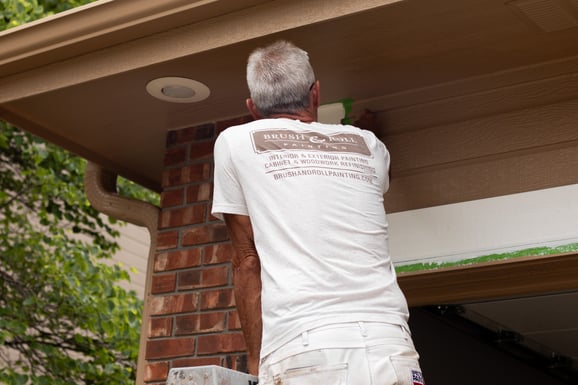
An EIFS painting estimate should clearly describe the exact elevation, cleaning process, repairs, primer, paint product, coat count, application method, exclusions, and protected surfaces. Broad wording such as “paint front of house” leaves too much room for disagreement.
Look for details such as:
- Which EIFS walls and decorative features are included
- How the surface will be washed
- Which minor cracks will be repaired
- Whether failed sealant is included
- How repaired areas will be primed
- The paint manufacturer and product
- The number of finish coats
- Brush, roller, or spray application
- How windows, brick, roofing, concrete, and plants will be protected
- Whether major EIFS repairs are excluded
- Whether the foundation is included or priced separately
- What conditions could change the price
The estimate should also explain what the contractor will do if cleaning reveals hidden damage. A clear change process protects both the homeowner and the painting company.
Frequently Asked Questions About Painting EIFS in Omaha
Can you paint EIFS that has never been painted?
Yes, an unpainted EIFS finish can often be painted if it is clean, dry, stable, and compatible with the chosen coating. The painter should inspect for chalking, cracking, failed sealant, impact damage, and moisture concerns first. Older, dry, textured EIFS may absorb more paint than expected.
Will painting EIFS change its texture?
Paint normally follows the existing texture rather than changing it. Heavy application may soften very fine details, while repairs can create visible texture differences. A sample area can help homeowners understand how the finished surface will look.
Should EIFS be primed before painting?
Not every EIFS surface needs a full primer coat. Repaired areas, exposed base coat, chalky surfaces, major color changes, or certain product systems may require primer. The painter should follow the coating manufacturer’s directions and the condition of the wall.
Can painters repair moisture damage behind EIFS?
Some painting companies complete minor surface repairs, but hidden moisture damage may require an EIFS repair contractor or building envelope specialist. The estimate should state where the painting company’s repair responsibility ends.
Can EIFS be painted during hot Omaha weather?
It can be painted during suitable weather, but surface temperature matters. Direct sunlight can make a wall much hotter than the air. Painters may need to follow shade around the house and avoid coating surfaces that are too hot, wet, or likely to receive rain before curing.
Should EIFS cracks be caulked?
Some joints require compatible sealant, while certain surface cracks require an EIFS patching method. Filling every crack with ordinary caulk can create poor adhesion, visible lines, or continued failure. The repair should match the type and cause of the opening.
Painting EIFS & Stucco in Omaha, NE
A faded or stained EIFS wall can leave you wondering whether the house needs a wash, a coat of paint, or a larger repair. The safest path is to begin with a careful inspection, pay close attention to moisture entry points, and separate cosmetic painting from specialized EIFS repairs.
You now know how EIFS is built, why it differs from traditional stucco, what warning signs deserve attention, how the surface should be cleaned and prepared, and what details belong in a painting estimate. You can also ask better questions about cracks, sealant, foundation coating, paint selection, and the number of coats.
Brush & Roll Painting has served the Omaha area since 1996. Our role is to help homeowners understand their exterior surfaces and make a well-informed decision about preparation, products, and project timing.
If you are ready to have your EIFS evaluated, click the button below to get a quote.

If you are still planning your project and are not ready for an appointment, use our exterior painting pricing calculator to get a starting point for your budget.

%202.jpeg?width=564&height=564&name=Scheppers%20After%2070%20(1)%202.jpeg)